Horin / 方林 Restaurant
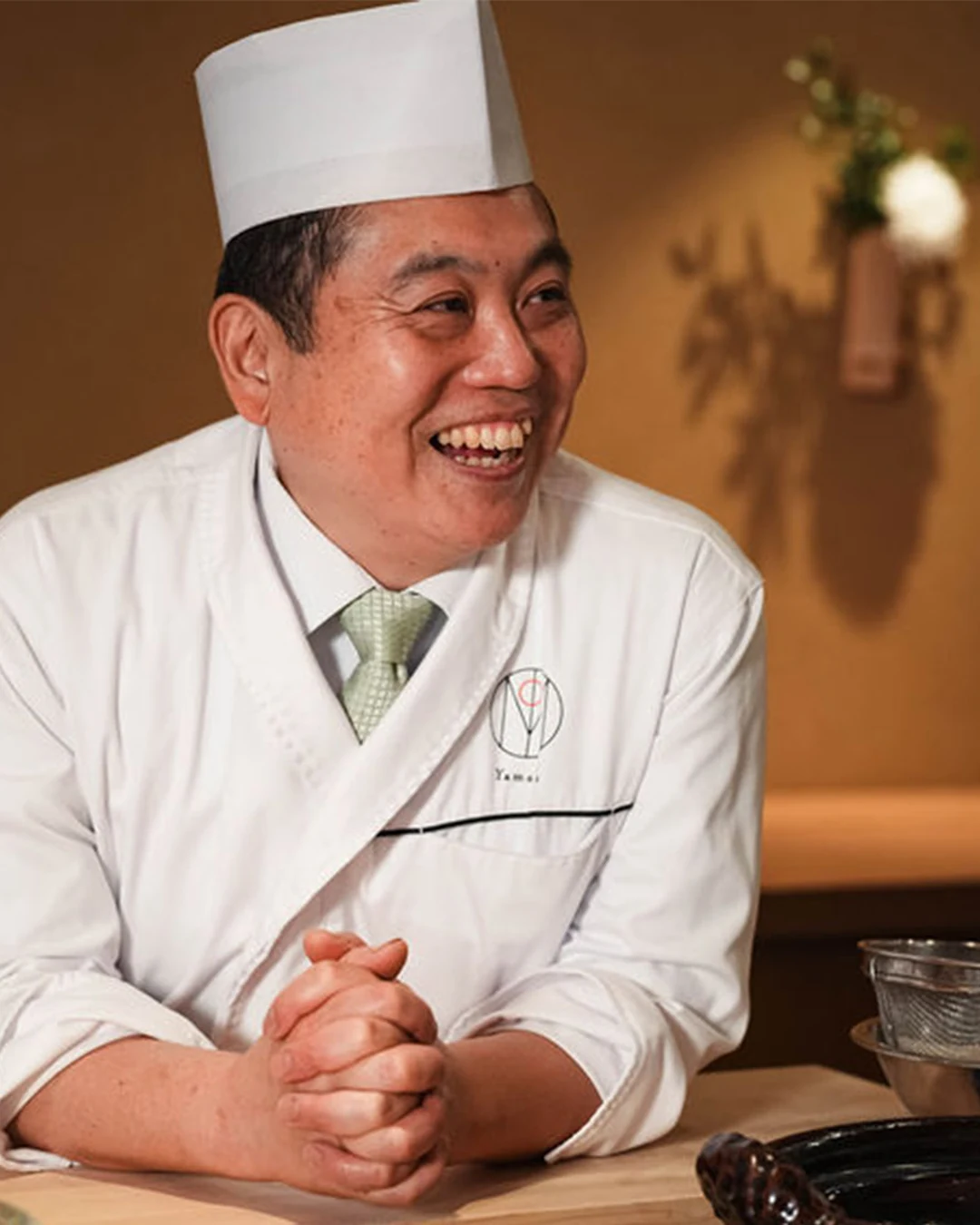
Chef in Residence
Chef Yamada Yuji
Chef
- 01CuisineKaga-style Kaiseki Fine Dining
- 02CityKaga Shi, Japan
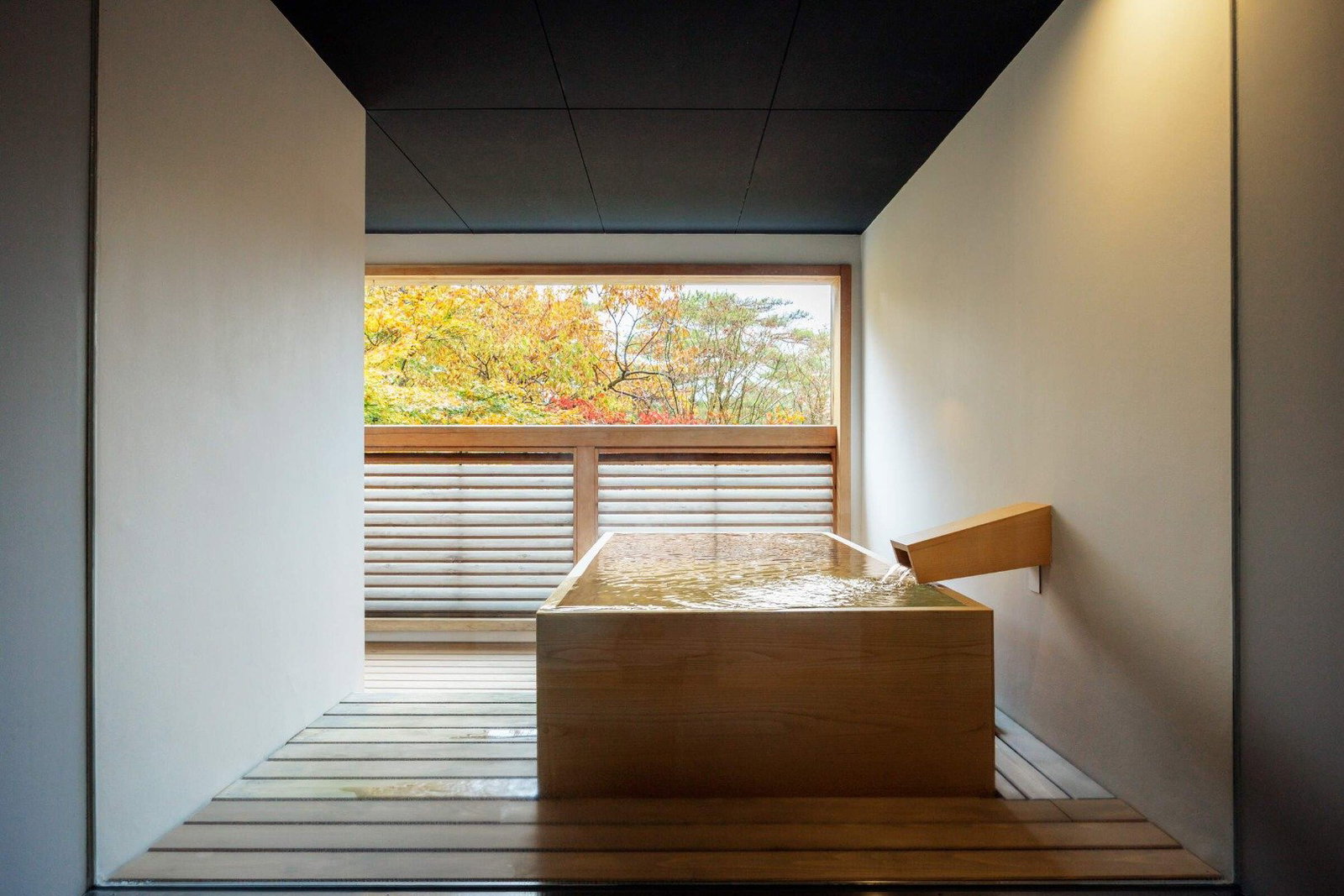
Horin / 方林 Restaurant belongs to Kaga Shi’s quieter dining register: seasonal Japanese cooking tied to the onsen town rhythm rather than metropolitan spectacle. Under Chef Yamada Yuji, the kitchen’s stated focus is supplier-led ingredients and a specifically Kaga sense of season, making it a useful counterpoint to Japan’s louder destination dining circuits.
At a glance
- Cuisine
- Kaga-style Kaiseki Fine Dining
- Price
- $$$$
- Per person
- $220
Yamashiro-Onsen gives restaurants a different pulse from the large-city dining districts of Tokyo, Kyoto, or Osaka. The approach is slower, the cues are local, and the meal is read against hot-spring travel, craft traditions, and the agricultural calendar of Ishikawa rather than against the theatre of a metropolitan tasting counter. Horin / 方林 Restaurant sits inside that frame: a Kaga Shi address where seasonal Japanese cooking is the central argument, not a decorative theme.
That matters because Kaga dining is not simply Kanazawa dining at a smaller scale. The city’s onsen areas have long served travellers who come for bathing, ryokan culture, ceramics, lacquerware, and quiet regional foodways. A restaurant working here has to speak to that cadence. The kitchen’s own stated ambition is to showcase seasonal ingredients grown and purchased through its suppliers, then draw out their potential with restraint. In a region where seasonality can become a slogan, that supplier-first language is the useful signal.
Kaga seasonality, read through a classical kitchen
“Cooking classics” is a broad label, but in this part of Japan it points toward continuity rather than nostalgia. Kaga’s culinary identity has historically absorbed courtly, merchant, and hot-spring influences: precise vegetable work, attention to vessels, local seafood from the Sea of Japan, and a respect for ingredients that arrive in short windows. The point is not maximal invention. The point is whether a kitchen can make the calendar feel legible.
Chef Yamada Yuji is the named figure here, though the more interesting story is not biography for its own sake. In Japanese regional dining, the chef’s role is often measured by calibration: how much to intervene, when to let a producer’s ingredient carry the course, and how to keep local character from turning into a museum piece. Horin’s stated focus on seasonal taste of Kaga places it in that school. The promise is not a parade of signatures; it is a disciplined reading of place.
For travellers comparing options across Japan, this is a different proposition from a single-dish specialist or a high-turnover urban counter. A Kamakura sukiyaki house such as -Grilled beef Sukiyaki- KAMAKURA TANUKIAN 鎌倉 たぬき庵 in Kamakura narrows the decision around beef and format. Tokyo casual dining, including places such as . 鮪と炭火焼き うお炭 秋葉原店 in Tokyo, often moves through speed, specialization, and neighbourhood density. Kaga asks for a broader read: cuisine, inn culture, bathing schedules, and the small distances between craft, landscape, and dinner.
The useful comparison is not hype; it is regional intent
Japan’s premium restaurant conversation can over-weight capital-city scarcity: counter seats, release times, award hierarchies, and chef lineages. Those details have value, but they do not explain why a meal in an onsen town can feel more connected to travel than a technically superior meal in a dining district. Kaga Shi restaurants operate closer to the rhythm of stay: arrive, bathe, eat, walk, sleep. Horin fits that softer structure, especially for travellers using Yamashiro-Onsen as more than a stopover.
The comparison venue supplied for context, Sushi Kadan, is outside the metro frame and also sits under the broad “Cooking classics” umbrella. That is the more relevant axis than cuisine alone: regional Japanese restaurants working away from major-city pressure tend to be judged by how clearly they express locality, not by how aggressively they chase novelty. Horin’s Kaga emphasis gives readers a sharper way to assess it. The question is not whether it competes with a Tokyo counter; the question is whether it deepens a trip built around Ishikawa’s hot-spring and craft culture.
That distinction also helps with planning the wider itinerary. Readers building a food-led route can start with Our full Kaga Shi restaurants guide, then pair dinner decisions with Our full Kaga Shi hotels guide if the trip is structured around an overnight onsen stay. Kaga’s evening life is quieter than larger Japanese cities, so Our full Kaga Shi bars guide and Our full Kaga Shi experiences guide are more useful as context than as a promise of late-night density. Our full Kaga Shi wineries guide is relevant for travellers mapping broader regional drinking culture rather than expecting a wine-country model.
Who should put it on a Kaga itinerary
Horin / 方林 Restaurant makes the strongest case for travellers who care about regional Japanese cooking but do not need a room to announce itself with trophies. The kitchen’s emphasis on supplier-grown and purchased ingredients suggests a meal built around season and locality. That is enough to define the editorial position: this is a restaurant to consider when Kaga itself is the reason for travel, not when the aim is to collect famous dining rooms across Japan.
It also belongs in a wider reading of Japanese dining variety. Osaka’s café culture, represented here by .cafe in Osaka, plays by different rules from Kumamoto’s independent dining scene, where .know in Kumamoto signals another local register. Kawasaki’s Vietnamese cooking at (Shoku) Vietnam in Kawasaki, Sapporo’s curry specialization at [Curry Senmon Ten] Maruyama Kyoju. in Sapporo, and Kyoto’s compact contemporary scene around [ki:] in Kyoto all show how category, city, and format reshape expectations.
For readers tracking how “Cooking classics” travels across regions, the contrast can stretch well beyond Ishikawa. #肉といえば松田 奈良本店 in Kashihara, 1/3 HAMBURGER FACTORY in Kanazawa, 1000 in Yokohama, and 1000mヒュッテ 1000m Hut in Kutchan sit on different points of Japan’s casual-to-specialist spectrum. Internationally, the same broad label covers places as far apart as Awasi Mendoza Restaurant, Cooking classics in Luján de Cuyo and Bistro Enkel, Cooking classics in Brampton. That breadth is exactly why local context matters. In Kaga Shi, the persuasive measure is seasonal clarity, not category alone.
Know before you go
- Dress code
- smart_casual
- Reservations
- recommended
- Payment
- credit_card
Frequently asked
Is Horin / 方林 Restaurant child-friendly?
Its cooking classics format at 55-1-3 Yamashiro-Onsen in Kaga Shi points to a calm, meal-led setting rather than a casual family room. Older children who can sit through a structured dinner are a better fit than very young diners.
What's the overall feel of Horin / 方林 Restaurant?
Expect a classical, seasonal mood shaped by Chef Yamada Yuji and the restaurant’s focus on ingredients from local suppliers. In Kaga Shi, that usually reads as restrained and regional, with the emphasis on the kitchen rather than theatrics.
Does Horin / 方林 Restaurant have a Michelin star or similar recognition?
Horin / 方林 Restaurant has received recognition including: We are committed to showcasing the best seasonal ingredients grown and purchased by our suppliers. We spare no effort in our work, and our good sense drives us to maximize their potential and reveal all the beauty of their flavors.
What should I expect cuisine-wise at Horin / 方林 Restaurant?
Horin / 方林 Restaurant serves Cooking classics cuisine.
Where exactly is Horin / 方林 Restaurant?
Horin / 方林 Restaurant is located at 55-1-3 Yamashiro-Onsen, Kaga Shi.
Who is the chef or culinary lead at Horin / 方林 Restaurant?
The chef associated with Horin / 方林 Restaurant is Chef Yamada Yuji.
Address
55-1-3 Yamashiro-Onsen
How it compares
Horin / 方林 Restaurant
- Cuisine
- Kaga-style Kaiseki Fine Dining
- Price
- $$$$
- Awards
- —
- Notes
- Kaga Shi
奈良・春日奥山月日亭
- Cuisine
- Traditional Nara Kaiseki
- Price
- $$$$
- Awards
- —
- Notes
- 春日野町
鮨よしたけ
- Cuisine
- High-End Edomae Sushi Omakase
- Price
- $$$$
- Awards
- —
- Notes
- Ginza
Kimoto (紀茂登)
- Cuisine
- Traditional Japanese Kaiseki Omakase
- Price
- $$$$
- Awards
- —
- Notes
- Shinjuku
召膳無苦庵
- Cuisine
- Kii Peninsula Kaiseki Omakase
- Price
- $$$$
- Awards
- —
- Notes
- Tanabe
さえ㐂
- Cuisine
- Traditional Edomae Sushi Omakase
- Price
- $$$$
- Awards
- —
- Notes
- Nakagyo Ward
In residence
Similar places
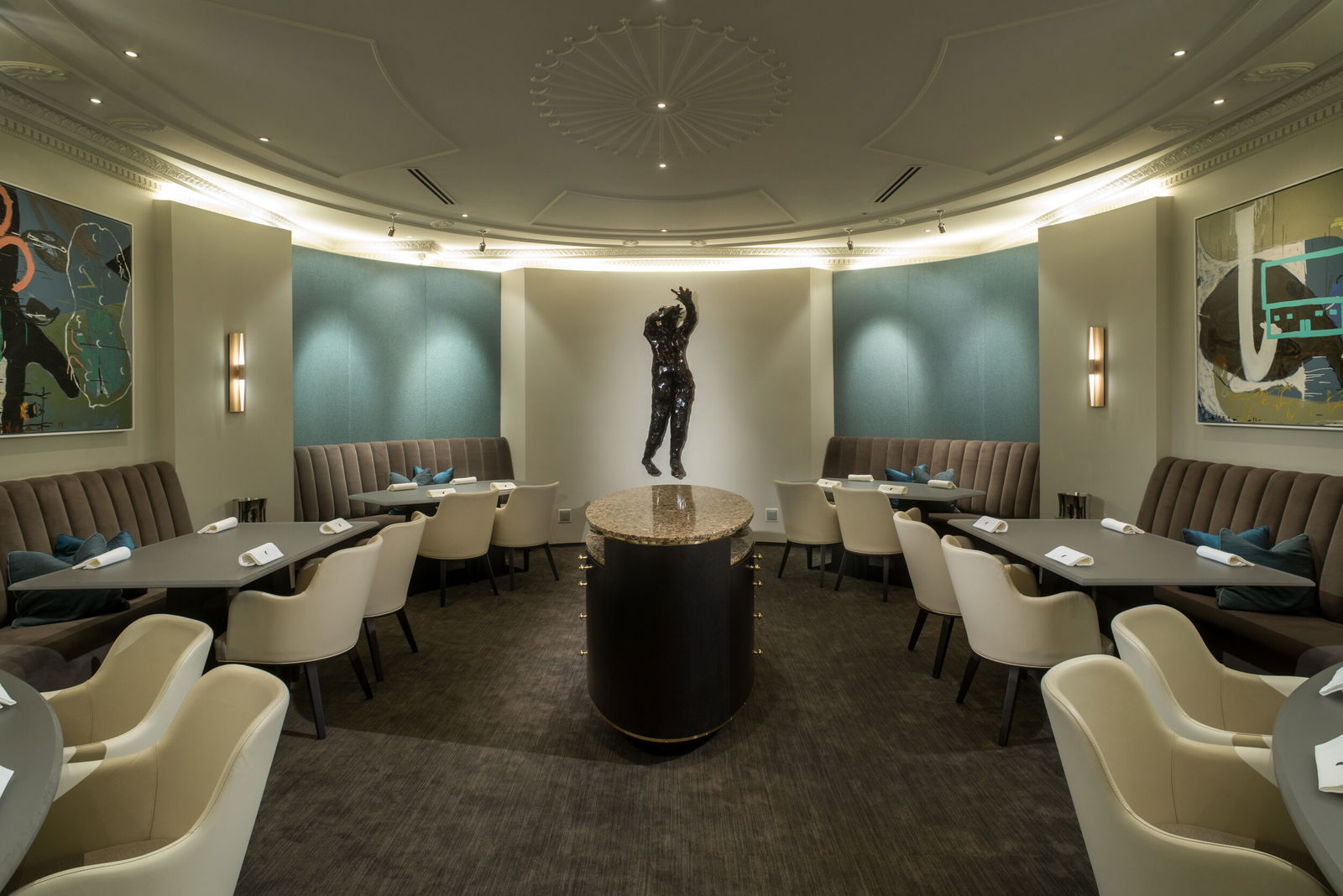
Avant-Garde Molecular Gastronomy
Alinea
Chicago, United States
★★★ · 50 Best
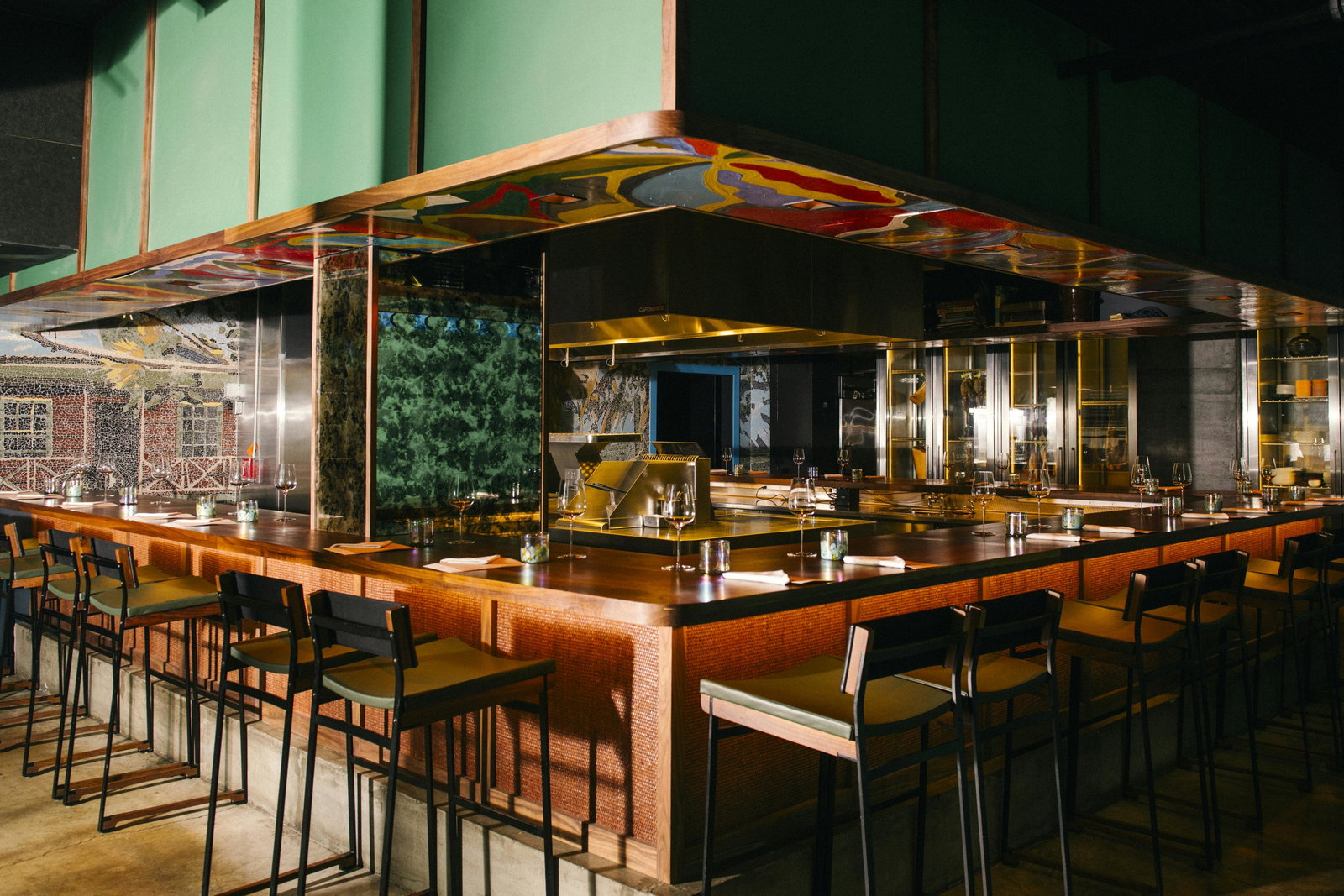
Modern Caribbean Prix Fixe
Kabawa
New York City, United States
50 Best
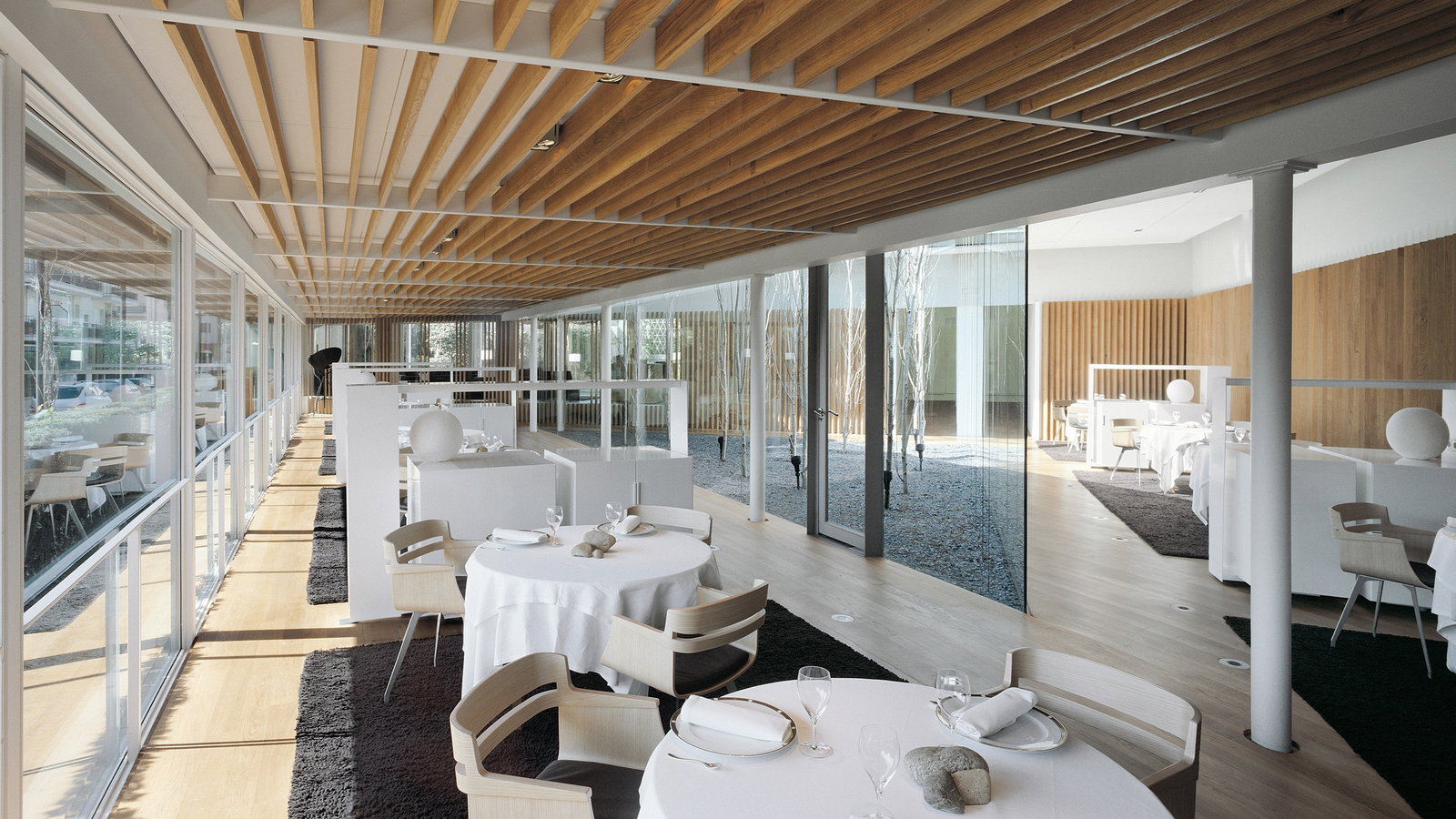
Creative Catalan Fine Dining
El Celler de Can Roca
Girona, Spain
★★★ · 50 Best
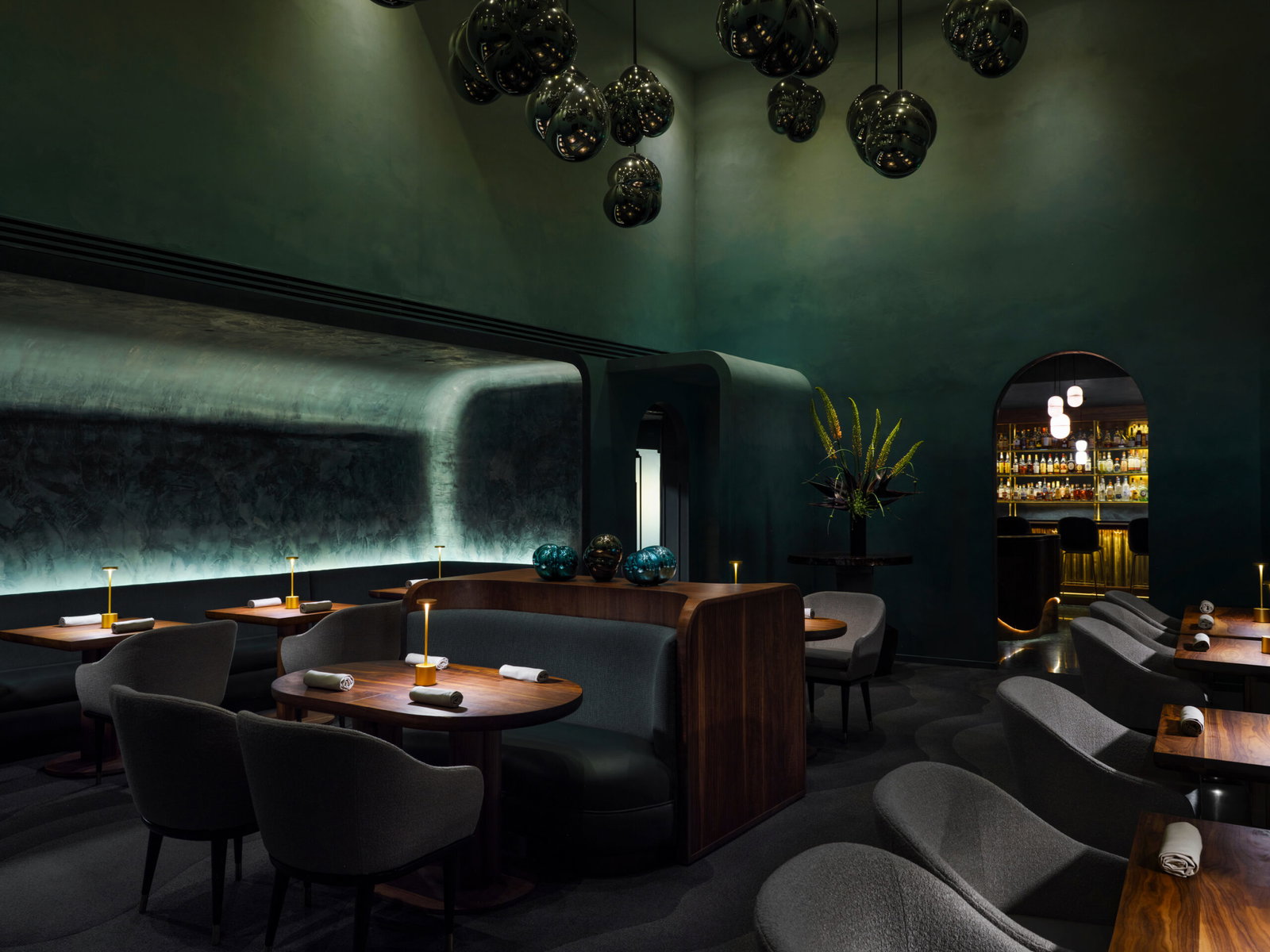
Modern Seafood Fine Dining
Providence
Los Angeles, United States
★★★ · 50 Best
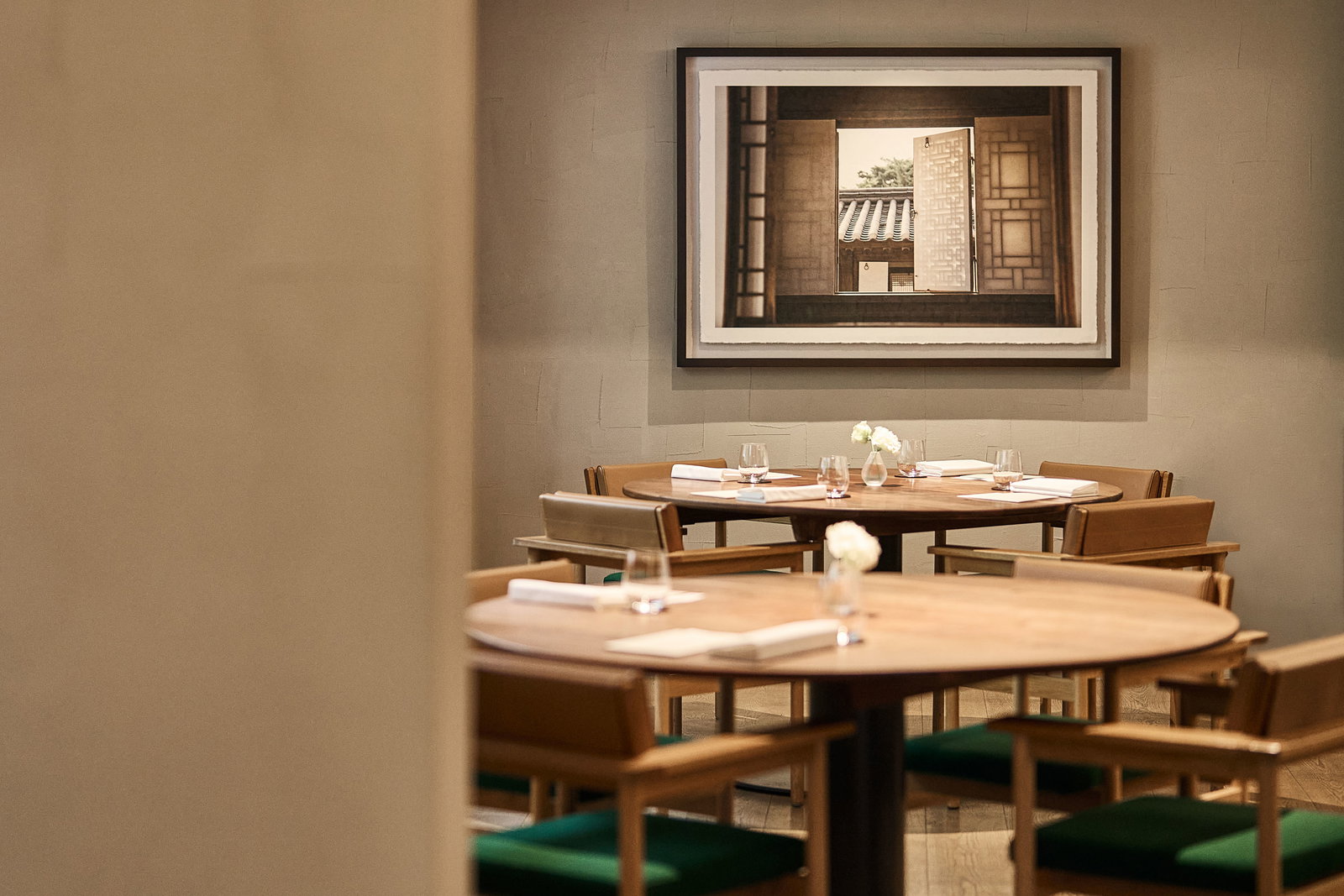
Modern Korean Fine Dining
Mingles
Seoul, South Korea
★★★ · 50 Best
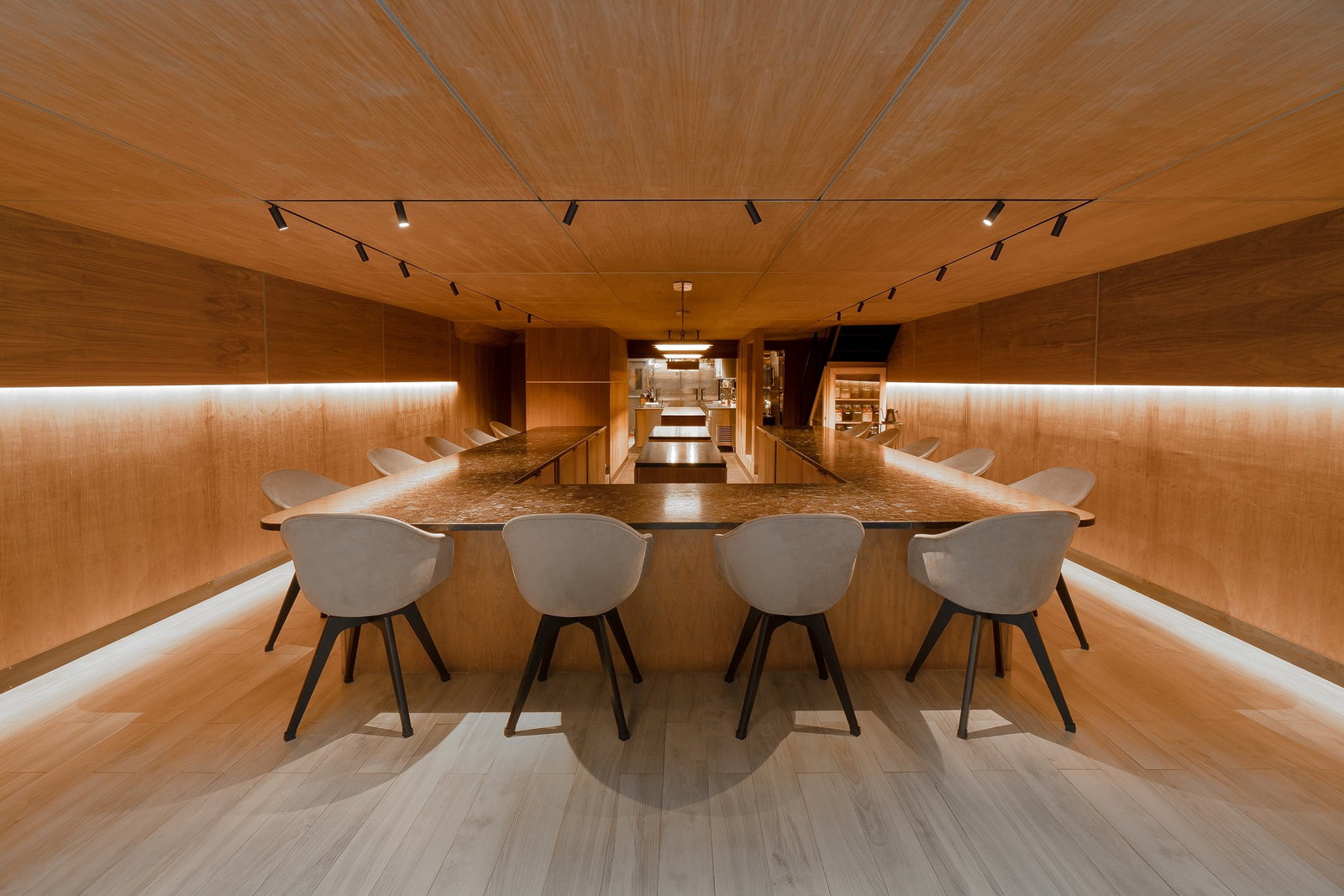
Modern Korean Tasting Menu
Atomix
New York City, United States
★★ · 50 Best