Hungry Ghost
- 01CityNew York City, United States
Single origin at the counter
A bartender’s read at the counter
Reading a room before reaching for the grinder is the whole job at a counter like this one. Hungry Ghost in Civic Center, New York City, is a daytime coffee counter rather than a cocktail address, and the discipline belongs to sequence rather than performance. The chain began in 2012 in Prospect Heights, Brooklyn, founded by a Turkish immigrant named Uyaroglu, and has grown to somewhere between twelve and thirteen locations across Brooklyn and Manhattan. The name comes from Buddhist philosophy, where a hungry ghost is a being driven by insatiable desire, applied here to an unquenchable craving for good coffee and for the company that comes with it. The branch at 165 Church Street sits in the Civic Center and TriBeCa area of Manhattan, distinct from the original Brooklyn flagship, and it carries the same argument in a different neighbourhood. What matters at that counter is hospitality under pressure: keeping standards, staff and room culture aligned while the guest sees only the cup placed in front of them.
Single origin, cold brew, counter pace
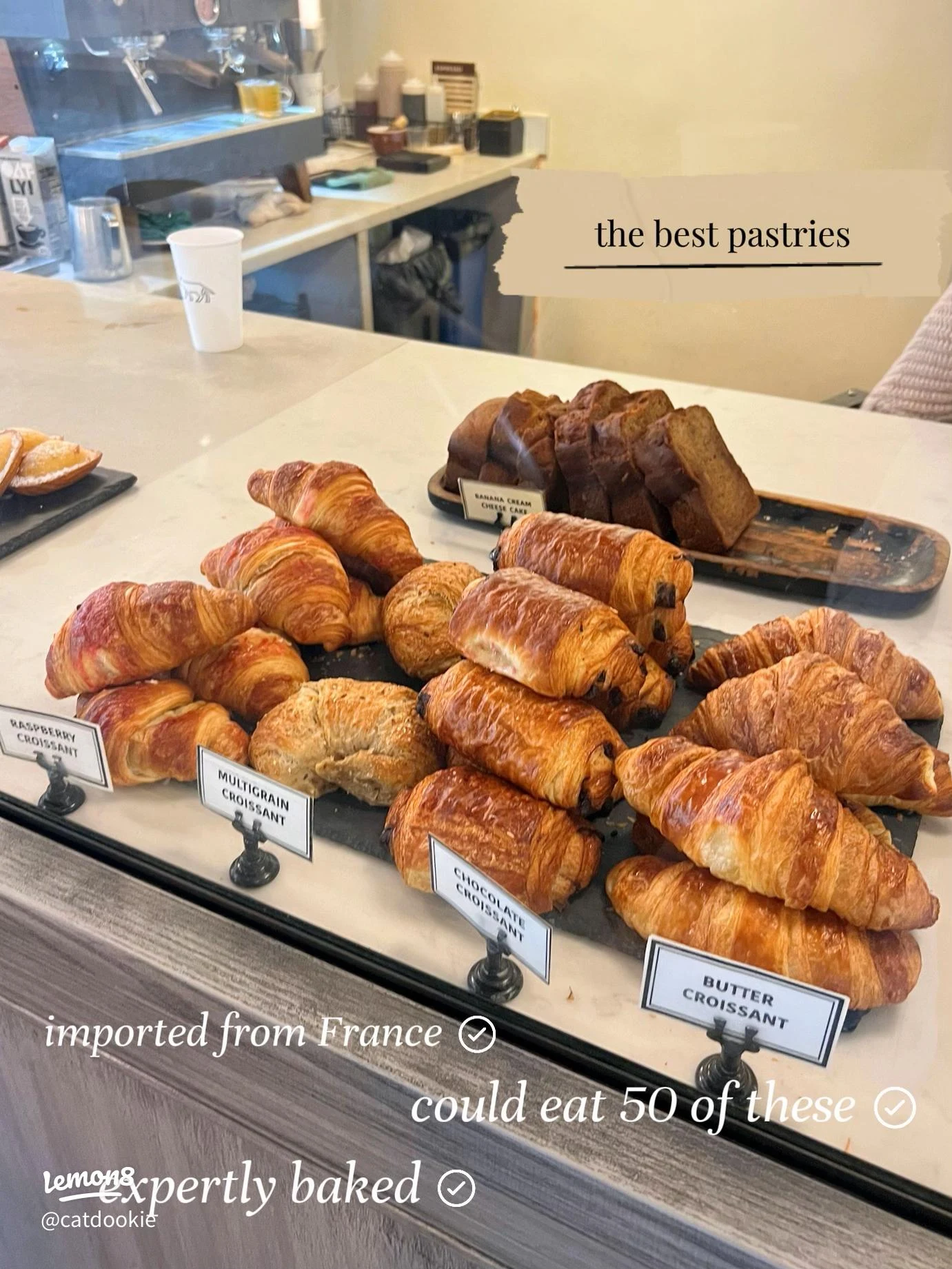
The Civic Center Hungry Ghost works in the language of specialty coffee rather than a full bar program: single origin pour-over, espresso service, and cold brew on tap. The chain began in 2012 in Prospect Heights, Brooklyn, and its coffee program is anchored by Stumptown Coffee, the Portland roaster whose beans give the counter a clear through-line from brewed cup to cold draft. Those are different kinds of patience. One happens in front of the guest, at the pace of the kettle. The other is prepared before the first order lands. Pastries sit beside the coffee program as a simple companion rather than a separate bakery claim, and no named pastry collaborator is published for this address. The method here is daily repetition, not spectacle: the same counter gestures, the same espresso standard, the same cold line held through a neighborhood rush.
The room between Civic Center and TriBeCa
At 165 Church St, the room carries the scale of a small neighborhood café: counter service, limited seating, conversational noise, and the kind of quiet that lets a laptop open without turning the place into an office. Hungry Ghost’s broader New York identity is cozy and modern, but the Civic Center branch earns that through practical details rather than décor language. The guest moves from the door to the counter, orders coffee, chooses a seat if one is free, and settles into a room built for short stops that can become longer ones. The chain’s Brooklyn origin still shadows the Manhattan branch, not as nostalgia, but as operating memory: a specialty café that grew by making the daily cup reliable enough to become routine. In a city full of counters, that is its own discipline.
A chain held by repetition
Hungry Ghost now operates across Brooklyn and Manhattan, with recent reports placing the group at 12 to 13 locations. Growth can thin a café if the bench loses its standard; here, the work to follow is the ordinary test of keeping single origin pour-over and cold brew steady from one counter to the next. At Church St, that test lands in the guest’s hand as a cup from 165 Church St.
Questions
Frequently asked
What kind of place is Hungry Ghost in Civic Center?
Hungry Ghost on Church Street is a daytime coffee counter rather than a cocktail bar. It works as a small neighbourhood café with counter service, limited seating, and a focus on routine rather than spectacle.
What does Hungry Ghost serve?
The coffee program includes single origin pour-over, espresso service, and cold brew on tap. Pastries are also available, but no named pastry collaborator is published for this address.
Is Hungry Ghost a chain, and where did it begin?
Hungry Ghost began in 2012 in Prospect Heights, Brooklyn, founded by a Turkish immigrant named Uyaroglu. It now operates across Brooklyn and Manhattan, with reports placing the group at 12 to 13 locations.
Where is the Manhattan branch?
The Manhattan branch is at 165 Church Street, in the Civic Center and TriBeCa area.
Does Hungry Ghost take reservations?
The venue is walk-in friendly, so it is set up for guests to arrive without a reservation.
The field
How it compares
| Place | Notes | Cuisine |
|---|---|---|
| Hungry Ghost | Civic Center, $$ | · |
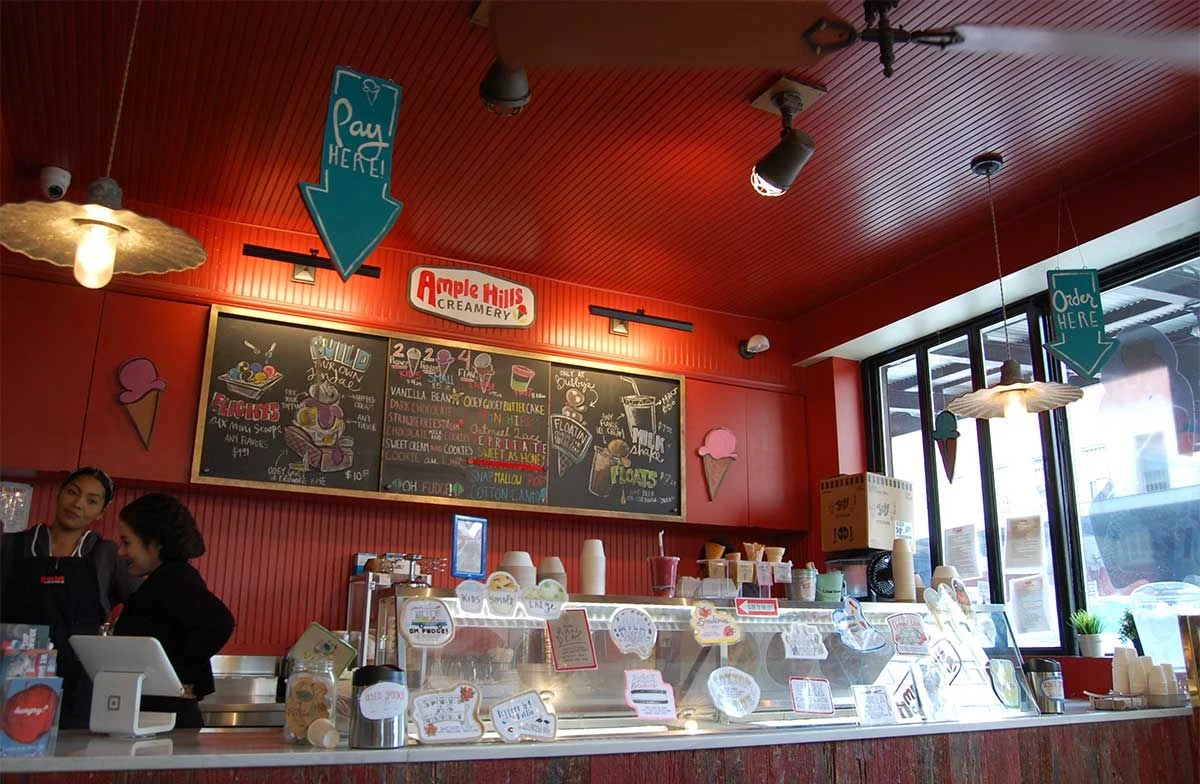
| Ample Hills Creamery | New York City | Artisanal Ice Cream & Frozen Desserts |
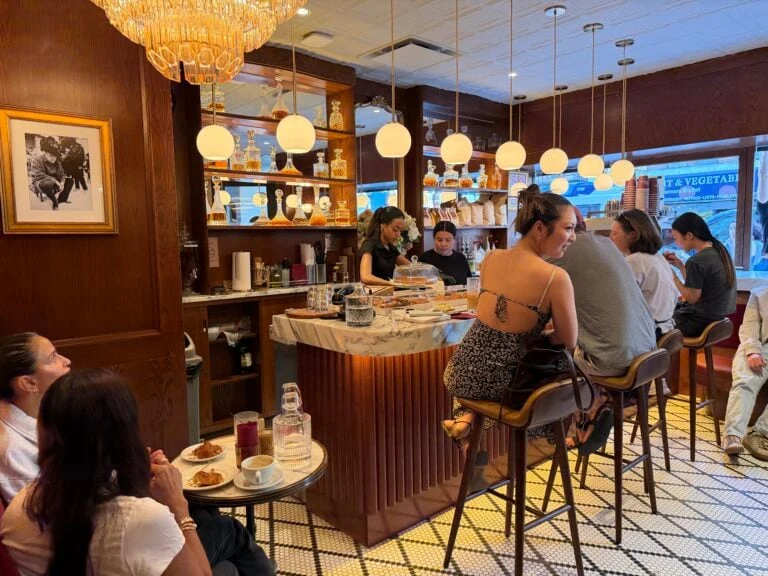
| Il Laboratorio del Gelato | New York City | italian |
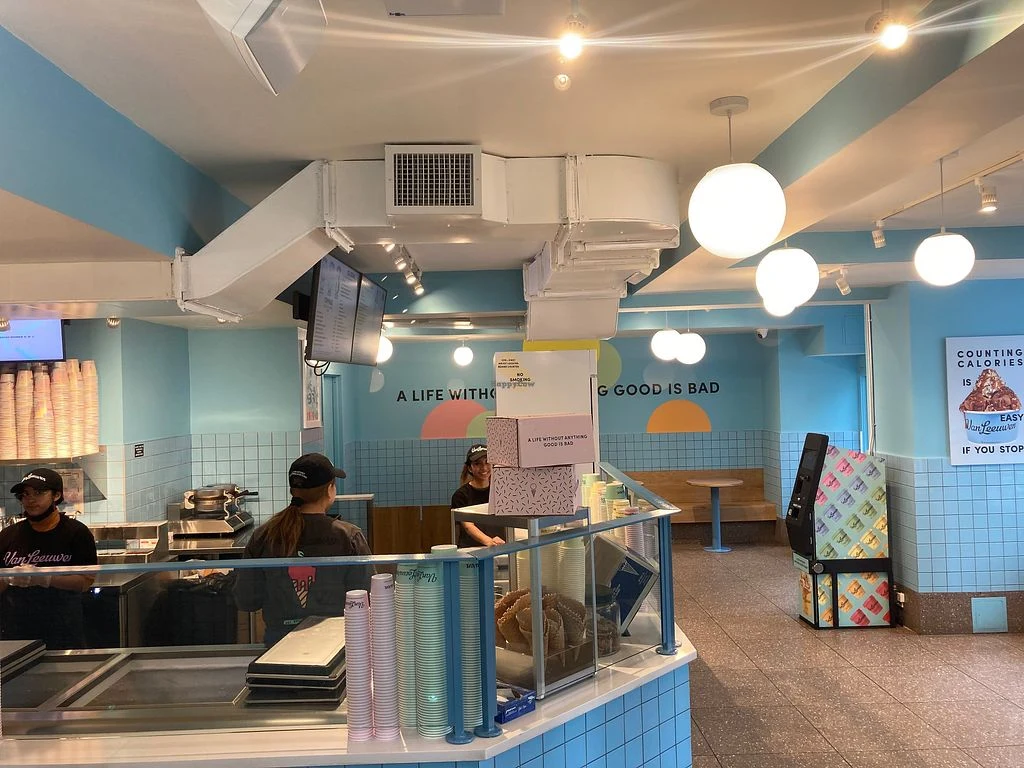
| Van Leeuwen Ice Cream | New York City | Artisan Ice Cream |