Iacobucci
In Residence
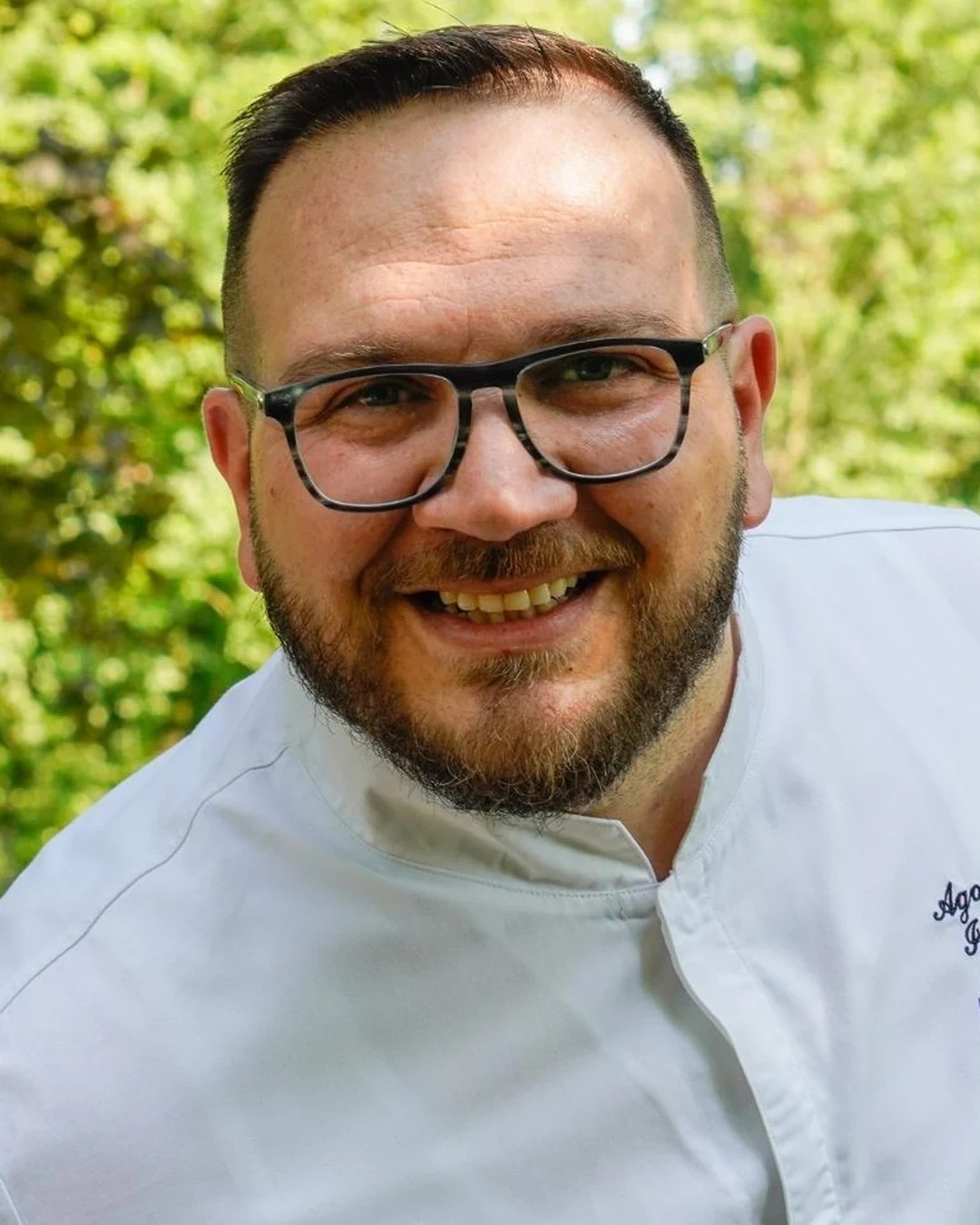
Agostino Iacobucci
Chef
- 01CuisineItalian Contemporary
- 02CityCastel Maggiore, Italy
- 03RecognitionOne Michelin Star
- 1 Michelin Star · Michelin Guide
- Opinionated About Dining Top Restaurants in Europe Recommended · 2026
- Michelin 1 Star · 2026
- Michelin 1 Star · 2025
- Opinionated About Dining Top Restaurants in Europe Ranked #510 · 2025
- Michelin 1 Star · 2024
- Opinionated About Dining Top Restaurants in Europe Ranked #493 · 2024
- Opinionated About Dining Top New Restaurants in Europe Recommended · 2023
A Villa, a Brandy Legacy, and the Logic of Two Regions
Iacobucci is a one-Michelin-star Italian Contemporary restaurant in Castel Maggiore, near Bologna, with pricing around $150 per person. The approach to Iacobucci frames the meal before you reach the table. Villa Zarri is a historic family residence in Castel Maggiore, a quiet municipality on the northern edge of Bologna's metropolitan area. The building carries its own culinary pedigree: it is where one of Italy's most recognized brandies was historically produced. That weight of provenance is not decorative. It sets the terms for what happens inside, where the cooking operates under a clear governing principle, that the leading Italian food is built on restraint, on the conviction that a small number of well-chosen ingredients, each at its peak, produce more than elaborate construction ever could.
This principle runs through contemporary Italian fine dining broadly, but it takes on a specific character here because the ingredient vocabulary spans two distinct culinary cultures. Campania and Emilia-Romagna are not natural pantry partners. The south brings intensity, the long-cooked ragù tradition, the smoke of scamorza, the structural depth of alla genovese, which despite its name is a Neapolitan preparation rooted in slow-braised onion and meat. The north brings the forest floor and the dairy: black truffle, aged cheese, the fat richness of Po Valley produce. The kitchen's task is to hold those two registers in balance without letting either overwhelm the other.
The Sunday letter
Find new places through the people who run them.
Our Sunday email brings you the chefs, winemakers and hoteliers behind our newest stories. See a sample before you subscribe.
See a sample of the Sunday emailOne email a week. Unsubscribe from any issue.
The Campania-Emilia Bridge on the Plate
The rabbit alla genovese on the menu makes the approach legible. Alla genovese is one of the defining preparations of Neapolitan cucina povera: a braise in which onions collapse over hours into something between a sauce and a condiment, carrying the meat with them. Here it arrives with a scamorza cheese and herb cream and shavings of local black truffle. The construction reads as a dialogue between the two regions rather than a compromise. The southern technique provides the base; northern ingredients provide the register shift at the finish. Neither is present as garnish.
This is the logic that Italian cooking at its most considered keeps returning to: you do not need many moves if each move is precise. The Michelin guide awarded one star, a marker that the kitchen's execution is consistent enough to merit a specific journey. Osteria Francescana in Modena and Le Calandre in Rubano operate at the three-star tier with more elaborate conceptual frameworks, but the one-star format that Iacobucci occupies often allows for cooking that is more direct, fewer components, less theatrical architecture, the dish's success riding on the quality of a single ingredient or technique rather than the sum of many.
Among Italian one-star contemporaries worth comparing at that level, Uliassi in Senigallia and Quattro Passi in Marina del Cantone occupy the same broad tier of serious regional Italian fine dining with strong personal culinary identity.
The Wine List as a Separate Argument
In a region as wine-serious as Emilia-Romagna, wine programs at fine dining level are often the detail that separates a good dinner from a memorable one. The list at Iacobucci makes a specific case: it holds vertical selections of Sassicaia and Tignanello, each available across more than ten vintages. Both are benchmark Super Tuscans, Sassicaia from Tenuta San Guido, Tignanello from Antinori, that have defined Italian fine wine internationally since the 1970s and 1980s. Offering depth in verticals rather than breadth across regions is itself a philosophy. It says the cellar's purpose is to show how a wine changes over time, not simply to stock a wide selection.
For a table willing to commit to a vertical flight, the opportunity is substantive. Enoteca Pinchiorri in Florence represents the extreme end of Italian cellar depth, with three Michelin stars and one of the most extensive wine archives in the country, but for a dinner where the cooking and the bottle are in conversation rather than competition, a focused vertical program like Iacobucci's is the more considered format.
The Setting and What It Adds
Dining in a villa, particularly one with a traceable artisanal history, produces a different kind of evening from a city-centre restaurant. In summer months especially, that rhythm, garden, table, garden, is how serious Italian dining at country properties is intended to unfold.
Castel Maggiore sits close enough to Bologna to function as a day or evening excursion from the city. Dal Pescatore in Runate and Reale in Castel di Sangro represent the further end of that tradition, destination restaurants requiring a specific journey, while Iacobucci fits a slightly different use case: an accessible fine dining evening that does not demand an overnight stay.
Broader Context: Where the Campanian-Northern Dialogue Fits in Italian Fine Dining
The movement of southern Italian chefs into northern kitchens has produced some of the most interesting cooking in Italy over the past decade. When a chef trained in Campanian technique works with the produce of Emilia-Romagna, the results tend toward the kind of specificity that neither tradition produces alone. The north supplies density and funk, truffles, aged cheese, cured meats of extraordinary depth. The south supplies structural contrast: acidity, long-cooked sweetness, smoke. Piazza Duomo in Alba is a different expression of regional specificity, built around Piedmontese ingredients and a broader creative architecture; Agli Amici Rovinj and L'Olivo in Anacapri sit in the Italian Contemporary category with their own regional logic. What distinguishes the approach at Iacobucci is the explicitness of the dialogue, the dishes do not obscure their dual reference points; they make them the point.
At the €€€€ price tier, Iacobucci sits in a bracket where the expectation is a complete evening: serious cooking, a considered wine program, and a physical environment that earns the price. The villa setting, the vertical wine list, and the cooking's two-region premise together make a case that holds across all three counts. For those building an Emilian itinerary with a fine dining component, this is the address outside Bologna that belongs on the schedule alongside, not instead of, the city's own options.
Planning Your Visit
The €€€€ price point places it firmly in the special-occasion tier for most visitors to the Bologna area. The villa has on-site parking, which makes driving the practical choice from central Bologna or from the motorway. Berberè Pizzeria in Castel Maggiore offers a lower-commitment option in the same town if you are building a longer stay in the area.
Questions
Frequently asked
What recognition does Iacobucci hold?
Iacobucci holds 1 Michelin star.
Who works at Iacobucci?
Made By profiles Agostino Iacobucci (Chef) at Iacobucci.
How expensive is Iacobucci?
Iacobucci is listed at a price level of $$$$.
Where is Iacobucci and what does it serve?
Iacobucci is in Villa Zarri, Castel Maggiore, serving Italian Contemporary.
The field
How it compares
| Place | Awards | Cuisine | Notes |
|---|---|---|---|
| Iacobucci | Michelin 1 Star | Italian Contemporary | Villa Zarri, $$$$ |
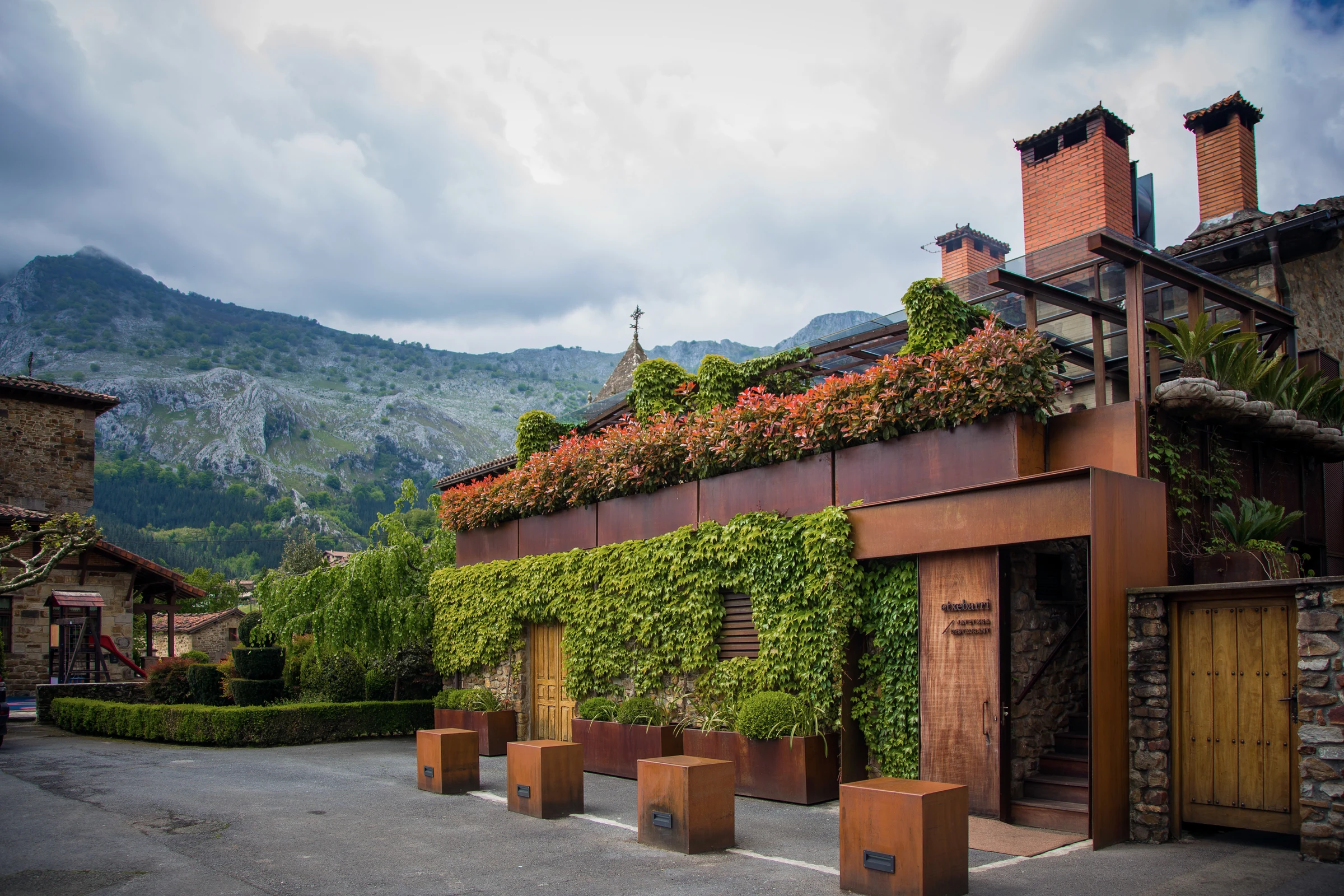
| Asador Etxebarri | Michelin 1 Star, World's 50 Best | Basque Wood-Fired Grill | Atxondo |
| Atelier Crenn | Michelin 3 Stars, World's 50 Best | Contemporary French Fine Dining | San Francisco |
| Coque | Michelin 2 Stars | Modern Spanish Fine Dining | Madrid |
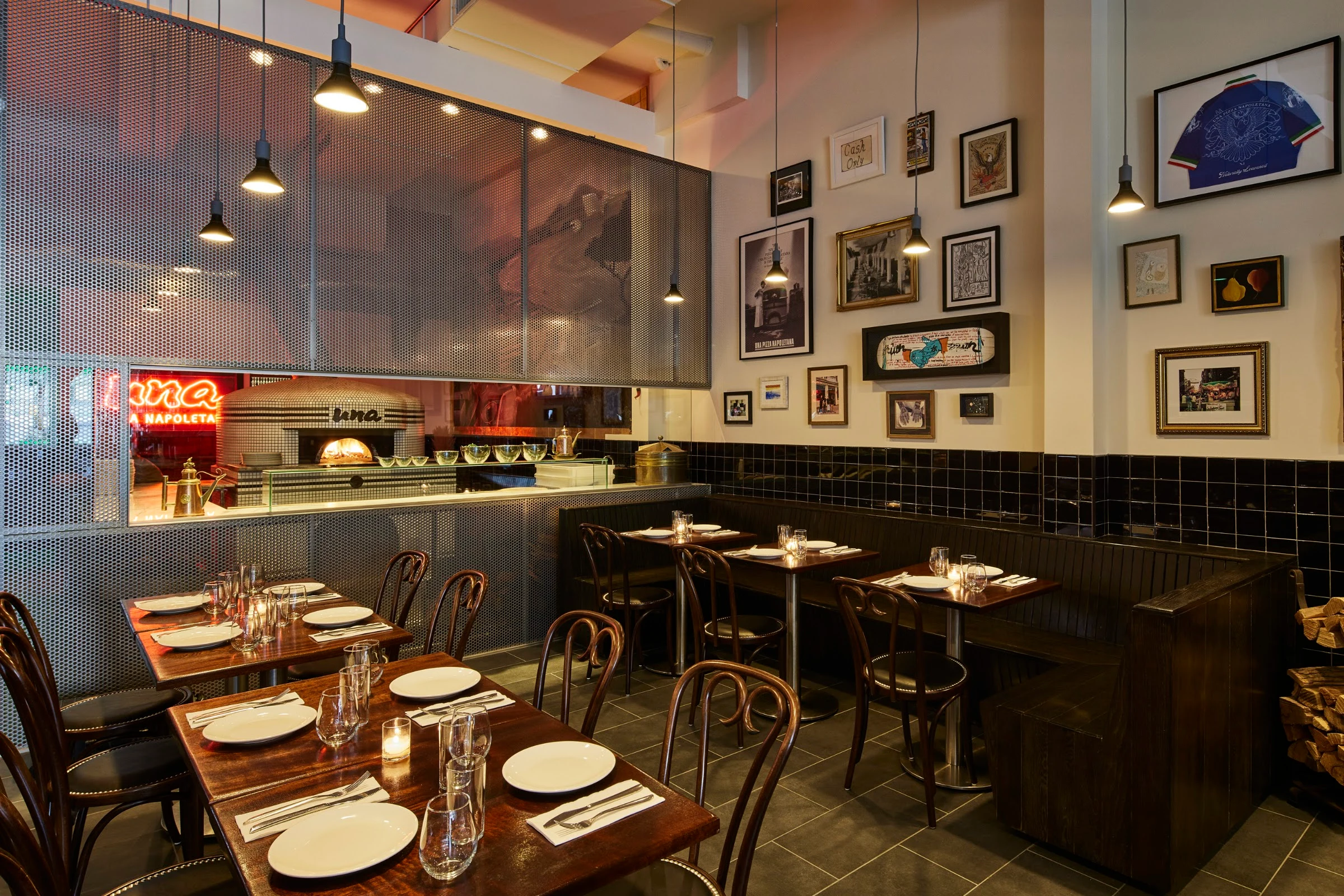
| Una Pizza Napoletana | · | Neapolitan Pizza | New York City |
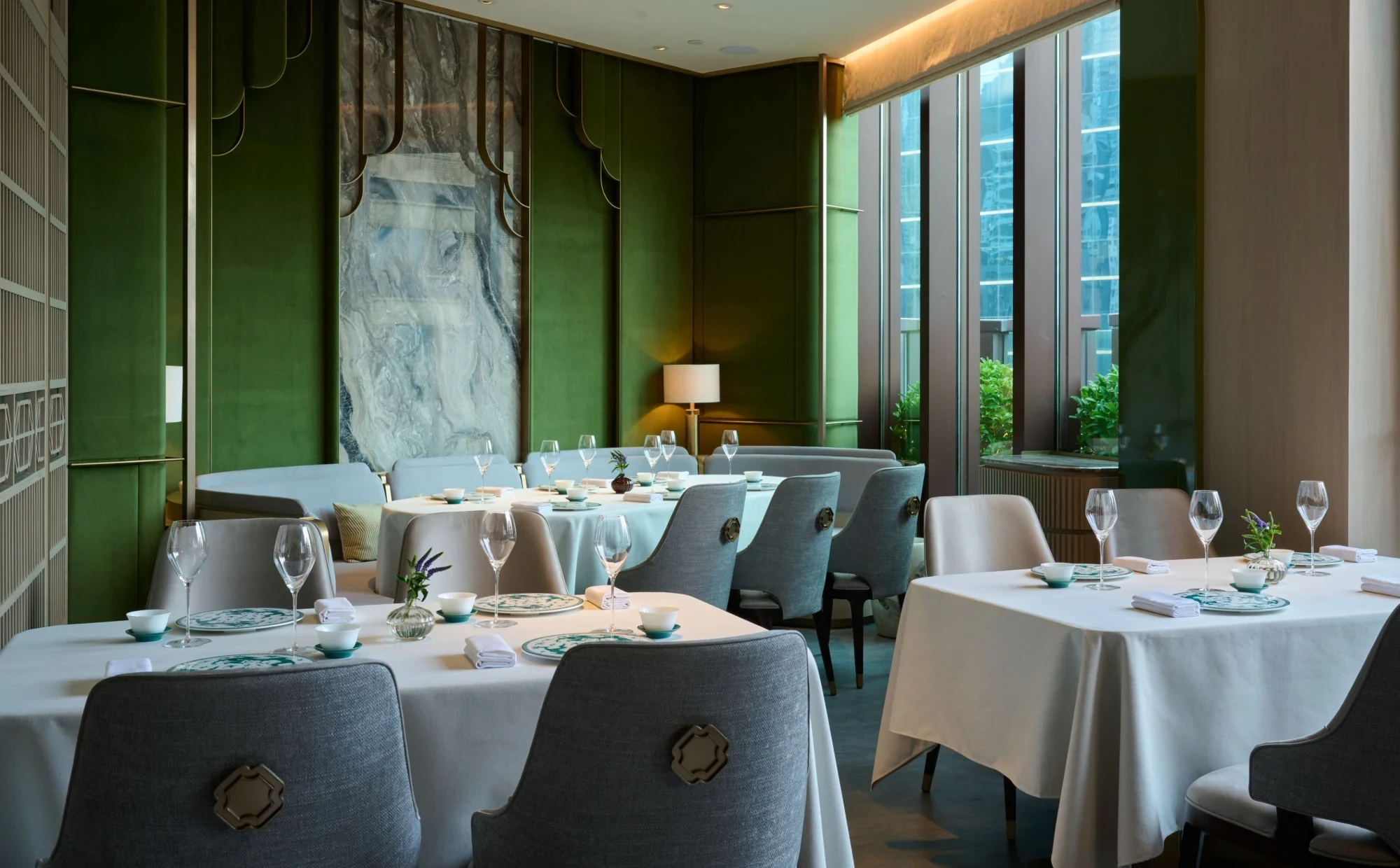
| WING Restaurant | World's 50 Best | Modern Chinese Fine Dining | Hong Kong |
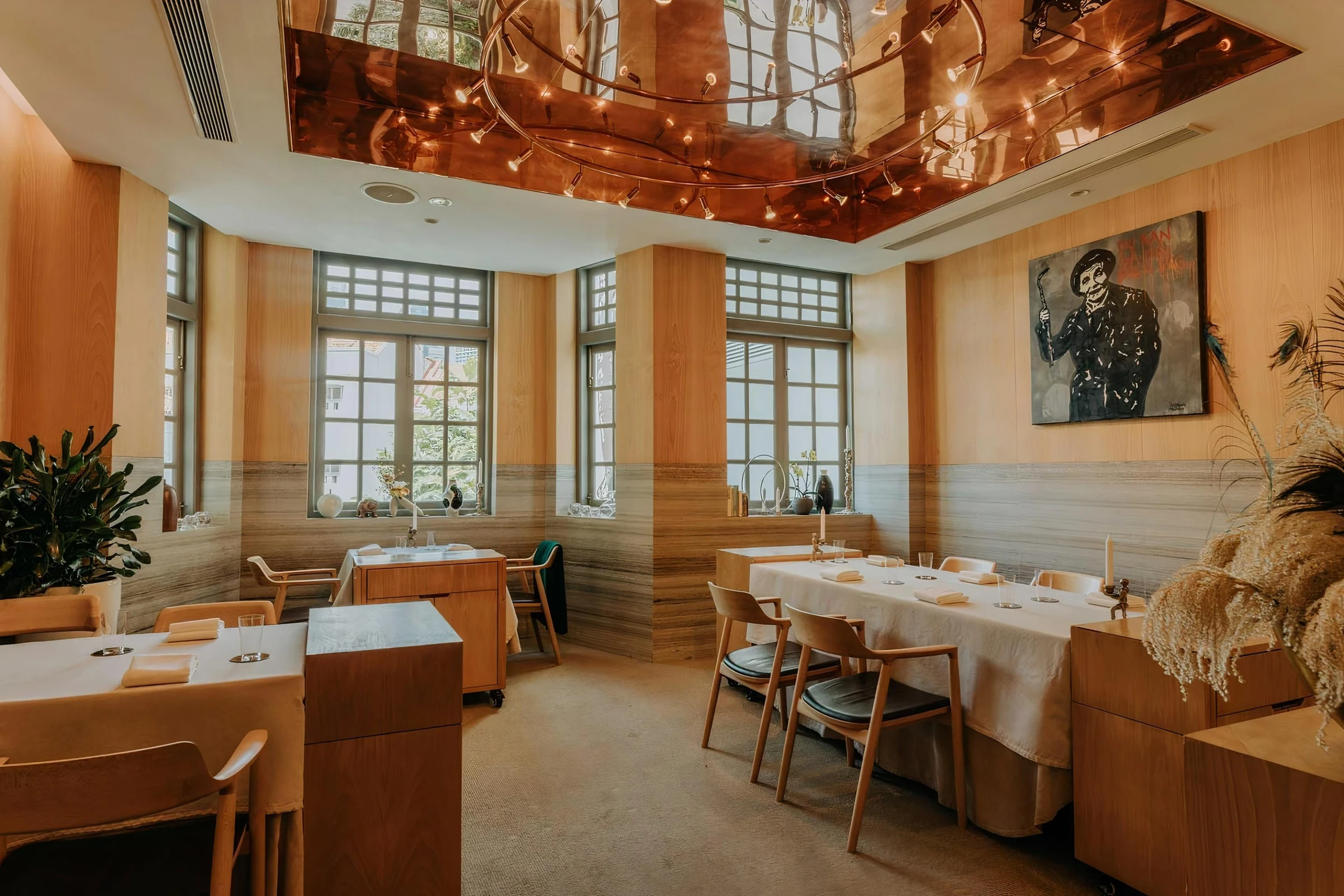
| Zén | Michelin 3 Stars, World's 50 Best | Neo-Nordic with Japanese Influences | Singapore |
In residence
Similar places
Basque Wood-Fired Grill
Asador Etxebarri
Atxondo, Spain
★ · 50 Best
Contemporary French Fine Dining
Atelier Crenn
San Francisco, United States
★★★ · 50 Best
Modern Spanish Fine Dining
Coque
Madrid, Spain
★★
Neapolitan Pizza
Una Pizza Napoletana
New York City, United States
Modern Chinese Fine Dining
WING Restaurant
Hong Kong, Hong Kong
50 Best
Neo-Nordic with Japanese Influences
Zén
Singapore, Singapore
★★★ · 50 Best
The Sunday letter
Get the next Made By story in your inbox.
We send one email every Sunday morning with the places and people we covered that week.
See a sample of the Sunday emailOne email a week. Unsubscribe from any issue.