Il Falconiere
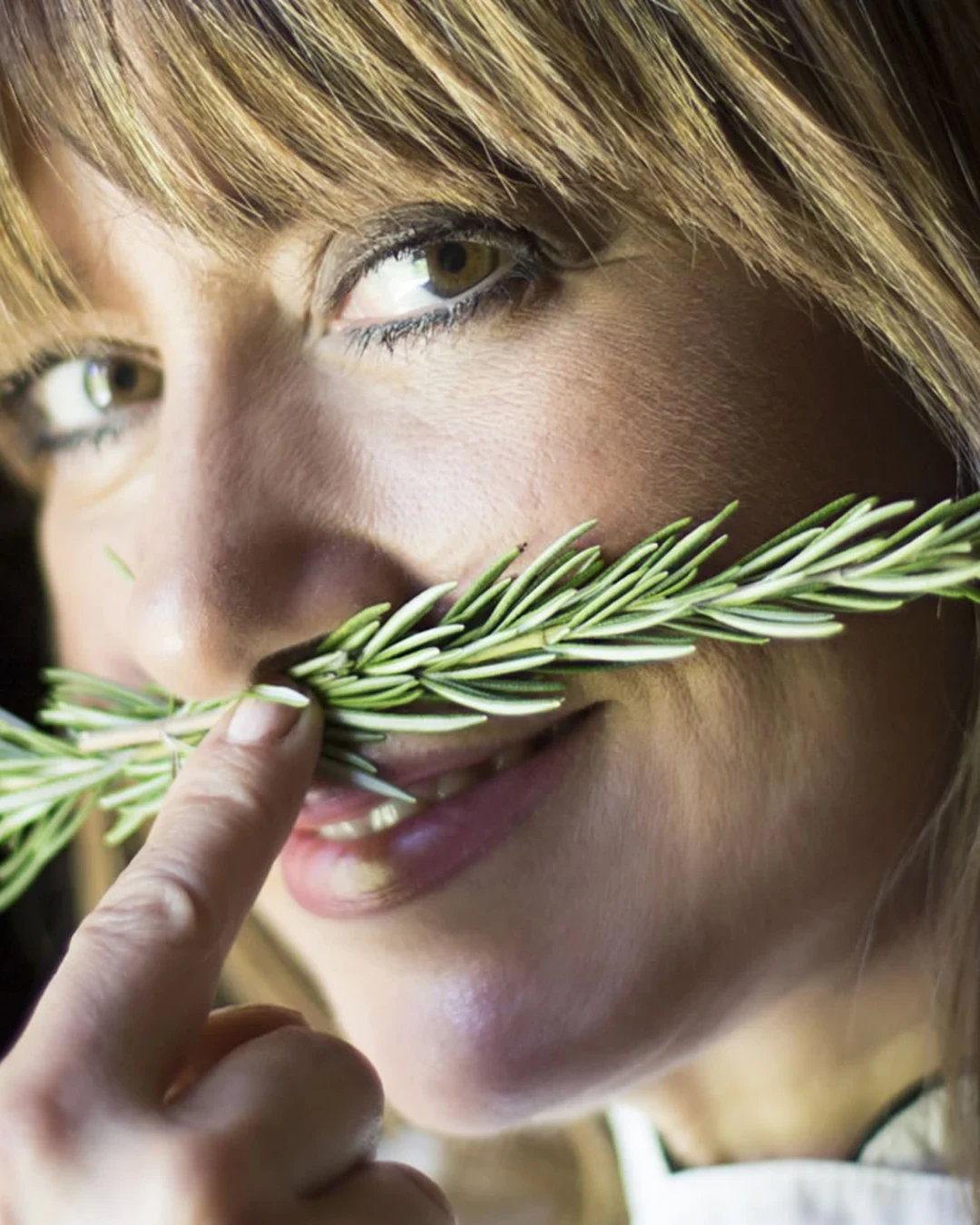
In Residence
Silvia Regi Baracchi
Chef
- 01CuisineMichelin-Starred Tuscan Fine Dining
- 02CityCortona, Italy
- 03RecognitionOne Michelin Star
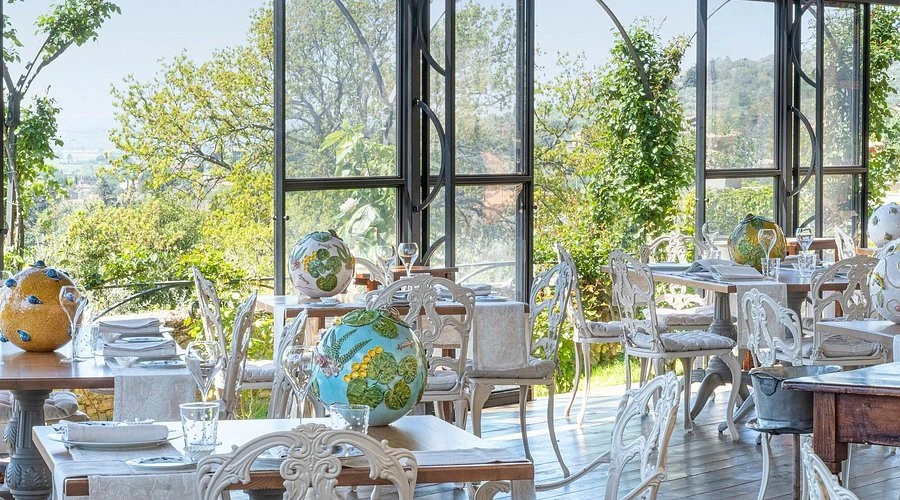
- 1 Michelin Star · Michelin Guide
- Michelin 1 Star · 2026
- Relais Chateaux Award · 2026
- Michelin 1 Star · 2025
- Relais Chateaux Award · 2025
- Michelin 1 Star · 2024
Arriving Through the Estate
Il Falconiere in Cortona holds one Michelin star and serves Michelin-Starred Tuscan Fine Dining at about $125 per person. The approach to Il Falconiere does much of the restaurant's argumentative work before you've sat down. A sequence of narrow lanes flanked by dry-stone walls and working farmland belonging to the Baracchi estate delivers you gradually into a setting that makes the dining room's sourcing philosophy feel self-evident rather than aspirational. The olive groves and vineyards you pass are not decorative backdrop, they supply the table. That physical continuity between landscape and kitchen is rarer than estate-dining marketing would suggest, and at Il Falconiere it is genuinely operational.
The estate also houses the hotel of the same name, which positions the restaurant within a broader property rather than as a standalone destination. For guests staying on site, dinner becomes an extension of the same terroir-centred logic that governs the accommodation. For those driving out from Cortona or the surrounding Val di Chiana, the journey itself frames expectations in a way that a town-centre arrival cannot replicate.
The Sunday letter
Find new places through the people who run them.
Our Sunday email brings you the chefs, winemakers and hoteliers behind our newest stories. See a sample before you subscribe.
See a sample of the Sunday emailOne email a week. Unsubscribe from any issue.
Pici and the Grammar of Tuscan Pasta
Editorial angle on Il Falconiere's kitchen runs directly through pici, the fat, hand-rolled spaghetti that has been central to southern Tuscan cooking for centuries. Unlike the egg-enriched pasta traditions of Emilia-Romagna, where Dal Pescatore in Runate and Le Calandre in Rubano operate within entirely different pasta grammars, pici is a flour-and-water dough, rolled thick by hand, with a texture that is deliberately uneven and resistant. It holds sauce differently from thin pasta: it needs weight, often in the form of garlic-forward ragu or game-based preparations, and it rewards restraint in composition precisely because the pasta itself carries flavour.
In the broader Italian fine-dining world, handmade pasta has become a site of creative tension between tradition and technique. Restaurants such as Osteria Francescana in Modena or Enoteca Pinchiorri in Florence have positioned pasta as a vehicle for conceptual statements. Il Falconiere operates in a different register. The kitchen, under Chef Silvia Regi Baracchi, holds pici within recognisable Tuscan parameters while applying the discipline of Michelin-starred creative cooking, listed in the 2025 guide with one star and categorised explicitly under creative cooking, rather than repositioning the shape as something other than what it is. Local garlic and aromatic herbs appear as seasoning logic rather than garnish, which is the appropriate frame for this style of cooking.
For context within Cortona itself, the town's other trattorias and osterie, including La Bucaccia, Osteria del Teatro, and Enoteca Meucci, each offer pici within a more informal price tier and setting. Il Falconiere represents the point at which the same regional shape receives kitchen investment and sourcing rigour calibrated to a starred standard. That distinction matters when deciding between a town-centre dinner and an estate visit.
Chianina Beef and the Val di Chiana Connection
Chianina cattle are native to the Val di Chiana, the broad agricultural valley that Cortona overlooks, and represent one of the oldest cattle breeds in Italy. The meat is characterised by its lean structure and pronounced flavour, and it has been a prestige protein in Florentine and southern Tuscan cooking for long enough to constitute genuine regional heritage rather than a trend-driven sourcing decision. Bistecca alla Fiorentina, in its classical form, specifies Chianina.
Il Falconiere's inclusion of Chianina beef as a kitchen speciality connects the restaurant's sourcing to its immediate geography in a way that cannot be replicated by restaurants operating outside the region. The estate context reinforces this: the farm surroundings signal that ingredient provenance is structural, not incidental. In Italian starred dining more broadly, where Enrico Bartolini in Milan and Atelier Moessmer Norbert Niederkofler in Brunico each build menus around distinct regional ingredient logic, the use of a geographically specific protein as a defining speciality is a coherent position rather than a marketing shorthand.
Estate Wine and Olive Oil
The Baracchi estate produces both wine and olive oil, and both appear at the Il Falconiere table. In Italian fine dining, estate-produced wine and oil occupy a different category from sourced-in product: they represent a vertical integration of hospitality and agriculture that is uncommon even among starred restaurants. The wine programme at a dinner here is not a curated list from external producers, it is, at least partially, a direct expression of the same land you crossed to arrive.
Cortona's wine identity has developed significantly over recent decades, with Syrah finding a credible foothold in the DOC alongside more conventional Tuscan varieties. The Baracchi estate has been part of that development. Pairing estate wines with dishes built from estate olive oil and farm-adjacent ingredients produces a coherence that is difficult to engineer through sourcing relationships alone. For guests already oriented toward wine, the Cortona wineries guide provides the wider regional context.
Positioning Within Cortona's Dining Tier
Cortona's restaurant offer runs from casual town-centre trattorias to the starred estate setting of Il Falconiere, with a mid-tier of well-regarded addresses including Locanda del Molino and C ucina. Il Falconiere sits at the top of that local hierarchy by award recognition, with a Michelin star held across both the 2024 and 2025 guides. Google reviews across 300 ratings sit at 4.6, which for a property at this price and formality level suggests consistent execution rather than occasional brilliance.
It is a one-star Italian estate restaurant with strong regional identity and creative Michelin classification, which is a specific and credible category, not a consolation tier.
Visiting Details
Il Falconiere is located at Località S. Martino Bocena, 370, outside Cortona, a drive rather than a walk from the town centre, which means car or taxi logistics need consideration before booking. The restaurant is part of the Relais & Châteaux-affiliated Baracchi estate, and reservations can be made via the property's own channels: the website is ilfalconiere.it and the email contact is falconiere@relaischateaux.com, with a telephone line at +39 0575 61 26 79. For those combining dinner with a broader Cortona visit, the Cortona restaurants guide, hotels guide, bars guide, and experiences guide cover the full range of options across the town and surrounding area. Booking in advance is advisable for dinner, particularly in peak Tuscan season from late spring through early autumn when the Val di Chiana draws visitors from across Europe.
Questions
Frequently asked
What recognition does Il Falconiere hold?
Il Falconiere holds 1 Michelin star.
Who works at Il Falconiere?
Made By profiles Silvia Regi Baracchi (Chef) at Il Falconiere.
How expensive is Il Falconiere?
Il Falconiere is listed at a price level of $$$$.
Where is Il Falconiere and what does it serve?
Il Falconiere is in San Martino, Cortona, serving Michelin-Starred Tuscan Fine Dining.
The field
How it compares
| Place | Awards | Cuisine | Notes |
|---|---|---|---|
| Il Falconiere | Michelin 1 Star | Michelin-Starred Tuscan Fine Dining | San Martino, $$$$ |
| Blue Hill at Stone Barns | Michelin 2 Stars, World's 50 Best | Farm-to-Table Fine Dining | Tarrytown |
| Chef Tam's Seasons | Michelin 2 Stars, World's 50 Best | Modern Cantonese Fine Dining | Macau |
| Den | Michelin 2 Stars, World's 50 Best | Modern Japanese Kaiseki | Tokyo |
| El Celler de Can Roca | Michelin 3 Stars, World's 50 Best | Creative Catalan Fine Dining | Girona |
| Forest Side | Michelin 1 Star | Modern British Fine Dining | Grasmere |
| The Chairman | Michelin 1 Star, World's 50 Best | Traditional Cantonese | Hong Kong |
In residence
Similar places
Farm-to-Table Fine Dining
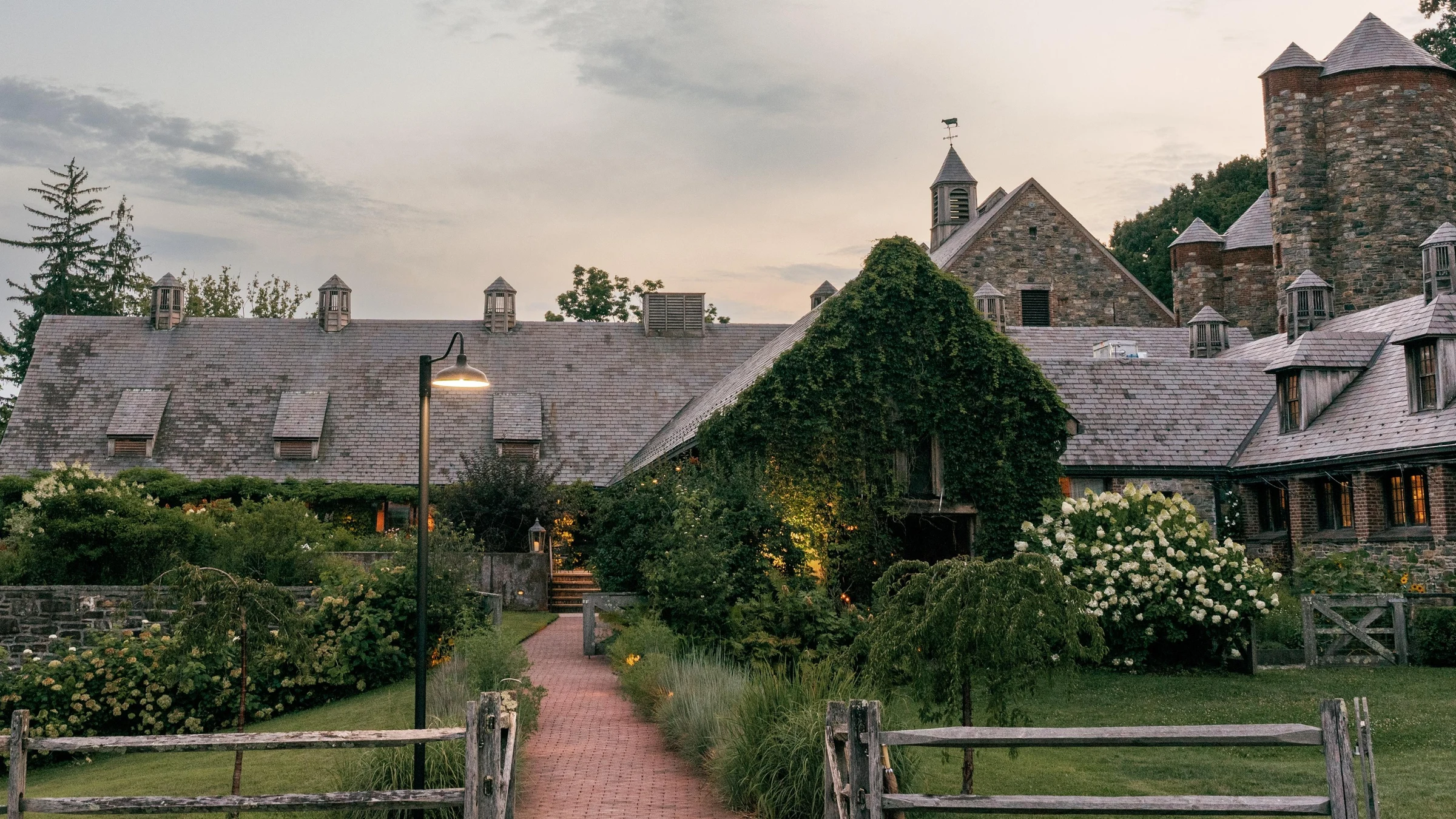
Blue Hill at Stone Barns
Tarrytown, United States
★★ · 50 Best
Modern Cantonese Fine Dining
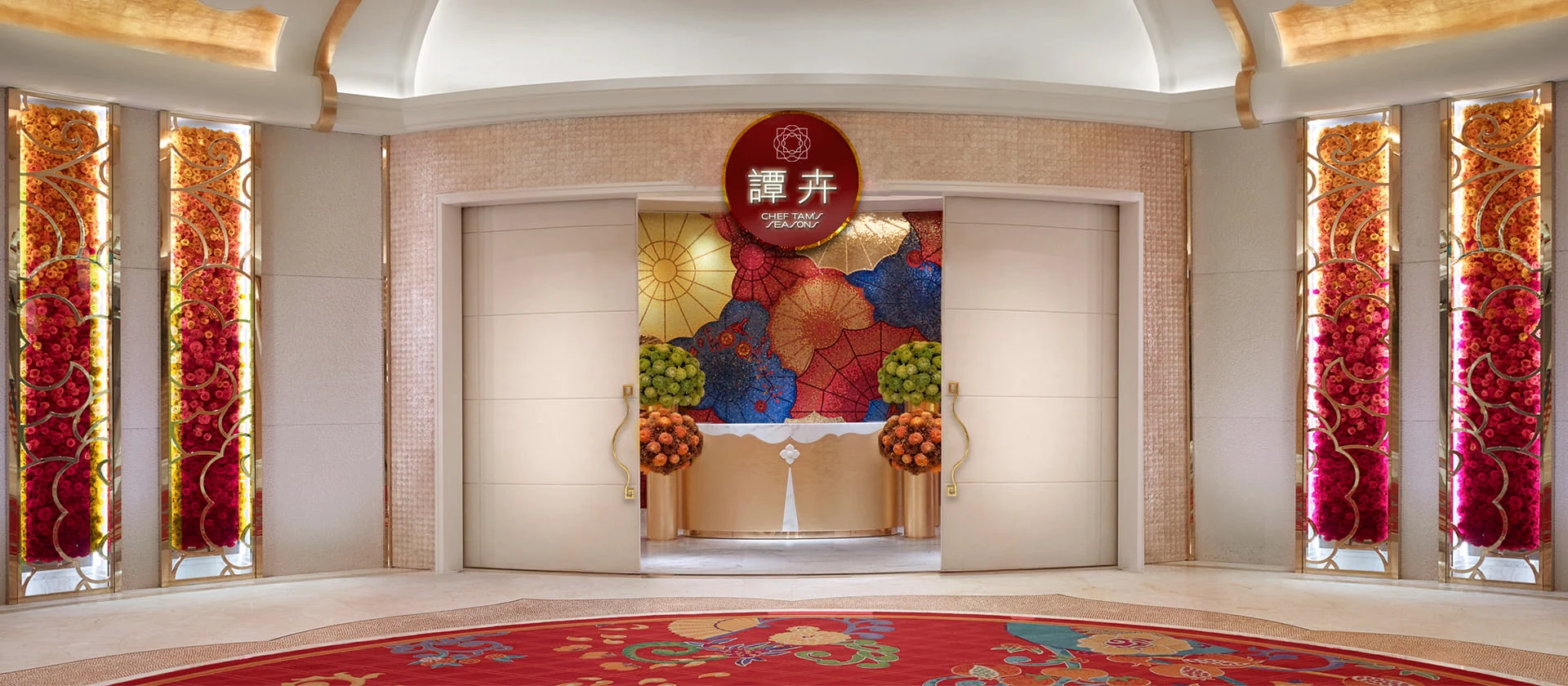
Chef Tam's Seasons
Macau, Macau
★★ · 50 Best
Modern Japanese Kaiseki
Den
Tokyo, Japan
★★ · 50 Best
Creative Catalan Fine Dining
El Celler de Can Roca
Girona, Spain
★★★ · 50 Best
Modern British Fine Dining
Forest Side
Grasmere, United Kingdom
★
Traditional Cantonese
The Chairman
Hong Kong, Hong Kong
★ · 50 Best
The Sunday letter
Get the next Made By story in your inbox.
We send one email every Sunday morning with the places and people we covered that week.
See a sample of the Sunday emailOne email a week. Unsubscribe from any issue.