- Wine Spectator · Tier 2
- Michelin Plate · 2026
- SCMP 100 Top Tables Restaurants · 2026
- Wine Spectator Best of Award of Excellence · 2026
- La Liste Top Restaurants: 90pts · 2026
- Forbes 5-Star · 2026
- Wine Spectator Best of Award of Excellence · 2025
- Black Pearl 1 Diamond · 2025
- World's Best Wine Lists Awards WBWL 3-Star · 2025
- Michelin Plate · 2025
- La Liste Top Restaurants: 91pts · 2025
- Michelin Plate · 2024
- World's Best Wine Lists Awards WBWL 3-Star · 2024
A Room That Asks Something of You
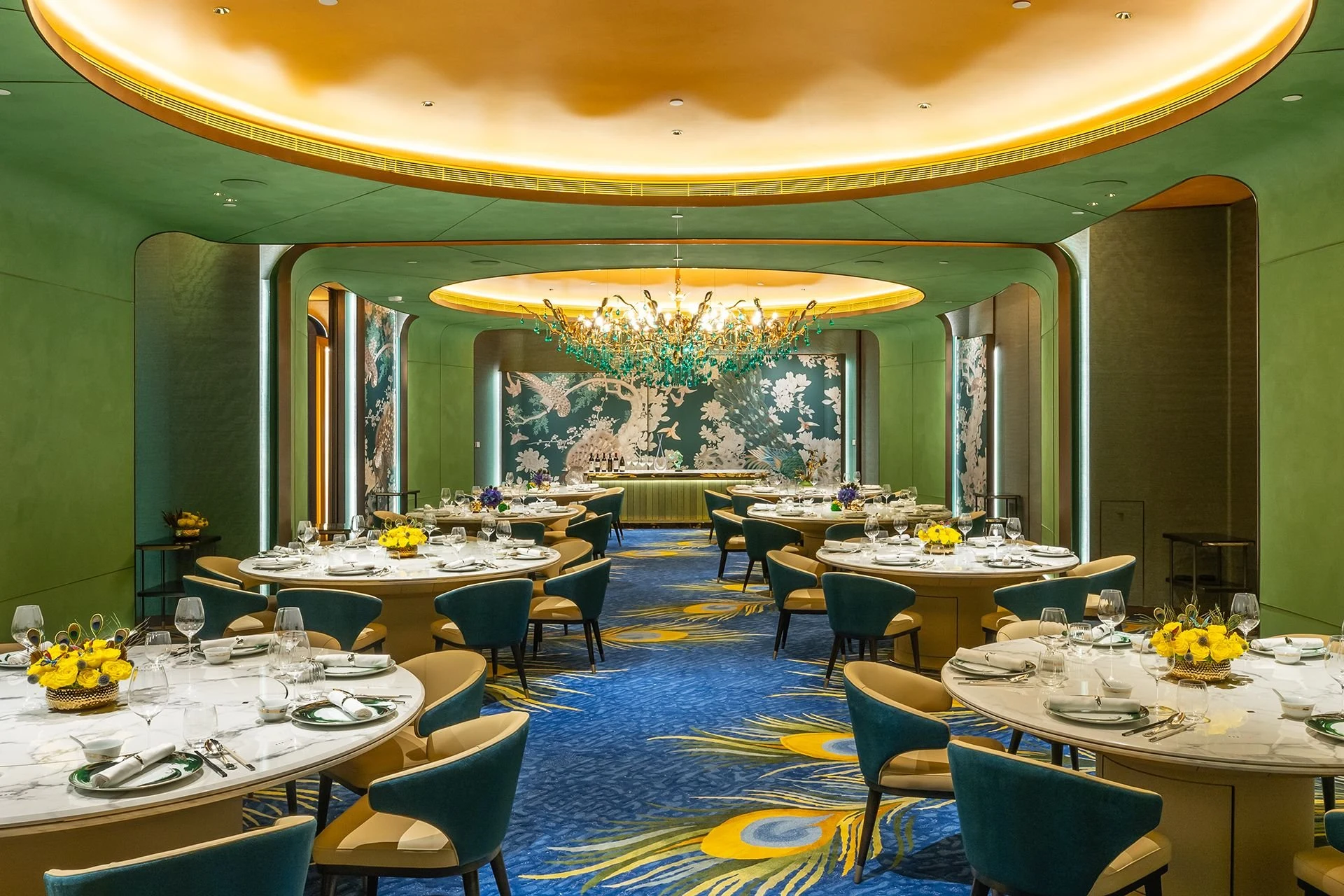
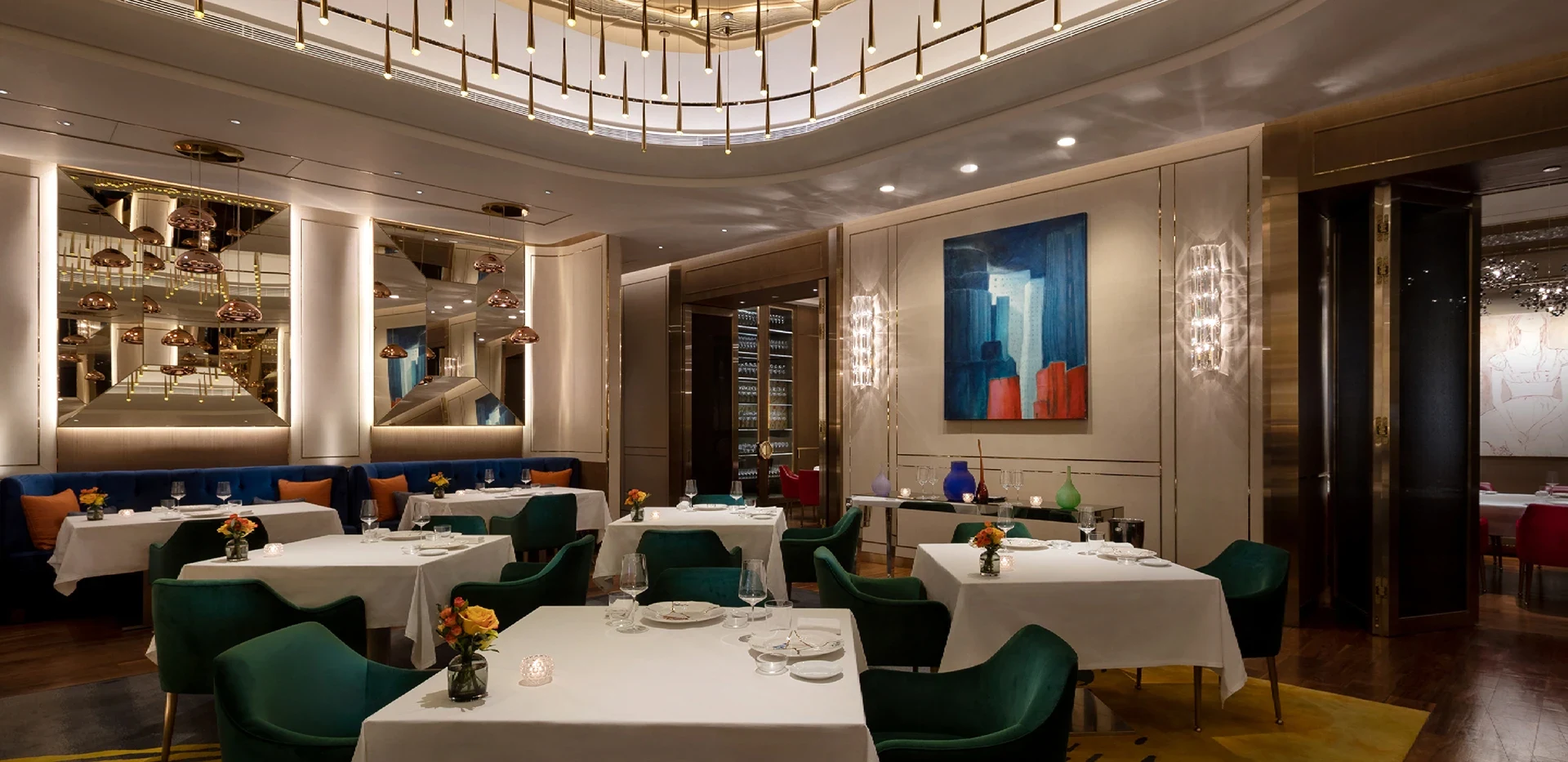
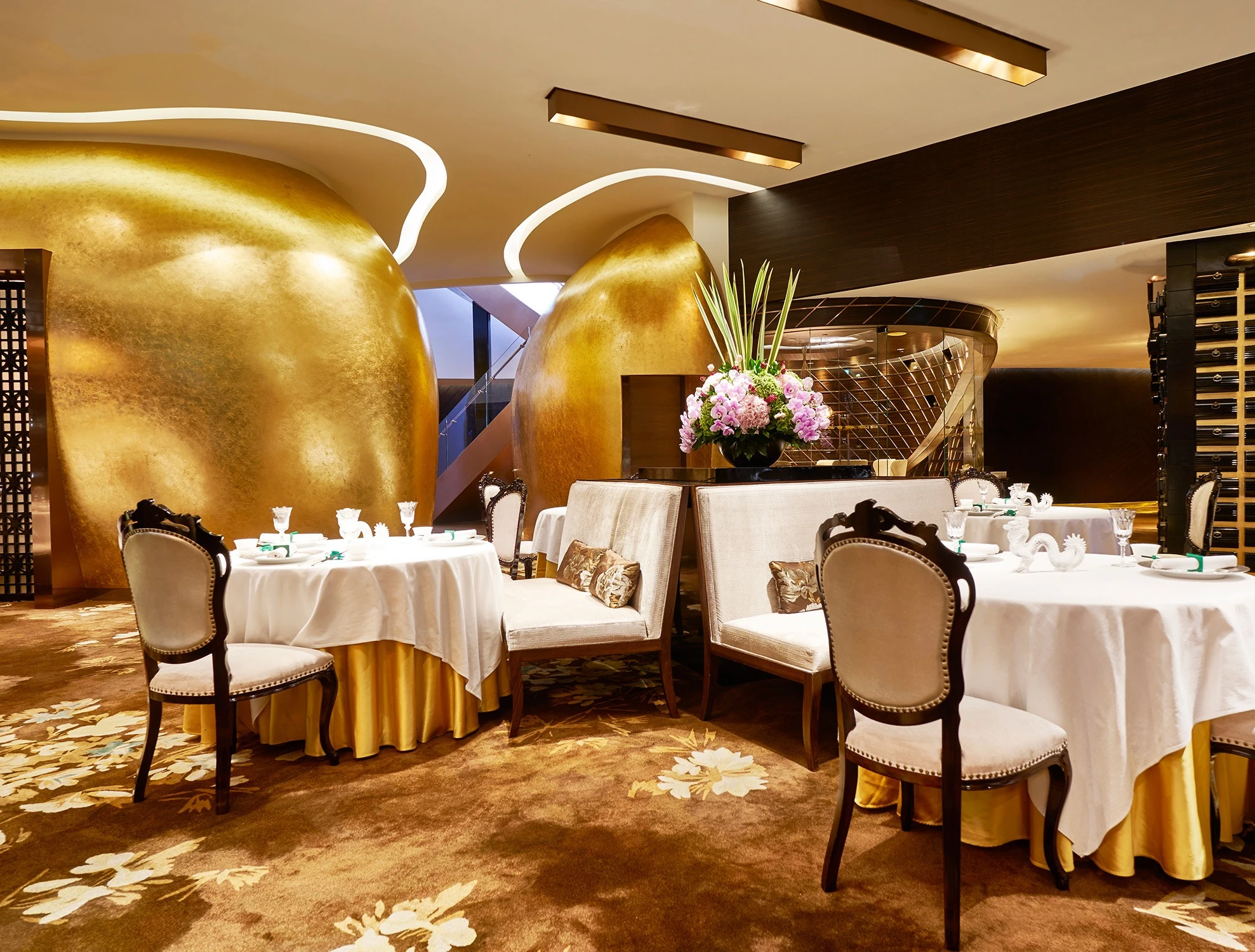
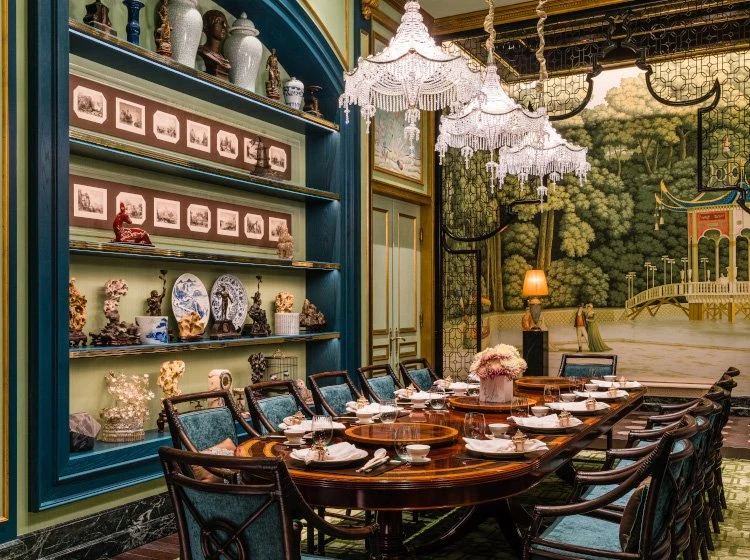
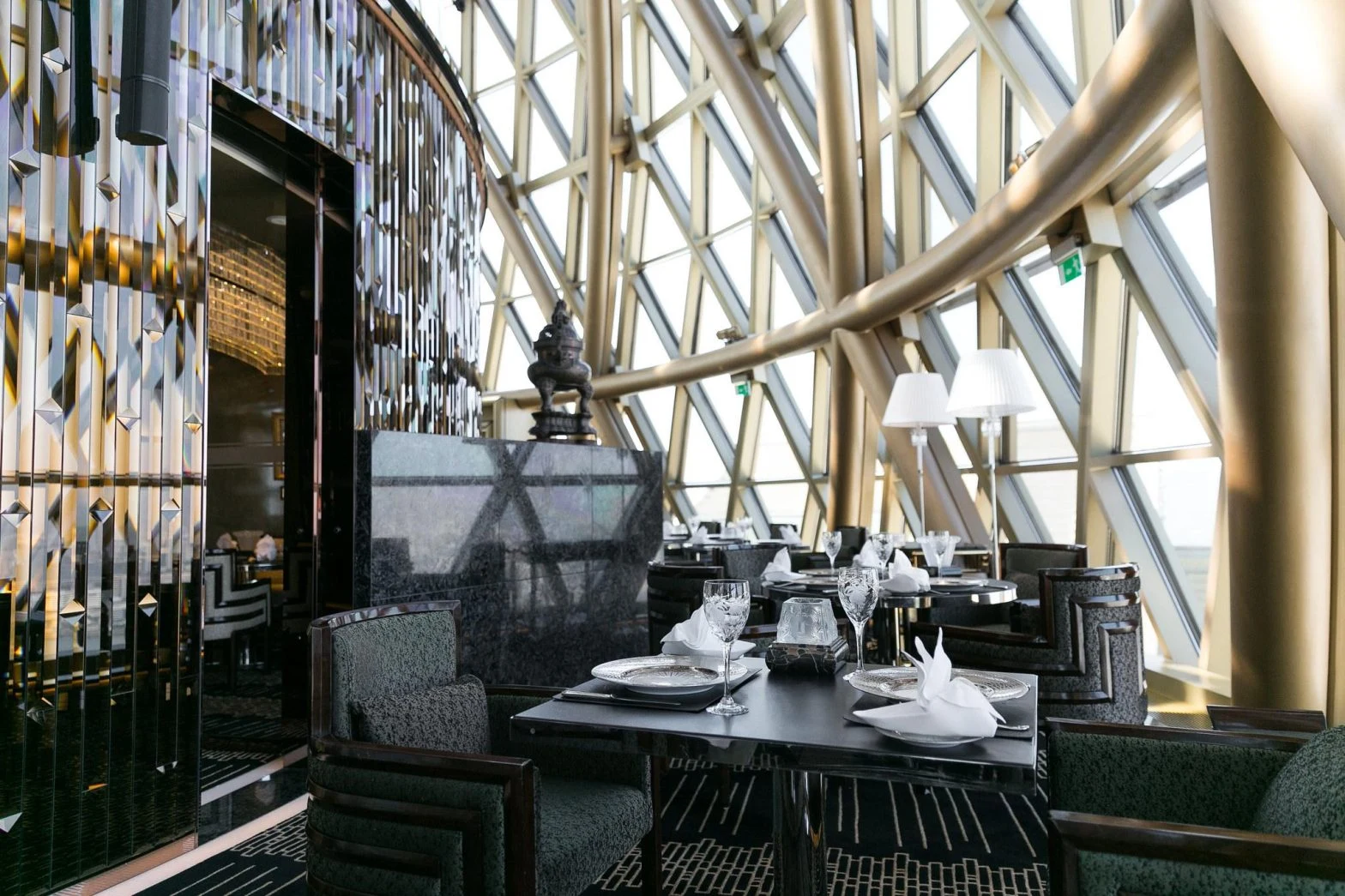
Macau's integrated-resort dining rooms occupy a register that few cities can match: they are large enough to accommodate the casino hotel's international footfall, yet the finest of them maintain the kind of formal discipline that smaller, independent Chinese restaurants rarely sustain. Imperial Court, a Modern Cantonese restaurant at MGM Macau in Macau, belongs to that upper tier. The approach to the restaurant carries the visual weight of the broader MGM property, high ceilings, considered materials, a deliberate separation from the casino floor, and the dining room itself signals that this is a space designed around a specific kind of occasion rather than casual throughput.
Within Macau's Chinese fine dining segment, the room competes against addresses like Chef Tam's Seasons and Jade Dragon, both of which have built reputations around Cantonese cooking at a high technical level. Imperial Court occupies a parallel tier and carries its own formal recognition.
The Sunday letter
Find new places through the people who run them.
Our Sunday email brings you the chefs, winemakers and hoteliers behind our newest stories. See a sample before you subscribe.
See a sample of the Sunday emailOne email a week. Unsubscribe from any issue.
What the Menu Architecture Reveals
In Cantonese fine dining, menu structure is itself a form of argument. The way courses are sequenced, the placement of delicate seafood relative to richer roasted meats, the proportion of wok-cooked dishes to slow-prepared ones, the decision about when to introduce fermented or preserved elements, communicates a kitchen's priorities more directly than any single dish. High-end Cantonese menus tend to read as essays on restraint: they resist the impulse to layer flavour aggressively, and they trust the quality of primary ingredients to carry the weight.
Imperial Court's menu architecture, follows that classical logic. The Cantonese tradition it draws from is one that prizes clarity: a properly executed steamed fish should taste of the sea first and seasoning second; a roasted duck should demonstrate skin tension and fat rendering before any sauce enters the equation. Restaurants that hold formal wine program accreditations at the 3-Star level are typically those where the menu has been structured with beverage pairing in mind, where course weights and flavour progressions have been calibrated against a wine list of some depth. That alignment between kitchen and cellar is more common in European fine dining formats, and its presence in a Cantonese context reflects both an international audience and a kitchen confident enough in its technique to make the pairing logic work.
For comparison, this kind of menu-and-cellar integration at the high end of Chinese dining is also visible at addresses like Xin Rong Ji on Xinyuan South Road in Beijing and Ru Yuan in Hangzhou, where classical Chinese cooking has been presented within a framework that takes the full dining occasion seriously. Imperial Court sits in that same cohort, distinguished by its Macau location and the specific pressures and opportunities that a major integrated resort creates.
Macau's Fine Dining Context
Macau has developed a dining profile that is structurally different from Hong Kong's, despite geographic proximity and a shared Cantonese culinary base. Where Hong Kong's fine dining scene is distributed across a wide range of independent operators, Macau's premium tier is concentrated inside the major resort properties on Cotai and along the waterfront. That concentration has both advantages and constraints: the kitchens benefit from significant capital investment and an international guest base, but they also operate in environments where volume pressure and occasion dining compete for the same floor space.
The city's French fine dining ceiling is set by addresses like Robuchon au Dôme and Alain Ducasse at Morpheus, both of which have accumulated significant critical recognition. Chinese fine dining operates on a parallel track, and the MGM Macau's decision to anchor its Chinese restaurant program with Imperial Court reflects the property's positioning at the more formally considered end of the integrated resort spectrum. For visitors who want to understand the full range of Macau's Chinese dining offer, the contrast between Imperial Court's Cantonese formalism and the spice-forward register of somewhere like Feng Wei Ju is instructive. Both have formal recognition; the cooking philosophies are separated by geography and technique.
Across the broader region, Macau Chinese fine dining now competes not just locally but against a generation of mainland restaurants that have invested heavily in both kitchen talent and dining room presentation. 102 House in Shanghai, Xin Rong Ji in Chengdu, and Imperial Treasure Fine Chinese Cuisine in Guangzhou all represent the same upward pressure on standards that makes venues like Imperial Court work harder to maintain their position.
Planning Your Visit
Imperial Court is located on the second level of the MGM Macau, addressed at Avenida Dr. Sun Yat-Sen, n.o 1101. The property is accessible by ferry from Hong Kong to the Outer Harbour Terminal, with the MGM Macau a short taxi ride from the terminal; the journey from the ferry terminal typically runs under fifteen minutes depending on traffic. For guests arriving from the airport or Cotai, the Macau-side taxi network connects directly to the property. Reservations at this level of Macau dining are strongly advisable, particularly for weekend evenings and public holiday periods when the integrated resort dining rooms fill with both hotel guests and Macau-based regulars. The restaurant is recommended for reservations and serves lunch and dinner daily; current pricing is about US$80 per person.
For visitors building a broader Macau itinerary around food and drink, the city's offer extends well beyond the resort corridors. Further afield, those building a regional circuit around premium Chinese dining may find useful reference points in Dai Yuet Heen in Nanjing and, for a transatlantic comparison of how formal dining institutions sustain their credibility over decades, Le Bernardin in New York City and Emeril's in New Orleans offer a different but instructive frame of reference.
Questions
Frequently asked
Who works at Imperial Court?
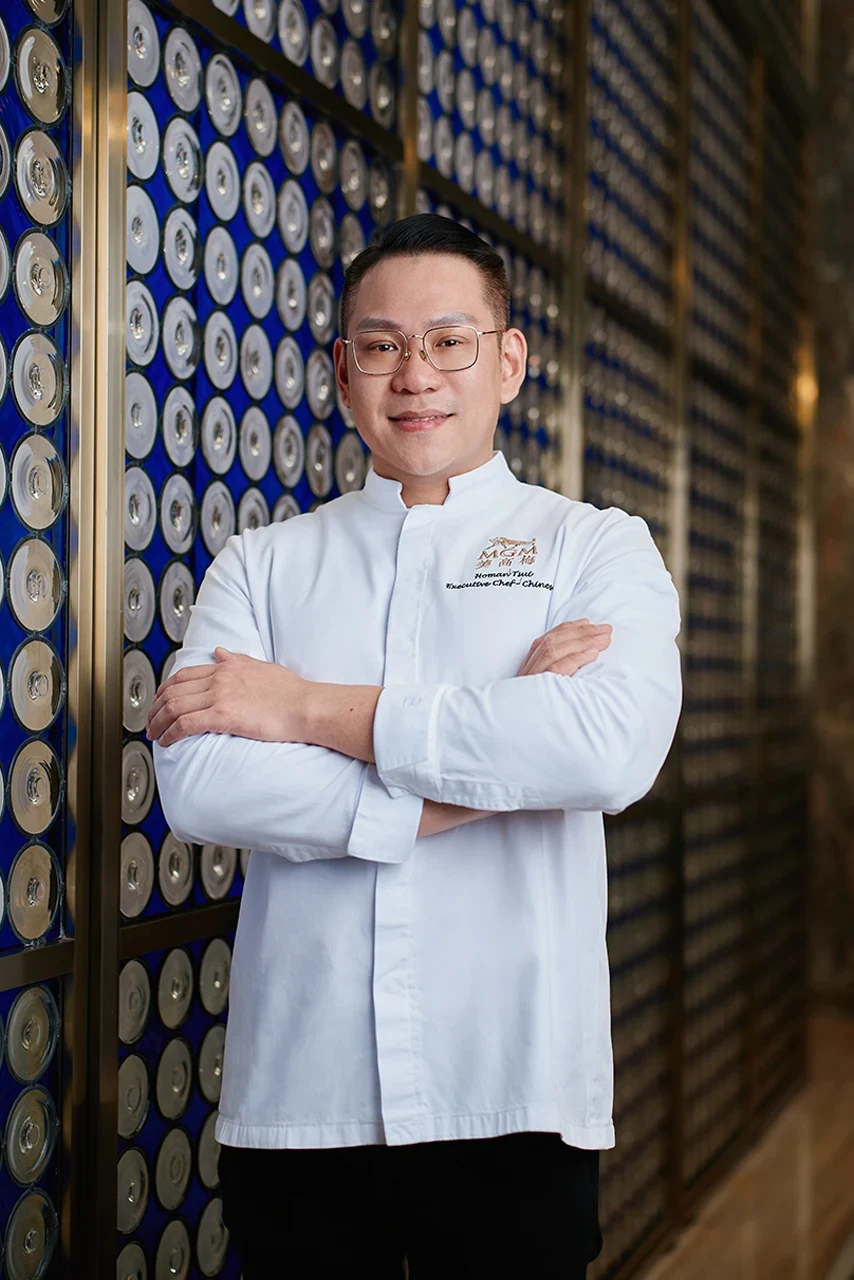
Made By profiles Homan Tsui (Chef) at Imperial Court.
How expensive is Imperial Court?
Imperial Court is listed at a price level of $$$$.
Where is Imperial Court and what does it serve?
Imperial Court is in NAPE, Macau, serving Modern Cantonese.
The field
How it compares
| Place | Cuisine | Notes | Awards |
|---|---|---|---|
| Imperial Court | Modern Cantonese | NAPE, $$$$ | · |
| 8 1/2 Otto e Mezzo Bombana (Macau) | Modern Sicilian Italian Fine Dining | Macau | Michelin 1 Star |
| Alain Ducasse at Morpheus | Contemporary French Fine Dining | Macau | Michelin 2 Stars |
| Chef Tam's Seasons | Modern Cantonese Fine Dining | Macau | Michelin 2 Stars, World's 50 Best |
| Jade Dragon | Three Michelin-Star Cantonese Fine Dining | Macau | Michelin 3 Stars, World's 50 Best |
| Palace Garden | Modern Cantonese Fine Dining | Macau | Michelin 1 Star |
| Robuchon au Dôme | Contemporary French Fine Dining | Macau | Michelin 3 Stars |
In residence
Similar places
Modern Sicilian Italian Fine Dining
8 1/2 Otto e Mezzo Bombana (Macau)
Macau, Macau
★
Contemporary French Fine Dining
Alain Ducasse at Morpheus
Macau, Macau
★★
Modern Cantonese Fine Dining
Chef Tam's Seasons
Macau, Macau
★★ · 50 Best
Three Michelin-Star Cantonese Fine Dining
Jade Dragon
Macau, Macau
★★★ · 50 Best
Modern Cantonese Fine Dining
Palace Garden
Macau, Macau
★
Contemporary French Fine Dining
Robuchon au Dôme
Macau, Macau
★★★
The Sunday letter
Get the next Made By story in your inbox.
We send one email every Sunday morning with the places and people we covered that week.
See a sample of the Sunday emailOne email a week. Unsubscribe from any issue.