Doenjang, yuzu and measured broth
- Opinionated About Dining Top Restaurants in North America Recommended · 2026
- Opinionated About Dining Top Restaurants in North America Ranked #169 · 2025
- Michelin Plate · 2025
- Michelin Plate · 2024
- Opinionated About Dining Top Restaurants in North America Ranked #154 · 2024
- Opinionated About Dining Top Restaurants in North America Highly Recommended · 2023
Control before flourish
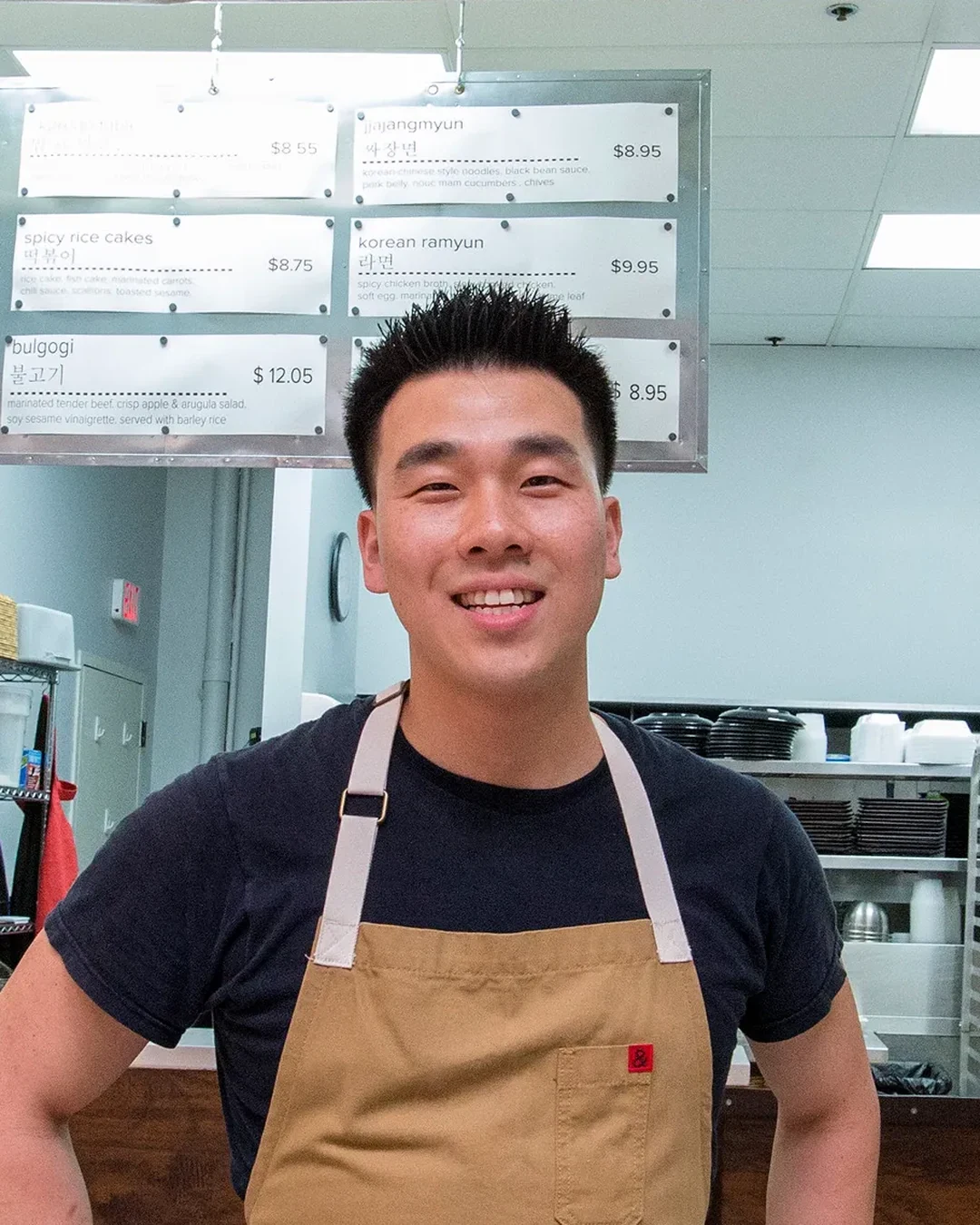
The broth lands after the acid and crunch. Dave Park, Chef at Jeong in Chicago, builds that order into plates like Lychee-Noir-Cured Kanpachi, where black radish, Honeycrisp apple, jangajji relish and chive oil sit against a measured pour. His work here has been shaped since 2019 by clarity rather than accumulation, the plate edited until each element has a job.
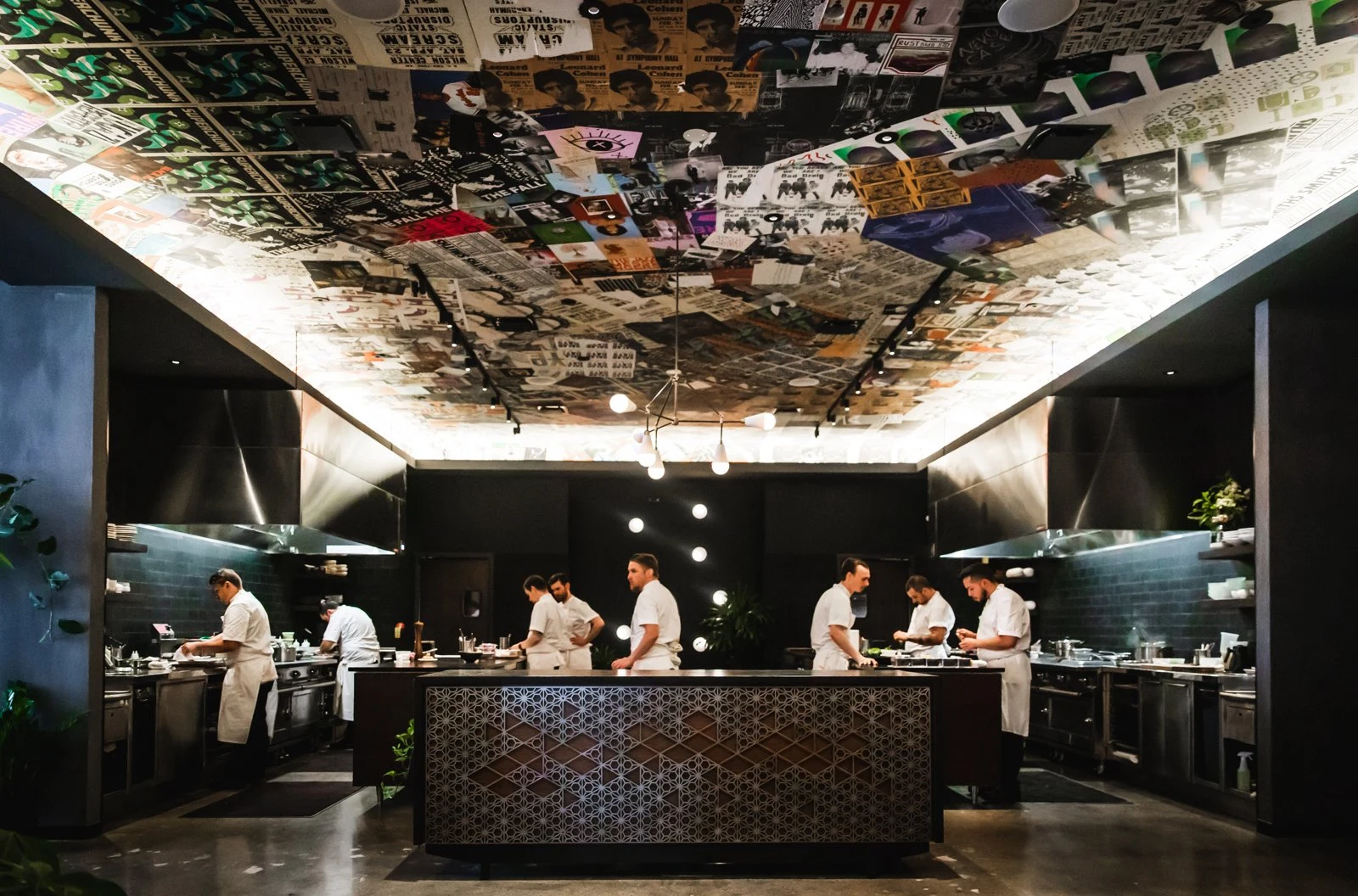
Park’s line into this room runs through formal training at Culinary Institute of America and the shop-floor rhythm of earlier kitchens. He began as a prep cook and dishwasher at a local family-run restaurant, then cooked at Takashi and joined the opening team at The Aviary in Chicago. At Hanbun in Chicago, from 2015-2018, he moved into ownership and began carrying more than a station. Jeong extends that shift into a full-service room, with Park working as Chef/Owner and giving Korean-American memory a precise, contemporary frame.
The Sunday letter
Find new places through the people who run them.
Our Sunday email brings you the chefs, winemakers and hoteliers behind our newest stories. See a sample before you subscribe.
See a sample of the Sunday emailOne email a week. Unsubscribe from any issue.
Fermentation, citrus, reduction
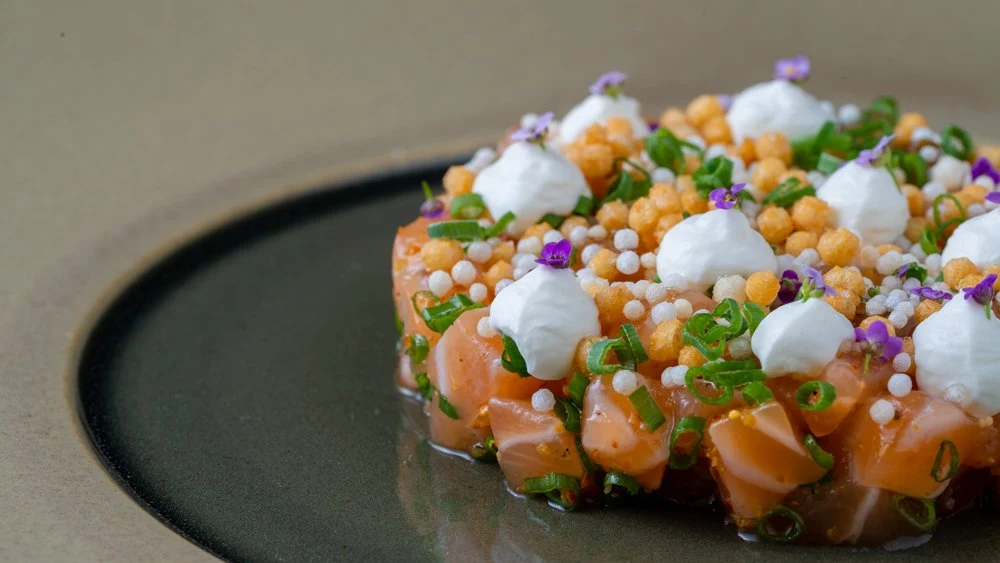
The menu turns on contrast: doenjang against yuzu, clementine against beurre blanc, soy glaze against duck breast, kimchi against truffle in an emulsion for wagyu. Park uses familiar Korean anchors without treating them as decoration. In the salmon tartare, yuzu and doenjang bring acid and depth, crème fraîche softens the line, and crisp rice pearls add a different kind of finish. The dish reads cleanly because the textures stay separate long enough for the hand to be felt.
That same discipline appears in rice cakes with chili sauce, where chew matters as much as heat, and in Jorim-Glazed Zabuton, where reduction and concentration do the carrying. Seared scallop with clementine beurre blanc and spinach namul puts the French sauce language beside a Korean vegetable register without forcing either one to explain the other. The tasting menu and à la carte dishes share that method: a progression of acid, fat, broth, char, ferment and crunch, kept tight enough that nostalgia does not turn heavy.
A close room and a steady pass
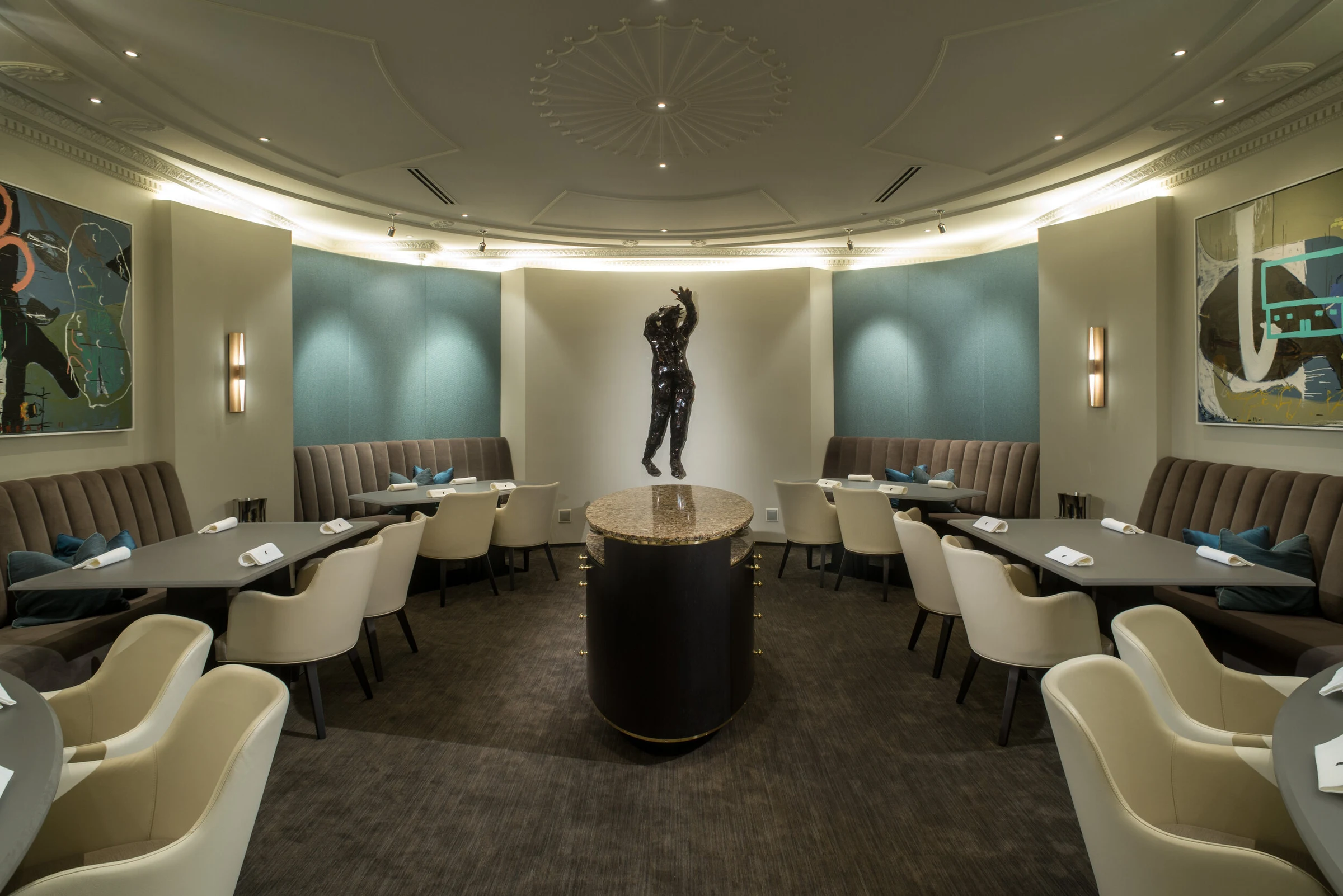
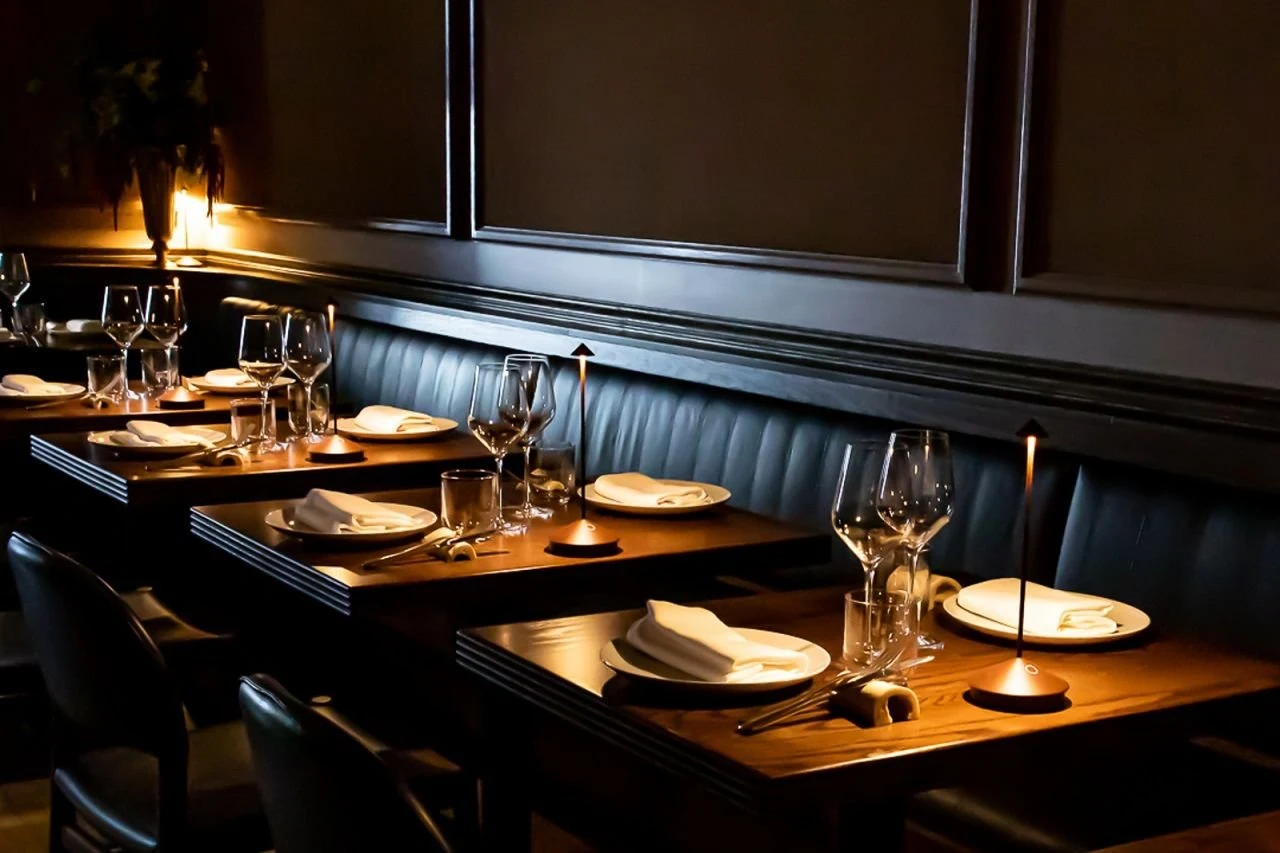
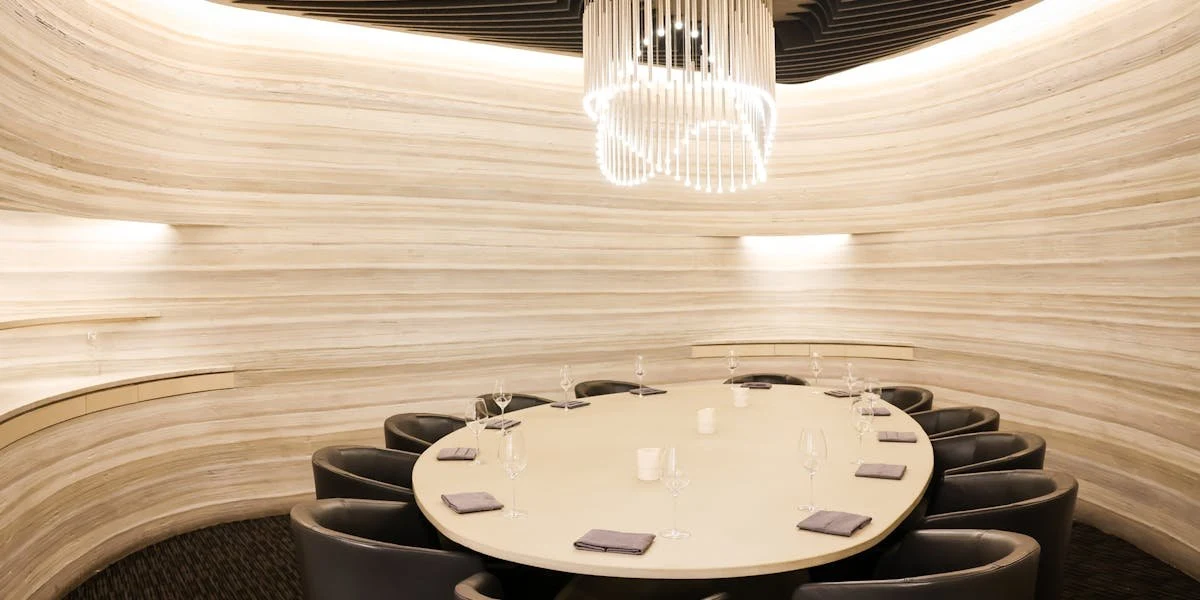
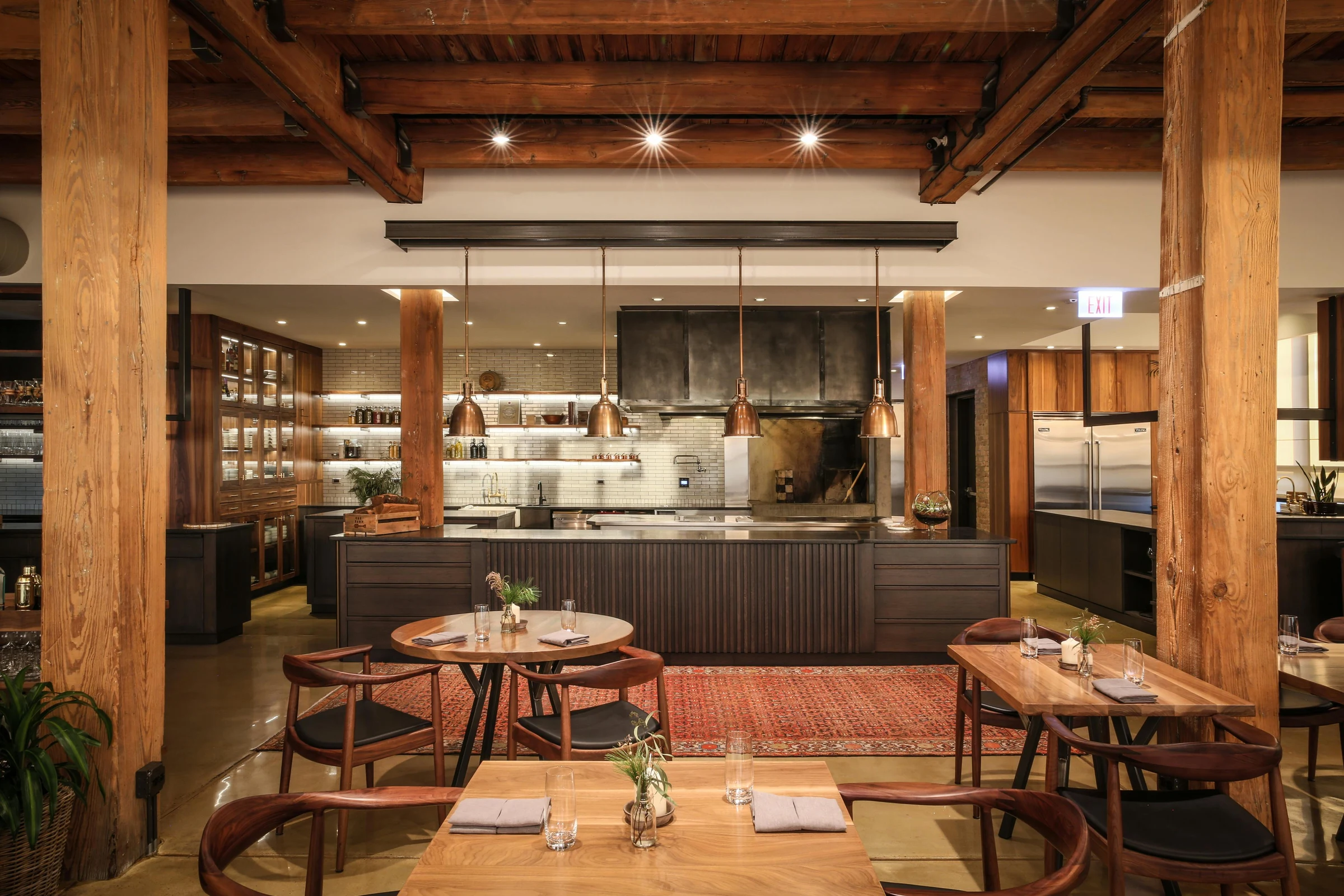
The room keeps the work near. Gray tones, wood accents and close-set tables make the pass feel present without turning service into theater. Light fixtures inspired by traditional Korean bronze bowls bring the ceiling down a little, so the room holds conversation rather than spectacle. The mood is contemporary, but the hand is warmer than the palette suggests.
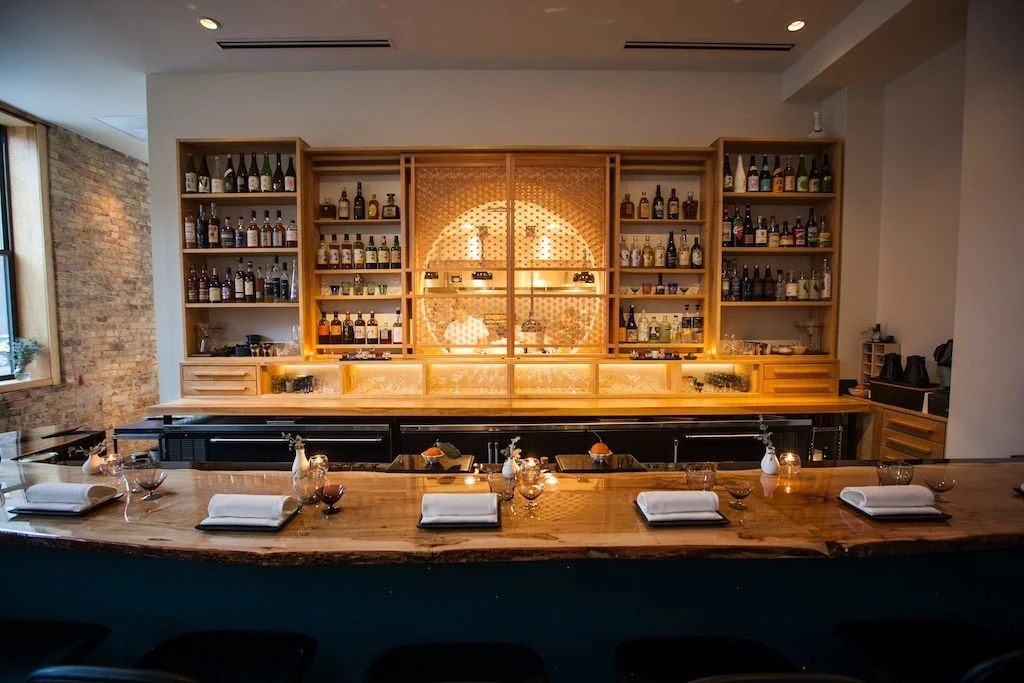
Because Jeong is intimate, the plates do not travel far before they meet the table. That matters for a menu built on temperature and texture: scallop still glossy from the pan, duck sliced over soy glaze, tartare held in a clean disk, rice cakes keeping their spring. The beverage program follows the same scale, with sake, wine pairings and craft cocktails set around the food rather than above it. If the next movement is not announced, the current one is enough to follow: Park at the pass, tightening the line between jangajji relish and broth in the Lychee-Noir-Cured Kanpachi.
Questions
Frequently asked
Who is behind the cooking at Jeong?
Dave Park is the chef and owner at Jeong in Chicago. His cooking draws on formal training at the Culinary Institute of America and earlier work in local kitchens, including Takashi, The Aviary in Chicago, and Hanbun in Chicago.
What kind of menu does Jeong serve?
Jeong serves a modern Korean tasting menu, with à la carte dishes also on offer. The cooking is built around contrast, using acid, ferment, broth, char, fat and crunch in a tight progression.
What are some signature dishes at Jeong?
Signature dishes include salmon tartare with doenjang yuzu gastrique, seared scallop with clementine beurre blanc, duck breast with soy glaze, wagyu with kimchi truffle emulsion, and rice cakes with chili sauce.
What is the dining room like?
The room is intimate, with gray tones, wood accents and close-set tables. Light fixtures inspired by traditional Korean bronze bowls lower the visual scale and keep the focus on the table.
How does booking work at Jeong?
Reservations are essential, and bookings are handled through Tock. The restaurant is open Wednesday through Saturday from 5 to 9:30 PM, and it is closed on Monday, Tuesday and Sunday.
The field
How it compares
| Place | Cuisine | Notes | Awards |
|---|---|---|---|
| Jeong | Modern Korean Tasting Menu | Noble Square, $$$ | · |
| Alinea | Avant-Garde Molecular Gastronomy | Chicago | Michelin 3 Stars, World's 50 Best |
| Asador Bastian | Basque-Inspired Steakhouse | Chicago | · |
| Ever | Modern American Fine Dining | Chicago | Michelin 2 Stars |
| Kumiko | Japanese Dining Bar | Chicago | · |
| Oriole | Modern French-Japanese Tasting Menu | Chicago | Michelin 2 Stars |
| Smyth | Modern American Tasting Menu | Chicago | Michelin 3 Stars, World's 50 Best |
In residence
Similar places
Avant-Garde Molecular Gastronomy
Alinea
Chicago, United States
★★★ · 50 Best
Basque-Inspired Steakhouse
Asador Bastian
Chicago, United States
Modern American Fine Dining
Ever
Chicago, United States
★★
Japanese Dining Bar
Kumiko
Chicago, United States
Modern French-Japanese Tasting Menu
Oriole
Chicago, United States
★★
Modern American Tasting Menu
Smyth
Chicago, United States
★★★ · 50 Best
The Sunday letter
Get the next Made By story in your inbox.
We send one email every Sunday morning with the places and people we covered that week.
See a sample of the Sunday emailOne email a week. Unsubscribe from any issue.