Ricardo Sanz, chef at Kabuki in Milan, works Japanese form through Iberian fat, flame, whisky, and the sushi counter.
- Opinionated About Dining Top Restaurants in Europe Recommended · 2026
Flame over the nigiri
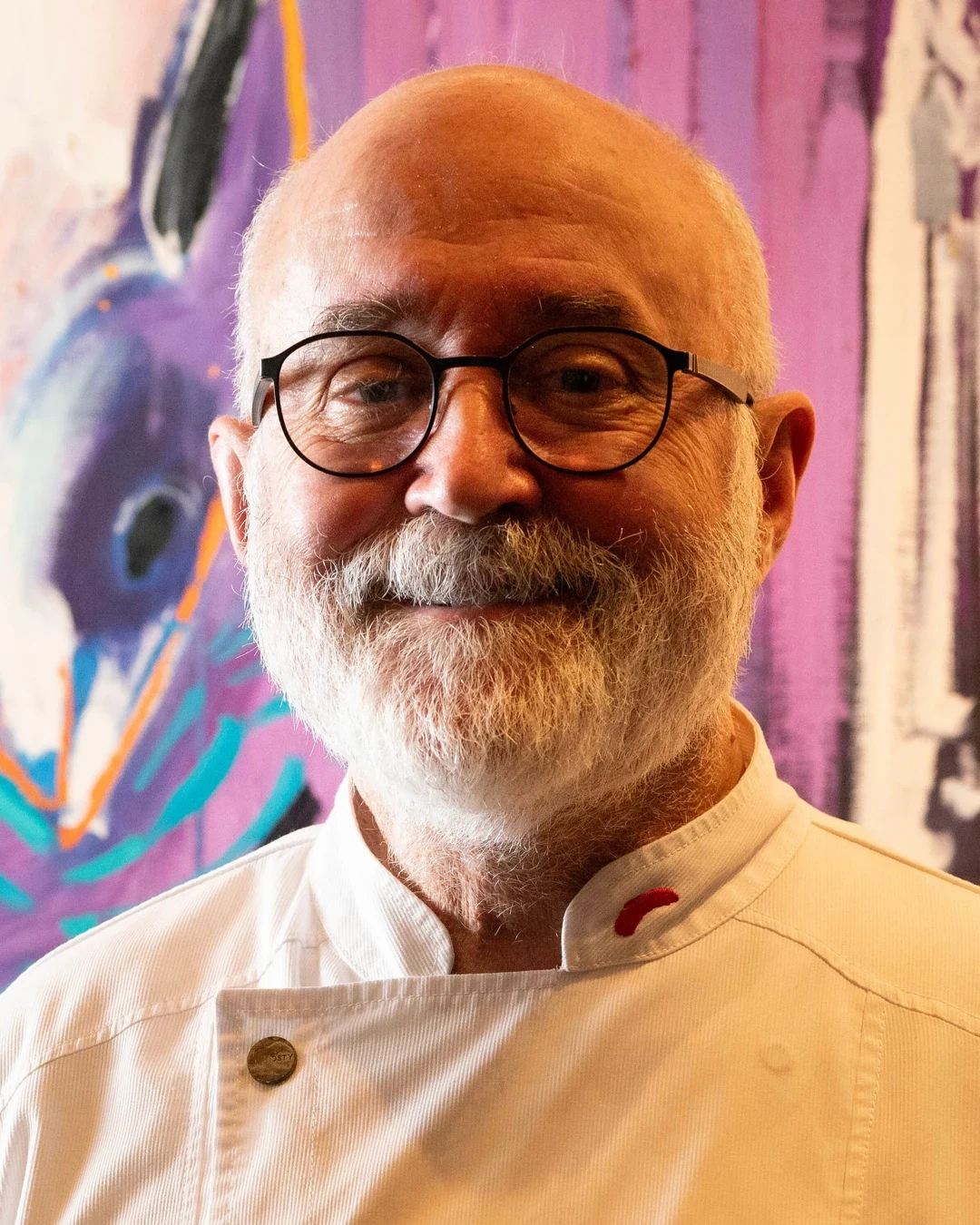
A salmon nigiri meets flame and mascabado sugar before it leaves the counter; Ricardo Sanz, chef at Kabuki in Milan, keeps that gesture inside a Japanese kitchen with an Iberian accent. His name is also attached to Ricardo Sanz Wellington in Madrid, so the work here belongs to a narrow, active practice rather than a scattered one. The rhythm is service-led: rice, fish, heat, fat, nikiri, then the pass. Kabuki’s public language is Japanese and Mediterranean fusion, but the useful reading is more exact. The restaurant is known for sushi and fish dishes that let Spanish references enter the form without turning the counter into theatre. Butterfish with truffle, quail egg, hamburger nigiri, bull usuzukuri with tomato bread, bull tartare, wagyu ribs; the list shows a cook’s interest in where the boundary holds and where it can be bent. Sanz’s current post keeps him in the room as chef, with a Michelin Star attached to Kabuki and the daily pressure that recognition brings. The house gives no apprenticeship lineage for him here, so the line to follow is the station itself: a chef working through repetition, timing, and command.
Japanese form, Iberian fat
The method at Kabuki rests on small calibrations. Aged beef loin nigiri takes a marinade of Toki whisky. Langoustine nigiri carries Joselito Iberian ham fat and nikiri sauce. Butterfish meets truffle, a quail egg sits where a purist might expect restraint, and hamburger becomes nigiri without abandoning the one-bite discipline of the form. These are not garnish decisions; they are structural choices about temperature, fat, sweetness, and cut. The restaurant’s wine program is built at scale, with 600 references, and that breadth matters beside a menu that moves between raw fish, flamed salmon, beef, whisky, tomato bread, and Iberian ham. The pairing problem is part of the craft. Kabuki also works with cocktails and Japanese whiskies, which lets the bar sit close to the kitchen’s own crossings. The menu can be read à la carte or through a tasting sequence, but the craft is clearest at the counter, where the rice gives each idea its limit.
Black, ochre, and the sushi bar
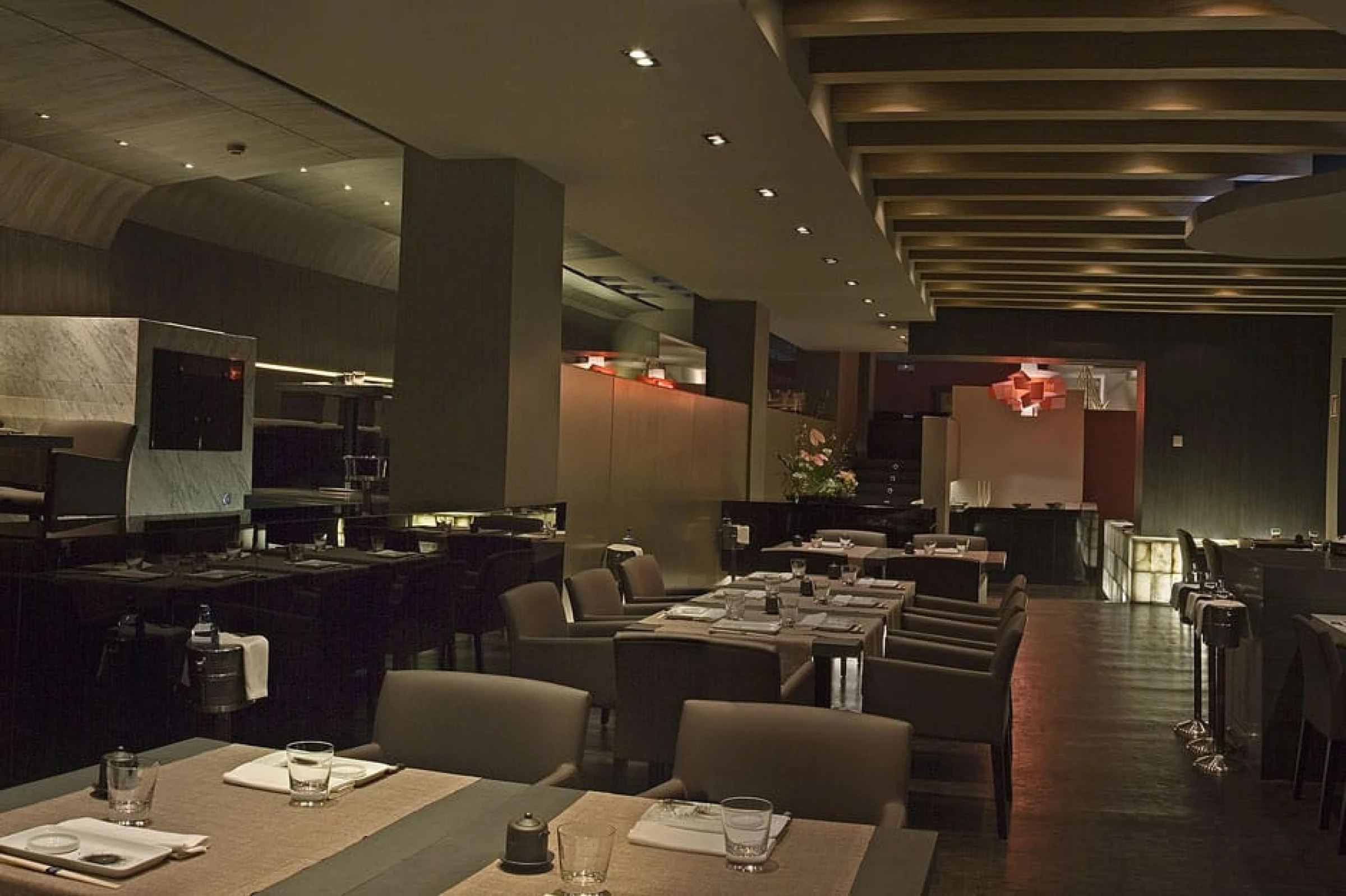
The room is sober rather than bare, with black and ochre tones, low light, and a dining room shaped around the sushi bar. Architect Maurice Sáinz is credited with the design, and the restraint suits the food: the counter holds attention without forcing reverence. Kabuki occupies Calle de Lagasca, 38, in the Salamanca district, a polished address with enough quiet around it for the pass to stay legible. There is a terrace set in a garden, but the stronger image is inside, where the bar presides over the room and the kitchen’s Spanish-Japanese grammar arrives piece by piece. The restaurant opened at this address in October 2023, carrying an older Kabuki identity into a new room. Flamed salmon nigiri with mascabado sugar is at Calle de Lagasca, 38.
Questions
Frequently asked
Who is the chef at Kabuki?
Ricardo Sanz is the chef at Kabuki in Milan, and the page describes his work here as a narrow, active practice rather than a scattered one.
What kind of food does Kabuki serve?
Kabuki is a sushi restaurant with a Japanese and Mediterranean fusion language, but the food is described more exactly as sushi and fish dishes shaped by Spanish references. The menu includes things like butterfish with truffle, quail egg, hamburger nigiri, bull usuzukuri with tomato bread, bull tartare, and wagyu ribs.
What is Kabuki known for at the counter?
The restaurant is known for sushi built through small calibrations of heat, fat, sweetness, and cut. Examples include salmon nigiri finished with flame and mascabado sugar, aged beef loin nigiri marinated in Toki whisky, and langoustine nigiri with Joselito Iberian ham fat and nikiri sauce.
Does Kabuki have any recognition?
Kabuki has a Michelin Star attached to it.
What is the dining room like?
The room is sober rather than bare, with black and ochre tones, low light, and a dining room shaped around the sushi bar. Architect Maurice Sáinz is credited with the design, and the restaurant also has a terrace set in a garden.
The field
How it compares
| Place | Cuisine | Awards | Notes |
|---|---|---|---|
| Kabuki | Sushi | · | · |
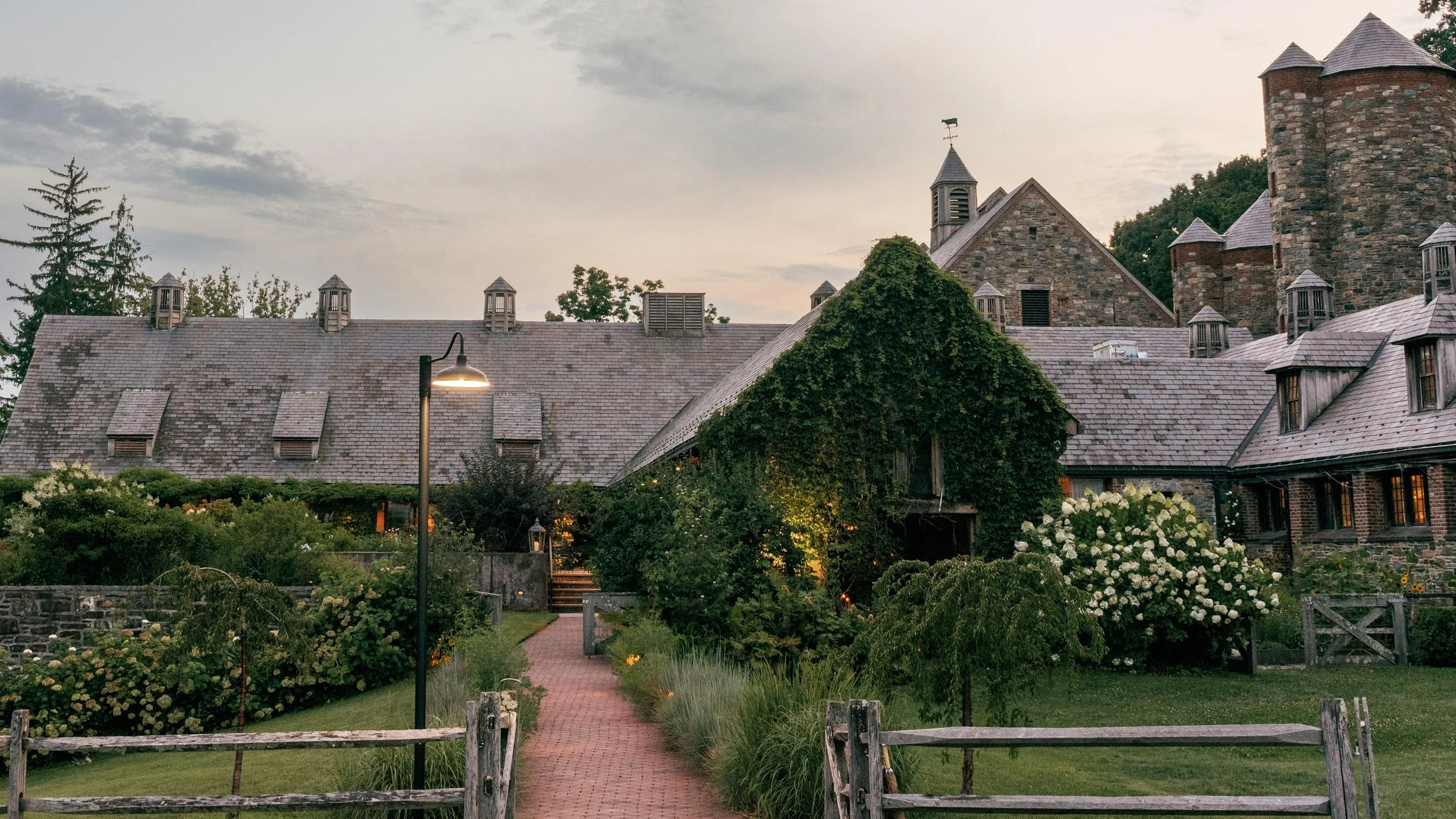
| Blue Hill at Stone Barns | Farm-to-Table Fine Dining | Michelin 2 Stars, World's 50 Best | Tarrytown |
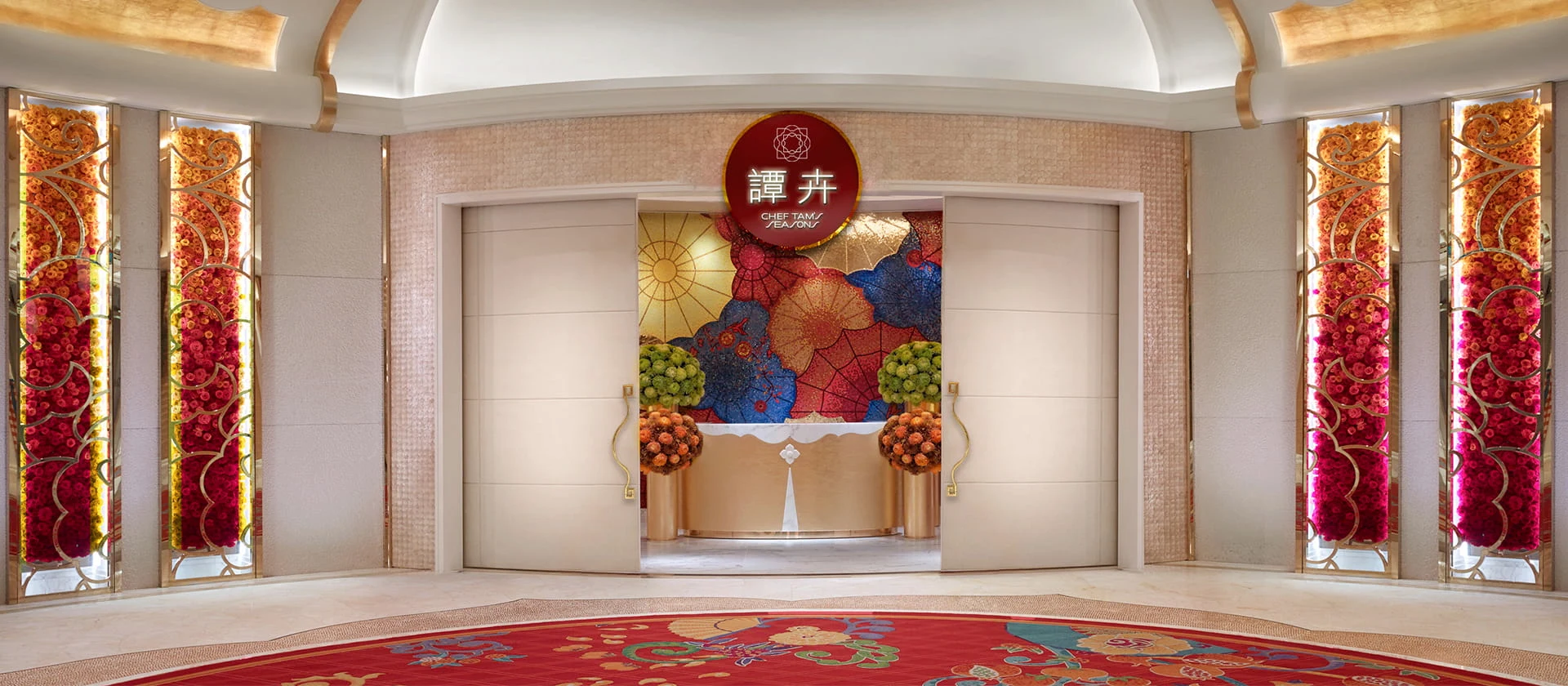
| Chef Tam's Seasons | Modern Cantonese Fine Dining | Michelin 2 Stars, World's 50 Best | Macau |
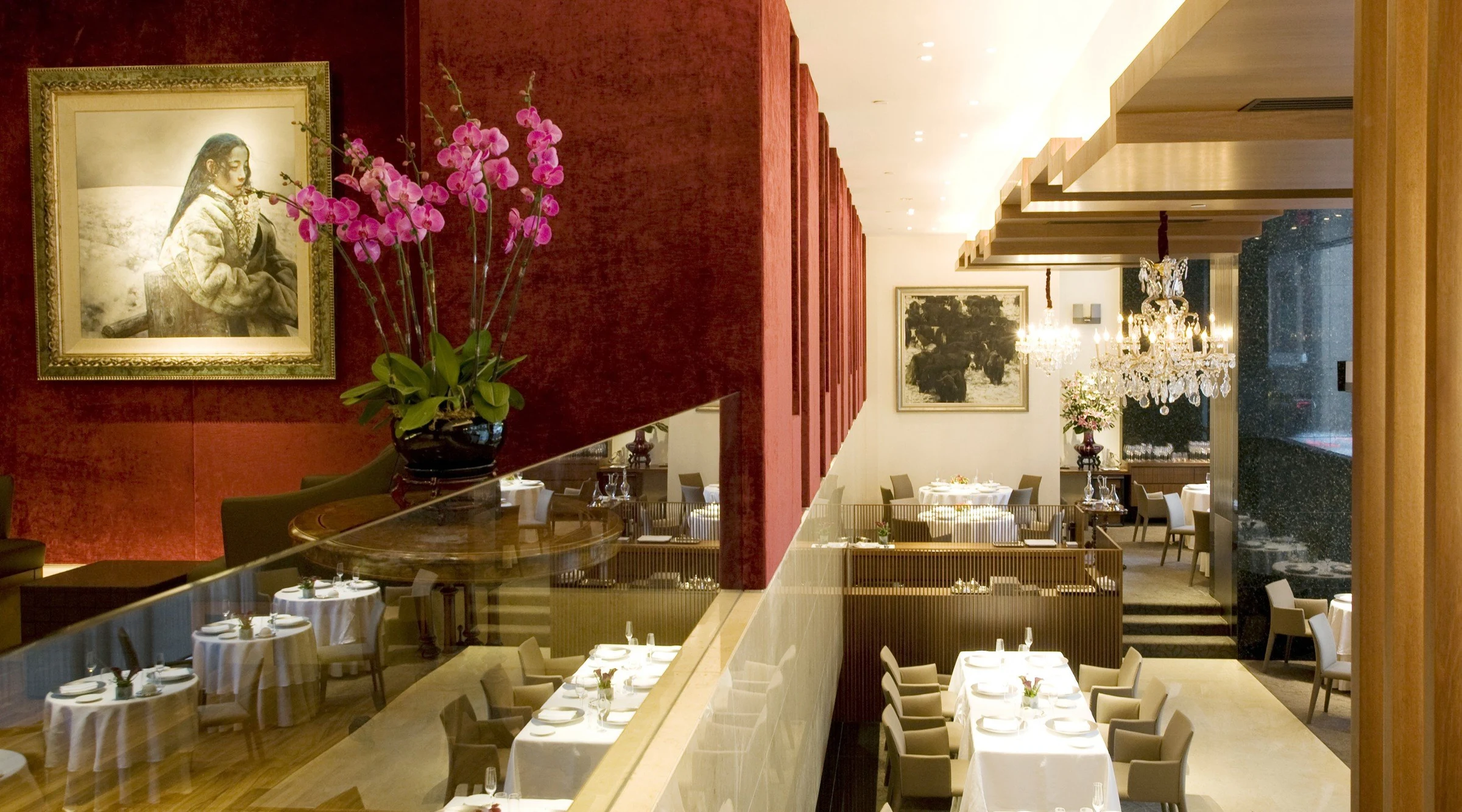
| Les Amis | Classic French Haute Cuisine | Michelin 3 Stars, World's 50 Best | Singapore |
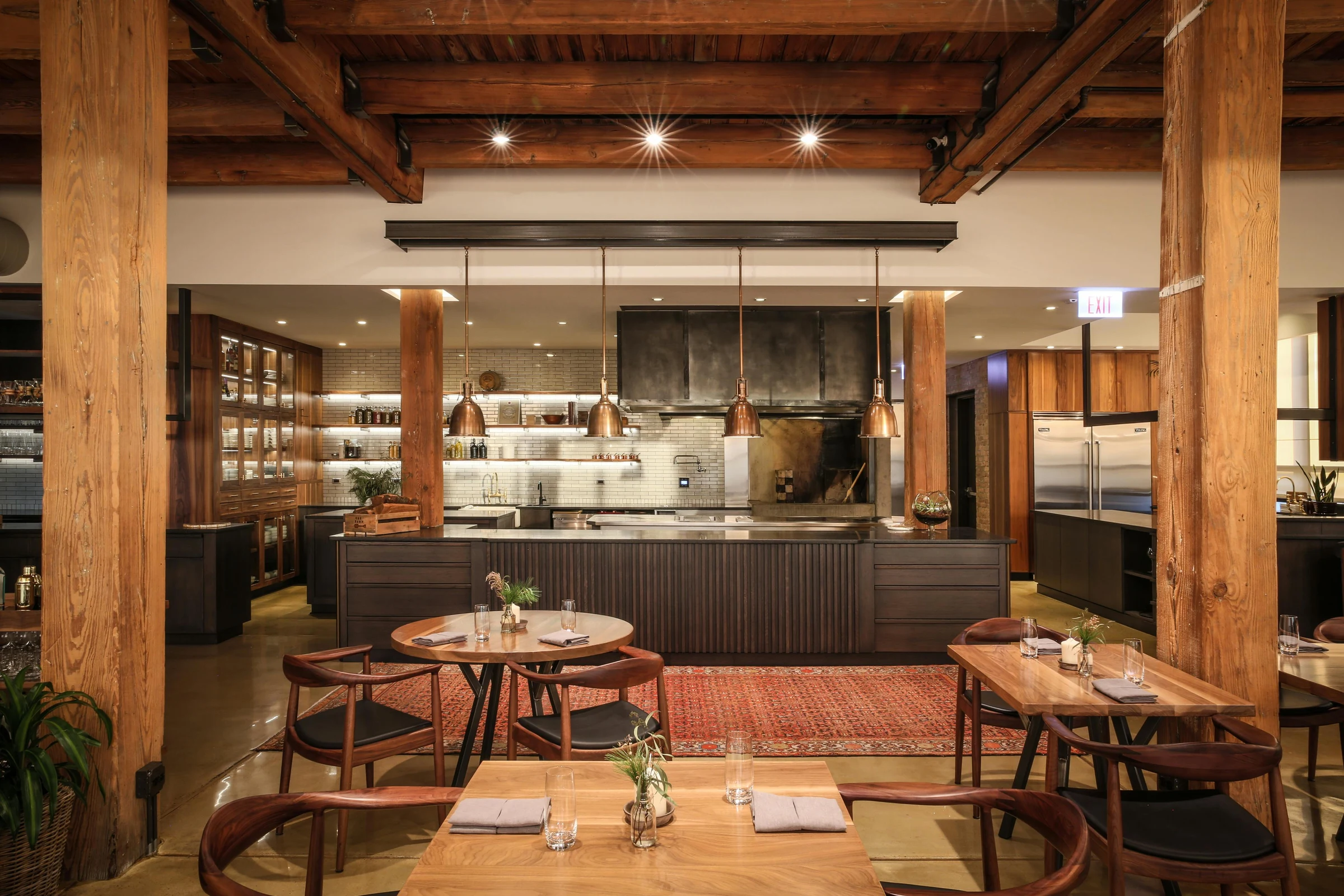
| Smyth | Modern American Tasting Menu | Michelin 3 Stars, World's 50 Best | Chicago |
| The Clove Club | Modern British Fine Dining | Michelin 2 Stars, World's 50 Best | London |
| Woven by Adam Smith | Modern British Fine Dining | Michelin 1 Star | Ascot |
In residence
Similar places
Farm-to-Table Fine Dining
Blue Hill at Stone Barns
Tarrytown, United States
★★ · 50 Best
Modern Cantonese Fine Dining
Chef Tam's Seasons
Macau, Macau
★★ · 50 Best
Classic French Haute Cuisine
Les Amis
Singapore, Singapore
★★★ · 50 Best
Modern American Tasting Menu
Smyth
Chicago, United States
★★★ · 50 Best
Modern British Fine Dining
The Clove Club
London, United Kingdom
★★ · 50 Best
Modern British Fine Dining
Woven by Adam Smith
Ascot, United Kingdom
★