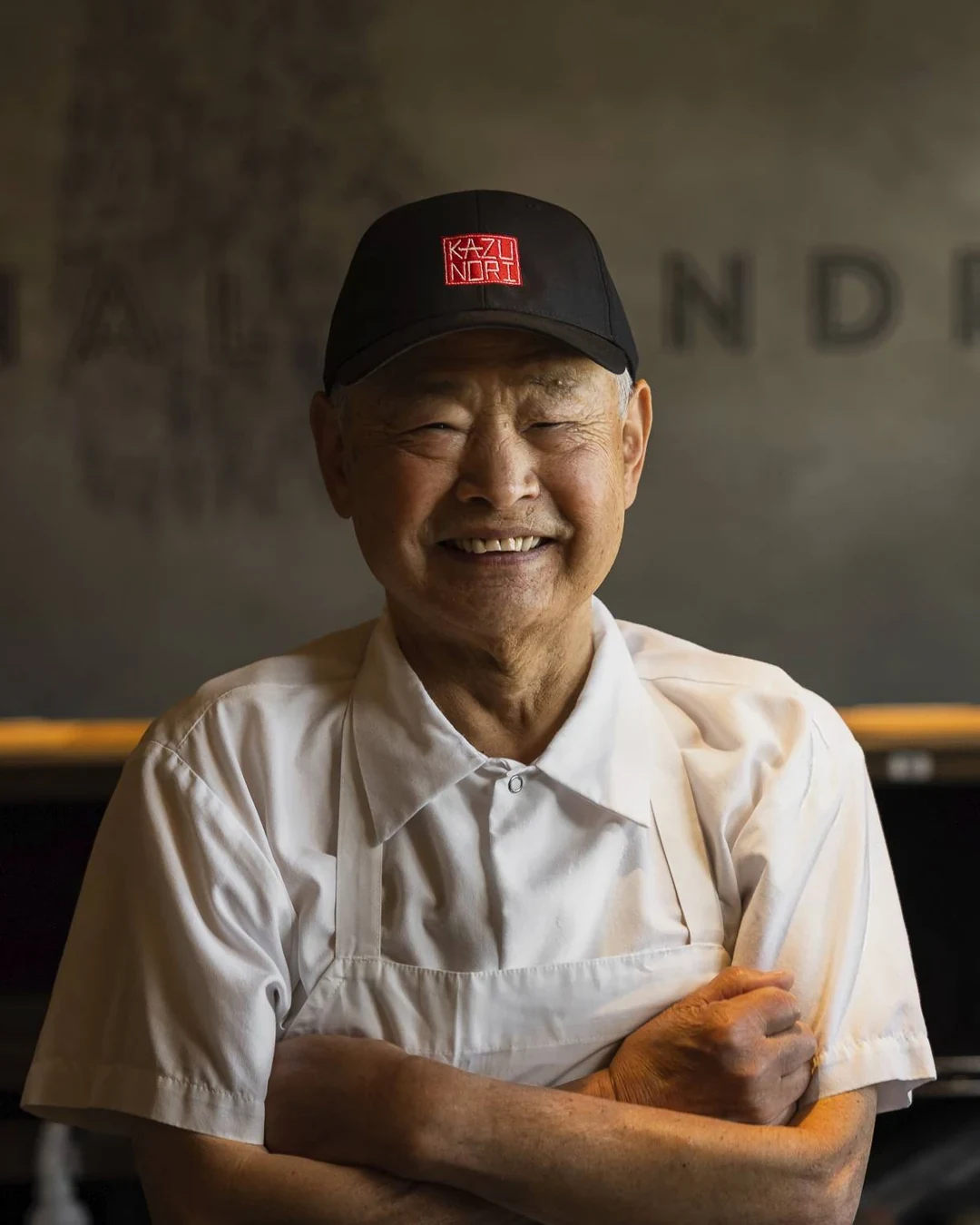
Kazunori Nozawa, chef of KazuNori in Los Angeles, keeps handrolls fish-first, with warm rice and crisp nori at the counter.
- Opinionated About Dining Casual in North America Highly Recommended · 2026
Warm rice, crisp nori, fish first
Warm rice meets crisp nori at the counter, and Kazunori Nozawa, chef of KazuNori in Los Angeles, keeps the handroll close to the hand that will eat it. His rule is plain enough to survive translation: “Great sushi starts with great fish.” At KazuNori, that sentence lands before the roll does. The form is narrow by design, seafood, seasoned rice, nori, a quick pass across the counter, then no waiting. Nozawa’s lineage began in Tokyo, where he apprenticed with a master sushi chef at age 18. He later opened his own restaurant in Japan, came to the United States as a sushi consultant, and opened Sushi Nozawa in Studio City in 1987 to teach Edo-style sushi to American diners. KazuNori carries that same fish-first discipline into a different rhythm. The chef’s current role sits inside Sushi Nozawa, LLC, where he has been president since 2013, but the work at this address is not corporate in feeling. It is a counter practice: rice held warm, nori kept brittle, fish cut cleanly enough that the roll does not need ornament.
A handroll bar built for immediacy
The method at KazuNori depends on the short life of a finished handroll. Nori begins to soften once it touches warm rice and fish, so the timing is not decorative; it is the point of the form. The staff works in a fast counter cadence, moving rolls from station to guest while the sheet still has its snap. Diners often notice the temperature first, the contrast of warm rice against cool seafood, then the way the nori holds for the first bites. The menu allows sets and custom sequences, but the craft does not drift far from Nozawa’s older argument for traditional Japanese sushi. Fish leads. Rice supports. Nori provides structure and scent. The restaurant’s single current award belongs to this Los Angeles house, not to the Studio City address that preceded it in Nozawa’s career. That distinction matters because the station here asks for a different expression of the same discipline: less ceremony, more compression, and a roll that has to be eaten as soon as it is placed down.
The counter keeps the room honest
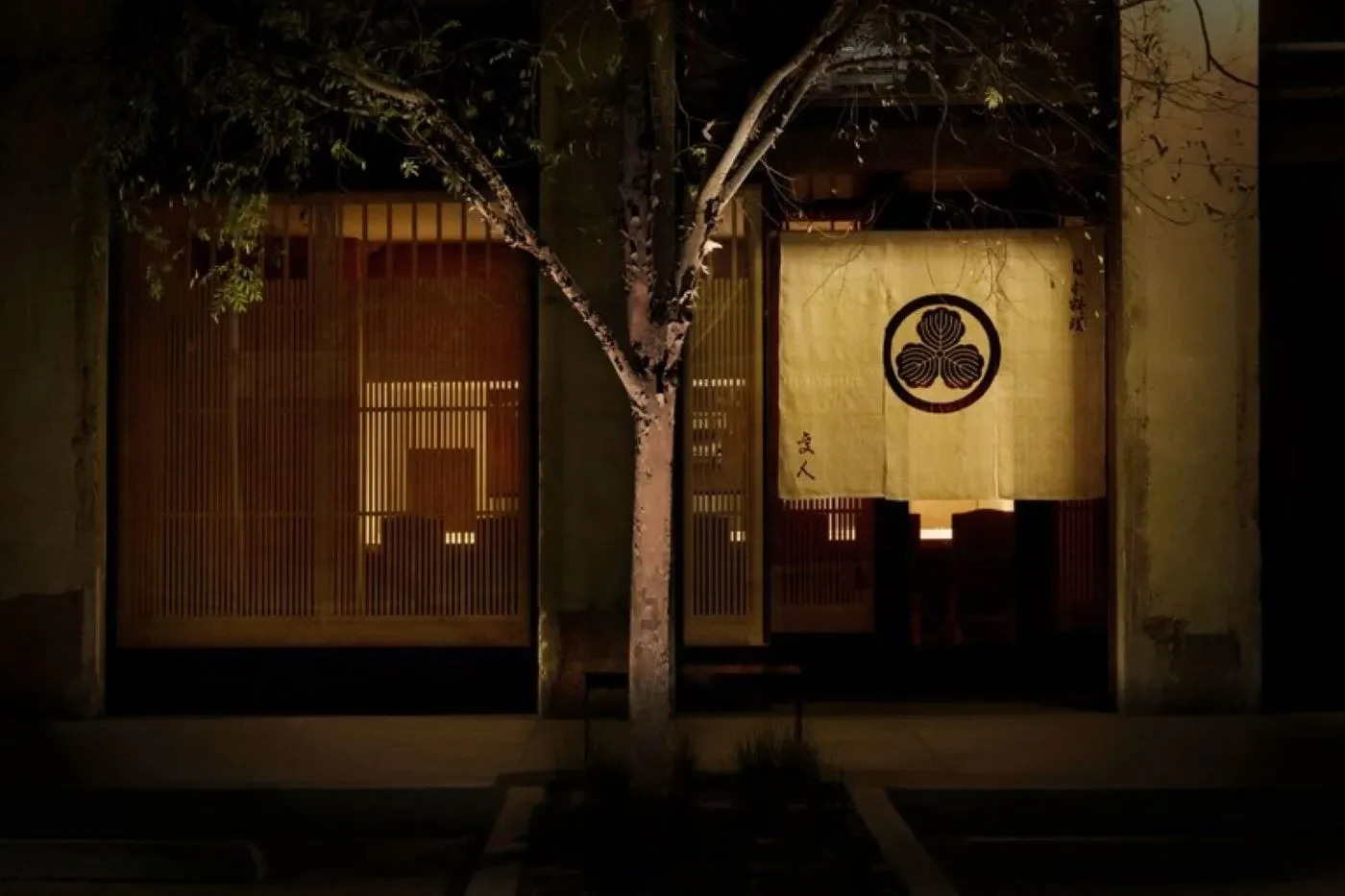
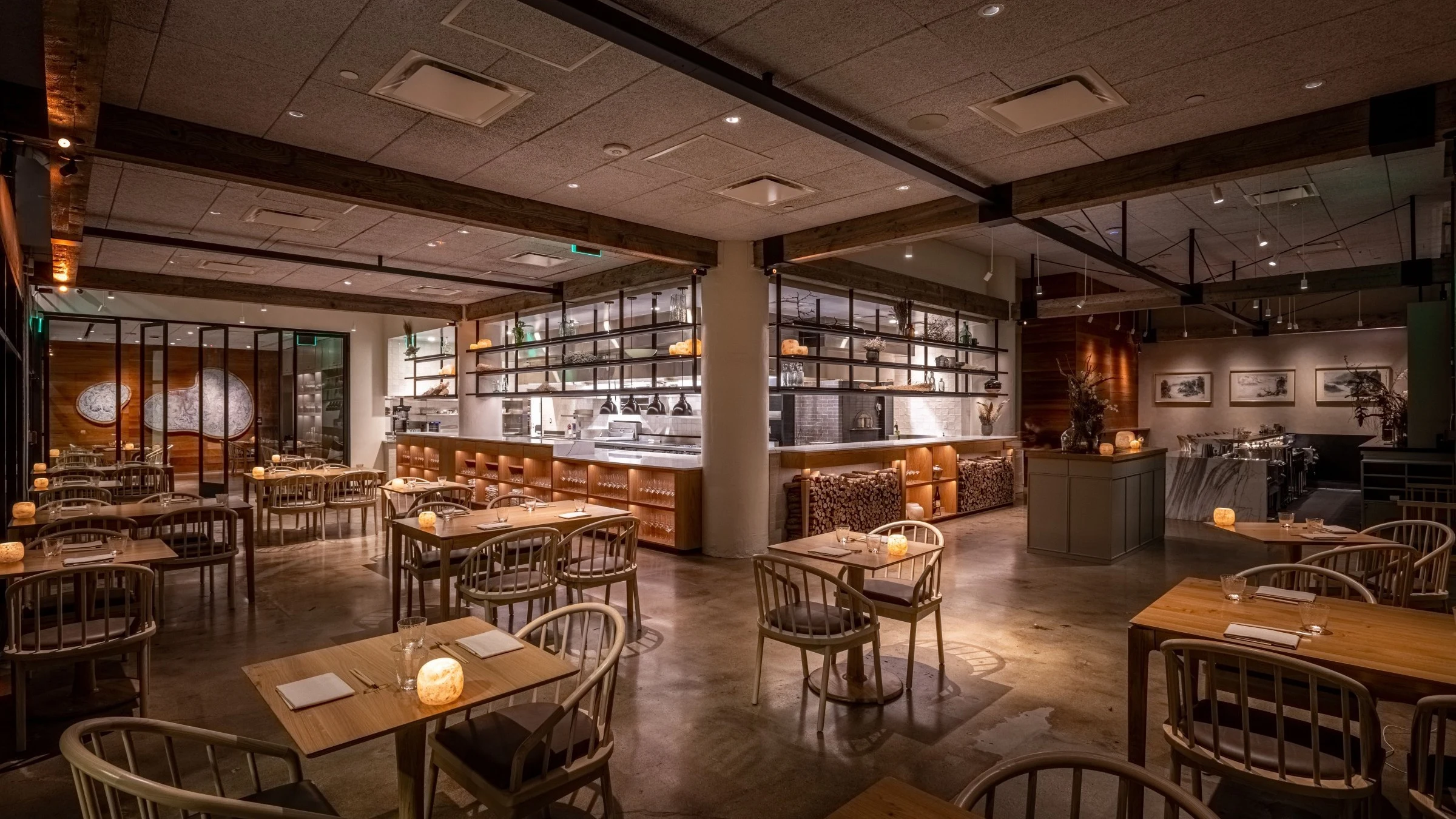
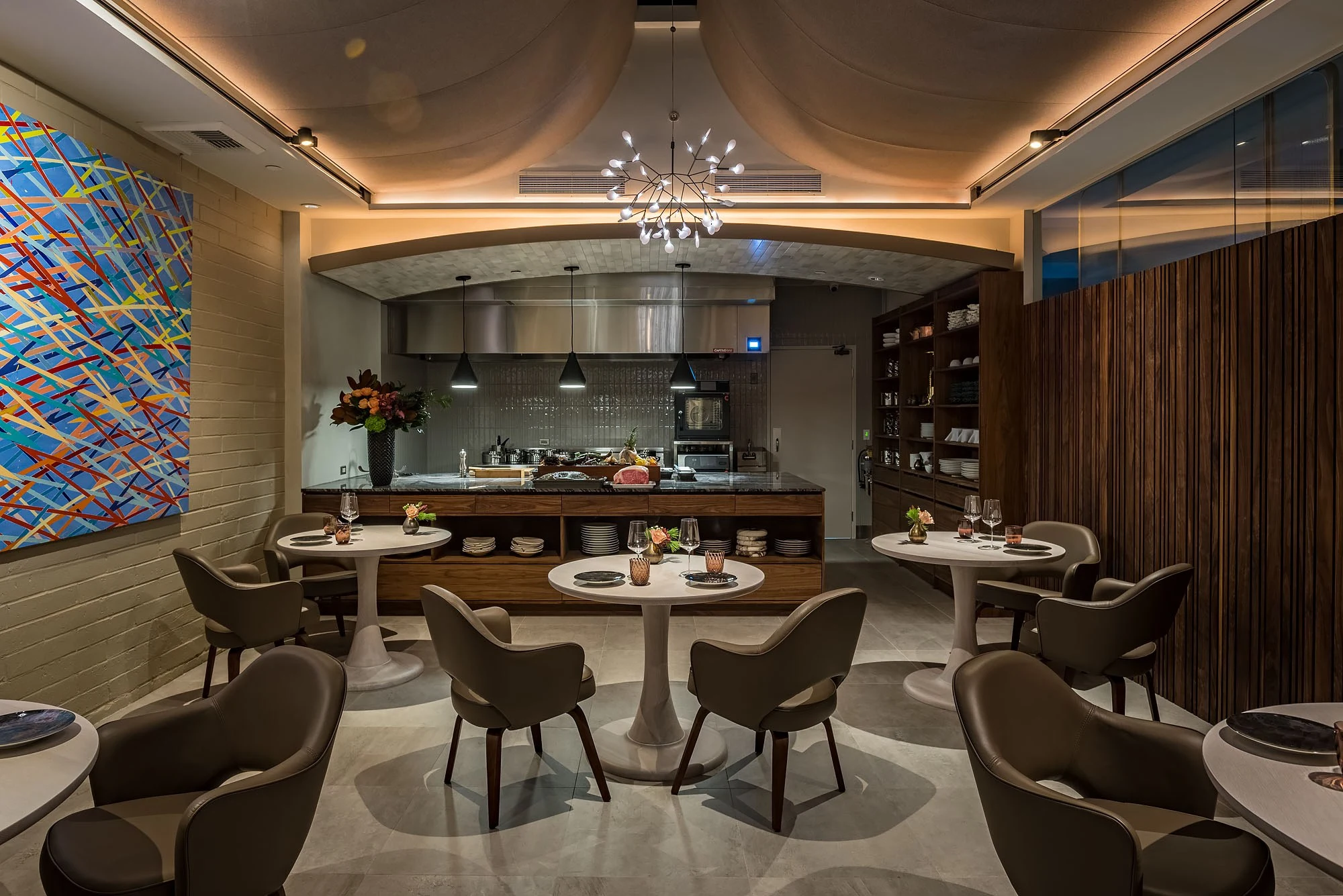
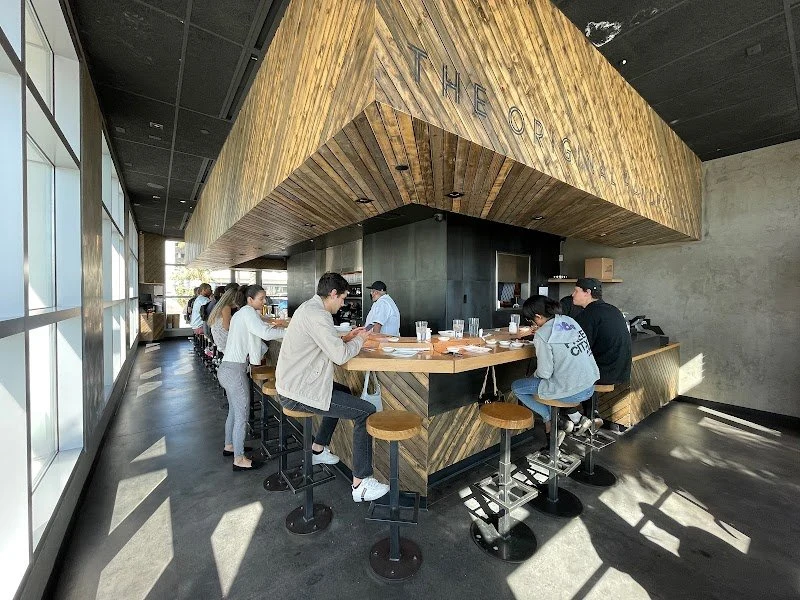
The room at 421 Main St is low-lit and industrial in feel, with the counter doing most of the work. There is little distance between the maker and the meal. Hands portion rice, lay fish, close nori, and pass the roll forward in a sequence that makes delay visible. The pace is casual, sometimes quick, but the best part of the room is how exposed the form remains. A handroll bar cannot hide behind a long plate-up. If the rice cools, the fish dulls, or the nori softens too early, the guest knows. That is the useful pressure of KazuNori: the craft arrives one roll at a time, close enough to the bench that the method stays legible.
The long way in a shorter form
Nozawa’s path from a Tokyo apprenticeship to Sushi Nozawa, then to KazuNori, gives this counter its spine. The restaurant does not ask the handroll to become more elaborate than it is. It asks the roll to arrive intact, warm, crisp, and fish-forward, which is a narrower discipline than it sounds. If the next lesson here is visible anywhere, it is in the pass from hand to hand at 421 Main St.
Questions
Frequently asked
What kind of place is KazuNori?
KazuNori is a handroll bar in Los Angeles built around fish-first sushi, warm rice, and crisp nori at the counter.
Who is behind KazuNori?
The restaurant is led by Kazunori Nozawa, who apprenticed with a master sushi chef in Tokyo at age 18, later opened his own restaurant in Japan, came to the United States as a sushi consultant, and opened Sushi Nozawa in Studio City in 1987.
What is the cooking style at KazuNori?
The work follows Nozawa’s plain rule that great sushi starts with great fish. Seafood, seasoned rice, and nori are kept close to the hand that will eat them, with the roll passed across the counter as soon as it is made.
What is the experience like at the counter?
The room at 421 Main St is low-lit and industrial in feel, and the counter does most of the work. Rolls are made in a fast cadence so the nori stays crisp and the handroll is eaten quickly after it is placed down.
The field
How it compares
| Place | Cuisine | Awards | Notes |
|---|---|---|---|
| KazuNori | Handroll Bar | · | · |
| Hayato | Traditional Japanese Kaiseki | Michelin 2 Stars | Los Angeles |
| Holbox | Modern Mexican Seafood | Michelin 1 Star, World's 50 Best | Los Angeles |
| Kato | Modern Taiwanese Fine Dining | Michelin 2 Stars, World's 50 Best | Los Angeles |
| Mélisse | California-French Fine Dining | Michelin 2 Stars | Los Angeles |
| Providence | Modern Seafood Fine Dining | Michelin 3 Stars, World's 50 Best | Los Angeles |
| Somni | Modern Spanish Fine Dining | Michelin 3 Stars, World's 50 Best | Los Angeles |
In residence
Similar places
Traditional Japanese Kaiseki
Hayato
Los Angeles, United States
★★
Modern Mexican Seafood
Holbox
Los Angeles, United States
★ · 50 Best
Modern Taiwanese Fine Dining
Kato
Los Angeles, United States
★★ · 50 Best
California-French Fine Dining
Mélisse
Los Angeles, United States
★★
Modern Seafood Fine Dining
Providence
Los Angeles, United States
★★★ · 50 Best
Modern Spanish Fine Dining
Somni
Los Angeles, United States
★★★ · 50 Best