Made ByWinery
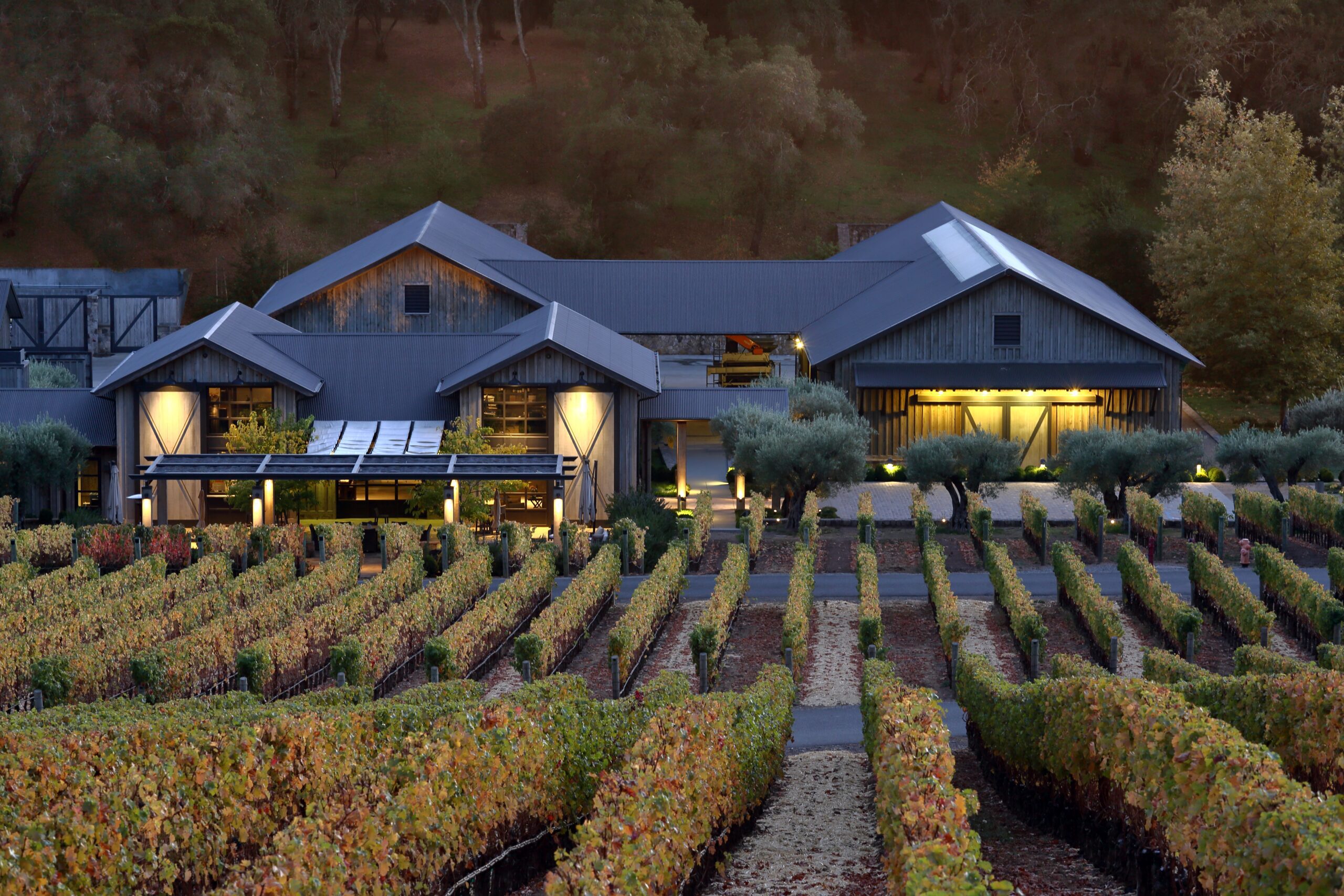
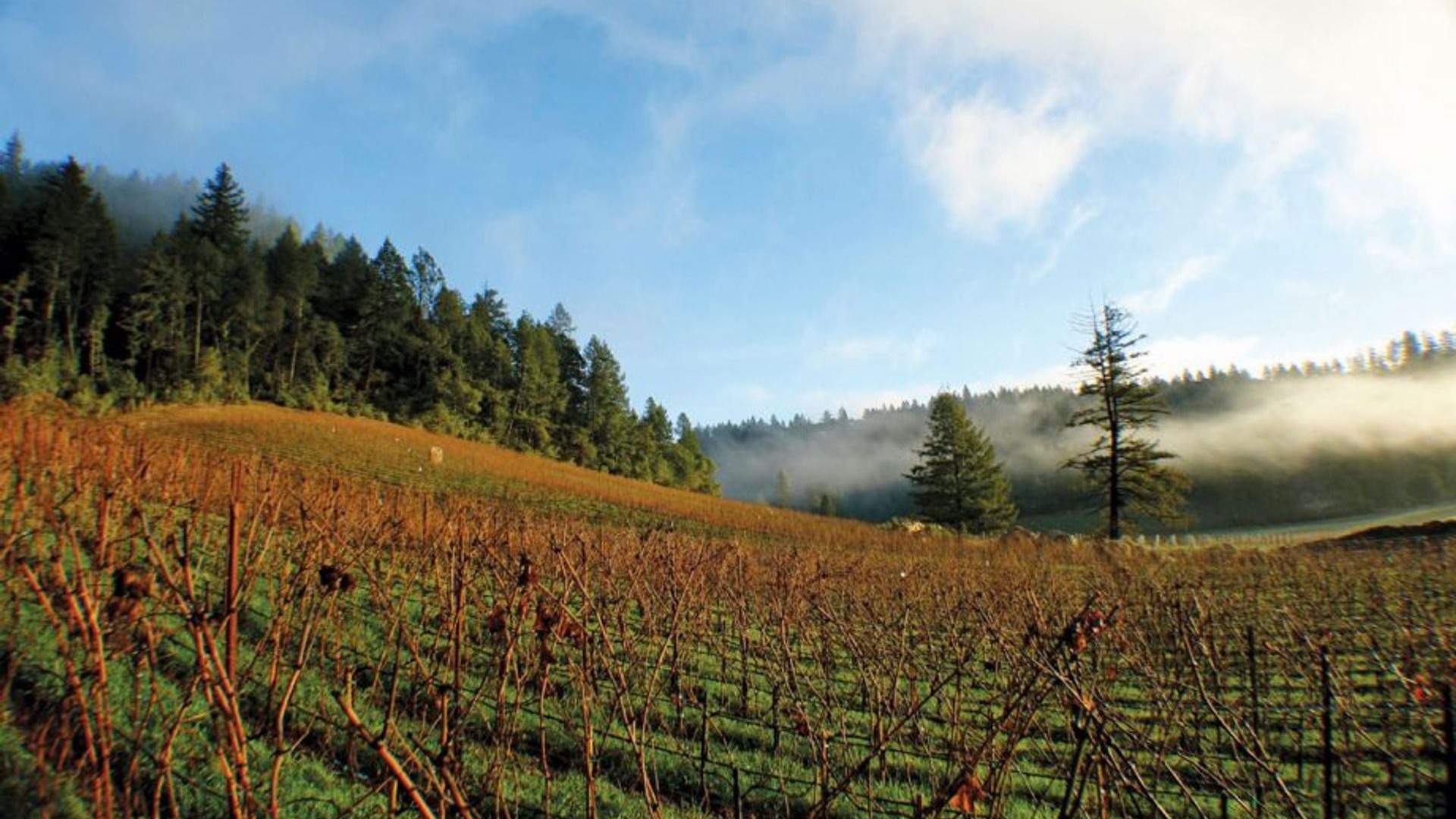
Kenzo Estate occupies the eastern hills above Napa Valley, where winemaker Heidi Barrett has shaped the program since the 2005 first vintage. A Pearl 4 Star Prestige rating (2025) marks its position among Napa's allocation-tier properties, producing Bordeaux-leaning reds and Rhône-inflected whites from a mountainous site that operates at a remove from the valley floor mainstream.
At a glance
- Price
- $$$$
- Per person
- $75
- Neighborhood
- Monticello Road
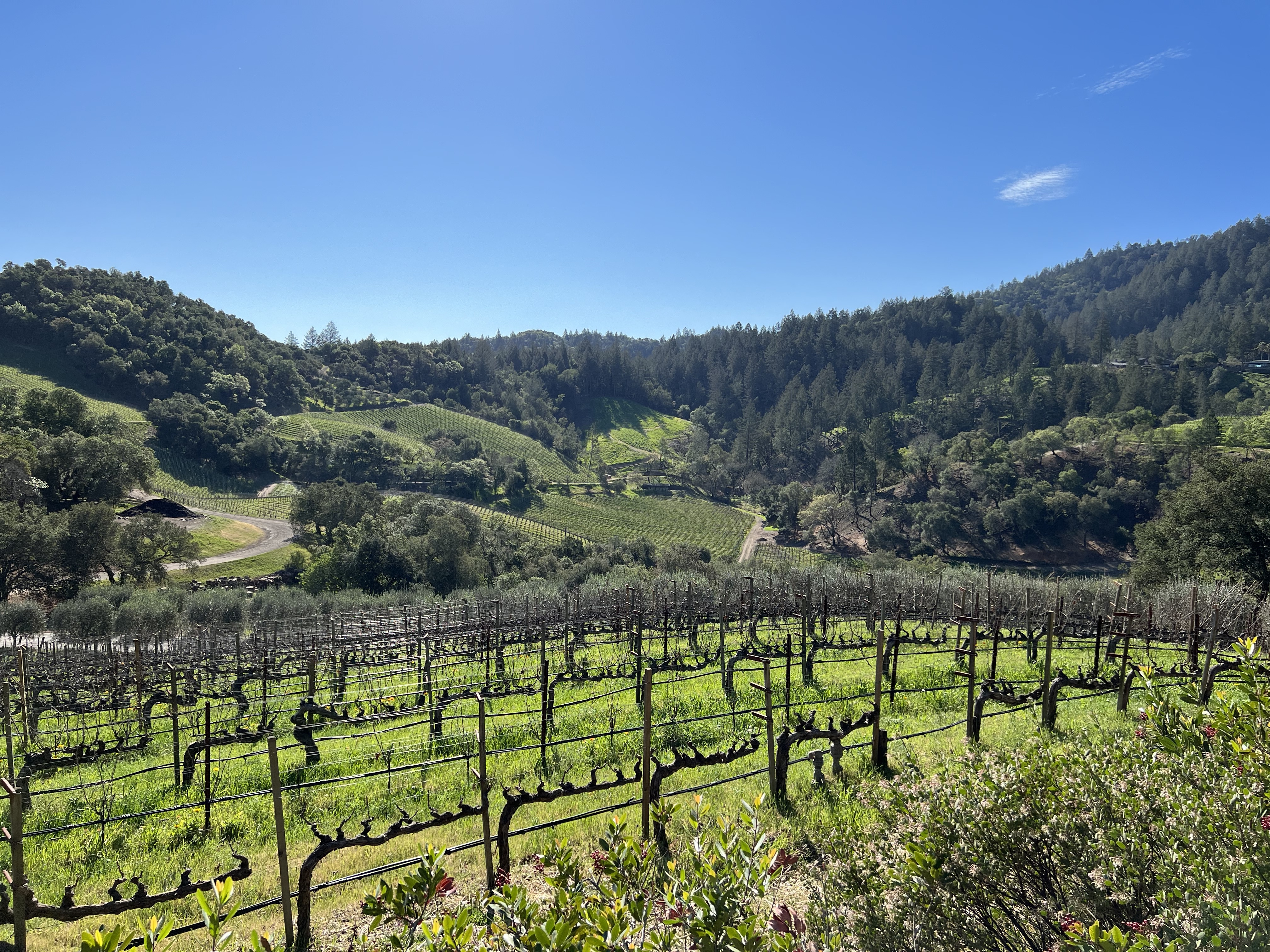
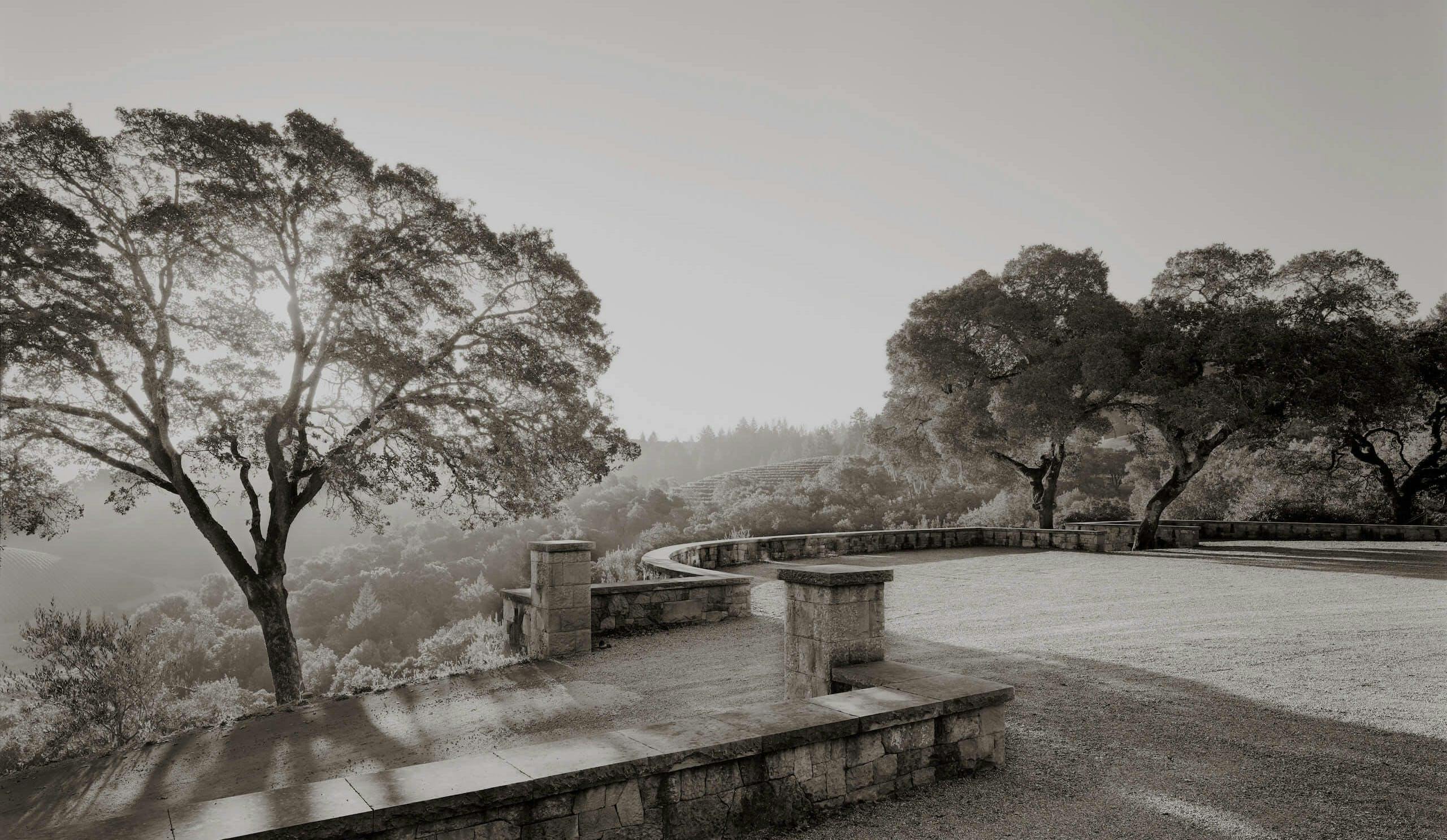
<h2>Above the Valley Floor: Napa's Mountain Tier and Where Kenzo Estate Fits</h2><p>The geography of Napa's wine production has always been stratified, but the split between valley floor and hillside or mountain-sourced fruit has sharpened considerably over the past two decades. Properties drawing from refined, well-drained terrain tend to produce wines with different structural profiles than their flatland counterparts: lower yields, thicker skins, more pronounced tannin architecture. Kenzo Estate works from this upper tier, with vineyards positioned in the Mayacamas foothills east of Napa, a location that places it outside the more-trafficked Silverado Trail and Highway 29 corridor entirely. The access point on Monticello Road signals the commitment required to visit; this is not a property positioned for drop-in traffic.</p><p>Within Napa's premium winery cohort, mountain and hillside estates occupy a specific competitive set. Allocation models, estate-only sourcing, and tasting experiences that require advance planning are the norm rather than the exception. Kenzo Estate's 2025 Pearl 4 Star Prestige recognition positions it within that tier, alongside properties like <a href="https://www.enprimeurclub.com/wineries/darioush-winery-napa-winery">Darioush Winery</a> and <a href="https://www.enprimeurclub.com/wineries/blackbird-vineyards-napa-winery">Blackbird Vineyards</a>, which operate at similar prestige levels and share an emphasis on estate identity over high-volume hospitality.</p><h2>The Viticulture Argument: Why Site Matters More Than Appellation Labels Here</h2><p>Napa Valley as a catch-all appellation covers radically different growing conditions, from the cool, fog-influenced southern reaches near San Pablo Bay to the warmer, more protected northern stretches around Calistoga. Mountain sites add another dimension: elevation changes temperature curves, slopes affect drainage, and aspect determines sun exposure in ways that generic appellation designations don't capture. Properties that work exclusively from high-elevation estate vineyards are, in effect, making a viticulture argument with every bottle: that site specificity produces something the broader appellation cannot replicate.</p><p>Kenzo Estate's commitment to estate-sourced production since its 2005 first vintage reflects this position. The property has now accumulated two decades of vintage data from a single site, which is meaningful context when evaluating any claim about terroir expression. Established comparison estates like <a href="https://www.enprimeurclub.com/wineries/accendo-cellars">Accendo Cellars in St. Helena</a> and <a href="https://www.enprimeurclub.com/wineries/alpha-omega-winery-rutherford-winery">Alpha Omega Winery in Rutherford</a> operate from different appellation zones within Napa, making them useful benchmarks for understanding how site differentiation plays out across the valley's varied geography.</p><p>The sustainability dimension of mountain viticulture is less often discussed but practically significant. Hillside vineyards typically require more careful soil management to prevent erosion, and the logistical challenges of farming steep terrain often push producers toward lower-intervention approaches by necessity as much as philosophy. Canopy management on slopes, water retention in rocky soils, and the absence of the irrigation infrastructure that characterizes some valley floor operations all shape the character of the farming. These are structural realities of the site, not marketing positions.</p><h2>Heidi Barrett and the Craft Behind the Label</h2><p>Winemaker Heidi Barrett's career arc traces some of Napa's most significant developments in premium Cabernet production over the past three decades. Her name appears in the pedigree of several properties that have come to define the allocation model in California wine, and her involvement with Kenzo Estate since its founding vintage connects the property to that tradition. In Napa's prestige winery ecosystem, the winemaker credential functions as a trust signal with collectors and serious buyers in a way that few other details can replicate. Barrett's association with the project has been a consistent feature of its identity, providing continuity across vintages from 2005 to the present.</p><p>The winemaker-as-anchor model is common at the top of Napa's market. Properties like <a href="https://www.enprimeurclub.com/wineries/ashes-and-diamonds-winery">Ashes and Diamonds Winery</a> and <a href="https://www.enprimeurclub.com/wineries/artesa-vineyards-and-winery">Artesa Vineyards and Winery</a> each carry distinct winemaking identities that inform how buyers and critics categorize them relative to peers. At Kenzo Estate, Barrett's Bordeaux-influenced approach has shaped a portfolio that sits in productive tension with the property's partial Rhône-variety output, an unusual combination in a valley so thoroughly defined by Cabernet Sauvignon.</p><h2>Approaching the Estate: What to Expect Before You Arrive</h2><p>Access to Kenzo Estate requires navigation of the Monticello Road approach, which separates it physically from the main Napa touring corridor. The property operates on an appointment basis consistent with the estate-tier model, meaning visits require planning rather than spontaneous drop-ins. For guests organized around a Napa itinerary, Kenzo Estate works well as a destination visit rather than a secondary stop. Morning appointments allow time to continue to other properties in the afternoon; the eastern hillside location also places it closer to the city of Napa than to the Calistoga end of the valley, which has routing implications for multi-stop days.</p><p>Visitors building broader Napa itineraries around hillside and estate-focused properties might also consider <a href="https://www.enprimeurclub.com/wineries/clos-du-val">Clos Selene Winery</a> as a stylistically different but geographically proximate reference point. For those extending wine travel beyond the immediate valley, <a href="https://www.enprimeurclub.com/wineries/adelaida-vineyards">Adelaida Vineyards in Paso Robles</a> and <a href="https://www.enprimeurclub.com/wineries/alban-vineyards">Alban Vineyards in Arroyo Grande</a> represent California's other major elevation-focused viticulture traditions, offering useful context for how mountain farming plays out differently across the state's diverse regions. Oregon's <a href="https://www.enprimeurclub.com/wineries/adelsheim-vineyard-newberg-winery">Adelsheim Vineyard in Newberg</a> extends that comparison across the Pacific Northwest. See our full Napa restaurants and wineries guide for broader itinerary planning across the valley.</p><h2>The Broader Napa Context: Allocation Estates and Their Place in the Market</h2><p>Napa's prestige tier has bifurcated over roughly fifteen years into properties that have scaled hospitality programming to capture visitor revenue and those that have deliberately constrained volume in favor of collector-market positioning. The allocation model the latter group follows creates a different kind of access pressure: wines often require mailing list membership or existing relationships to obtain, and tasting appointments function as entry points into that commercial relationship rather than standalone hospitality experiences. Kenzo Estate's Pearl 4 Star Prestige recognition from 2025 places it squarely in this segment of the market.</p><p>Internationally, the estate-mountain model has parallels worth noting. <a href="https://www.enprimeurclub.com/wineries/alexander-valley-vineyards-geyserville-winery">Alexander Valley Vineyards in Geyserville</a> represents the Sonoma County version of estate-focused production at significant scale, while properties like <a href="https://www.enprimeurclub.com/wineries/andrew-murray-vineyards">Andrew Murray Vineyards in Los Olivos</a> show how Rhône varieties behave under California conditions outside Napa's specific frame. Even further afield, <a href="https://www.enprimeurclub.com/wineries/achaia-clauss-patras-winery">Achaia Clauss in Patras</a> and <a href="https://www.enprimeurclub.com/wineries/aberlour-aberlour-winery">Aberlour</a> in Scotland each represent how site-specific production with multi-decade histories creates durable category authority, a trajectory Kenzo Estate has been building toward since 2005.</p><h2>Planning Your Visit</h2><p>Kenzo Estate is located at 3200 Monticello Road, Napa, CA 94558, with access via Monticello Road only. The property operates by appointment; the website is the appropriate channel for booking and mailing list inquiries, as the estate does not maintain a publicly listed phone number for general access. Given its hillside position and the Bordeaux-and-Rhône portfolio structure under Barrett's direction, the estate fits most naturally into itineraries oriented around estate-tier Napa production rather than casual valley touring. A 2025 Pearl 4 Star Prestige rating provides an external calibration point for buyers assessing where Kenzo Estate sits within Napa's premium hierarchy.</p><section class="faq">
Know before you go
- Dress code
- smart_casual
- Reservations
- appointment_only
- Parking
- on_site_lot
- Payment
- credit_card
Frequently asked
Where can I find Kenzo Estate?
Kenzo Estate is located at 3200 Monticello Road enter, Monticello Rd only, Napa, CA 94558, Napa.
What accolades does Kenzo Estate have?
Kenzo Estate has received recognition including: Pearl 4 Star Prestige (2025).
What's the best wine to try at Kenzo Estate?
Kenzo Estate produces Bordeaux-leaning reds and Rhône-inflected whites, all sourced from Mayacamas hillside vineyards and made by Heidi Barrett, who has held the winemaker role since 2005. The estate earned a Pearl 4 Star Prestige rating in 2025, which places the red program at the serious end of Napa's allocation tier. If you visit by appointment, the tasting experience typically covers the full portfolio, giving you a direct basis for comparison across both styles.
Why do people go to Kenzo Estate?
The draw is the combination of hillside estate sourcing on the Mayacamas range and Heidi Barrett's two-decade winemaking continuity, a pairing that sits clearly outside Napa's high-volume valley floor category. The property's 2025 Pearl 4 Star Prestige award signals recognition at the prestige tier, and the Monticello Road location keeps it physically separate from the main Napa touring corridor, which appeals to visitors seeking an appointment-only format over a drop-in tasting room.
How hard is it to get in to Kenzo Estate?
Access is by appointment only, consistent with how Napa's estate-tier allocation properties manage visits. There is no public walk-in option and no listed phone number; outreach goes through the estate directly, typically via the website or mailing list. Planning ahead by several weeks is standard practice for this category of Napa property.
Address
3200 Monticello Road enter, Monticello Rd only, Napa, CA 94558
Monticello Road · Napa Valley
How it compares
- Cuisine
- Cabernet Sauvignon, Merlot
- Price
- $$$$
- Awards
- 1 recognition
- Notes
- Monticello Road
- Cuisine
- Cabernet Sauvignon, Cabernet Franc
- Price
- $$$$
- Awards
- 1 recognition
- Notes
- St. Helena
- Cuisine
- Cabernet Sauvignon, Cabernet Franc
- Price
- $$$$
- Awards
- 1 recognition
- Notes
- Yountville
- Cuisine
- Cabernet Sauvignon, Merlot
- Price
- $$$$
- Awards
- 1 recognition
- Notes
- Yountville
- Cuisine
- Cabernet Sauvignon, Merlot
- Price
- $$$$
- Awards
- 1 recognition
- Notes
- Coombsville
- Cuisine
- Cabernet Sauvignon, Merlot
- Price
- $$$$
- Awards
- 1 recognition
- Notes
- Oakville