Made ByRestaurant
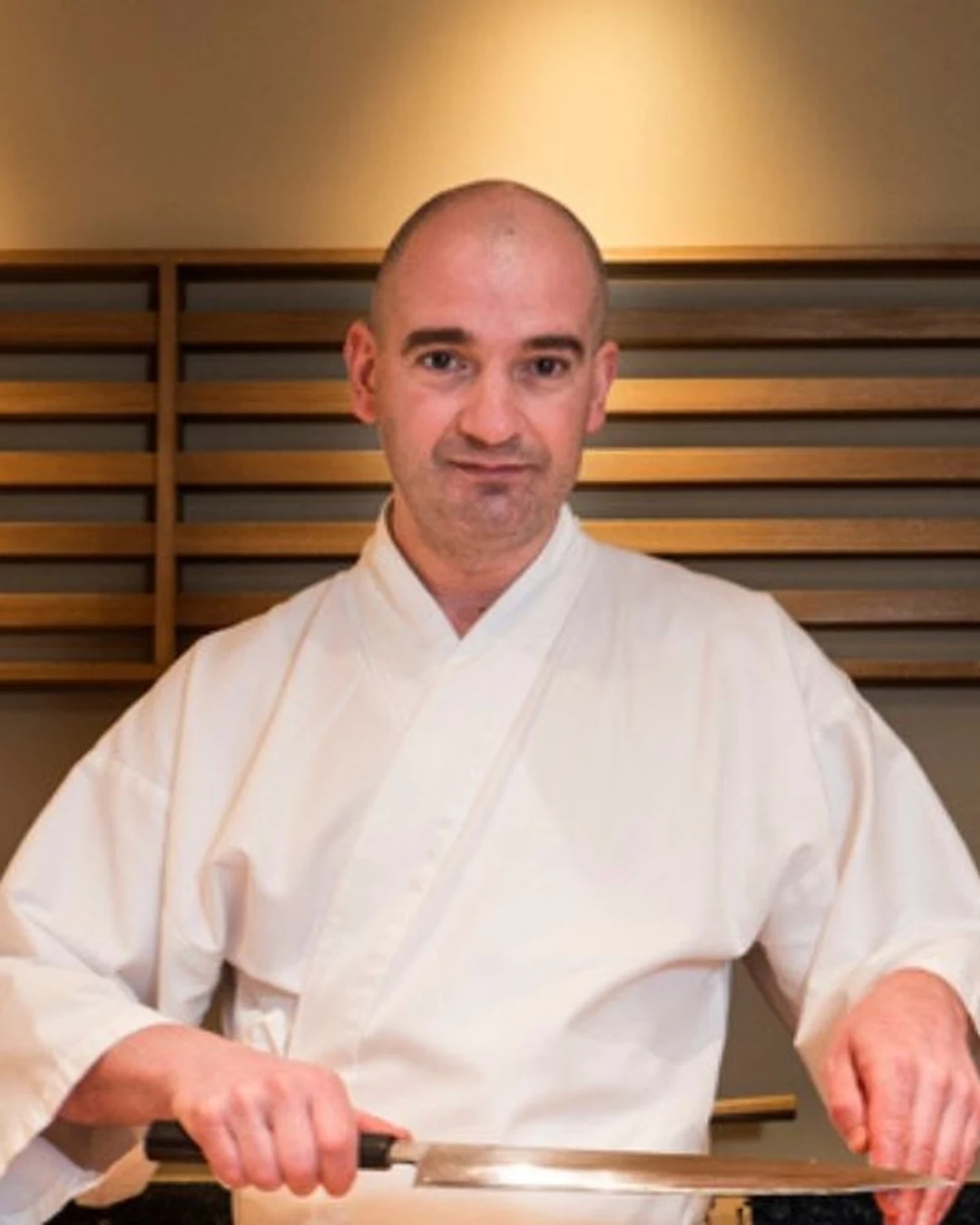
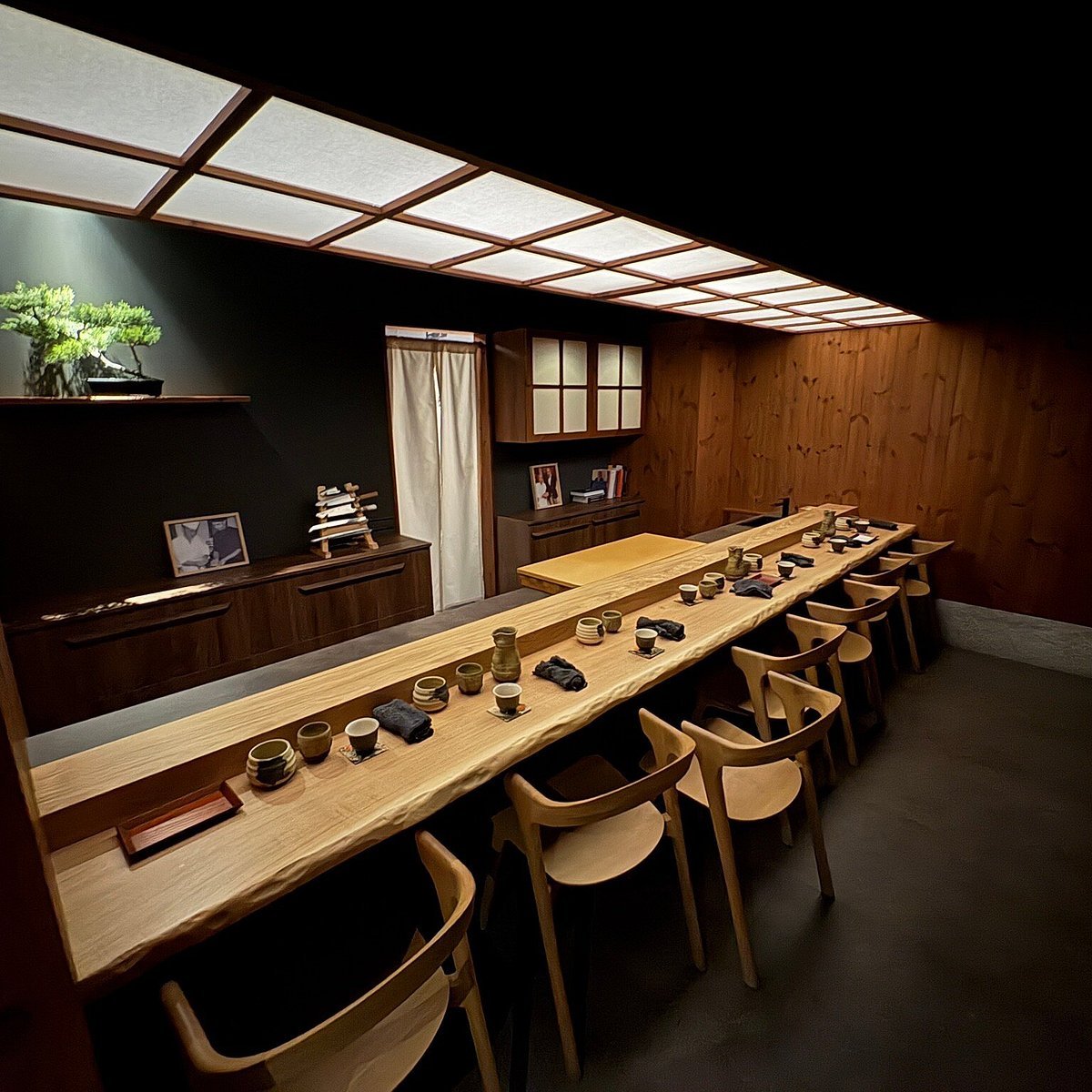
Félix Jiménez, chef at Kiro Sushi in Logroño, La Rioja, works Edo-mae sushi through restraint, aged fish and close counter control.
At a glance
- Cuisine
- Sushi
Rice held to the temperature of the hand
Félix Jiménez presses Koshihikari rice with red vinegar at Kiro Sushi in Logroño, La Rioja, keeping the gesture small enough for the counter to read. He has been chef here since 2015, after training in Tokyo and working as head chef at Tahini in Majorca. The line of apprenticeship he names is not a list of famous masters, but a discipline learned in Japan: repetition, restraint, exact control, and the refusal of ornament that would pull attention away from rice, fish, temperature, and timing. Kiro means homeward journey in Japanese, a name that fits the shape of the work without needing to overstate it. Jiménez returned to his home region and built a sushi bar around Edo-mae practice, not fusion, not tempura, not a broad Japanese menu padded for range. His own sentence about the craft is plain and exacting: “The sushi is not made with hands, but comes from the soul and the heart.” In the room, that does not soften the method. It tightens it.
Six seats under closer control
The program is omakase only, with Jiménez preparing and serving directly across the bar. He has described the choice to narrow the menu from 10 people to 6, “in order to enhance their experience as customers and mine as a chef.” That decision matters technically. Fewer diners mean fewer pieces leaving the bench at the wrong second, fewer interruptions between seasoning and serving, more room for the chef to hold the sequence in his hands. The fish follows Edo-period treatments where the ingredient asks for them: smoking, marinating, or a light pass over heat to build depth without adding weight. Some fish is aged between 5 and 21 days. Hamachi comes from Japan, sea urchin from Canada, and the rice is Japanese Koshihikari with red vinegar. Wasabi is grated fresh. Salt, bergamot, and green lemon appear with restraint, as corrections rather than decoration. The discipline is not scarcity for effect. It is control at the scale Jiménez believes he can carry.
The bar as the station
The room is built around an L-shaped bar, so the pass and the counter become the same place. Wood, warm light, and a 350-year-old wooden door give the current address on C. Emilia Pardo Bazán a quieter register than the city outside it. Classical music sits low enough for the bench work to remain audible: rice set down, fish brushed, a plate moved forward. Diners see the cuts as they are made, but the room does not turn the craft into theatre. It asks for a measured tone and gives the chef the space to keep one sequence moving. In Logroño, where the surrounding table culture is shaped by Rioja and the long meal, Kiro Sushi works by a different clock, one piece at a time.
A Rioja address for Edo-mae practice
Kiro Sushi received a Michelin star in November 2017 at this house, a rare kind of recognition for a sushi bar in La Rioja. At Kiro Sushi, Félix Jiménez repeats the method at the counter: rice, vinegar, aged fish, wasabi, and the timing between his hand and the guest’s first bite. If the room changes, that discipline has to change with it. For now, it gathers around Félix Jiménez, the L-shaped bar, and the 350-year-old wooden door on C. Emilia Pardo Bazán.
Address
Calle María Teresa Gil de Gárate, 24, La Rioja, La Rioja, Spain
In residence
Similar places
Japanese-influenced Californian Kaiseki
Single Thread Farm
Healdsburg, United States
★★★ · 50 Best
French Seafood Fine Dining
Le Bernardin
New York City, United States
★★★ · 50 Best
Modern Korean Tasting Menu
Atomix
New York City, United States
★★ · 50 Best
French
Sézanne
Tokyo, Japan
★★★ · 50 Best
Modern Seafood Fine Dining
Providence
Los Angeles, United States
★★★ · 50 Best
Contemporary Plant-Based Fine Dining
Eleven Madison Park
New York City, United States
★★★ · 50 Best