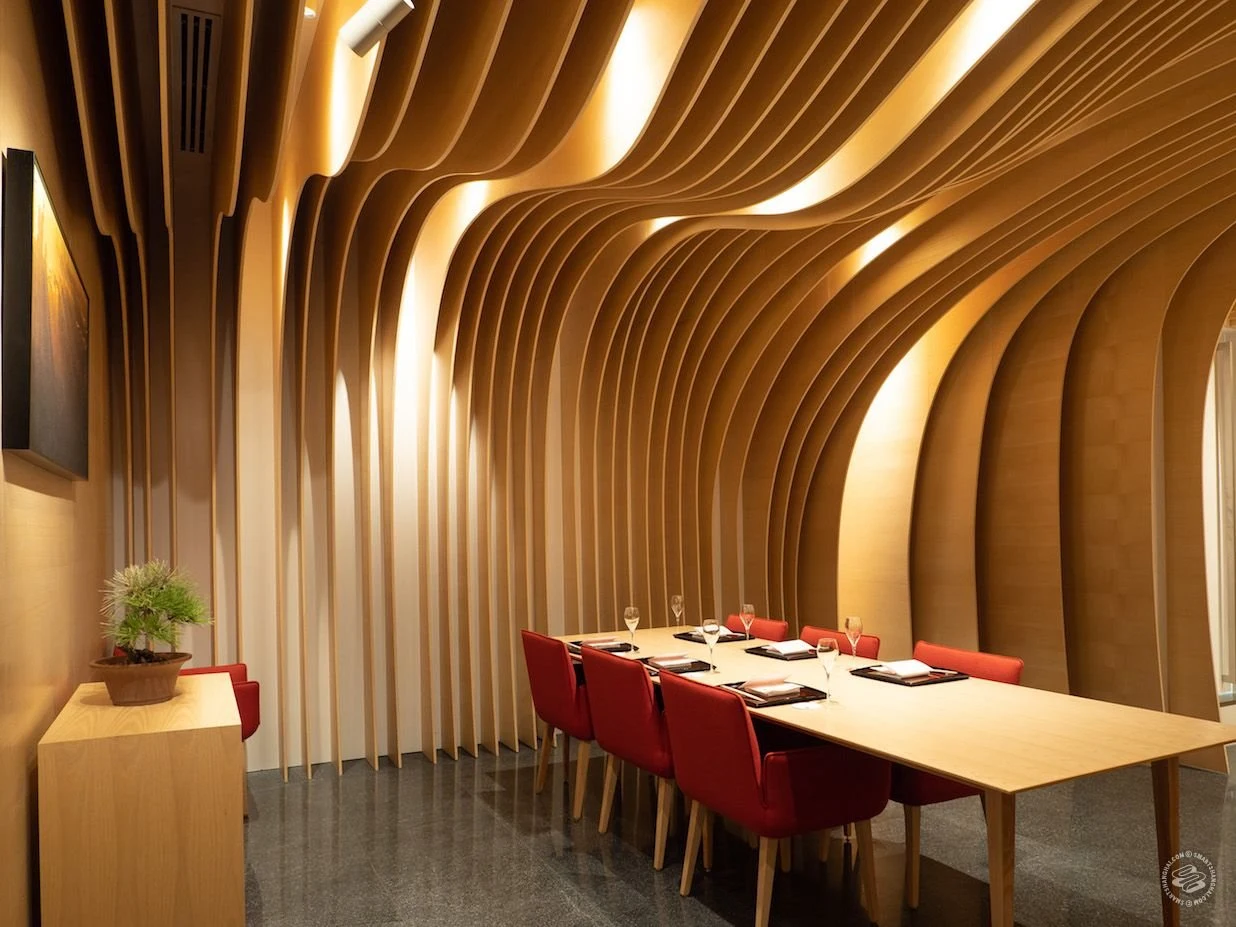
Kurogi Shanghai
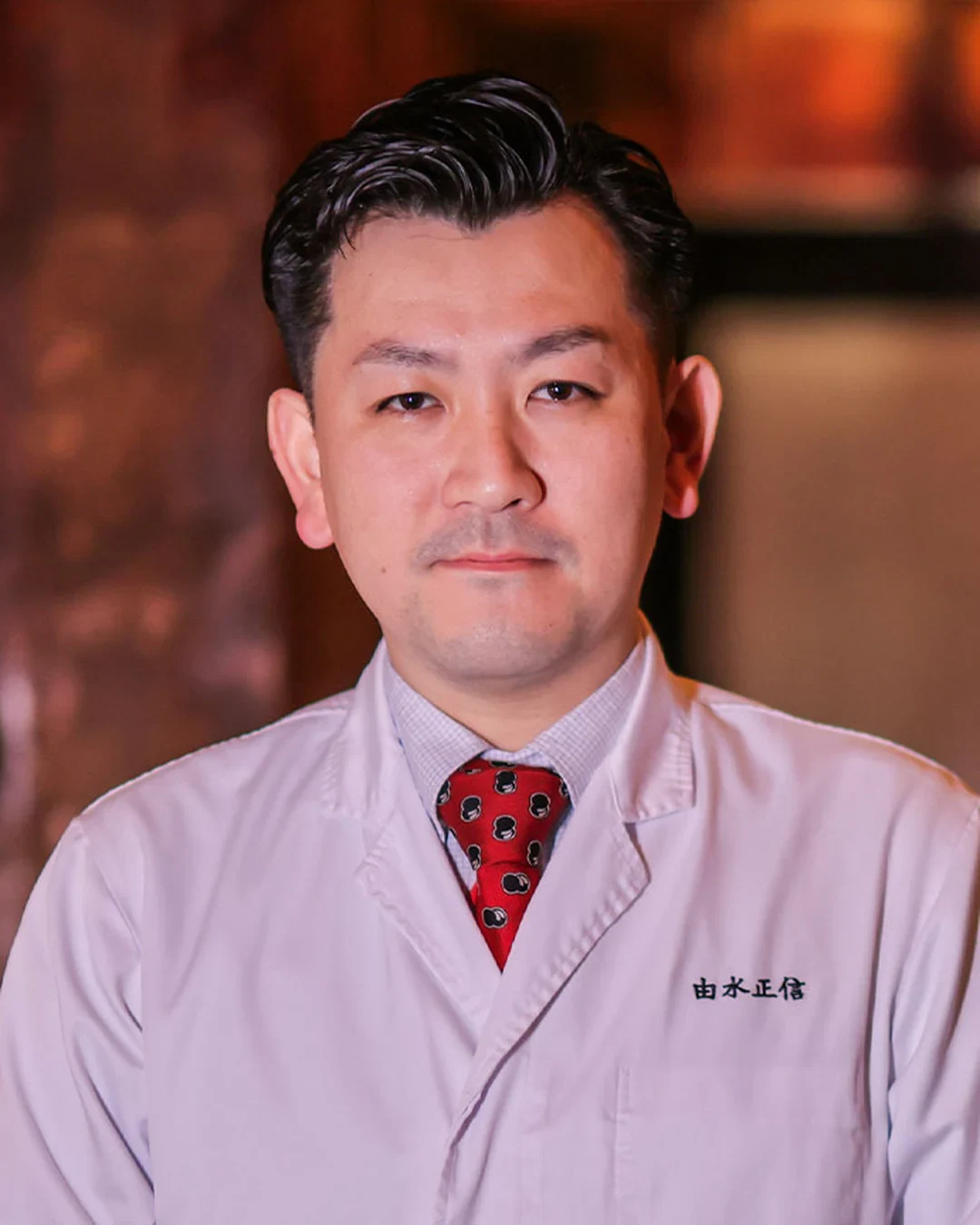
In Residence
Masanobu Yoshimizu
Chef
- 01CuisineModern Japanese Kaiseki Omakase
- 02CityShanghai, China
- Opinionated About Dining Top Restaurants in Asia Recommended · 2026
- Opinionated About Dining Top Restaurants in Asia Ranked #250 · 2025
Where Tokyo's Washoku Discipline Meets Shanghai
Japanese fine dining in mainland China has followed a recognisable arc over the past two decades. The first wave brought sushi bars calibrated for Chinese corporate entertaining, omakase counters with imported Hokkaido uni and price points designed for expense accounts. The second, more interesting wave has been subtler: smaller rooms, quieter formats, and chefs drawing on the slower, more contemplative washoku tradition associated with Kyoto and refined further through Tokyo's counter-dining culture. Kurogi Shanghai belongs to that second wave.
The address, North Suzhou Road in Hongkou District, inside the Suning Boli 1 Hotel, places the restaurant in a part of Shanghai that sits slightly outside the conventional luxury dining corridors of the Bund and Xintiandi. Hongkou has its own character: historically layered, less polished than Jing'an or the French Concession, and increasingly home to dining rooms that prioritise seriousness over spectacle. The hotel setting adds a degree of insulation from the street-level noise of the city.
The Sunday letter
Find new places through the people who run them.
Our Sunday email brings you the chefs, winemakers and hoteliers behind our newest stories. See a sample before you subscribe.
See a sample of the Sunday emailOne email a week. Unsubscribe from any issue.
Tokyo Speed, Kyoto Depth: The Tension That Defines This Format
To understand what Kurogi Shanghai is attempting, it helps to understand the divide that runs through Japanese haute cuisine. Tokyo's kaiseki and washoku rooms tend toward precision and pace: the service is choreographed, the seasonal logic is clear, and the counter format rewards guests who engage actively. Kyoto, by contrast, prioritises depth over rhythm, longer pauses, older techniques, and a relationship to ingredient provenance that can feel almost scholarly. Kurogi, as a name and format, sits closer to the Tokyo end of that continuum, but the philosophical debt to Kyoto's seasonal rigour is present in how the menu is structured.
Chef Masanobu Yoshimizu operates within this tradition, working through the washoku framework in a city where most diners encounter Japanese cuisine through a very different register, sushi, robatayaki, ramen. Presenting formal washoku in Shanghai is itself a positioning decision. It assumes a guest who already knows what they are committing to, or who is willing to learn. That assumption narrows the audience considerably, which partly explains why Kurogi Shanghai occupies a specific, rather than broad, position in the city's dining ecosystem.
The 2025 OAD Ranking and What It Signals
Kurogi Shanghai's appearance at #250 on the 2025 Opinionated About Dining Leading Restaurants in Asia list is a meaningful trust signal in the context of Japanese cuisine in mainland China.
For a Japanese restaurant operating in Shanghai rather than Tokyo, Osaka, or Kyoto, a placement on this list carries a specific implication: the kitchen is producing results that read credibly against the source tradition, not just within the more forgiving local market. In a city where Fu He Hui holds two Michelin stars for its vegetarian kaiseki-adjacent format, and where Taian Table has built a reputation for technically precise modern European cooking, the standard for recognition is not low. The OAD placement places Kurogi Shanghai inside that tier of seriousness.
Shanghai's Japanese Dining Tier: Where Kurogi Sits
Shanghai's upper tier of Japanese dining is smaller than the city's overall Japanese restaurant count would suggest. The volume of Japanese restaurants in the city is substantial, running from casual ramen shops in Jing'an to premium omakase counters aimed at Japanese expatriates and high-spending Chinese guests. Within that larger population, the subset operating in a formal washoku or kaiseki register is narrow. Kurogi Shanghai competes within that narrow subset, alongside Tokyo-sourced concepts and a small number of domestically developed Japanese fine-dining rooms.
The competitive frame is worth holding in mind when considering the comparable set across the city. 102 House represents the Cantonese fine-dining alternative for guests at a similar level of commitment, while Xin Rong Ji (West Nanjing Road) anchors the Taizhou end of the Chinese fine-dining spectrum. 8 1/2 Otto e Mezzo Bombana covers the Italian position. Kurogi holds the Japanese washoku position in that same tier, a distinct role with a distinct guest profile. For Tokyo reference points, Myojaku and Azabu Kadowaki represent the source-city equivalents in the washoku tradition.
Planning a Visit
Kurogi Shanghai is located at 188 North Suzhou Road, Hongkou District, within the Suning Boli 1 Hotel. The neighbourhood is accessible from central Shanghai but requires deliberate travel rather than a casual walk from most visitor hotel clusters. Given the formal washoku format, a booking made in advance is advisable, this is not a room that accommodates walk-ins comfortably, and the format itself requires a time commitment that improves with advance planning. Reservations are essential.
Questions
Frequently asked
Who works at Kurogi Shanghai?
Made By profiles Masanobu Yoshimizu (Chef) at Kurogi Shanghai.
How expensive is Kurogi Shanghai?
Kurogi Shanghai is listed at a price level of $$$$.
Where is Kurogi Shanghai and what does it serve?
Kurogi Shanghai is in Hongkou, Shanghai, serving Modern Japanese Kaiseki Omakase.
The field
How it compares
| Place | Cuisine | Notes | Awards |
|---|---|---|---|
| Kurogi Shanghai | Modern Japanese Kaiseki Omakase | Hongkou, $$$$ | · |
| 8 1/2 Otto e Mezzo Bombana (Shanghai) | Modern Italian Fine Dining | Shanghai | Michelin 2 Stars |
| Amazing Chinese Cuisine | High-end Chaoshan Cuisine | Shanghai | Michelin 2 Stars |
| Fu He Hui | Modern Seasonal Vegetarian Fine Dining | Shanghai | Michelin 2 Stars, World's 50 Best |
| Ling Long Shanghai | Modern Chinese Fine Dining | Shanghai | Michelin 1 Star, World's 50 Best |
| Meet the Bund | Modern Fujianese Fine Dining | Shanghai | Michelin 1 Star, World's 50 Best |
| Taian Table | Modern European with Asian Influences | Shanghai | Michelin 3 Stars |
In residence
Similar places
Modern Italian Fine Dining
8 1/2 Otto e Mezzo Bombana (Shanghai)
Shanghai, China
★★
High-end Chaoshan Cuisine
Amazing Chinese Cuisine
Shanghai, China
★★
Modern Seasonal Vegetarian Fine Dining
Fu He Hui
Shanghai, China
★★ · 50 Best
Modern Chinese Fine Dining
Ling Long Shanghai
Shanghai, China
★ · 50 Best
Modern Fujianese Fine Dining
Meet the Bund
Shanghai, China
★ · 50 Best
Modern European with Asian Influences
Taian Table
Shanghai, China
★★★
The Sunday letter
Get the next Made By story in your inbox.
We send one email every Sunday morning with the places and people we covered that week.
See a sample of the Sunday emailOne email a week. Unsubscribe from any issue.