La Trota
In Residence
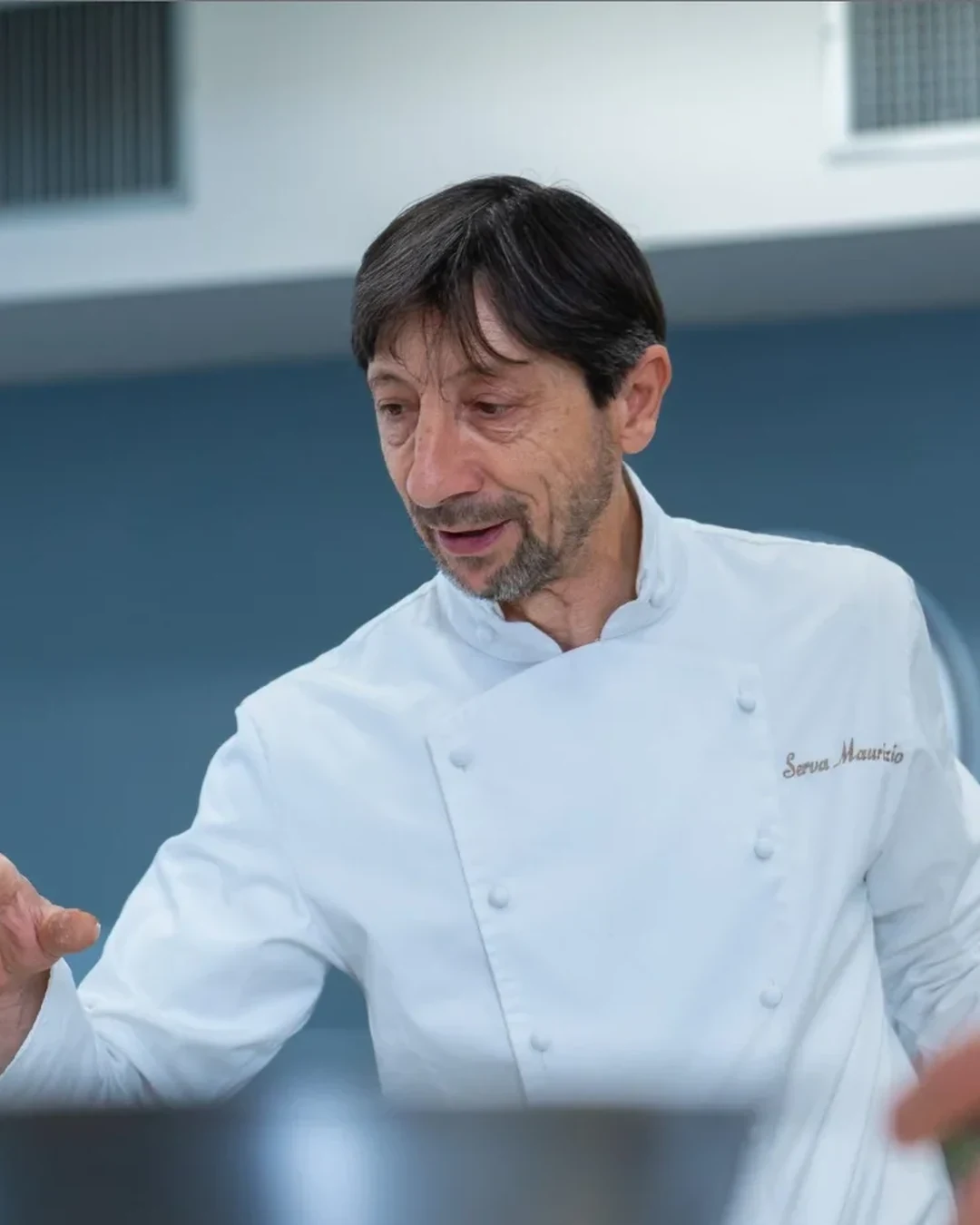
Maurizio Serva
Chef
- 01CuisineModern Italian Freshwater Fish Fine Dining
- 02CityRivodutri, Italy
- 03RecognitionOne Michelin Star
- 1 Michelin Star · Michelin Guide
- La Liste Top Restaurants: 88pts · 2026
- Michelin 1 Star · 2026
- Opinionated About Dining Classical in Europe Ranked #335 · 2025
- Michelin 1 Star · 2025
- La Liste Top Restaurants: 89pts · 2025
- Michelin 1 Star · 2024
- Opinionated About Dining Classical in Europe Ranked #340 · 2024
- Opinionated About Dining Classical in Europe Recommended · 2023
Where the Canal Dictates the Menu
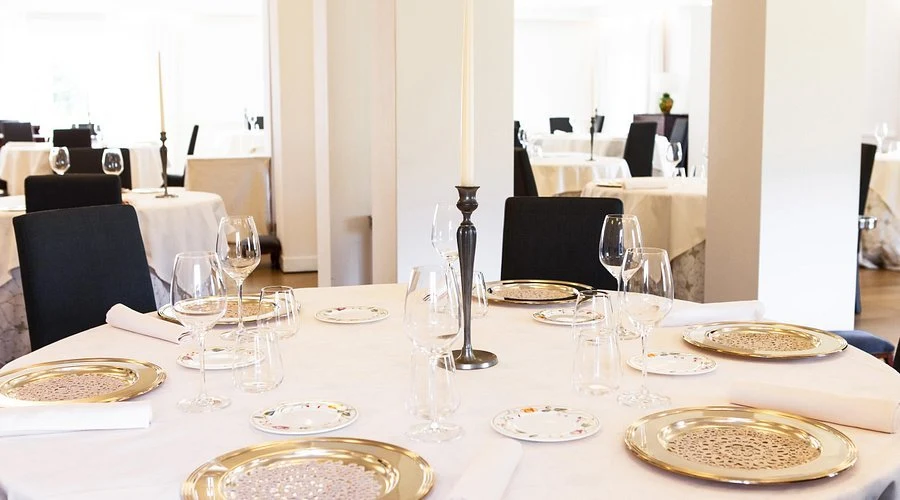
Before you reach the door, the water stops you. The Santa Susanna canal runs alongside Via S. Susanna in Rivodutri with a clarity that feels almost theatrical in the context of Italian provincial life: you can read the riverbed. That transparency is not incidental. It is, in effect, the kitchen's sourcing manifesto made visible. The ingredient chain at La Trota begins here, in water clean enough that trout, tench, freshwater crayfish, pike, and catfish are not merely edible but refined, or rather, have been argued into refinement over six decades of cooking.
Few dining rooms in Italy hold that kind of institutional memory while still holding a Michelin star and appearing in La Liste's ranked tier. The slight compression in score across two years is less meaningful than the sustained presence in a list that weights classical French and urban fine dining considerably. For a family-run freshwater fish restaurant in a Sabine hill town of a few hundred people, that presence is a statement about the category, not just the kitchen.
The Sunday letter
Find new places through the people who run them.
Our Sunday email brings you the chefs, winemakers and hoteliers behind our newest stories. See a sample before you subscribe.
See a sample of the Sunday emailOne email a week. Unsubscribe from any issue.
The Lazio Interior and Its Overlooked Tradition
Italian regional cooking is most legible at its extremes: Roman offal, Neapolitan pizza, Milanese risotto, Sicilian citrus. The Sabine hills, the Lazio interior between Rome and Rieti, running north toward the Apennines, produce a quieter culinary identity. It is a range of freshwater sources, wild herbs, lake fishing, and agriturismo-style simplicity that rarely commands the attention its coastal and urban counterparts do. La Trota occupies this tradition but has pushed it considerably further than the regional norm.
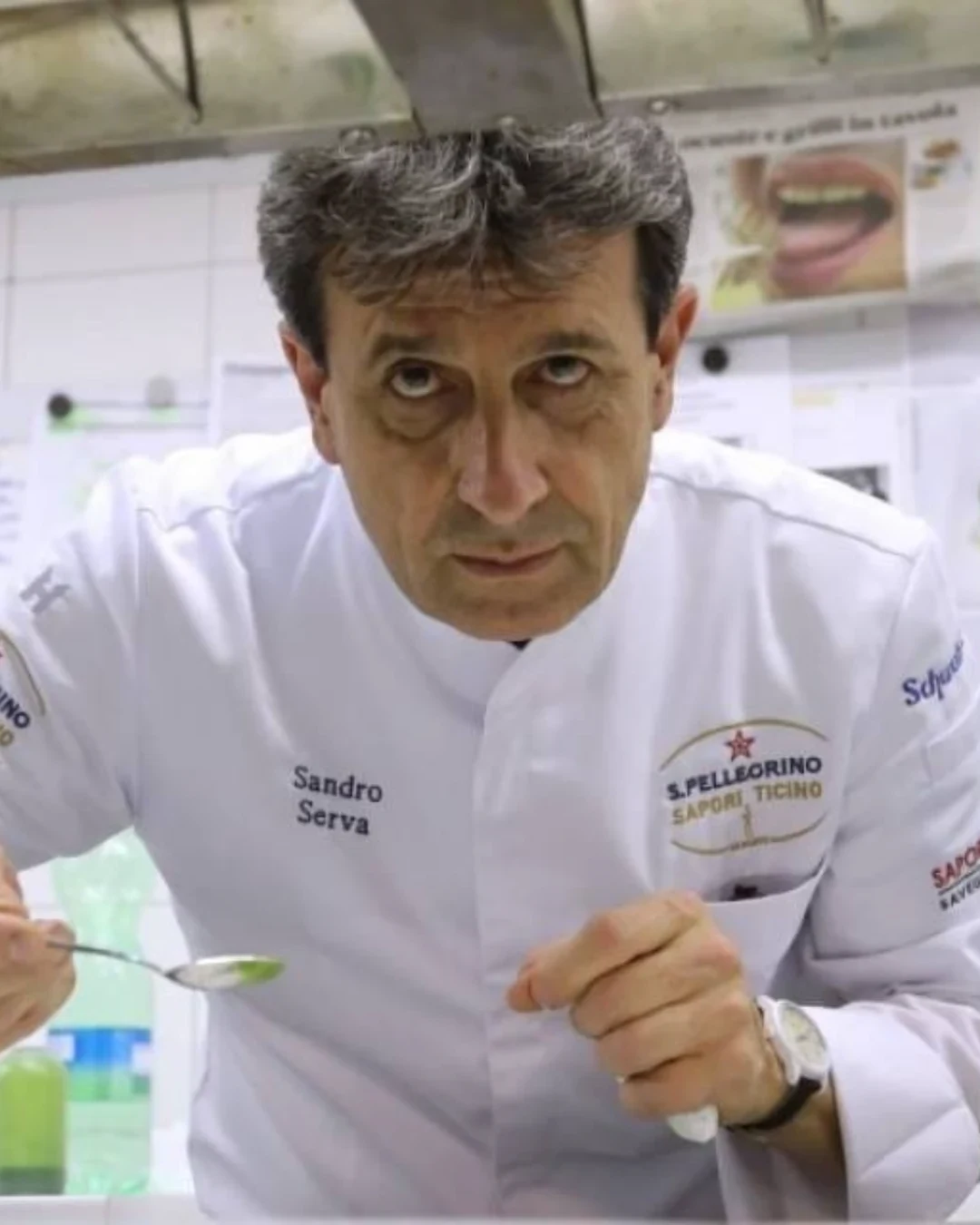
The argument the Serva brothers have made over sixty years is specific: that freshwater fish, long positioned below saltwater species in the Italian hierarchy of prestige ingredients, can occupy the same table as anything the coasts produce. This is a harder case to make than it sounds. Italian culinary culture has historically placed oily, strong, or bony freshwater species, pike, catfish, tench, in the category of peasant provisions or Sunday trattoria plates, not serious restaurant cooking. The Serva kitchen, with Sandro and Maurizio Serva now working alongside their respective children, has spent three generations challenging that classification. The Michelin recognition and La Liste ranking are, in this context, validation of a regional argument rather than simply a restaurant achievement.
When comparing within the €€€€ Italian fine dining tier, most of the reference points, Osteria Francescana in Modena, Le Calandre in Rubano, Enrico Bartolini in Milan, operate inside urban or peri-urban settings with access to national and international supply chains. La Trota's pricing against those venues signals a deliberate positioning: this is not countryside comfort eating, it is destination cooking that happens to use ingredients most fine dining rooms would not consider. The comparison that makes more structural sense is with places like Uliassi in Senigallia, where geography and a specific water source define the menu's identity, or Reale in Castel di Sangro, another Apennine-adjacent serious kitchen working far from Italy's culinary centres. Country cooking at this level is its own category, and within that category, La Trota has been making the case longer than most.
La Trota sits in that same current.
The Menu's Logic
The menu follows the canal's supply. Trout, tench, freshwater crayfish, pike, and catfish appear in forms that draw on classical technique while remaining anchored to the Sabine context. A small number of meat dishes broaden the menu for tables that need them, but the freshwater programme is the reason to make the drive from Rome, roughly 90 kilometres north through the Rieti valley. Wild herbs from the surrounding territory appear throughout the meal and are woven into the kitchen's broader grammar. Guests leave with an extract of these herbs, packaged to brew as a warm tea or a cold drink at home: a quietly considered gesture that extends the meal's sense of place beyond the dining room.
In fine weather, a small wooden bridge spanning the canal becomes an extension of the dining room. Eating over the same water that supplies the kitchen is an arrangement that few restaurants outside very specific river or lake settings can offer, and at La Trota it carries no novelty-act quality. It is simply the logical conclusion of a sourcing philosophy taken seriously for sixty years.
Planning a Visit
La Trota operates Thursday through Monday, with lunch service from 12:30 to 2:30 PM and dinner from 7:30 to 10:00 PM. The restaurant is closed on Tuesdays and Wednesdays. Sunday service runs lunch only, closing after the afternoon sitting. The address is Via S. Susanna, 33, 02010 Rivodutri, in the province of Rieti. Driving is the practical approach from Rome; public transport to this part of the Sabine hills is limited. Rivodutri itself is small enough that a meal here typically anchors a broader day or weekend in the area.
Google reviews for La Trota sit at 4.8 across 363 ratings. Those looking for a comparable set in Italian destination dining at comparable distance from major urban centres might also consider Quattro Passi in Marina del Cantone, Dal Pescatore in Runate, or Piazza Duomo in Alba, each a serious table that requires deliberate travel rather than urban convenience.
Questions
Frequently asked
What recognition does La Trota hold?
La Trota holds 1 Michelin star.
Who works at La Trota?
Made By profiles Maurizio Serva (Chef) and Sandro Serva (Chef) at La Trota.
How expensive is La Trota?
La Trota is listed at a price level of $$$$.
Where is La Trota and what does it serve?
La Trota is in Rivodutri, Rivodutri, serving Modern Italian Freshwater Fish Fine Dining.
The field
How it compares
| Place | Awards | Cuisine | Notes |
|---|---|---|---|
| La Trota | Michelin 1 Star | Modern Italian Freshwater Fish Fine Dining | Rivodutri, $$$$ |
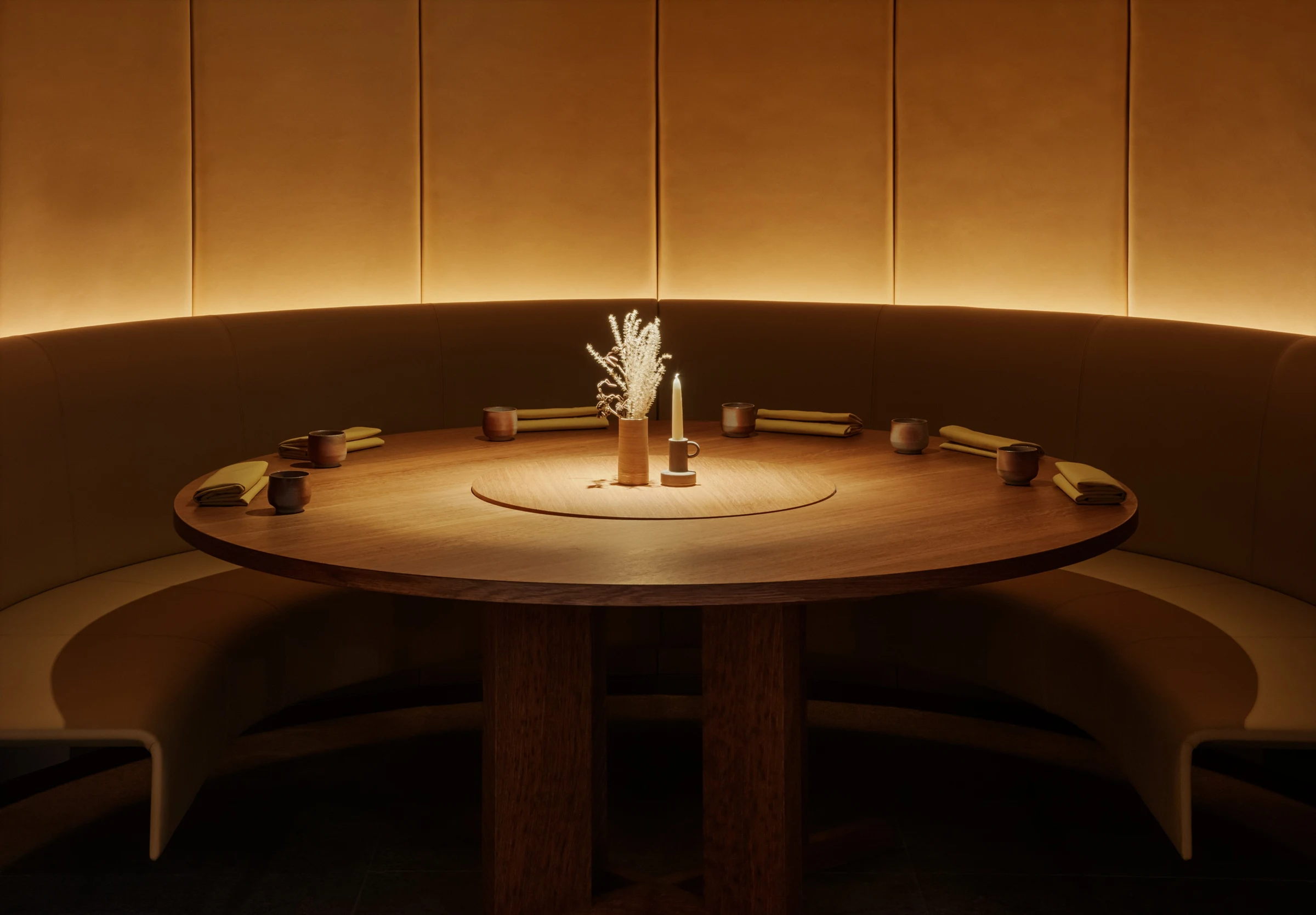
| Arzak | Michelin 3 Stars, World's 50 Best | Contemporary Basque Fine Dining | San Sebastián |
| Ikoyi | Michelin 2 Stars, World's 50 Best | Modern West African Fine Dining | London |
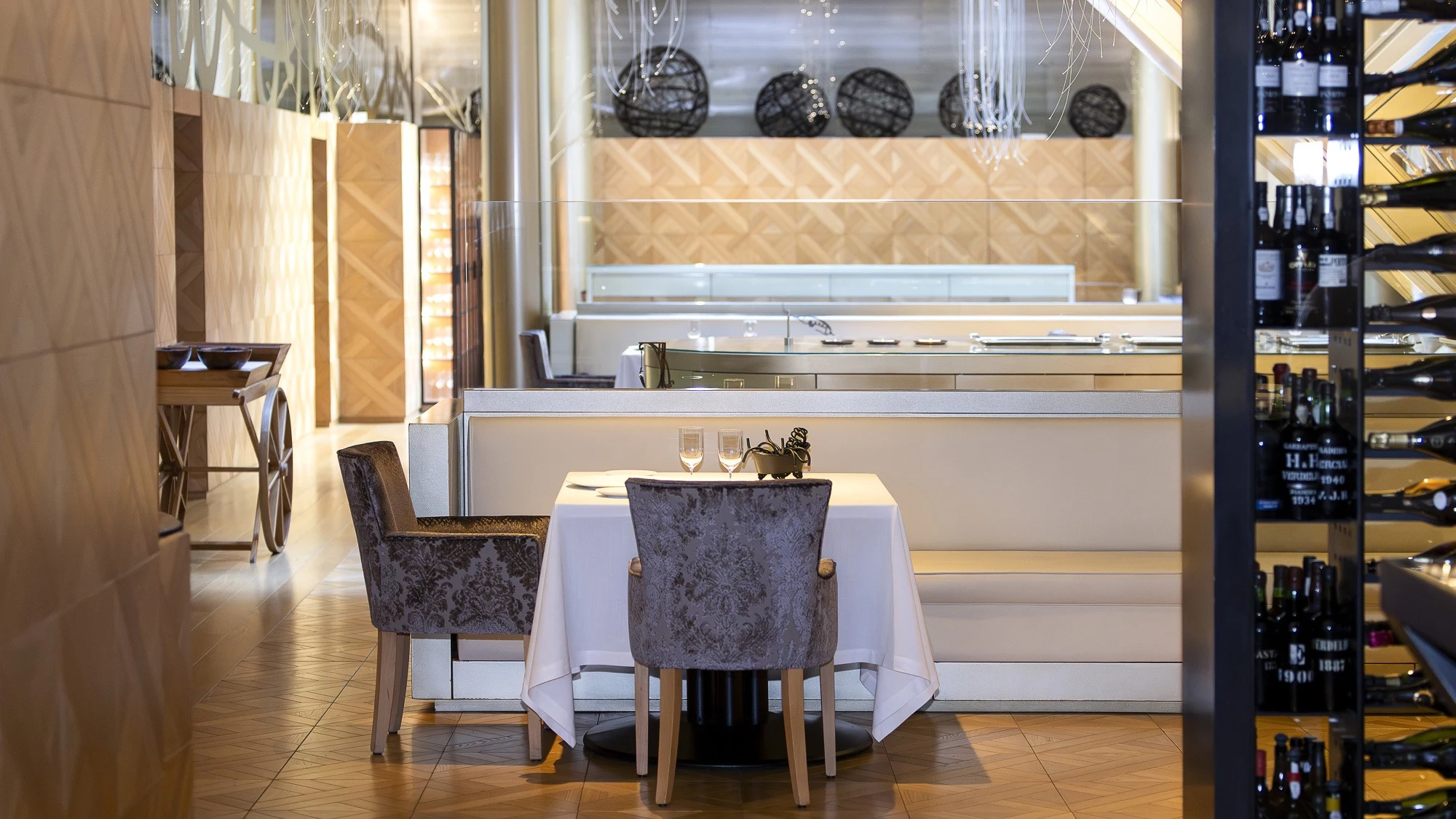
| Lasarte | Michelin 3 Stars | Modern Basque-Mediterranean Fine Dining | Barcelona |
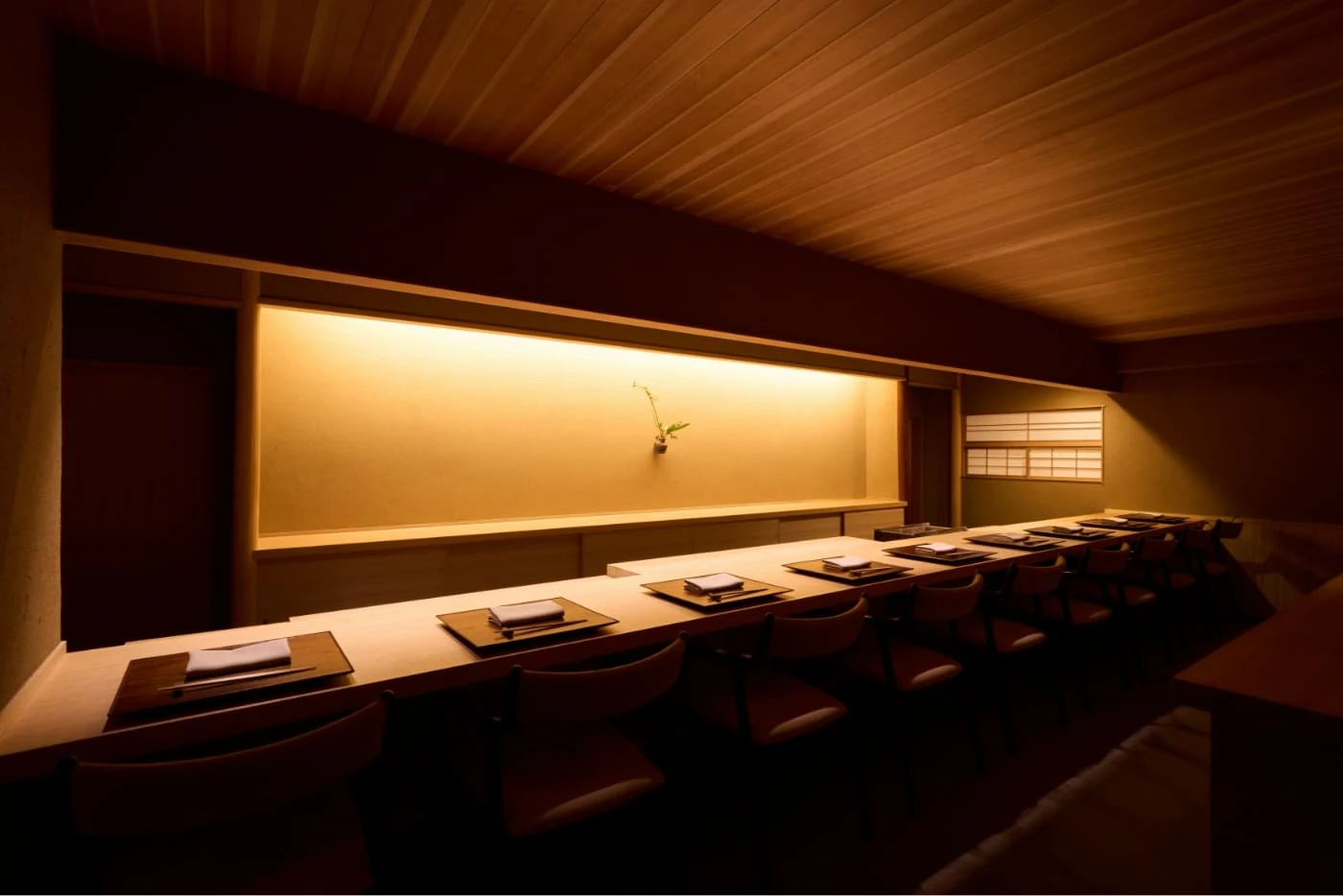
| Myojaku | Michelin 3 Stars, World's 50 Best | Modern Minimalist Kaiseki | Tokyo |
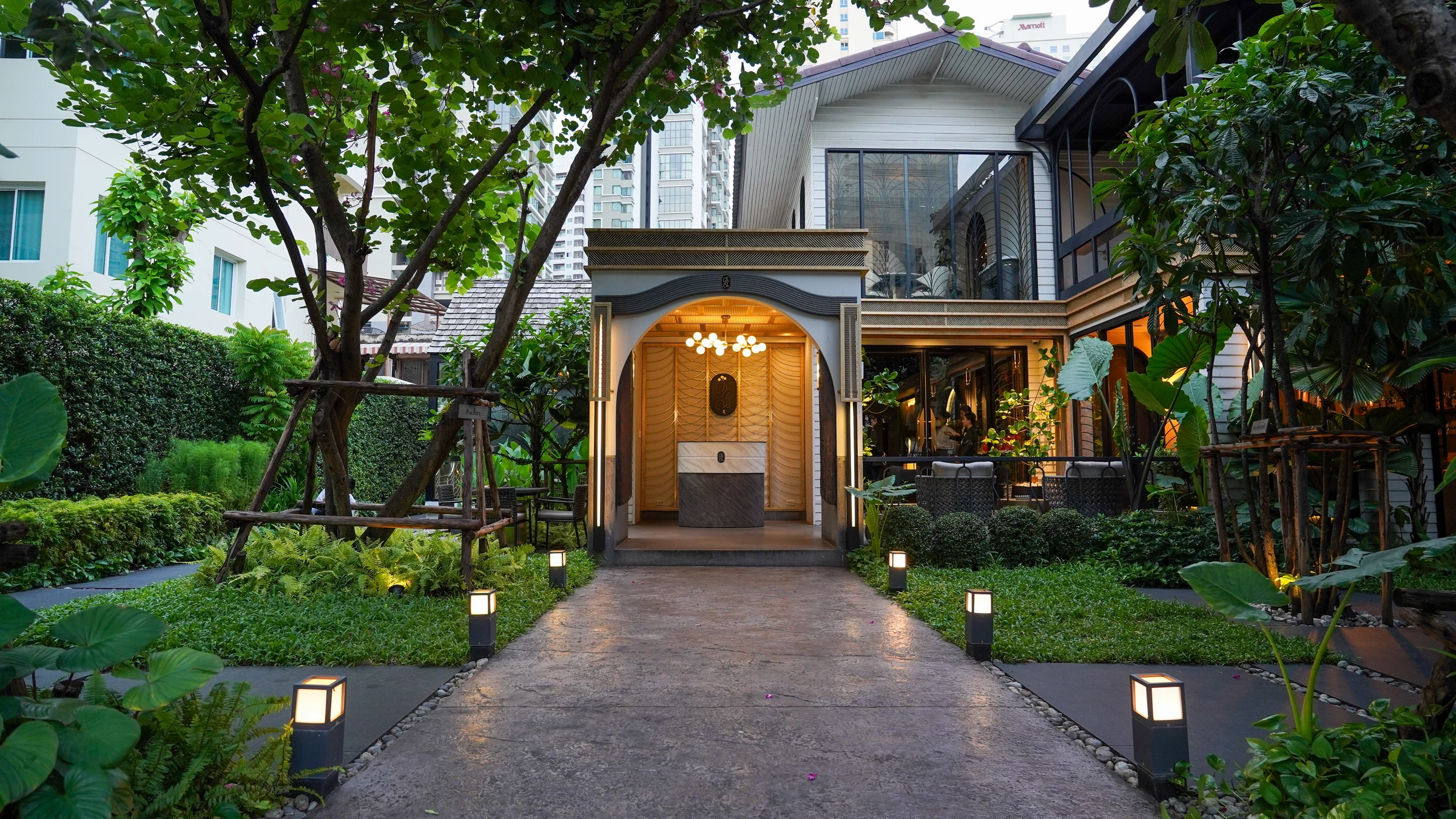
| Sorn | Michelin 3 Stars, World's 50 Best | Fine Southern Thai | Bangkok |
| The Glenturret Lalique Restaurant | Michelin 2 Stars | Modern Scottish Fine Dining | Crieff |
In residence
Similar places
Contemporary Basque Fine Dining
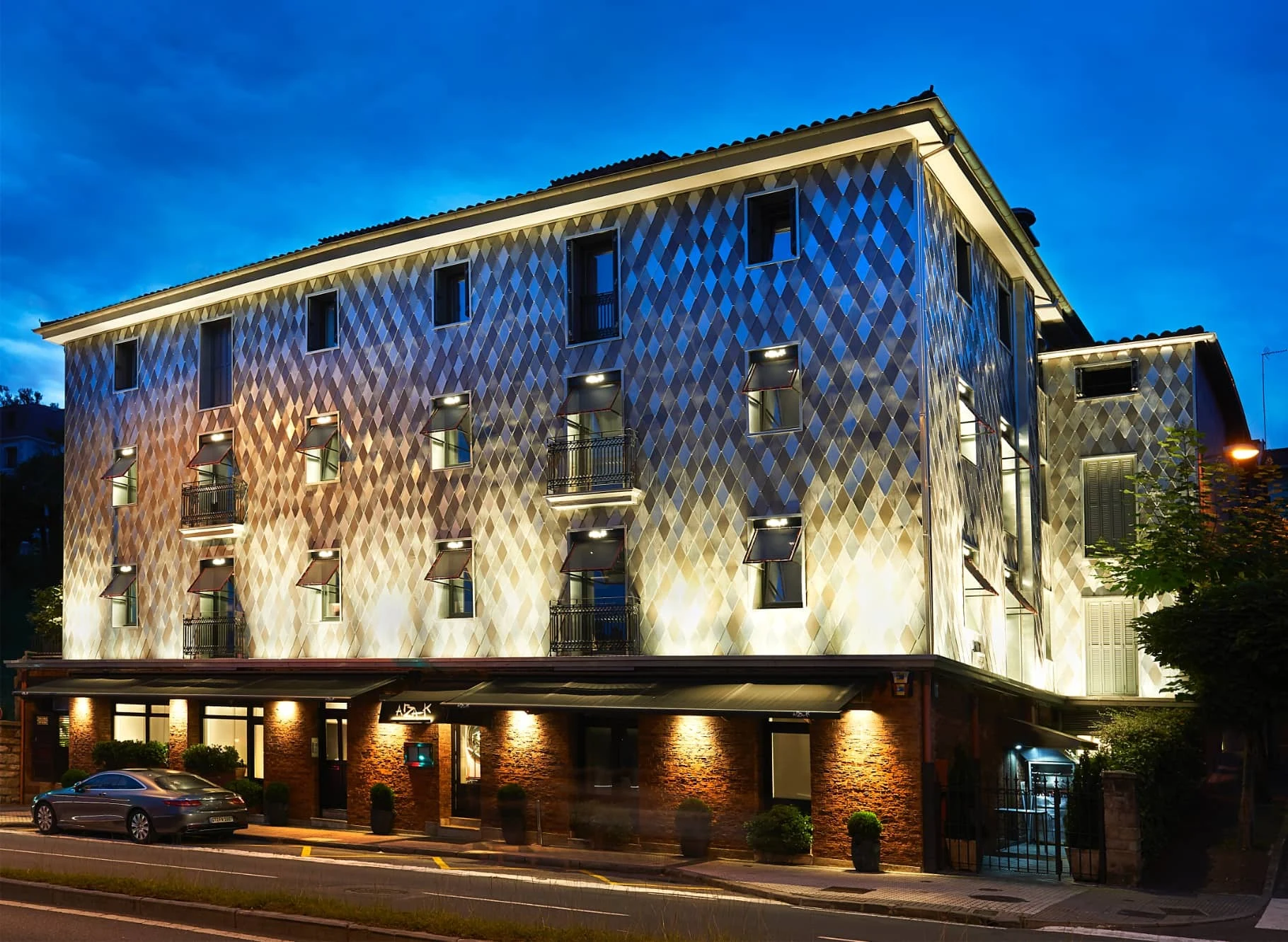
Arzak
San Sebastián, Spain
★★★ · 50 Best
Modern West African Fine Dining
Ikoyi
London, United Kingdom
★★ · 50 Best
Modern Basque-Mediterranean Fine Dining
Lasarte
Barcelona, Spain
★★★
Modern Minimalist Kaiseki
Myojaku
Tokyo, Japan
★★★ · 50 Best
Fine Southern Thai
Sorn
Bangkok, Thailand
★★★ · 50 Best
Modern Scottish Fine Dining
The Glenturret Lalique Restaurant
Crieff, United Kingdom
★★
The Sunday letter
Get the next Made By story in your inbox.
We send one email every Sunday morning with the places and people we covered that week.
See a sample of the Sunday emailOne email a week. Unsubscribe from any issue.