Made ByWinery
Viña Las Perdices
- 01CityLuján de Cuyo, Argentina
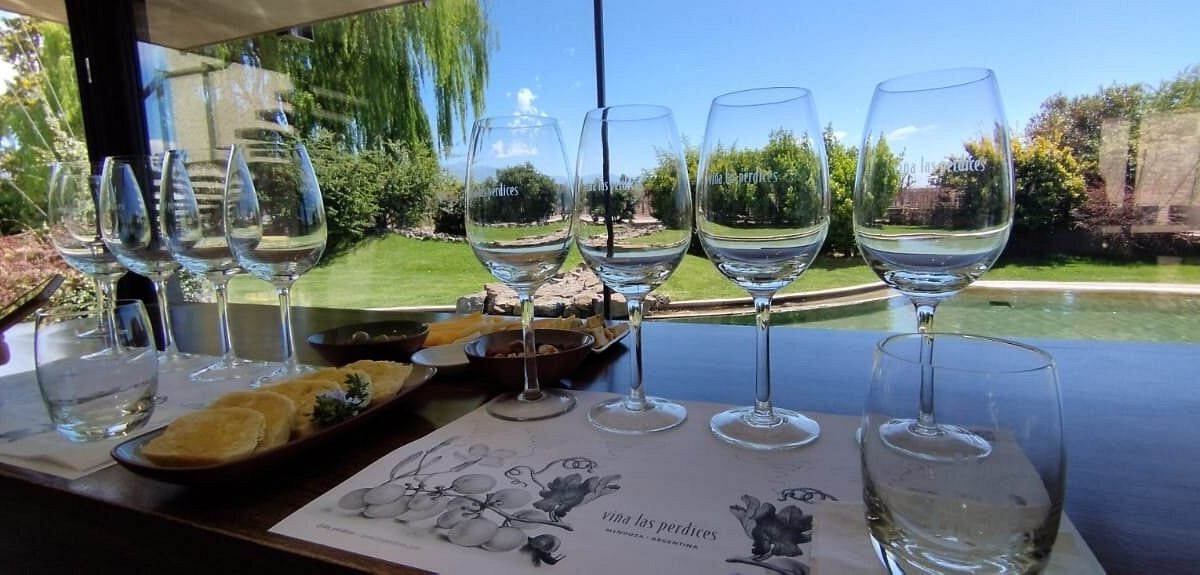
Las Perdices sits in Luján de Cuyo's premium wine country, holding a Pearl 2 Star Prestige rating for 2025, a mark that places it among a selective tier of Argentine wine and dining destinations. Set against the Andean foothills at Bajo las Cumbres, it draws visitors seeking the intersection of regional terroir and considered hospitality. For those building an itinerary around Mendoza's serious wine producers, it merits a place on the list.
At a glance
- Price
- $$
- Neighborhood
- Agrelo
Where the Andes Frame Every Glass
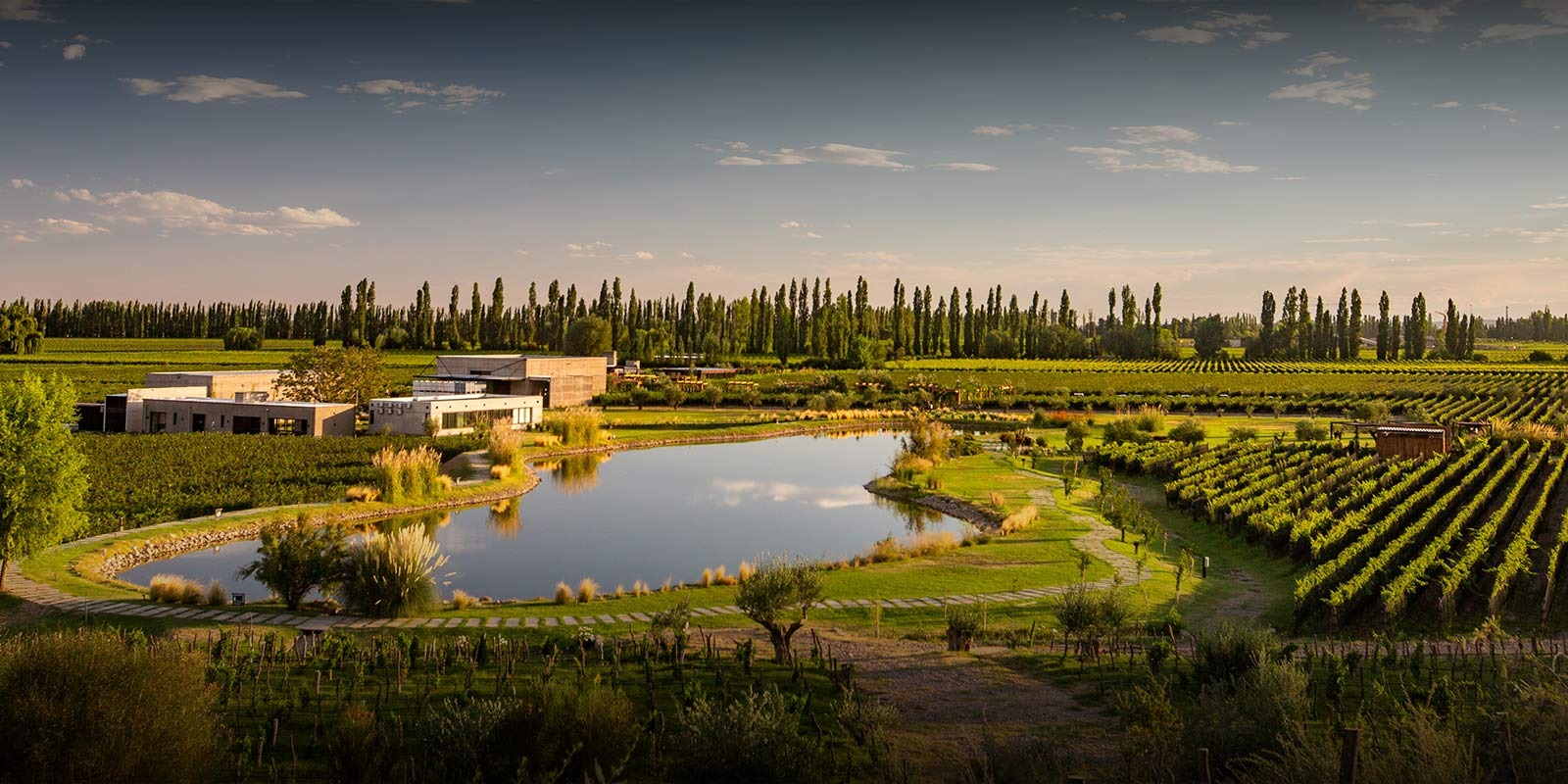
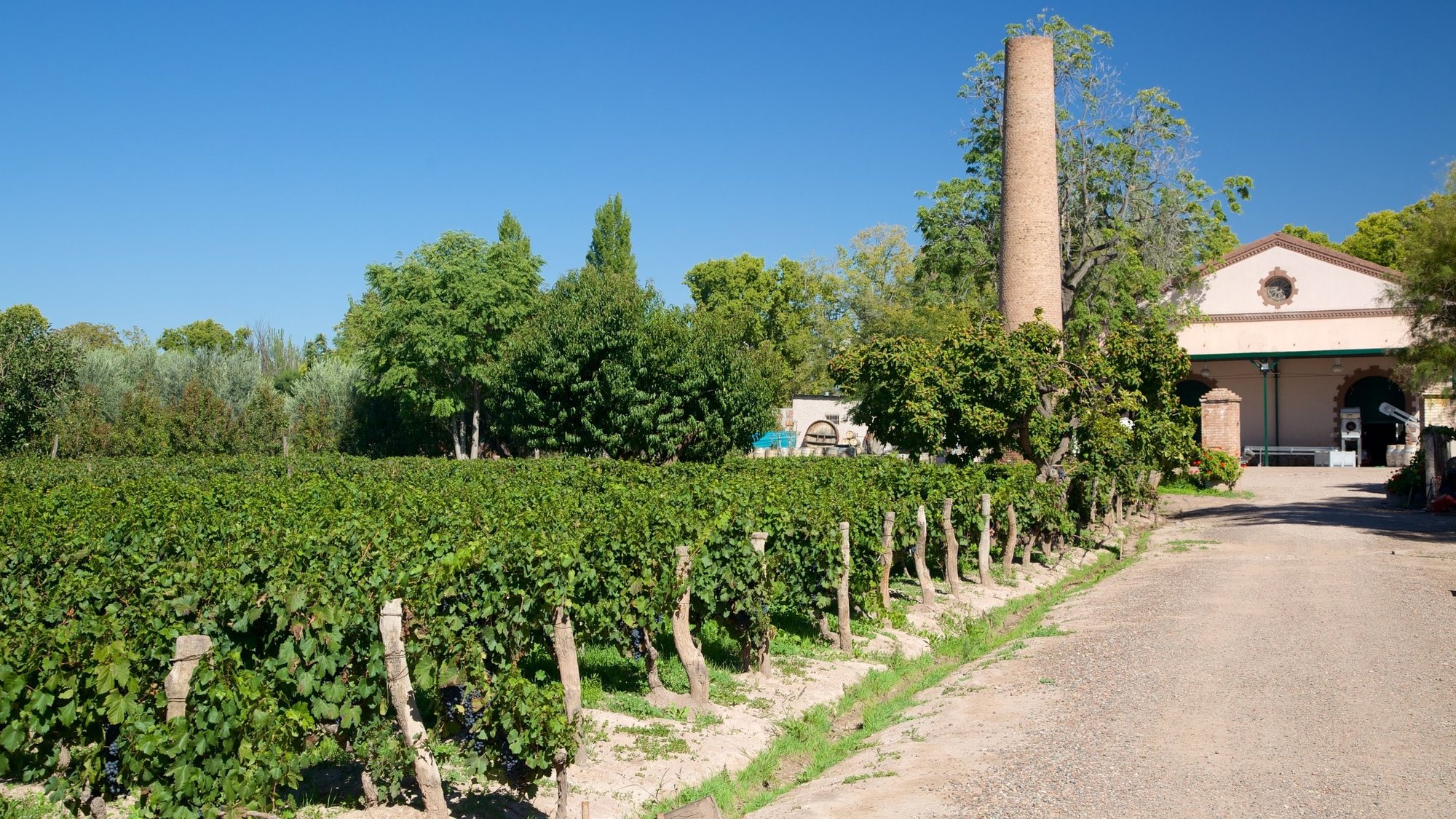
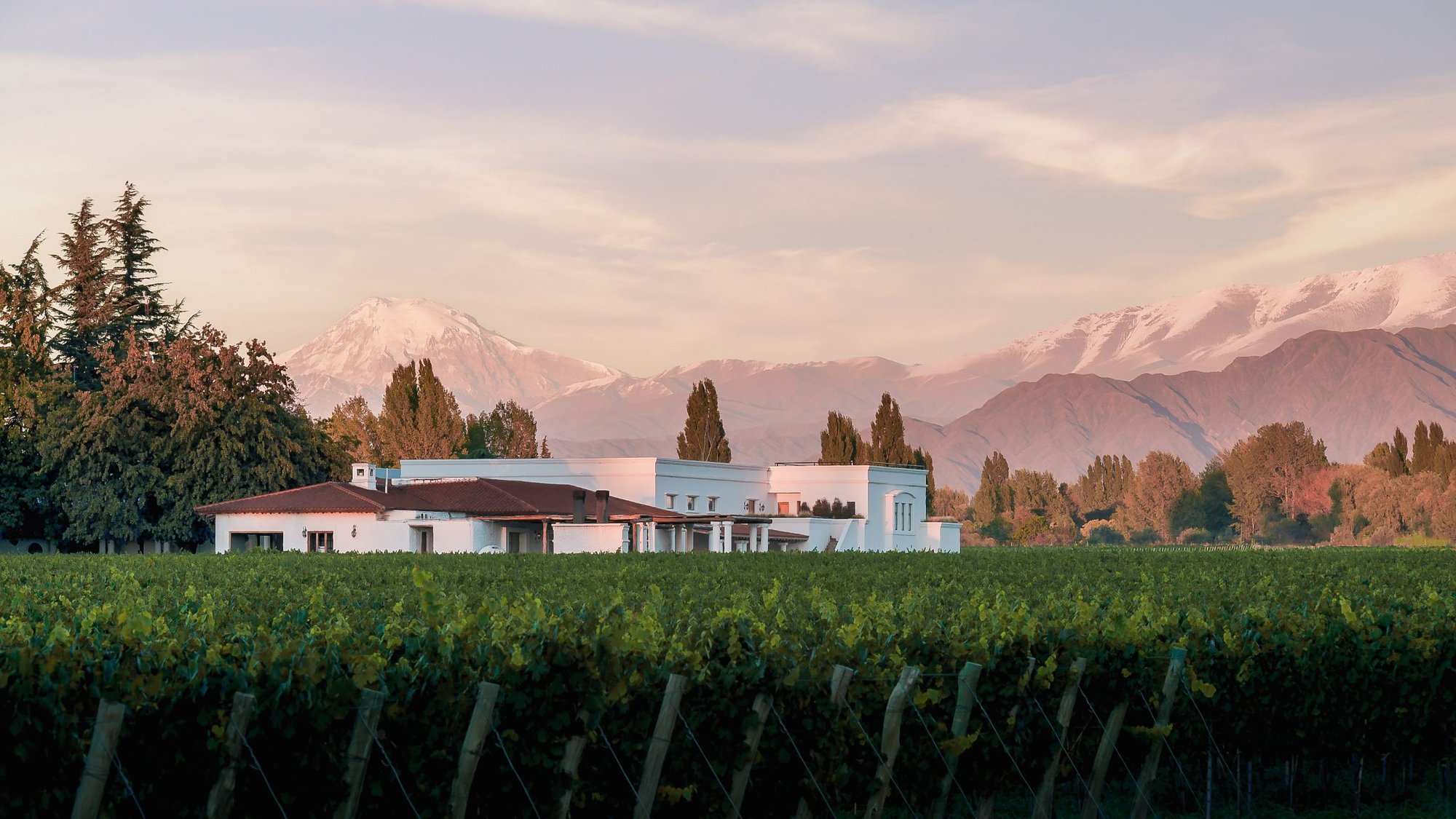
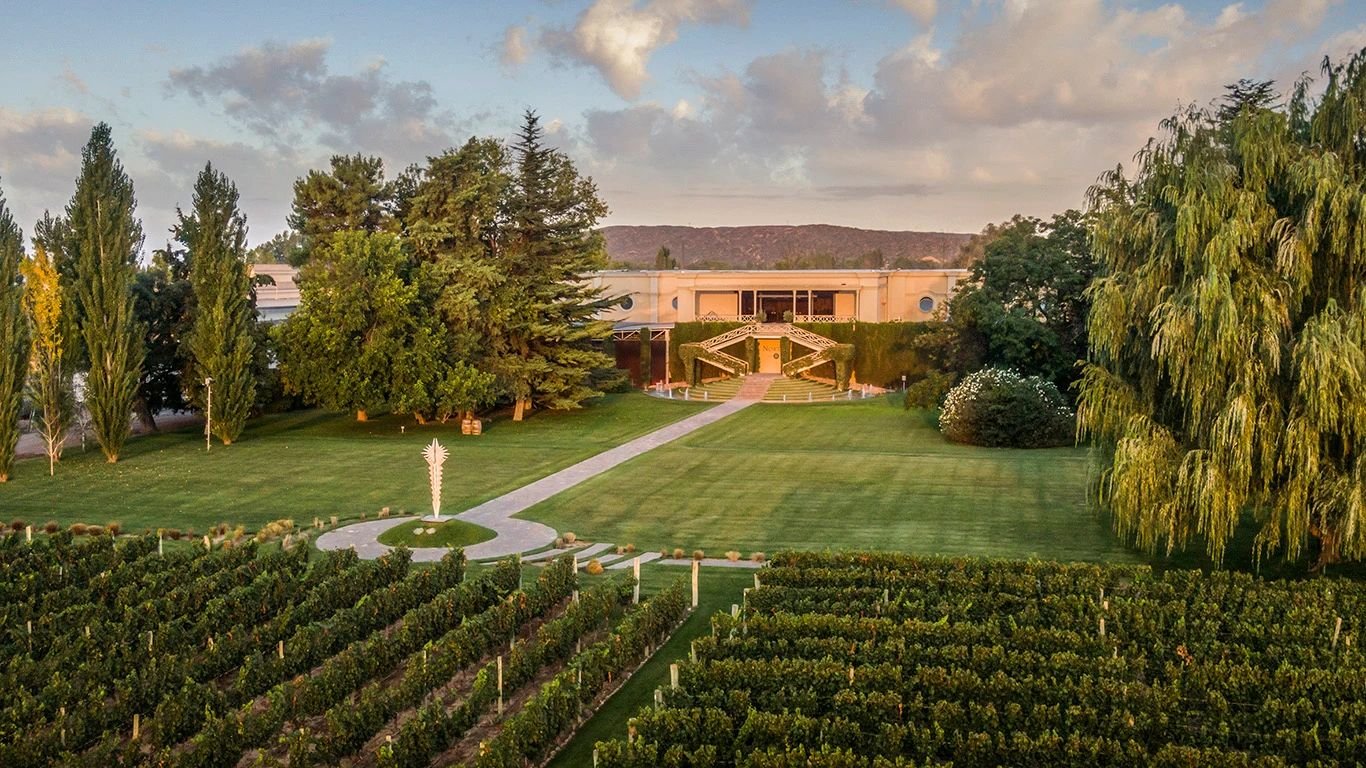
Approach Luján de Cuyo from Mendoza city and the landscape shifts quickly. Vineyards replace suburbs, irrigation channels cut through red-clay soil, and the Andes appear as a fixed backdrop that somehow never becomes ordinary. Las Perdices sits within this geography at Bajo las Cumbres, an address that places it at the foothills end of the appellation, where altitude begins to press into the character of the wines. Before you pour anything, the setting has already shaped the experience.
This is the physical reality of Luján de Cuyo's premium tier: properties are spaced out, views are long, and the distance from the city reinforces the idea that the visit requires intention. You do not pass Las Perdices on the way to somewhere else. You come here because you have chosen to, which means the audience tends to be engaged rather than incidental.
A 2 Star Prestige Property in a Competitive Appellation
Luján de Cuyo has long operated as Mendoza's most recognisable fine-wine zone, with a concentration of serious producers that includes Bodega Lagarde, Bodega Norton, Cheval des Andes, and Chakana Winery. Within that field, Las Perdices carries a Pearl 2 Star Prestige rating for 2025, a designation that positions it in the upper bracket of recognised operations in the appellation rather than among the entry-level visitor experiences that populate the region's more accessible end.
The Pearl 2 Star Prestige classification matters for comparative planning. In a region where the range runs from casual tasting rooms with walk-in access to appointment-only estates with formal food and wine programs, a 2 Star rating signals consistent delivery at the higher end of that scale. It places Las Perdices in a comparable set that includes properties where the experience of visiting is considered alongside the quality of what is poured, not treated as a secondary concern.
Across the broader Mendoza wine geography, similar positioning is held by properties such as Bodega DiamAndes in Tunuyán and Bodega Colomé in Molinos further north, each operating in distinct sub-regions but sharing the approach of integrating visitor experience into the winery's identity rather than treating it as an afterthought. Las Perdices operates within that same logic in Luján de Cuyo's more accessible but no less competitive corridor.
Local Ingredients, Imported Frameworks
The most interesting development in Argentine winery gastronomy over the past decade is the growing tension between what the land produces and what European training has taught local teams to do with it. In Mendoza, this plays out in kitchens that work with altitude-grown herbs, Patagonian fish, Andean grains, and the province's own olive oils and charcuterie, but frame those ingredients through techniques absorbed from formal culinary traditions in Spain, France, and Italy.
The result is a cuisine that does not belong cleanly to any single tradition. Argentine hospitality at this tier tends to reject the idea that local food means rustic food. The same appellation that produces Malbec structured for international palates also produces kitchens structured for guests who arrive having eaten well across multiple continents. Las Perdices, positioned as it is at the prestige tier, sits within that conversation.
This intersection of indigenous products and imported method is not unique to Argentina, but Argentina's version of it is shaped by specific conditions: high-altitude growing zones that stress vines and concentrate flavours, a cattle culture that produces primary ingredients of genuine quality, and an immigrant culinary inheritance from Italian and Spanish settlers that runs deep enough to feel local rather than borrowed. The leading winery restaurants in the region do not choose between these influences, they allow all of them to operate simultaneously.
Comparable dynamics play out in other Argentine wine regions. Bodega El Esteco in Cafayate works with the high-altitude Calchaquí Valleys to similar effect, and Familia Schroeder in San Patricio del Chañar demonstrates how Patagonian terroir shapes a different but parallel version of the same equation. The through-line is a commitment to place-specific ingredients interpreted through structured hospitality.
Luján de Cuyo as a Wine Destination
Luján de Cuyo is not a town that sustains itself independently of its wine industry. The appellation's identity is inseparable from the vine, and visitors who spend time here tend to do so across multiple days, building itineraries around a core set of properties and filling in with smaller producers discovered through recommendation.
The appellation's position within the broader Mendoza region means it competes with and complements other designations. Properties like Durigutti Winemakers, also in Luján de Cuyo, represent the artisan-scale end of the same geographic zone, offering a point of contrast to the more formally structured visitor programs at prestige-rated estates. An itinerary that includes both gives a more complete picture of what the appellation can do.
Further afield, Rutini Wines in Tupungato and Escorihuela Gascón in Godoy Cruz represent the geographic spread of Mendoza's serious wine tourism offer, each with distinct terroir stories that complement what Luján de Cuyo delivers. Las Perdices, with its Andean-foothills address and prestige rating, sits logically within a multi-day Mendoza itinerary rather than as a standalone day trip from the city.
Planning the Visit
Luján de Cuyo sits roughly 20 kilometres south of Mendoza city, accessible by car or through the organised wine-tour operations that run from the city's main hotel district. For a property at the prestige tier, arriving with a pre-arranged booking is the standard approach, the visitor experience at this level is rarely structured for drop-in traffic, and the quality of the visit generally improves with prior coordination.
The optimal visiting period for Luján de Cuyo broadly runs from October through April, when harvest activity and outdoor dining conditions align. The vendimia harvest period in late February and March brings additional atmosphere to the region, though it also concentrates visitor numbers. Visitors who prefer more measured access to the properties tend to target November or the post-harvest weeks in late March and April, when the vines are still green and the crowds thinner.
For travellers building a wine and food itinerary across South America, Las Perdices connects logically to a sequence that might extend to Fratelli Branca Distillery in Buenos Aires for a complementary spirits perspective, or internationally to benchmark producers like Accendo Cellars in St. Helena and Aberlour for a fuller picture of how prestige-tier producers across different categories approach visitor experience.
Know before you go
- Dress code
- smart_casual
- Reservations
- recommended
- Parking
- on_site_lot
- Outdoor seating
- Yes
- Groups
- Welcomed
- Children
- Welcomed
Frequently asked
What part of town is Las Perdices in?
Las Perdices is located at Bajo las Cumbres s/n, M5509, Mendoza, Luján de Cuyo.
Has Las Perdices won any awards?
Las Perdices has received recognition including: Pearl 2 Star Prestige (2025).
What do visitors recommend trying at Las Perdices?
The kitchen draws on Luján de Cuyo's red-clay terroir and the regional produce that defines Andean winery gastronomy in Mendoza. Given Las Perdices holds a Pearl 2 Star Prestige rating for 2025, the food and wine pairing experience is the core draw. Specific menu items are best confirmed directly with the estate before visiting.
What makes Las Perdices worth visiting?
Las Perdices earned a Pearl 2 Star Prestige rating in 2025, placing it among the more formally recognised properties in Luján de Cuyo — an appellation that already concentrates some of Argentina's most serious wine producers. The estate sits on Bajo las Cumbres, with the Andes providing the physical backdrop that defines the sub-region's identity. That combination of critical recognition and setting distinguishes it within a competitive comparable set.
What's the best way to book Las Perdices?
Phone and website details are not currently listed in our records for Las Perdices. Reaching the estate directly through Mendoza-based wine tour operators or contacting the property via its address at Bajo las Cumbres s/n, M5509, Mendoza is the most reliable approach. Given its 2 Star Prestige standing, advance reservation is advisable, particularly during harvest season.
How does Las Perdices rank among Luján de Cuyo's recognised wine estate restaurants?
Las Perdices holds a Pearl 2 Star Prestige rating for 2025, one of the more specific formal credentials assigned within Luján de Cuyo's competitive fine-wine zone. Luján de Cuyo carries Mendoza's most established appellational identity, so a 2 Star Prestige placement there carries more contextual weight than the same rating in a less scrutinised sub-region. It positions Las Perdices alongside a small tier of estates where food and wine programming is taken seriously as a combined proposition.
When does Las Perdices make the most sense to choose?
Las Perdices fits visits centred on the wine side of Luján de Cuyo rather than Mendoza city tourism. Harvest season (February through April) brings the appellation to life and aligns the estate experience with active winemaking activity. Travellers pairing it with visits to neighbouring producers such as Bodega Lagarde or others in the appellation will get the most from the geography.
Address
Bajo las Cumbres s/n, M5509, Mendoza
Agrelo
How it compares
Las Perdices
- Cuisine
- Malbec, Syrah
- Awards
- 1 recognition
- Notes
- Agrelo, $$
Nieto Senetiner
- Cuisine
- Malbec, Bonarda
- Awards
- 1 recognition
- Notes
- Vistalba, $$
Bodega Alta Vista
- Cuisine
- Malbec, Cabernet Sauvignon
- Awards
- 1 recognition
- Notes
- Chacras de Coria, $$$
Hilbing Franke Distillery
- Cuisine
- Malbec, Cabernet
- Awards
- 1 recognition
- Notes
- Luján de Cuyo, $$$
Bodega Weinert
- Cuisine
- Malbec, Cabernet Sauvignon
- Awards
- 1 recognition
- Notes
- Luján de Cuyo, $$$
Fabre Montmayou
- Cuisine
- Malbec, Merlot
- Awards
- 1 recognition
- Notes
- Vistalba, $$