Le Brittany
In Residence
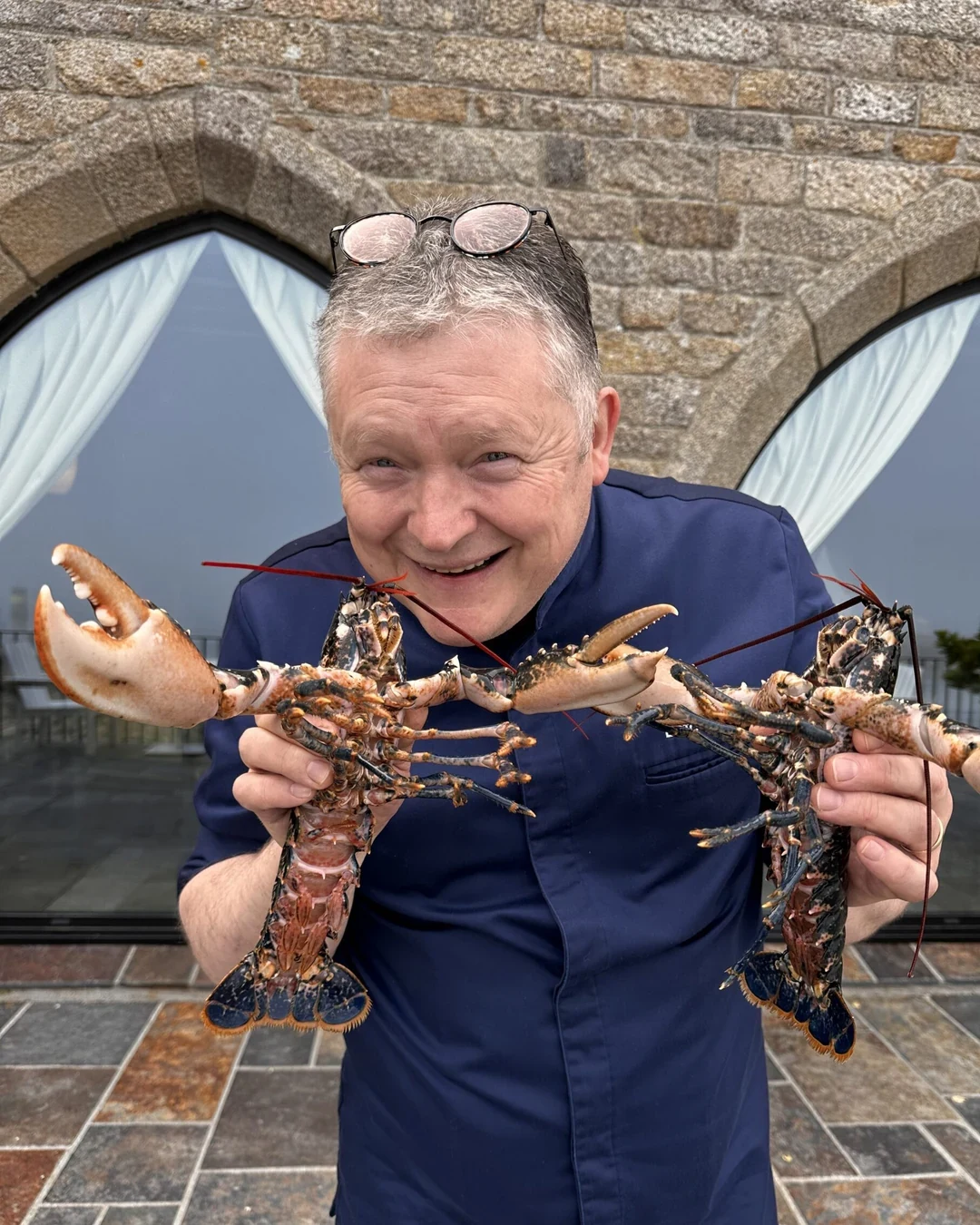
Loïc Le Bail
Chef
- 01CuisineModern Breton Seafood with Japanese Influences
- 02CityRoscoff, France
- 03RecognitionOne Michelin Star
- 1 Michelin Star · Michelin Guide
- Michelin 1 Star · 2025
- Relais Chateaux Award · 2025
- Gault & Millau Remarkable Restaurant: 16pts · 2025
- Michelin 1 Star · 2024
Stone, Sea, and a Starred Kitchen in Finistère
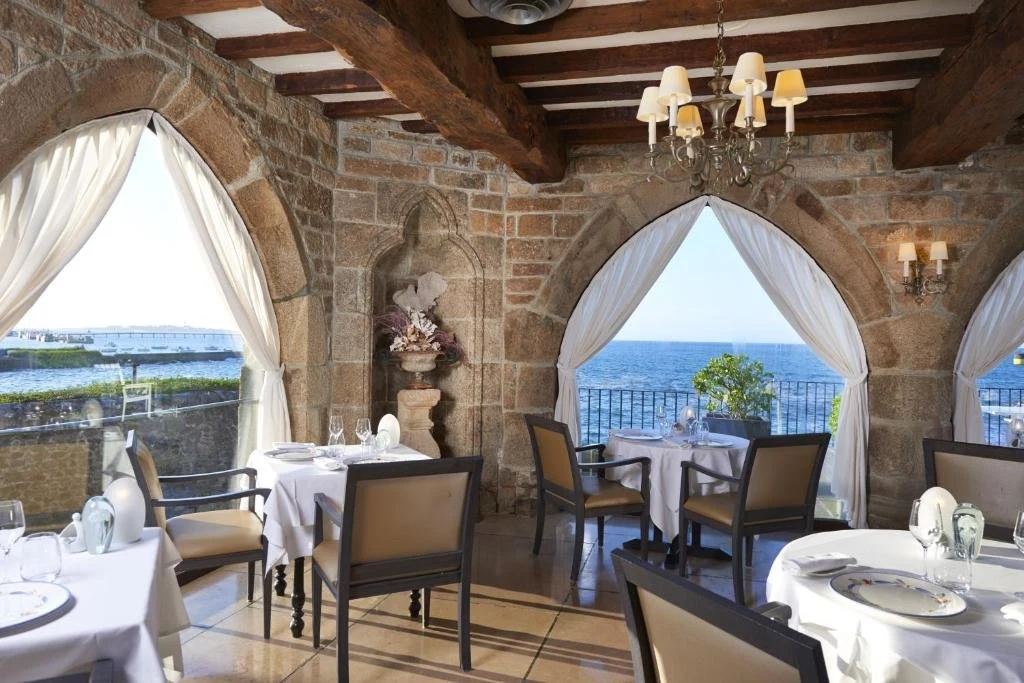
The dining room at Le Brittany faces the bay with the kind of directness that feels intentional rather than incidental. A massive stone fireplace anchors the interior, vaulted windows frame the island of Batz across the water, and the room carries the weight of a building that has absorbed the Breton coast across many seasons. Before a single plate arrives, the setting makes an argument: this is a place shaped by its geography, not decorating with it.
Roscoff sits at the far northwestern tip of Brittany, a port town where the ferry to Ireland departs and the thalassotherapy trade keeps a certain kind of slow, restorative tourism alive. It is not a city restaurant scene. The density of starred kitchens that defines Paris or Lyon is absent here, which makes the presence of a Michelin-starred kitchen at this address both notable and telling. A one-star designation in a small coastal town carries different weight than the same credential in a competitive urban cluster. It signals that the quality of the cooking is genuinely self-sustaining, not propped up by foot traffic or fashion.
The Sunday letter
Find new places through the people who run them.
Our Sunday email brings you the chefs, winemakers and hoteliers behind our newest stories. See a sample before you subscribe.
See a sample of the Sunday emailOne email a week. Unsubscribe from any issue.
The Culinary Lineage Behind the Kitchen
Head chef Tony Hohlfeld leads the kitchen, and the menu's defining characteristic is a Japan-inflected approach to Breton produce. This is not fusion for its own sake. The Michelin record attributes the Japanese influence explicitly to Hohlfeld's wife and sous-chef, both of whom are Japanese. That detail matters because it grounds the cross-cultural approach in sustained, daily collaboration rather than a short staging stint or a borrowed technique. Kitchens shaped by live cultural exchange tend to develop more coherent hybrid vocabularies than those borrowing from the outside.
The cross-cultural kitchen model has precedents across French fine dining. At AM par Alexandre Mazzia in Marseille, the cooking absorbs central African and Japanese textures into a French idiom. At Mirazur in Menton, Argentine-born Mauro Colagreco has built one of Europe's most discussed kitchens from a position on the Italian border. Le Brittany operates on a smaller scale than either, but the underlying logic is similar: a chef whose personal and professional world crosses cultures tends to cook differently from one who has not.
Michelin commentary on Le Brittany makes a point of flagging both mackerel and poultry alongside the expected seafood. That is a meaningful editorial choice on Michelin's part. Brittany's culinary identity is heavily marine-facing, and a kitchen that builds a starred menu around oily, unglamorous fish like mackerel is making a statement about product conviction over prestige produce. It places the cooking in a tradition that values terroir honesty over menu-building for its own sake, a tradition that runs through French haute cuisine from Michel Bras in Laguiole, see Bras in Laguiole for that register, to the more austere Loire Valley tables.
Brittany's Starred Kitchen Scene in Context
Brittany as a region carries fewer Michelin stars per square kilometre than Alsace, Burgundy, or the Paris basin, but the stars it holds tend to be embedded in places with strong geographic identity. That pattern makes sense: the region's produce is distinctive enough to anchor a kitchen's identity without extensive sourcing from elsewhere. The seafood coming off the Finistère coast, langoustines, oysters, the sea vegetables farmed around Roscoff itself, represents particularly distinctive coastal produce in France. A kitchen working this material with serious technique and a willingness to introduce non-French flavour logic has a strong foundation.
For comparison, consider what France's most decorated kitchens tend to share across different settings. Alléno Paris au Pavillon Ledoyen operates at the apex of Parisian fine dining with multiple stars. Auberge de l'Ill in Illhaeusern holds its stars in rural Alsace, embedded in a specific landscape and culinary heritage. Auberge du Vieux Puits in Fontjoncouse sits in a village so remote that the drive is part of the commitment. In each case, the starred kitchen is inseparable from its place. Le Brittany fits this category: it is a kitchen whose address is not incidental to what it does.
Paul Bocuse - L'Auberge du Pont de Collonges in Collonges-au-Mont-d'Or to Flocons de Sel in Megève. Staying over in the same building as a starred kitchen changes the dynamic of the meal: you arrive without travel anxiety, linger longer over the cheese course, and wake up with the bay still outside your window.
What the Dining Room Offers
The panoramic room described in the Michelin record is not a detail to skip past. In smaller coastal starred kitchens, the dining room design is often secondary to the kitchen's reputation. Here, the stone and the vaulted windows carry genuine architectural presence. The fireplace in a Breton stone building is not decorative; it is structural to the atmosphere in the way that a waterfront terrace or a cellar vault is structural in other contexts. The room invites the longer pace that a tasting menu kitchen requires.
6 from 470 reviews is a consistent signal at this level of dining. For a starred kitchen in a small town, that volume of reviews over time reflects a sustained stream of visitors making a deliberate effort to reach Roscoff for this specific address. It is not the organic foot traffic of a city restaurant.
Price tier is €€€€, and the meal runs about €120 per person, consistent with single-starred French fine dining across comparable regional tables. For those building a multi-stop itinerary through France's more serious regional kitchens, Le Brittany sits in a peer group that includes Assiette Champenoise in Reims, Au Crocodile in Strasbourg, and Troisgros - Le Bois sans Feuilles in Ouches, the latter operating at a higher star count but occupying the same logic of a serious kitchen embedded in a specific French landscape.
For those exploring Roscoff beyond the restaurant, the town has more to offer than its size suggests.
Planning Your Visit
Le Brittany is located at 22 Boulevard Sainte-Barbe, Roscoff, in Finistère, the westernmost department of Brittany. The address is on the bay-facing side of the town, directly oriented toward the island of Batz. Roscoff is reachable by train to Morlaix followed by a short drive or local bus, or by driving the length of the Breton peninsula from Rennes or Brest. Spring through early summer is often a good time to visit the coast. That said, the kitchen's slate-and-fire character makes it a credible autumn and winter destination as well, when the bay is less crowded and the stone room reads differently. Booking is essential.
Questions
Frequently asked
What recognition does Le Brittany hold?
Le Brittany holds 1 Michelin star.
Who works at Le Brittany?
Made By profiles Loïc Le Bail (Chef) at Le Brittany.
How expensive is Le Brittany?
Le Brittany is listed at a price level of $$$$.
Where is Le Brittany and what does it serve?
Le Brittany is in Roscoff, Roscoff, serving Modern Breton Seafood with Japanese Influences.
The field
How it compares
| Place | Awards | Cuisine | Notes |
|---|---|---|---|
| Le Brittany | Michelin 1 Star | Modern Breton Seafood with Japanese Influences | Roscoff, $$$$ |
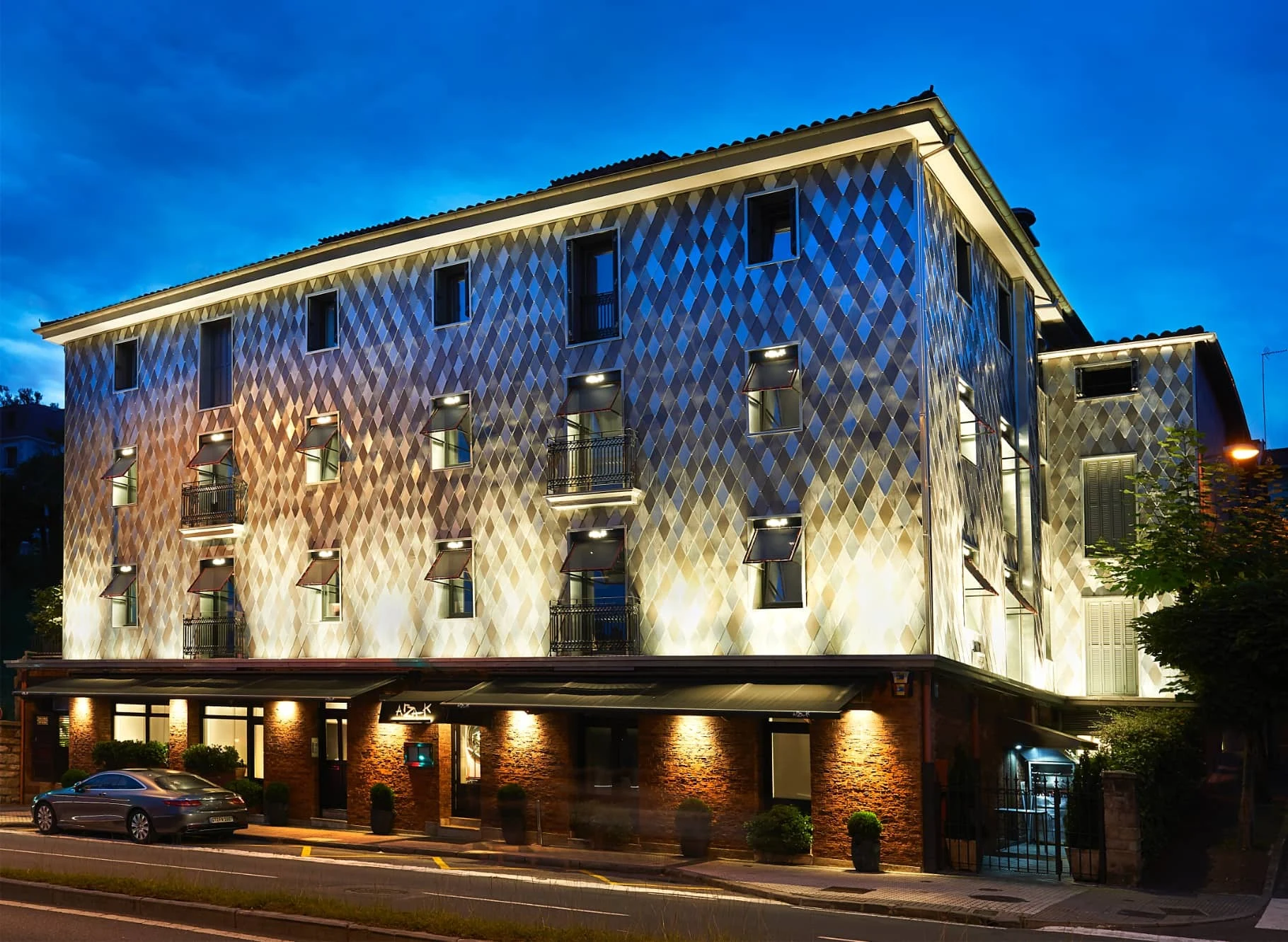
| Arzak | Michelin 3 Stars, World's 50 Best | Contemporary Basque Fine Dining | San Sebastián |
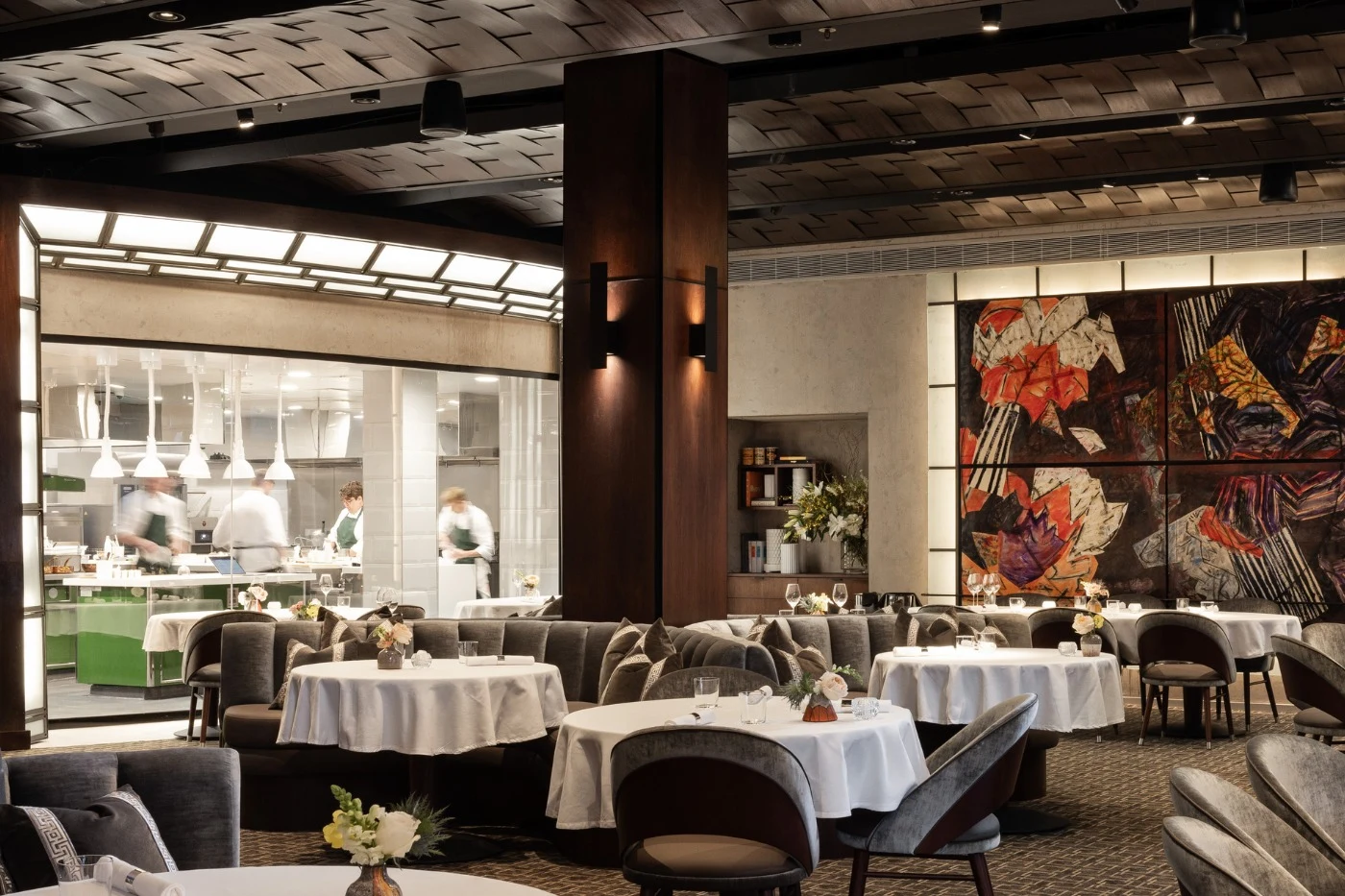
| Emeril’s | Michelin 2 Stars, World's 50 Best | Modern Creole-Cajun Fine Dining | New Orleans |
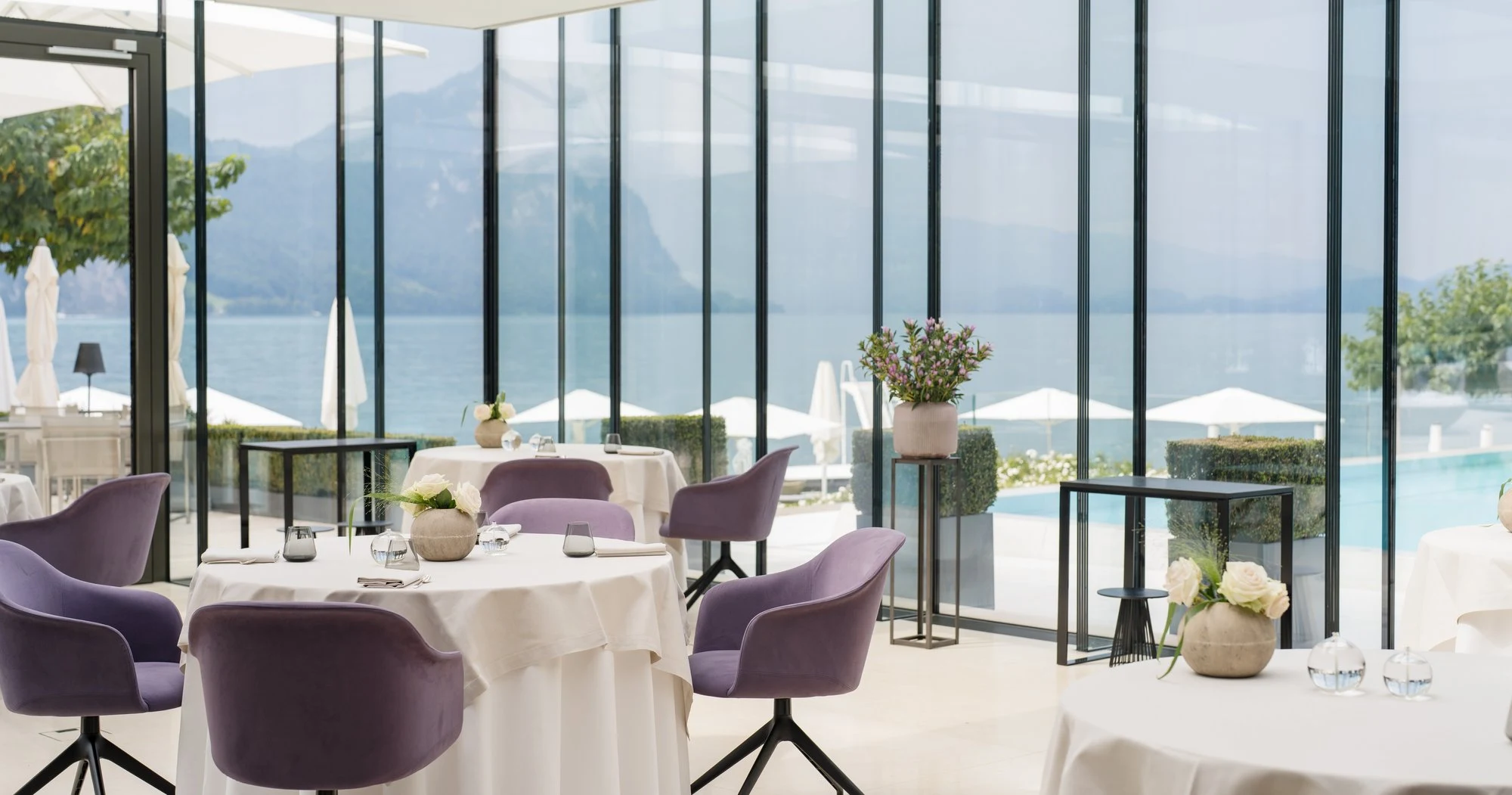
| focus ATELIER | Michelin 2 Stars | Modern French Fine Dining | Vitznau |
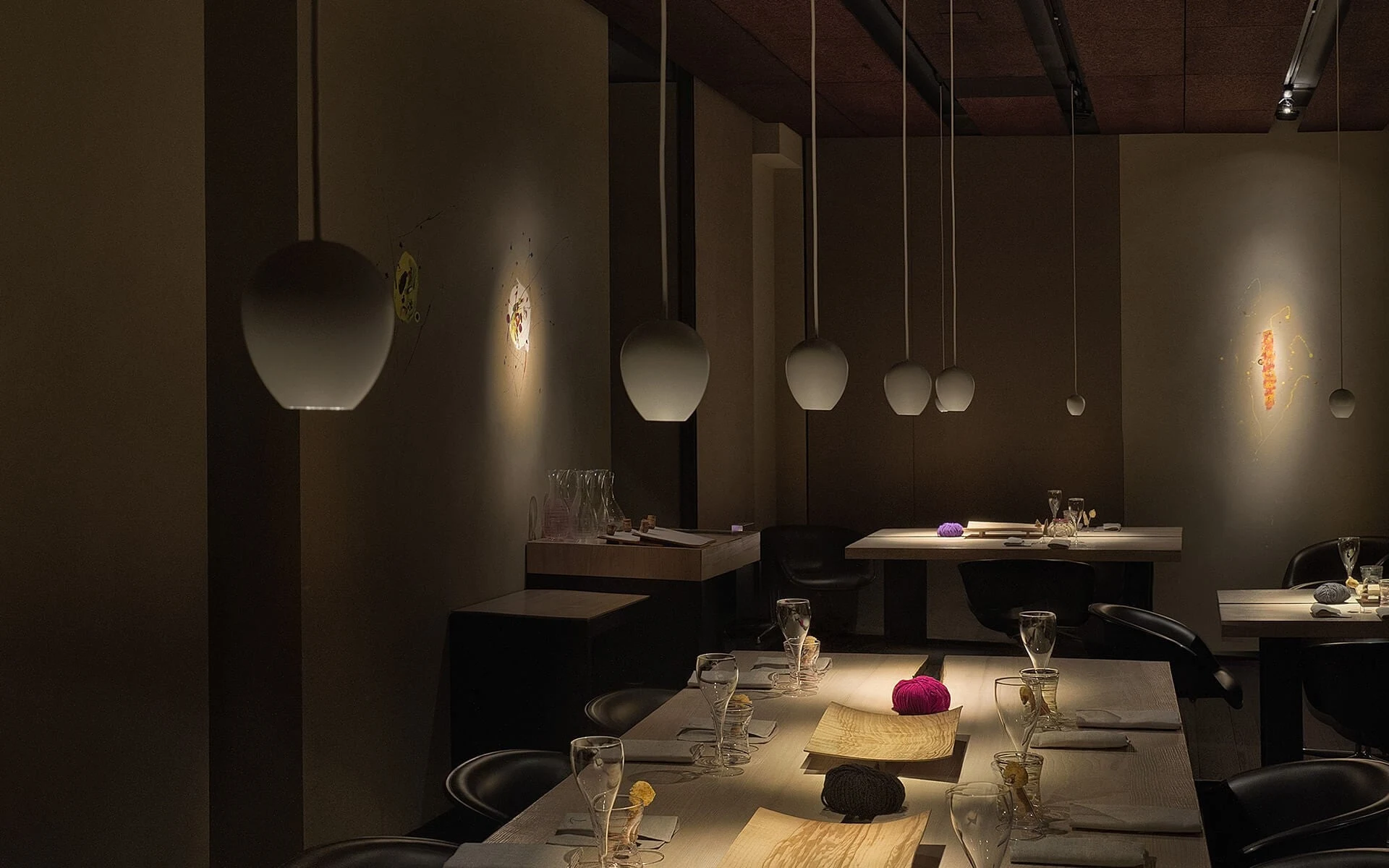
| Le Calandre | Michelin 3 Stars, World's 50 Best | Modern Italian Fine Dining | Rubano |
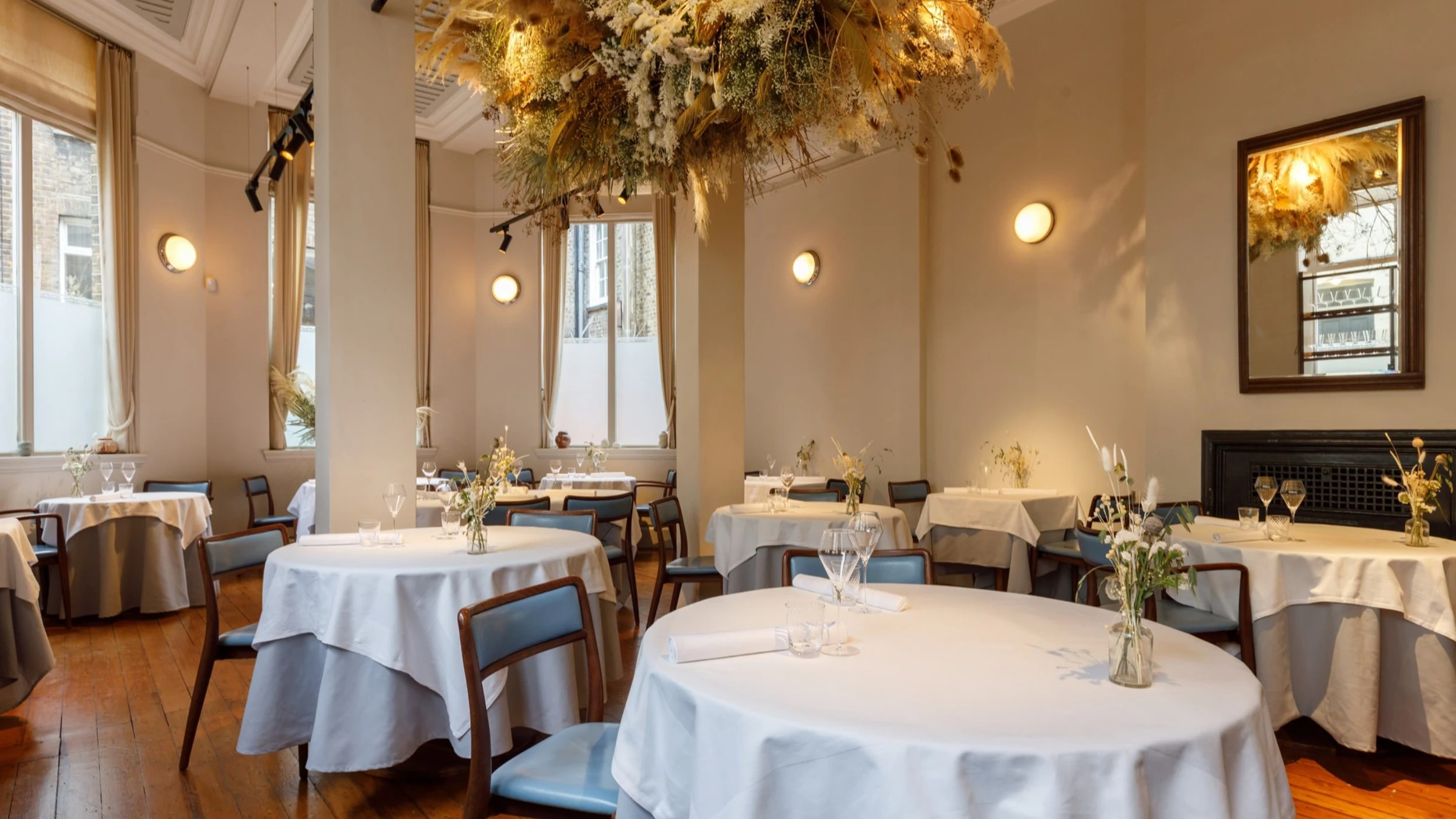
| The Clove Club | Michelin 2 Stars, World's 50 Best | Modern British Fine Dining | London |
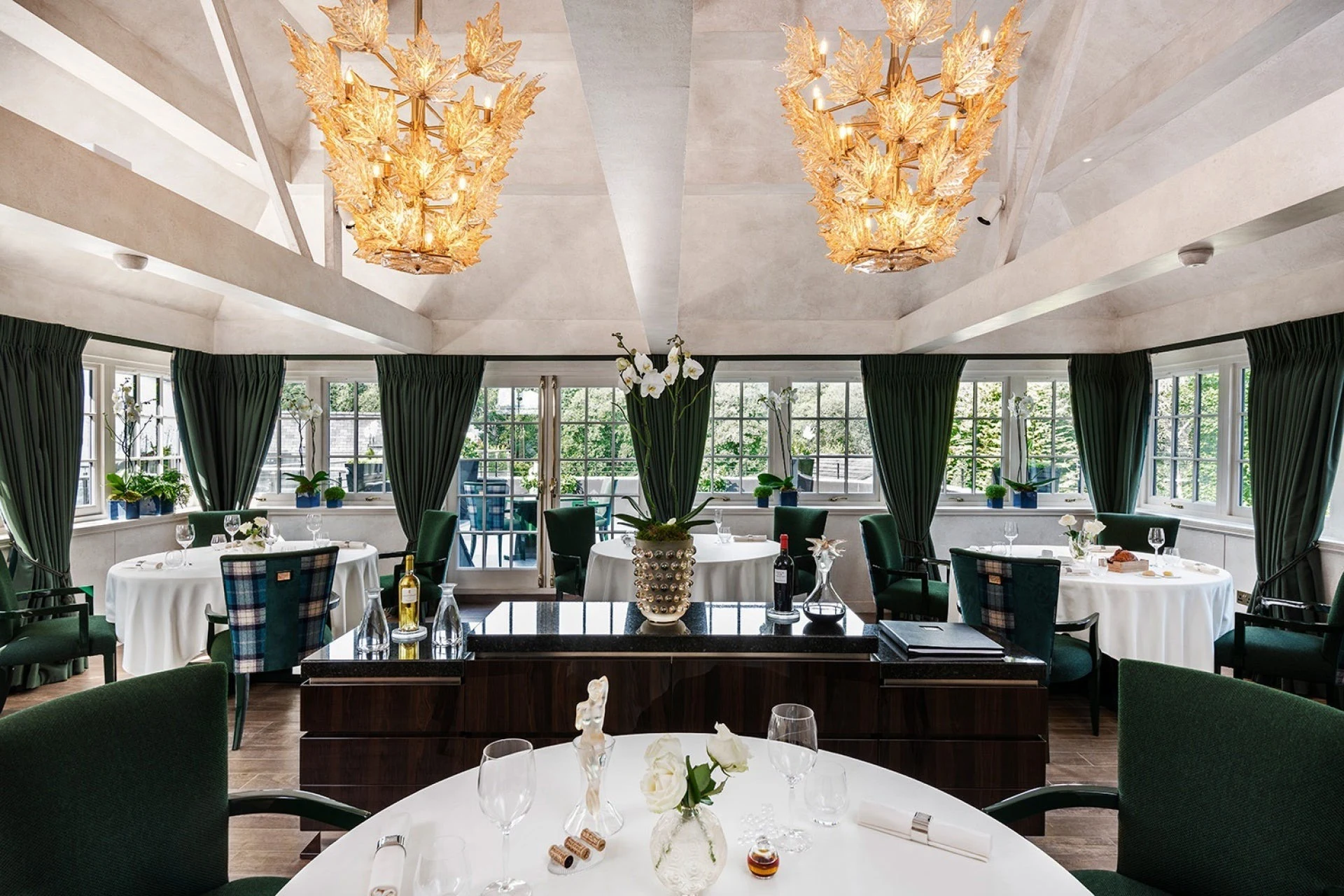
| The Glenturret Lalique Restaurant | Michelin 2 Stars | Modern Scottish Fine Dining | Crieff |
In residence
Similar places
Contemporary Basque Fine Dining
Arzak
San Sebastián, Spain
★★★ · 50 Best
Modern Creole-Cajun Fine Dining
Emeril’s
New Orleans, United States
★★ · 50 Best
Modern French Fine Dining
focus ATELIER
Vitznau, Switzerland
★★
Modern Italian Fine Dining
Le Calandre
Rubano, Italy
★★★ · 50 Best
Modern British Fine Dining
The Clove Club
London, United Kingdom
★★ · 50 Best
Modern Scottish Fine Dining
The Glenturret Lalique Restaurant
Crieff, United Kingdom
★★
The Sunday letter
Get the next Made By story in your inbox.
We send one email every Sunday morning with the places and people we covered that week.
See a sample of the Sunday emailOne email a week. Unsubscribe from any issue.