Le Charlemagne
In Residence
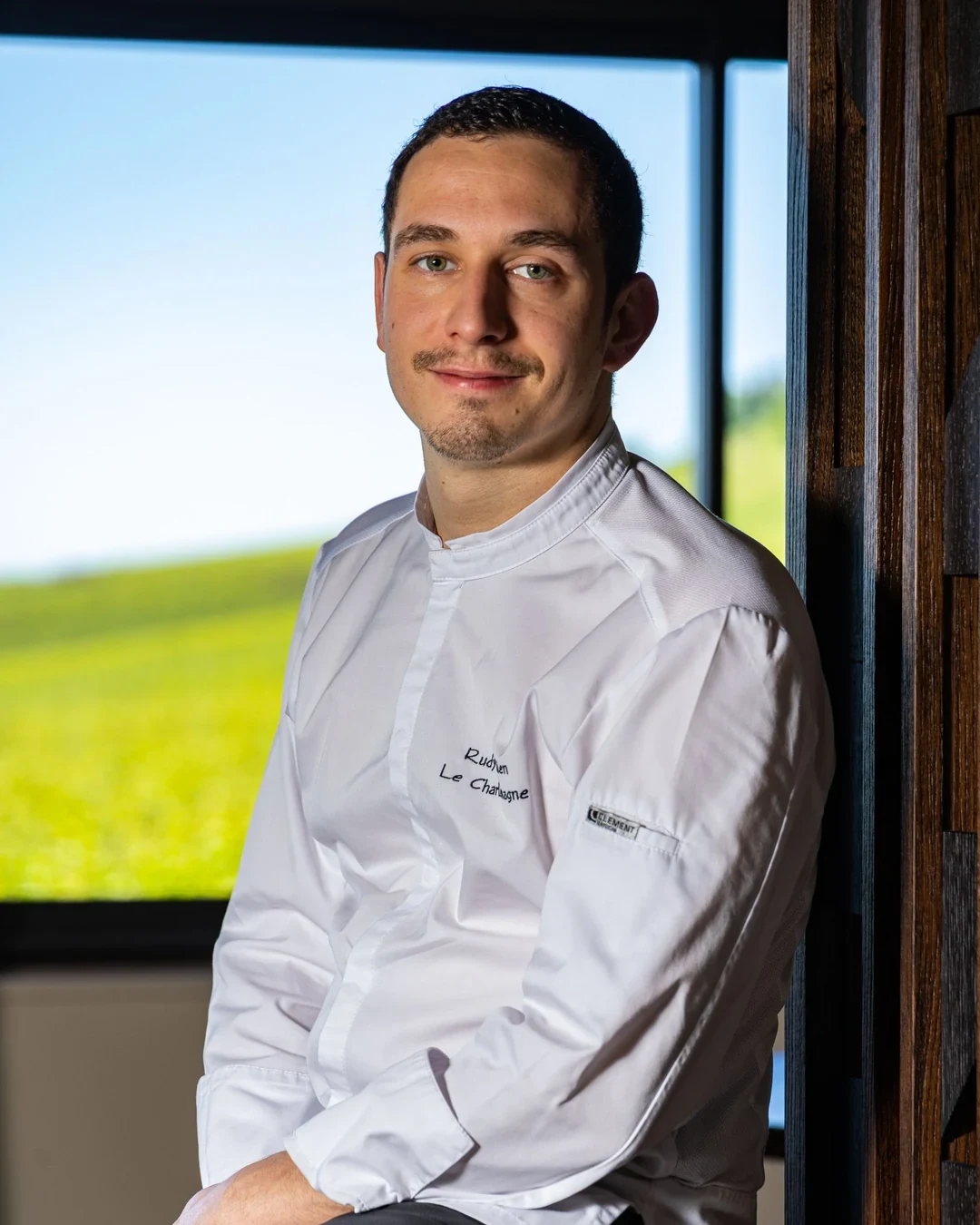
Rudy Villien
Chef
- 01CuisineModern French-Asian Fusion Fine Dining
- 02CityPernand-Vergelesses, France
- 03RecognitionOne Michelin Star
- 1 Michelin Star · Michelin Guide
- Michelin 1 Star · 2026
- Opinionated About Dining Classical in Europe Ranked #458 · 2025
- Michelin 1 Star · 2025
A Village Address That Punches Well Above Its Weight
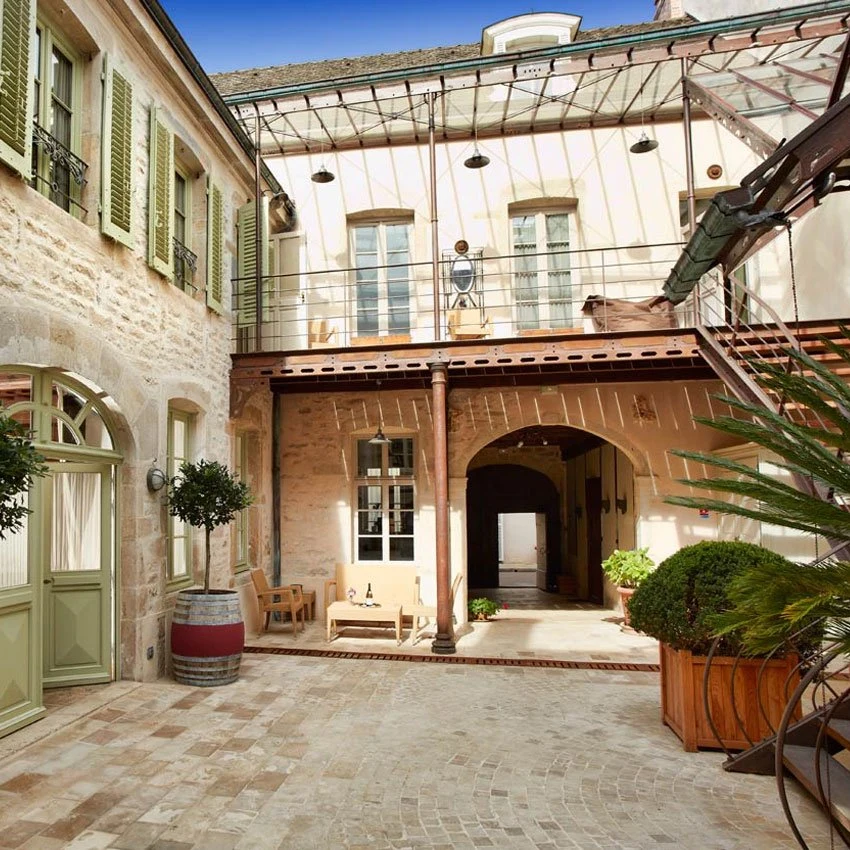
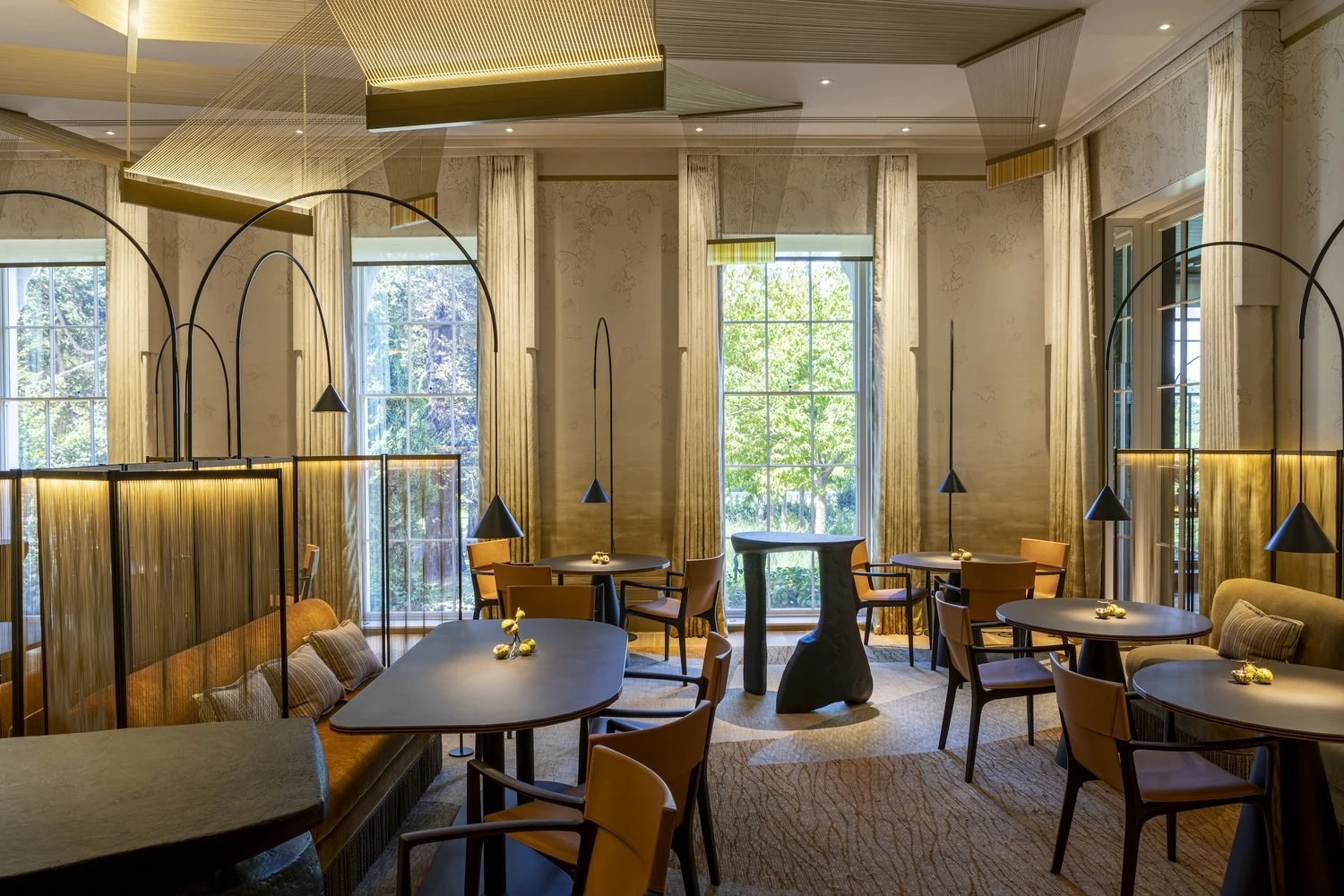
Pernand-Vergelesses is not a place most visitors stumble across accidentally. The village sits above Savigny-les-Beaune on the Côte de Beaune, its lanes quiet enough that the sound of a car engine actually registers. Arriving at 1 Rue des Vergelesses, there is no boulevard, no valet queue, no hotel lobby signposting the way. What you find instead is the kind of address that France does quietly and with some confidence: a restaurant that has grown into its setting rather than imported one from elsewhere. That restraint in the physical approach turns out to be a reliable signal for what follows inside.
Le Charlemagne holds one Michelin star and sits at number 458 on the Opinionated About Dining Classical in Europe list for 2025, placing it among long-established kitchens across France, Italy, and Spain. For a restaurant in a village this size, those are not incidental credentials. They position Le Charlemagne within a specific tier of French regional dining: serious enough to merit a dedicated journey, grounded enough in its location that it has not been absorbed into the Paris or Lyon circuit of high-profile, high-volume gastronomy.
The Sunday letter
Find new places through the people who run them.
Our Sunday email brings you the chefs, winemakers and hoteliers behind our newest stories. See a sample before you subscribe.
See a sample of the Sunday emailOne email a week. Unsubscribe from any issue.
Creative Cooking in a Classical Region
Burgundy's dining reputation has historically been built on the same terroir logic that governs its wine: local ingredients, classical technique, and a strong sense that the region itself is the argument. That framework still defines most tables in the Côte d'Or, from the Sunday-lunch brasseries in Beaune to the formal rooms attached to négociant houses. Against that backdrop, a kitchen classified as creative operates at some distance from the regional default.
Chef Rudy Villien is the name attached to Le Charlemagne's kitchen, and the creative classification matters here not as a marketing label but as a structural statement about how the menu relates to its surroundings. Creative cuisine at this price tier (€€€€) in the French provinces typically means a kitchen that has digested classical training and is now working at an angle to it, using the techniques and vocabulary of French gastronomy while declining to reproduce its orthodoxies. Compare that positioning to kitchens like Alléno Paris au Pavillon Ledoyen, which operates a creative format within the Parisian luxury bracket, or Flocons de Sel in Megève, which brings a similar creative ambition to an Alpine village setting. Le Charlemagne occupies the Burgundy iteration of that pattern: the serious regional table with a genuinely independent culinary identity.
The OAD Classical ranking is worth noting. To appear on a list titled Classical while being coded as creative suggests a kitchen that has found a balance: inventive enough in its output to carry the creative label, disciplined enough in its execution and structure that it reads as classical to the critics and diners who contribute to OAD scoring. That is a harder needle to thread than it sounds. Kitchens that pursue novelty at the expense of coherence tend not to land on classical lists; kitchens that play it safe tend not to earn creative classification. The Michelin star, held in 2025, confirms that the kitchen operates at a consistent technical level.
The Chef's Background and What It Means for the Table
Rudy Villien's name has been associated with this address long enough that Le Charlemagne and its chef are, by now, practically synonymous in regional dining conversations. French provincial gastronomy has a tradition of the chef-proprietor who builds a house rather than a career in the conventional sense, accumulating identity through depth of commitment to a single place rather than through movement between high-profile kitchens. The contrast with the Paris model is instructive. Tables like Mirazur in Menton or Troisgros in Ouches are also regional by geography, but they carry decades of international recognition and name equity that functions almost independently of their location. Le Charlemagne is different in kind: it is a restaurant where the setting is genuinely part of the proposition, not a backdrop to it.
For the diner, what this means in practice is that the menu here is unlikely to feel imported from a metropolitan creative scene. Kitchens operating in this mode, in wine villages with direct access to Burgundy's produce and with a clientele that includes serious wine tourists alongside regional regulars, tend to develop a grounded sensibility. The creative energy runs through ingredients and technique rather than through theatrical presentation or concept-first menu architecture. That is, of course, an inference from the classification and context rather than a claim about specific dishes, but it is an inference with a reasonable foundation.
The €€€€ price positioning places Le Charlemagne at the upper end of regional dining in France, comparable in tier to kitchens like Bras in Laguiole or Auberge de l'Ill in Illhaeusern. Both of those are also regional addresses with Michelin recognition, and both are destinations in themselves rather than stops on a broader urban itinerary. The pricing at this level in a village context also implies a certain kind of diner: one who has made an active choice to be in Pernand-Vergelesses, probably with the vineyards as part of the plan, and who expects the restaurant to justify the journey.
Where Le Charlemagne Sits Among France's Creative Tables
France's creative dining tier is large and internally varied. At one end sit the multi-starred urban operations with international clienteles, conceptual menus, and price points that require advance financial planning. At the other sit the single-star village restaurants that carry creative ambition within the practical constraints of a regional kitchen. Le Charlemagne belongs to the second group, and that group has produced some of France's most interesting cooking over the past two decades precisely because it operates without the safety net of a Paris or Lyon address.
Other kitchens working in analogous territory, albeit in very different settings, include AM par Alexandre Mazzia in Marseille and Assiette Champenoise in Reims, both of which have built strong creative identities in regional French cities. For a village address with a single Michelin star, Le Charlemagne's OAD ranking at 458 across all of Europe is a meaningful signal of sustained quality rather than a one-cycle anomaly. Rankings at that level on a critic-driven list tend to reflect long-term consistency more than a single exceptional year.
It is also worth noting the European context. The OAD Classical in Europe list includes kitchens from across France, Italy, Spain, and beyond. An appearance at 458 puts Le Charlemagne in the same conversation as tables like Au Crocodile in Strasbourg, Auberge du Vieux Puits in Fontjoncouse, Enrico Bartolini in Milan, and JAN in Munich. For a village of Pernand-Vergelesses's scale, that is a genuinely competitive position.
Planning a Visit
Reaching Pernand-Vergelesses requires a car or a taxi from Beaune, which is the nearest town with direct rail links to Dijon and Paris. Beaune is roughly twenty minutes by road. Given the village's position in the Côte de Beaune, a visit to Le Charlemagne fits naturally into a wider wine-focused itinerary: the appellation's white wines, including the village's own Pernand-Vergelesses blanc and its share of the Corton-Charlemagne grand cru, are reason enough to be in the area. The restaurant's name, shared with that grand cru, is not incidental. It signals a kitchen that understands its place in the landscape, literally and gastronomically.
The 4.8 Google rating across 1,637 reviews is a high-volume endorsement for a restaurant of this type. Single-Michelin-star village restaurants rarely accumulate review counts at that scale, which suggests a clientele that extends beyond the specialist wine-and-gastronomy circuit to include a broader regional audience. Booking in advance is advisable, particularly during the Burgundy harvest season in October, when winery visits and restaurant reservations across the Côte d'Or tend to fill simultaneously.
Questions
Frequently asked
What recognition does Le Charlemagne hold?
Le Charlemagne holds 1 Michelin star.
Who works at Le Charlemagne?
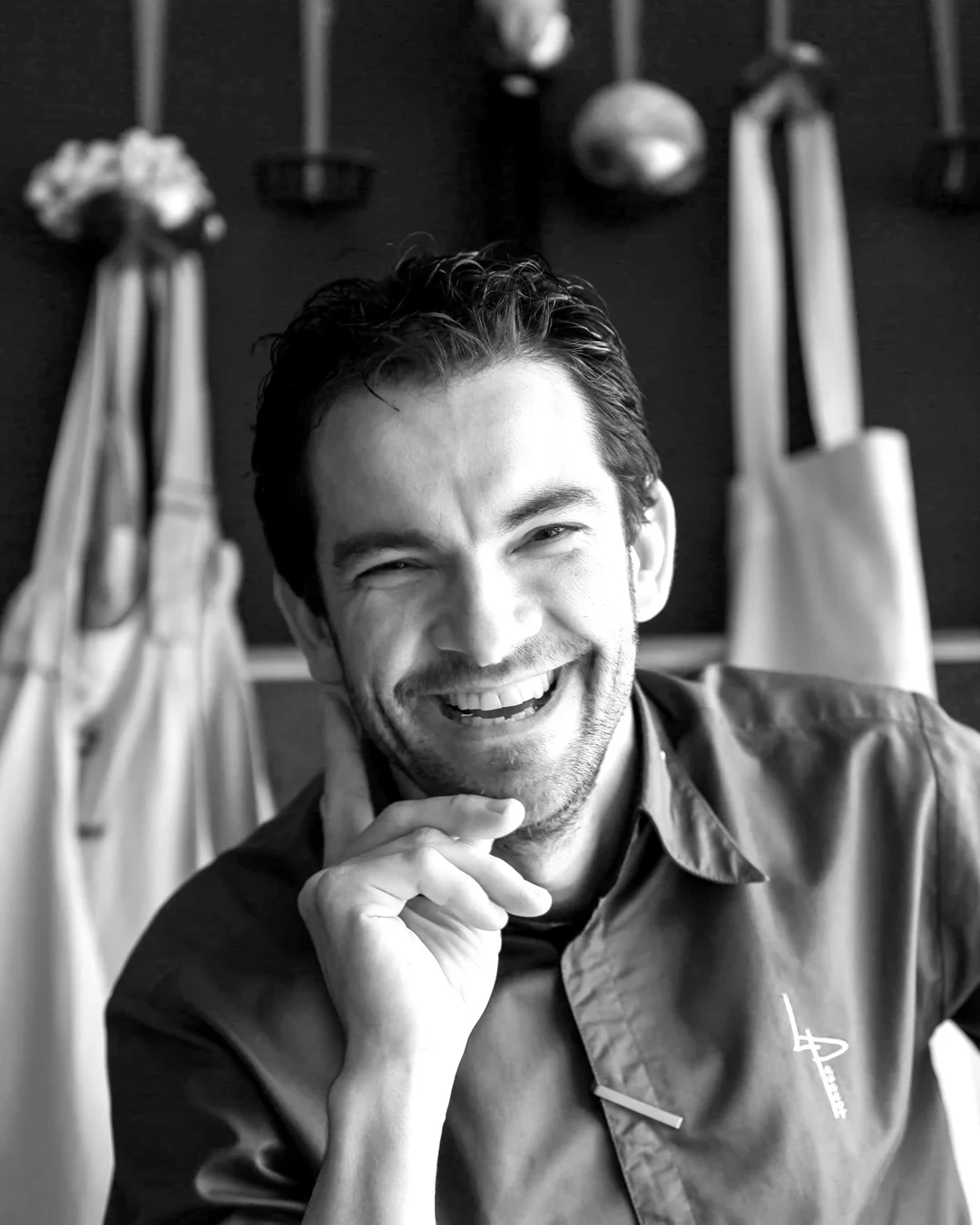
Made By profiles Rudy Villien (Chef) and Laurent Peugeot (Chef) at Le Charlemagne.
How expensive is Le Charlemagne?
Le Charlemagne is listed at a price level of $$$$.
Where is Le Charlemagne and what does it serve?
Le Charlemagne is in Pernand-Vergelesses, Pernand-Vergelesses, serving Modern French-Asian Fusion Fine Dining.
The field
How it compares
| Place | Awards | Cuisine | Notes |
|---|---|---|---|
| Le Charlemagne | Michelin 1 Star | Modern French-Asian Fusion Fine Dining | Pernand-Vergelesses, $$$$ |
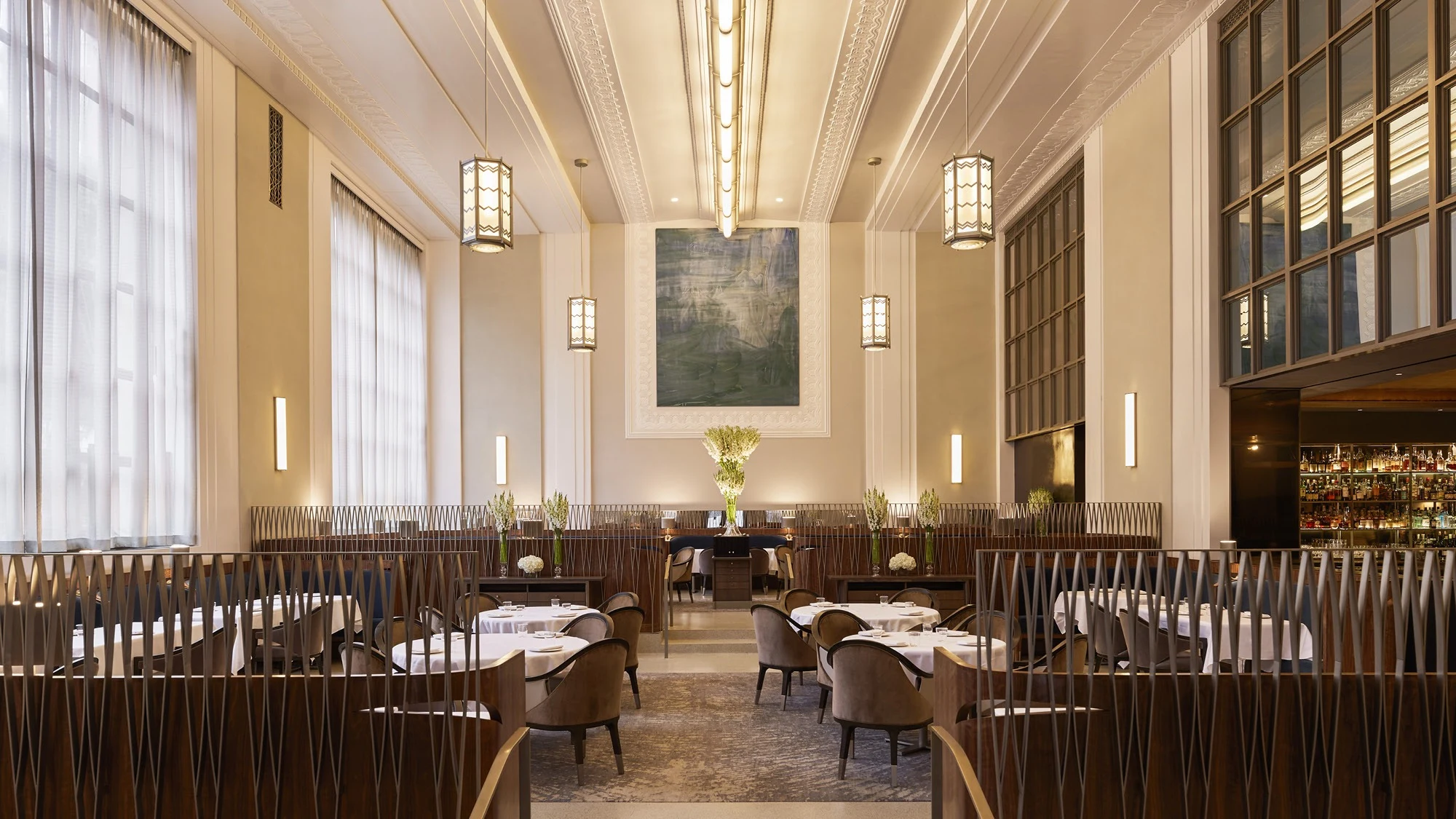
| Arpège | Michelin 3 Stars, World's 50 Best | Vegetable-Focused French Fine Dining | Paris |
| Eleven Madison Park | Michelin 3 Stars, World's 50 Best | Contemporary Plant-Based Fine Dining | New York City |
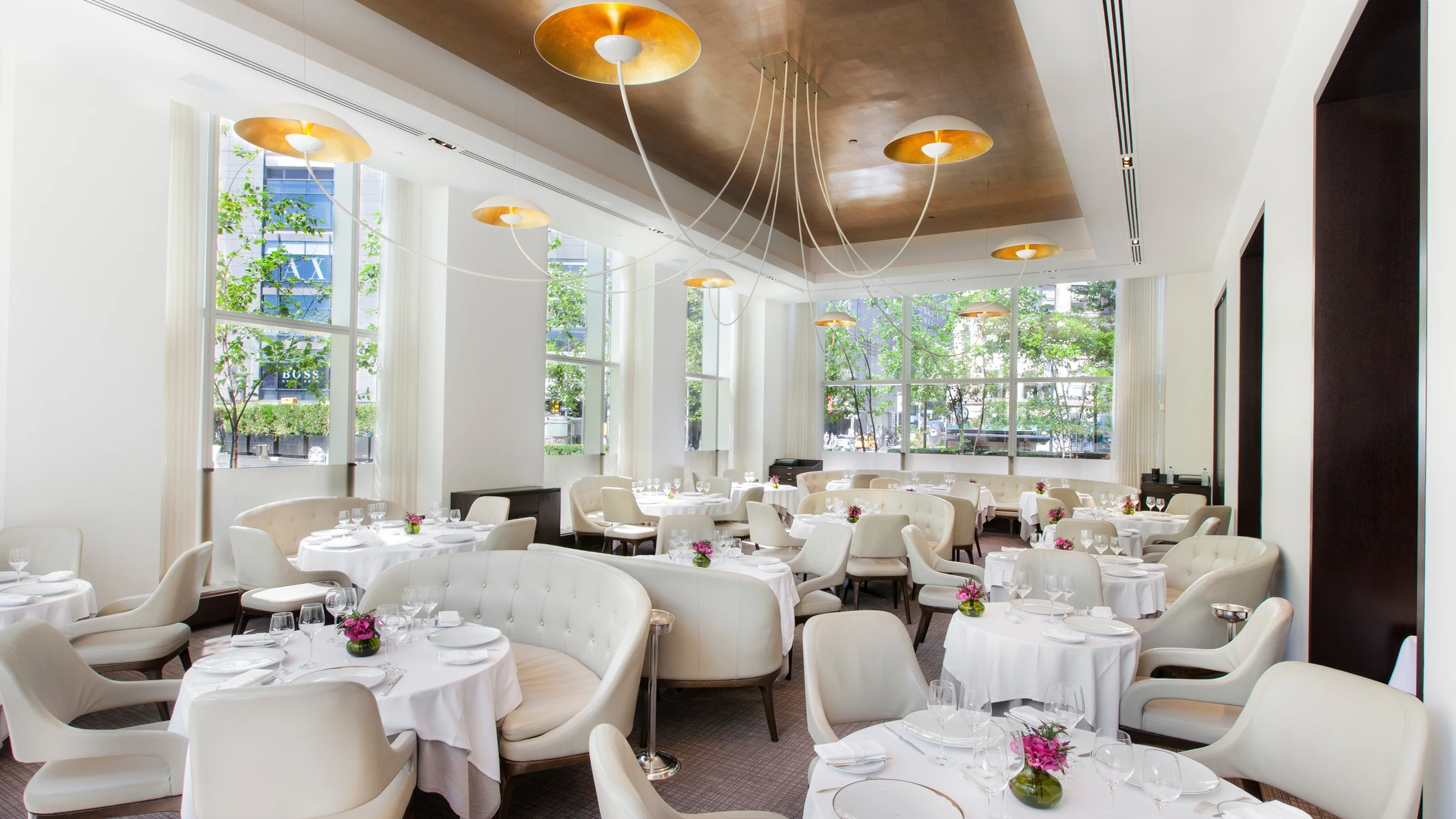
| Jean Georges | Michelin 2 Stars, World's 50 Best | Modern French-Asian Fusion Fine Dining | New York City |
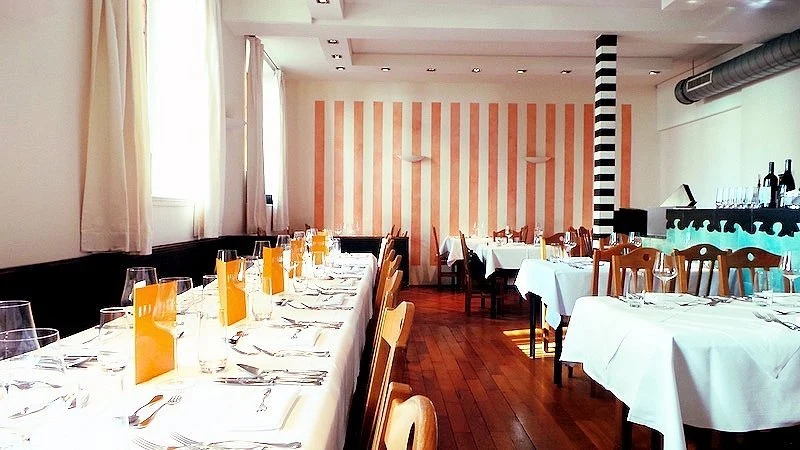
| KOMU | Michelin 2 Stars | Modern French-Asian Fusion Fine Dining | Munich |
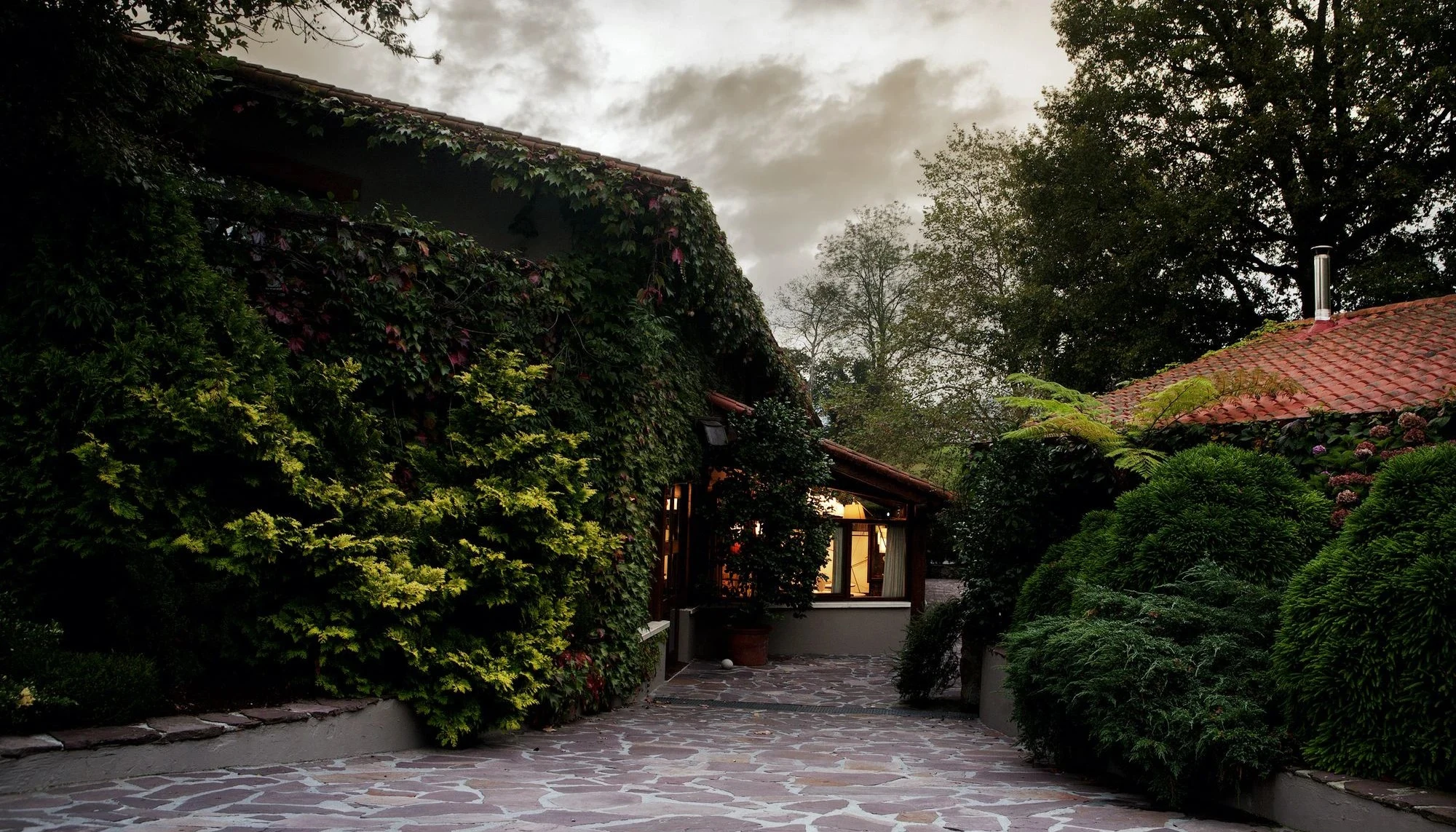
| Mugaritz | Michelin 2 Stars, World's 50 Best | Avant-Garde Basque Fine Dining | Errenteria |
| Woven by Adam Smith | Michelin 1 Star | Modern British Fine Dining | Ascot |
In residence
Similar places
Vegetable-Focused French Fine Dining
Arpège
Paris, France
★★★ · 50 Best
Contemporary Plant-Based Fine Dining
Eleven Madison Park
New York City, United States
★★★ · 50 Best
Modern French-Asian Fusion Fine Dining
Jean Georges
New York City, United States
★★ · 50 Best
Modern French-Asian Fusion Fine Dining
KOMU
Munich, Germany
★★
Avant-Garde Basque Fine Dining
Mugaritz
Errenteria, Spain
★★ · 50 Best
Modern British Fine Dining
Woven by Adam Smith
Ascot, United Kingdom
★
The Sunday letter
Get the next Made By story in your inbox.
We send one email every Sunday morning with the places and people we covered that week.
See a sample of the Sunday emailOne email a week. Unsubscribe from any issue.