Made ByRestaurant
Le Chocolat Alain Ducasse
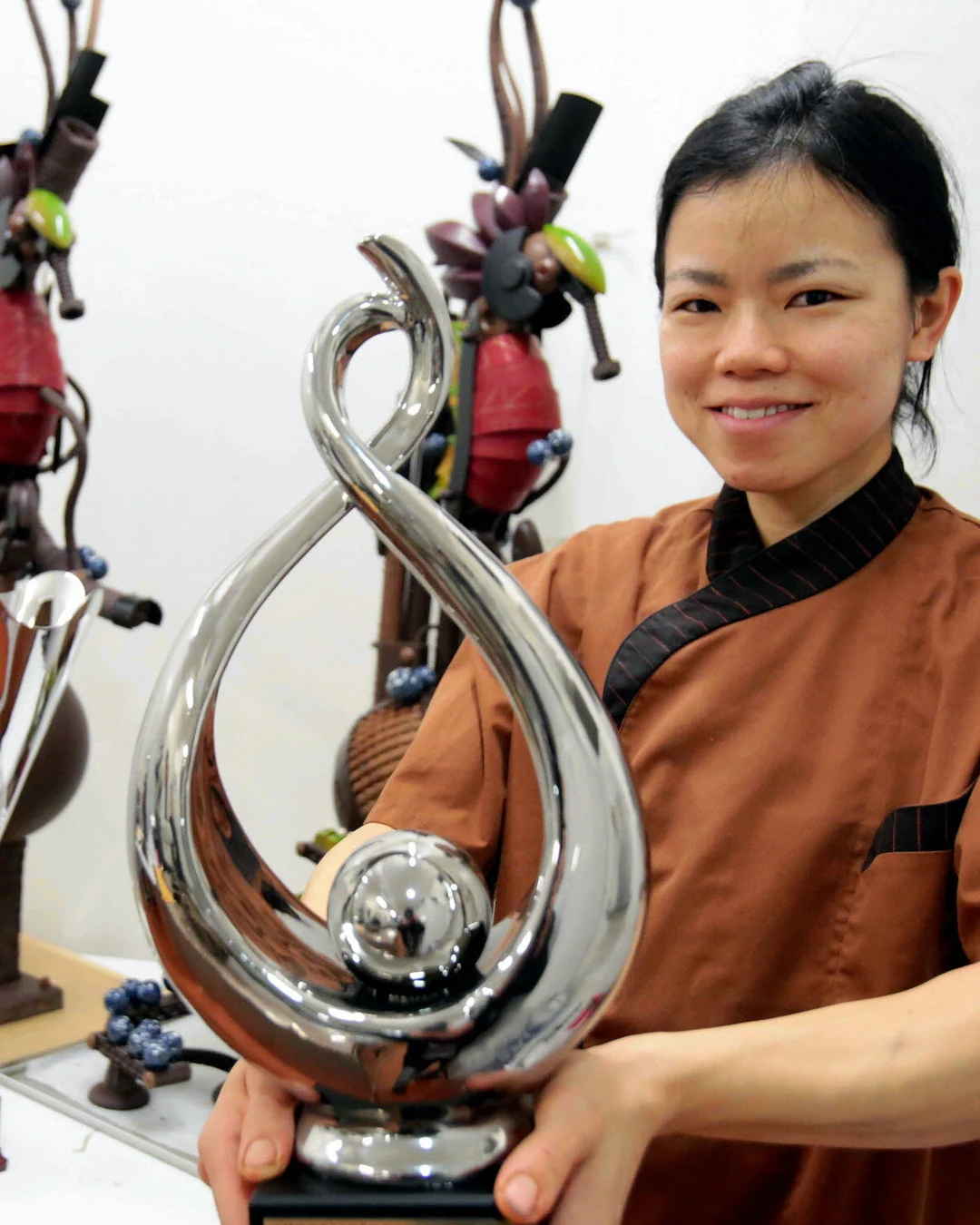
Chef in Residence
Haruka Atsuji
Pastry Chef
- 01CuisineChocolatier
- 02CityTokyo, Japan
Haruka Atsuji, pastry chef at Le Chocolat Alain Ducasse in Tokyo, keeps chocolate production tied to timing, texture, and temperature.
At a glance
- Cuisine
- Chocolatier
Timing held at the chocolate bench
Haruka Atsuji holds timing, texture, and temperature as pastry chef at Le Chocolat Alain Ducasse in Tokyo, where chocolate asks for the same decision more than once. The material changes with small shifts in process; the task is to keep the gesture steady enough that the finished piece carries the house line rather than the mood of a single batch. Atsuji’s formation began at École CP de Kobe, a technical base in precision, sequence, and controlled handling before pastry and chocolate became the center of the work.
Since 2021, Atsuji has served as Responsable de production for Le Chocolat Alain Ducasse, a role tied to production discipline as much as individual finish. The title belongs to the house’s production structure, where standards have to survive repetition: appearance, break, finish, and the reliability of work made again. At the Tokyo address in Nihonbashi, that discipline reads through a manufacture, boutique, and dessert salon rather than through a single plated service. The bench is still the measure. The hand has to know when to intervene and when to leave the chocolate alone.
Single origins under repeatable control
The Tokyo house works in the language of French chocolate, with cacao beans selected from different origins and made into bonbons, tablets, baked goods, and seasonal pieces. The point is not variety for its own sake; origin only matters if the method lets it remain legible. In this craft, repeatable control is not a factory word. It is how a ganache holds, how a shell breaks, how a tablet finishes cleanly, and how a dessert keeps its line between the bench and the salon.
Atsuji’s competition record sits beside that production habit without replacing it. She has worked within the public pressure of pastry competition, including second place with Team France at Coupe du Monde de la Pâtisserie in 2025, winner with Team France in the European selection in 2024, and winner in the French selection with Jérémy Massing and Mickaël Guyader in 2023. Those rooms test composure, teamwork, and execution under time. Production tests the same qualities more quietly, day after day, when the batch is not allowed to drift.
The salon above the making
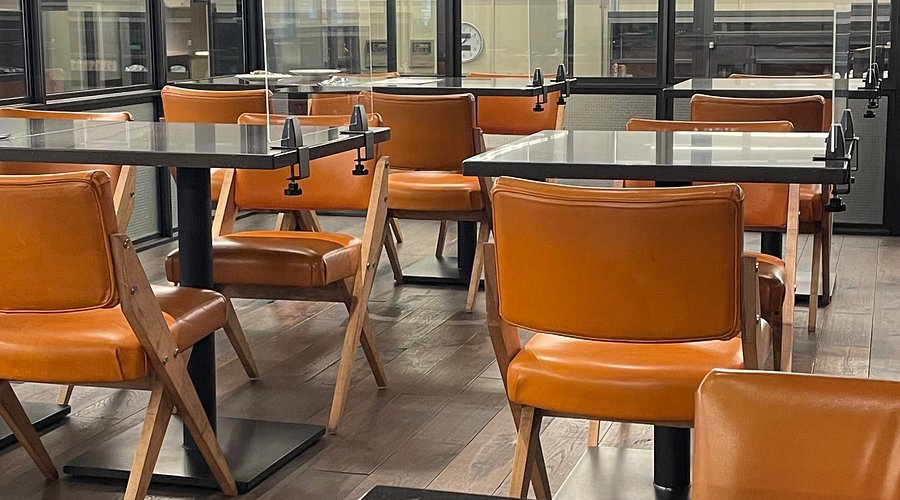
Wood, brick, glass, and cast iron give the Nihonbashi room an industrial register without turning the manufacture into theater. The boutique works at street level; above it, the mezzanine salon lets guests sit close enough to register the making rather than only the finished box. The counter carries bonbons and tablets, but the room’s better lesson is spatial: chocolate here belongs to a process before it belongs to a case.
The dessert salon gives that process a second tempo. A chocolate mousse, a millefeuille, a brioche au chocolat toast, or a seasonal Granité Chocolat Fruits Rouges asks the same base material to behave differently, as structure, cream, cold texture, or crumb. Atsuji’s work is not explained by one signature plate. It is held in the repeated control that lets the Nihonbashi Salon move from tablet to Granité Chocolat Fruits Rouges.
Address
Mettoraifuseimeihoken Kigaishatokyohigashishisha, Japan, 〒103-0023 Tokyo, Chuo City, Nihonbashihoncho, 1 Chome−1−1 METLIFE日本橋本町ビル, Tokyo, Kantō, Japan
In residence
Similar places
French
Sézanne
Tokyo, Japan
★★★ · 50 Best
Modern Chinese Fine Dining
Sazenka
Tokyo, Japan
★★★ · 50 Best
Modern Japanese Satoyama Fine Dining
Narisawa
Tokyo, Japan
★★ · 50 Best
Modern French-Japanese Plant-Based Fine Dining
Florilège
Tokyo, Japan
★★ · 50 Best
Modern Japanese Kaiseki
Den
Tokyo, Japan
★★ · 50 Best
Modern French Fine Dining
Quintessence
Tokyo, Japan
★★★