Made ByRestaurant
Le Saint Sébastien

Chef in Residence
Rob Mendoza
Chef
- 01CuisineModern French Bistro with Natural Wine Focus
- 02CityParis, France
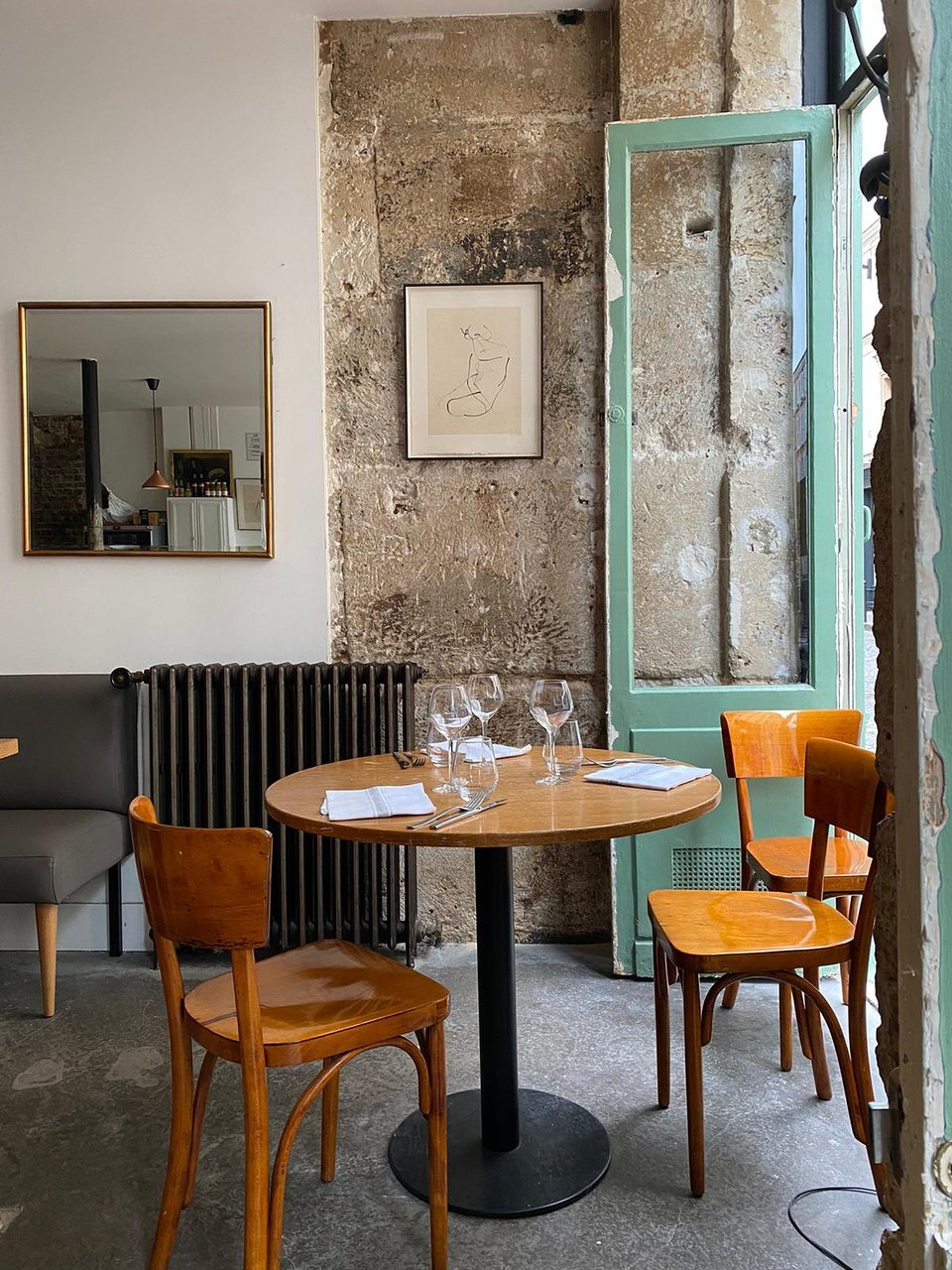
A neo-bistro operating between République and Bastille in Paris's 11th arrondissement, Le Saint Sébastien has built its reputation on a wine-forward approach that earns consistent Opinionated About Dining recognition, ranking 320th in Europe in 2024. Chef Rob Mendoza runs an evening-only kitchen where the cellar frequently leads the conversation, drawing a crowd that knows the difference between a list and a collection.
At a glance
- Cuisine
- Modern French Bistro with Natural Wine Focus
- Price
- $$$$
- Per person
- $95
- Hours
- Mon: 6:30–11 PM; Tue: 6:30–11 PM; Wed: 6:30–11 PM; Thu: 6:30–11 PM; Fri: 6:30–11 PM; Sat: 6:30–11 PM; Sun: Closed
- Neighborhood
- 11th Arrondissement (Marais)
- Rating
- 4.6 (417)
<section><h2>The 11th After Dark</h2><p>Rue Saint-Sébastien sits in one of those mid-block stretches of the 11th arrondissement where the street narrows enough that you register the restaurant before you consciously look for it: a lit interior, the low hum of conversation, the kind of density that reads as full without being frantic. The neighbourhood between République and Bastille has been the engine of Paris's neo-bistro movement for the better part of a decade, producing more influential casual kitchens per postal code than anywhere else in the city. Le Saint Sébastien arrived into that context and made a specific argument: that the wine list can be the lead instrument rather than the supporting act.</p><p>That argument is now well-established. Three consecutive years of Opinionated About Dining recognition, moving from Highly Recommended in 2023 to a ranked position of 320th in Europe in 2024 and 354th in 2025, confirm the kind of sustained consistency that is harder to maintain than to achieve the first time. A Google score of 4.6 across 417 reviews suggests the audience broadened without the quality diluting.</p></section><section><h2>What the Neo-Bistro Format Does in Paris</h2><p>The neo-bistro category in Paris is more specific than it appears from the outside. It is not simply a casual restaurant with good cooking. At its tightest definition, it means a short, market-led menu that changes frequently, a room that seats somewhere between twenty and fifty covers, a natural or low-intervention wine list that costs the operator real effort to assemble, and a price point that sits below the starred bracket while demanding the same quality of attention from the kitchen. Venues like <a href="https://www.enprimeurclub.com/restaurants/clown-bar-paris-restaurant">Clown Bar</a> and <a href="https://www.enprimeurclub.com/restaurants/les-enfants-du-marche-paris-restaurant">Les Enfants du Marché</a> occupy related positions in the same ecosystem, each with a distinct identity but operating under shared category logic.</p><p>Where Le Saint Sébastien diverges from the standard model is in the weight it places on the cellar. Most neo-bistros treat the wine list as a complement; here it functions as a destination in itself. The OAD recognition, a ranking system that polls professional eaters and critics rather than awarding stars, tends to reward precisely this kind of program: technically serious, editorially distinctive, and not reliant on the scaffolding of formal dining to make the case for its value.</p><p>For comparison, the tier above this in Paris, represented by <a href="https://www.enprimeurclub.com/restaurants/alleno-paris-au-pavillon-ledoyen-paris-restaurant">Alléno Paris au Pavillon Ledoyen</a>, <a href="https://www.enprimeurclub.com/restaurants/arpege-paris-restaurant">Arpège</a>, and <a href="https://www.enprimeurclub.com/restaurants/kei-paris-restaurant">Kei</a>, operates at €€€€ price points inside rooms designed to signal occasion. Le Saint Sébastien functions in a different register entirely, one where the spending is directed at what is in the glass and on the plate rather than at the architecture of the dining experience.</p></section><section><h2>The Sensory Register of the Room</h2><p>The atmospheric character of neo-bistros in this part of Paris tends toward a specific set of sensory conditions: tiled floors that carry sound upward, close tables, handwritten or chalk-board menus that change nightly, and a kitchen either open to the room or separated by only a pass. The effect is that you hear cooking as a background texture rather than as theatre. The smell of the room shifts during service as courses move from raw preparations through hot plates. Conversation at the next table is audible but not intrusive; the room's acoustic properties are as much a part of the experience as anything printed on the menu.</p><p>Chef Rob Mendoza runs the kitchen through an evening-only schedule, with service from 6:30 to 11 pm Monday through Saturday. The dinner-only format concentrates all creative energy into a single sitting structure rather than splitting the kitchen across lunch and dinner service. For diners, that means a kitchen working at full attention from the start of service rather than conserving for a second peak.</p></section><section><h2>The Wine Argument</h2><p>The wine list at Le Saint Sébastien is the most-cited aspect of the restaurant in critical circles, and the OAD framing of the venue as a Paris wine destination carries specific weight. OAD's casual Europe list is built by a voting body of serious eaters, many of them restaurant professionals themselves. To appear on that list, and to improve rank across three consecutive years, requires the kind of wine program that the trade notices.</p><p>In practical terms, that means depth in natural and low-intervention producers, likely spanning French regions but with international reach, and a by-the-glass selection that allows meaningful exploration without committing to full bottles. The leading casual wine programs in Paris share a structural quality: they teach you something about what you are drinking rather than simply offering it. Whether Le Saint Sébastien's list achieves that at the pedagogical end or the purely pleasurable end, the recognition signals it operates at a level above the casual-restaurant norm.</p><p>The neo-bistro wine culture here runs parallel to what has emerged in other European cities. <a href="https://www.enprimeurclub.com/restaurants/barred-rome-restaurant">Barred in Rome</a> occupies a similar position in its own market, and <a href="https://www.enprimeurclub.com/restaurants/andr-histoires-de-cuisine-valence-restaurant">André in Valence</a> demonstrates that the neo-bistro sensibility extends well beyond Paris into the French regions. The format's logic holds across geography, though the wine focus at Le Saint Sébastien is more pronounced than at most peers.</p></section><section><h2>Where It Sits in the Broader French Table</h2><p>France's restaurant hierarchy runs a long range, from the generational institutions like <a href="https://www.enprimeurclub.com/restaurants/paul-bocuse-lauberge-du-pont-de-collonges-collonges-au-mont-dor-restaurant">Paul Bocuse's Auberge du Pont de Collonges</a> and <a href="https://www.enprimeurclub.com/restaurants/auberge-de-lill-illhaeusern-restaurant">Auberge de l'Ill in Illhaeusern</a> through the three-star altitude of <a href="https://www.enprimeurclub.com/restaurants/mirazur-menton-restaurant">Mirazur in Menton</a>, <a href="https://www.enprimeurclub.com/restaurants/troisgros-le-bois-sans-feuilles-ouches-restaurant">Troisgros in Ouches</a>, and <a href="https://www.enprimeurclub.com/restaurants/flocons-de-sel-megeve-restaurant">Flocons de Sel in Megève</a>, down to the neighbourhood bistro tier that has defined French eating culture for a century. The neo-bistro occupied a gap in that hierarchy, offering cooking that could compete with formal restaurants on quality while refusing their pricing and ritual.</p><p>Le Saint Sébastien sits comfortably in that gap and has earned the kind of trade recognition that positions it as a reference point rather than a discovery. The OAD ranking, the wine destination framing, and the dinner-only schedule all indicate a kitchen and cellar operating with genuine ambition inside a deliberately informal structure.</p></section><section><h2>Planning Your Visit</h2><p>Le Saint Sébastien operates Monday through Saturday evenings, with Sunday closed. The address is 42 Rue Saint-Sébastien in the 11th arrondissement. The dinner window runs 6:30 to 11 pm. Given the OAD profile and the wine-destination reputation, booking in advance is the practical choice. The dress code is smart casual.</p><p></p><p>Quick reference: 42 Rue Saint-Sébastien, 75011 Paris. Dinner only, Tuesday–Saturday, 6:30 to 11 pm. Closed Sunday and Monday. Google rating 4.6 (417 reviews). OAD Casual Europe Ranked #320 (2024), #354 (2025).</p></section><section>
Know before you go
- Dress code
- smart_casual
- Reservations
- recommended
- Parking
- street
- Payment
- credit_card, debit_card, contactless
- Groups
- Welcomed
Frequently asked
Who is the chef at Le Saint Sébastien?
The chef associated with Le Saint Sébastien is Rob Mendoza.
What do people recommend at Le Saint Sébastien?
The wine list draws the most consistent critical attention — Opinionated About Dining has ranked the venue as a Paris wine destination, placing it at #320 in 2024 and #354 in 2025 in its Casual Europe rankings. Given the neo-bistro format under chef Rob Mendoza, the food is designed to work alongside the list rather than compete with it, so the pairing experience is what regulars tend to return for. Arriving on a Tuesday through Saturday evening is your only window, as the restaurant closes Sunday and Monday.
What are Le Saint Sébastien's hours?
Hours at Le Saint Sébastien: Hours: Monday 6:30–11 pm Tuesday 6:30–11 pm Wednesday 6:30–11 pm Thursday 6:30–11 pm Friday 6:30–11 pm Saturday 6:30–11 pm Sunday Closed.
Address
42 Rue Saint-Sébastien, 75011 Paris, France
11th Arrondissement (Marais)
How it compares
- Notes
- 11th Arrondissement (Marais), Modern French Bistro with Natural Wine Focus
- Price
- $$$$
- Notes
- Saint-Germain-des-Prés, Modern French Caviar Fine Dining
- Price
- $$$$
L'Escargot 1903 par Yannick Tranchant
- Notes
- Les Halles, Classic French Bistro
- Price
- $$$$
- Notes
- 11th Arr. - Popincourt, Modern French Fine Dining
- Price
- $$$$
- Notes
- Saint-Germain-en-Laye, Modern French Fine Dining
- Price
- $$$$
- Notes
- 7e, Modern French Fine Dining
- Price
- $$$$
In residence
Similar places
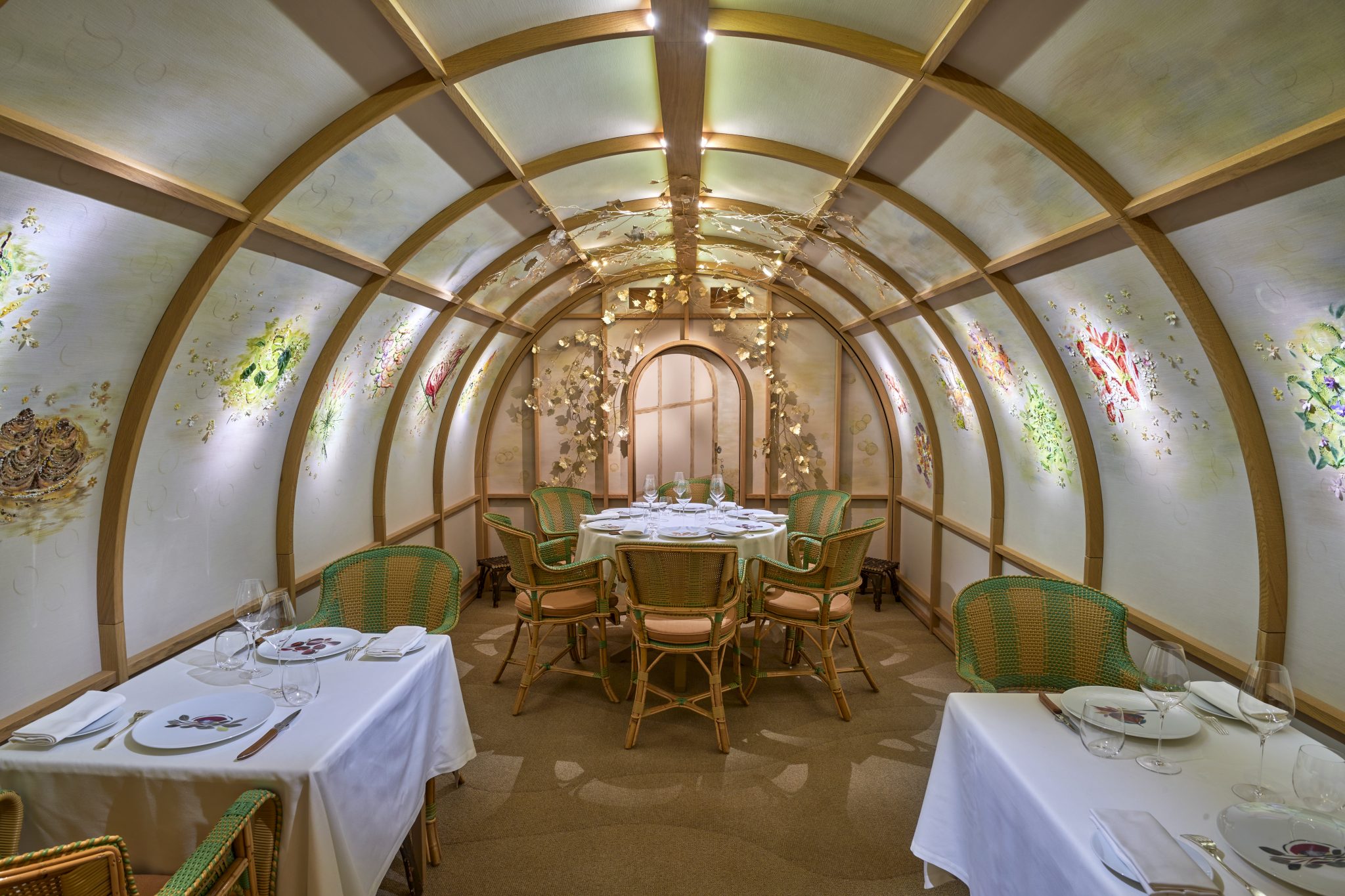
Vegetable-Focused French Fine Dining
Arpège
Paris, France
★★★ · 50 Best
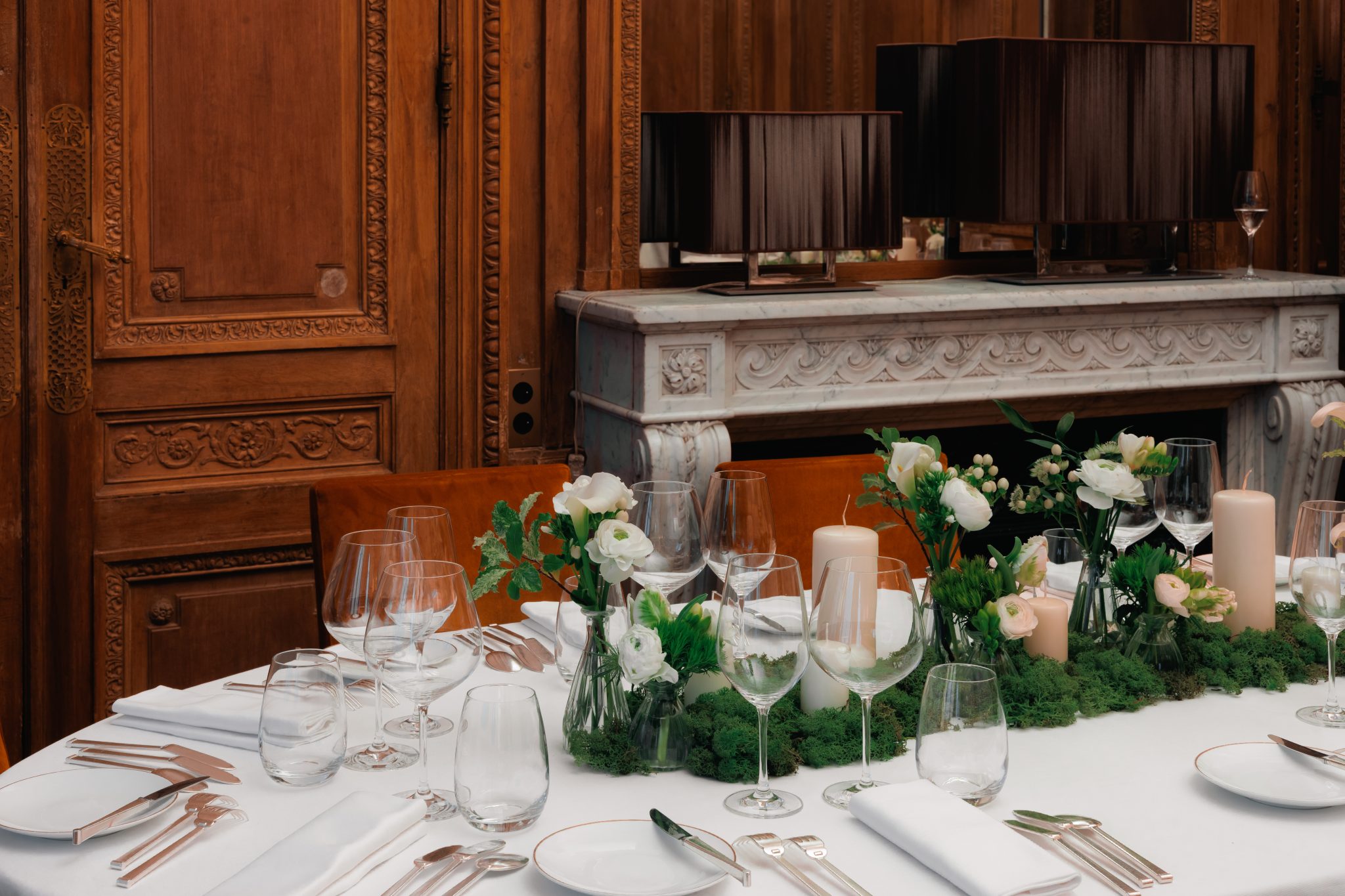
Classic and Modern French Fine Dining
Le Taillevent
Paris, France
★★ · 50 Best
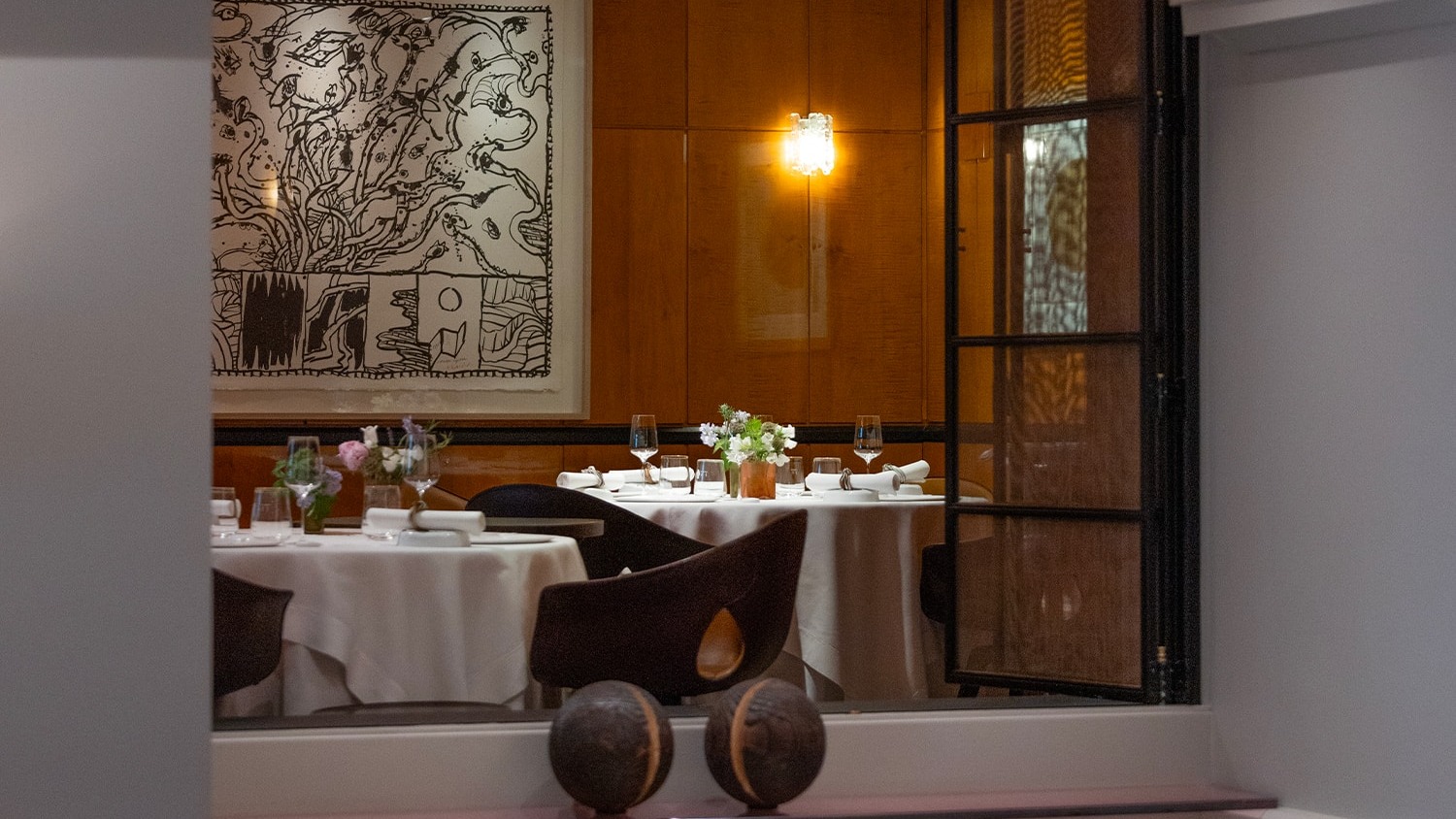
Avant-Garde French Fine Dining
Pierre Gagnaire
Paris, France
★★★ · 50 Best
Modern French Fine Dining
Le Cinq
Paris, France
★★★ · 50 Best
Contemporary French Fine Dining
Epicure
Paris, France
★★★
Classic French Fine Dining
Guy Savoy
Paris, France
★★ · 50 Best