Made ByRestaurant
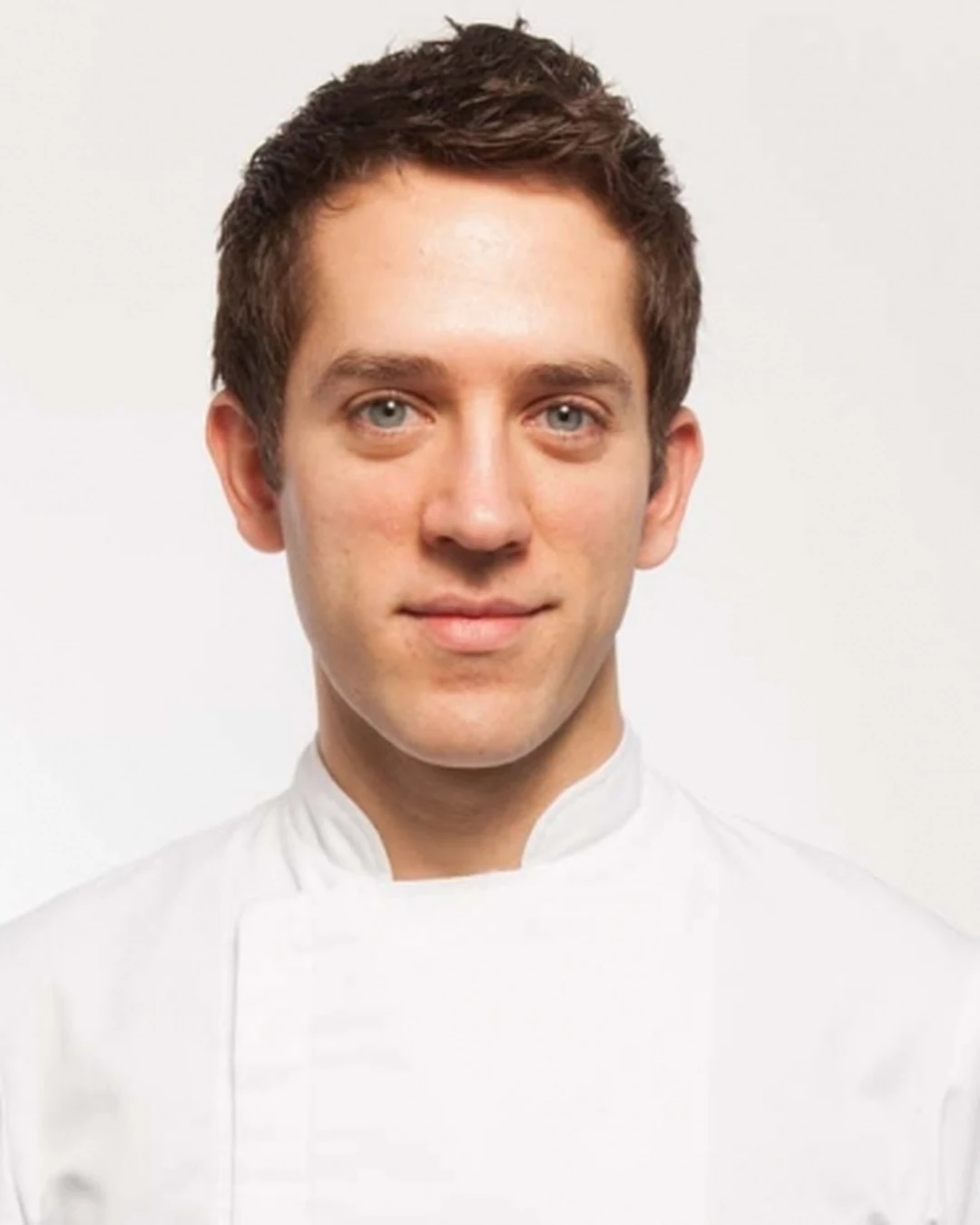
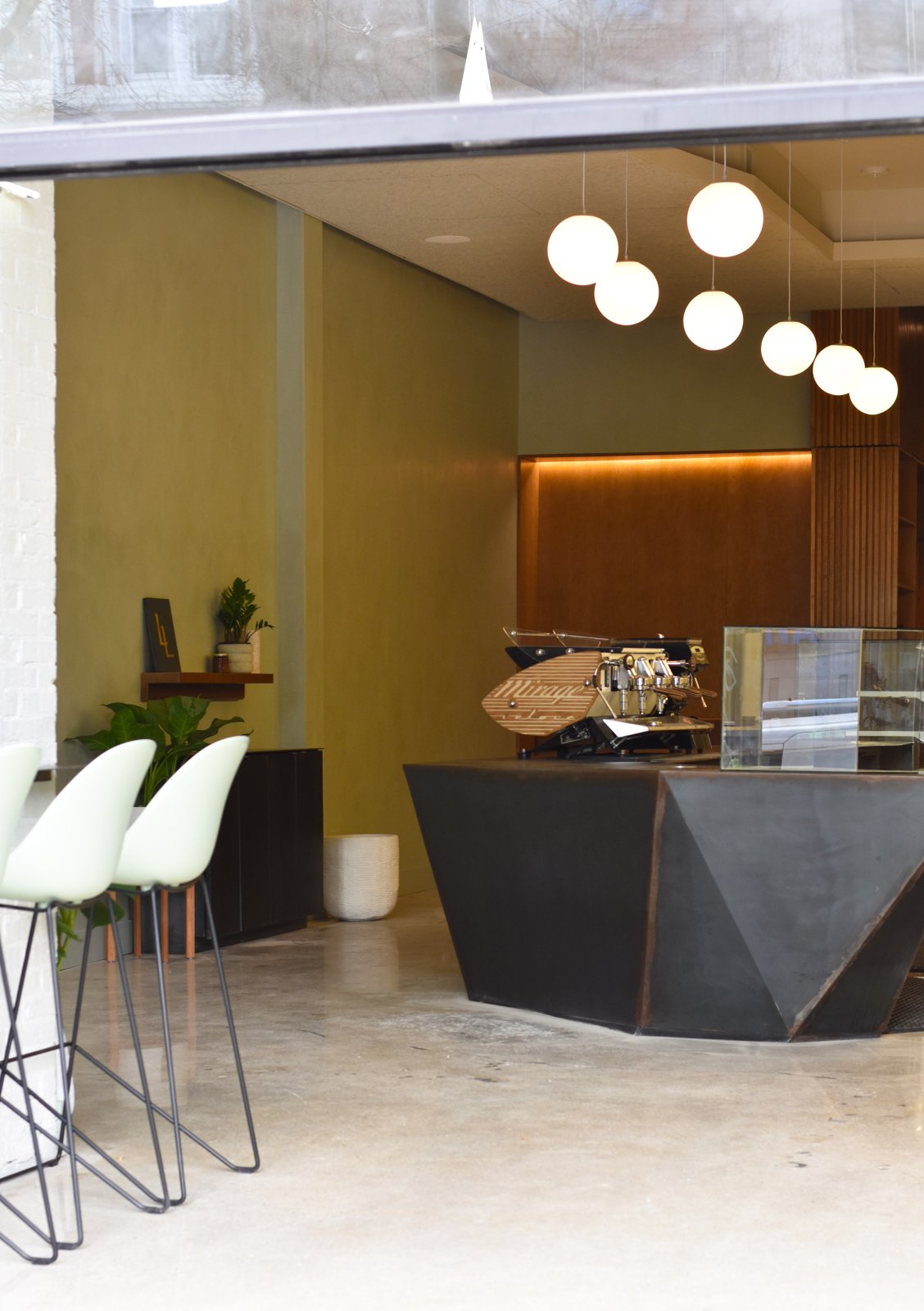
Bobby Schaffer, chef at Lost Larsen in Chicago, mills regional grain for Scandinavian breads, fika pastries, and a working bakery counter.
At a glance
- Cuisine
- Bakery
Flour first at the Andersonville bench
Fresh grain meets the mill before dough reaches the bench; Bobby Schaffer, chef at Lost Larsen in Chicago, keeps that raw material close to the counter. His path to this station runs through The Breadlab at Washington State University, where grain was treated as the beginning of the method rather than a neutral base. A year in Spain on a scholarship from the trade commission of Spain put that attention into daily bakery culture, followed by pastry work in a renowned bakery in Barcelona. He later led the pastry program at Blue Hill at Stone Barns and served as executive pastry chef at Grace, rooms where structure and finish had to hold under service. Since 2018, as executive chef and owner, he has brought that discipline into a bakery and cafe format in Andersonville, where the work repeats in public: milling, mixing, proof, bake, counter. The lineage here is not presented as nostalgia. It is handled through flour and bread, through Scandinavian forms developed with Bree during travel in Sweden, and through a Chicago neighborhood with visible Swedish American memory.
Regional grain, fika, and the daily proof
The bakery program begins with freshly milled regional whole grains. Lost Larsen keeps a mill on the premises, and whole-grain flours are milled in front of customers, so the sound of grain breaking is part of the room before any loaf or bun is shaped. Schaffer’s specialty is European-style breads, but the case does not split bread from pastry as separate disciplines. Limpa loaves, cardamom buns, smørrebrød, almond lingonberry cake, princess cake, cinnamon rolls, croissants, quiche, and danish all belong to a repertoire where flour carries the argument. Swedish fika gives the counter its social rhythm: coffee, something sweet, a pause that still depends on production accuracy. The cardamom bun is not only perfume and sugar; it asks for dough strength, spice distribution, proof, and a bake that leaves the crumb tender without losing the coil. Smørrebrød moves the same grain work into a savory register, using whole-grain bread as the base rather than the background.
The counter keeps the method visible
The room reads as a working bakery before it reads as a cafe. Natural light, a casual retro temper, and a counter full of finished work make the place feel open, but the more important openness is process. Customers can see flour handled near the point of sale; they can hear the mill, then meet the result as bread, bun, slice, or sandwich. Andersonville matters because the Swedish thread is not imported as decoration. It already has ground nearby, and Schaffer’s program uses that ground for daily practice rather than a museum case. The pass is the pastry case, and the bench sits close enough to the room that repetition becomes part of the atmosphere. A cardamom bun can leave with coffee; a princess cake can sit beside bread made from flour milled in the same house.
A bakery built as a working inheritance
Lost Larsen gives Schaffer’s earlier fine-dining pastry work a narrower and more public test: the same products must be made again, sold across the counter, and recognized by a neighborhood. The house carries outside recognition, including current and previous award notice, but its useful measure remains the grain program that customers encounter before the first bite. If the future here has a clear subject, it is not a new concept. It is the continued discipline of regional flour, Swedish fika, and the Chicago counter that holds the cardamom bun.
Address
5318 N Clark St, Chicago, IL 60640
In residence
Similar places
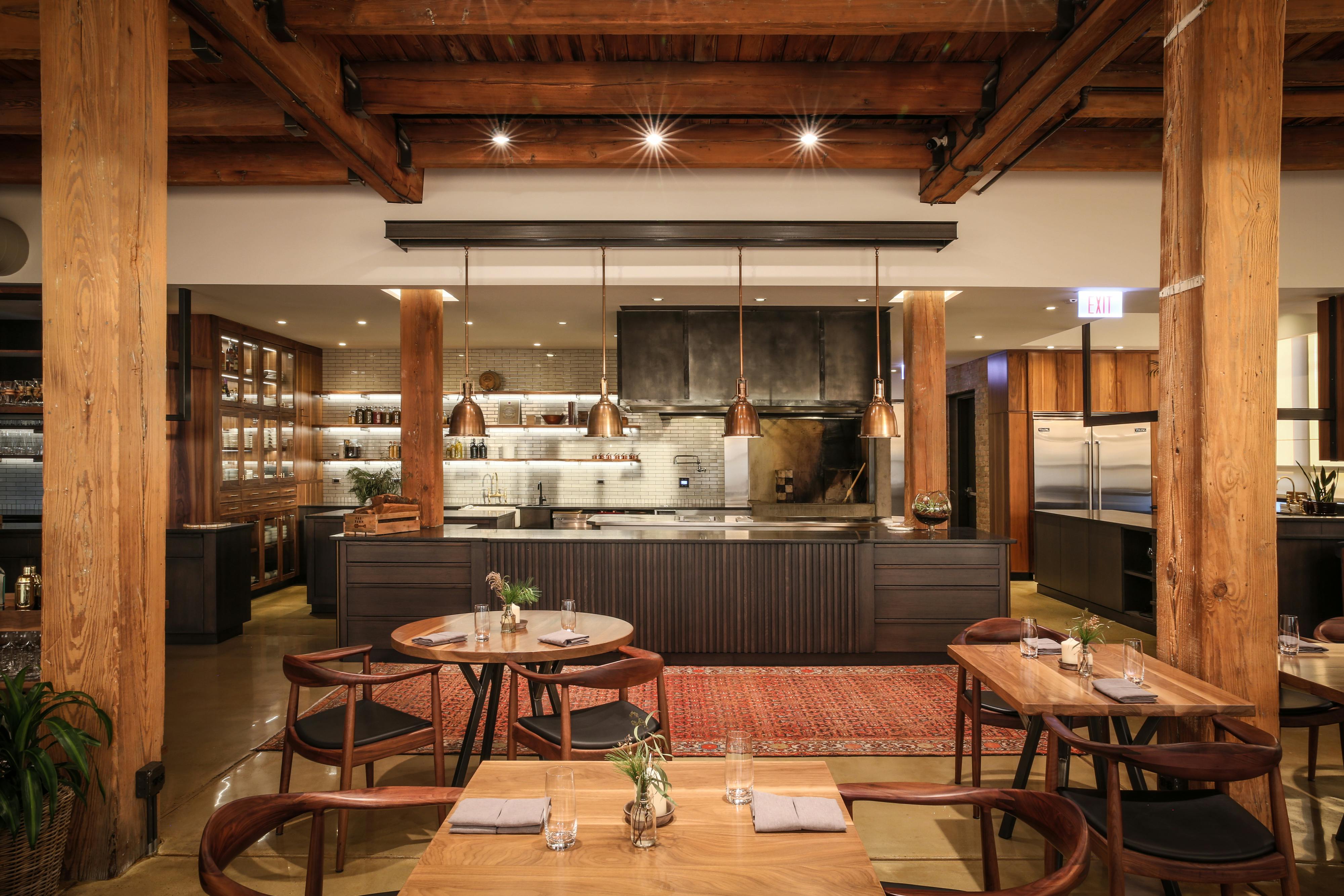
Modern American Tasting Menu
Smyth
Chicago, United States
★★★ · 50 Best
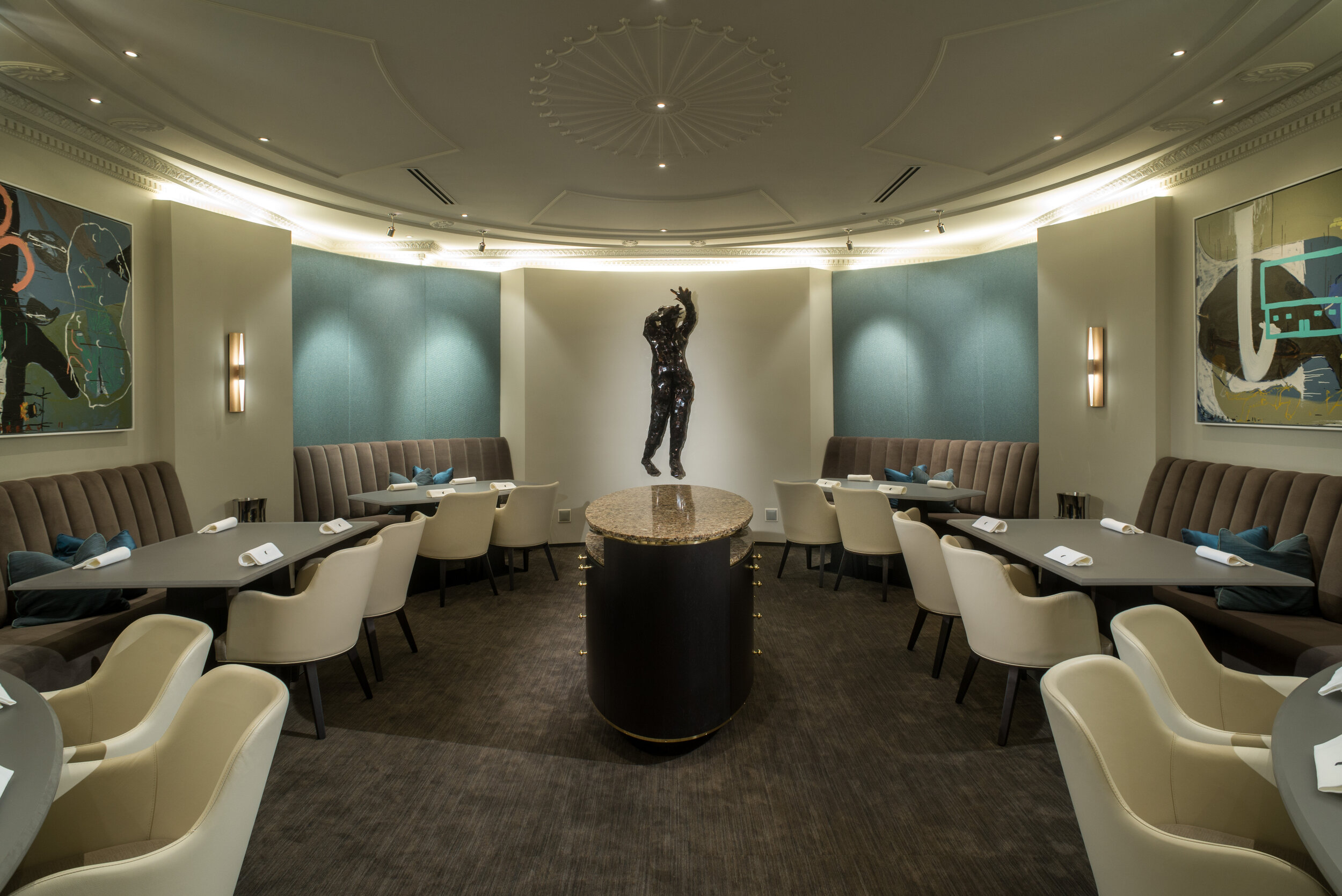
Avant-Garde Molecular Gastronomy
Alinea
Chicago, United States
★★★ · 50 Best
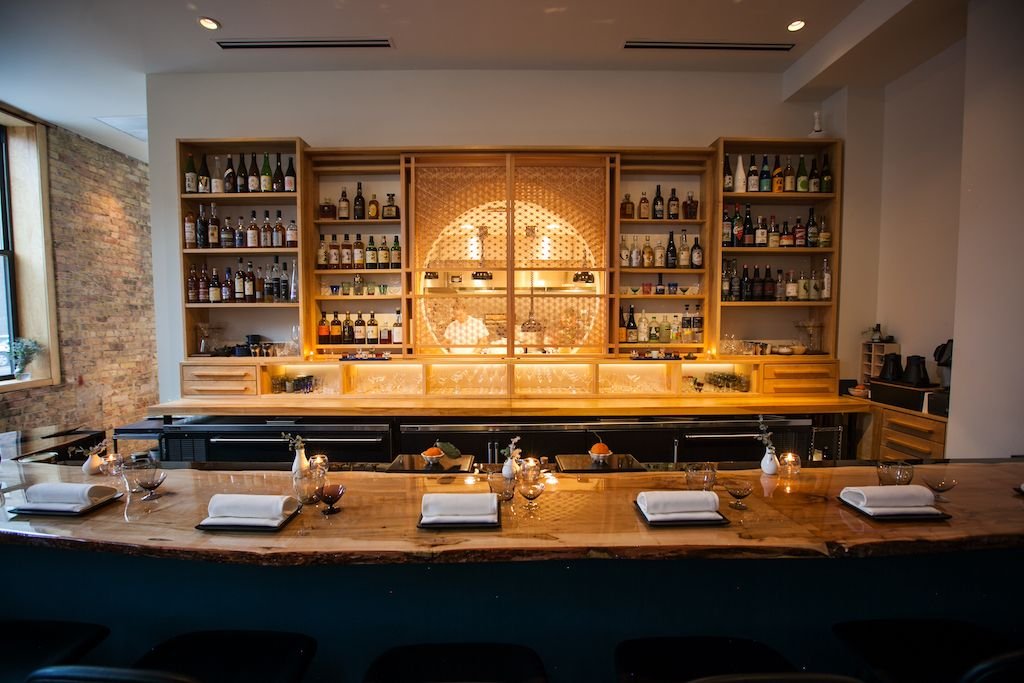
Japanese Dining Bar
Kumiko
Chicago, United States
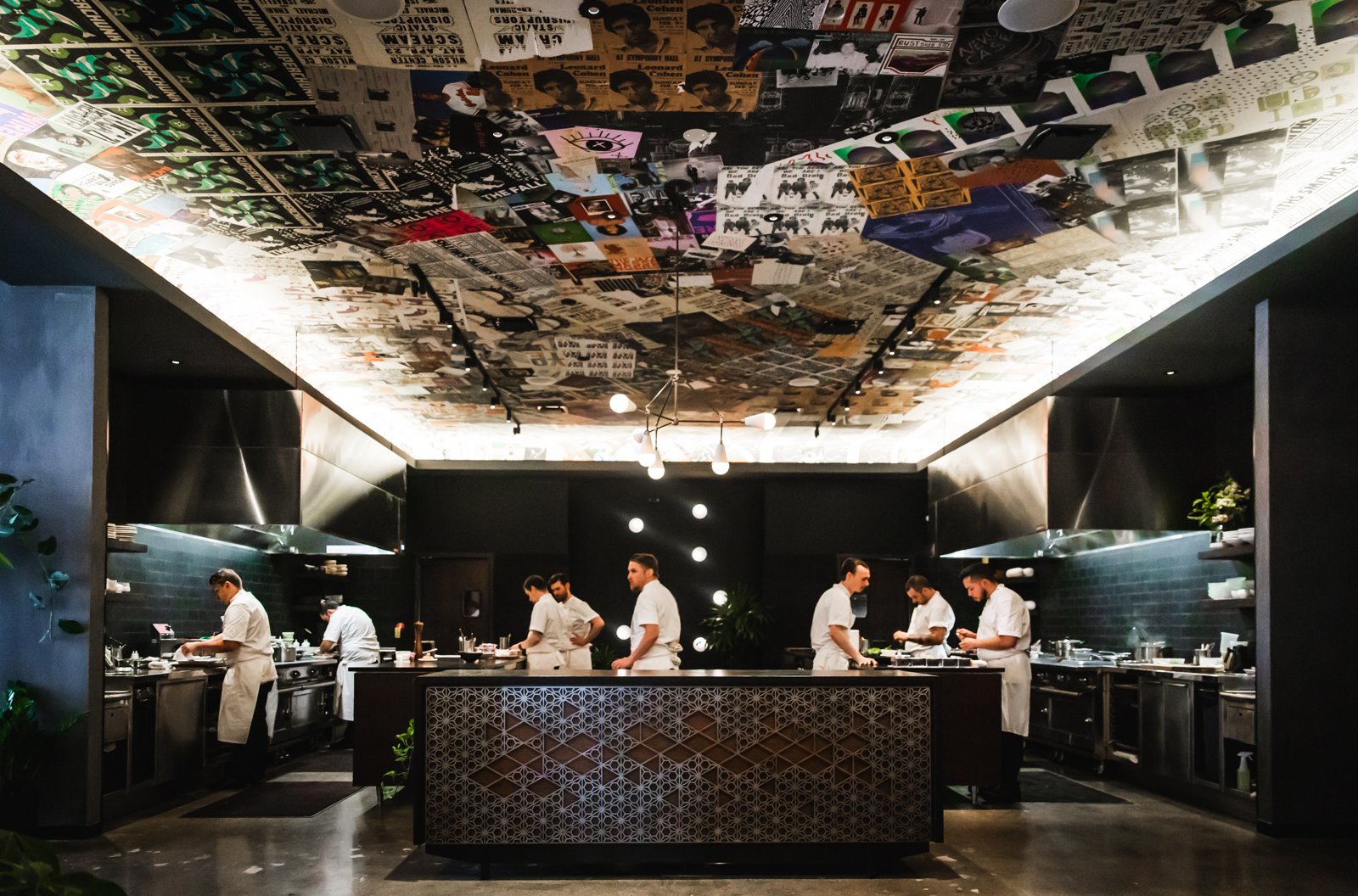
Modern French-Japanese Tasting Menu
Oriole
Chicago, United States
★★
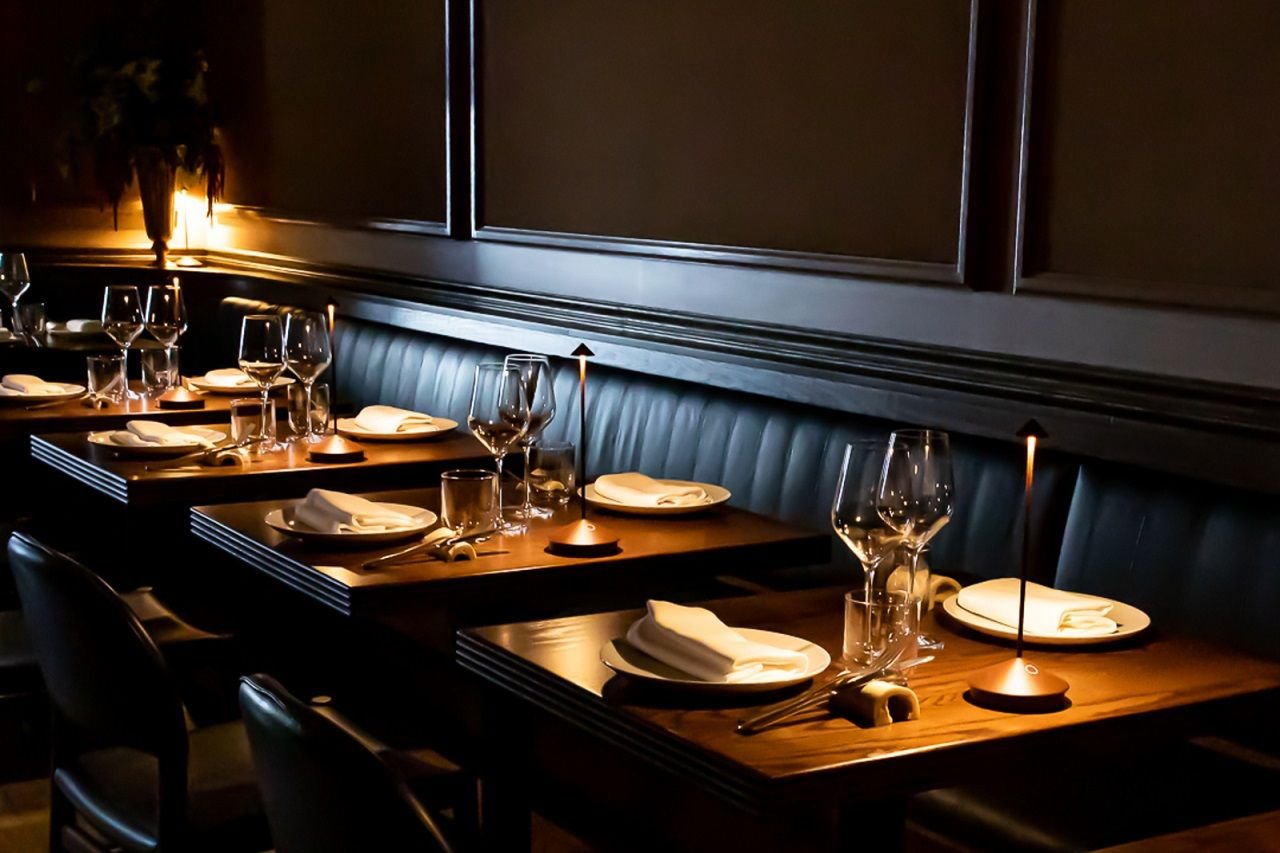
Basque-Inspired Steakhouse
Asador Bastian
Chicago, United States
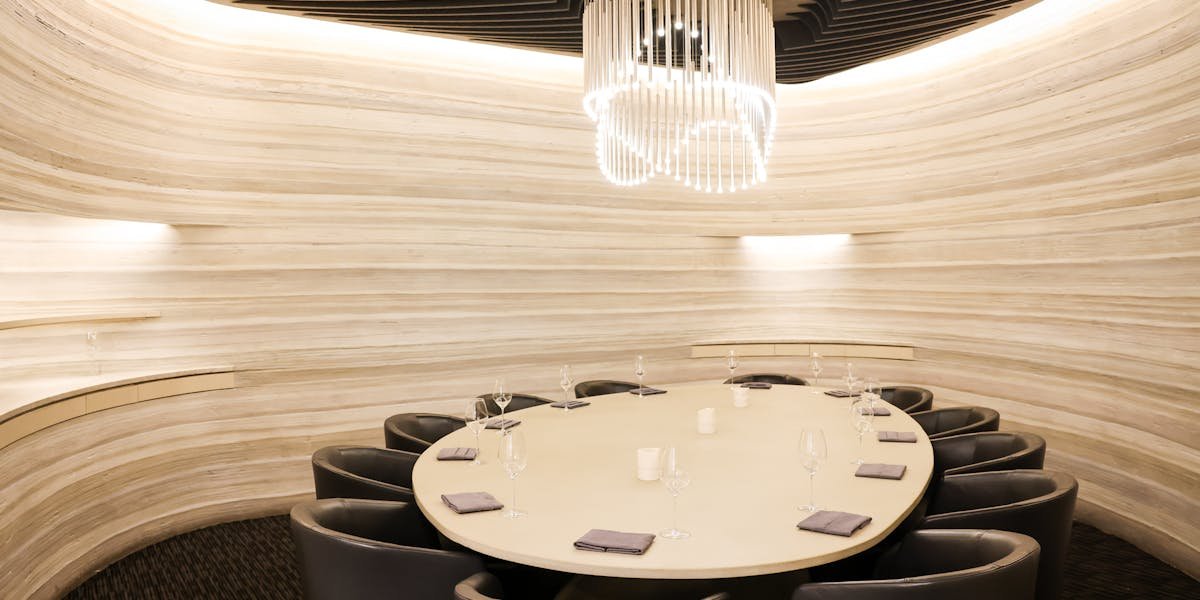
Modern American Fine Dining
Ever
Chicago, United States
★★