Mezcal Distillery
- 01CityOaxaca, Mexico
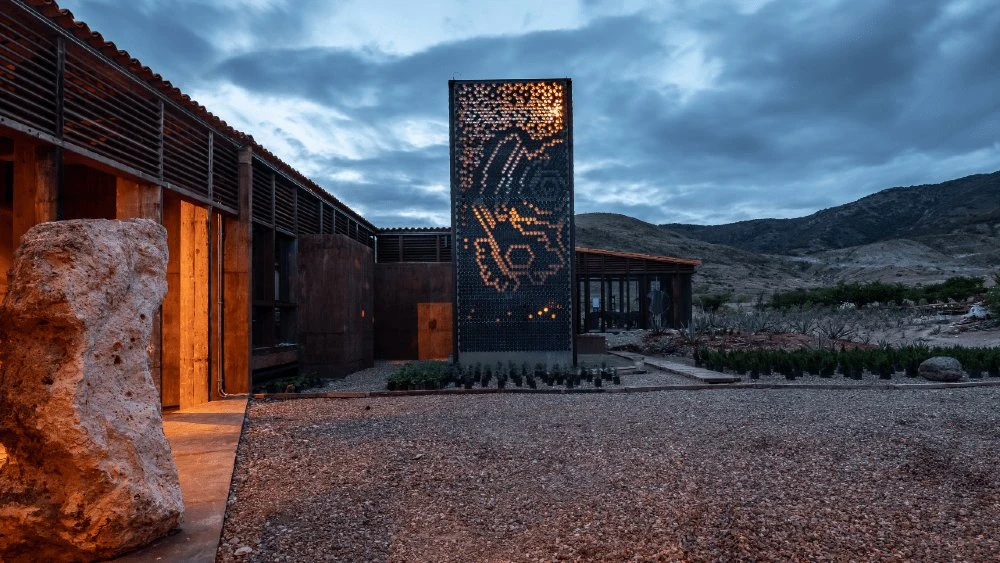
Where Mezcal Is Made, Not Just Poured
The smell arrives before anything else: roasted agave, wood smoke, and fermentation working at its own pace in open-air wooden vats. Oaxaca's mezcal distilleries operate at a remove from the city's restaurant circuit, and that distance is part of what makes them worth seeking out. Mezcal Distillery is a casual, appointment-only Mezcal Tasting Distillery in Oaxaca. While a meal at Levadura de Olla Restaurante or Los Danzantes Oaxaca gives you mezcal in a polished context, a distillery visit shows you what comes before the bottle, the earthen pit roast, the tahona stone grinding, the clay pot distillation that defines the most traditional expressions. Appointments are required, and the setting is casual.
Oaxaca produces more mezcal than any other Mexican state, and the range within that production is considerable. Espadin accounts for the majority of volume, but the state is also home to expressions from tobalá, tepeztate, cuishe, and other agave varieties that take between 12 and 25 years to reach maturity before harvest. That biological reality, a plant that lives longer than most careers before it becomes a spirit, shapes everything about how producers here work and think.
The Village Geography of Oaxacan Mezcal
Understanding Oaxacan mezcal requires a working knowledge of its village geography. The area around Santiago Matatlán, roughly 45 kilometres southeast of Oaxaca city, is the highest-density production zone and calls itself the world capital of mezcal, a claim backed by the concentration of certified palenques operating there. San Luis del Rio, higher into the sierra, is associated with the clay-pot distillers and the most mineral, smoke-forward styles. Santa Catarina Minas is linked to a specific subtype: mezcal de pechuga, distilled with raw protein suspended in the still during a third pass.
This village-level specificity is increasingly legible to international buyers, particularly after mezcal's Denomination of Origin expanded its certified zone and global export volumes climbed sharply through the 2010s and early 2020s. Visitors who arrive having read the labels in their home-city bottle shops will find they have enough context to ask the questions that matter: which agave, which village, which distillation method, which maestro.
How a Distillery Visit Fits Into an Oaxaca Itinerary
Most working distilleries in the Oaxacan valleys receive visitors, though the format varies significantly. Some are effectively small tasting rooms with scheduled visits and guided explanations; others are family operations where a tour is informal and arranged on arrival. The more structured experiences tend to be concentrated along the road between Oaxaca city and Tlacolula, convenient for visitors who are also moving through the central valley's archaeological and market circuit.
The practical arrangement is worth thinking through in advance. A hired driver or organised tour gives you access to producers further into the sierra and removes the problem of tasting while driving on mountain roads. Dedicated mezcal tour operators based in Oaxaca city book visits across multiple price tiers and production styles, and some include lunch at a palenque, which is a more grounded version of what restaurants like Adamá or Aguacate Oaxaca do in the city centre. Morning visits are generally preferable: production activity is more visible, and the heat of the afternoon can make extended tasting sessions less comfortable.
For travellers whose Mexico trip extends beyond Oaxaca, the contrast with other regional drinking cultures is instructive. The wine-forward approach at Animalón in Valle de Guadalupe or the coastal fish emphasis at HA' in Playa del Carmen reflects how dramatically Mexico's beverage identity shifts by region. Mezcal in Oaxaca carries the same local-specificity weight that wine carries in Baja.
What the Production Process Tells You About the Spirit
The standard tour of a traditional palenque moves through the same sequence as production itself: the agave harvest and transport, the earthen pit roast (typically three to five days with wood and hot rocks), the grinding stage (either tahona stone or mechanical mill, depending on the producer), open-air fermentation in pine or leather vats, and finally distillation in clay or copper. Each stage creates decisions that affect the final spirit's character, and a producer who can walk you through those decisions is offering something more useful than a tasting note.
The global mezcal market now segments by production method in ways that affect price significantly. Artisanal and ancestral classifications under Mexican law require specific equipment and processes; industrially produced mezcal occupies a lower tier both in price and in critical regard. At the premium end of the market, single-village, single-agave bottles from certified producers now reach prices comparable to aged Scotch or allocated Burgundy. That context places Oaxaca's distillery scene adjacent to the same collector logic that applies to restaurants like Alfonsina or, further afield, to reservation-only formats at places like Pujol in Mexico City or Atomix in New York City: scarcity, credential, and process transparency drive value as much as the thing itself.
Planning Your Visit
Most distillery visits are daytime affairs; evenings belong to the city's restaurant circuit, where mezcal features prominently on lists at Los Danzantes Oaxaca and across the bars around the Zócalo and Jalatlaco neighbourhoods. Travellers who want to cover both the production side and the city's eating scene will find that a two-night minimum in Oaxaca gives enough time for a distillery day without sacrificing the restaurant options covered in our full Oaxaca restaurants guide.
Purchasing directly at the source is one of the practical advantages of a distillery visit. Producers often offer bottlings that do not reach export markets, and prices are lower than import retail by a substantial margin. The challenge is carrying glass on onward travel; some producers will pack bottles in ways that meet airline regulations, and others work with shipping agents for larger purchases.
For those building a broader Mexico itinerary around drinking culture, the distillery experience pairs well with the wine and food framework at Olivea Farm to Table in Ensenada, the northern tasting-menu discipline at KOLI Cocina de Origen in Monterrey or Pangea in San Pedro Garza Garcia, and the Yucatecan ingredient tradition at Huniik in Merida. Each region makes a different argument for why Mexican food and drink is worth serious attention; Oaxaca's distilleries make that argument through the patience required to produce something worth drinking at all.
Questions
Frequently asked
How expensive is Mezcal Distillery?
Mezcal Distillery is listed at a price level of $.
The field
How it compares
| Place | Notes |
|---|---|
| Mezcal Distillery | $ |
| Coppersea Distilling | West Park |
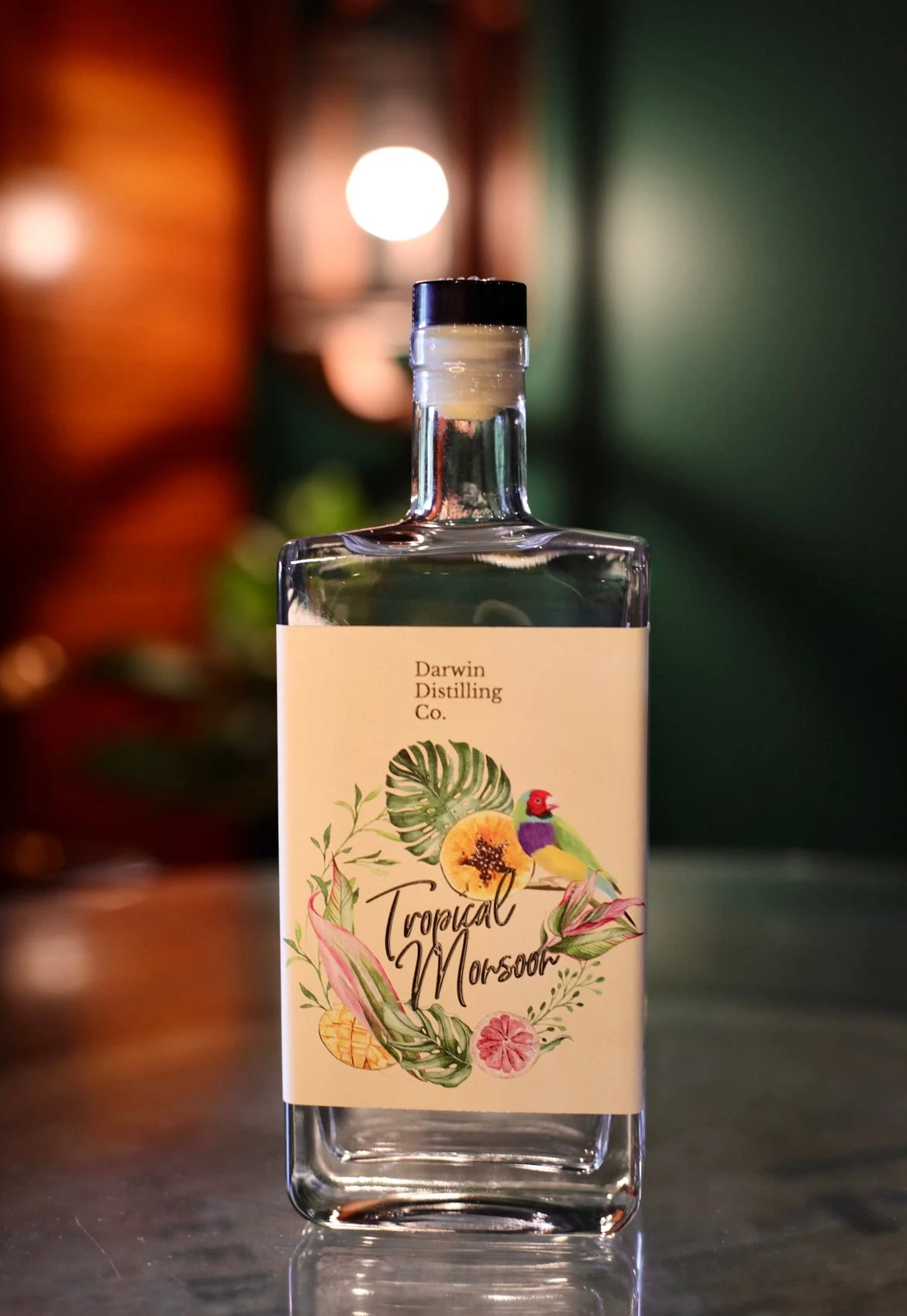
| Darwin Distilling Co | Darwin |
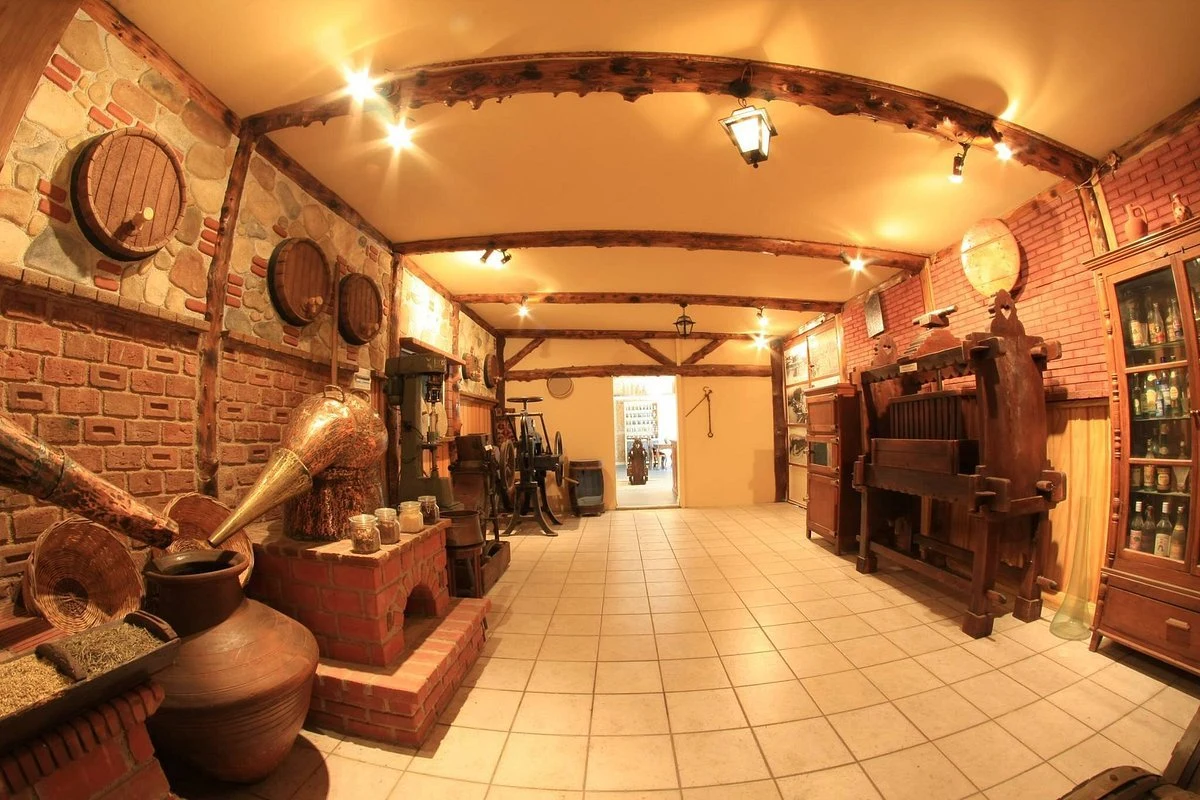
| EVA Distillery | Mytilene |
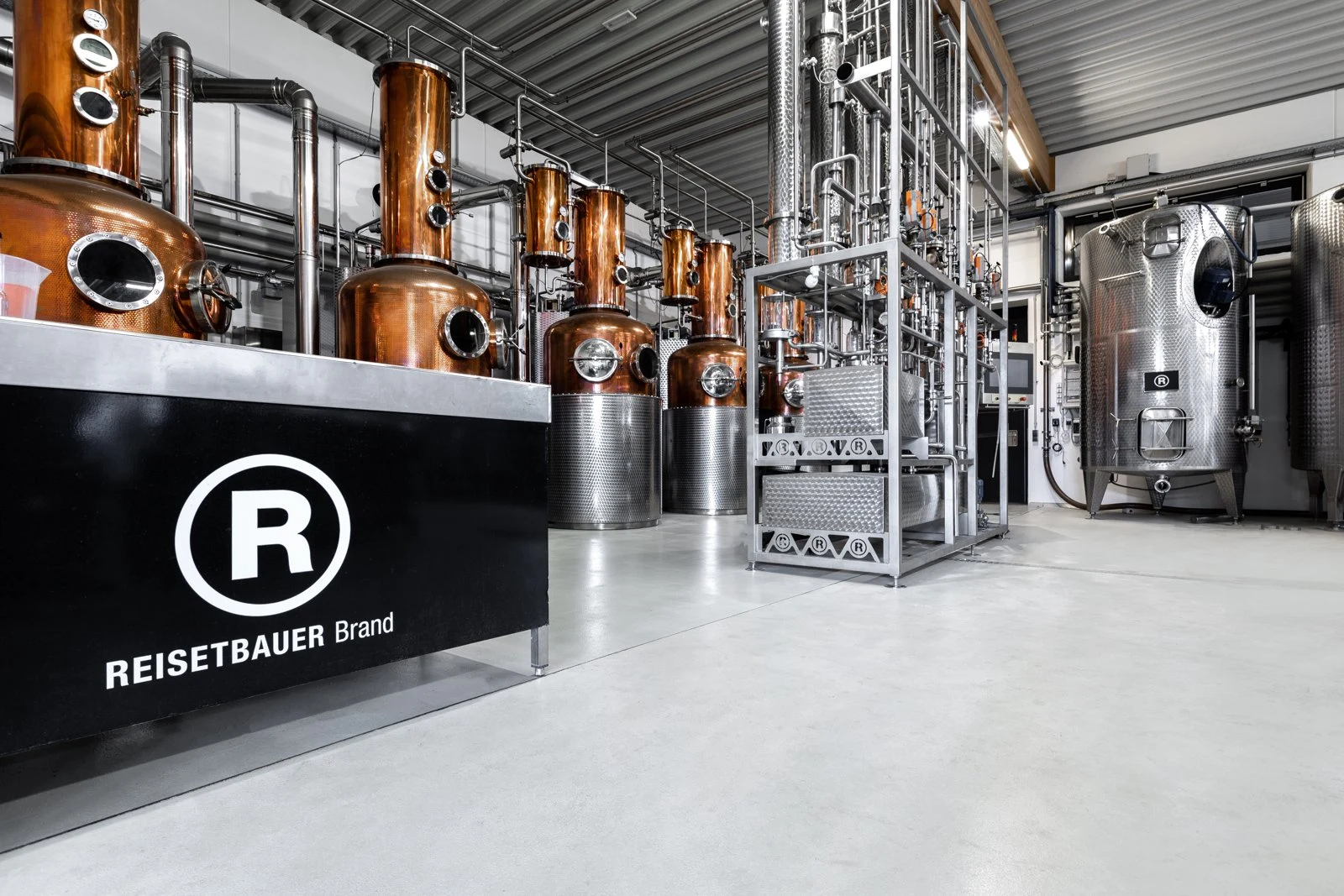
| Hans Reisetbauer Distillery | Kirchberg-Thening |
| Hope Distillery (Hope on Hopkins) | Cape Town |
| St Agnes Distillery | Renmark |