Made ByRestaurant
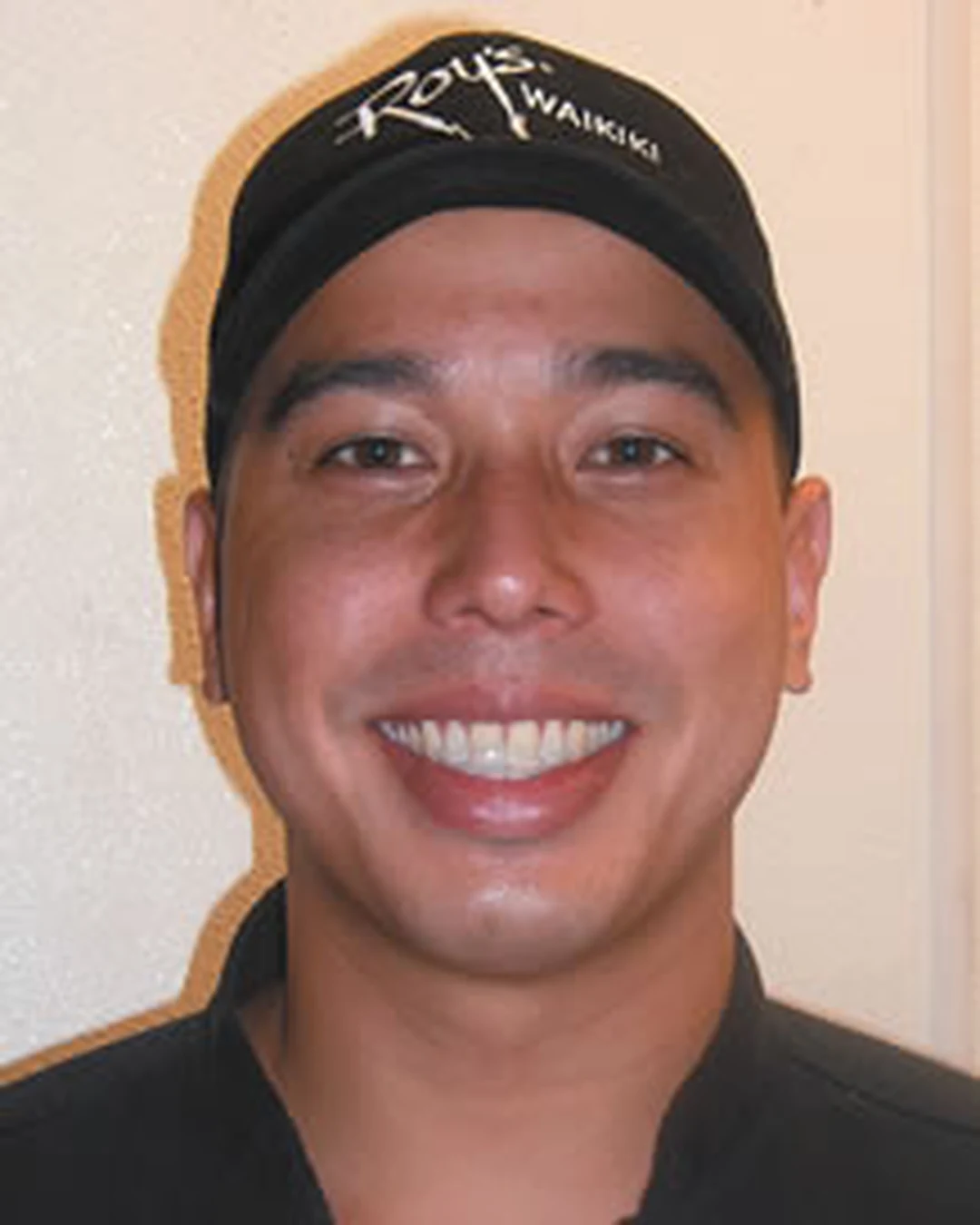

Mark Pomaski, chef and co-owner of Moon & Turtle in Hilo, cooks local seafood through Waikiki-trained sushi discipline.
At a glance
- Cuisine
- Seafood
Kiawe smoke at the station
Local fish meets kiawe-smoked soy before the room fills; Mark Pomaski, chef and co-owner of Moon & Turtle in Hilo, keeps that first gesture close to the sushi discipline he learned at Roy's Restaurant in Waikiki. The training shows in the restraint: fish cut cleanly, acid and oil set around it, heat held back until the condiment has done its work. He and his wife have operated the restaurant in Hilo for the past 12 years, a long enough run for certain dishes to become part of the island's appetite without hardening into museum pieces. Pomaski's public path is spare and direct, Waikiki first, then this compact Hilo kitchen, where local seafood and seasonal Big Island ingredients set the terms of the menu. In 2022, he was named a James Beard Award semifinalist for Moon & Turtle in Hilo, recognition tied to this address and to the seafood-driven cooking he makes here. The honor matters less as ornament than as a timestamp on work already being tested nightly at the pass.
Fishcake wonton and chili water
The clearest vocabulary at Moon & Turtle comes through dishes that keep familiar forms and change the center of gravity. Smokey sashimi is built from local fish, kiawe-smoked soy, Hawaiian chili pepper water, and extra-virgin olive oil; the dish carries smoke, salt, heat, and fat without burying the fish. Seafood dumplings arrive wrapped in house-made fishcake wonton, a small technical choice that turns the wrapper into part of the seafood program rather than a neutral casing. Saigon scampi leans on sweet prawns and butter. Beef tataki sushi brings dashi ponzu and daikon into the same bite, a cooler register beside the richer plates. Pomaski has also said, "I've been in a phase where I'm really into Chinese-style steamed dishes." That sentence explains something about the kitchen's movement: not reinvention for its own sake, but a cook folding staff meals, family memory, sushi training, and island product into the same method. Condiments do real labor here. They sharpen, smoke, salt, and lift.
A small Hilo room with a close pass
The restaurant works at 51 Kalakaua Street in downtown Hilo, a few blocks from the market and bandstand, but the more telling geography is inside the room. It is small, with about 40 seats, including about 10 tables and 7 bar seats, so the pass does not feel distant from the counter or the floor. Plates cross the room quickly. The bar has its own discipline, using local produce and hand-squeezed juices in drinks such as the Pandan Cocktail and Lemon Peel Lemonade, the latter made with local candy, lemon juice, and soda water. Wood finishes and low light keep the room close without turning it precious. In a house this size, the margin for drift is narrow; the kitchen, bar, and floor share the same tempo.
The dish that keeps returning
Pomaski has described the cooking he wanted as familiar and comforting, pulled from homestyle dishes he makes for staff and family. That line gives the restaurant its scale: not a grand statement, but a working room where comfort has to survive the cut, the steam, the smoke, and the pass. If the menu changes with the season and the Big Island pantry, the anchor remains the smokey sashimi.
Address
Hilo, Hawaii, United States
In residence
Similar places
Japanese-influenced Californian Kaiseki
Single Thread Farm
Healdsburg, United States
★★★ · 50 Best
French Seafood Fine Dining
Le Bernardin
New York City, United States
★★★ · 50 Best
Modern Korean Tasting Menu
Atomix
New York City, United States
★★ · 50 Best
French
Sézanne
Tokyo, Japan
★★★ · 50 Best
Modern Seafood Fine Dining
Providence
Los Angeles, United States
★★★ · 50 Best
Contemporary Plant-Based Fine Dining
Eleven Madison Park
New York City, United States
★★★ · 50 Best