Chef in Residence
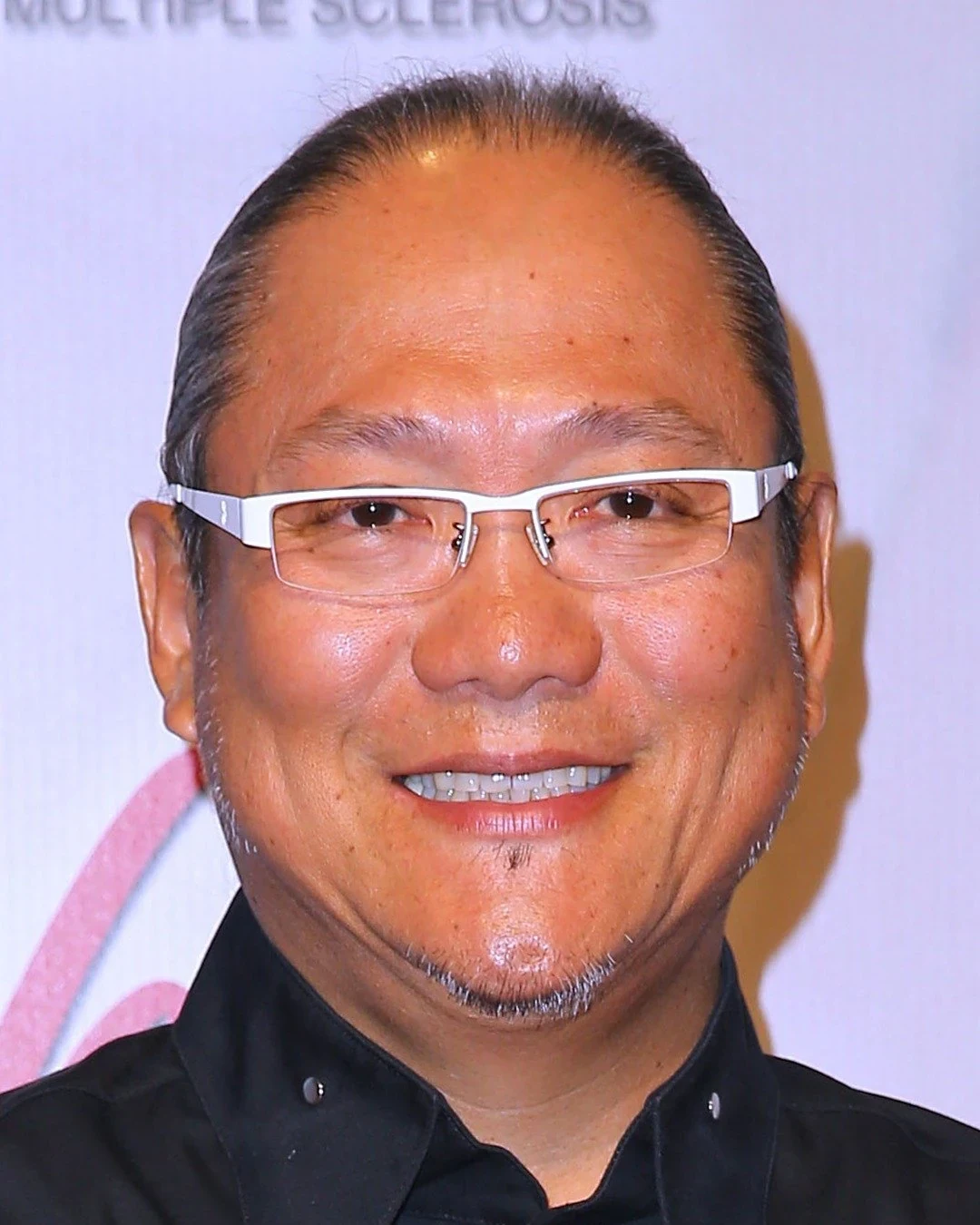
Masaharu Morimoto
Chef

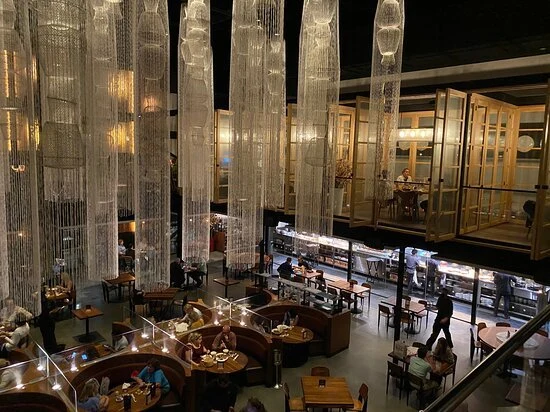
Masaharu Morimoto's Doha outpost occupies a contemporary hotel setting on Lusail Expressway, where the theatrical format, catwalk entrance, DJ, robata grill, and a striking sushi counter, positions it as much within the see-and-be-seen circuit as within Japanese dining. The kitchen draws on wagyu and robata-grilled seafood, backed by a wine list of around 150 selections and recognition from Opinionated About Dining and a 2024 Michelin Plate.
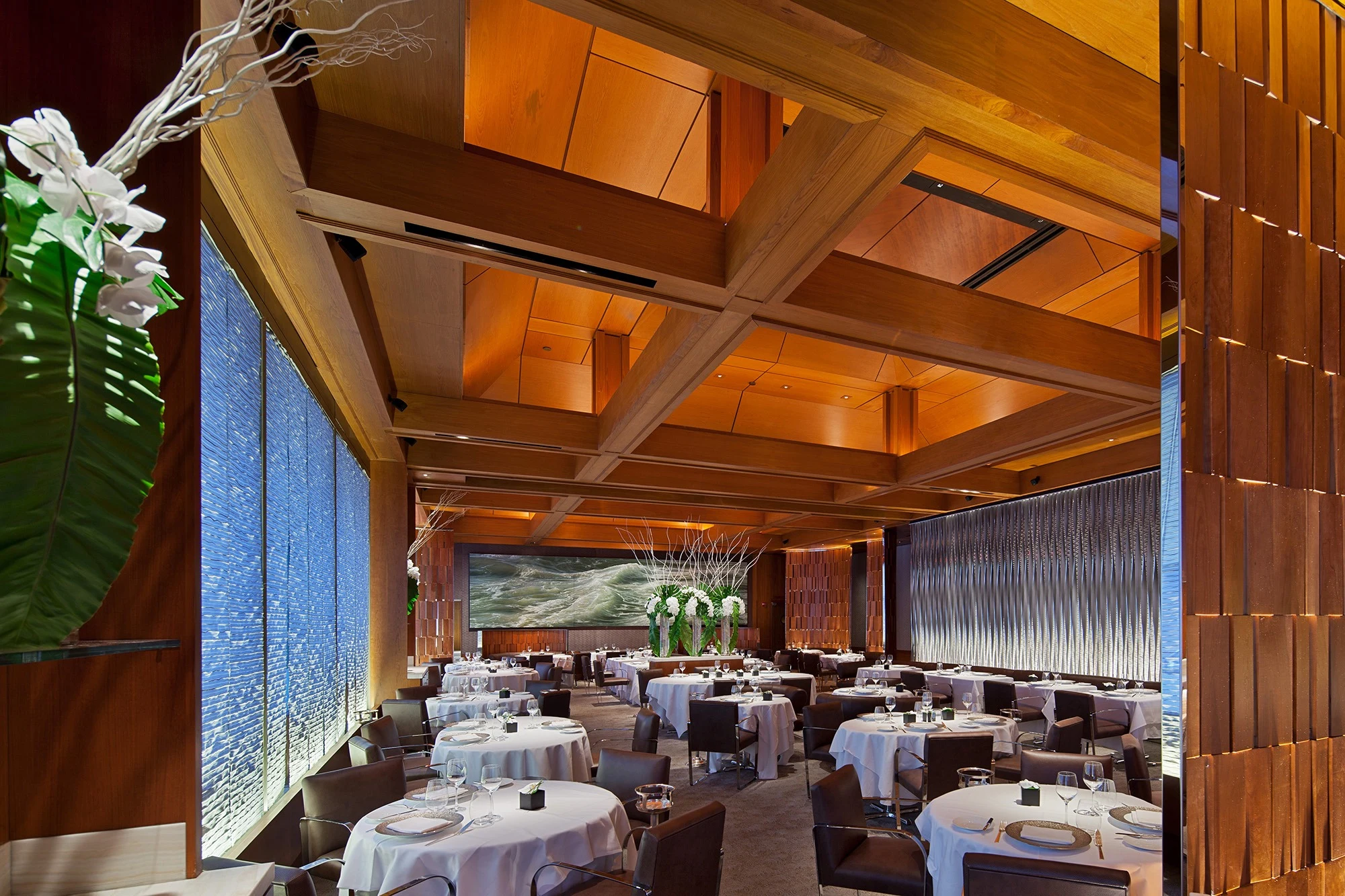
<h2>The Room Before the Food</h2><p>Doha's premium restaurant circuit has, over the past decade, divided cleanly into two modes: the hushed, occasion-dining format favoured by French kitchens like <a href="https://www.enprimeurclub.com/restaurants/idam-by-alain-ducasse-doha-restaurant">IDAM by Alain Ducasse</a>, and the high-energy social-dining format where the room itself is part of the proposition. Morimoto, at 101 Lusail Expy in Doha, is a contemporary Japanese fusion restaurant belonging firmly to the second category. The catwalk entrance, the resident DJ, the theatre of cocktails arriving at the table, these are not incidental details. They are the format. Understanding that distinction is the first practical step toward knowing whether this is the right room for a given evening.</p><p>Within that social-dining tier, Morimoto's physical design does specific work. The sushi counter is prominent and intentionally visible, a signal of craft kept in plain sight rather than tucked into a back corner. Private booths run along the perimeter for guests who want a degree of separation from the energy of the main floor, though the overwhelming pull of the space is outward, toward the room. This is a dining environment structured around communal visibility, closer in spirit to the izakaya principle of shared space and social proximity than to the private-dining formality that dominates other addresses at this price point in Doha.</p><h2>Japanese Contemporary in the Gulf Context</h2><p>The izakaya tradition, at its core, is about eating and drinking as a social act rather than a ceremonial one, dishes ordered in rounds, the table accumulating plates, the distinction between meal and session deliberately blurred. Morimoto's contemporary Japanese format adapts that logic for a luxury hotel context: the menu is broad enough to sustain a long, varied evening rather than a linear tasting progression. Wagyu is positioned as a centrepiece, cooked on the robata grill alongside king prawns and lamb chops, proteins that cross cultural registers and keep the table ordering across categories.</p><p>The robata grill, a Japanese format with roots in the charcoal-fired communal hearths of Hokkaido fishing communities, travels well to the Gulf context. Its output, slow-charred proteins with disciplined heat, suits the wagyu-heavy preferences that define Doha's premium dining expectations. At the same time, the sushi counter provides an anchor of raw-fish technique that places the kitchen inside a clear Japanese lineage, even as the broader menu moves across styles. This is contemporary Japanese dining in the sense that the category has come to mean internationally: a Japanese technical foundation, luxury protein emphasis, and enough range to keep a mixed table engaged for two to three hours.</p><p>For comparable international restaurant formats operating at the higher end of the Doha market, examples include <a href="https://www.enprimeurclub.com/restaurants/alba-doha-restaurant">Alba</a> and <a href="https://www.enprimeurclub.com/restaurants/baron-doha-restaurant">Baron</a>, though neither occupies the same high-energy social register. Middle Eastern formats like <a href="https://www.enprimeurclub.com/restaurants/bayt-sharq-doha-restaurant">Bayt Sharq</a> and <a href="https://www.enprimeurclub.com/restaurants/argan-doha-restaurant">Argan</a> serve a different dining purpose entirely. Morimoto sits at a three-symbol price tier, above mid-market, below the four-symbol ceiling occupied by IDAM, which places it in a band where the experience needs to justify premium spend through atmosphere and kitchen output in roughly equal measure.</p><h2>The Wine Program and What It Signals</h2><p>A wine list of around 150 selections with roughly 1,000 bottles in inventory, priced at the higher end with California among its strengths, is a meaningful operational signal in a Gulf dining context. The team behind the list reflects an investment in beverage depth that goes beyond the minimum. A corkage fee of $50 is in place, which suggests the program is built to be used rather than simply displayed.</p><p>California's presence as a wine strength makes logical sense alongside the wagyu-forward menu: the weight and fruit profile of California Cabernet-based wines hold against heavily marbled beef in a way that lighter European styles can struggle with. This is a program making deliberate pairing choices rather than assembling a generic international list. For guests who engage with the beverage side, the team infrastructure suggests knowledgeable floor support is available.</p><h2>Credentials and Context</h2><p>Masaharu Morimoto's name carries recognition across multiple markets, his New York presence shaped the Iron Chef-to-fine-dining crossover that became a broader industry pattern. Globally, his format sits alongside other internationally franchised chef-branded restaurants, a peer group that includes properties in cities from Philadelphia to Mumbai. Within that group, the Doha outpost received a 2024 Michelin Plate.</p><p>By comparison, internationally trained kitchens operating in Doha across different cuisine categories, from the French formality of <a href="https://www.enprimeurclub.com/restaurants/idam-by-alain-ducasse-doha-restaurant">IDAM by Alain Ducasse</a> to the precision work at properties like <a href="https://www.enprimeurclub.com/restaurants/8-12-otto-e-mezzo-bombana-hong-kong-restaurant">8 1/2 Otto e Mezzo Bombana</a> in Hong Kong, tend to operate with a quieter room and a more linear service progression. Morimoto's energy model is a deliberate counter to that format, not a deficiency. The comparison point internationally is closer to high-volume Japanese contemporary operations in New York or Dubai than to a chef's-counter omakase.</p><p>Other chef-branded restaurants that have shaped the international fine-dining franchise model include <a href="https://www.enprimeurclub.com/restaurants/le-bernardin">Le Bernardin in New York City</a>, Emeril's in New Orleans, and the multi-city reach of operations like <a href="https://www.enprimeurclub.com/restaurants/alain-ducasse-louis-xv-monte-carlo-restaurant">Alain Ducasse at Louis XV in Monte Carlo</a> and <a href="https://www.enprimeurclub.com/restaurants/alleno-paris-au-pavillon-ledoyen-paris-restaurant">Alléno Paris au Pavillon Ledoyen</a>, each taking a distinct approach to scaling a named chef's identity across geography.</p><h2>Planning the Evening</h2><p>Morimoto sits inside a contemporary hotel on Lusail Expressway, which positions it within the Lusail development corridor north of central Doha rather than in the older dining districts around West Bay or The Pearl. For guests staying in Lusail or visiting for an evening rather than a night out in the city centre, the location is convenient; for those based further south, it warrants planning as a destination rather than a walk-in stop. The Google rating of 4.7 across 933 reviews indicates a consistent floor of guest satisfaction.</p><p>Dinner is the primary service, which is standard for the format. The three-symbol price tier puts a two-course dinner, excluding beverages, above QAR 66 per person on the EP Club pricing scale. Given the beverage program and the pace of an evening here, the full spend per head will typically sit meaningfully above that threshold. For guests focused specifically on Japanese dining craft in a quieter setting, the format may not align. For guests seeking a long social evening with Japanese-inflected food and a serious beverage program in a room that sustains energy across multiple hours, the Morimoto model delivers on its stated terms.</p><p></p>
Morimoto is located at 101 Lusail Expy, Doha, Qatar, Doha.
The chef associated with Morimoto is Masaharu Morimoto.
The sushi counter is a draw in its own right, and the contemporary Japanese menu is built to accommodate both counter-focused orders and full table spreads — so the robata and raw-bar combination covers most of what the kitchen does well.
Pricing at Morimoto is listed as ﷼﷼﷼.
Morimoto has received recognition including: From the catwalk entrance to the DJ, from the theatrical cocktails to the uber-contemporary hotel in which it sits, it quickly becomes obvious that this is a beautiful restaurant for beautiful people. The sushi counter is striking and there….
Morimoto sits inside a contemporary hotel on Lusail Expressway and operates as one of Doha's higher-profile Japanese rooms — it holds a Michelin Plate (2024) and an OAD Top Restaurants ranking — which puts it in demand on weekend evenings and during events in the Lusail corridor. Booking at least one to two weeks ahead for weekends is a reasonable baseline; for larger groups or specific booth requests, extend that window.
101 Lusail Expy, Doha, Qatar
West Bay Lagoon

Contemporary French Mediterranean with Arabian influences
IDAM by Alain Ducasse
Doha, Qatar
★ · 50 Best

Modern Regional Indian Fine Dining
Jamavar
Doha, Qatar
★

Authentic Persian
Berenjak Al Maha Island
Doha, Qatar

Modern Qatari
Fenyal
Doha, Qatar

Modern Qatari Fine Dining
Jiwan
Doha, Qatar

Modern Levantine Mediterranean
Mila
Doha, Qatar