Mugen
In Residence
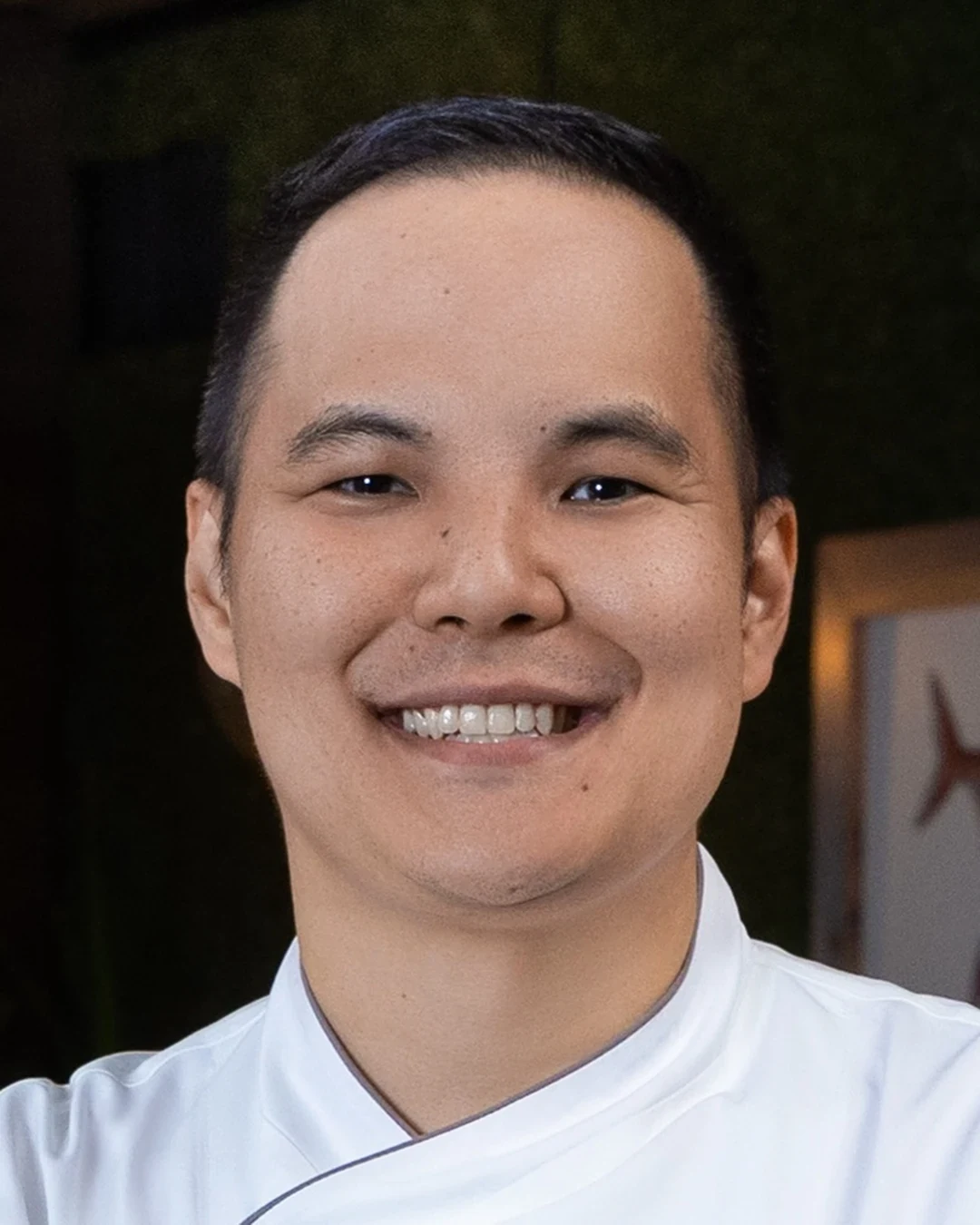
Colin Sato
Chef
- 01CuisineModern Japanese-French Fusion Fine Dining
- 02CityHonolulu, United States
Taro, ponzu, lobster, uni
- Wine Spectator · Tier 1
- Wine Spectator Award of Excellence · 2026
- La Liste Top Restaurants: 80pts · 2026
- Forbes 5-Star · 2026
- Wine Spectator Award of Excellence · 2025
- Forbes 5-Star · 2025
- AAA 5 Diamond · 2025
- La Liste Top Restaurants: 86pts · 2025
Cool soup, smoke, crisp taro
Taro Vichyssoise lands cold before the smoke arrives. Colin Sato , Executive Chef at Mugen in Waikiki, Honolulu, United States, builds that plate from chilled taro soup, smoked salmon tartare, and a crisp taro latke, a sequence that says much about his station here. His training began at Saint Louis School and Kapiolani Community College, then moved through dining rooms and hotel kitchens in Hawaii, first as a busboy, later as Head Chef at Moana Surfrider from 2018, chef at et al. in 2020, and Executive Sous Chef at Moana Surfrider from 2021 to 2023. In 2023, he took the Executive Chef role at Mugen at ESPACIO The Jewel of Waikiki.
Island product under French and Japanese pressure
At Mugen, Sato works inside a modern Japanese-French fine dining frame, with tasting menu and à la carte formats allowing the kitchen to shift between composed courses and signatures. The method is built on contrast. Kona Kampachi meets green apple ponzu, clean flesh held against fruit acid. Marrunga Marble Lamb sits with brown butter ulu purée and coconut aji amarillo sauce, richer in register but still measured by lift and heat. The house also serves Sasanian Osetra Caviar on mochi blini, Kona Lobster tagliatelle, gnocchi with Hokkaido uni, and the Mugen Lobster Roll, dishes that place Hawaiian product beside imports such as A5 Wagyu and Hokkaido uni without treating either as ornament. Technique shows in the joins: foam against pasta, cured yolk against caviar, mochi against brine, browned butter against ulu. Sato has spoken of meeting producers from Japan and looking forward to using those products at Mugen. The point here is not fusion as a label, but a working pantry with more than one language.
The Sunday letter
Find new places through the people who run them.
Our Sunday email brings you the chefs, winemakers and hoteliers behind our newest stories. See a sample before you subscribe.
See a sample of the Sunday emailOne email a week. Unsubscribe from any issue.
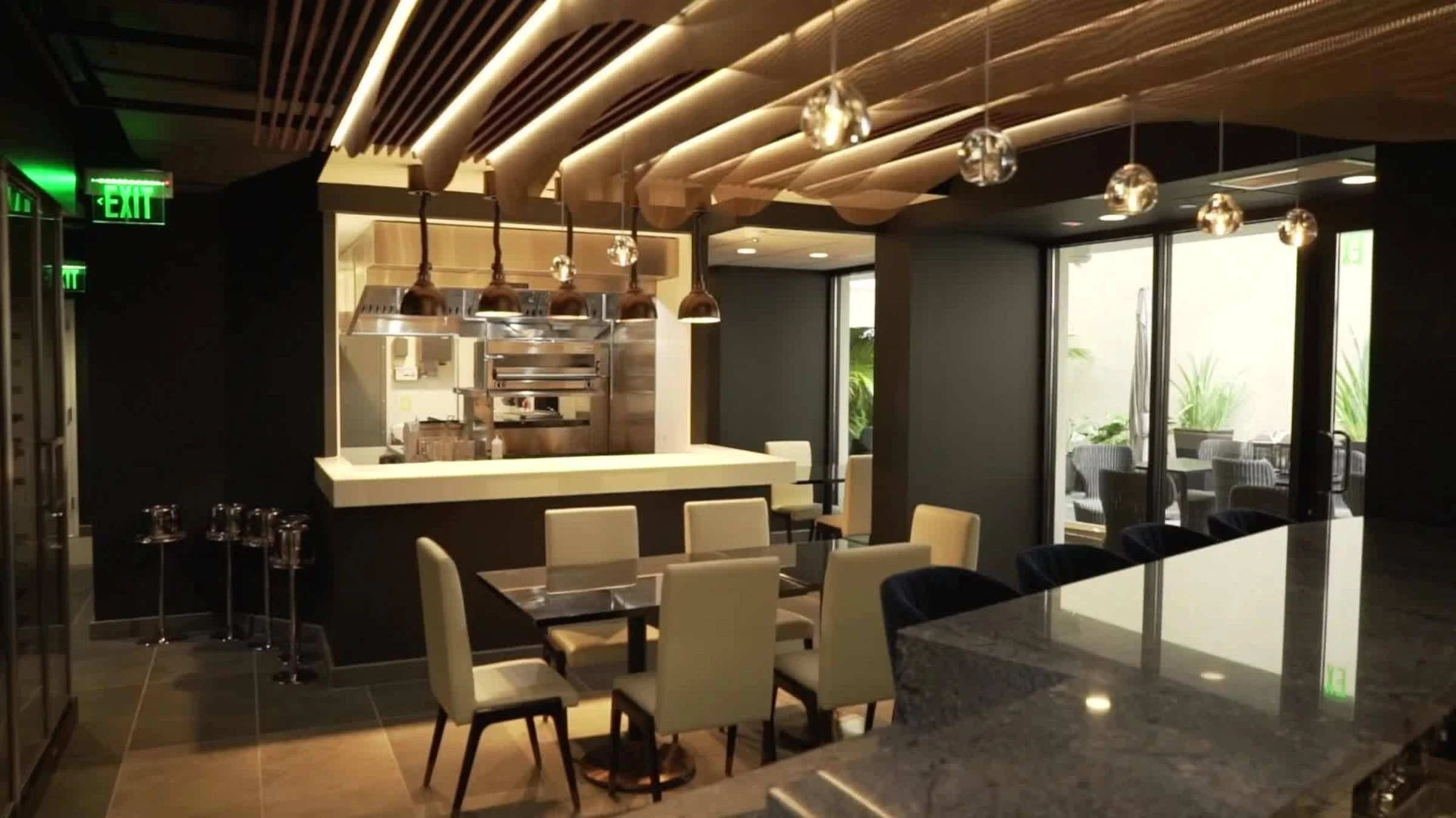
An intimate room around the pass
The room keeps the work close. Mugen is intimate, quiet, and formal in service, with artwork, a controlled pace, and a serene register that suits a kitchen built around texture and temperature. The pass matters because much of the food depends on short distances: cold soup kept clean, kampachi cut before the acid takes over, lobster and tagliatelle meeting while the pasta still has its pull. This is hotel fine dining, but the cooking does not lean on the hotel for drama. It asks the counter, the plate, and the hands to carry it. The wine program sits at an exceptional level, with a deep cellar and pairings meant to stay beside the food rather than above it.
The plate that keeps the place in focus
Mugen has collected awards across the current and previous year, and its wine program holds a top-tier standing, with the bench still showing it. Sato’s cooking keeps returning to structure: starch, smoke, acid, fat, heat, restraint. If the menu changes with product and season, the throughline remains clear in the Taro Vichyssoise with smoked salmon tartare and crispy taro latke.
Questions
Frequently asked
What kind of restaurant is Mugen?
Mugen is a modern Japanese-French fine dining restaurant in Waikiki, Honolulu.
Who is the chef at Mugen?
Colin Sato is the Executive Chef at Mugen in Waikiki, Honolulu. His cooking uses local products through Japanese and French technique.
What is Mugen known for serving?
The menu includes tasting menu and à la carte formats, with dishes such as Sasanian Osetra Caviar on mochi blini, Kona Lobster tagliatelle, gnocchi with Hokkaido uni, and the Mugen Lobster Roll.
How does booking work at Mugen?
Reservations are essential, and the restaurant books through OpenTable.
What should a visitor expect in terms of service and dress?
Mugen has a smart casual dress code, valet parking, and an intimate, quiet, formal service style.
The field
How it compares
| Place | Cuisine | Notes | Awards |
|---|---|---|---|
| Mugen | Modern Japanese-French Fusion Fine Dining | Kapahulu, $$$$ | · |
| 8 1/2 Otto e Mezzo Bombana (Hong Kong) | 3 Michelin-Star Italian Fine Dining | Hong Kong | Michelin 3 Stars, World's 50 Best |
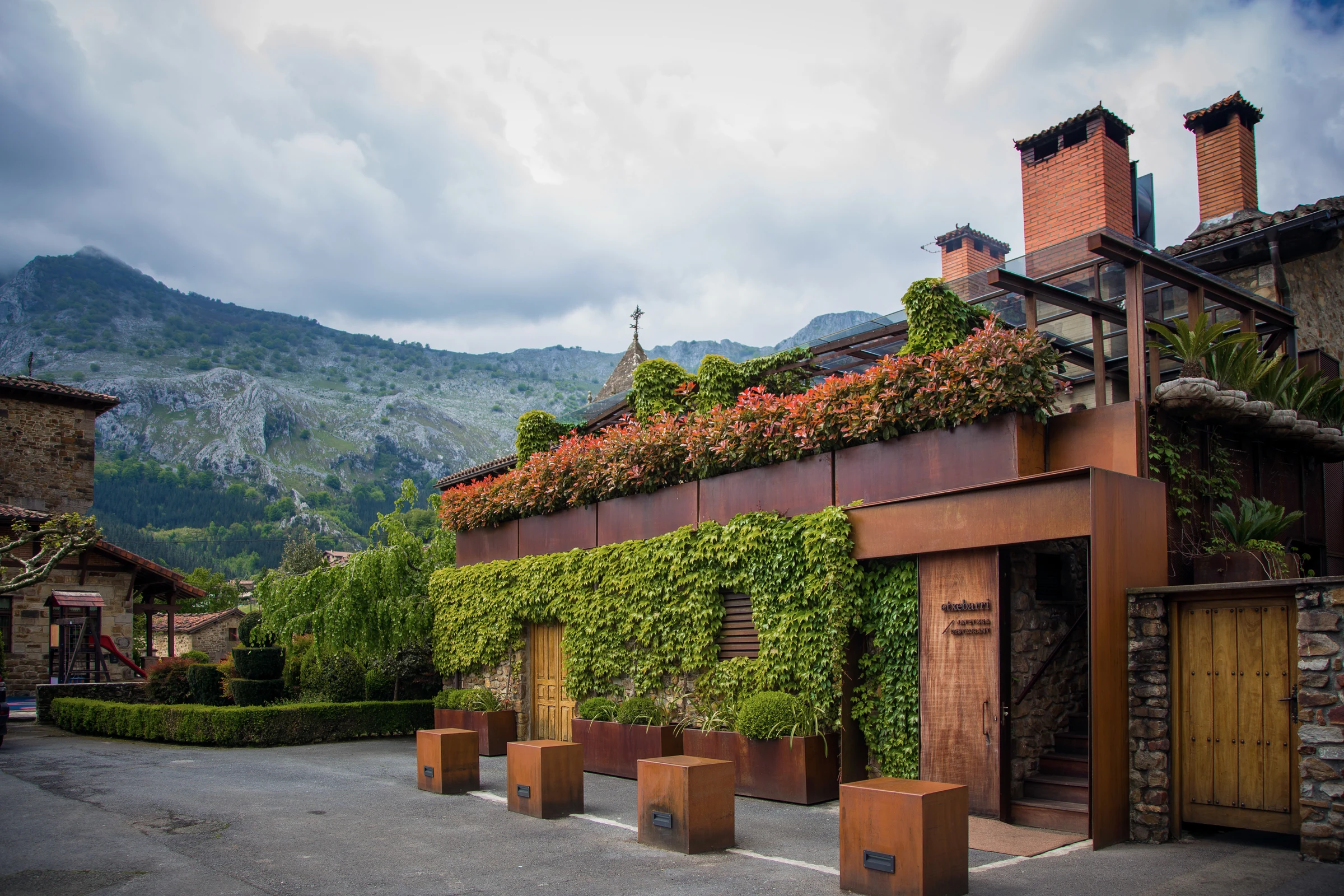
| Asador Etxebarri | Basque Wood-Fired Grill | Atxondo | Michelin 1 Star, World's 50 Best |
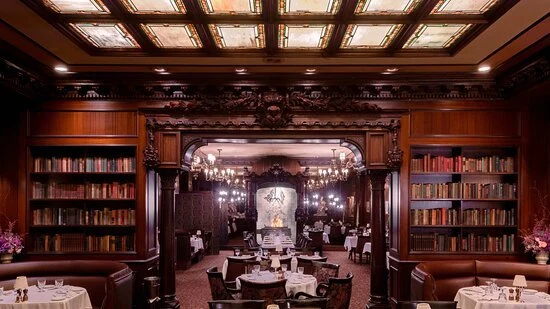
| Hy’s Steak House | Classic Steakhouse | Honolulu | · |
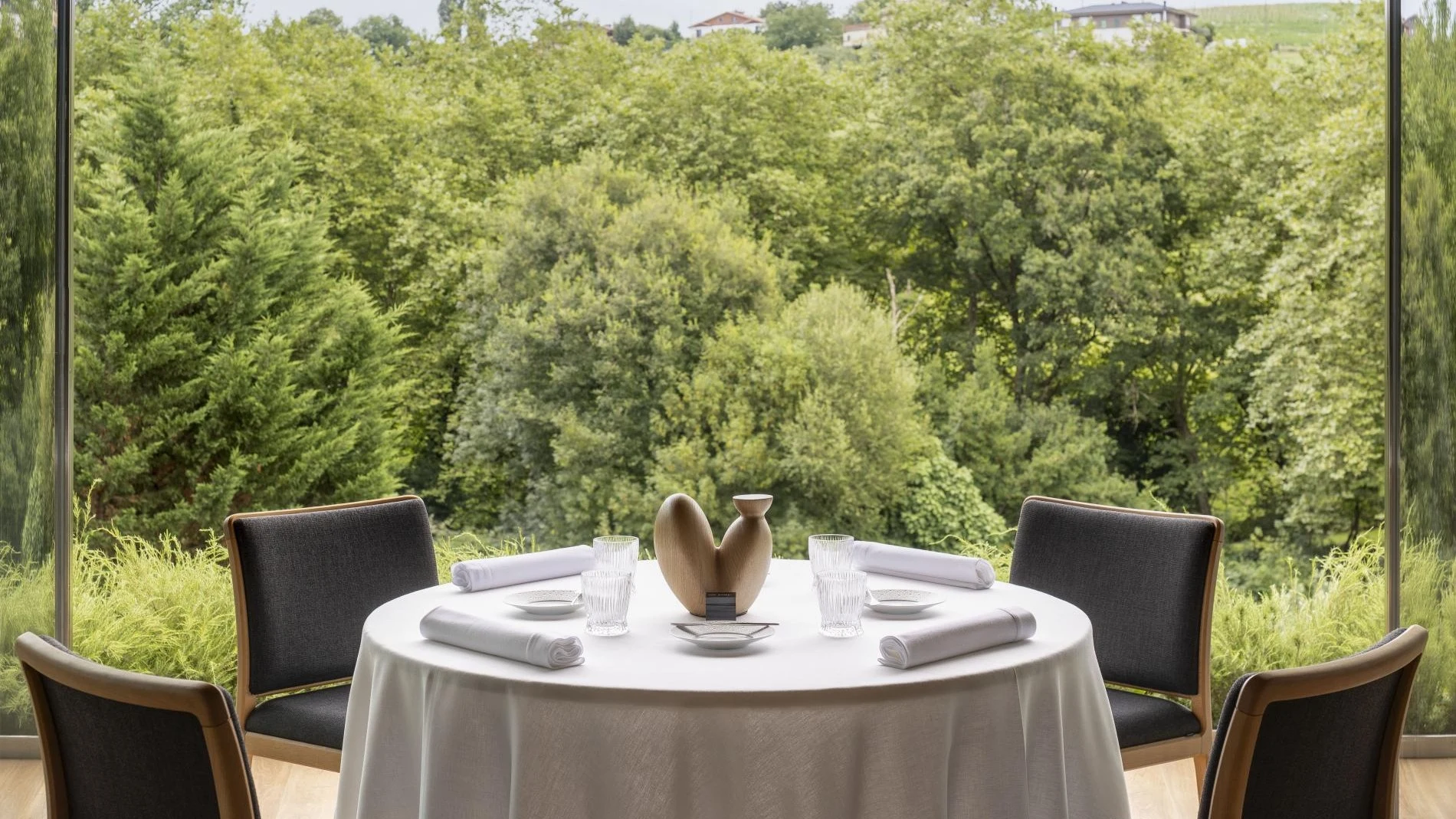
| Martin Berasategui | Modern Basque Fine Dining | Lasarte - Oria | Michelin 3 Stars, World's 50 Best |
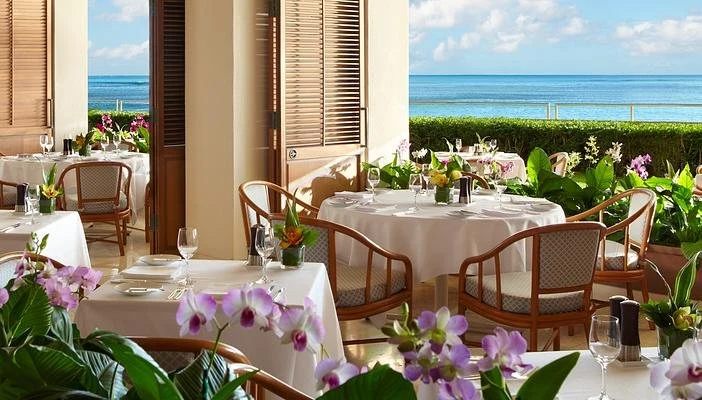
| Orchids | Coastal Fine Dining | Honolulu | · |
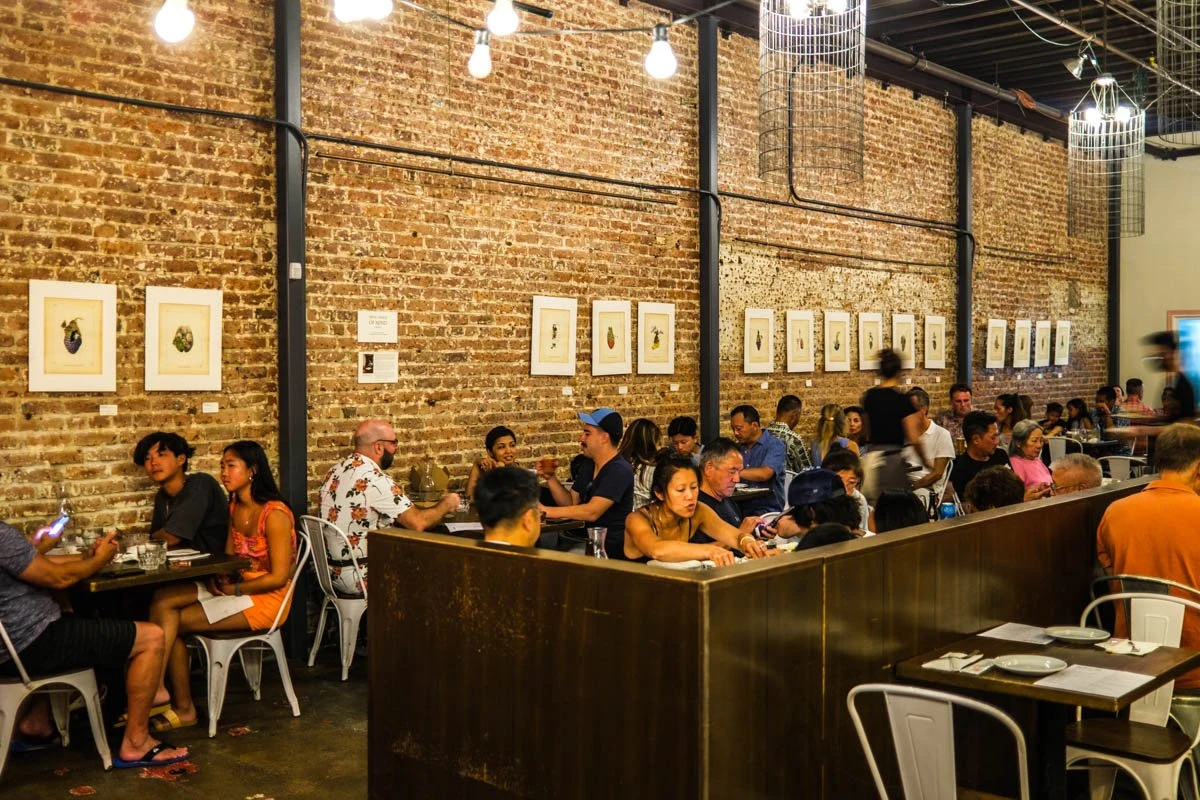
| Pig & the Lady | Modern Vietnamese | Honolulu | · |
In residence
Similar places
3 Michelin-Star Italian Fine Dining
8 1/2 Otto e Mezzo Bombana (Hong Kong)
Hong Kong, Hong Kong
★★★ · 50 Best
Basque Wood-Fired Grill
Asador Etxebarri
Atxondo, Spain
★ · 50 Best
Classic Steakhouse
Hy’s Steak House
Honolulu, United States
Modern Basque Fine Dining
Martin Berasategui
Lasarte - Oria, Spain
★★★ · 50 Best
Coastal Fine Dining
Orchids
Honolulu, United States
Modern Vietnamese
Pig & the Lady
Honolulu, United States
The Sunday letter
Get the next Made By story in your inbox.
We send one email every Sunday morning with the places and people we covered that week.
See a sample of the Sunday emailOne email a week. Unsubscribe from any issue.