Made ByRestaurant
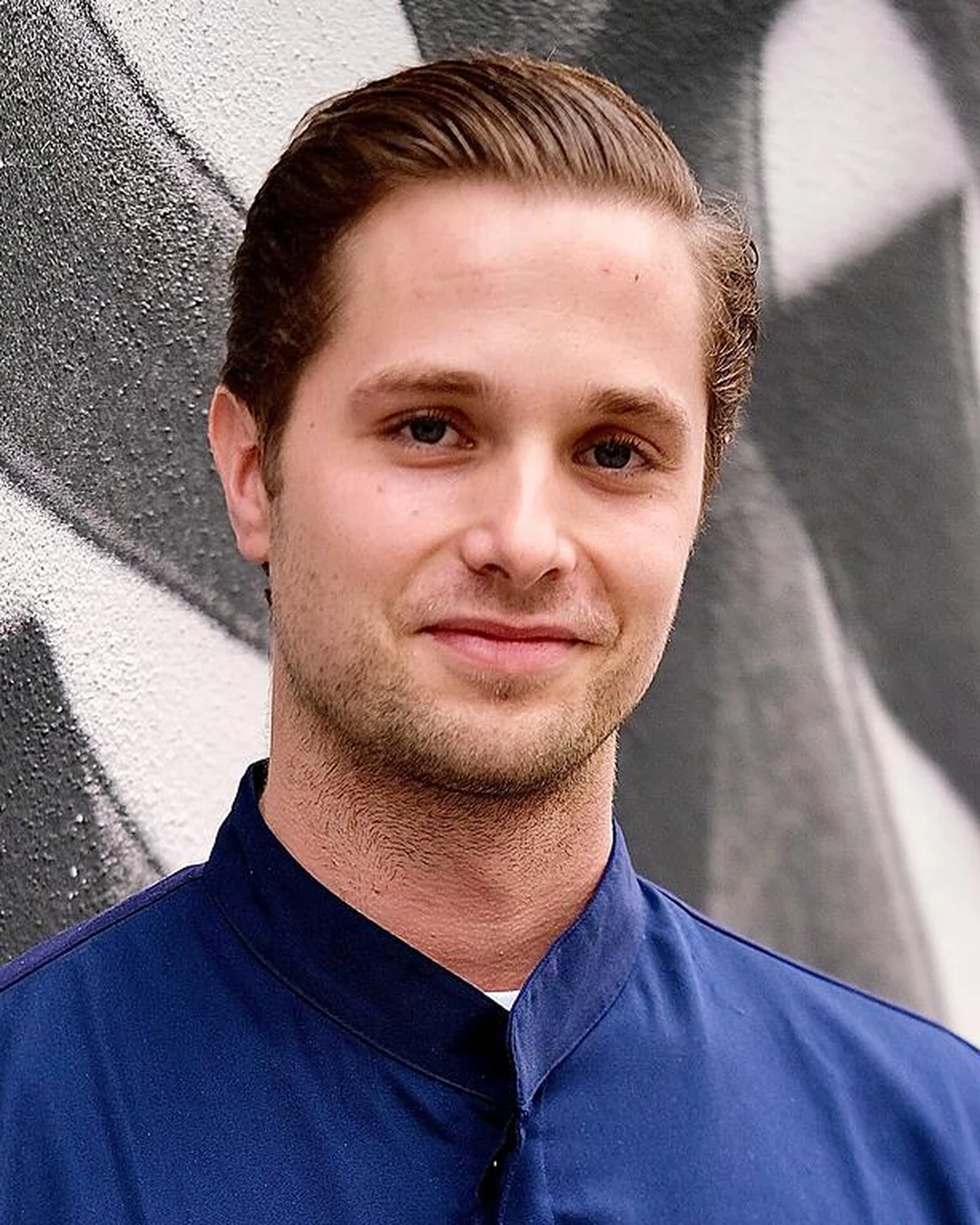
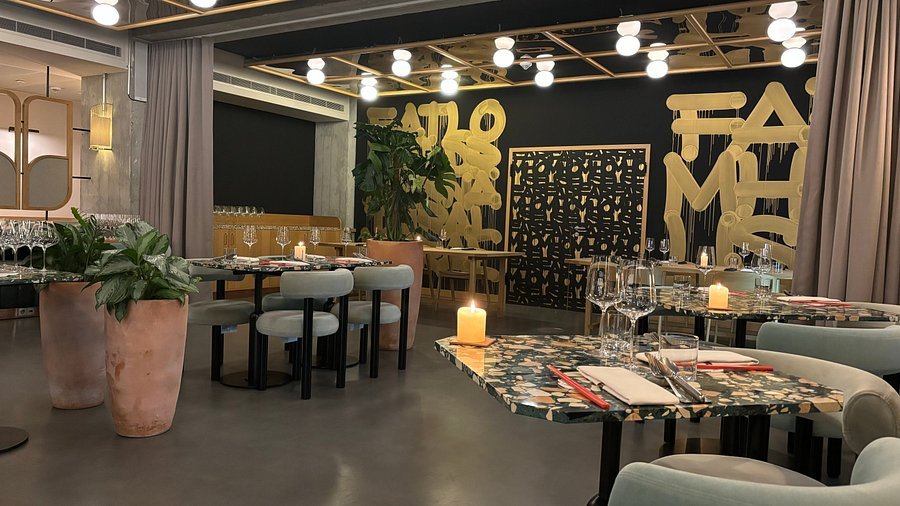
Felix Adebahr leads the kitchen at Mural in Istanbul, where Modern Anatolian cooking is held to the discipline of the pass.
At a glance
- Cuisine
- Modern Anatolian
Kitchen leadership held at the pass
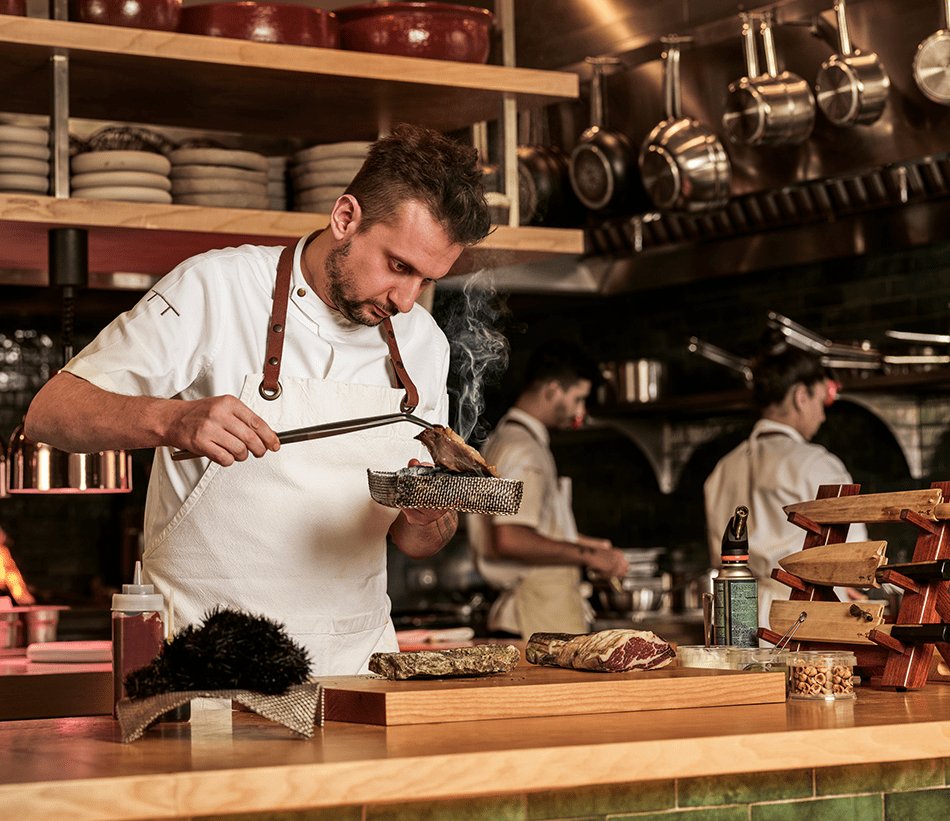
Felix Adebahr keeps the line and menu aligned as chef at Mural in Istanbul, a Modern Anatolian restaurant built around the discipline of the pass. His work here is described through kitchen leadership rather than a single station: the ordering of the line, the pressure of service, the shape of the menu, and the daily decisions that keep a room coherent once the first plates begin to leave the kitchen. Earlier, at Käfers Green Beetle, Adebahr held the Küchenleitung role, a post that set the tempo for operational control rather than ornamental authorship. At Mural, that same register carries into a larger project, one he has called a “huge project” and “a real boost” to his career.
That phrasing matters because it is not a romance of arrival. It is a cook naming scale. Küchenleitung is a word with weight in service: it means the chef holds the sequence, the station work, the corrections, the handover from prep to pass. Mural asks for that kind of control. The restaurant’s language around food points to refined dishes and locally sourced ingredients, but Adebahr’s place inside it is more practical than descriptive. He keeps the method moving.
Local ingredients without excess
The kitchen works in a modern register, with Anatolian reference held close enough to guide the plate without turning it into explanation. The program appears to be framed around local sourcing, reduction rather than clutter, and a fine-dining pace that still depends on ordinary repetition. Ingredients arrive at the bench, cooks trim, cut, season, hold, finish. Service turns those gestures into courses.
Adebahr’s own signature dish, Wild-Brokkoli, gives a clean view into that approach. It is not a luxury ingredient by default. It needs timing, heat, and a reason to be on the plate. In a kitchen that values refinement, such a vegetable can carry the line between restraint and force: char, stem, leaf, bitterness, sauce, garnish, pass. The house does not publicly set out every technique behind its menu, so the craft is best read through the roles it names and the ingredients it chooses to foreground.
An industrial room around the work
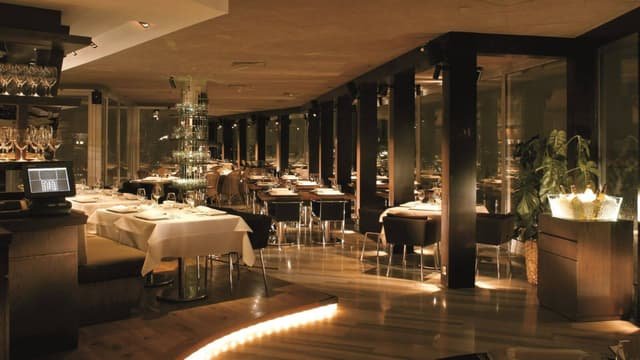
The room is industrial in character, the kind of restaurant architecture that leaves the craft visible rather than softened into dining-room theatre. That matters for a kitchen led from the pass. Metal, hard surfaces, exposed structure, and a modern room change how service feels: sound travels, movement reads quickly, and a plate leaving the kitchen has little cover if the sequence is off.
In that setting, the counter and the pass become the true points of focus. A fine-dining restaurant can ask guests to look at composition, but the better view is often sideways, toward the hands that reset the station between courses. Adebahr’s task is to keep that rhythm legible without making it loud. The close of the room belongs to the plate, and the plate here can be as specific as Wild-Brokkoli.
Address
Hotterstraße 12, Istanbul, Munich & Nuremberg, Turkey
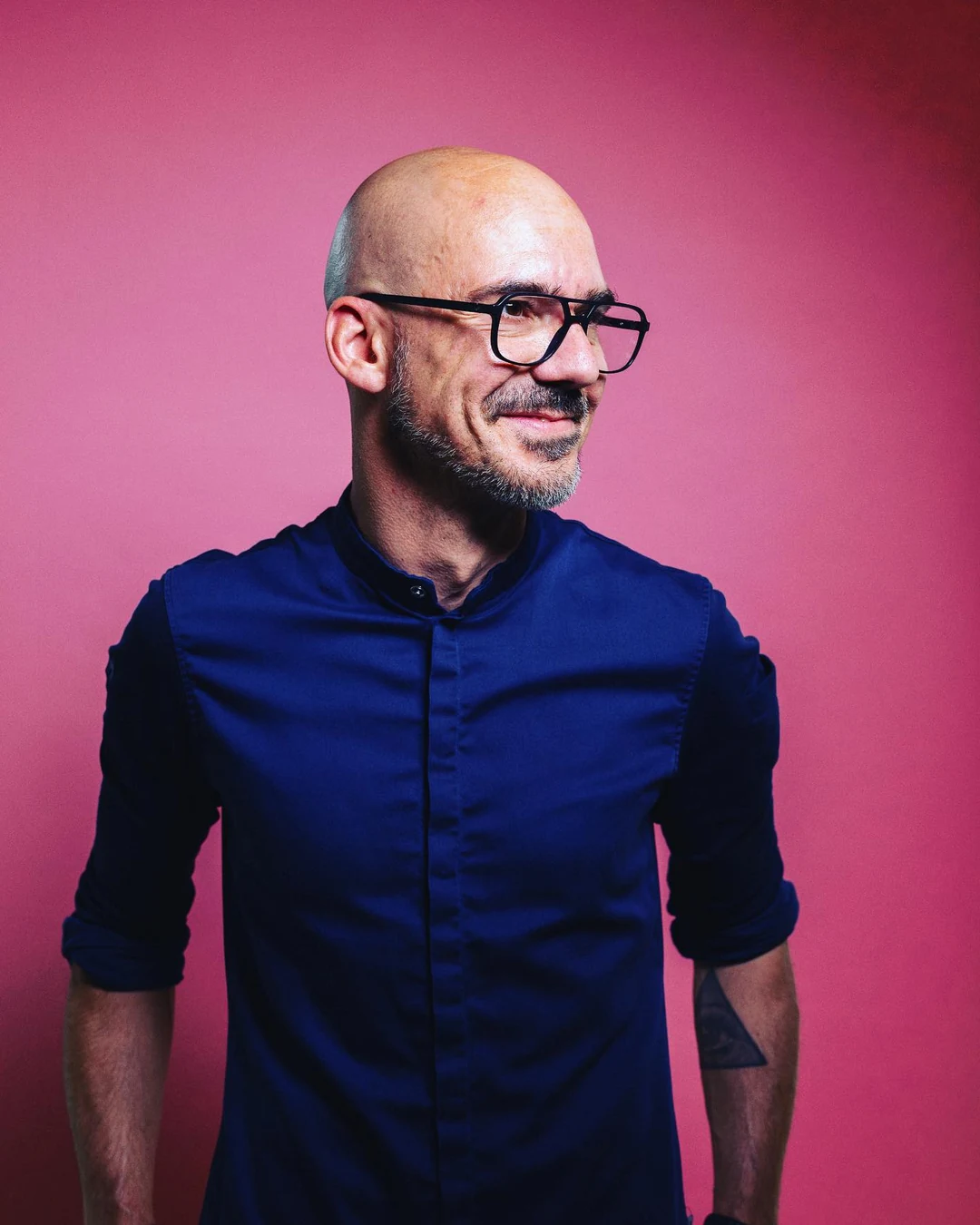
In residence
Similar places
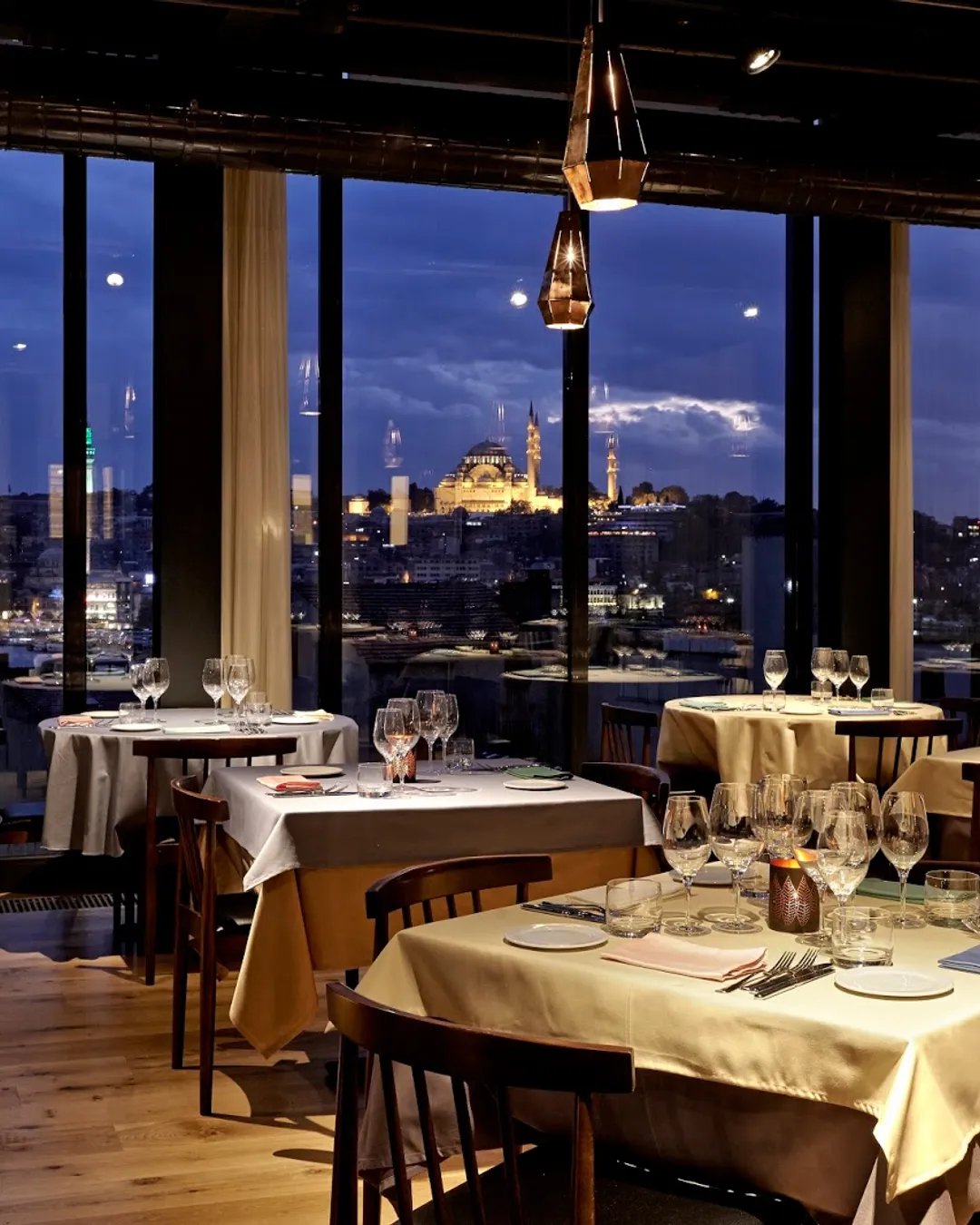
Modern Turkish Fine Dining
Neolokal
Istanbul, Turkey
★ · 50 Best
New Anatolian Kitchen
Mikla
Istanbul, Turkey
★ · 50 Best
Modern Turkish Fine Dining
Turk Fatih Tutak
Istanbul, Turkey
★★ · 50 Best
Contemporary Turkish Fine Dining
Nicole
Istanbul, Turkey
★
Modern Japanese Omakase & Kaiseki
Sankai by Nagaya
Istanbul, Turkey
★
Modern Turkish Vegetable-Forward
Araka
Istanbul, Turkey
★