
- Michelin Plate · 2026
- Opinionated About Dining Casual in Europe Recommended · 2026
- Opinionated About Dining Casual in Europe Ranked #708 · 2025
- Michelin Plate · 2025
- Opinionated About Dining Casual in Europe Ranked #633 · 2024
- Michelin Plate · 2024
- Opinionated About Dining Casual in Europe Recommended · 2023
Where French Technique Meets the Flemish Larder
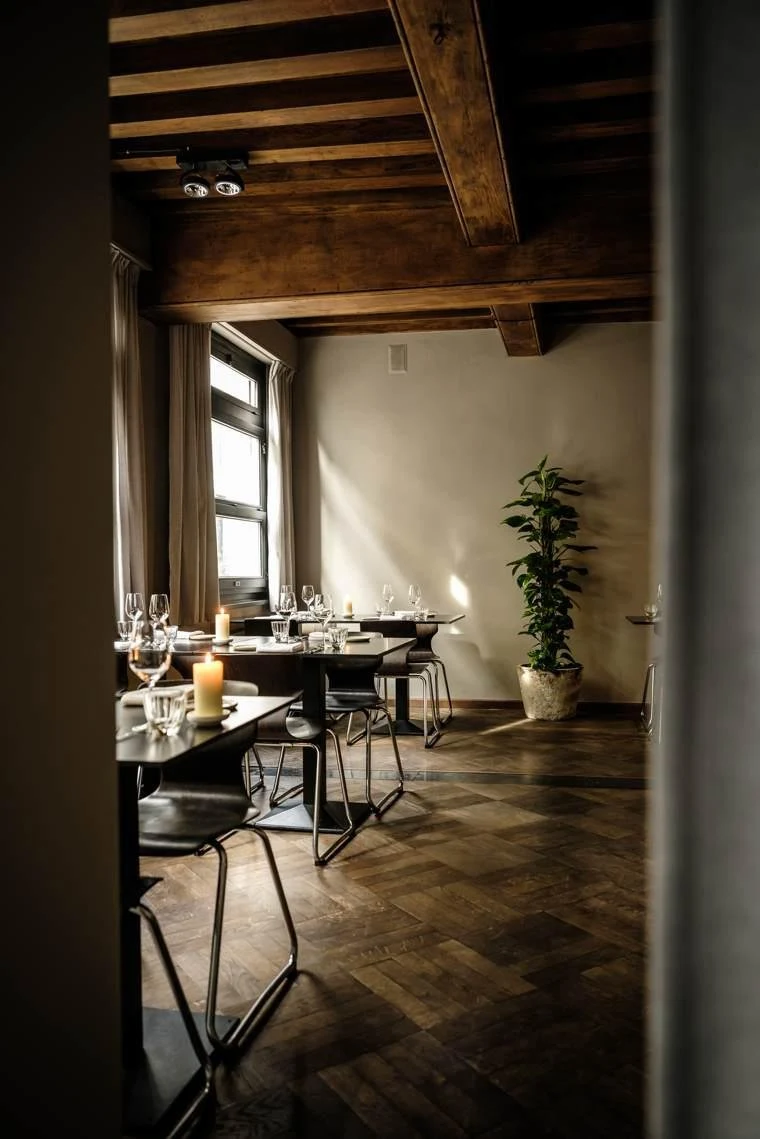
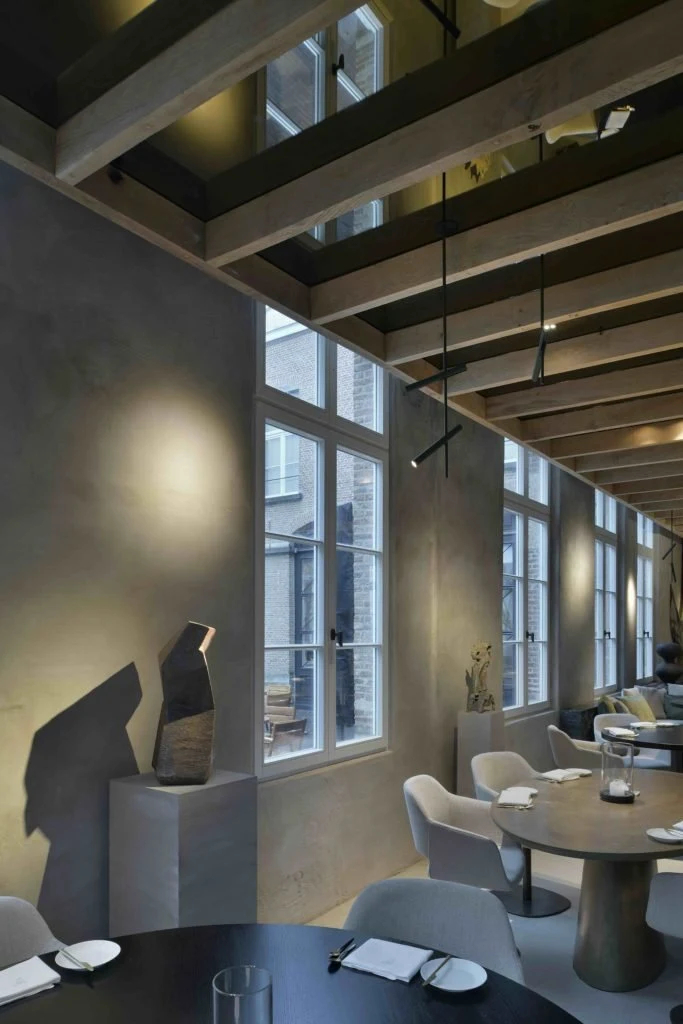
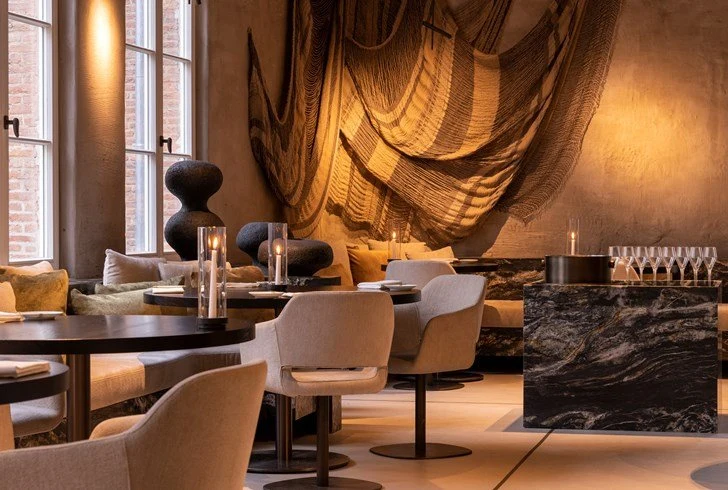
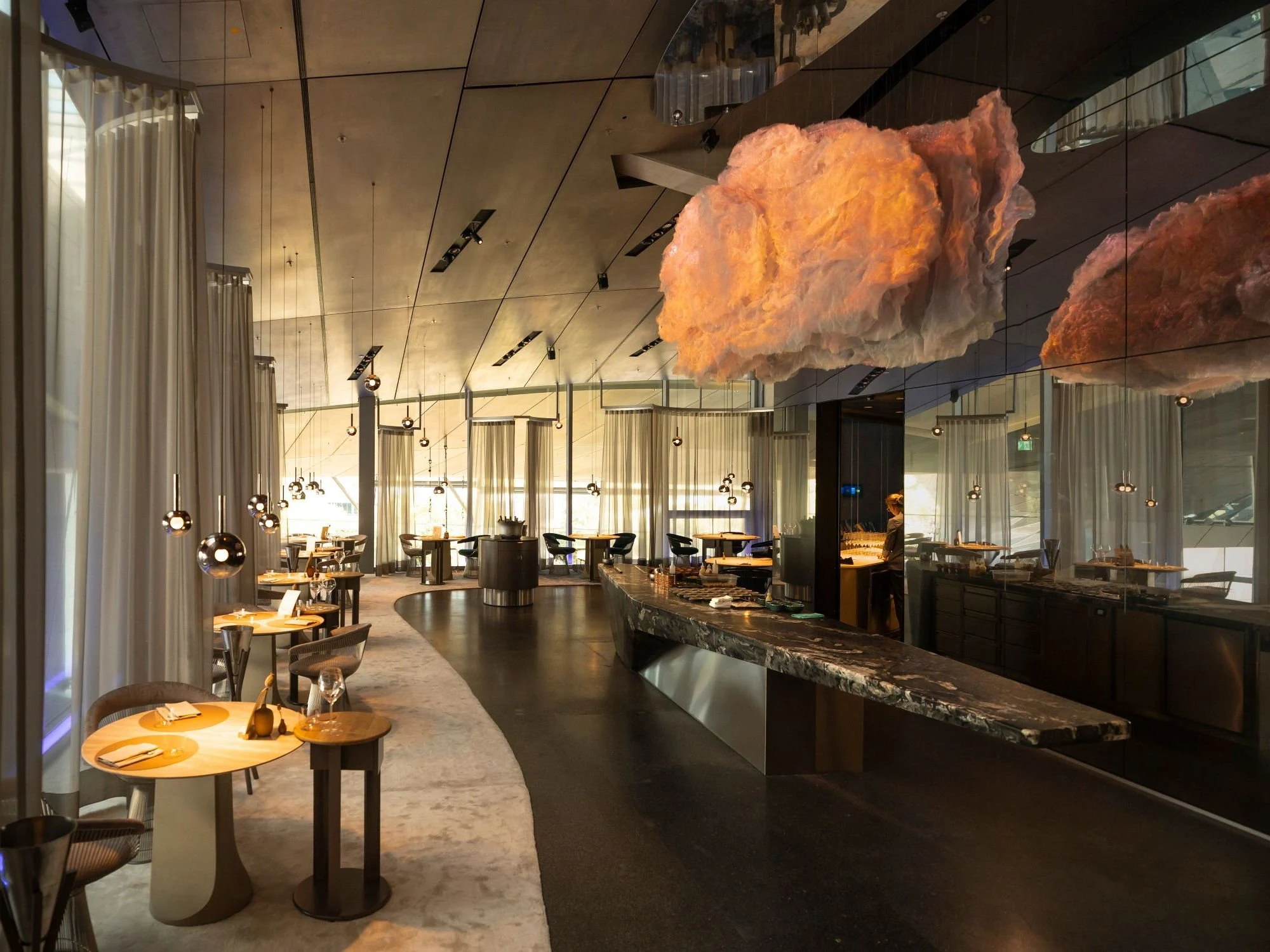
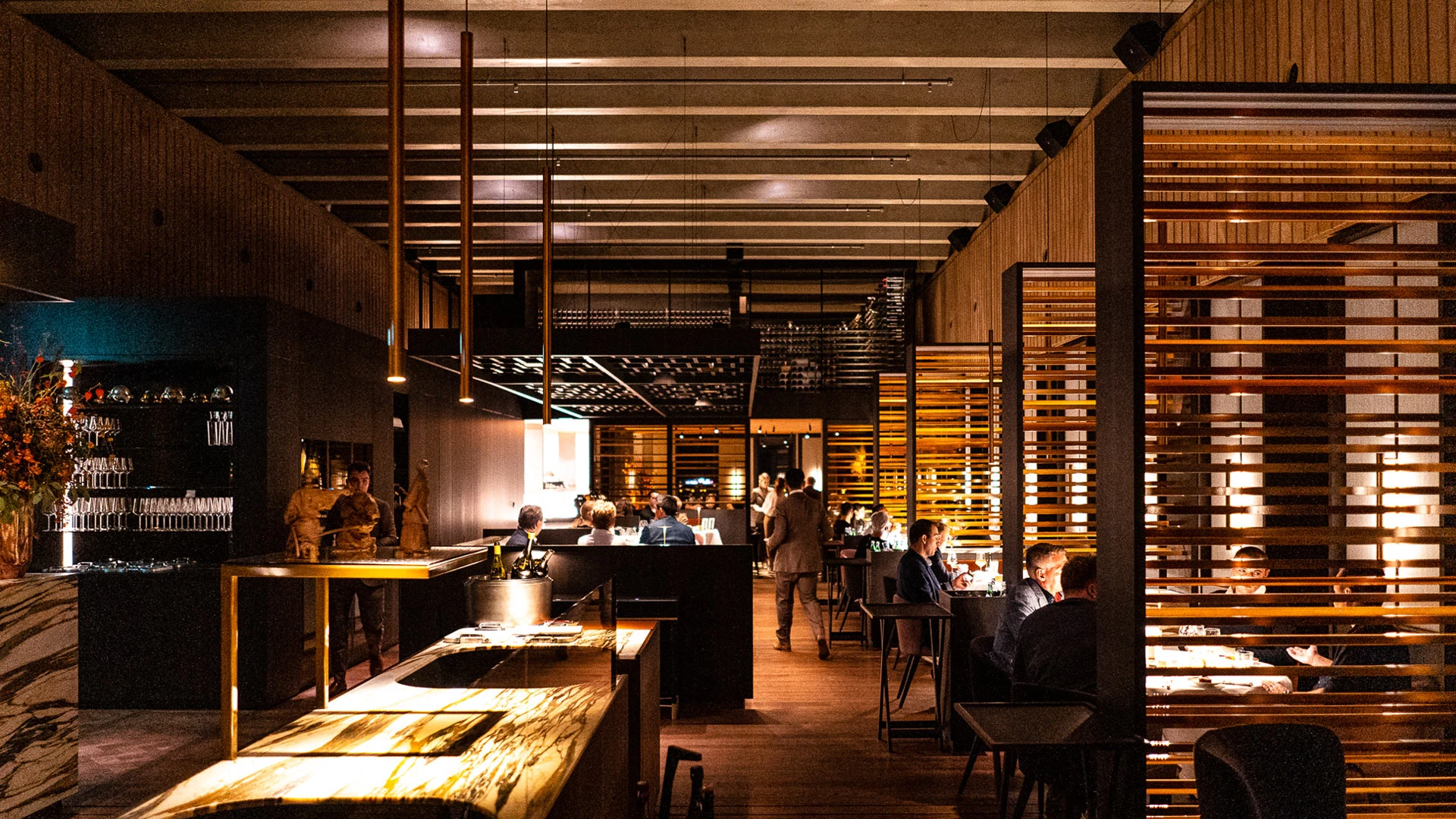
Antwerp's Congresstraat runs through a residential stretch of the 2060 district, north of the tourist belt and removed from the old port's more conspicuous dining corridors. Restaurants here tend to attract a local constituency rather than passing trade, and the architecture gives nothing away: the street-level approach to Nage offers no theatrical signage or doorman theatre. What you find inside is a room that reads as considered rather than designed, the kind of space where the cooking carries the weight and the interior provides a frame rather than a statement.
That register matters, because it positions Nage within a distinct tier of contemporary European dining. The neo-bistro format that has shaped cities like Paris and Copenhagen over the past decade arrived in Antwerp's neighbourhood restaurant scene with some delay but considerable coherence. The formula involves French structural technique applied to a seasonal, often regionally sourced palette of ingredients, delivered at a price point that sits below the Michelin starred bracket without abandoning seriousness. Nage is a restaurant in Antwerp, led by chef Koen Lenaerts, serving Modern French Contemporary cooking at about $100 per person.
The Sunday letter
Find new places through the people who run them.
Our Sunday email brings you the chefs, winemakers and hoteliers behind our newest stories. See a sample before you subscribe.
See a sample of the Sunday emailOne email a week. Unsubscribe from any issue.
The Flemish Pantry as a French Argument
Belgian cuisine occupies a position that is frequently misread from outside the country. The Flemish kitchen has deep roots in the same northern French and Burgundian traditions that shaped modern European cooking, but it draws on an agricultural and coastal larder that differs meaningfully from its French counterpart. Flemish plains produce high-quality chicory, leeks, asparagus, and endive; the North Sea coast supplies flatfish and shellfish with a salinity and texture that differs from Atlantic or Mediterranean alternatives; the interior produces beef and pork with considerable character. When a kitchen applies contemporary French discipline to these raw materials, the results carry a regional specificity that purely French cooking cannot replicate.
The provenance angle is central to understanding what neo-bistro cooking in Belgium does at its finest. Across the country, the kitchens that have attracted sustained critical attention, from Hof van Cleve - Floris Van Der Veken in Kruishoutem to Willem Hiele in Oudenburg and Bartholomeus in Heist, consistently anchor their identity in place and season. Nage, operating at a more accessible price tier than those destination-level addresses, pursues a version of the same argument. Chef Koen Lenaerts works within a cuisine type tagged as both neo-bistro and French contemporary, a pairing that signals fluency in classic French construction alongside an interest in the looser, more ingredient-led plating that defines the bistronomy movement.
Antwerp's Mid-Tier Dining Tier: Where Nage Sits
To understand Nage's position in the city, it helps to map Antwerp's dining tiers with some precision. At the top of the creative bracket, Zilte operates from the MAS museum tower with a format and price architecture that puts it in conversation with Boury in Roeselare and Belgium's handful of three-star addresses. Just below that tier, Hertog Jan at Botanic brings a Modern Flemish and Creative approach at the €€€€ level. Classic Flemish cooking is represented by 't Fornuis, also at the €€€€ tier. Bistrot du Nord, which operates French Traditional Cuisine at the €€€ level, is the closest comparison in format and price to Nage.
Nage at €€€ is positioned in the bracket that requires the most editorial justification in a city with this depth of competition: too expensive to be casual, not expensive enough to absorb the cost of a full fine-dining infrastructure. Restaurants in this range succeed or fail based on the quality of the sourcing and the precision of the cooking, because they cannot lean on spectacle or ceremony to pad the experience. The OAD Casual Europe ranking, #708 in 2025, an improvement from #633 in 2024 and a progression from the Recommended tier in 2023, signals a kitchen that has been moving in a consistent direction rather than holding a static position. That trajectory over three successive years is more meaningful, from a critical standpoint, than a single snapshot ranking.
For international comparison points, the neo-bistro register at this price tier has analogues in cities like New York, where technically grounded mid-format restaurants such as Atomix operate in a similarly precise register, albeit with a different cultural vocabulary. The French seafood tradition, explored at its most rigorous at Le Bernardin, casts a long shadow over any kitchen working in the French contemporary mode, regardless of geography. Nage's Michelin Plate recognition in both 2024 and 2025 puts it in the monitored set below star level, a signal that the guide's inspectors return regularly rather than having written it off or refined it beyond reach.
Schedule and Planning
The operating schedule shapes the visit significantly. Nage runs on a four-day week: Monday, Friday, Saturday, and Sunday, with service at both lunch (noon to 3 pm) and dinner (7 pm to midnight). Tuesday, Wednesday, and Thursday are closed. That midweek closure is common in Belgian restaurants at this level, where kitchen brigade size and consistency of sourcing often make a tighter schedule the more sustainable option. Weekend lunch, running to midnight on the dinner side, gives meaningful flexibility for a city break itinerary.
Antwerp as a dining destination rewards the structured approach. The city's restaurant density in the serious-to-destination tier is high relative to its size, and the range of approaches available within a short distance is considerable, from DIM Dining's Japanese and Asian format to the classical Flemish kitchen at 't Fornuis, to neo-bistro registers like Nage. A multi-day visit that combines lunch and dinner sessions across different tiers gives a more complete picture of what the city's food culture has built.
The address, Congresstraat 42, 2060 Antwerpen, places it in the northern city district. Google review data, 4.5 stars across 170 reviews, gives a floor for the general diner experience. Both point in the same direction.
For Belgian context beyond Antwerp, Bozar Restaurant in Brussels and d'Eugénie à Emilie in Baudour offer further data points on how Belgian kitchens are operating across the country's different geographic and cultural registers.
Questions
Frequently asked
Who works at Nage?
Made By profiles Koen Lenaerts (Chef) at Nage.
How expensive is Nage?
Nage is listed at a price level of $$$.
Where is Nage and what does it serve?
Nage is in Historic Center, Antwerp, serving Modern French Contemporary.
The field
How it compares
| Place | Cuisine | Notes | Awards |
|---|---|---|---|
| Nage | Modern French Contemporary | Historic Center, $$$ | · |
| Dôme | Modern French Fine Dining | Antwerp | Michelin 1 Star |
| Fine Fleur | Michelin-Starred French Fine Dining | Antwerp | Michelin 1 Star |
| Hertog Jan at Botanic Sanctuary | Modern Japanese Omakase Fine Dining | Antwerp | Michelin 2 Stars |
| The Butcher's son | Modern Meats and Grills | Antwerp | Michelin 1 Star |
| The Jane | Modern Creative with Asian Influences | Antwerp | Michelin 2 Stars, World's 50 Best |
| Zilte | Modern Fine Dining | Antwerp | Michelin 3 Stars |
In residence
Similar places
Modern French Fine Dining
Dôme
Antwerp, Belgium
★
Michelin-Starred French Fine Dining
Fine Fleur
Antwerp, Belgium
★
Modern Japanese Omakase Fine Dining
Hertog Jan at Botanic Sanctuary
Antwerp, Belgium
★★
Modern Meats and Grills
The Butcher's son
Antwerp, Belgium
★
Modern Creative with Asian Influences
The Jane
Antwerp, Belgium
★★ · 50 Best
Modern Fine Dining
Zilte
Antwerp, Belgium
★★★
The Sunday letter
Get the next Made By story in your inbox.
We send one email every Sunday morning with the places and people we covered that week.
See a sample of the Sunday emailOne email a week. Unsubscribe from any issue.