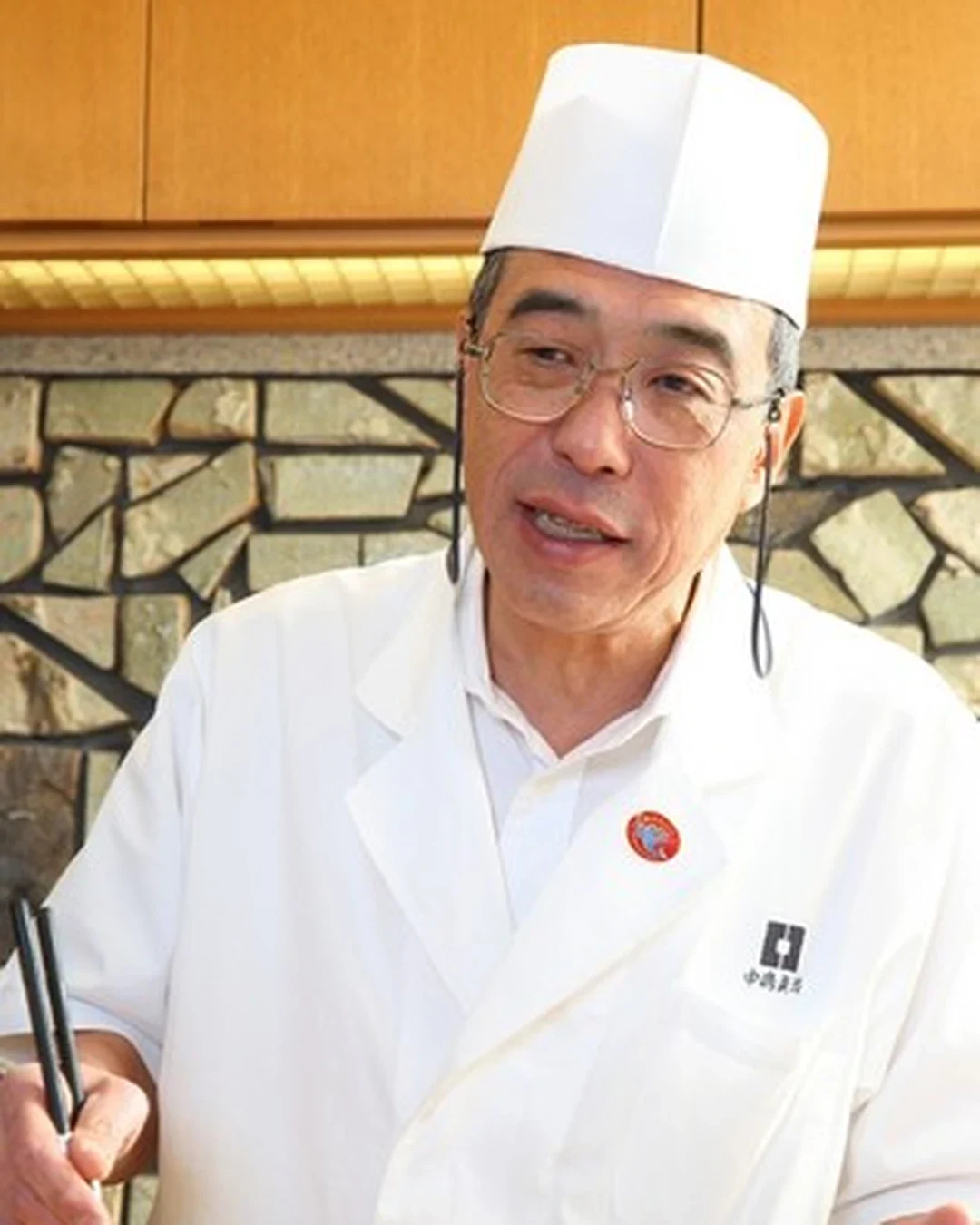
Sadaharu Nakajima, owner and chef of Nakajima in Tokyo, shapes a basement room around owan, sardines, and restraint.
- Opinionated About Dining Top Restaurants in Japan Recommended · 2026
Owan sets the pace downstairs
Owan asks for a steady hand before it asks for ornament. Sadaharu Nakajima, owner and chef of Nakajima in Tokyo, works from that premise, keeping authorship and execution close enough that the kitchen and the room answer to the same standard. His training in Kyoto matters here less as biography than as method: repetition, attention, the habit of reading small changes in texture, temperature, and balance before they become visible to the diner. At Nakajima, that discipline is not separated from service or atmosphere. The owner-chef structure puts the creative decisions and the operational burden in the same hands, so restraint is not a style laid over the meal. It is the way the place is run.
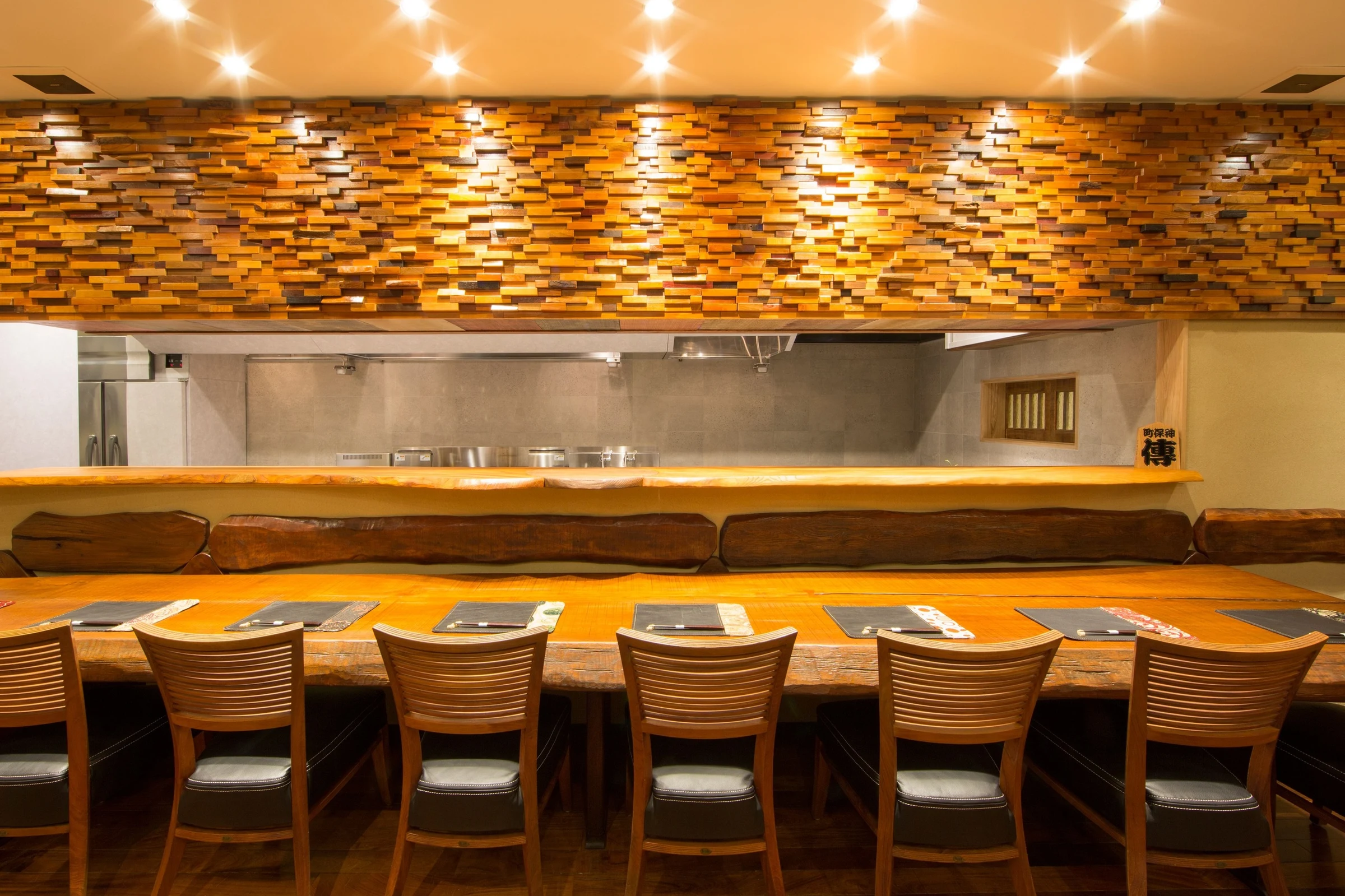
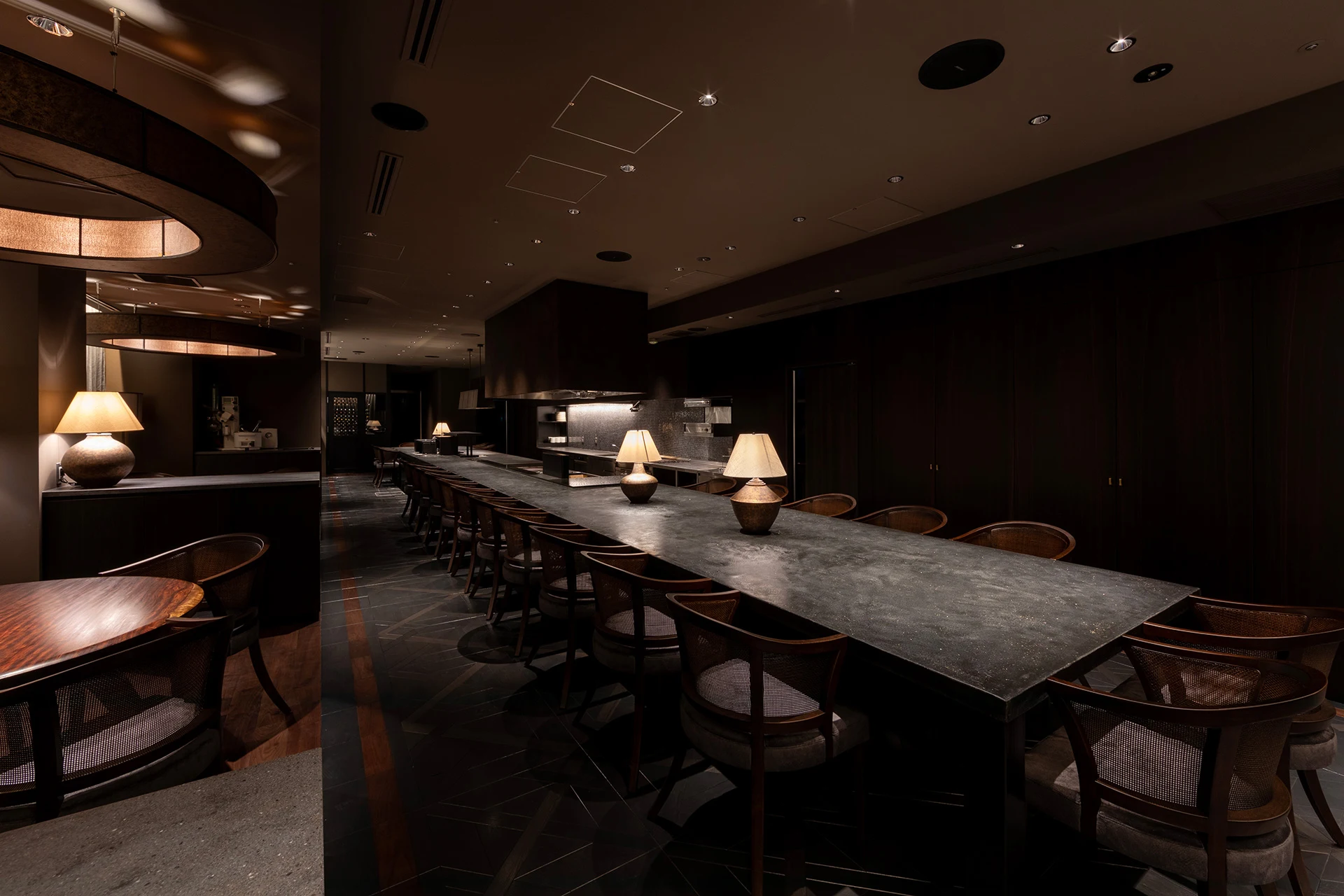
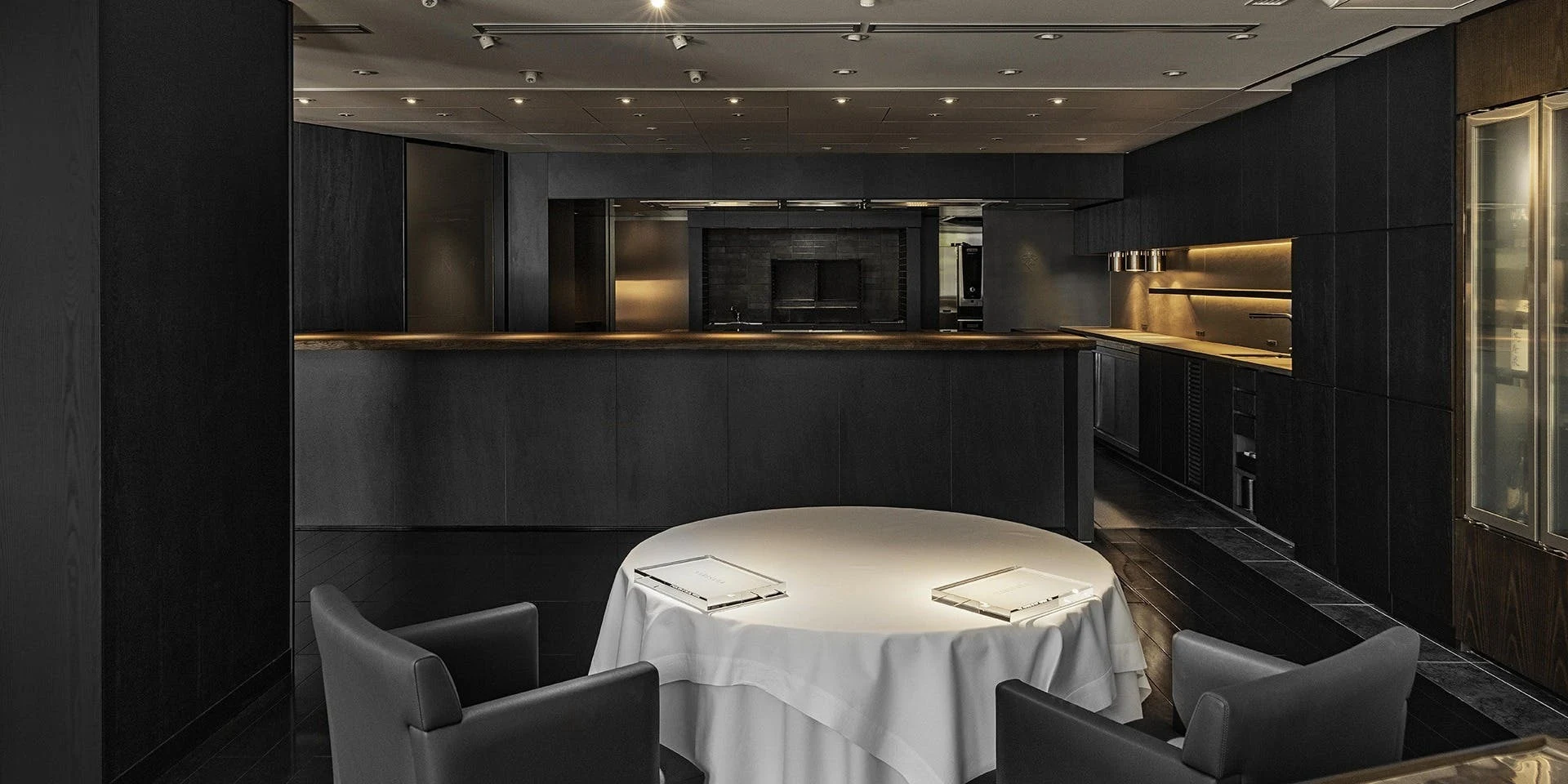
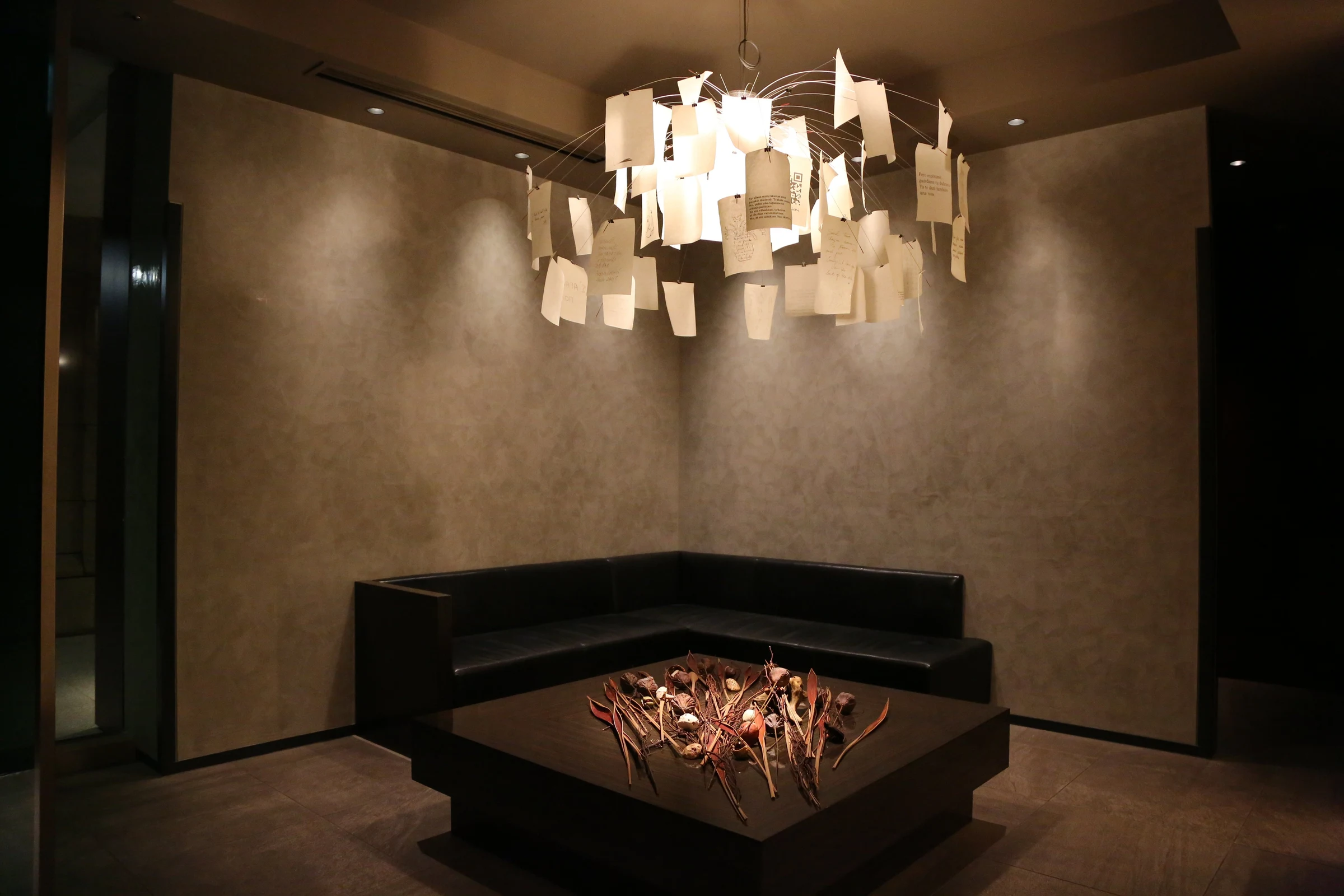
The restaurant sits below street level in Shinjuku, reached by a narrow stair into the basement of the Nihara Building. That descent suits the work. Nothing about the room asks to be louder than the food, and Nakajima’s name carries less like a brand than like a measure placed on the pass. Owan, listed as his specialty, gives that measure a clear form: a dish that rewards composure, proportion, and the refusal to overwork what should remain lucid.
Sardines, sushi, and the discipline of restraint
Nakajima is known publicly as a basement restaurant for traditional Japanese multi-course meals, with multiple sardine dishes running through the menu. The fish gives the kitchen a narrow field, which is often where a cook’s control becomes easiest to read. Sardine sashimi, fried sardines coated in egg and served hot in broth, sushi, seasonal fish, and owan all ask for different timing and touch. One dish depends on the clean cut and immediate freshness of the fish. Another depends on heat, coating, and broth arriving together, without turning weighty.
That range is not an argument for variety for its own sake. It is a program built on adjustments. The kitchen has to decide when to leave a sardine close to raw expression, when to frame it with batter and egg, when to let broth carry the finish, and when to let a bowl of owan hold the meal’s quieter center. Nakajima’s Kyoto foundation gives those decisions their grammar. The chef does not need excess when balance is the test. Each course returns to the same question: what is necessary, and what would dull the line.
The room below Shinjuku
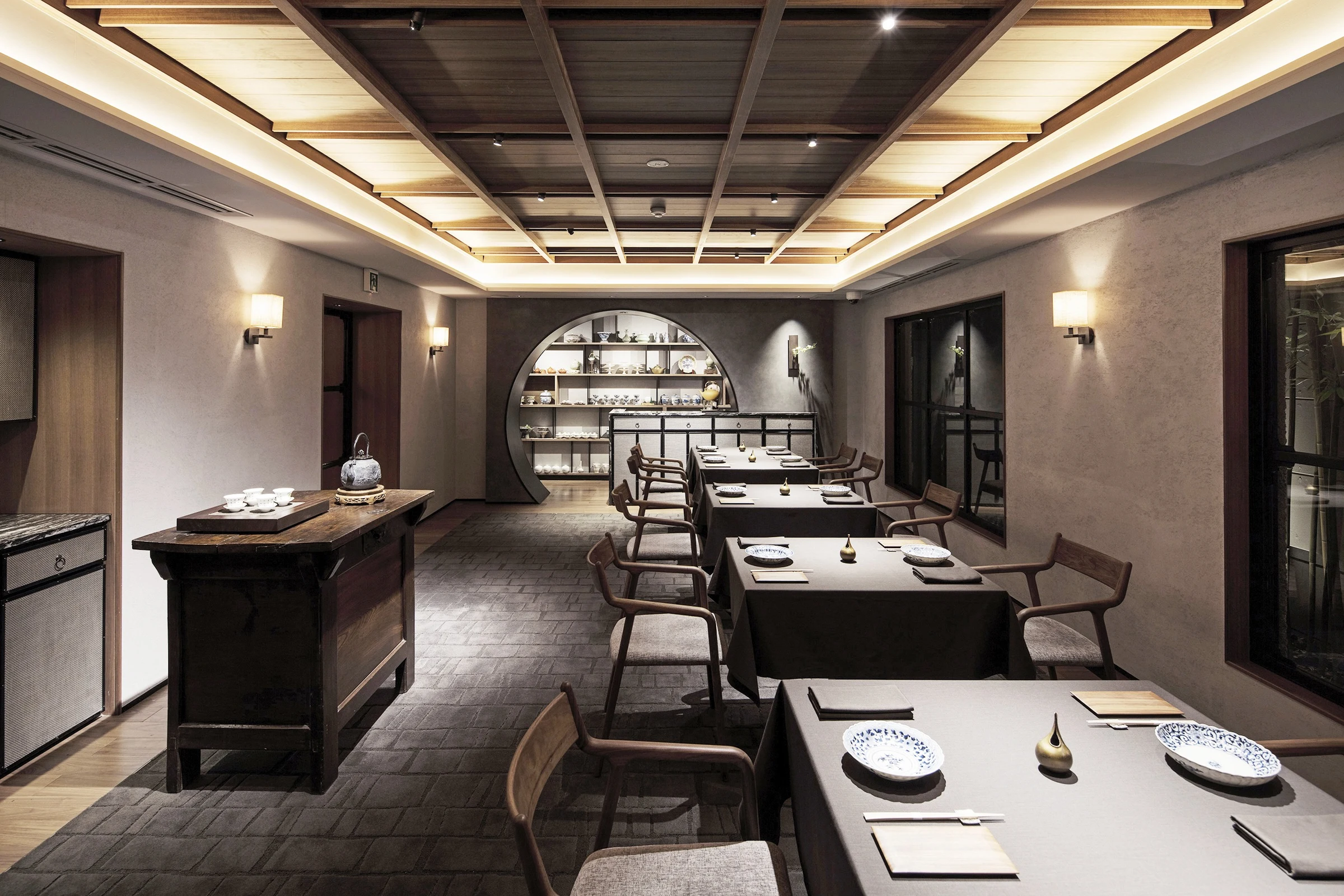
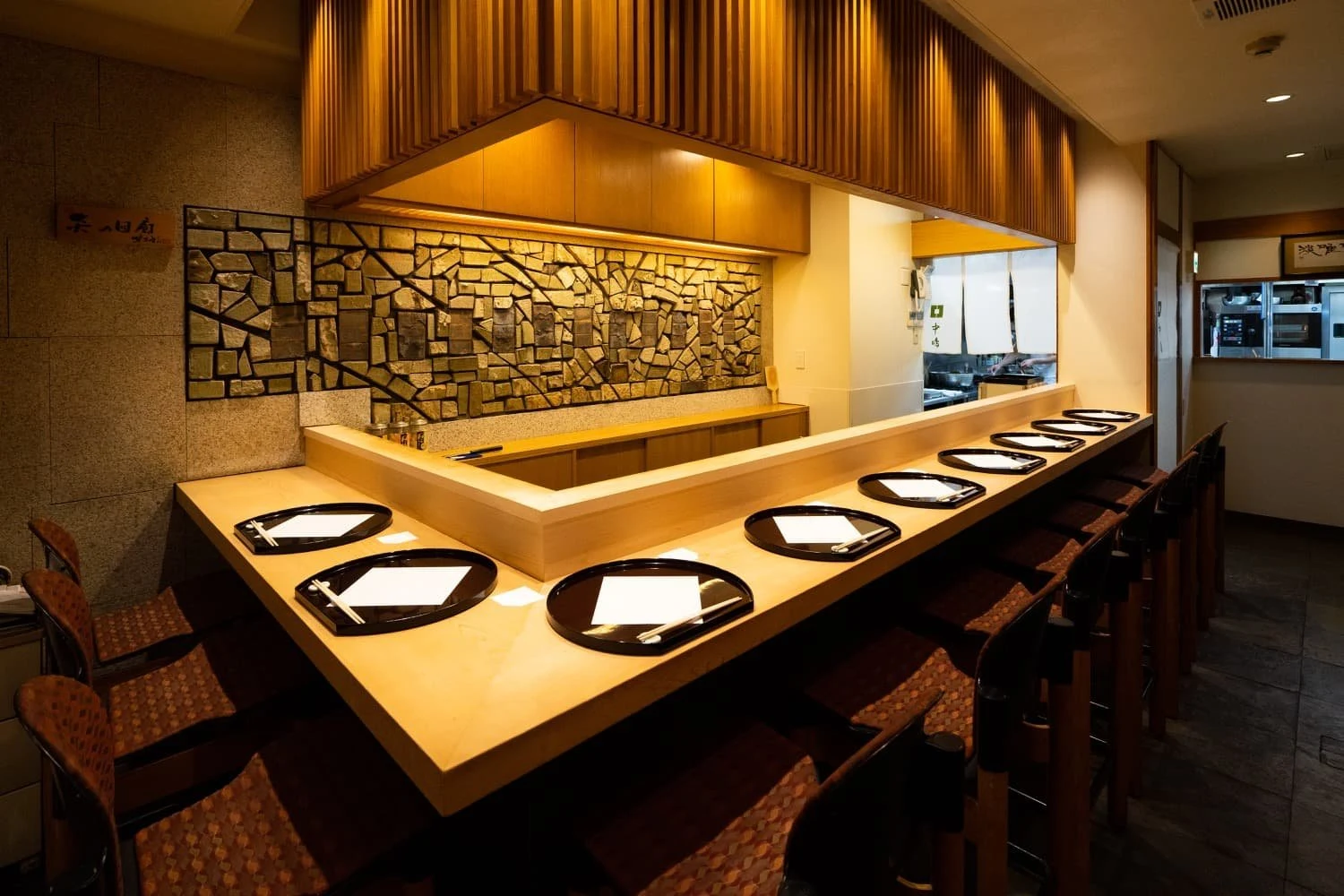
The room is reached by stairs rather than spectacle, and that changes the first register of the meal. Shinjuku moves above it; below, the restaurant narrows attention to the counter, the pass, the servers carrying each course, and the small pauses between bowls and plates. English explanations are part of the service when needed, but the room’s real language is sequence. A dish arrives, the temperature is immediate, the next course waits its turn.
There is a particular intimacy to a basement restaurant organized around disciplined food. The ceiling feels closer, the movement of the staff reads more clearly, and the diner notices the intervals that a larger room can swallow. Sardine, broth, sushi rice, seasonal fish, and owan do not need a grand stage here. They need timing. Nakajima’s room gives them that.
A standard held in one pair of hands
The point of Nakajima is not that a single dish explains the restaurant. It is that the same hand seems to govern the dish, the pacing, and the tone of the room. Owner and chef is a practical title, but here it also names a discipline: one person carrying the burden of taste and the burden of keeping the house aligned with it.
As long as Sadaharu Nakajima remains at the pass, the clearest thread to follow is the one already in front of the guest, the way owan holds form, restraint, and temperature inside a single bowl at Nakajima.
Questions
Frequently asked
Who is behind Nakajima?
Sadaharu Nakajima is the owner and chef, and the restaurant is run with the kitchen and the room answering to the same standard.
What is Nakajima known for?
Nakajima is known as a basement restaurant for traditional Japanese multi-course meals, with multiple sardine dishes running through the menu and owan listed as a specialty.
What kind of dishes does it serve?
The menu includes sardine sashimi, fried sardines coated in egg and served hot in broth, sushi, seasonal fish, and owan.
Where is the restaurant located?
Nakajima sits below street level in Shinjuku, reached by a narrow stair into the basement of the Nihara Building in Tokyo.
What is the dining room like?
The room is close to the pass and the counter, and English explanations are part of the service when needed.
The field
How it compares
| Place | Cuisine | Awards | Notes |
|---|---|---|---|
| Nakajima | Sushi | · | · |
| Den | Modern Japanese Kaiseki | Michelin 2 Stars, World's 50 Best | Tokyo |
| Florilège | Modern French-Japanese Plant-Based Fine Dining | Michelin 2 Stars, World's 50 Best | Tokyo |
| Narisawa | Modern Japanese Satoyama Fine Dining | Michelin 2 Stars, World's 50 Best | Tokyo |
| Quintessence | Modern French Fine Dining | Michelin 3 Stars | Tokyo |
| Sazenka | Modern Chinese Fine Dining | Michelin 3 Stars, World's 50 Best | Tokyo |
| Sézanne | French | Michelin 3 Stars, World's 50 Best | Tokyo |
In residence
Similar places
Modern Japanese Kaiseki
Den
Tokyo, Japan
★★ · 50 Best
Modern French-Japanese Plant-Based Fine Dining
Florilège
Tokyo, Japan
★★ · 50 Best
Modern Japanese Satoyama Fine Dining
Narisawa
Tokyo, Japan
★★ · 50 Best
Modern French Fine Dining
Quintessence
Tokyo, Japan
★★★
Modern Chinese Fine Dining
Sazenka
Tokyo, Japan
★★★ · 50 Best
French
Sézanne
Tokyo, Japan
★★★ · 50 Best