Members shape estate Cabernet blends
- Pearl 3 Star Prestige · 2025
Raised among the family vineyards
Helena, back inside the family winegrowing domain. Her work now sits in the cultural layer of the bench: sales, marketing, communications, and the language a house uses when it speaks about farming, cellars, membership, and time. At Napa Valley Reserve, that role matters because the place asks members to come close to production rather than simply receive a finished bottle. The lineage is explicit, but the station is not inherited as a caption. It is carried through choices about how the estate explains itself, how much it reveals, and how the member’s hand enters the making of a Cabernet Sauvignon blend.
Estate fruit, personal blends
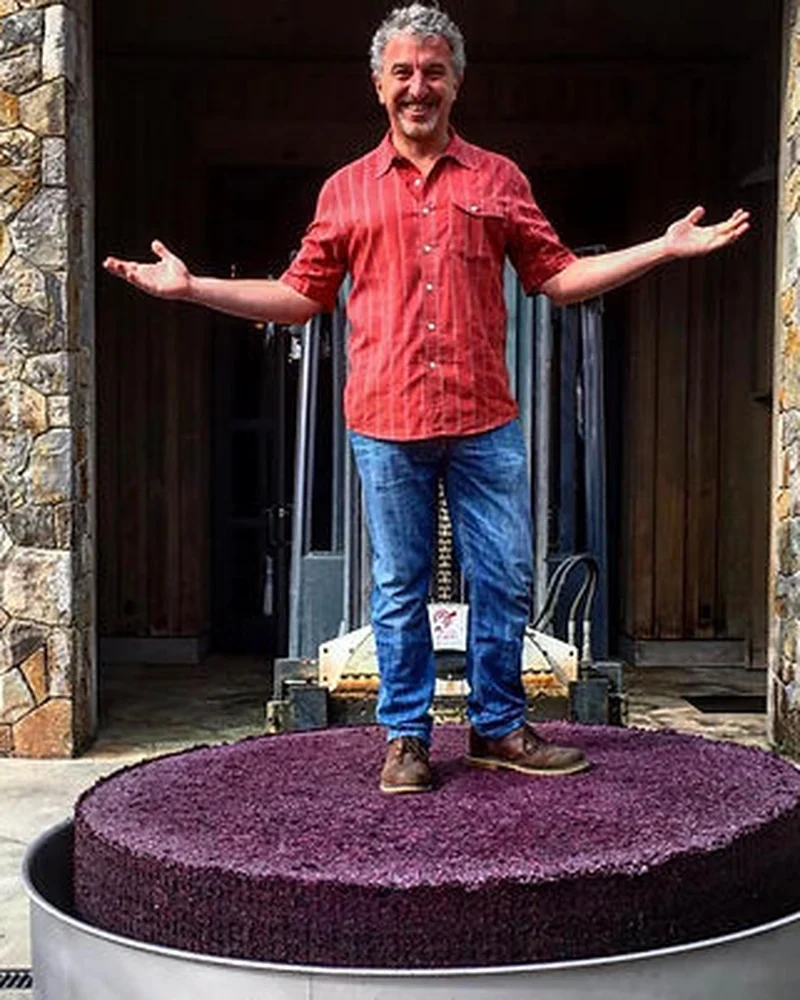
The method here is built around participation. Napa Valley Reserve is a private winegrowing club where members oversee the production of personalized Cabernet Sauvignon blends from estate grapes, a structure that turns blending from a cellar decision into a sustained apprenticeship in taste. The estate also works with Sauvignon Blanc and Pinot Noir, though its stated wine focus is still red, and its ground falls within the Napa Valley AVA. The house describes its production scale as small and its philosophy as conventional, but it does not publish the cellar figures that would turn that into volume. What can be said is more useful at the bench-side: members taste, compare, and decide under the discipline of estate fruit, with the final blend shaped inside the boundaries of vineyard, vintage, and cellar. The work is not a generic tasting exercise. It is a program of selection, proportion, and patience, where the member learns that preference has to answer to structure, tannin, fruit, and the long shape of Cabernet Sauvignon.
The Sunday letter
Find new places through the people who run them.
Our Sunday email brings you the chefs, winemakers and hoteliers behind our newest stories. See a sample before you subscribe.
See a sample of the Sunday emailOne email a week. Unsubscribe from any issue.
An estate against the Vaca mountains
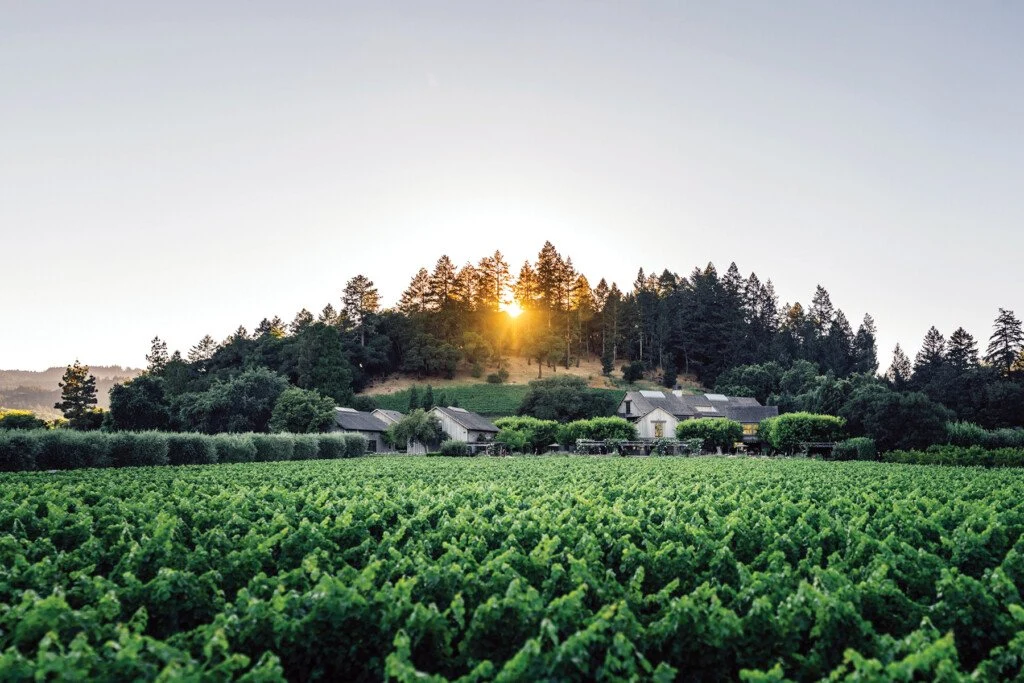
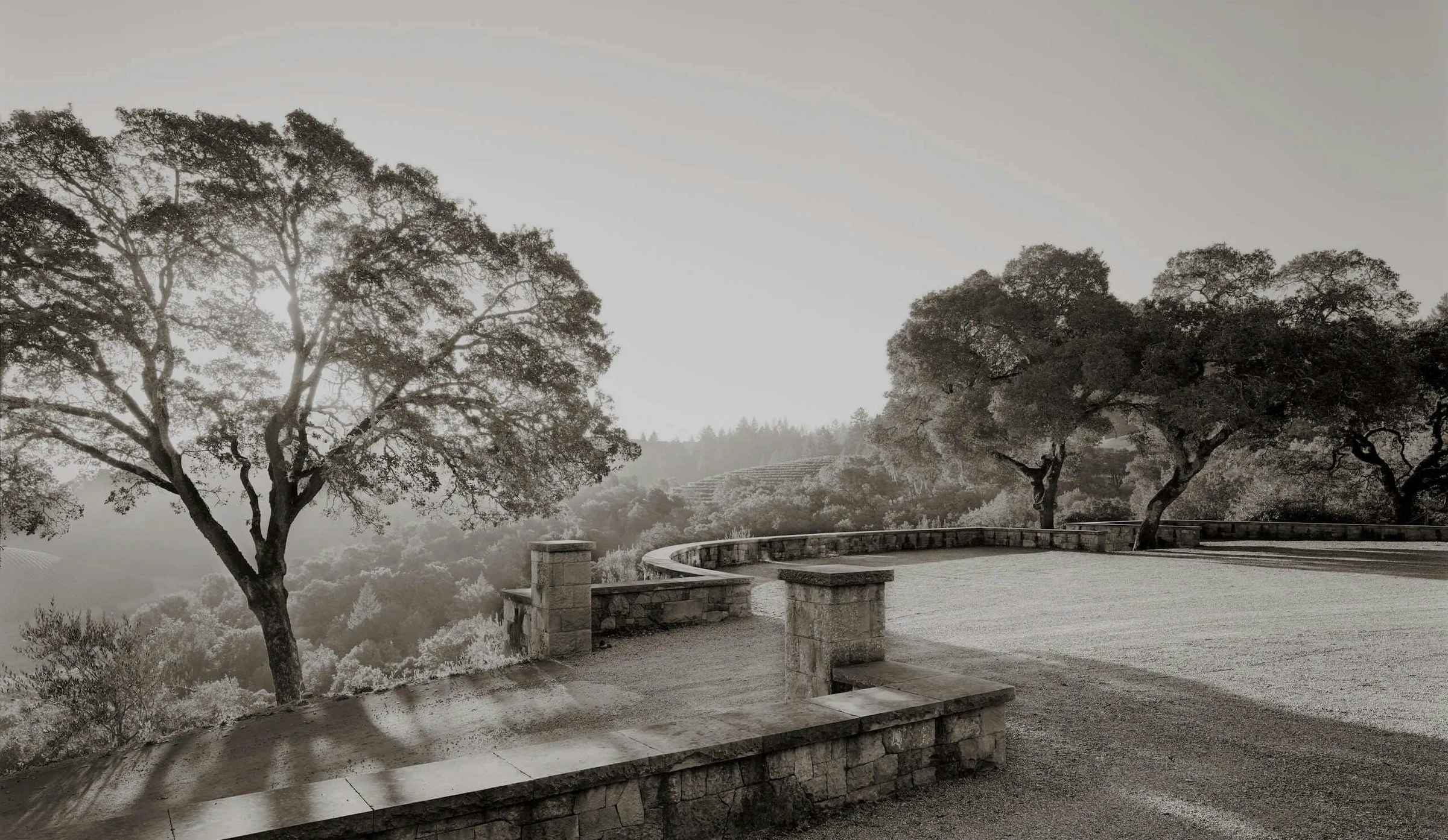
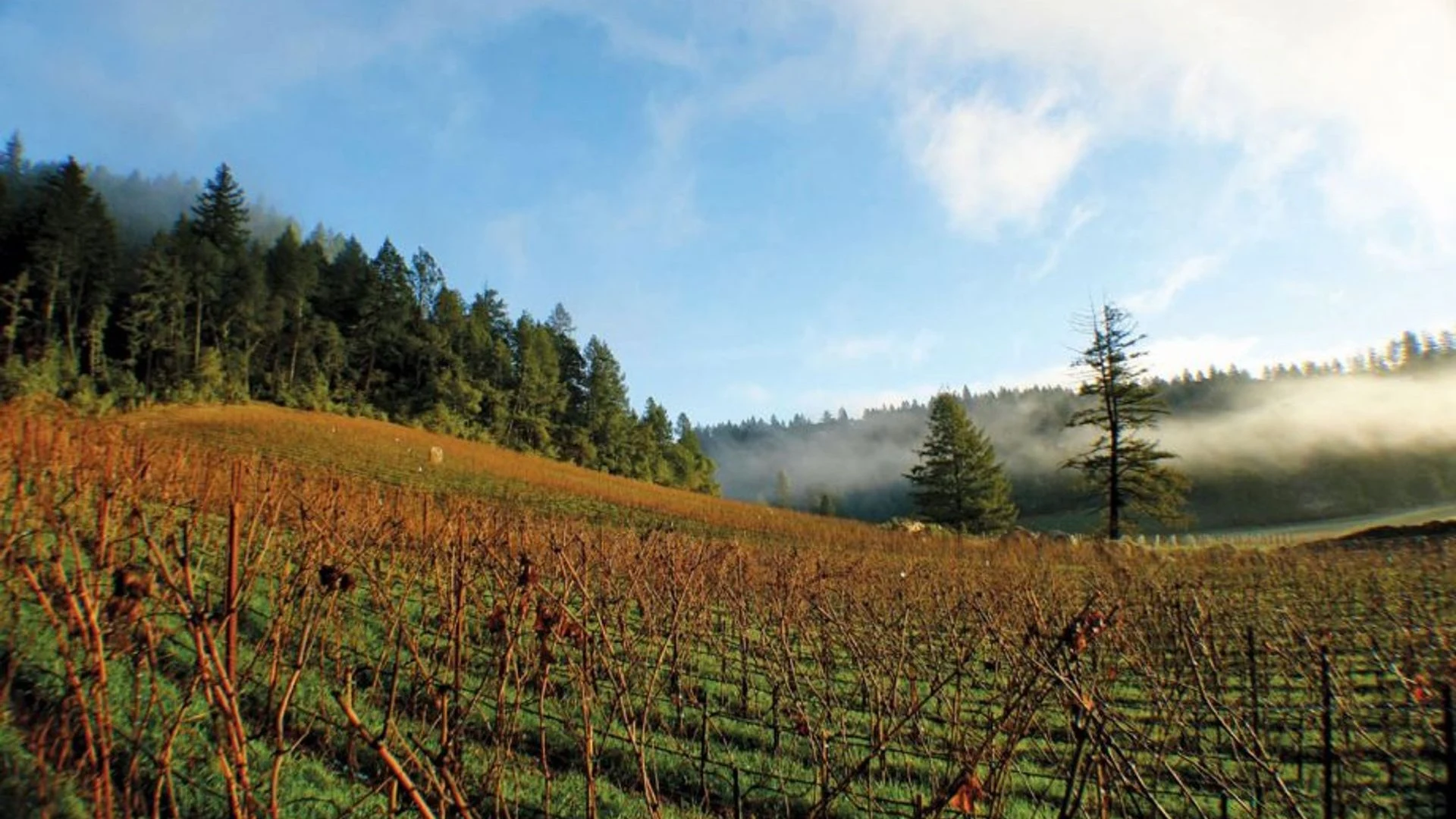
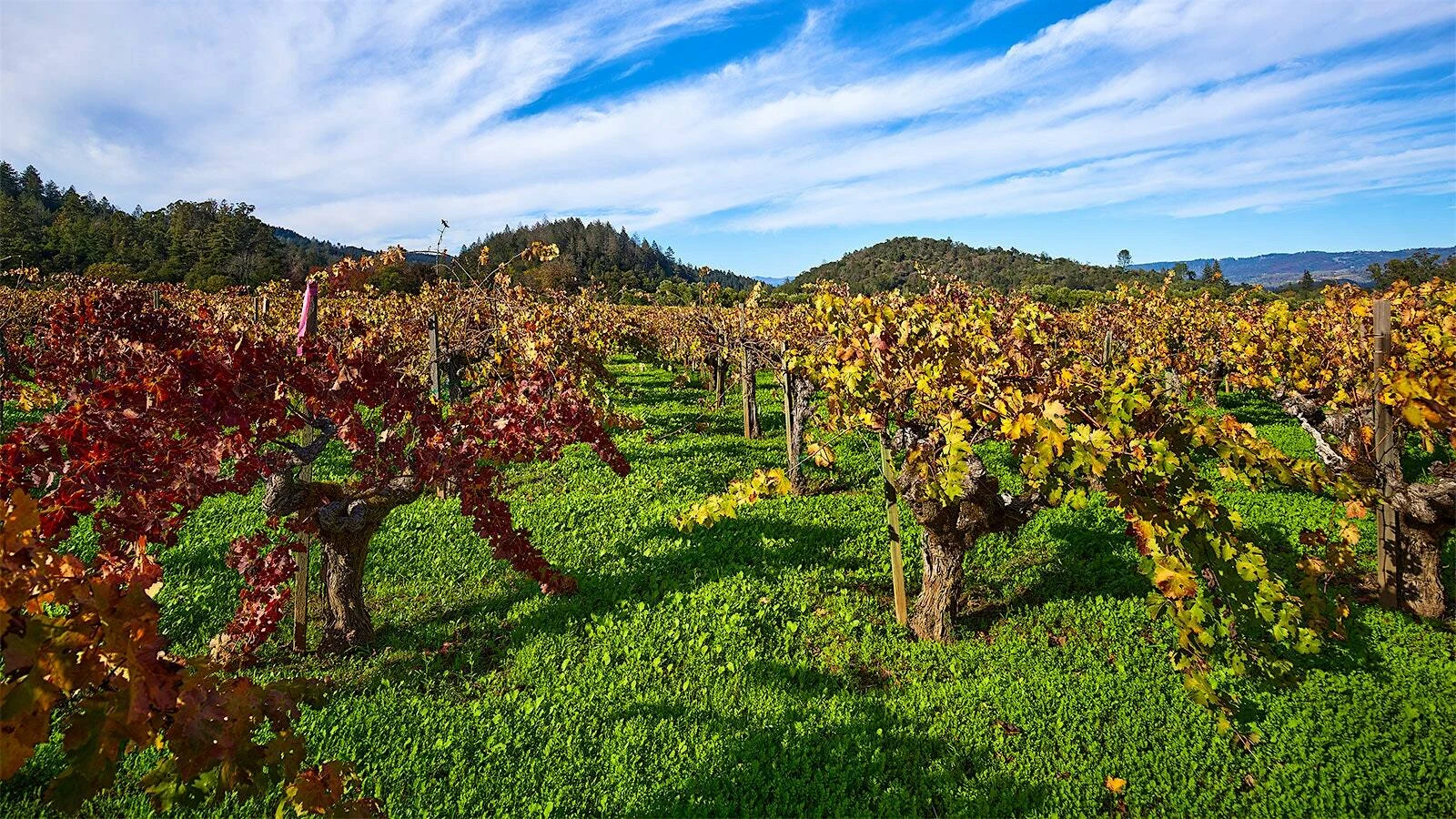
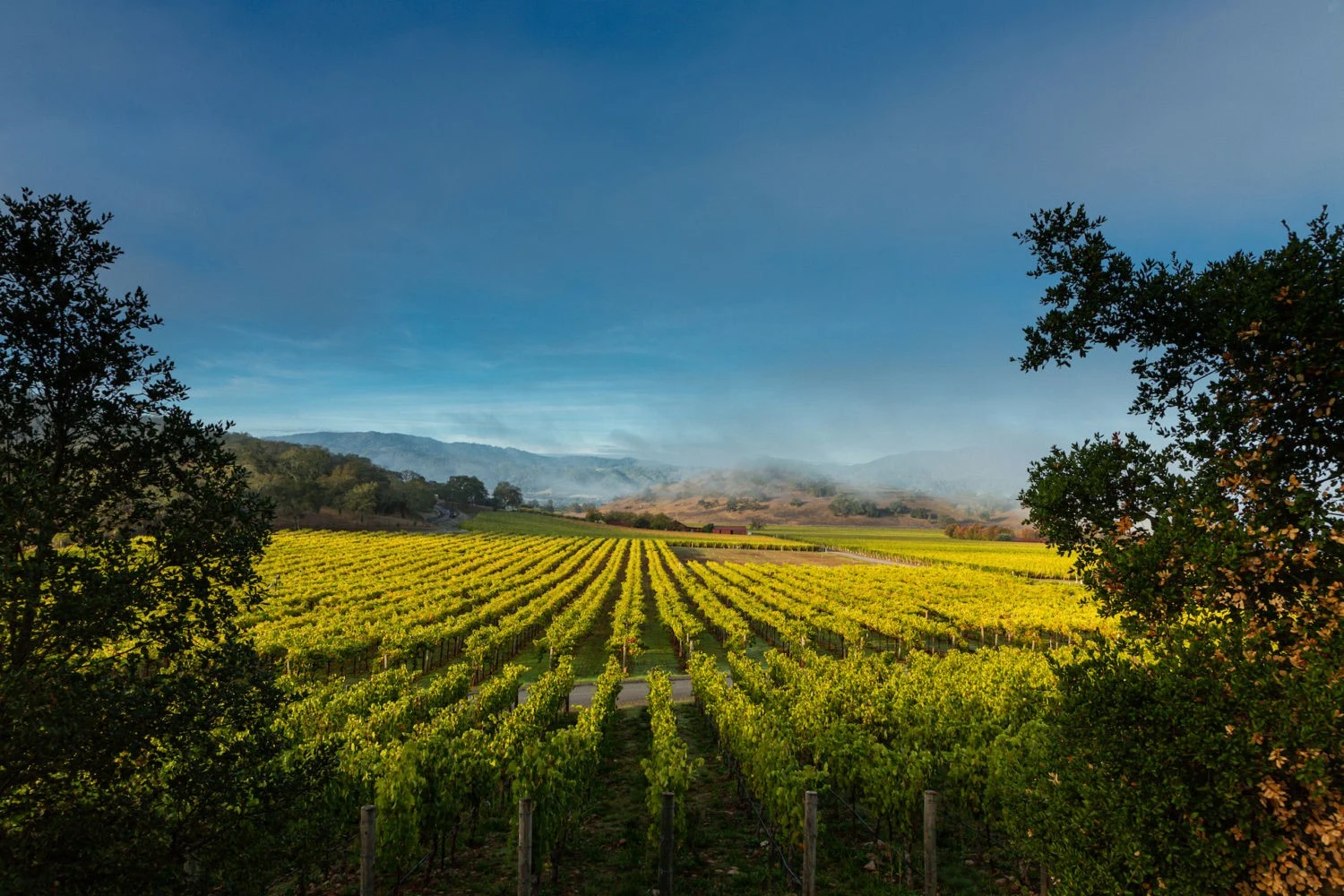
The place gives the work room to slow down. Napa Valley Reserve sits on an 80-acre private estate in St. Helena, with vineyards, aging caves, a kitchen, gardens, and olive groves set against the Vaca mountains. The tasting room and cellar life belong to a quiet rural register rather than a public hospitality rhythm. Natural surroundings do not soften the discipline of the program; they frame it. A member may move from vineyard to cave to blending table, and each setting changes the way the wine is read. In the vineyard, Cabernet Sauvignon is a plant and a season. In the cellar, it becomes material under instruction. At the table, it becomes a decision.
The culture around the cellar
Her craft is the house’s culture: how a private estate describes closeness without turning it into spectacle, how a family portfolio keeps its different properties distinct, and how members are taught to understand their own blends with restraint. The next movement here is not a public release or a dining-room opening. It is the continuing work of bringing members back to the estate grapes, the caves, and the Cabernet Sauvignon blend that carries the name Napa Valley Reserve.
Questions
Frequently asked
What kind of place is Napa Valley Reserve?
Napa Valley Reserve is a private winegrowing club in St. Helena.
What do members do there?
Members oversee the production of personalised Cabernet Sauvignon blends from estate grapes, and the estate also works with Sauvignon Blanc and Pinot Noir.
What is the setting like?
The estate sits on 80 acres in St. Helena and includes vineyards, aging caves, a kitchen, gardens, and olive groves set against the Vaca mountains.
Can anyone book a visit?
Reservations are members only.
What are the opening hours?
Napa Valley Reserve is open Monday through Sunday from 9 AM to 5 PM.
The field
How it compares
| Place | Notes | Awards |
|---|---|---|
| Napa Valley Reserve | St. Helena, $$$$ | · |
| BOND Winery | Napa | · |
| Harlan Estate | Napa | · |
| Hundred Acre | Napa | · |
| Joseph Phelps Vineyards | Napa | World's 50 Best |
| Scarecrow | Napa | · |
| Screaming Eagle | Napa | · |
In residence
Similar places

The Sunday letter
Get the next Made By story in your inbox.
We send one email every Sunday morning with the places and people we covered that week.
See a sample of the Sunday emailOne email a week. Unsubscribe from any issue.