Nishiazabu Yakiniku X
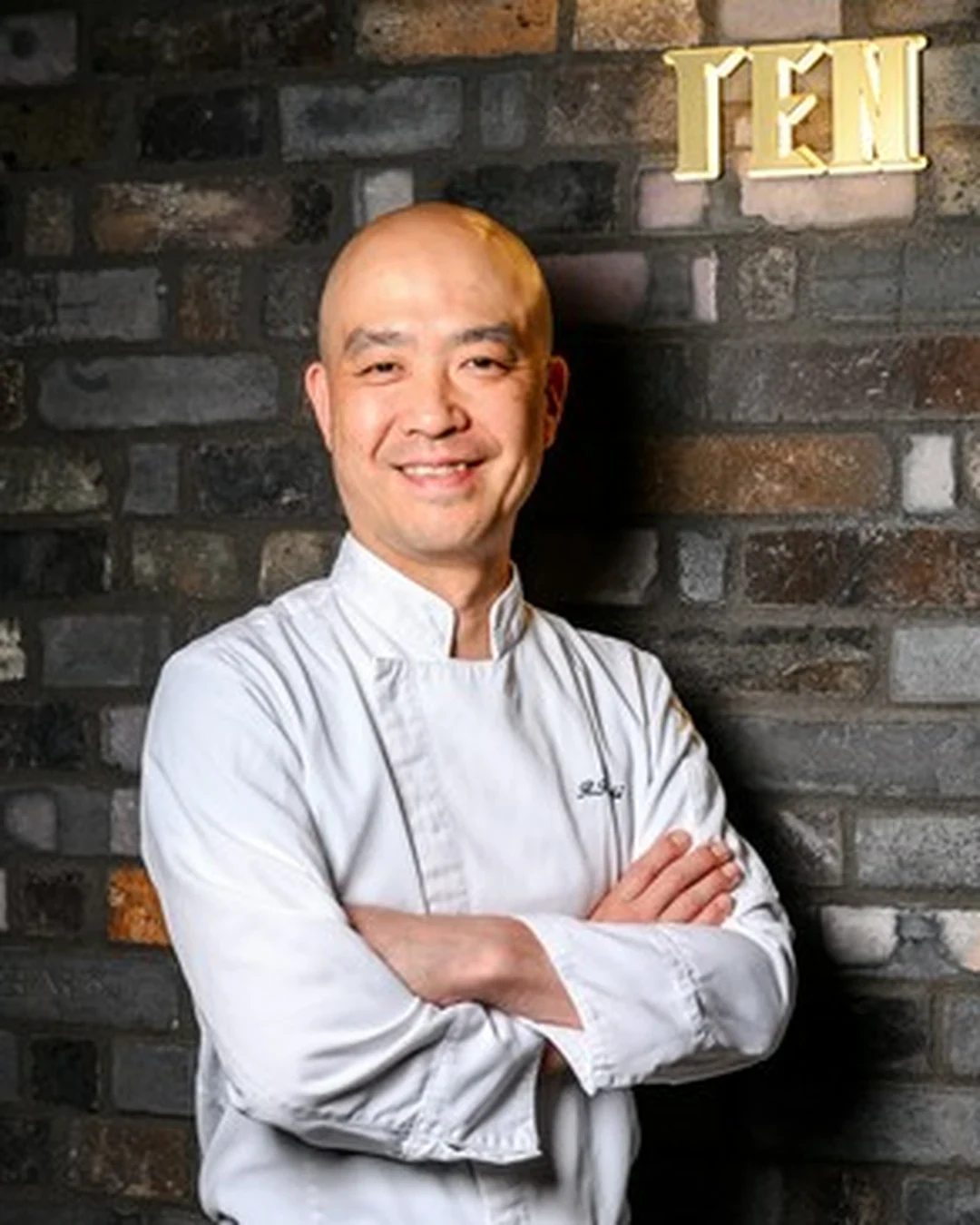
In Residence
Ryo Kawasaki
Chef
- 01CuisineLuxury Yakiniku with Tajima Wagyu
- 02CityTokyo, Japan
Tajima beef cooked tableside
- Opinionated About Dining Top Restaurants in Japan Recommended · 2026
- Opinionated About Dining Top Restaurants in Japan Ranked #448 · 2025
- Tabelog 100 #65: 3.8pts · 2025
- Opinionated About Dining Top Restaurants in Japan Ranked #429 · 2024
- Opinionated About Dining Top Restaurants in Japan Recommended · 2023
Meat first, then the fire
Tajima beef reaches the table before the grill takes command. Ryo Kawasaki, chef of Yakiniku Ten in Tokyo, leads a kitchen built around meat dishes rather than a broad repertoire. His professional beginning was Brasserie Tablose in Daikanyama, the Tokyo address that gives his formation its first fixed point. Since 2019, he has led the kitchen at Nishiazabu Yakiniku Ten, where the work narrows toward Wagyu, heat, seasoning, and the timing of service in private rooms.
Kawasaki’s lineage is traced through houses more than named masters. Brasserie Tablose marks the first kitchen; the TEN kitchens carry the later chapter. That matters here because yakiniku can become anonymous very quickly when the grill is treated as the guest’s burden. At Yakiniku Ten, the house puts the act of cooking back into trained hands. The chef’s role sits behind that decision: meat arrives selected, cut, seasoned, and paced so the room can stay in conversation while the station works.
Tableside heat, course by course
The method at Yakiniku Ten depends on controlled proximity. One griller works each table with side-positioned roasters and teppans, moving the work close to the guest without turning the meal into self-service. The stated pursuit is Tajima Beef and Tajima-Gen chosen for healthy cattle, deep red meat flavor, and fat quality. The course structure lets that sourcing appear in different temperatures and textures: cold consommé soup, Tajimaguro sashimi, yukhoe with caviar, tongue with dashi soy, lemon salt, and green onion sauce, then liver with sesame oil, ichibo, harami, thick-cut fillet steak, rib roast sukiyaki, cold beef bone broth udon, and gelato.
The seasoning language stays close to the beef. Dashi soy, homemade salts, sesame oil, and broth do not try to pull the meal away from yakiniku; they give each cut a narrower frame. A Kobe Beef prosciutto open sandwich and caviar push the menu toward fusion, but the bench discipline remains fire and doneness. The restaurant has appeared on Opinionated About Dining’s Leading Restaurants in Japan list, recommended in 2023, ranked 429 the following year, and 448 in 2025.
Four rooms below Nishiazabu
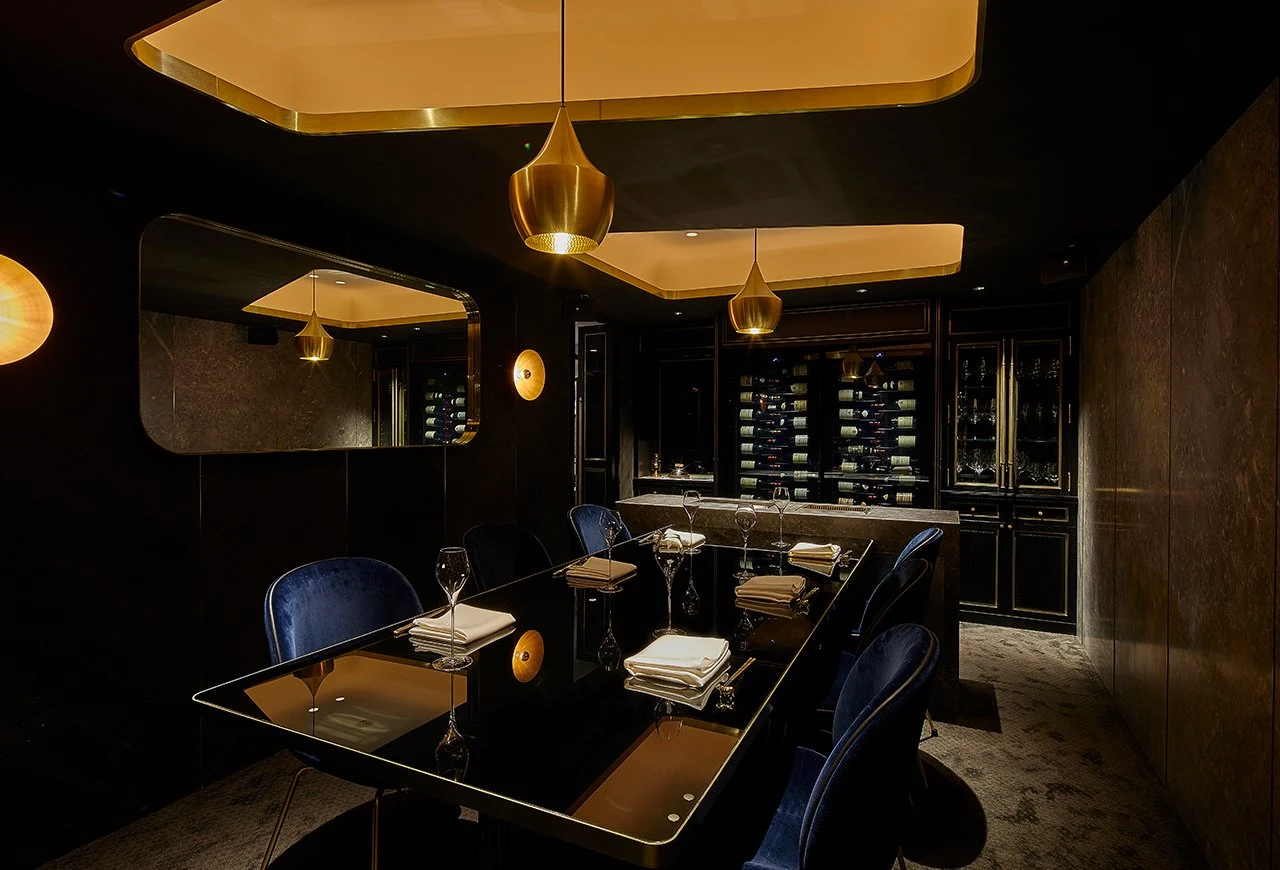
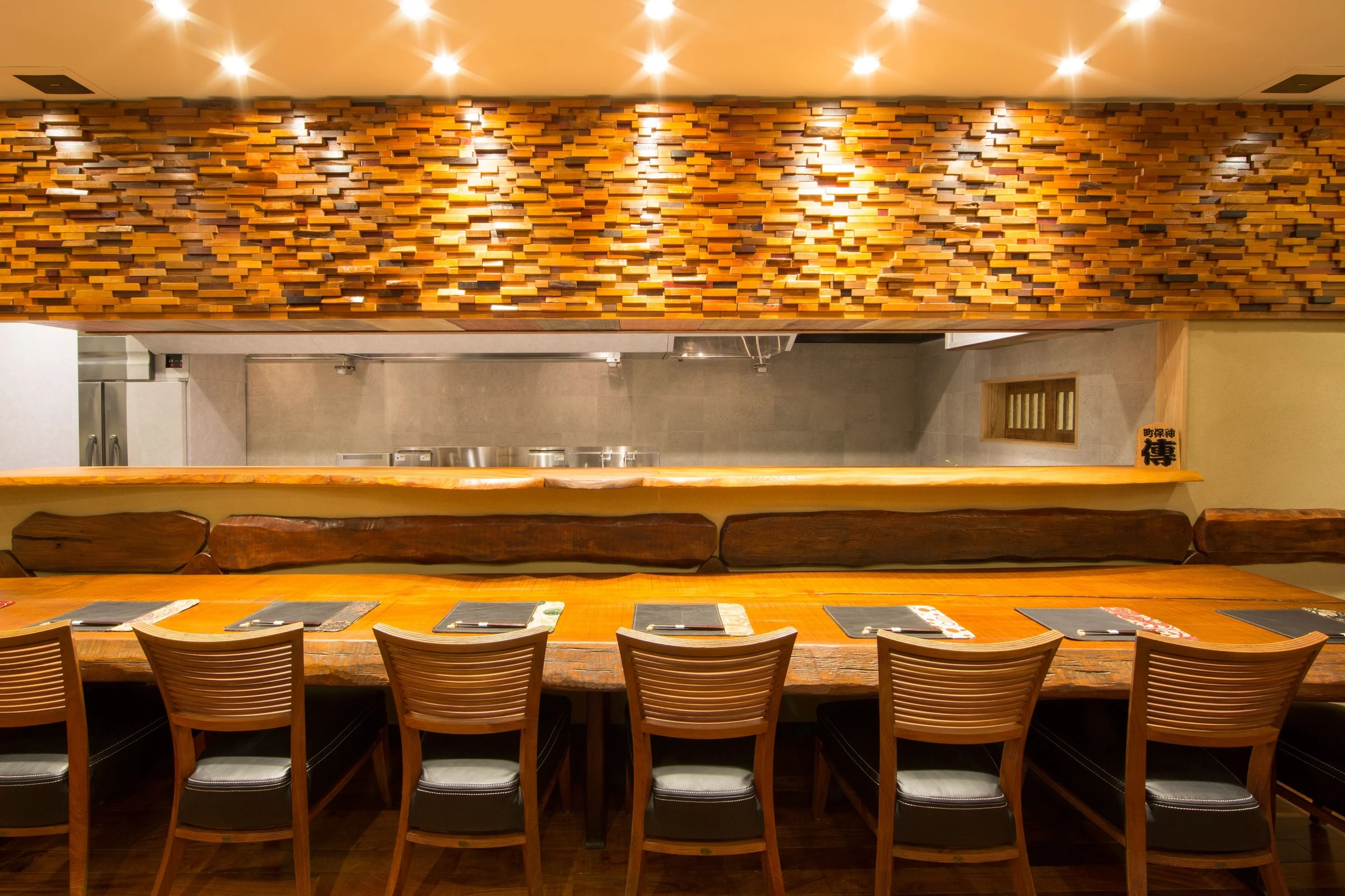
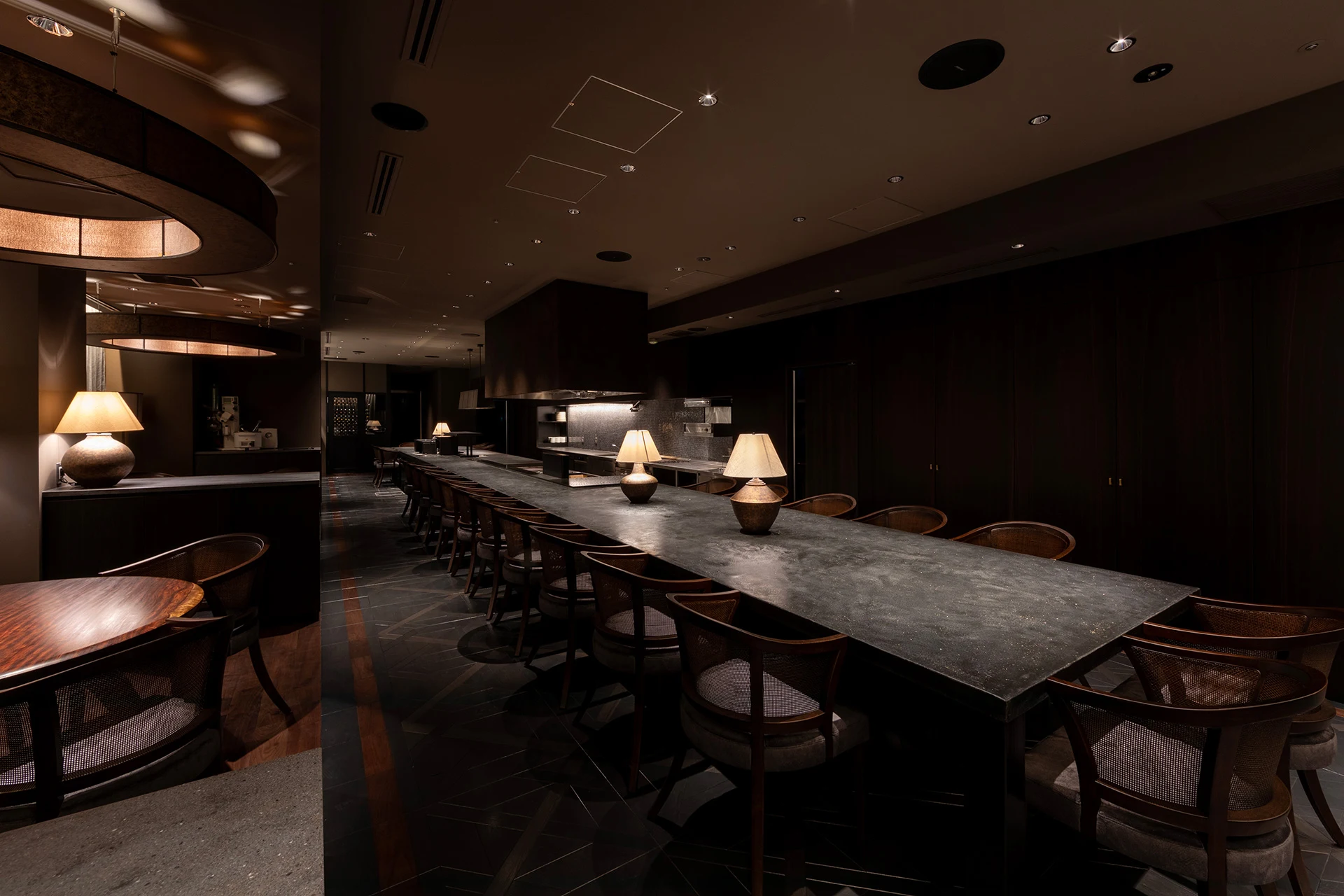
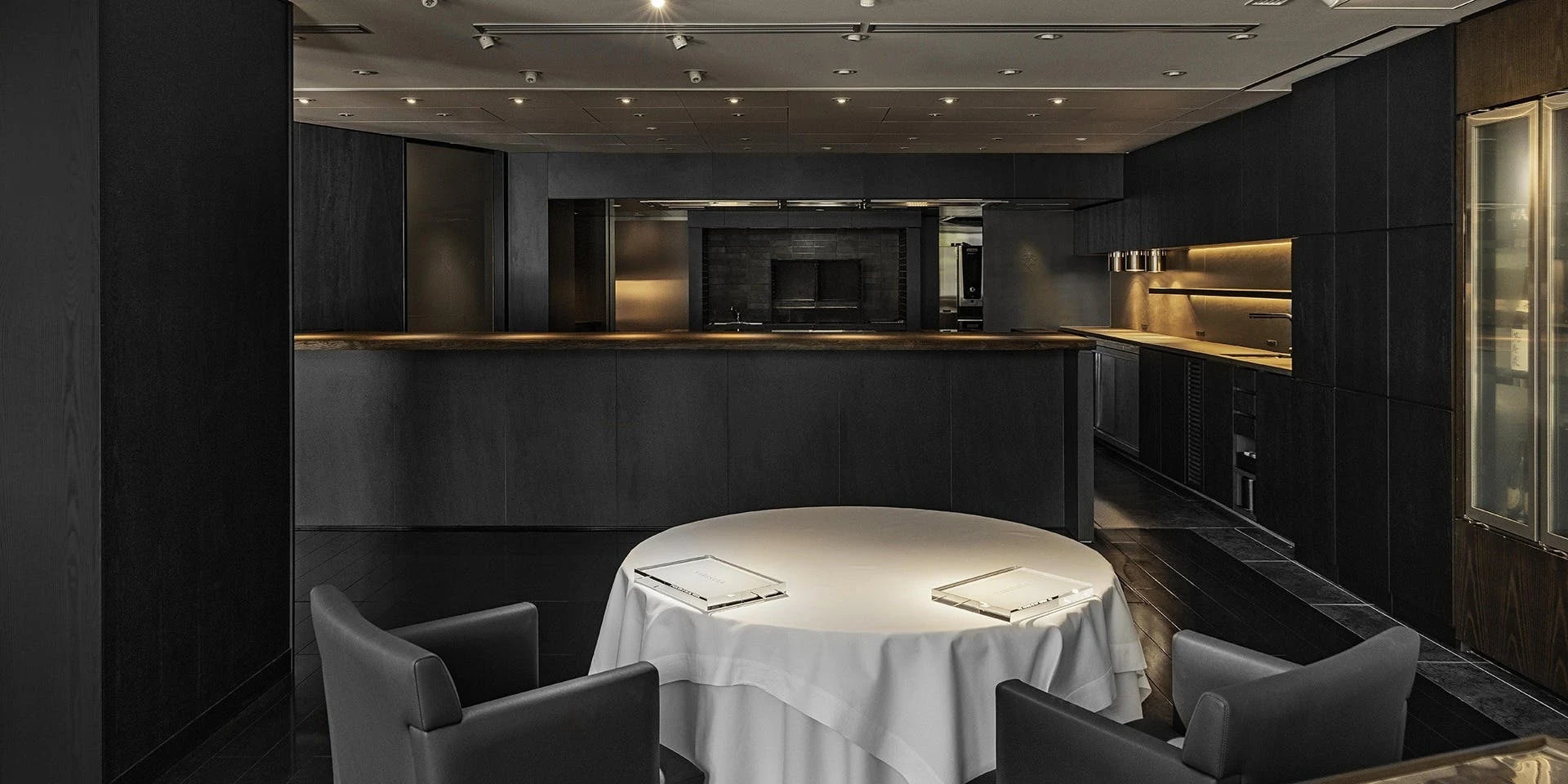
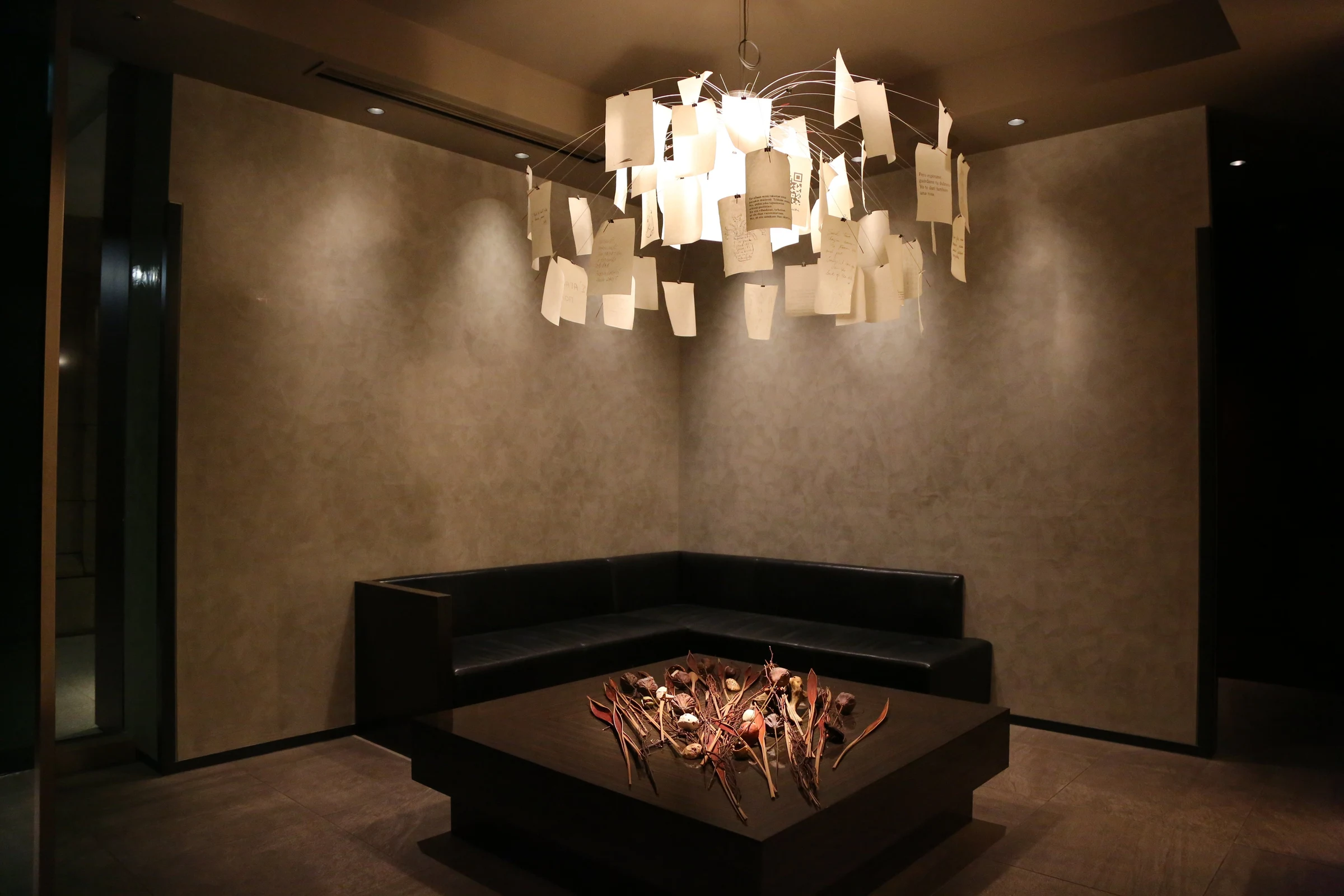
The room is deliberately separated from the usual theater of open yakiniku. Yakiniku Ten works from four completely private rooms on a B1F level in Nishiazabu, a setting that shifts attention from the noise of a central grill to the smaller exchanges at the table. The roaster sits to the side. The griller works from there. Plates arrive in sequence, and the smell of fat meeting heat stays part of the meal without taking over the room.
That privacy changes the pace of the pass. Conversation does not stop for guests to manage tongs, smoke, and timing; the house absorbs those decisions. Pairing sets of wine and sake are built around the courses, with the beverage program following the meat rather than competing with it. The hand near the fire stays with the work, watching a cut of Tajimaguro move from red to seared at Yakiniku Ten.
The Sunday letter
Get new places like Nishiazabu Yakiniku X every Sunday.
One email a week with the restaurants, bars and hotels we have just written up, and the people who run them.
One email a week. Unsubscribe from any issue.
Questions
Frequently asked
Who is the chef at Yakiniku Ten?
Ryo Kawasaki leads the kitchen at Yakiniku Ten. His professional beginning was at Brasserie Tablose in Daikanyama, and he has led the kitchen at Nishiazabu Yakiniku Ten since 2019.
What is Yakiniku Ten known for?
The restaurant is built around Tajima beef and tableside fire. The kitchen focuses on meat dishes, with the grill work handled by staff rather than by guests.
What is the dining format like?
Yakiniku Ten works from four completely private rooms on a B1F level in Nishiazabu. One griller works each table from side-positioned roasters and teppans, so the meal stays centered on the kitchen’s timing and service.
Has Yakiniku Ten been recognised by any restaurant guide?
It has appeared on Opinionated About Dining’s Leading Restaurants in Japan list. The restaurant was recommended in 2023, ranked 429 in the following year, and ranked 448 in 2025.
How can a booking be made?
Bookings are taken direct.
The field
How it compares
| Place | Cuisine | Notes | Awards |
|---|---|---|---|
| Nishiazabu Yakiniku X | Luxury Yakiniku with Tajima Wagyu | Minato, $$$$ | · |
| Den | Modern Japanese Kaiseki | Tokyo | Michelin 2 Stars, World's 50 Best |
| Florilège | Modern French-Japanese Plant-Based Fine Dining | Tokyo | Michelin 2 Stars, World's 50 Best |
| Narisawa | Modern Japanese Satoyama Fine Dining | Tokyo | Michelin 2 Stars, World's 50 Best |
| Quintessence | Modern French Fine Dining | Tokyo | Michelin 3 Stars |
| Sazenka | Modern Chinese Fine Dining | Tokyo | Michelin 3 Stars, World's 50 Best |
| Sézanne | Modern French Fine Dining | Tokyo | Michelin 3 Stars, World's 50 Best |
In residence
Similar places
Modern Japanese Kaiseki
Den
Tokyo, Japan
★★ · 50 Best
Modern French-Japanese Plant-Based Fine Dining
Florilège
Tokyo, Japan
★★ · 50 Best
Modern Japanese Satoyama Fine Dining
Narisawa
Tokyo, Japan
★★ · 50 Best
Modern French Fine Dining
Quintessence
Tokyo, Japan
★★★
Modern Chinese Fine Dining
Sazenka
Tokyo, Japan
★★★ · 50 Best
Modern French Fine Dining
Sézanne
Tokyo, Japan
★★★ · 50 Best
The Sunday letter
Get the next Made By story in your inbox.
We send one email every Sunday morning with the places and people we covered that week.
One email a week. Unsubscribe from any issue.