Nobelhart & Schmutzig

In Residence
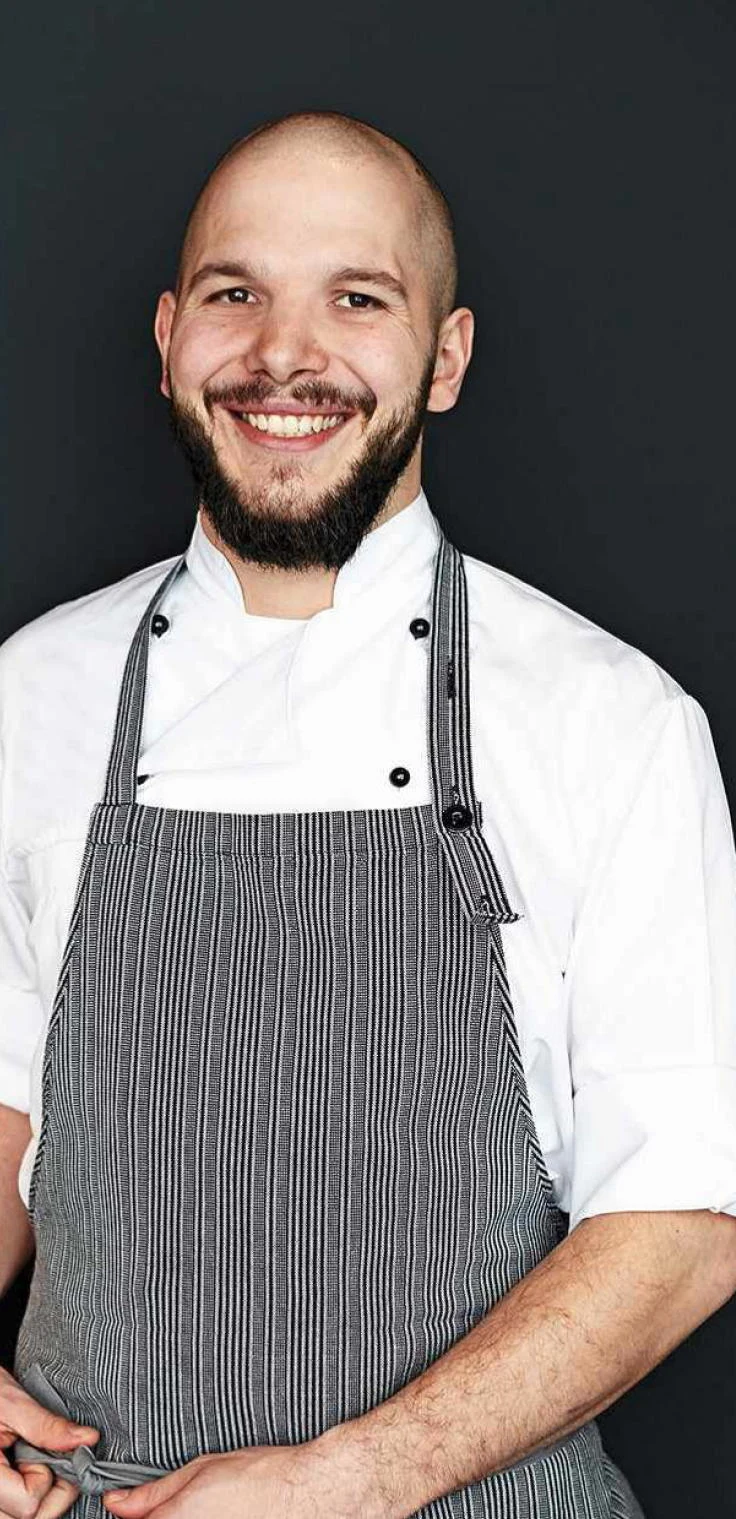
Billy Wagner
Head Sommelier
- 01CuisineHyper-Local Modern German Fine Dining
- 02CityBerlin, Germany
- 03RecognitionOne Michelin Star
- 1 Michelin Star · Michelin Guide
- World's 50 Best · #17 · World's 50 Best Restaurants
- Wine Spectator · Tier 2
- Star Wine List · 2026
- Michelin 1 Star · 2026
- Opinionated About Dining Top Restaurants in Europe Recommended · 2026
- Falstaff Restaurant - 95 Falstaff Points · 2026
- Wine Spectator Best of Award of Excellence · 2026
- Wine Spectator Best of Award of Excellence · 2025
- Star Wine List · 2025
- Michelin 1 Star · 2025
- We're Smart World 4 Radishes · 2025
- Opinionated About Dining Top Restaurants in Europe Ranked #197 · 2025
- World's 50 Best Best Restaurants #59 · 2025
- Opinionated About Dining Top Restaurants in Europe Ranked #187 · 2024
A Counter on Friedrichstraße and What It Says About Berlin Dining
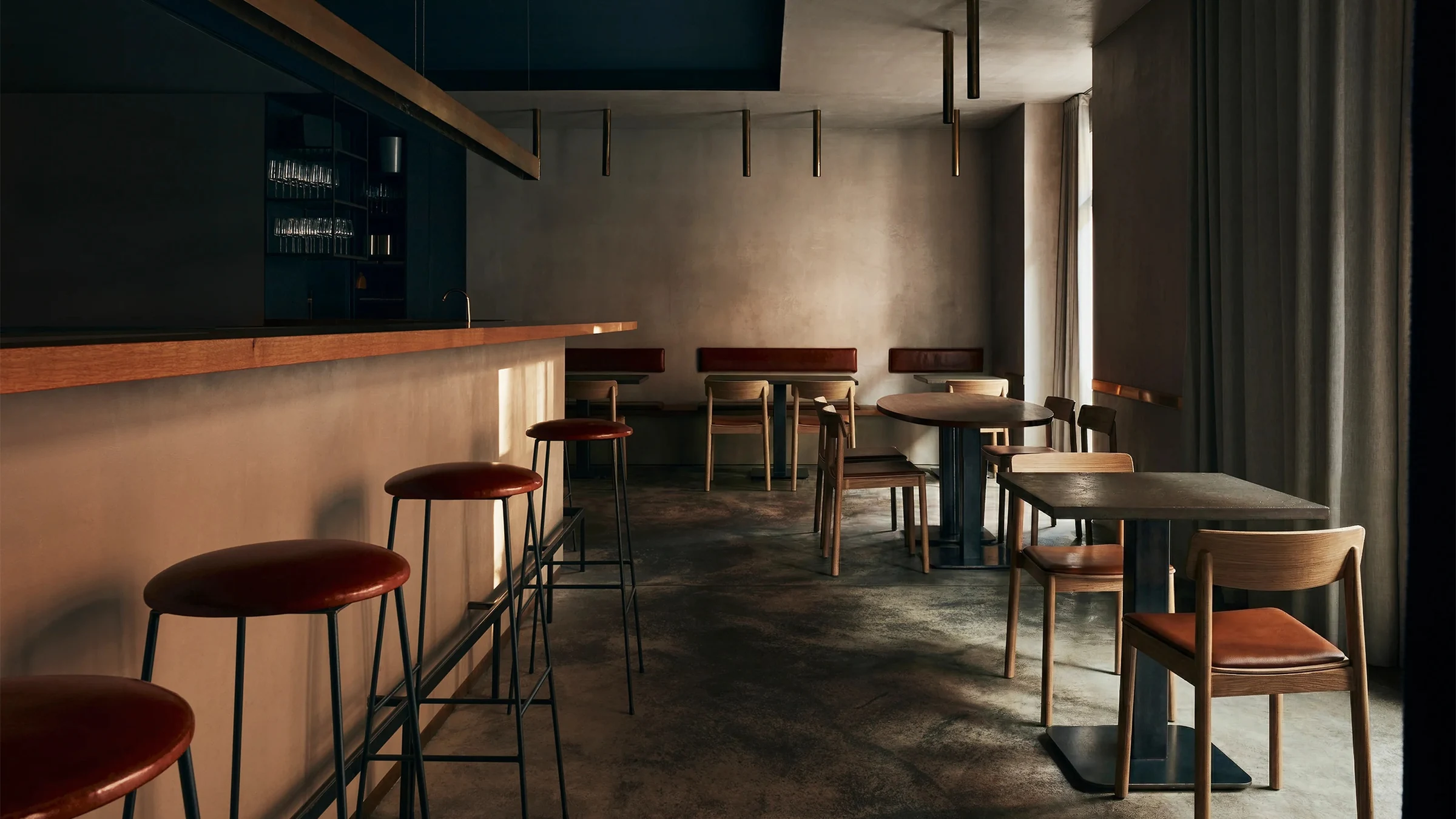
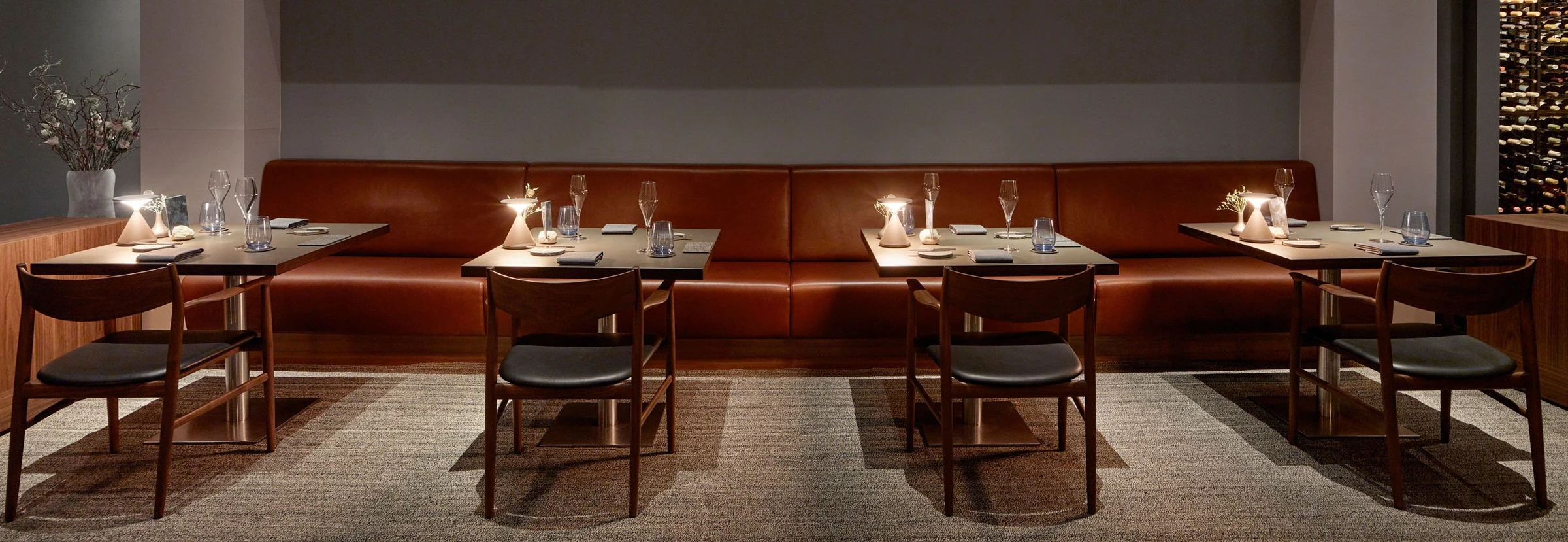
Friedrichstraße runs through the middle of central Berlin. The building at No. 218 gives nothing away from the outside, and that restraint carries directly into the room: a counter wrapping an open kitchen, a spare interior. That kind of restraint has become its own statement. Nobelhart & Schmutzig sits firmly inside that tendency.
Berlin's premium dining tier has consolidated around a small group of restaurants with Michelin recognition and international ranking credentials. Rutz, FACIL, Horváth, and CODA Dessert Dining all occupy adjacent positions in that bracket. What separates Nobelhart & Schmutzig from its comparable set is not price tier or format but a sourcing doctrine that functions as an editorial constraint on the entire menu.
The Sunday letter
Find new places through the people who run them.
Our Sunday email brings you the chefs, winemakers and hoteliers behind our newest stories. See a sample before you subscribe.
See a sample of the Sunday emailOne email a week. Unsubscribe from any issue.
The 20-Kilometre Rule as Creative Framework
Hyper-regional sourcing is no longer a novelty in European fine dining, but the degree of commitment varies widely. Many restaurants describe a local focus while retaining imported citrus, non-regional grains, or out-of-season proteins when menus demand them. Nobelhart & Schmutzig applies the principle as a hard constraint: produce comes from Berlin and its surrounding Brandenburg region, and ingredients that do not grow in that catchment area are absent from the plate. The kitchen makes its own butter. Dairy, eggs, vegetables, and selective cuts of meat form the ingredient vocabulary.
That restriction is what shapes chef Micha Schäfer's work in practical terms. The format has evolved from ten reduced-portion courses to six slightly larger courses, a structural decision that gives each ingredient more space to register rather than accumulating novelty across a longer sequence. Documented dish combinations from the menu include haricot beans with lovage and Heggelbach cheese, and lamb with leek and potato. For a different take on ingredient-driven Modern German cooking at this price point, JAN in Munich and Schwarzwaldstube in Baiersbronn offer instructive comparisons, as does L.A. Jordan in Deidesheim.
The Awards Case: What the Rankings Actually Confirm
The external validation is extensive and worth reading clearly. Nobelhart & Schmutzig holds a Michelin star (2025) and ranked No. 59 on the World's 50 Best Restaurants list in 2025, having held No. 43 in 2024 and No. 17 in 2022. The Opinionated About Dining survey placed it at No. 197 in Europe for 2025. These are not coincident data points: World's 50 Best and OAD draw on different evaluator pools, meaning the restaurant registers across both peer-driven critic consensus and broader industry voting. Its trajectory on 50 Best reflects normal ranking volatility in a highly competitive field.
Among German restaurants at this level, the competition is serious. Aqua in Wolfsburg, Vendôme in Bergisch Gladbach, ES:SENZ in Grassau, and Restaurant Haerlin in Hamburg all sit in the same national tier. Nobelhart & Schmutzig's distinction within that group is its specific positioning: a Berlin address, a regional-only sourcing mandate, and a wine program that has drawn consistent Star Wine List recognition across multiple years and multiple top-ranked positions.
The Wine Program as a Co-Equal Argument
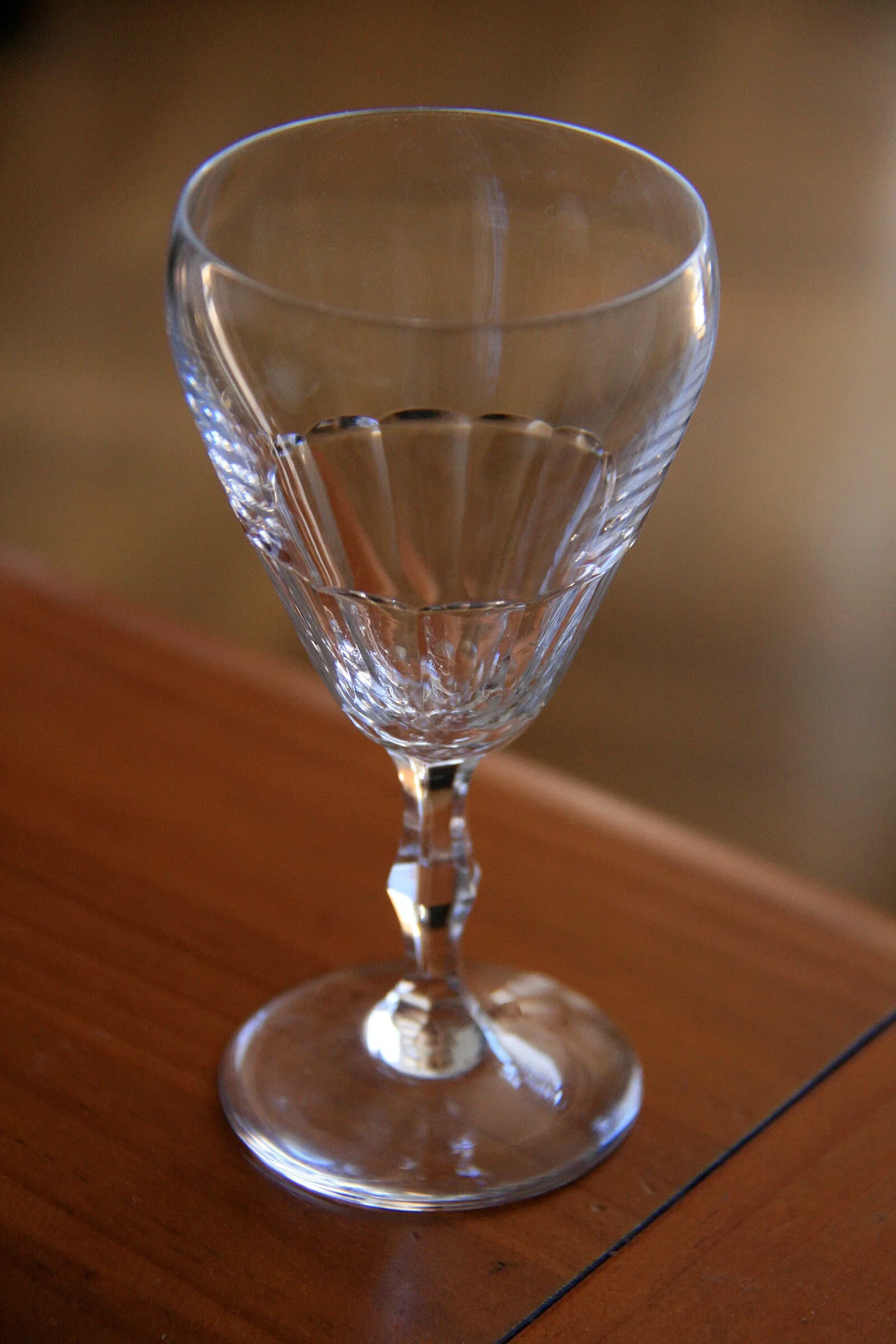
The wine list deserves separate attention. A cellar of 9,250 bottles with 1,750 selections, priced in the mid-range markup bracket, is not a supporting document for the food, it is a parallel program. Star Wine List has ranked it in the leading positions in its category for 2021, 2023, 2024, and 2025, across multiple ranking slots each year. The strengths documented are Germany, France, Italy, and Spain, with a corkage fee of €25 for those bringing their own bottles.
General manager and owner Billy Wagner is also the sommelier of record, which is an unusual organisational fact worth noting: the person running the business operationally is also the person making the wine decisions. That alignment tends to produce lists that take more risk, longer aging profiles, less-familiar appellations, producers who need explaining, than lists assembled by a separate hire optimising for table turnover. The pairing program extends beyond wine to beers and distillates, which is consistent with the restaurant's Brandenburg sourcing framework and its stated approach to beverage as part of the same regional argument as the food.
Format and What It Asks of the Diner
The counter seats facing the open kitchen are the most sought positions in the room, and the kitchen team will discuss the dishes at the counter directly, an arrangement that turns the meal into something closer to a working demonstration than a conventional restaurant service. That format suits a certain kind of diner and is not for everyone: it requires engagement rather than passive consumption. The set menu structure removes choice in the conventional sense, replacing it with the constraint-driven logic of what is in season and available from the regional supply network at that moment.
The open-kitchen counter format places Nobelhart & Schmutzig in a lineage that includes some of the most influential rooms of the past two decades, from Copenhagen's Noma-era model through Tokyo omakase counters. The point is not that Berlin has replicated those models but that the format carries a specific set of expectations: transparency over theatre, producer relationships over technique showcase, conversation over distance. Restaurant Tim Raue represents the alternative pole of Berlin's premium scene, high-technique, globally referenced, and format-conventional, which makes the contrast between the two restaurants a useful way to understand the range of what the city's top tier actually contains.
For a different expression of creative European cooking at comparable ambition levels internationally, Le Bernardin in New York City offers a reference point in how single-ingredient focus and format discipline translate across very different culinary traditions.
Know Before You Go
| Address | Friedrichstraße 218, 10969 Berlin, Germany |
|---|---|
| Service | Dinner only. Tuesday through Saturday, 6 pm to midnight. Closed Sunday and Monday. |
| Price tier | €€€€ (set menu, cuisine priced at €66+ per person for two courses, not including beverages) |
| Wine list | 1,750 selections, 9,250 bottles in inventory; corkage €25. Star Wine List top-ranked 2021, 2023, 2024, 2025. |
| Awards | Michelin 1 Star (2025); World's 50 Best Restaurants No. 59 (2025); OAD Europe No. 197 (2025) |
| Booking note | Counter seats by the open kitchen are the highest-demand positions in the room. Reservations are essential, and midweek service may be easier to secure than weekend evenings. |
| Format | Six-course set menu. Regional produce only (Brandenburg catchment). No ingredient sourced from outside the local area. |
Questions
Frequently asked
What recognition does Nobelhart & Schmutzig hold?
Nobelhart & Schmutzig holds 1 Michelin star and a place on the World's 50 Best list at number 17.
Who works at Nobelhart & Schmutzig?
Made By profiles Billy Wagner (Host) and Micha Schäfer (Chef) at Nobelhart & Schmutzig.
How expensive is Nobelhart & Schmutzig?
Nobelhart & Schmutzig is listed at a price level of $$$$.
Where is Nobelhart & Schmutzig and what does it serve?
Nobelhart & Schmutzig is in Kreuzberg, Berlin, serving Hyper-Local Modern German Fine Dining.
The field
How it compares
| Place | Awards | Cuisine | Notes |
|---|---|---|---|
| Nobelhart & Schmutzig | Michelin 1 Star, World's 50 Best #17 | Hyper-Local Modern German Fine Dining | Kreuzberg, $$$$ |
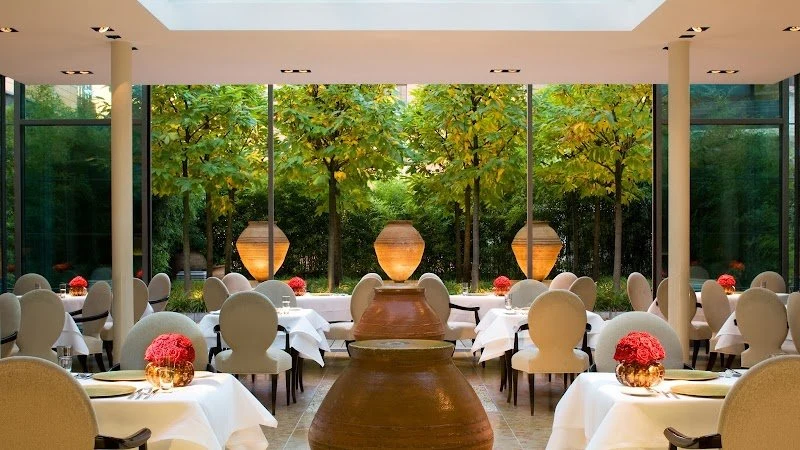
| CODA Dessert Dining | Michelin 2 Stars, World's 50 Best | Dessert-Inspired Fine Dining | Berlin |
| FACIL | Michelin 2 Stars | Modern Fusion Fine Dining | Berlin |
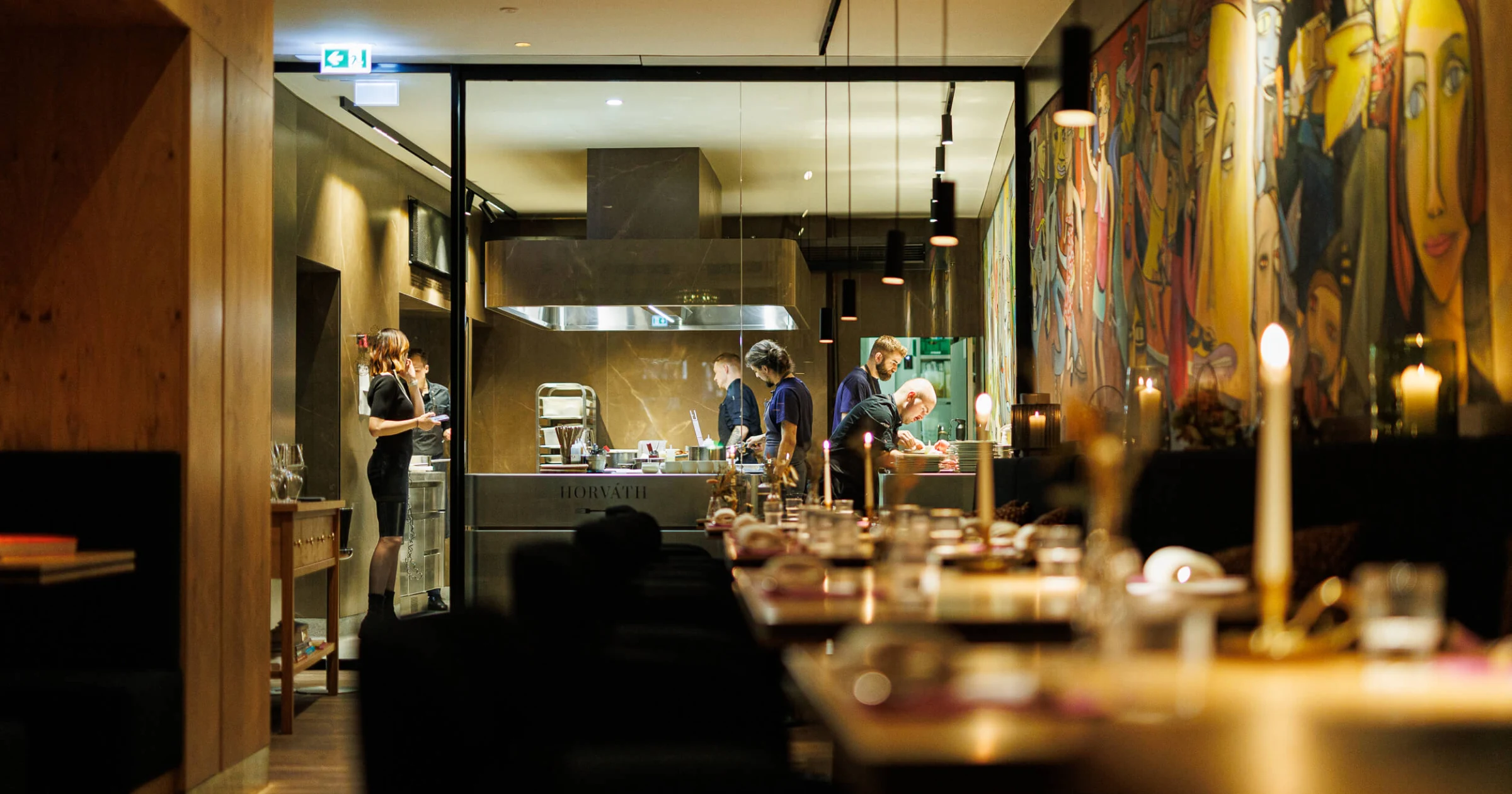
| Horváth | Michelin 2 Stars | Modern Austrian Vegetable Cuisine | Berlin |
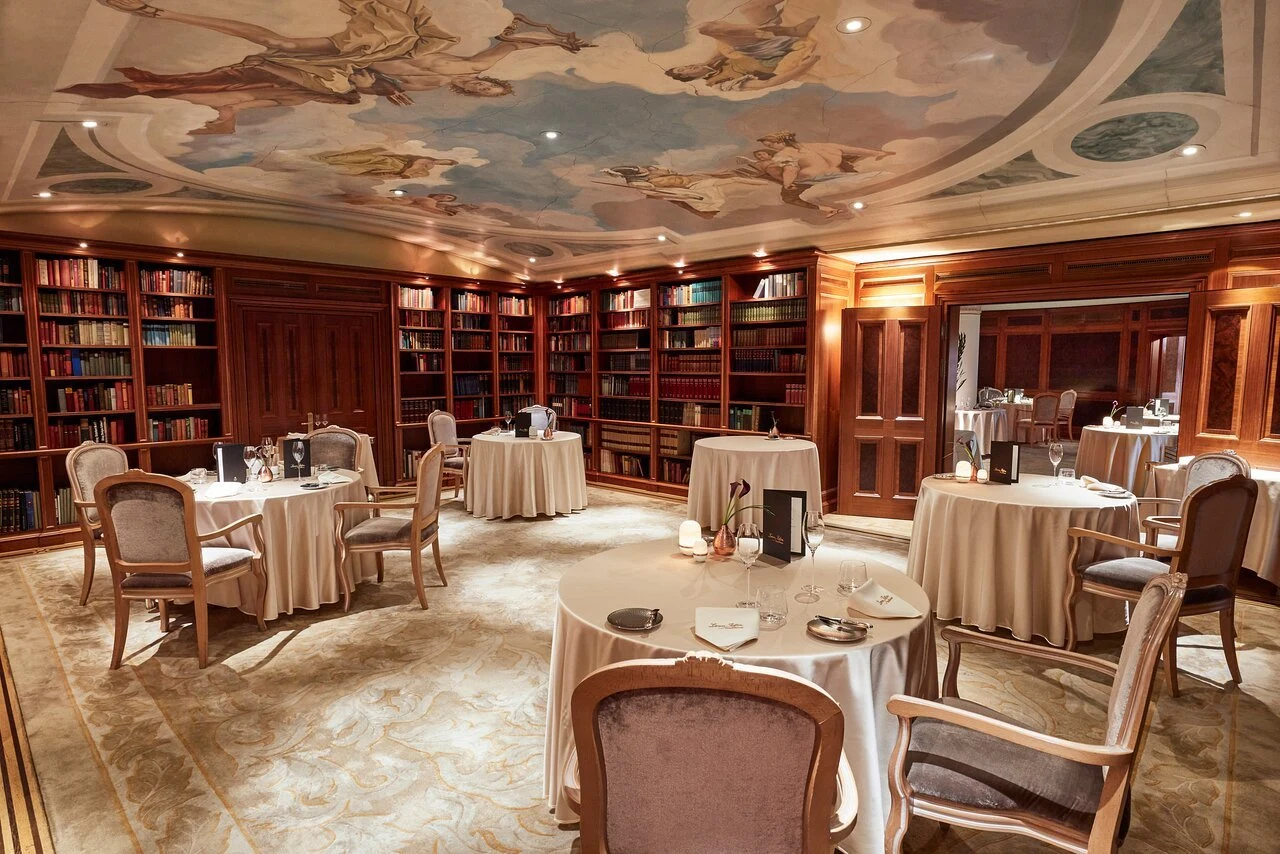
| Lorenz Adlon Esszimmer | Michelin 2 Stars | Modern French Fine Dining with Asian Influences | Berlin |
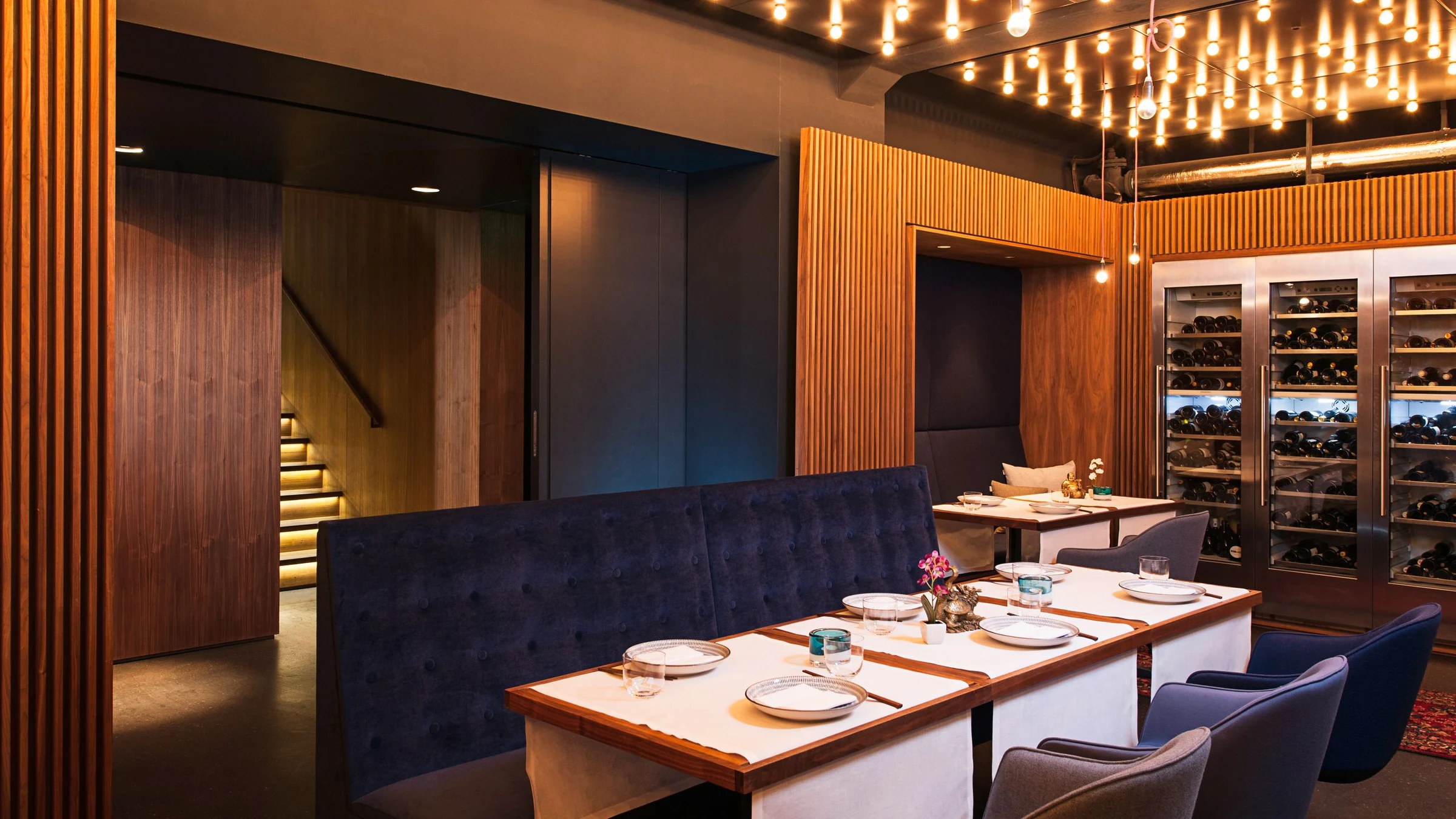
| Restaurant Tim Raue | Michelin 2 Stars, World's 50 Best | Asian-German Fine Dining | Berlin |
| Rutz | Michelin 3 Stars | Modern German Fine Dining | Berlin |
Producers
Sourced from / Made with
In residence
Similar places
Dessert-Inspired Fine Dining
CODA Dessert Dining
Berlin, Germany
★★ · 50 Best
Modern Fusion Fine Dining
FACIL
Berlin, Germany
★★
Modern Austrian Vegetable Cuisine
Horváth
Berlin, Germany
★★
Modern French Fine Dining with Asian Influences
Lorenz Adlon Esszimmer
Berlin, Germany
★★
Asian-German Fine Dining
Restaurant Tim Raue
Berlin, Germany
★★ · 50 Best
Modern German Fine Dining
Rutz
Berlin, Germany
★★★
The Sunday letter
Get the next Made By story in your inbox.
We send one email every Sunday morning with the places and people we covered that week.
See a sample of the Sunday emailOne email a week. Unsubscribe from any issue.