Nogizaka Shin
In Residence
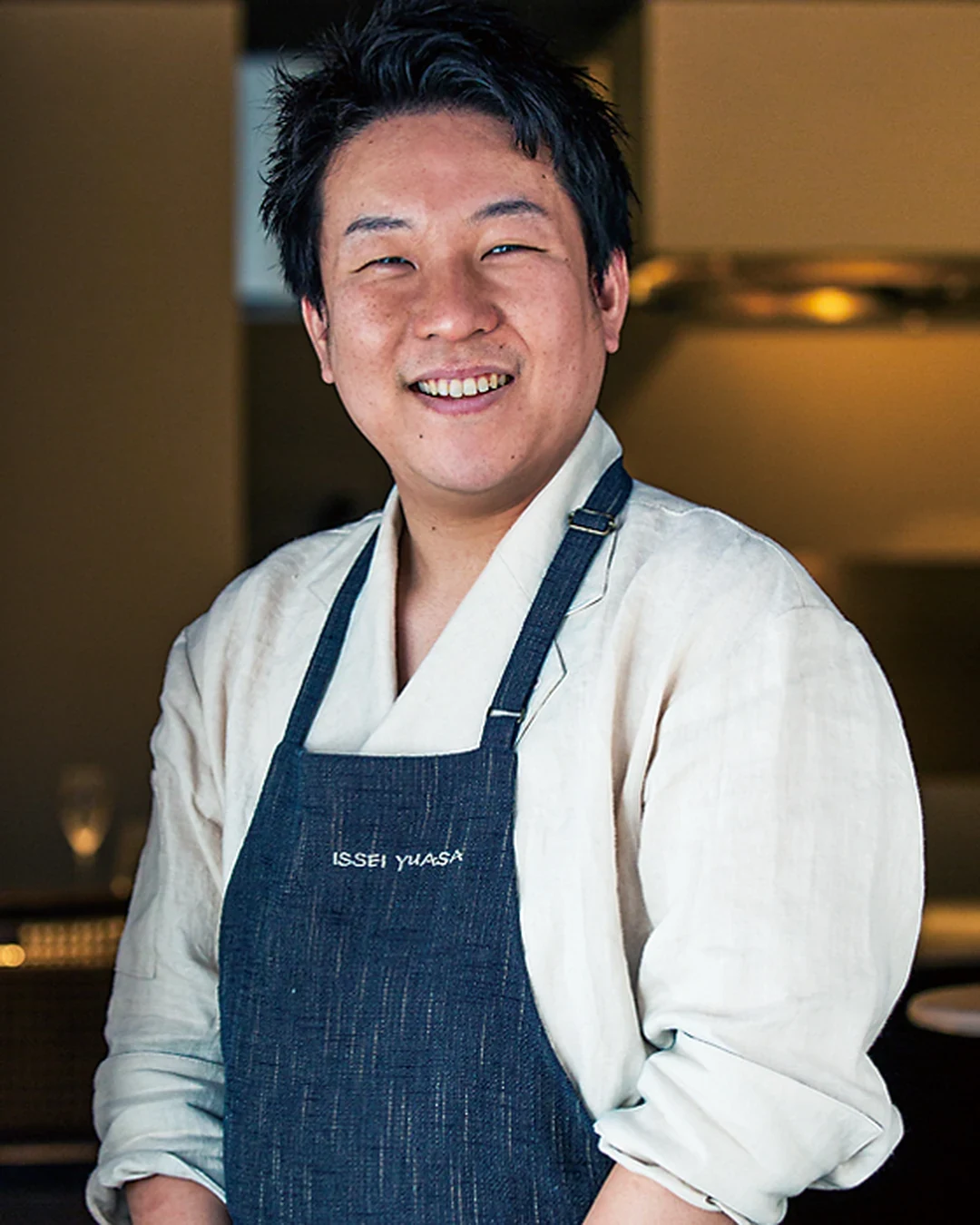
Issei Yuasa
Chef
- 01CuisineModern Kaiseki with Wine Pairings
- 02CityTokyo, Japan
- 03RecognitionOne Michelin Star
Tokushima ingredients at the counter
- 1 Michelin Star · Michelin Guide
- Michelin 1 Star · 2026
- Opinionated About Dining Top Restaurants in Japan Recommended · 2026
- Star Wine List · 2026
- Tabelog 100 #9: 4pts · 2025
- Star Wine List · 2025
- Opinionated About Dining Top Restaurants in Japan Ranked #543 · 2025
- Michelin 1 Star · 2024
- Opinionated About Dining Top Restaurants in Japan Recommended · 2023
Tokushima at the counter
Citrus cuts through the first register of the meal before the broth settles it. Issei Yuasa , chef at Nogizaka Shin in Nogizaka, Tokyo, works from that kind of contrast, setting Tokushima seafood, rice, fruit and Awa bancha inside a modern kaiseki frame. His station is not described through spectacle. It is a counter discipline, close enough for the hands to matter, with Japanese produce kept clear and Italian influence allowed to shape the movement of a course without clouding its origin. Tokushima gives the kitchen its working larder: regional fish, citrus, rice and fermented tea. At Nogizaka Shin, those materials do not read as regional decoration. They set the pace. Seafood carries the immediacy of the coast, citrus gives lift, rice holds the meal in place, and Awa bancha adds a low, fermented note that can sit beside wine or sake without being treated as an afterthought.
Layering without blur
The kitchen’s method is balance and product clarity. Japanese ingredients meet Italian feeling, but the cooking resists the easy blur of fusion. A dish can carry warmth, acidity and generosity while still keeping the ingredient legible. The tasting menu format gives that work a long arc: sashimi, clear soup, grilled fish, rice and sweets can all appear as part of the progression, each adjusted by season and by the material at hand. Nogizaka Shin is known for dishes such as Horsehair Crab & Fig, Sea Bream Sashimi and Pike Eel Clear Soup, names that make the method plain before the plate arrives. The point is not adornment. It is the way a crab’s sweetness can be drawn against fig, how sea bream can take wasabi, sudachi and shiso without losing its line, how a clear soup can make knifework visible through texture rather than display. Wine and sake sit inside that construction. Pairing is not a separate pass across the table; it is part of the meal’s architecture, answering minerality, bitterness, sweetness and umami as the courses change.
The Sunday letter
Find new places through the people who run them.
Our Sunday email brings you the chefs, winemakers and hoteliers behind our newest stories. See a sample before you subscribe.
See a sample of the Sunday emailOne email a week. Unsubscribe from any issue.
A modern tearoom in concrete and glass
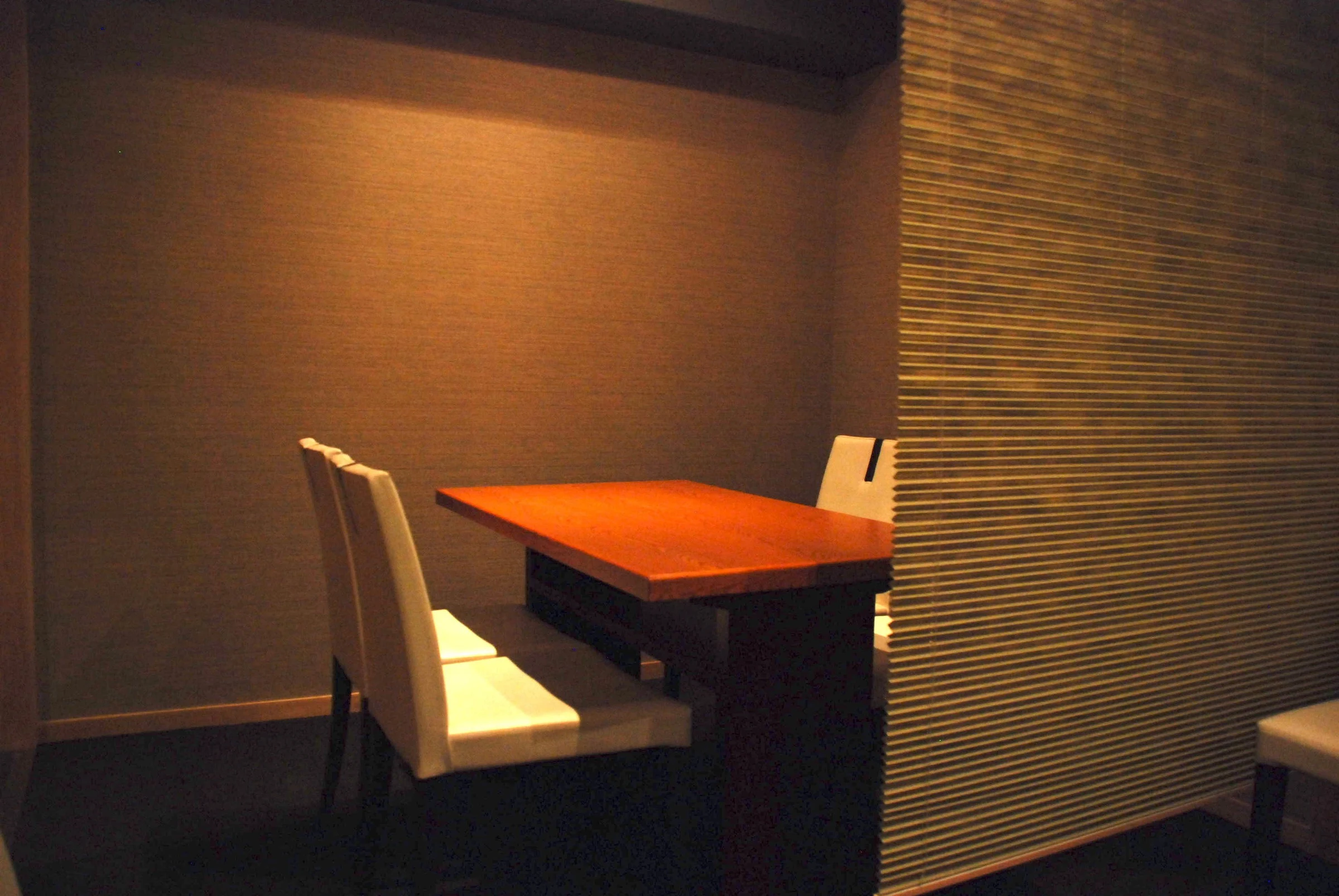
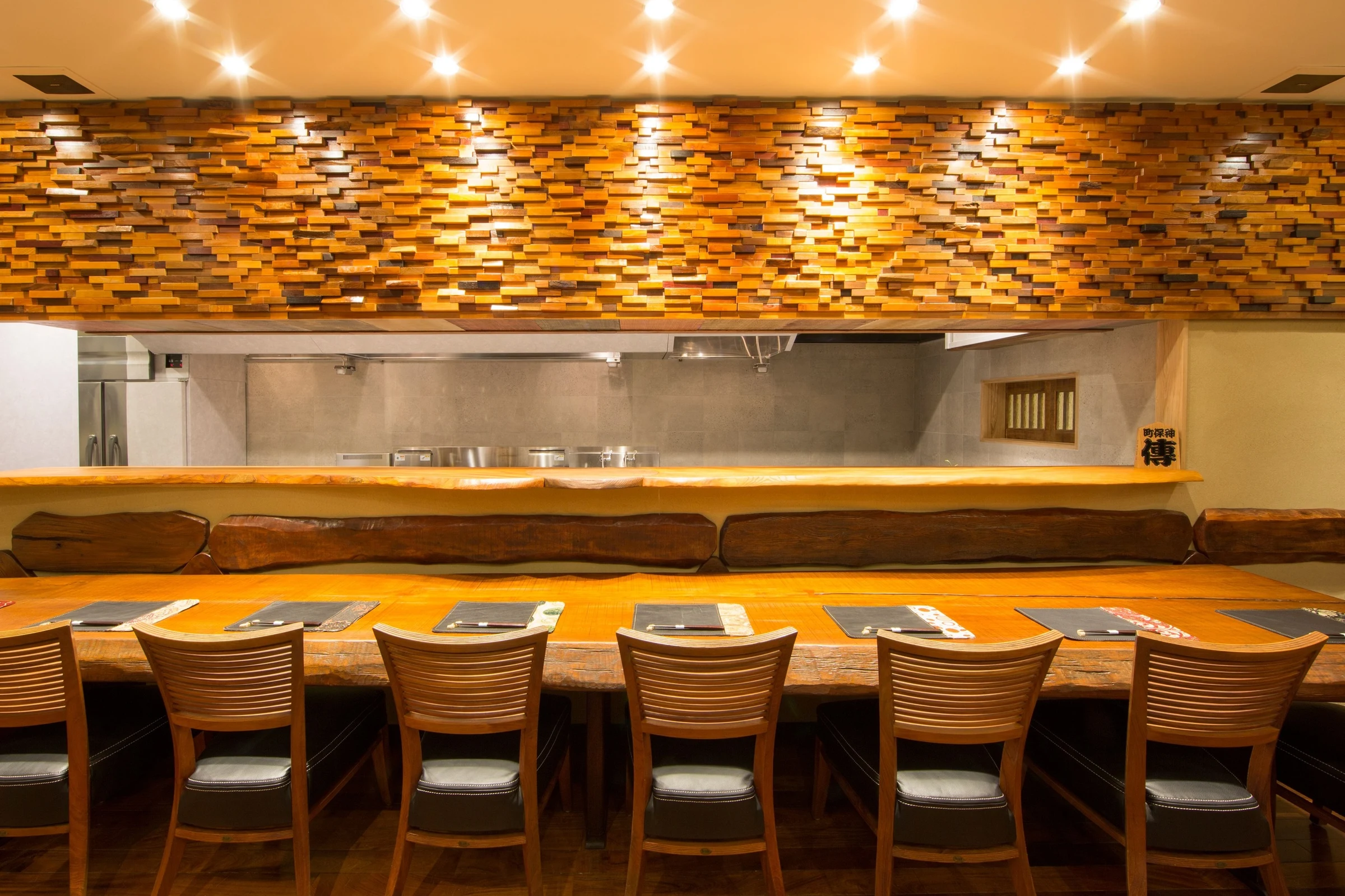
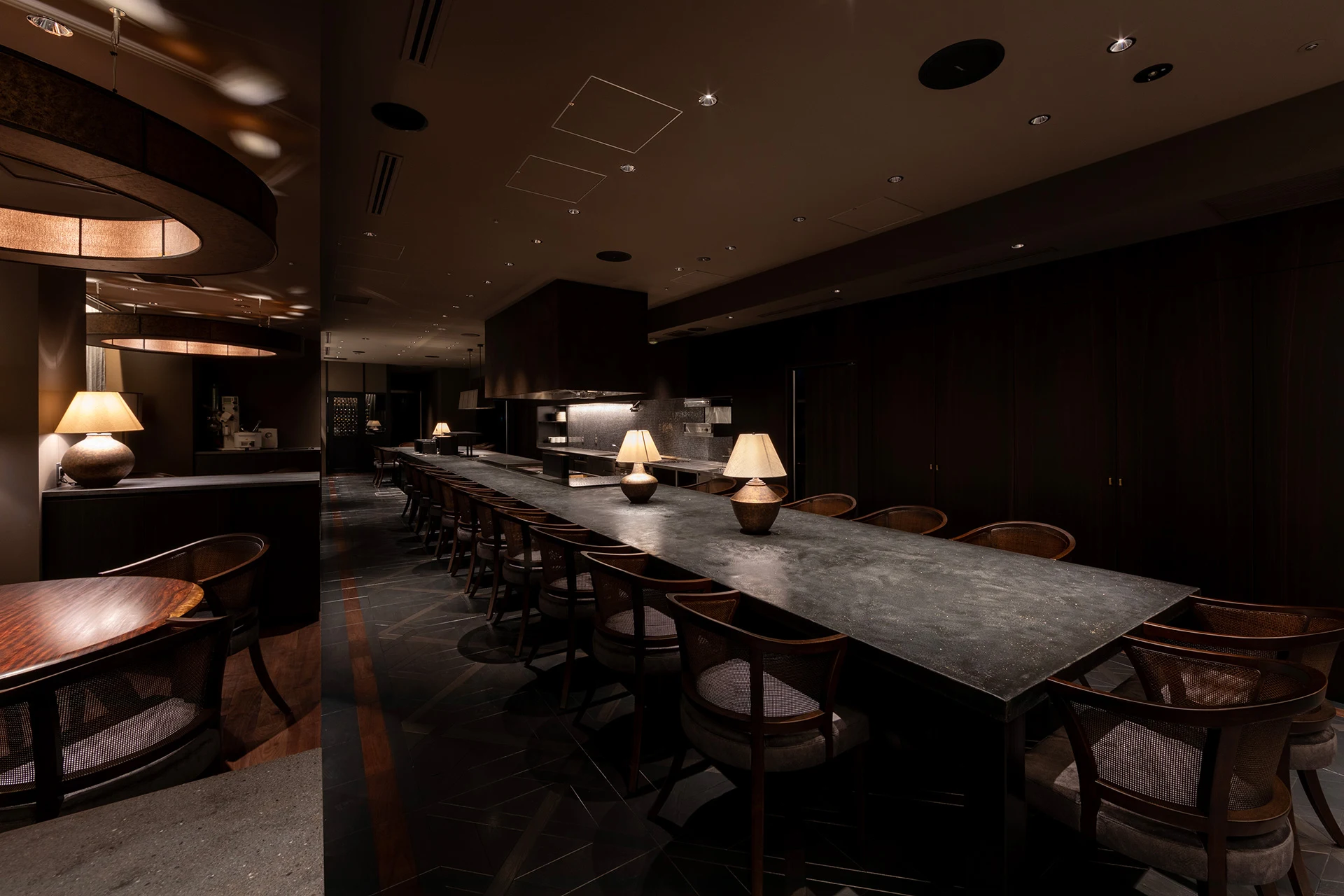
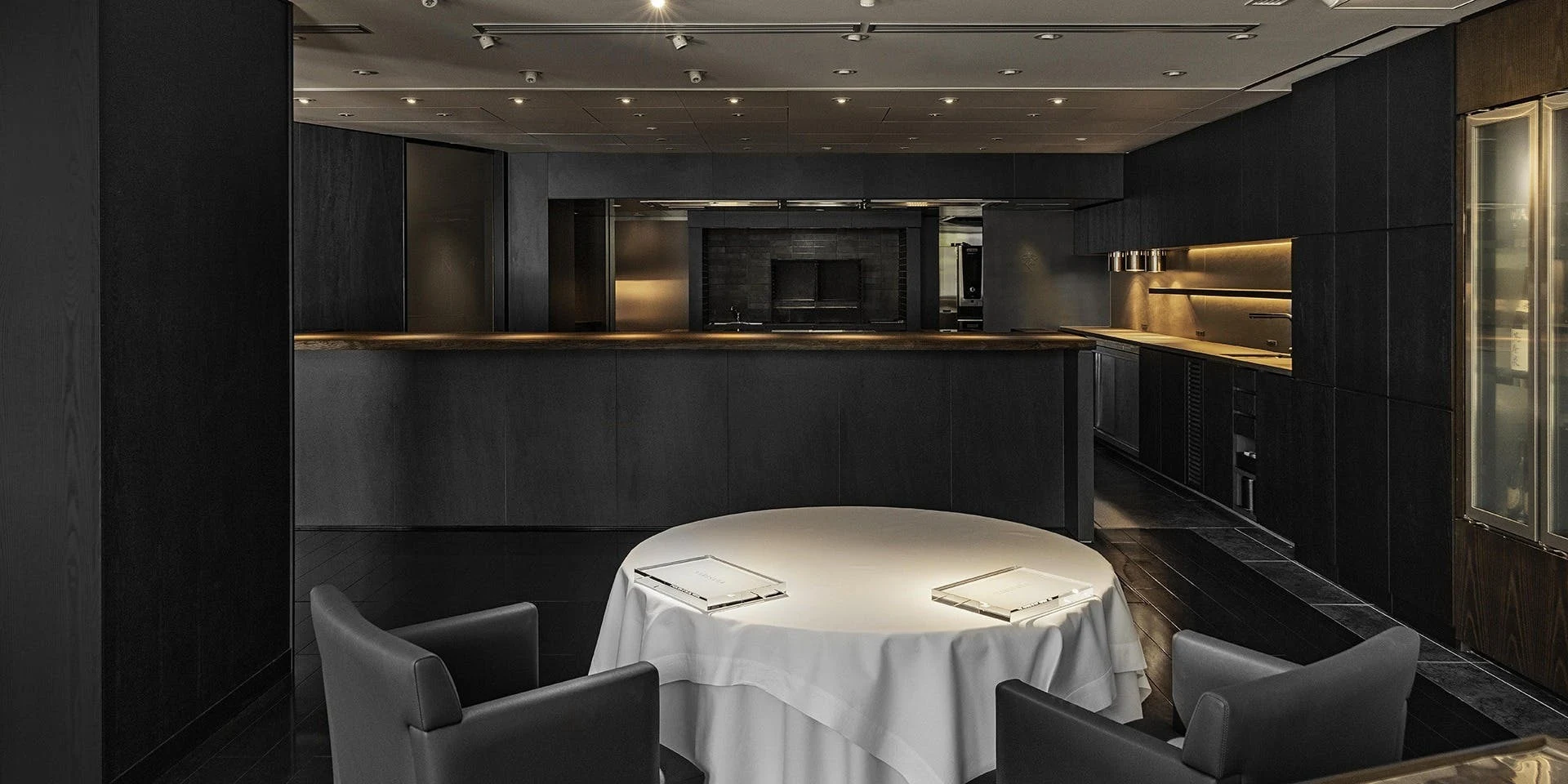
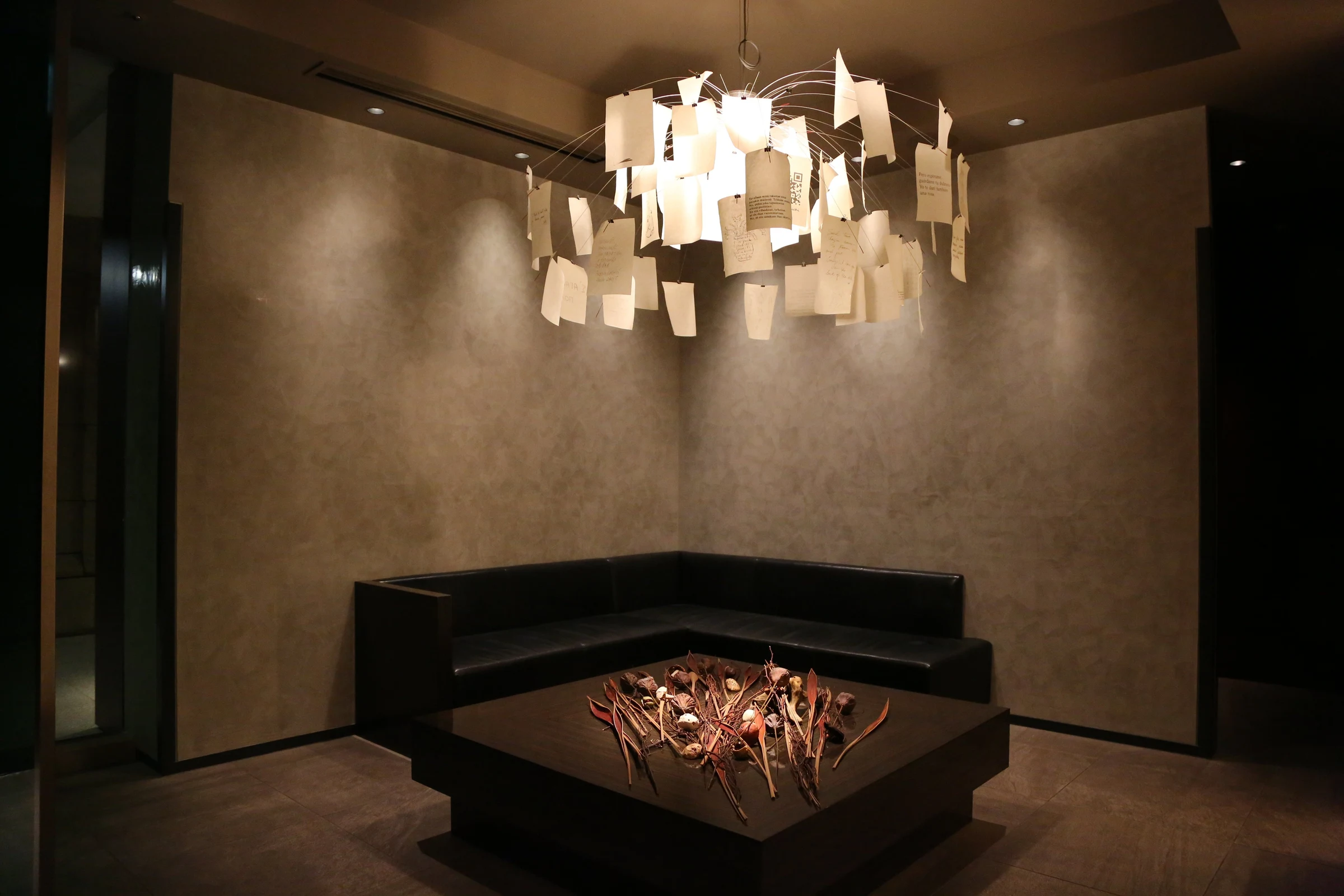
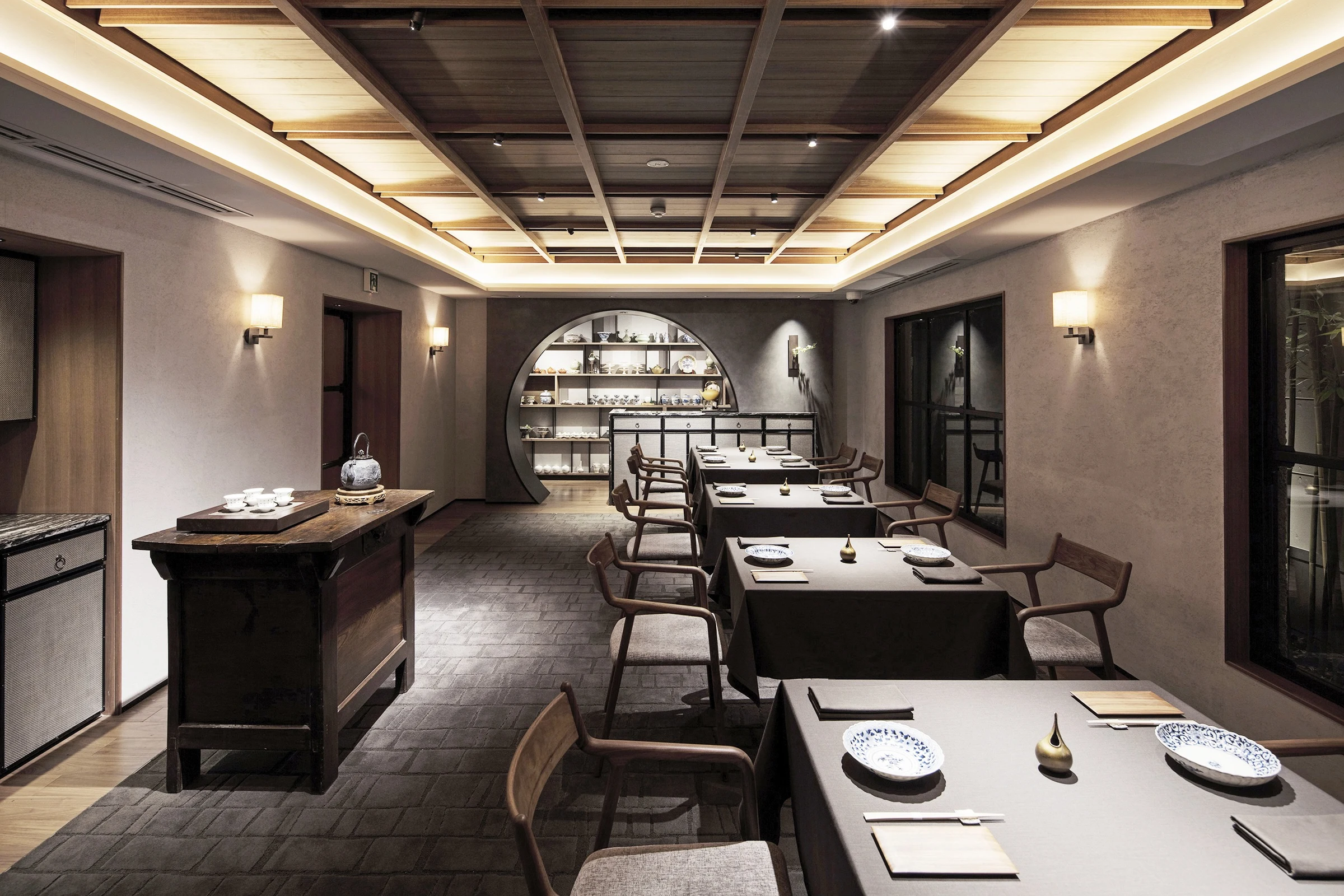
The room keeps the work close. Nogizaka Shin’s sukiya-style interior, refreshed in 2023 by Atelier ÈS, uses concrete walls and a glass-enclosed kitchen to make the counter feel both spare and watched over. The effect is intimate rather than theatrical. A formal service style holds the pace, but the room stays quiet enough for small gestures to register: the pause before a pairing, the angle of a bowl set down, the shift from sashimi to soup. The restaurant opened in 2016 near Nogizaka Station, close to Roppongi and Aoyama, and holds 1 Michelin star in the 2026 Guide. Awards belong to the house, and the place gives Yuasa’s materials room to breathe. End the meal and the through-line is still concrete: Tokushima seafood, citrus, rice and Awa bancha.
Questions
Frequently asked
Who cooks at Nogizaka Shin, and what style of cooking does the restaurant serve?
Issei Yuasa is the chef at Nogizaka Shin. He cooks modern kaiseki with Tokushima seafood, citrus, rice, fruit and Awa bancha, with Italian influence shaping the course without blurring its Japanese base.
What is Nogizaka Shin known for?
Nogizaka Shin is known for dishes such as Horsehair Crab & Fig, Sea Bream Sashimi and Pike Eel Clear Soup. The tasting menu also follows a clear seasonal progression of sashimi, clear soup, grilled fish, rice and sweets.
What kind of wine and drink pairing does the restaurant offer?
Wine and sake sit inside the meal’s structure rather than as a separate element. Pairing is used to answer minerality, bitterness, sweetness and umami as the courses change.
Does Nogizaka Shin take reservations?
Reservations are essential at Nogizaka Shin.
What recognition does Nogizaka Shin hold?
Nogizaka Shin holds 1 Michelin star in the 2026 Guide.
The field
How it compares
| Place | Awards | Cuisine | Notes |
|---|---|---|---|
| Nogizaka Shin | Michelin 1 Star | Modern Kaiseki with Wine Pairings | Minato, $$$$ |
| Den | Michelin 2 Stars, World's 50 Best | Modern Japanese Kaiseki | Tokyo |
| Florilège | Michelin 2 Stars, World's 50 Best | Modern French-Japanese Plant-Based Fine Dining | Tokyo |
| Narisawa | Michelin 2 Stars, World's 50 Best | Modern Japanese Satoyama Fine Dining | Tokyo |
| Quintessence | Michelin 3 Stars | Modern French Fine Dining | Tokyo |
| Sazenka | Michelin 3 Stars, World's 50 Best | Modern Chinese Fine Dining | Tokyo |
| Sézanne | Michelin 3 Stars, World's 50 Best | Modern French Fine Dining | Tokyo |
In residence
Similar places
Modern Japanese Kaiseki
Den
Tokyo, Japan
★★ · 50 Best
Modern French-Japanese Plant-Based Fine Dining
Florilège
Tokyo, Japan
★★ · 50 Best
Modern Japanese Satoyama Fine Dining
Narisawa
Tokyo, Japan
★★ · 50 Best
Modern French Fine Dining
Quintessence
Tokyo, Japan
★★★
Modern Chinese Fine Dining
Sazenka
Tokyo, Japan
★★★ · 50 Best
Modern French Fine Dining
Sézanne
Tokyo, Japan
★★★ · 50 Best
The Sunday letter
Get the next Made By story in your inbox.
We send one email every Sunday morning with the places and people we covered that week.
See a sample of the Sunday emailOne email a week. Unsubscribe from any issue.