Made ByRestaurant
Oma Wilma • Heimatküche Keitum
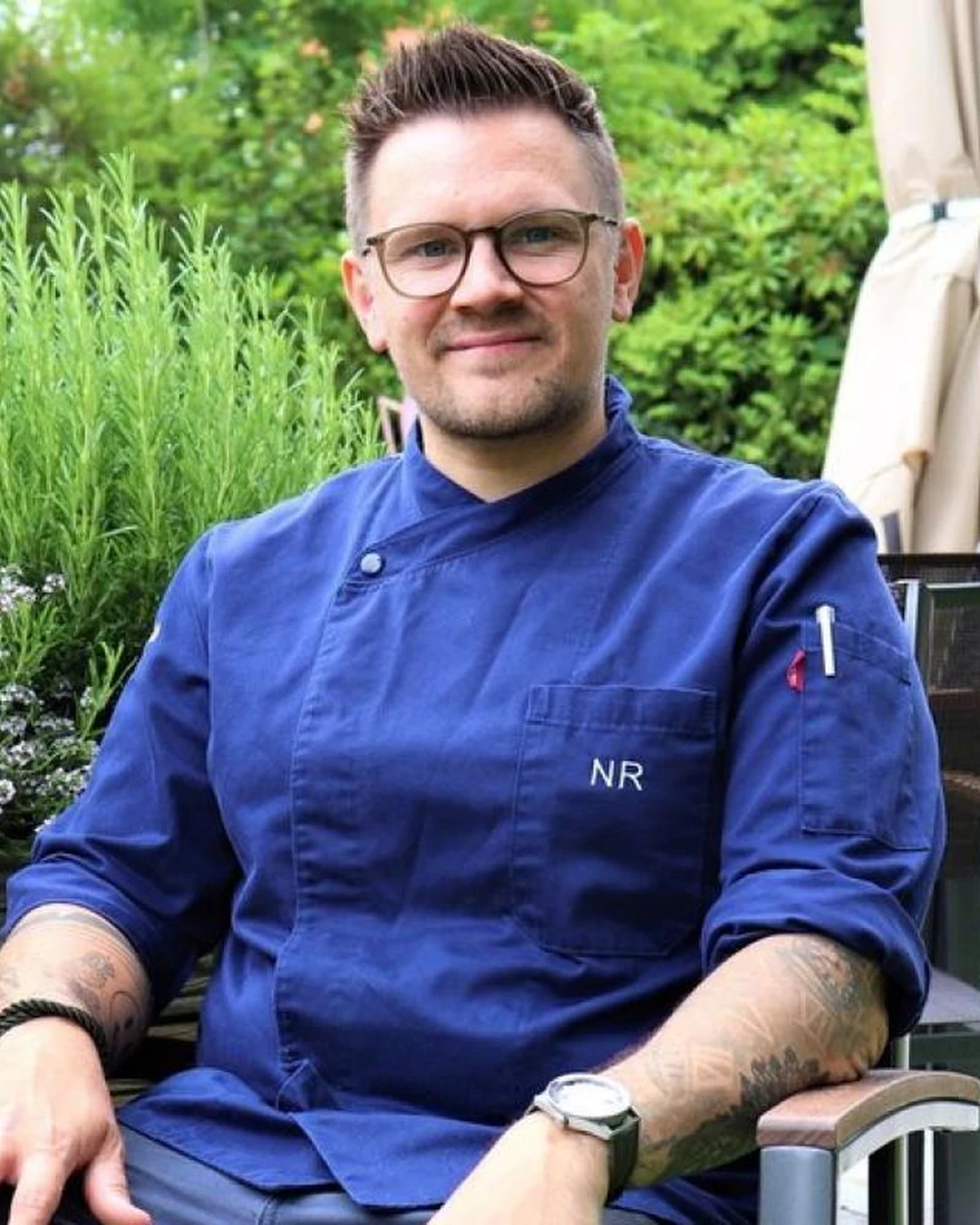
Chef in Residence
Nicolas Rathge
Chef
- 01CuisineGerman-Danish
- 02CitySylt, Germany
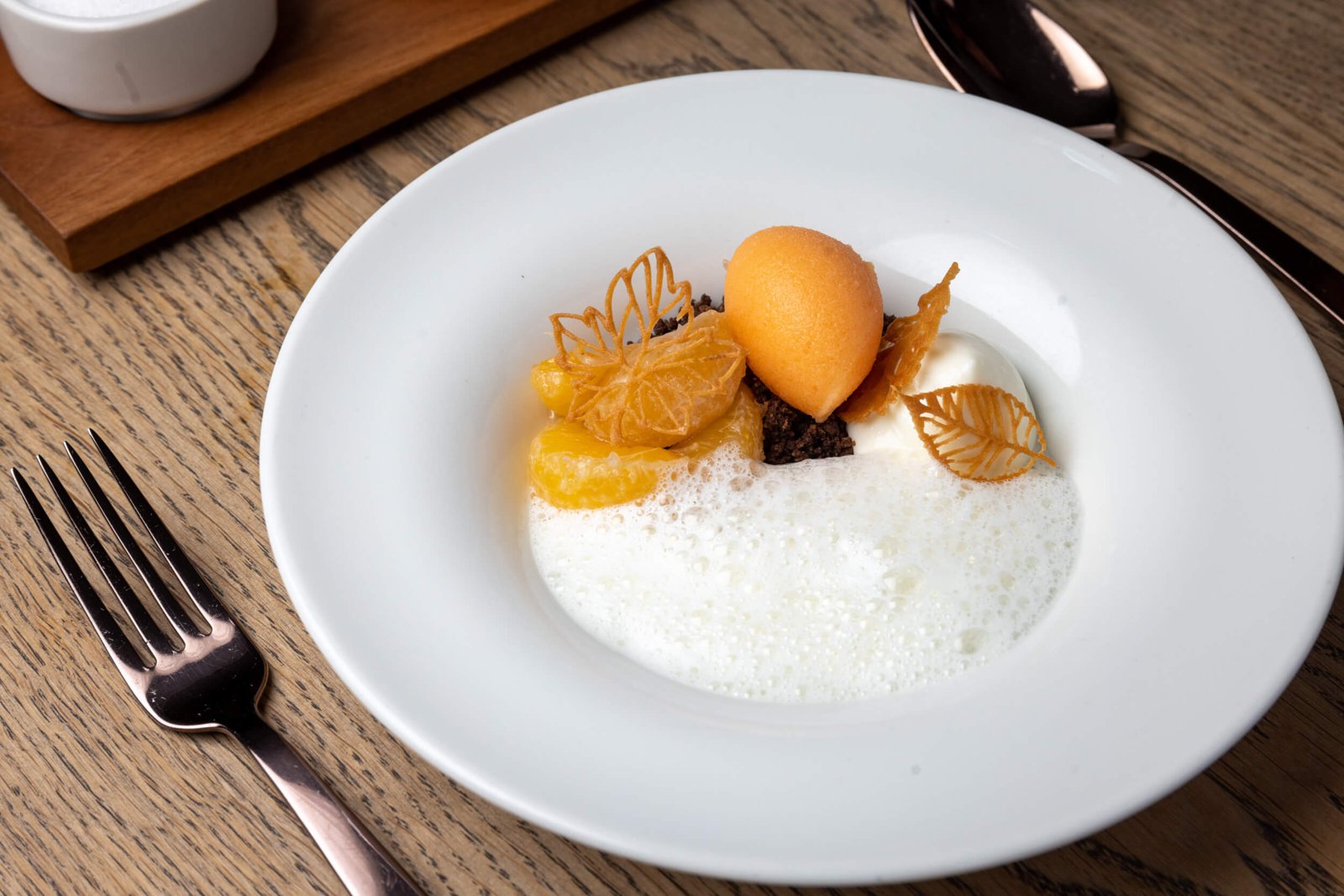
Nicolas Rathge leads Oma Wilma Heimatküche in Sylt, cooking German-Danish comfort with regional produce, clean technique, and island pace.
At a glance
- Cuisine
- German-Danish
Comfort kept on the move
The herring is baked, the sea trout pickled in house, and Nicolas Rathge works as Executive Chef at Oma Wilma Heimatküche in Sylt. His station sits inside a German-Danish restaurant in Keitum, where the food leans toward Heimatküche without letting the old forms grow heavy. Rathge also holds the Sous Chef post at Gogärtchen, a dual role that asks for quick changes of pace and a steady read of the room. At Oma Wilma, that shows in dishes built for recognition first, then adjustment: madras currywurst, baked herring, home-pickled sea trout, goat cheese muesli, Königsberger Klopse.
The lineage published around this kitchen is not a named apprenticeship or a house genealogy. It is closer to a working discipline: local produce, island tempo, classic technique, and enough restraint to keep comfort from turning soft. Rathge speaks of “many more years full of enjoyment, laughter, and unforgettable experiences,” a line that sits near the dining room rather than above it. The table matters here. So does the hand that keeps a familiar plate awake.
Heimatküche with the edges cleaned
The program at Oma Wilma Heimatküche turns on a narrow decision: keep the dish legible, then change the pressure. Currywurst remains currywurst, but madras shifts the seasoning away from plain nostalgia. Herring stays close to the coast, baked rather than dressed into anonymity. Sea trout gains time in the pickle, giving the kitchen acidity and salinity before the plate reaches the pass. Königsberger Klopse bring the older German register, round and recognizable, while goat cheese muesli moves more strangely, using a breakfast word against a savory hand.
Rathge’s cooking is local cuisine with a twist. He uses regional character as a base, not a fence. The German-Danish address matters because Sylt carries both nearness and edge: island produce, North Sea appetite, visitors moving through Keitum, and a pace that can punish fuss. The food answers with clean technique and a lighter hand. Generosity is present, but it is held in check.
The room around the pass
At Gurtstig 32, the room has to carry warmth without turning theatrical. Oma Wilma is a name that suggests a grandmotherly table, yet the cooking asks for more discipline than sentiment. The counterpoint is useful: a dish can feel homely and still be tightened at the pass; a plate can be generous without losing its line. Rathge works in that space between welcome and control.
Service here depends on timing as much as mood. The kitchen sends out food meant to be understood quickly, with enough craft beneath it to hold attention after the first bite. That is the value of this kind of restaurant work. It does not hide behind rarity. It asks whether baked herring, pickled sea trout, currywurst, or Königsberger Klopse can still carry a cook’s present tense.
A dual post, one clear hand
Rathge’s current work between Gogärtchen and Oma Wilma Heimatküche gives the Keitum kitchen its useful tension. One role keeps him close to the mechanics of service; the other gives him direction over the menu and the tone of the plate. The progression is steady rather than decorative, and it suits a chef shaping comfort food with cleaner edges. For now, the clearest signal is still on the plate: home-pickled sea trout at Oma Wilma Heimatküche.
Address
Gurtstig 32, 25980 Sylt-Ost, Germany
In residence
Similar places
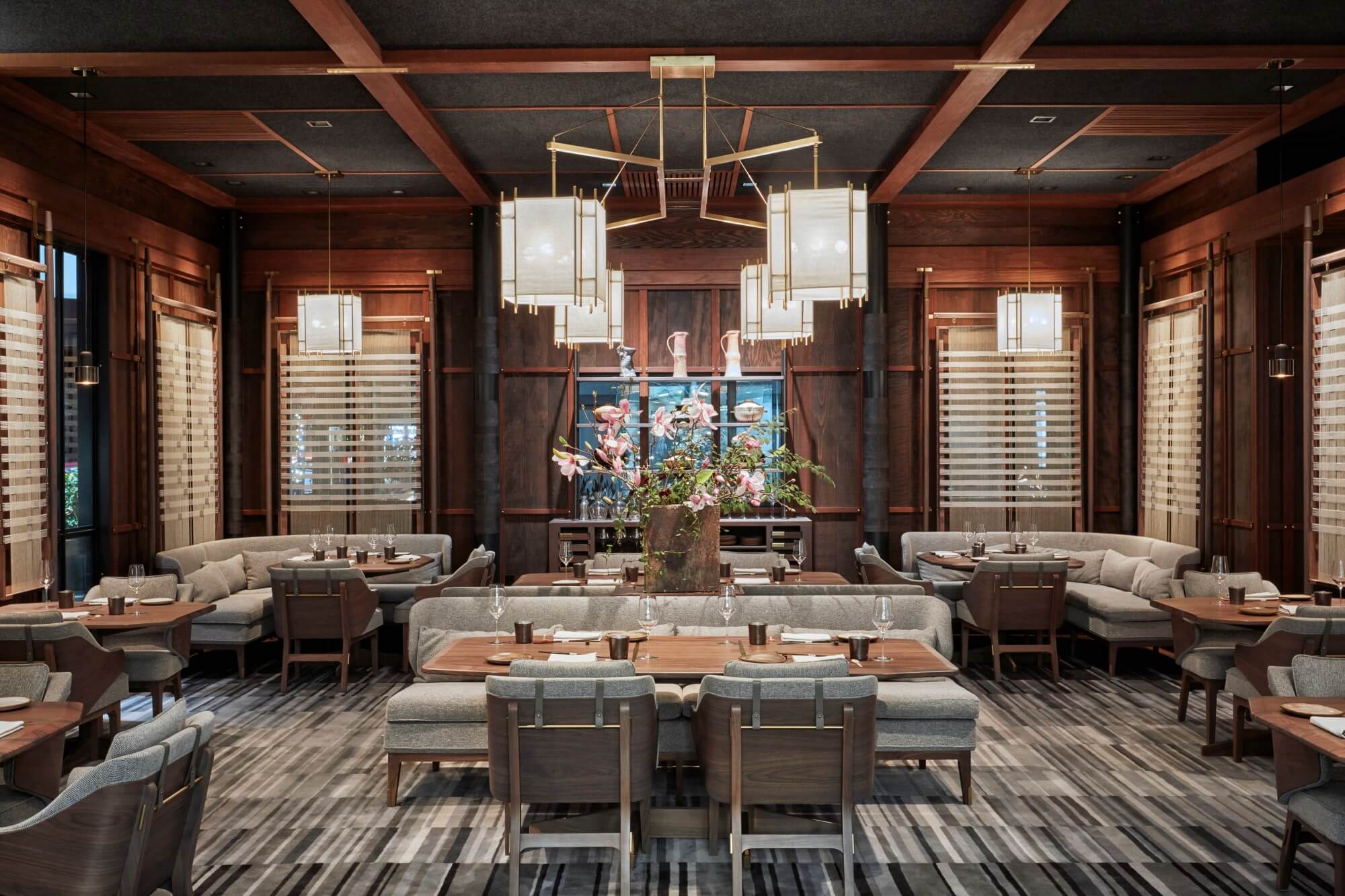
Japanese-influenced Californian Kaiseki
Single Thread Farm
Healdsburg, United States
★★★ · 50 Best
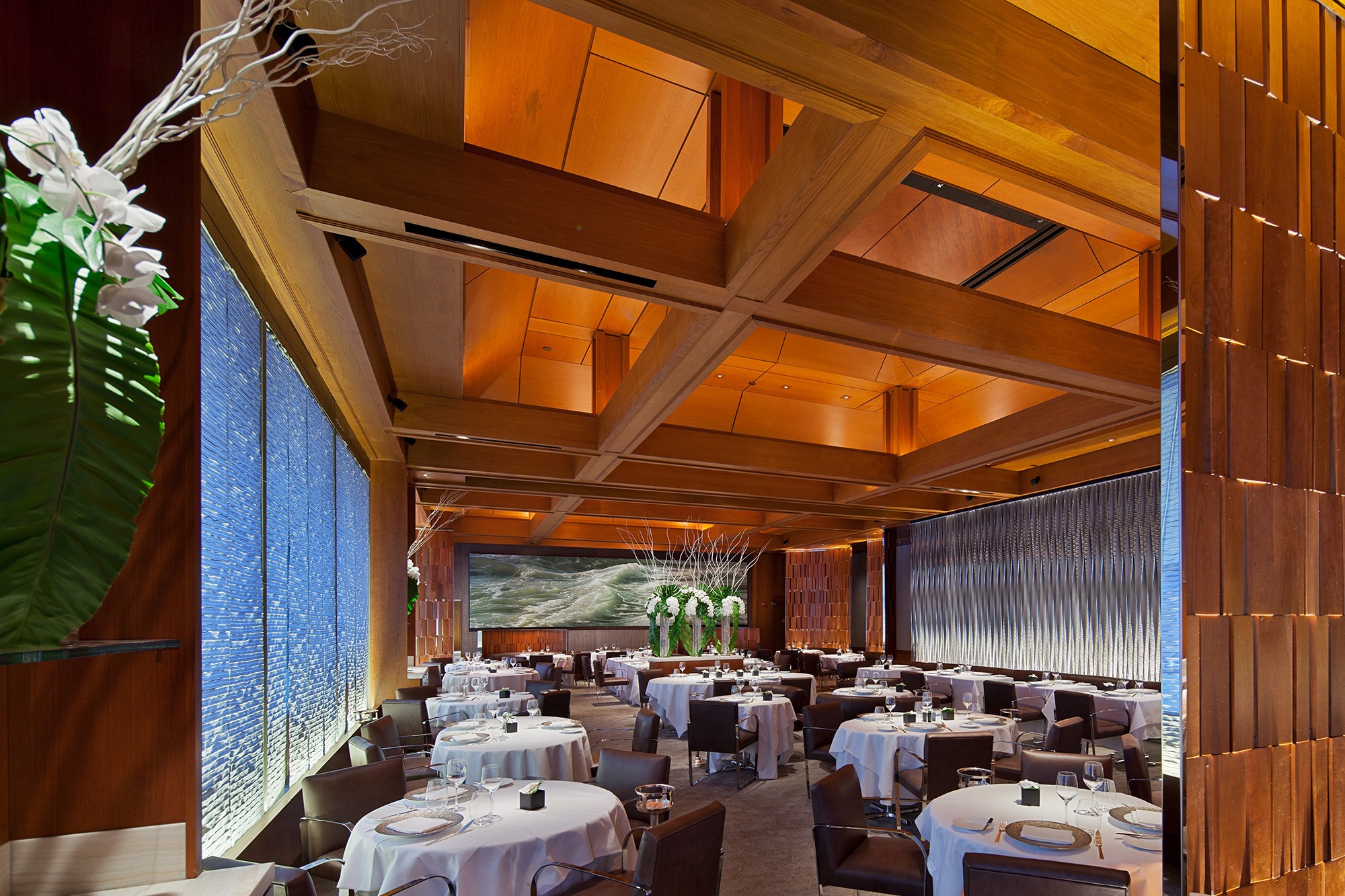
French Seafood Fine Dining
Le Bernardin
New York City, United States
★★★ · 50 Best
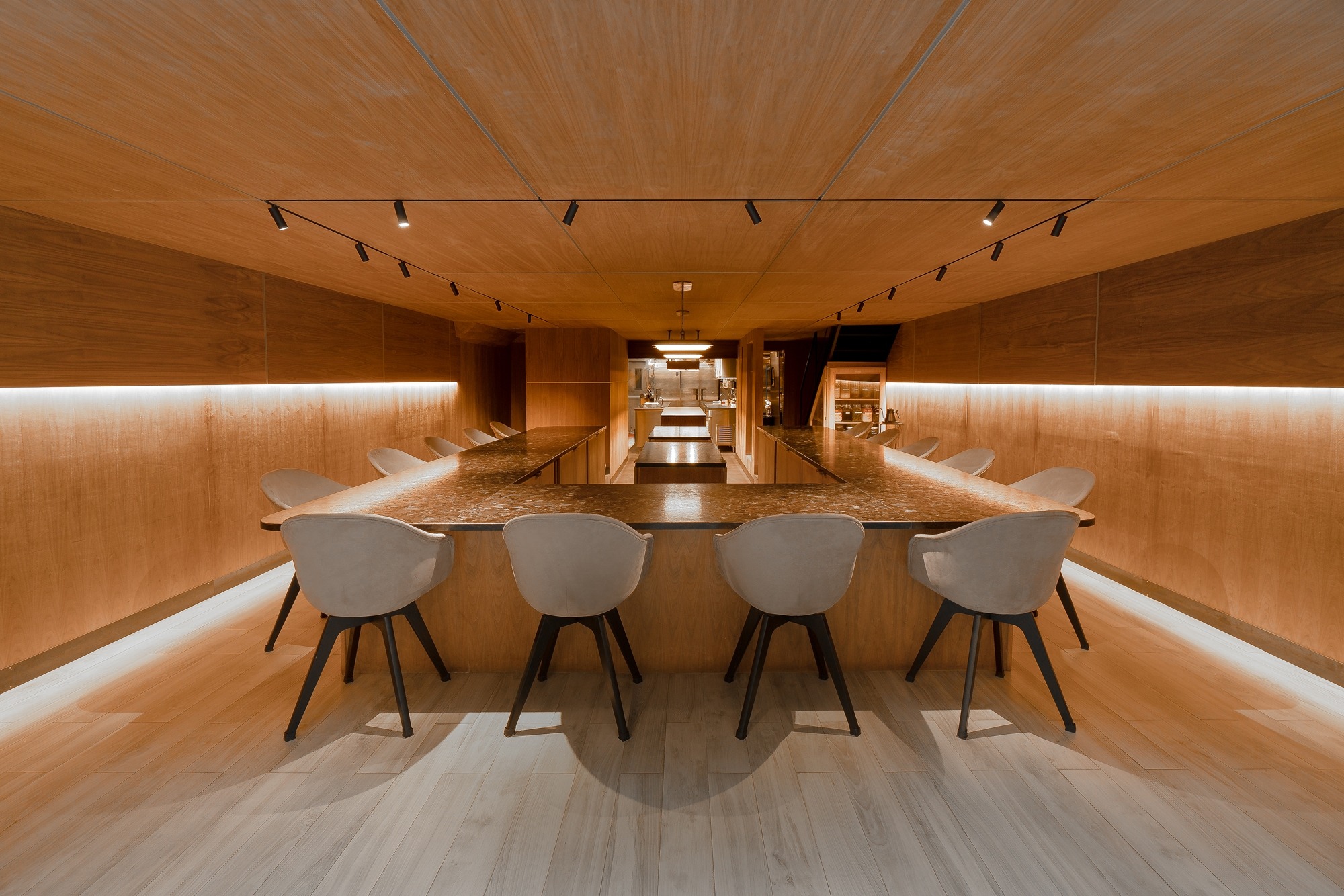
Modern Korean Tasting Menu
Atomix
New York City, United States
★★ · 50 Best
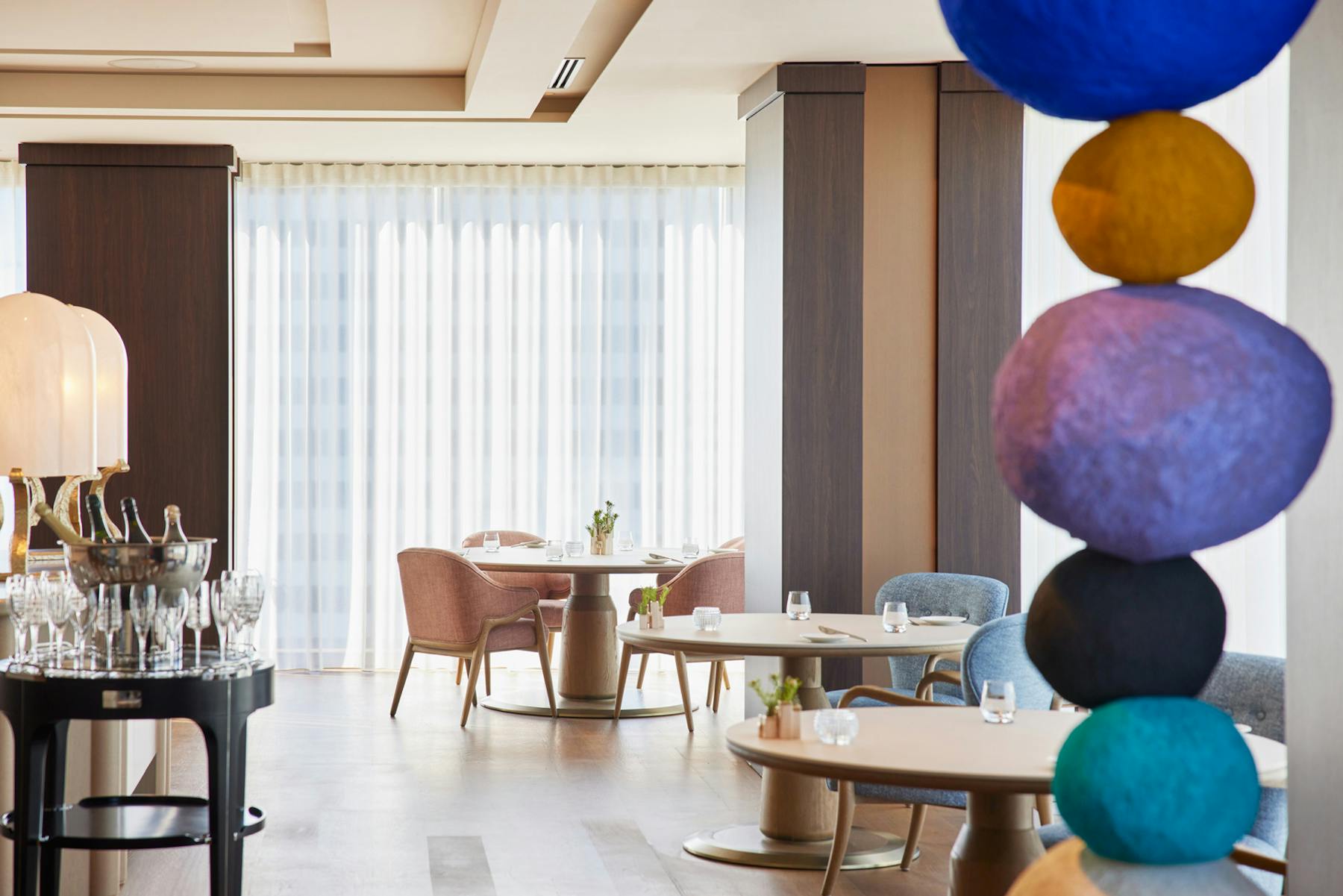
French
Sézanne
Tokyo, Japan
★★★ · 50 Best
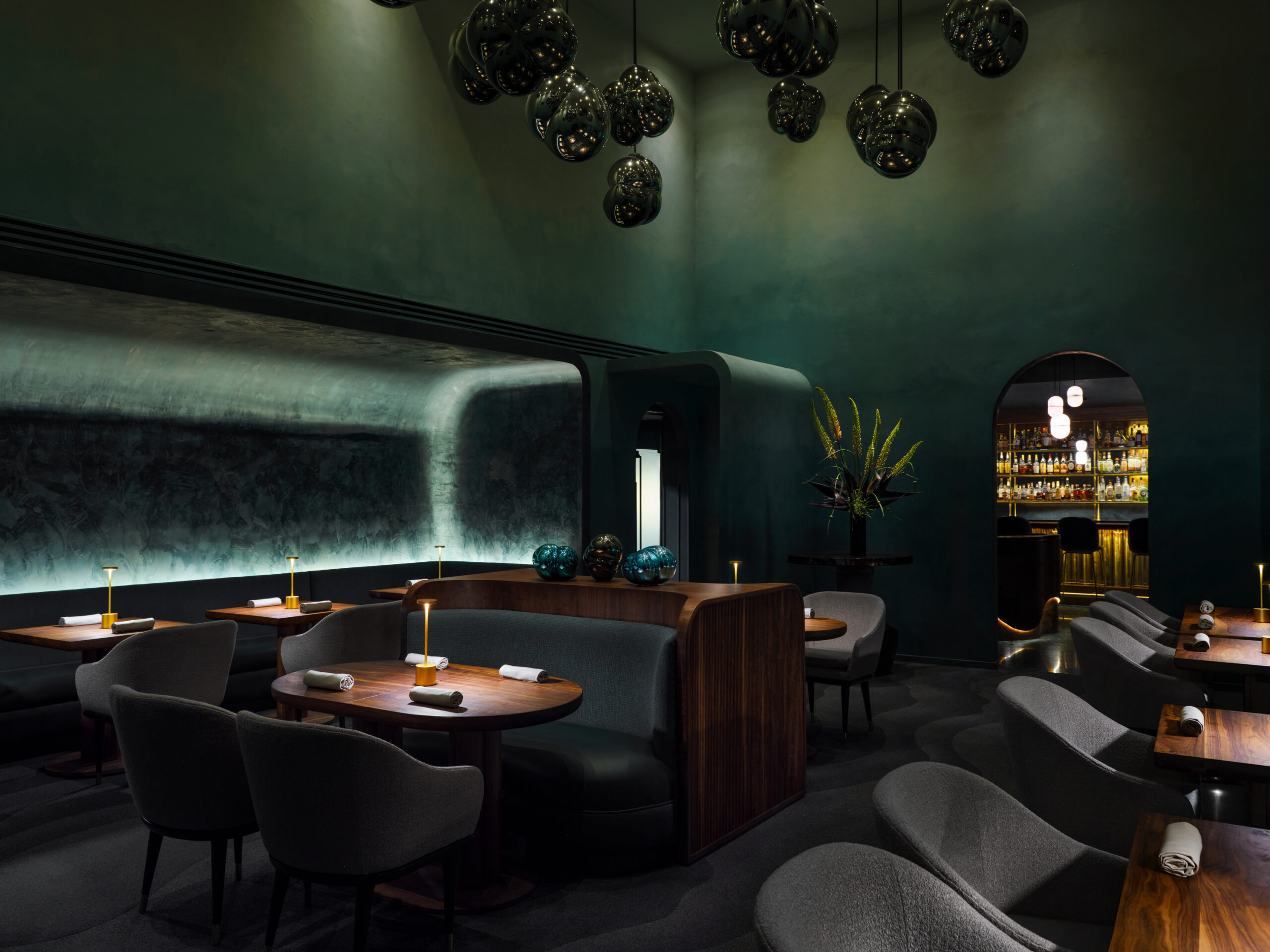
Modern Seafood Fine Dining
Providence
Los Angeles, United States
★★★ · 50 Best
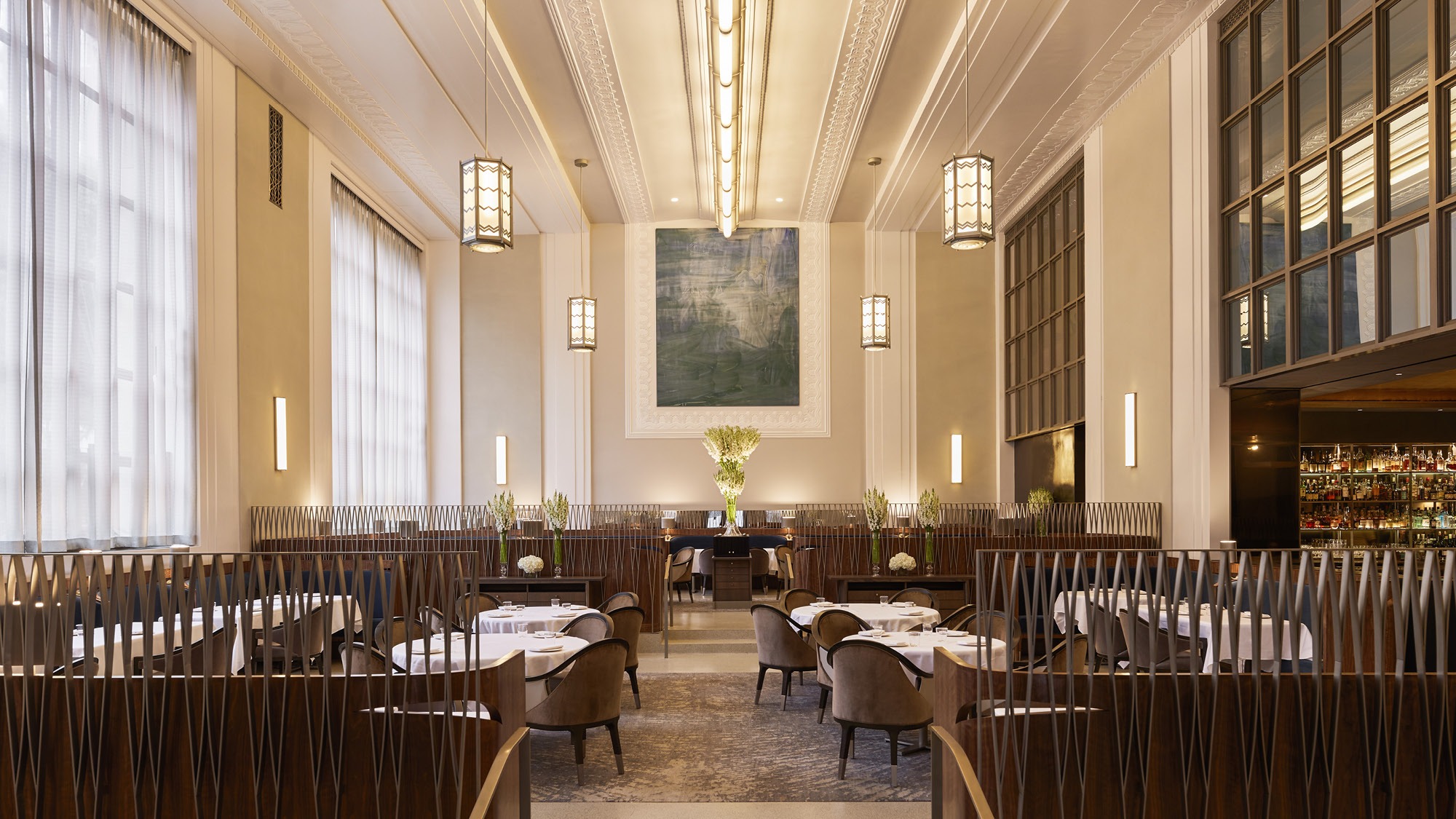
Contemporary Plant-Based Fine Dining
Eleven Madison Park
New York City, United States
★★★ · 50 Best