Made ByRestaurant
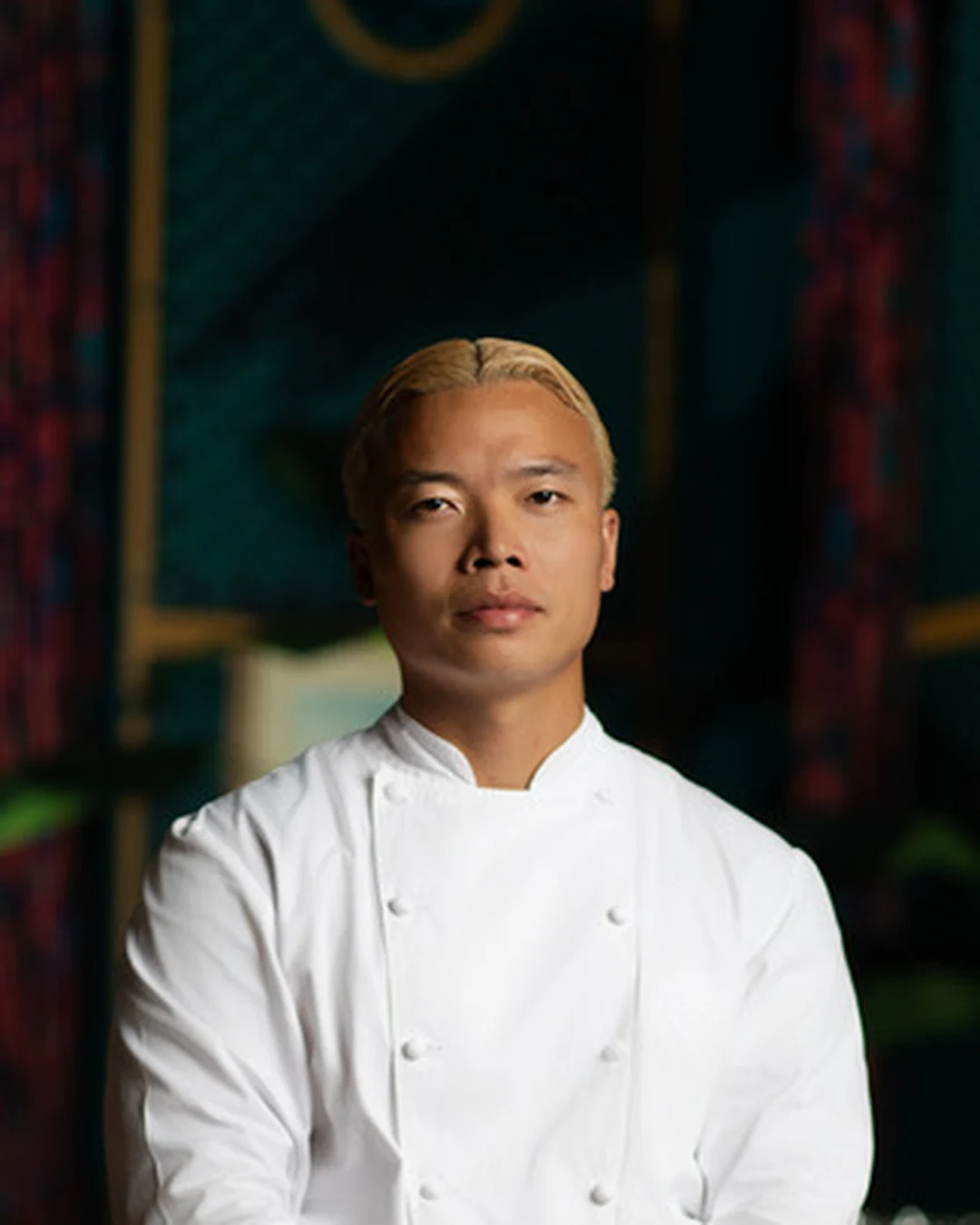
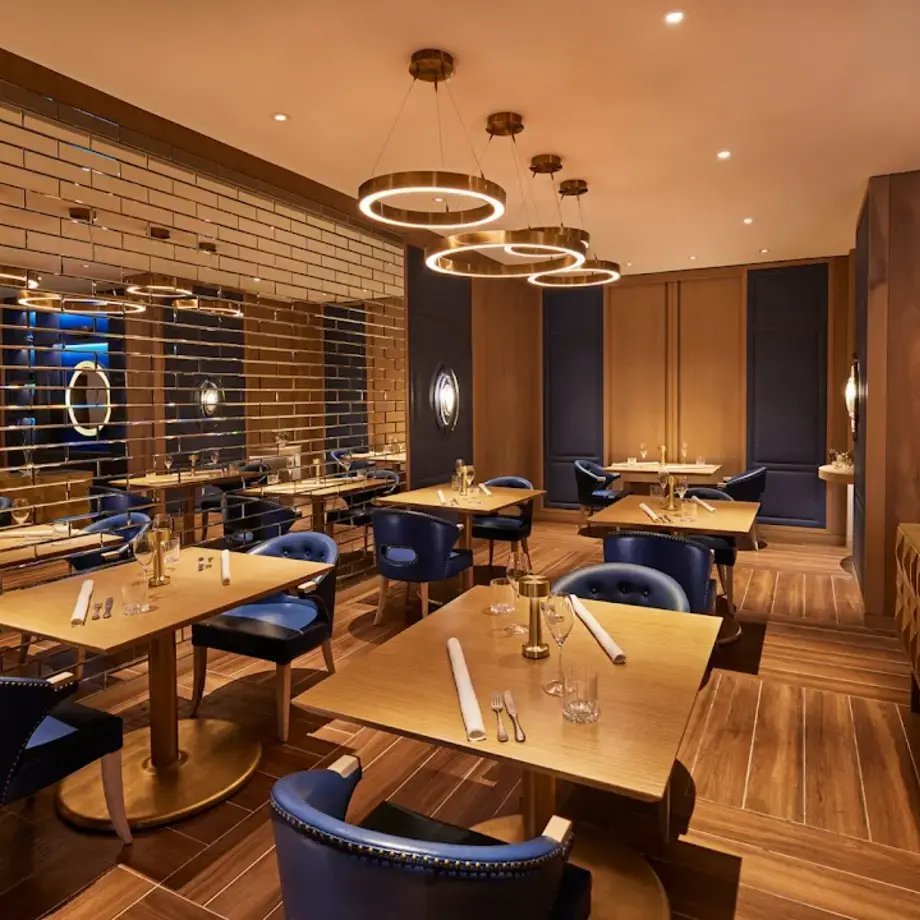
Wei Chen, chef and founder of Omawei in Miami Beach, works a 10-seat counter through small plates and nigiri.
Rice, restraint, and the first cut
The first gesture is quiet: Wei Chen, chef and founder of Omawei in Miami Beach, sets the counter’s pace before the first piece of fish reaches the board. The room holds a 10-seat omakase counter inside the Bath Club, close enough that each movement reads clearly: the hand over rice, the knife line, the pause before a course leaves the bench. Chen’s path into this station began in an uncle’s restaurant in New York City, where line work taught service pressure and the discipline of repeating the same task until it holds under heat. Study in Italy added patience and elemental technique. Neta and 15 East tightened the standard around sushi, restraint, and precision. Later roles at Nakazawa Aspen and Little Palm Island put that training into different kinds of rooms, but Omawei is the address where he is named not only as chef, but as founder. That distinction matters. A founder builds the method around the room, not the other way around.
A menu split between plates and nigiri
Omawei’s program is built as a 16-course tasting menu that changes with ingredient availability, moving in two phases. The first phase gives Chen space for small plates with wider references: cacio e pepe udon, Alaskan king crab salad, yellowtail sashimi with king trumpet mushroom, toro caviar, Bottarga Veneta with Pecorino Romano and karasumi, Wagyu katsu, and kinutamaki, madai rolled with shiso and myoga. The second phase narrows the register into classic sushi progression. Hotate, shima-aji, kinmedai, amaebi, akami, chu-toro, o-toro, Hokkaido uni, fresh anago, and Japanese Crown Melon each ask for a different decision at the counter: temperature, cut, seasoning, pressure, timing. Chen’s own language for the work is plain: “Cooking is a way of life. There’s no glitz and glamour. It’s long hours and thousands of repetitions, and constant refinement. It’s a lifelong commitment to learning and mastery.” At Omawei, that reads less like a declaration than a working order.
The counter inside the Bath Club
The Bath Club gives Omawei an unusual frame, private-club architecture with a restaurant counter set for direct exchange rather than distance. The room is minimalist and quiet, with dim lighting, dark cerulean walls, and a long marble counter that keeps the pass in view. Nothing about that arrangement lets the kitchen hide. The guest sees the bench-side rhythm and the small corrections that carry an omakase service: a piece held back for texture, a garnish placed after the fish settles, a plate leaving only when its temperature still has intention. The sake list sits close to that discipline, built as a rare and special program rather than a decorative cellar. The room’s intimacy sharpens the work. Ten seats make repetition visible.
The founder’s grammar
Chen’s signature dishes, Shishito Chimichurri and Cabbage Steak, point to the same grammar found in the omakase menu: direct names, clear structure, and a willingness to let an ingredient carry weight without crowding it. Omawei has no need to separate Japanese technique from the global and French inflections that pass through the first half of the meal; the counter tests whether they can sit in sequence without losing focus. The final impression stays with the hand at the marble, moving from Bottarga Veneta toward Hokkaido uni.
In residence
Similar places
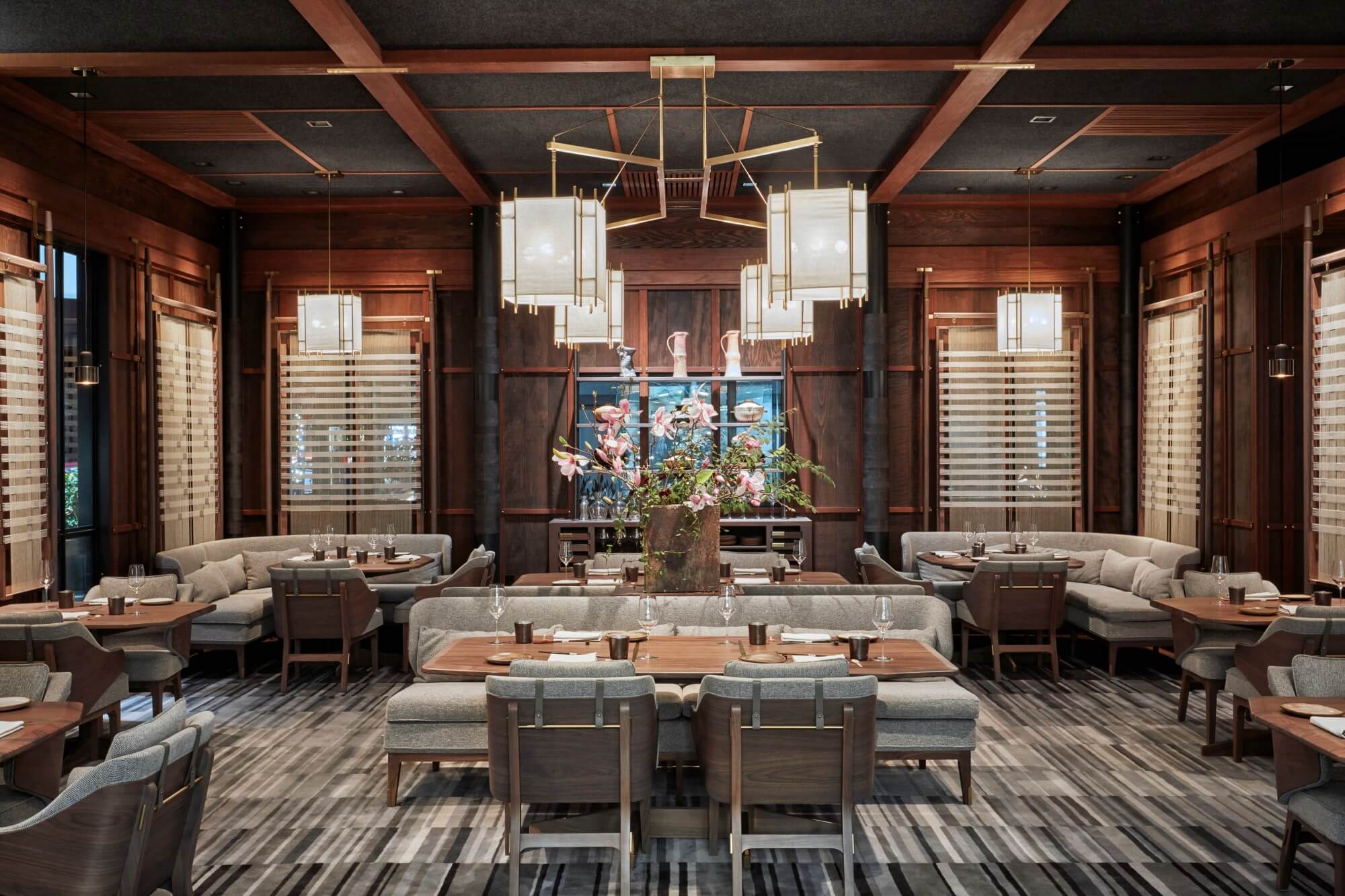
Japanese-influenced Californian Kaiseki
Single Thread Farm
Healdsburg, United States
★★★ · 50 Best
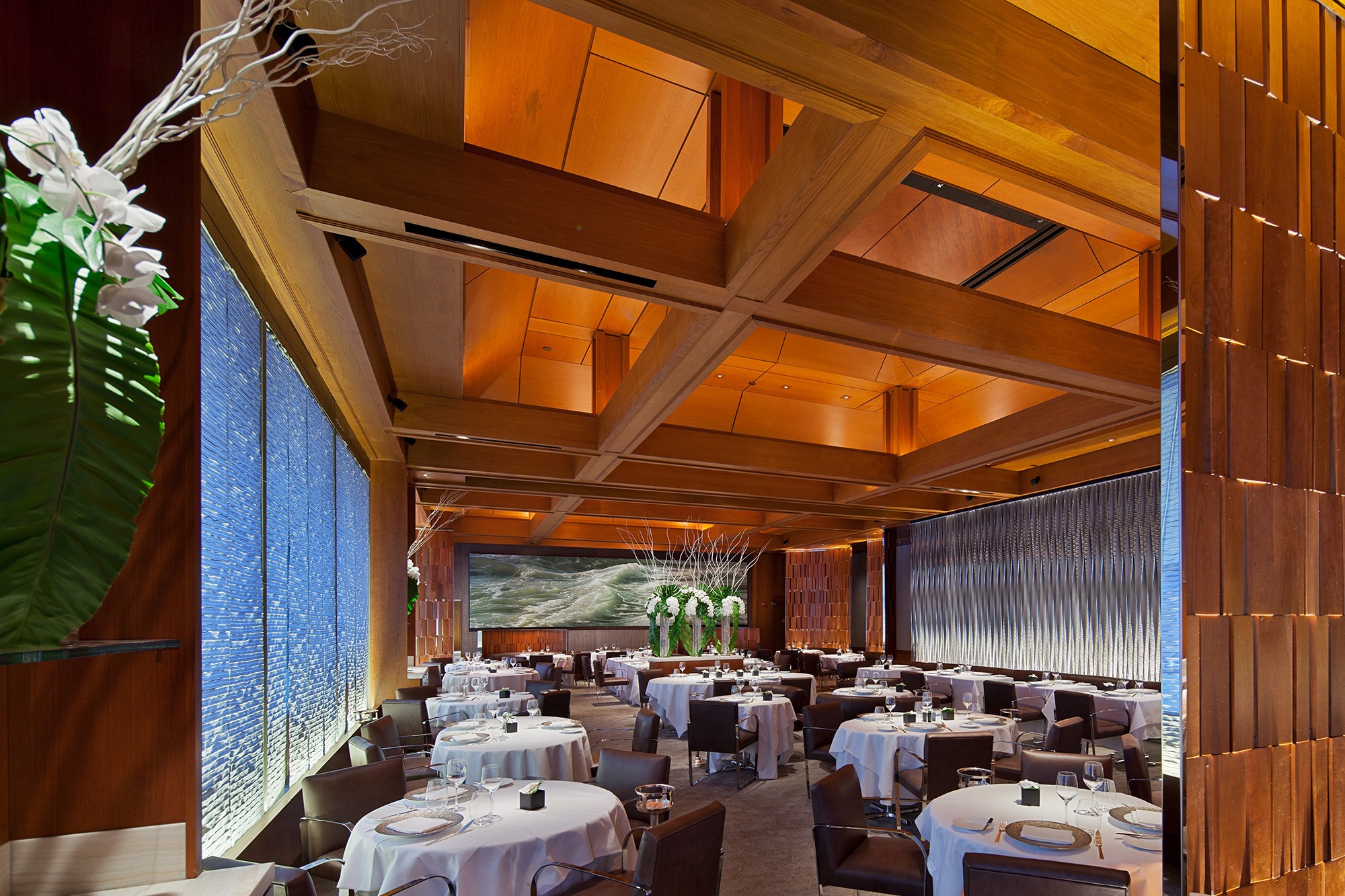
French Seafood Fine Dining
Le Bernardin
New York City, United States
★★★ · 50 Best
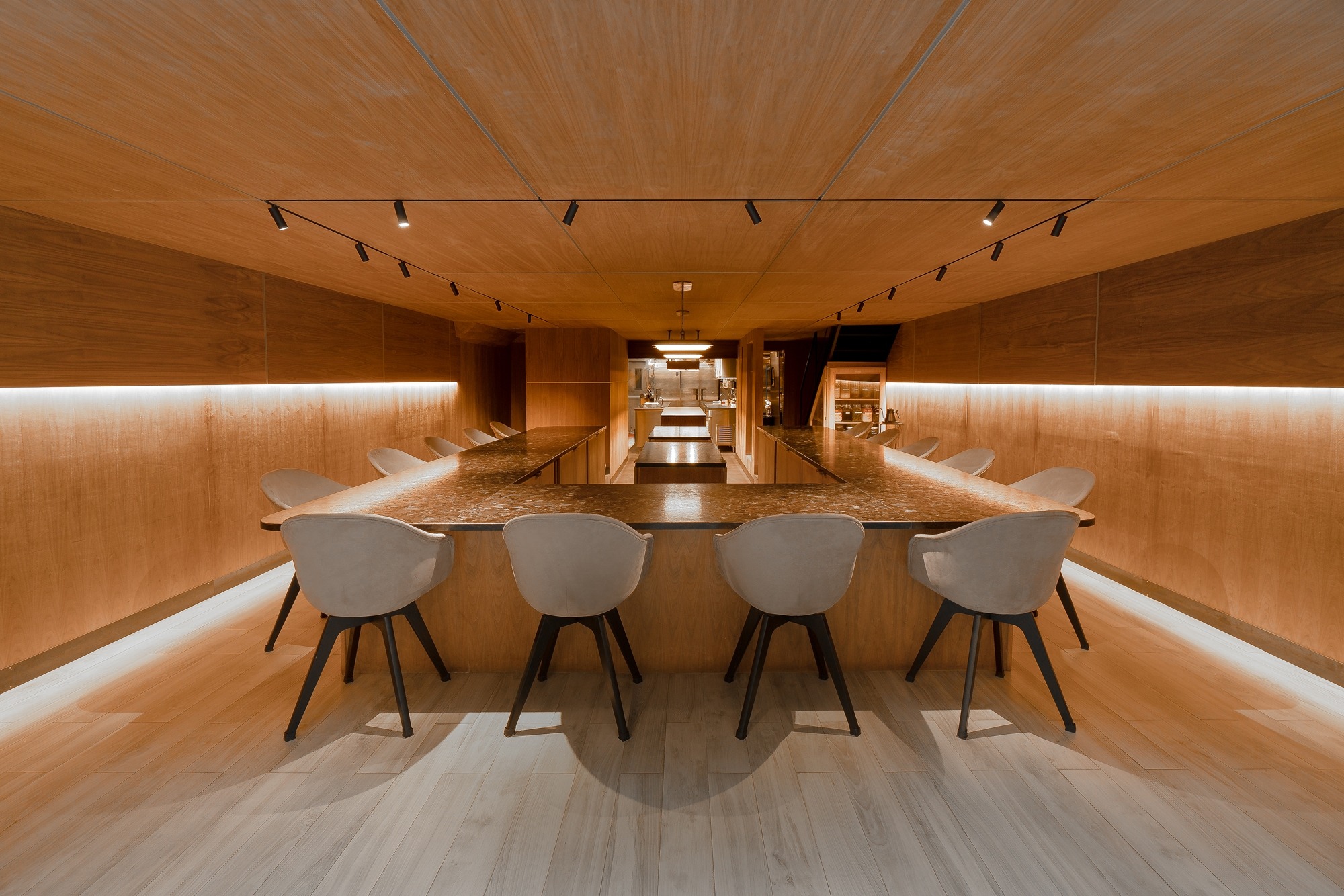
Modern Korean Tasting Menu
Atomix
New York City, United States
★★ · 50 Best
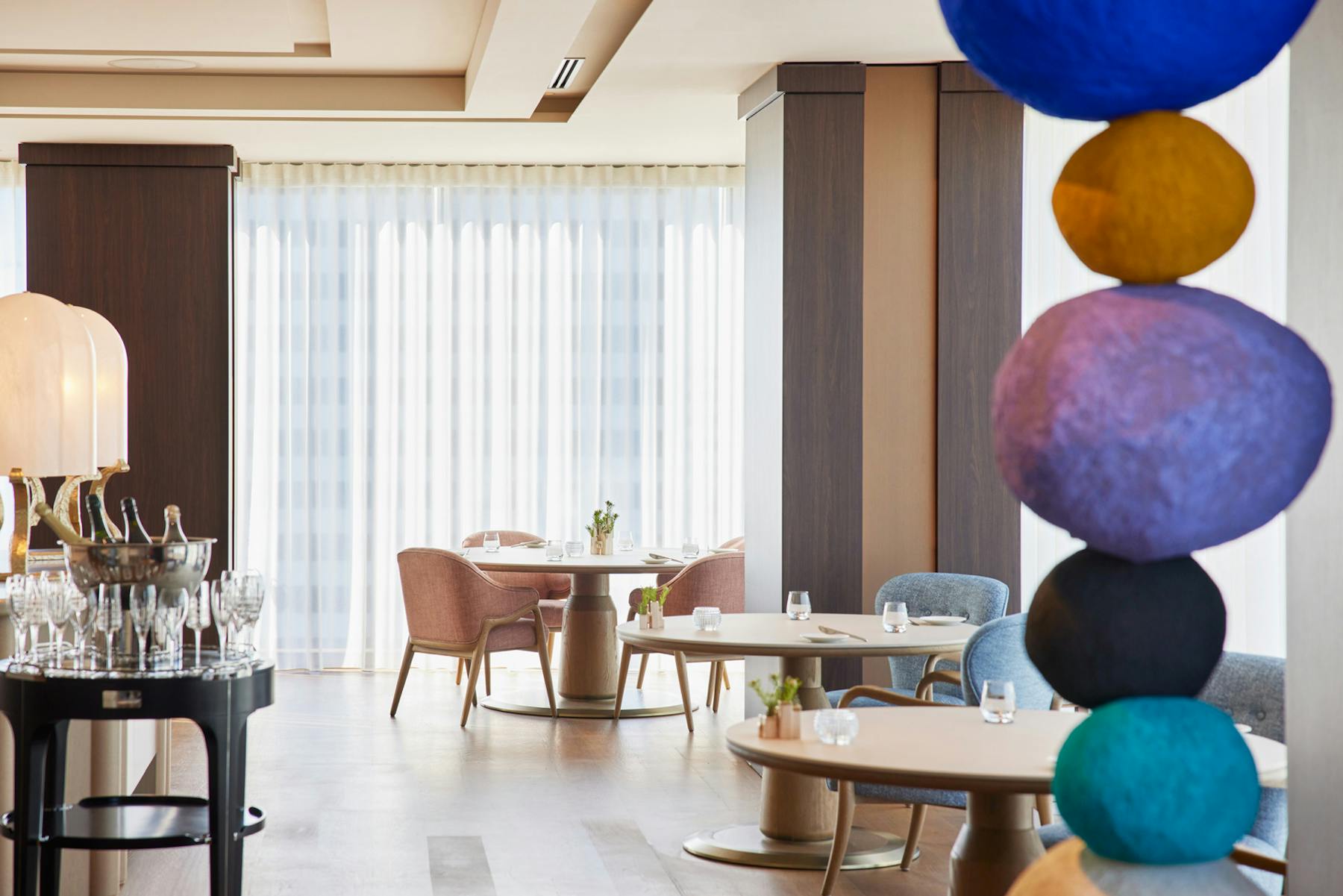
French
Sézanne
Tokyo, Japan
★★★ · 50 Best
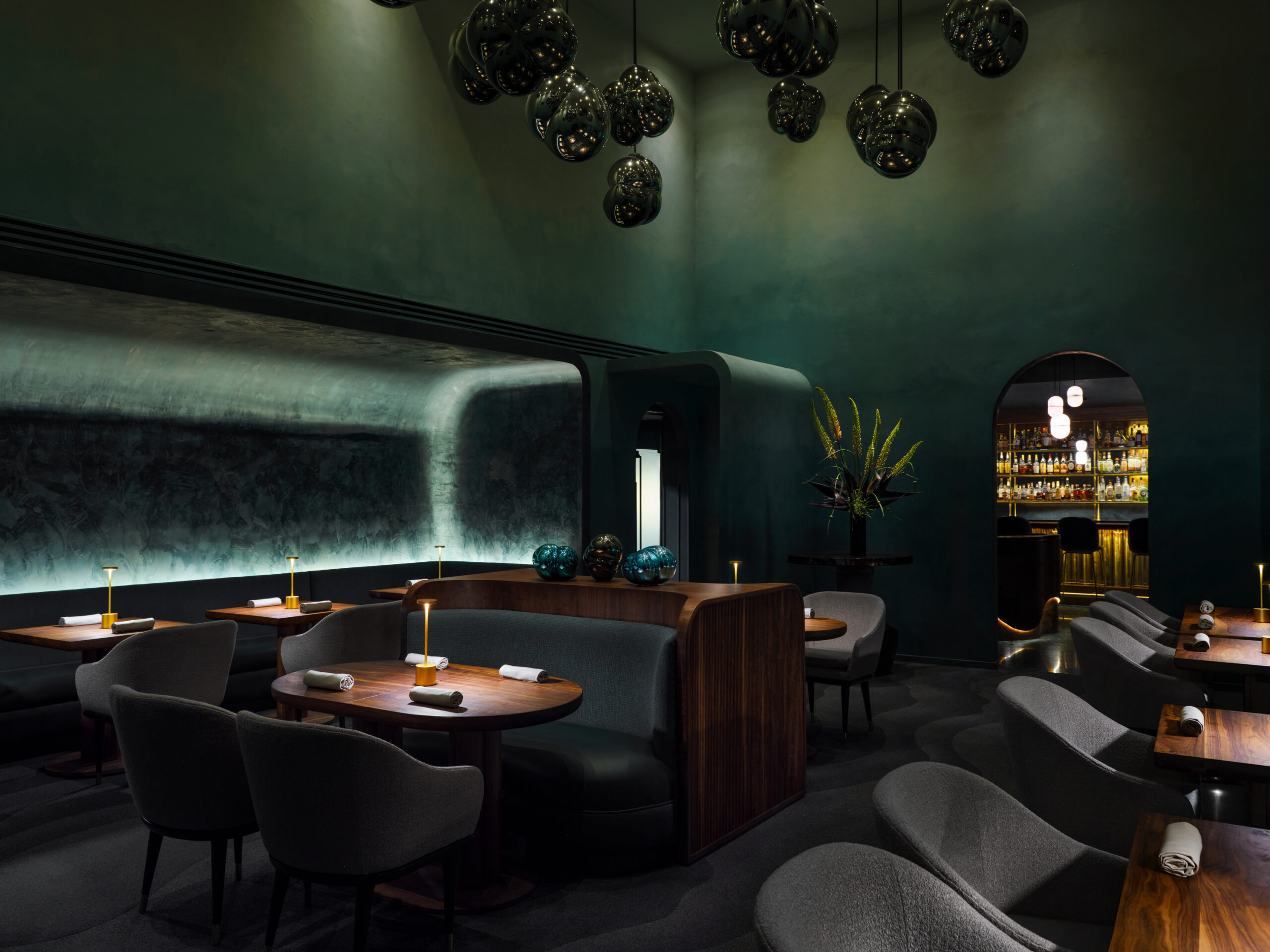
Modern Seafood Fine Dining
Providence
Los Angeles, United States
★★★ · 50 Best
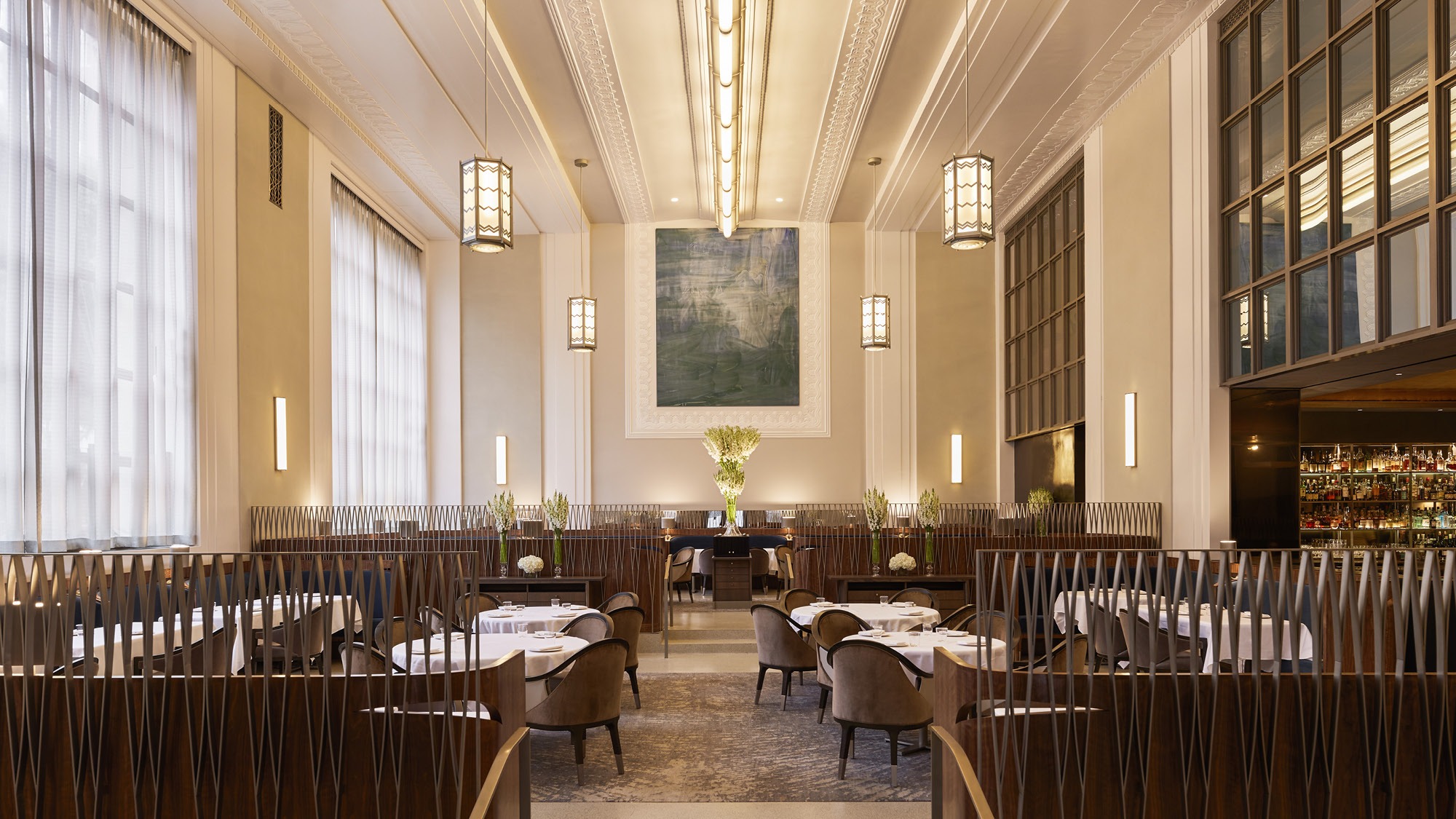
Contemporary Plant-Based Fine Dining
Eleven Madison Park
New York City, United States
★★★ · 50 Best