Oniku Karyu
In Residence
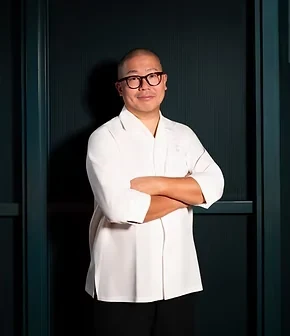
Haruka Katayanagi
Chef
- 01CuisineWagyu Kaiseki Omakase
- 02CityTokyo, Japan
- 03RecognitionOne Michelin Star
- 1 Michelin Star · Michelin Guide
- Tabelog Bronze #167: 4.2pts · 2026
- Michelin 1 Star · 2026
- Opinionated About Dining Top Restaurants in Japan Recommended · 2026
- Black Pearl 1 Diamond · 2025
- Tabelog Bronze · 2025
- Opinionated About Dining Top Restaurants in Japan Ranked #317 · 2025
- Michelin 1 Star · 2024
- Opinionated About Dining Top Restaurants in Japan Ranked #329 · 2024
- Opinionated About Dining Top Restaurants in Japan Highly Recommended · 2023
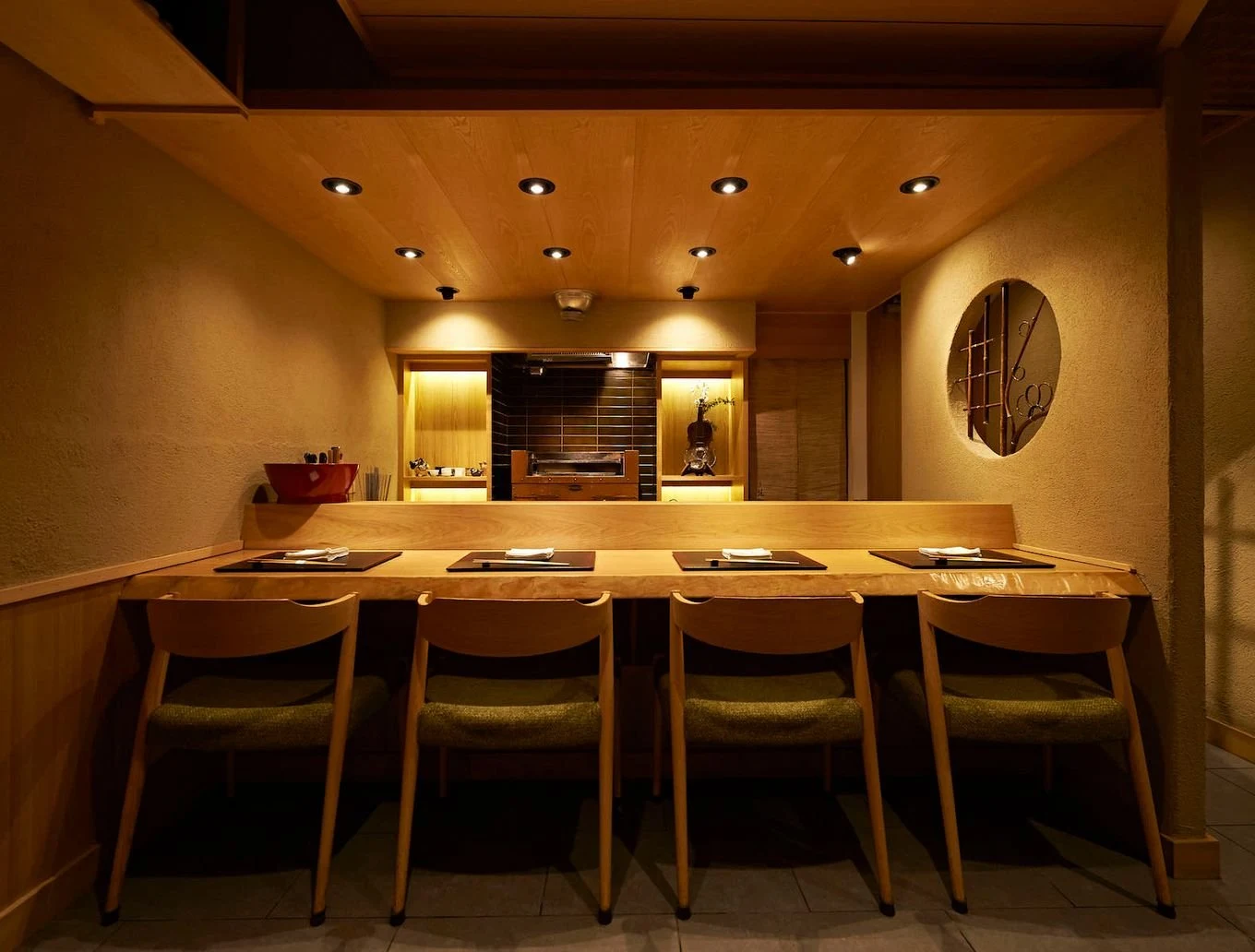
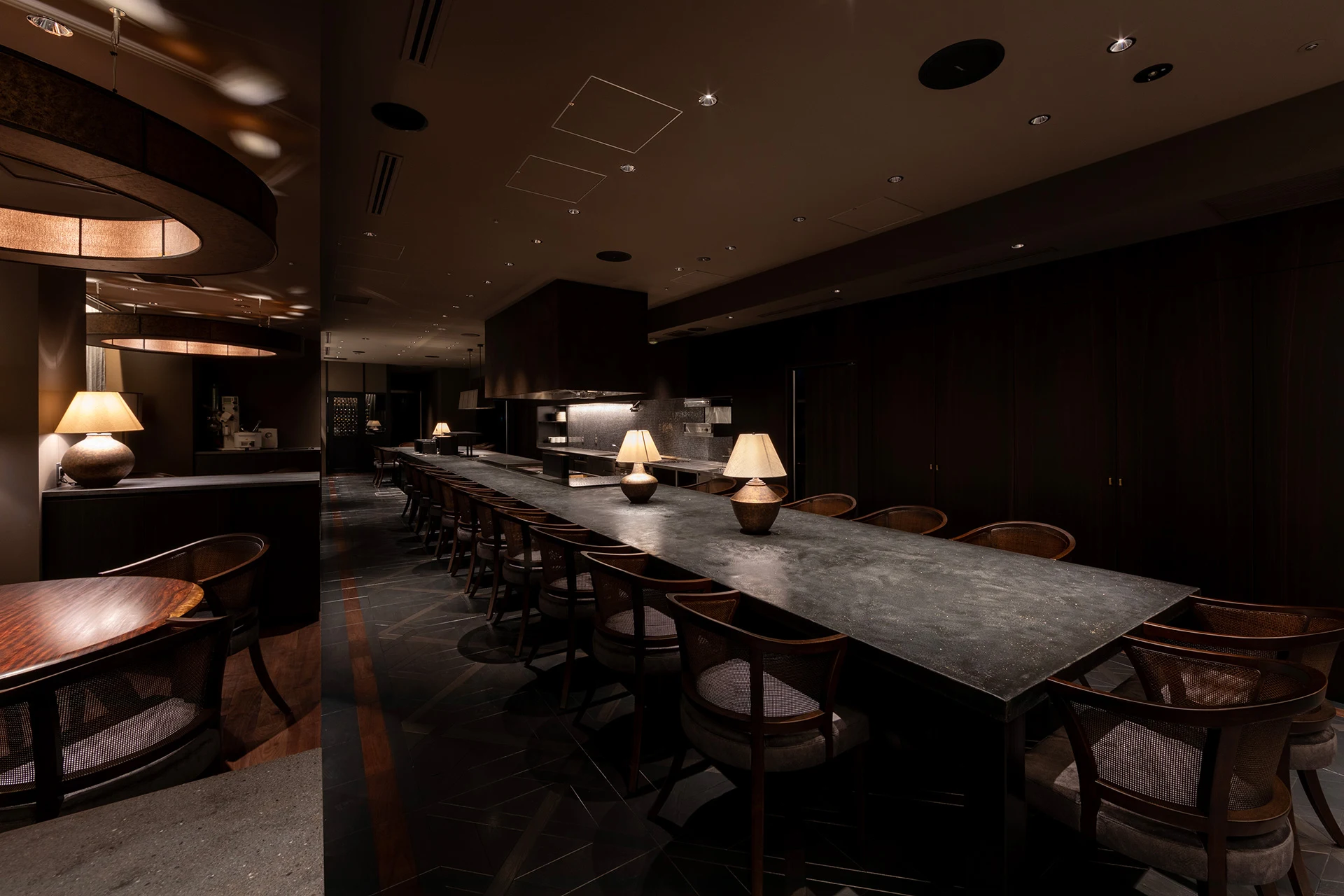
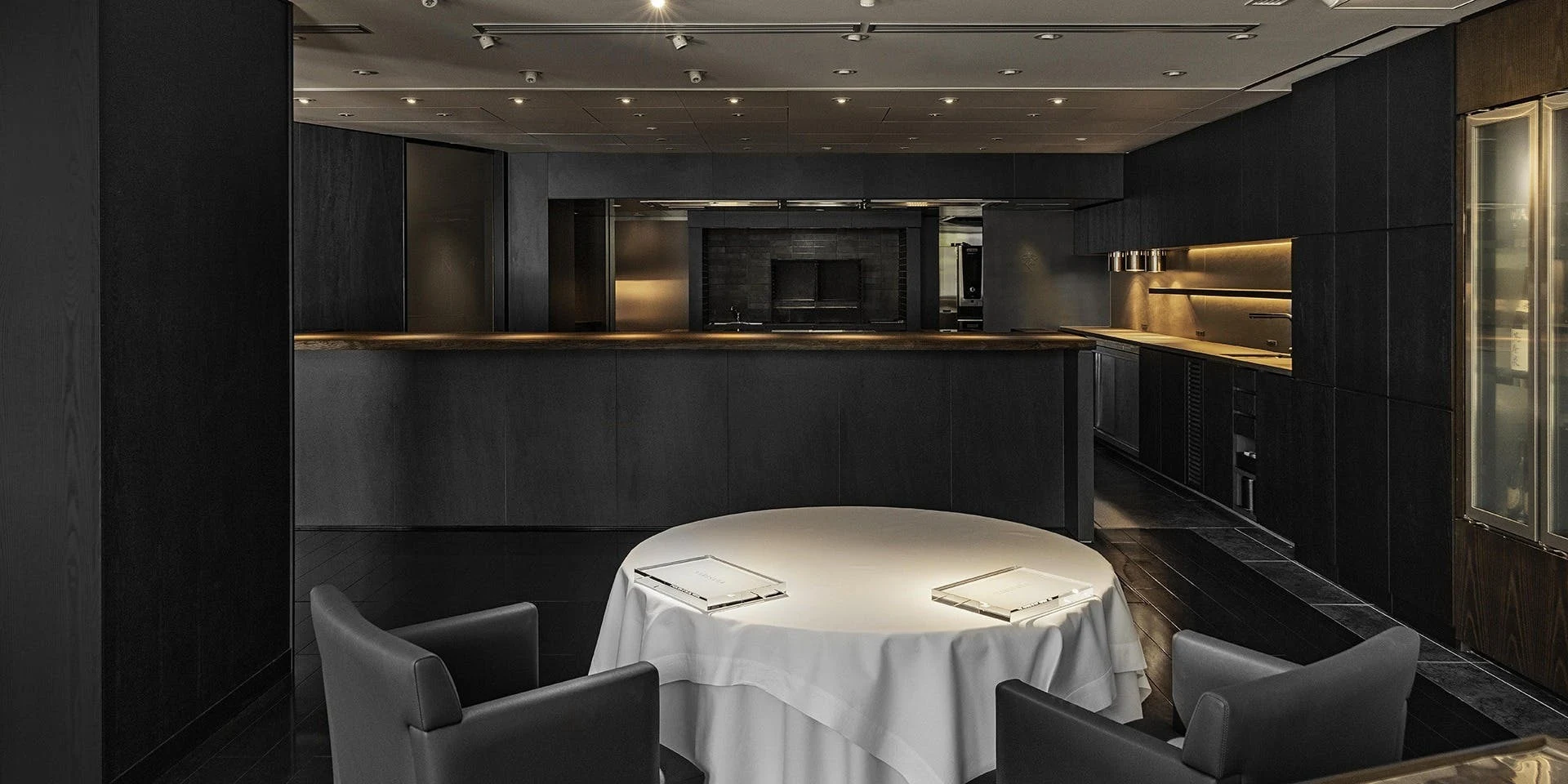
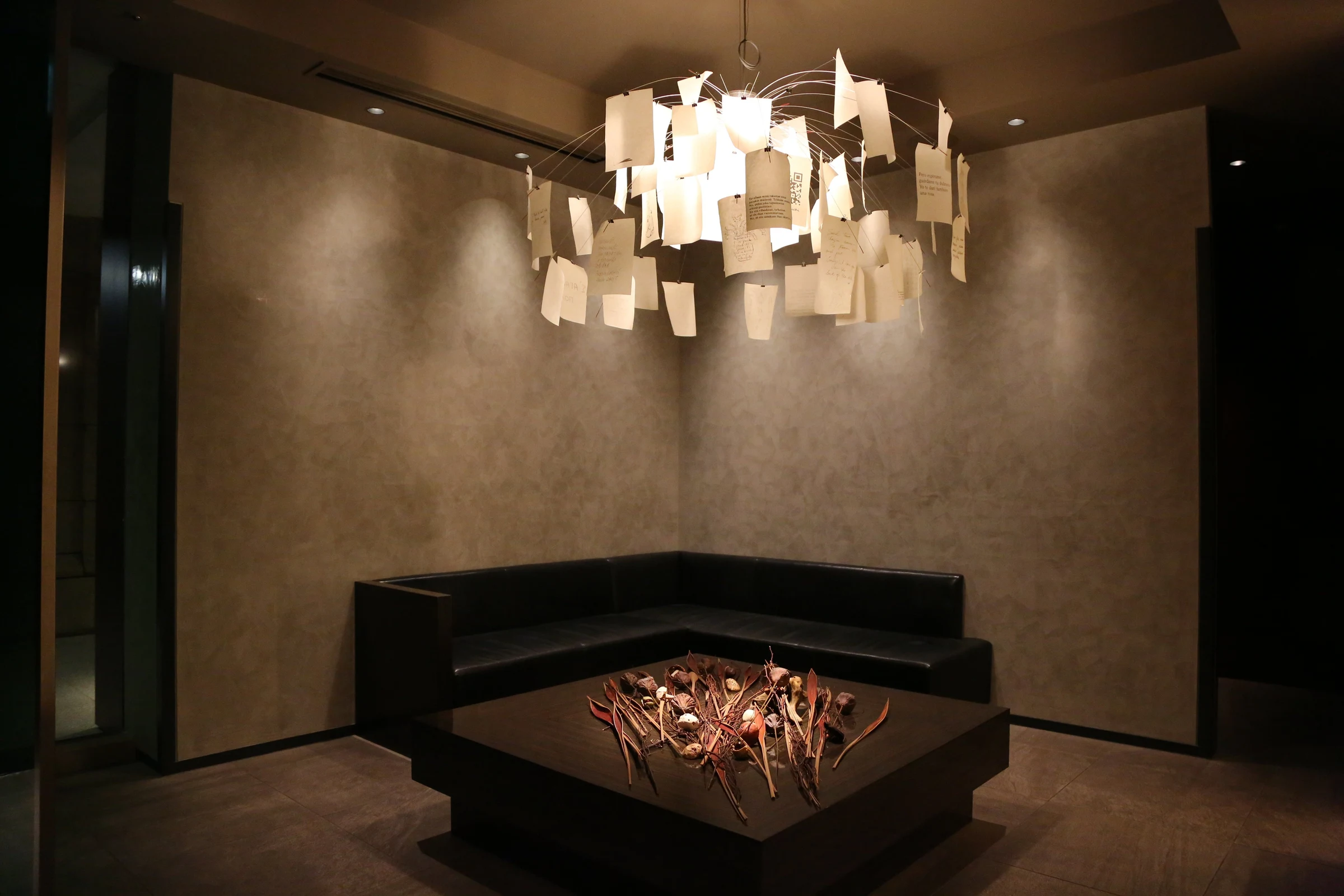
The lift opens onto a Ginza dining room built for concentration: counter seats close to the kitchen, private rooms held apart, kimono-clad service, no smoking, and a clear request to leave perfume outside. That matters here. Tokyo’s high-end beef cooking is not only marbling and heat; it is aroma, temperature, broth, smoke, and small decisions that turn wagyu from luxury ingredient into kappo subject matter.
In Ginza, beef can become shorthand for expense. The better tables treat it as a test of Japanese technique. Oniku Karyu belongs to that group: a selection course rather than grill-and-order, with wagyu moved through sushi, char-grill, shabu-shabu, dashi-led preparations, and other Japanese course forms. The point is range, not abundance.
The Sunday letter
Find new places through the people who run them.
Our Sunday email brings you the chefs, winemakers and hoteliers behind our newest stories. See a sample before you subscribe.
See a sample of the Sunday emailOne email a week. Unsubscribe from any issue.
Wagyu handled as kappo, not steakhouse theatre
Meat kappo is the right lens. Kappo is proximity between kitchen and diner, a composed sequence, and technique shifting with the ingredient. Applied to beef, it changes expectations. Instead of one centerpiece cut, the meal asks how wagyu behaves sliced, warmed, simmered, seared, served with rice, or set against broth. The cultural reference is closer to kaiseki discipline than Western steakhouse ritual.
That distinction gives Tokyo’s beef specialists their relevance. Wagyu has become a global luxury code, often reduced abroad to fat and price. In Japan, the serious conversation is narrower and more technical: managing richness across a full course, making dashi carry meat without dulling it, and moving from raw-leaning preparations to charcoal and hot pot without palate fatigue. Chef Haruka Katayanagi brings kaiseki training to that problem, so the format reads as Japanese cuisine first and beef restaurant second.
The recognition places the restaurant in a demanding bracket. Tabelog lists a 2026 Bronze Award with a 4.17 score and also records Bronze recognition for 2025. Michelin listed it with one star in 2024, while Opinionated About Dining placed it in its Japan rankings in 2024 and 2025. These markers do not describe a course, but together they show this is not a casual wagyu address trading on Ginza rent. It competes where Japanese diners judge pacing, ingredient handling, and consistency as closely as luxury cues.
Ginza makes the format sharper
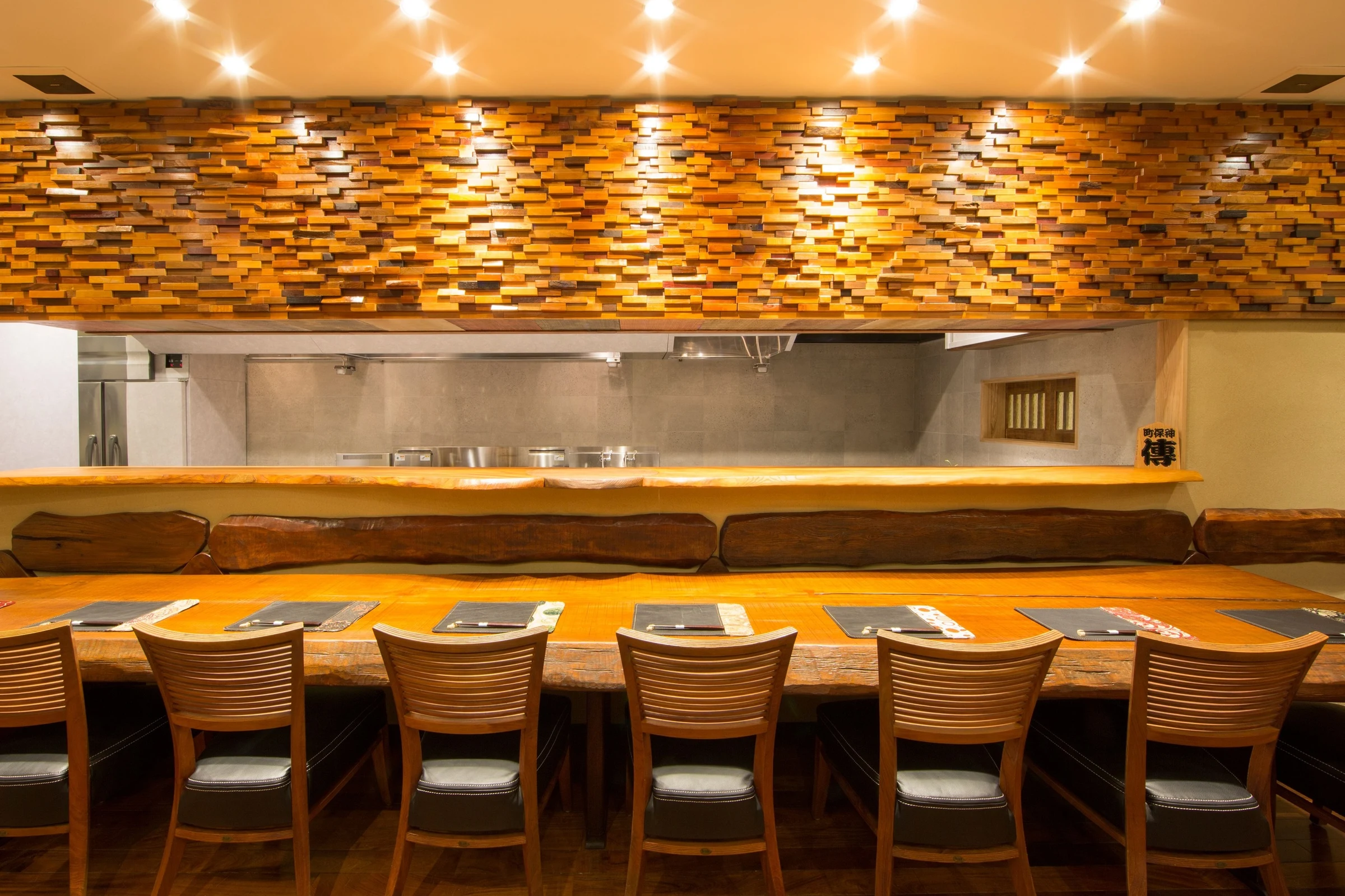
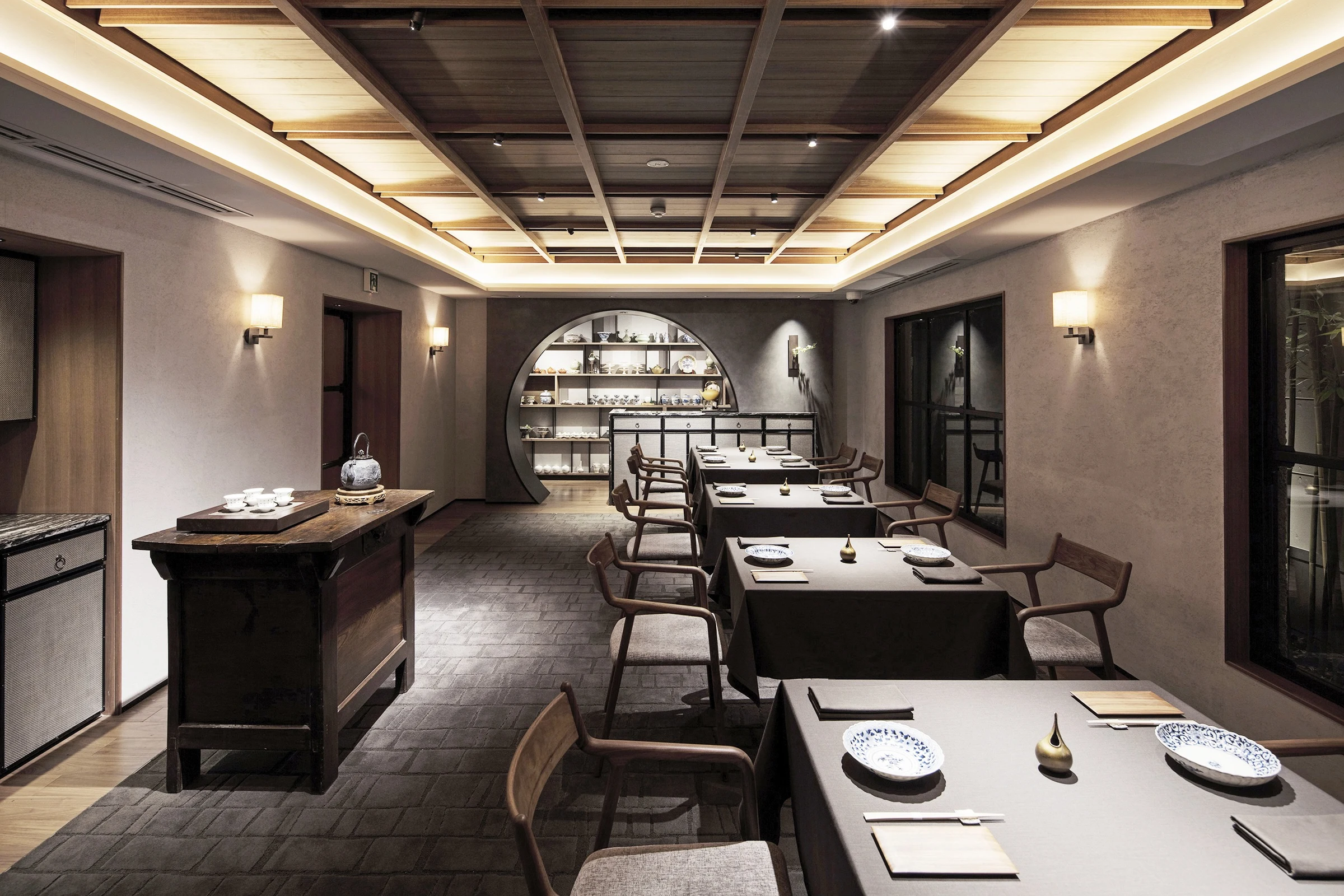
Ginza suits this style because the district rewards precision. Its serious restaurants are often small, expensive, and formal without theatrical excess. At 20 seats, with eight counter seats and private rooms for the rest, the room supports two Tokyo habits: counter engagement for diners watching the work, and enclosed rooms for business meals or family groups. Children are accepted from elementary-school age in private rooms, more specific than vague family-friendly claims often attached to high-end restaurants.
The course price, JPY 33,000 to JPY 38,000 including tax, sits in the premium Ginza dinner band before the separate 10 percent service charge. Review-based average spending has been listed higher, at JPY 40,000 to JPY 49,999, useful for diners ordering drinks. Credit cards are accepted, QR payment is available via d Barai, and electronic money is not. These details are not glamorous, but Tokyo dining at this level often turns on practical clarity.
The hours also shape the experience: dinner only, Monday through Saturday, with Sunday and public holidays closed. That rhythm suits Ginza’s weekday mix of corporate entertaining, regulars, and destination travelers planning around one serious reservation rather than a casual crawl. The VORT Ginza briller address places the restaurant in the vertical-building pattern of modern Tokyo dining, where a seventh-floor room can carry the same culinary weight as a street-level storefront.
For broader Tokyo planning, this is different from casual seafood, yakitori, curry, or café stops. Readers can place it alongside other city genres through Our full Tokyo restaurants guide, then balance the trip with Our full Tokyo hotels guide, Our full Tokyo bars guide, Our full Tokyo wineries guide, and Our full Tokyo experiences guide. Tokyo’s range is the point: a beef kappo dinner in Ginza sits apart from places such as. 鮪と炭火焼き うお炭 秋葉原店, 12/10 Shinjuku ten, 124. KAGURAZAKA (Yakitori), 2D Cafe, and 3 Chome no Curry Ya San.
Who should choose this dinner
This is for diners who want wagyu interpreted through Japanese structure rather than served as one luxury slab. The appeal is the sequence: beef through dashi, rice, heat, slicing, and service. Diners wanting à la carte flexibility, a late-night drop-in, or casual yakiniku will find it too controlled. Those who understand sushi or kaiseki counters will recognize the logic quickly, even with a different central ingredient.
The English multilingual menu helps international guests, but the experience remains culturally specific. The rules, including the fragrance request, are not etiquette decoration; they protect the meal’s aromatic range in a compact room. Private rooms suit business or small groups, while the counter is sharper for technique. Parking is not provided, with coin parking nearby, so rail or taxi within central Tokyo is sensible.
Oniku Karyu belongs in a wider Japanese beef conversation, not as a standalone luxury claim. Kamakura’s sukiyaki tradition, Kyoto’s meat restaurants, and international beef addresses show how differently the category travels: compare the Japanese register of -Grilled beef Sukiyaki- KAMAKURA TANUKIAN 鎌倉 たぬき庵 in Kamakura and Nikuryori Shibuya, Beef in Kyoto with the Mediterranean luxury language around Caviar & Bull, Beef in St Julian's. For contrast across Japan’s broader dining map, see.cafe in Osaka,.know in Kumamoto, (Shoku) Vietnam in Kawasaki, [Curry Senmon Ten] Maruyama Kyoju. in Sapporo, and [ki:] in Kyoto.
The editorial case is clear: this is Ginza beef for diners interested in Japanese technique, not just wagyu status. The awards and rankings support the booking, but the deeper reason to go is the format itself: a course meal treating beef as material for kappo thinking.
Questions
Frequently asked
What recognition does Oniku Karyu hold?
Oniku Karyu holds 1 Michelin star.
Who works at Oniku Karyu?
Made By profiles Haruka Katayanagi (Chef) at Oniku Karyu.
How expensive is Oniku Karyu?
Oniku Karyu is listed at a price level of $$$$.
Where is Oniku Karyu and what does it serve?
Oniku Karyu is in Chūō, Tokyo, serving Wagyu Kaiseki Omakase.
The field
How it compares
| Place | Awards | Cuisine | Notes |
|---|---|---|---|
| Oniku Karyu | Michelin 1 Star | Wagyu Kaiseki Omakase | Chūō, $$$$ |
| Den | Michelin 2 Stars, World's 50 Best | Modern Japanese Kaiseki | Tokyo |
| Florilège | Michelin 2 Stars, World's 50 Best | Modern French-Japanese Plant-Based Fine Dining | Tokyo |
| Narisawa | Michelin 2 Stars, World's 50 Best | Modern Japanese Satoyama Fine Dining | Tokyo |
| Quintessence | Michelin 3 Stars | Modern French Fine Dining | Tokyo |
| Sazenka | Michelin 3 Stars, World's 50 Best | Modern Chinese Fine Dining | Tokyo |
| Sézanne | Michelin 3 Stars, World's 50 Best | Modern French Fine Dining | Tokyo |
In residence
Similar places
Modern Japanese Kaiseki
Den
Tokyo, Japan
★★ · 50 Best
Modern French-Japanese Plant-Based Fine Dining
Florilège
Tokyo, Japan
★★ · 50 Best
Modern Japanese Satoyama Fine Dining
Narisawa
Tokyo, Japan
★★ · 50 Best
Modern French Fine Dining
Quintessence
Tokyo, Japan
★★★
Modern Chinese Fine Dining
Sazenka
Tokyo, Japan
★★★ · 50 Best
Modern French Fine Dining
Sézanne
Tokyo, Japan
★★★ · 50 Best
The Sunday letter
Get the next Made By story in your inbox.
We send one email every Sunday morning with the places and people we covered that week.
See a sample of the Sunday emailOne email a week. Unsubscribe from any issue.