Osobano Kouga
- 01CuisineAuthentic Handmade Soba
- 02CityTokyo, Japan
Hand-cut soba, seventeen seats
- Michelin Bib Gourmand · Michelin Guide
- Michelin Bib Gourmand · 2026
- Tabelog 100 #87: 3.7pts · 2025
- Michelin Bib Gourmand · 2024
Seventeen seats by deliberate choice
Osoba no Kouga opened in December 2007 in Nishi-Azabu, Minato City, near Nogizaka and Roppongi stations and close to the Taro Okamoto Memorial Museum. Its owner, the soba master Hiroshi Kouga, built it small on purpose: seventeen seats, originally described as twelve tatami mats, a scale chosen so that quality, consistency and attention to each guest could be controlled directly rather than delegated.
Kouga trained for fourteen years at Muromachi Sunaba Akasaka, a house established in 1887, and brought stone-ground soba expertise with him. That length of apprenticeship is the fact that explains the restaurant. Soba is a craft with almost no margin, since the noodle is flour, water and handling, and fourteen years is roughly what it takes before a cook can be trusted to cut it every day.
Buckwheat, ratio, and one broken rule
The buckwheat comes from farmer mills in the Iruma District of Saitama Prefecture and is stone-ground on site, with a carefully judged ratio of buckwheat to wheat flour to reach a texture that is silken and still resilient. Seasonal flights let a guest taste the differences between regional buckwheats, which is only possible because the grinding happens in house.
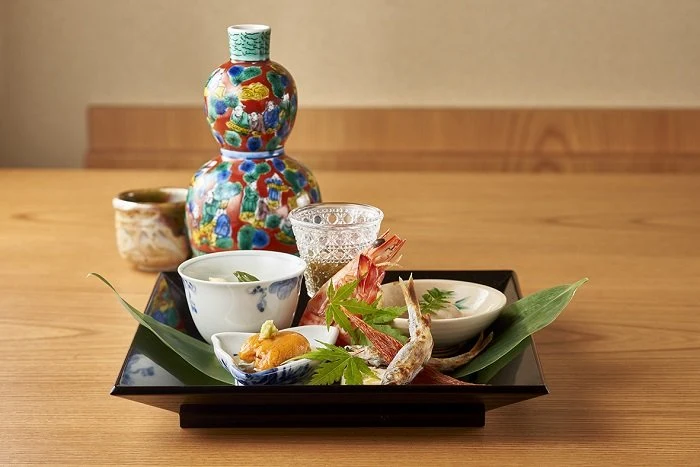
The noodles are served chilled in zaru style with a concentrated tsuyu, wasabi and negi, or warm in small-batch dashi made from premium kombu and katsuobushi. Around them sit crackling tempura of peak vegetables and seafood, yuba, house-made tofu and slow-braised duck, chosen to balance rather than overpower. The signature is uni soba, and it exists because Kouga deliberately broke a rule he was taught: raw seafood was not to be paired with soba. Sudachi soba and tempura soba complete the list, with seasonal limits such as matsutake appearing and disappearing.
Warm wood and uncluttered lines
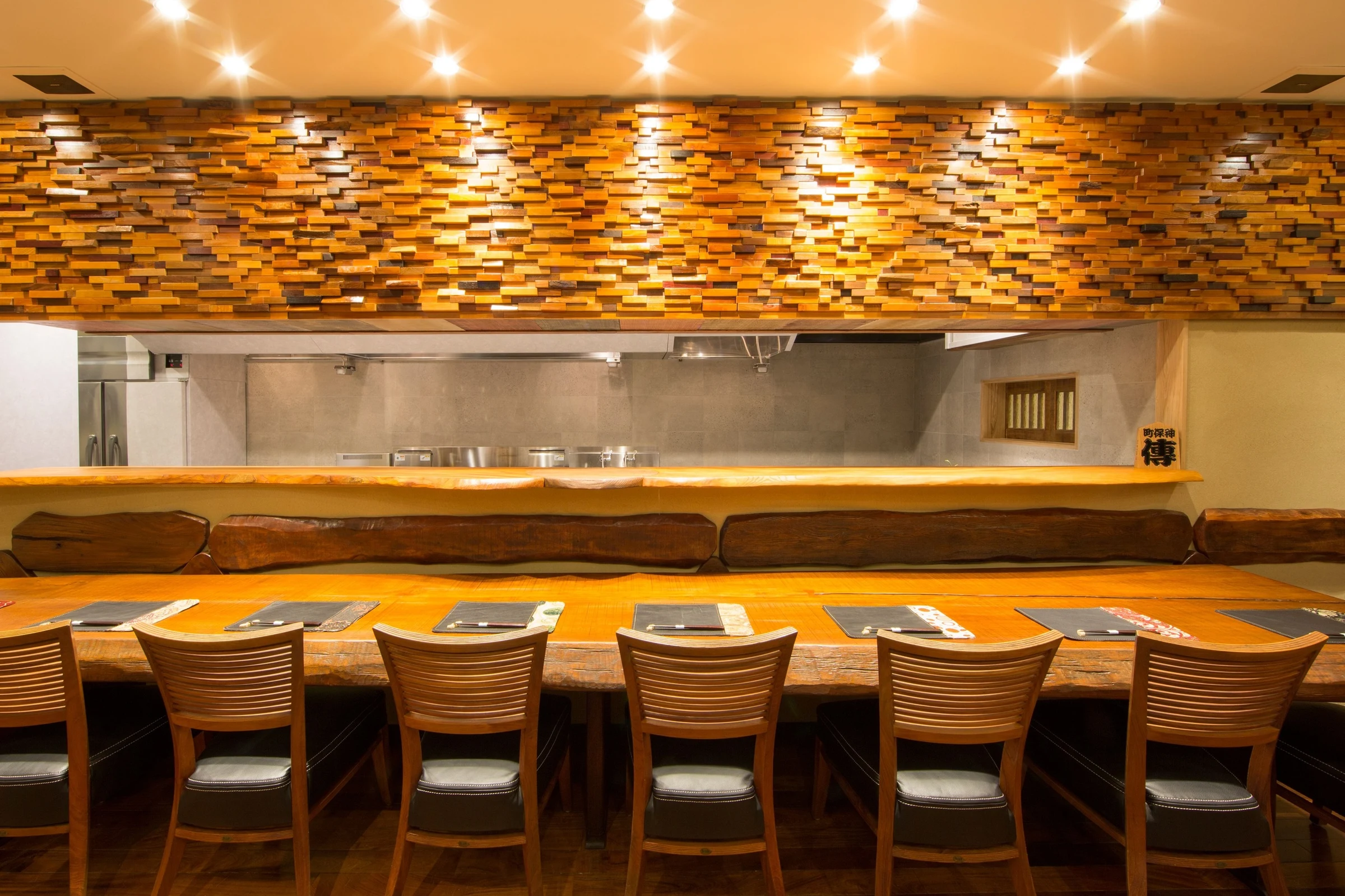
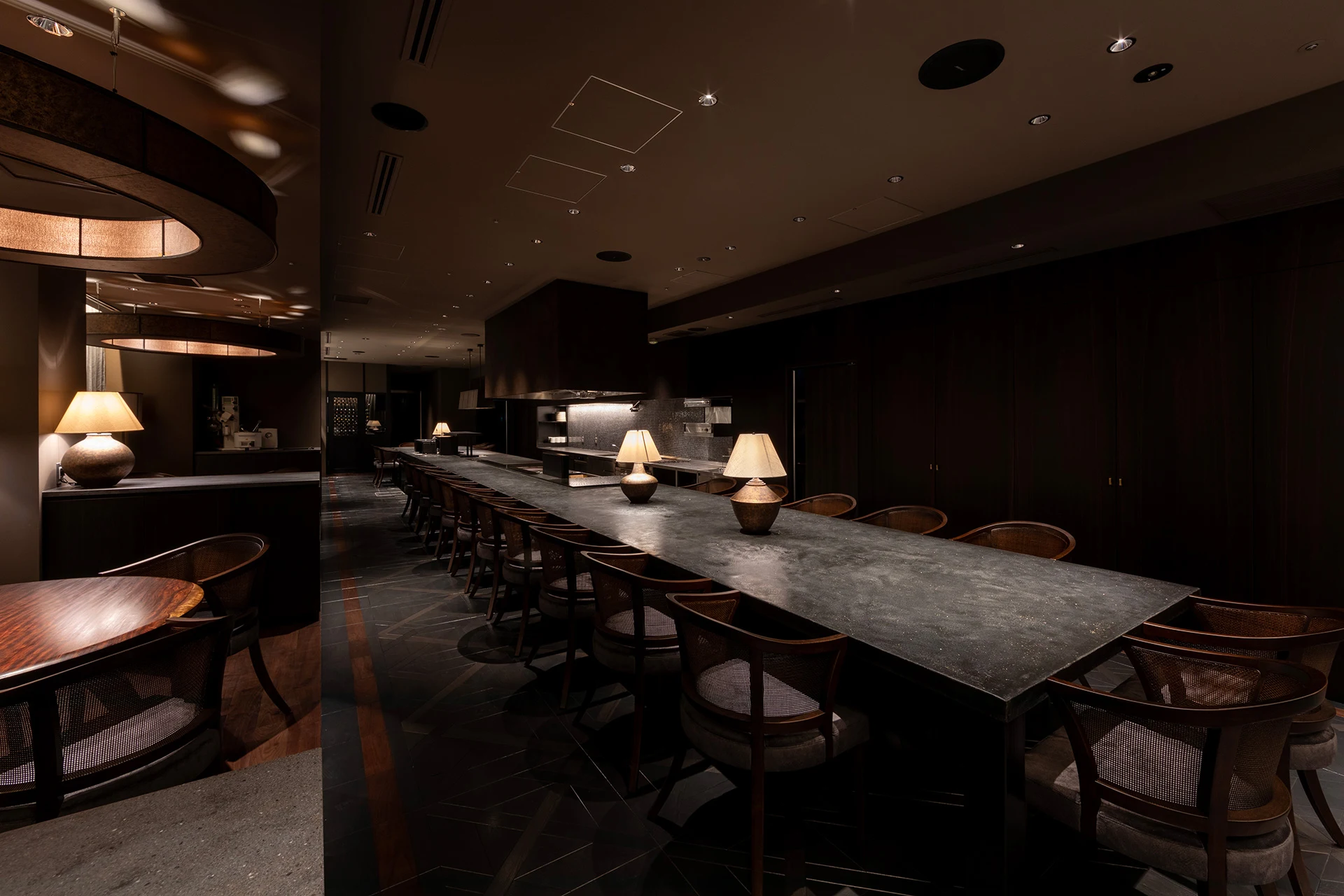
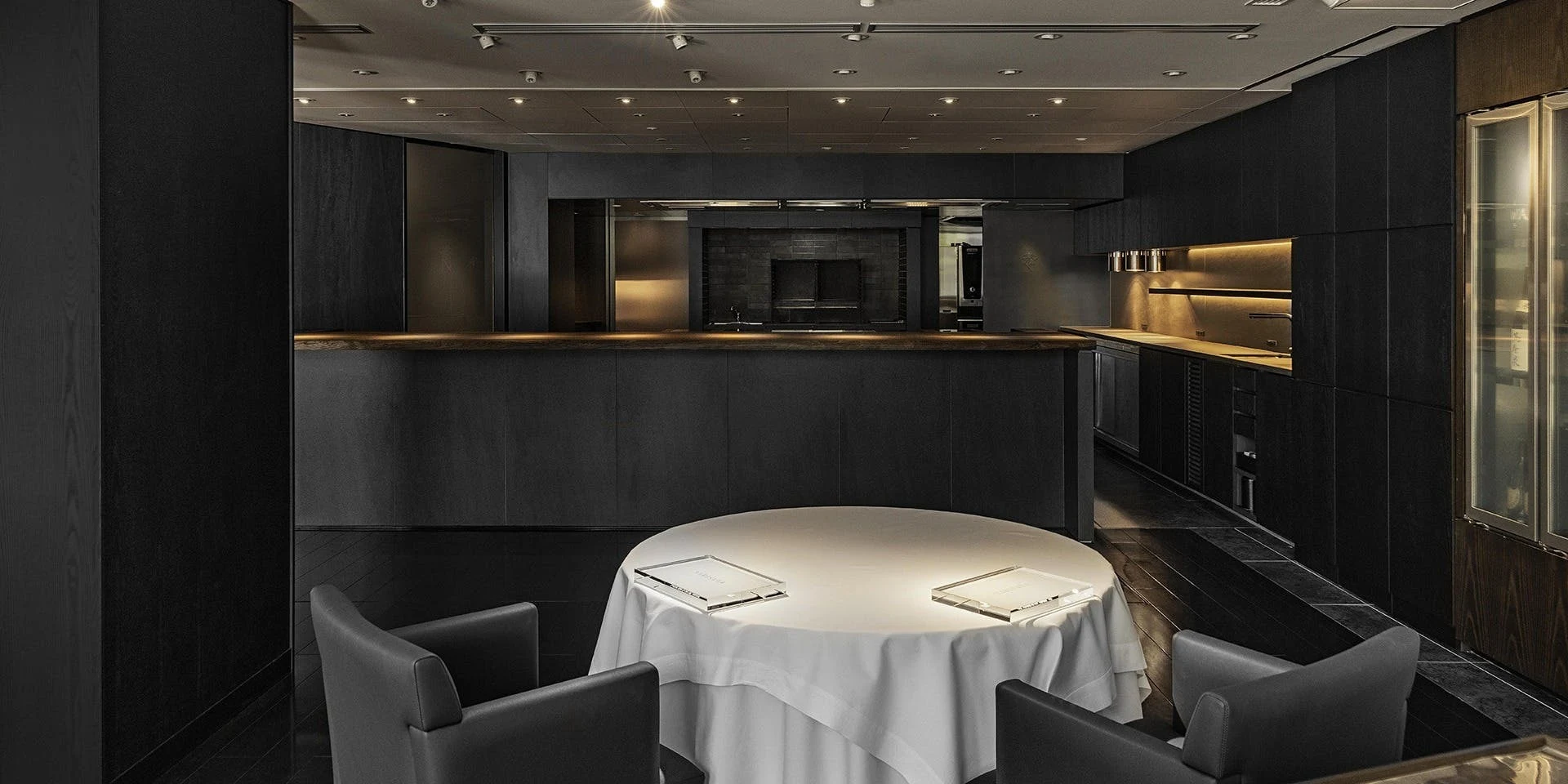
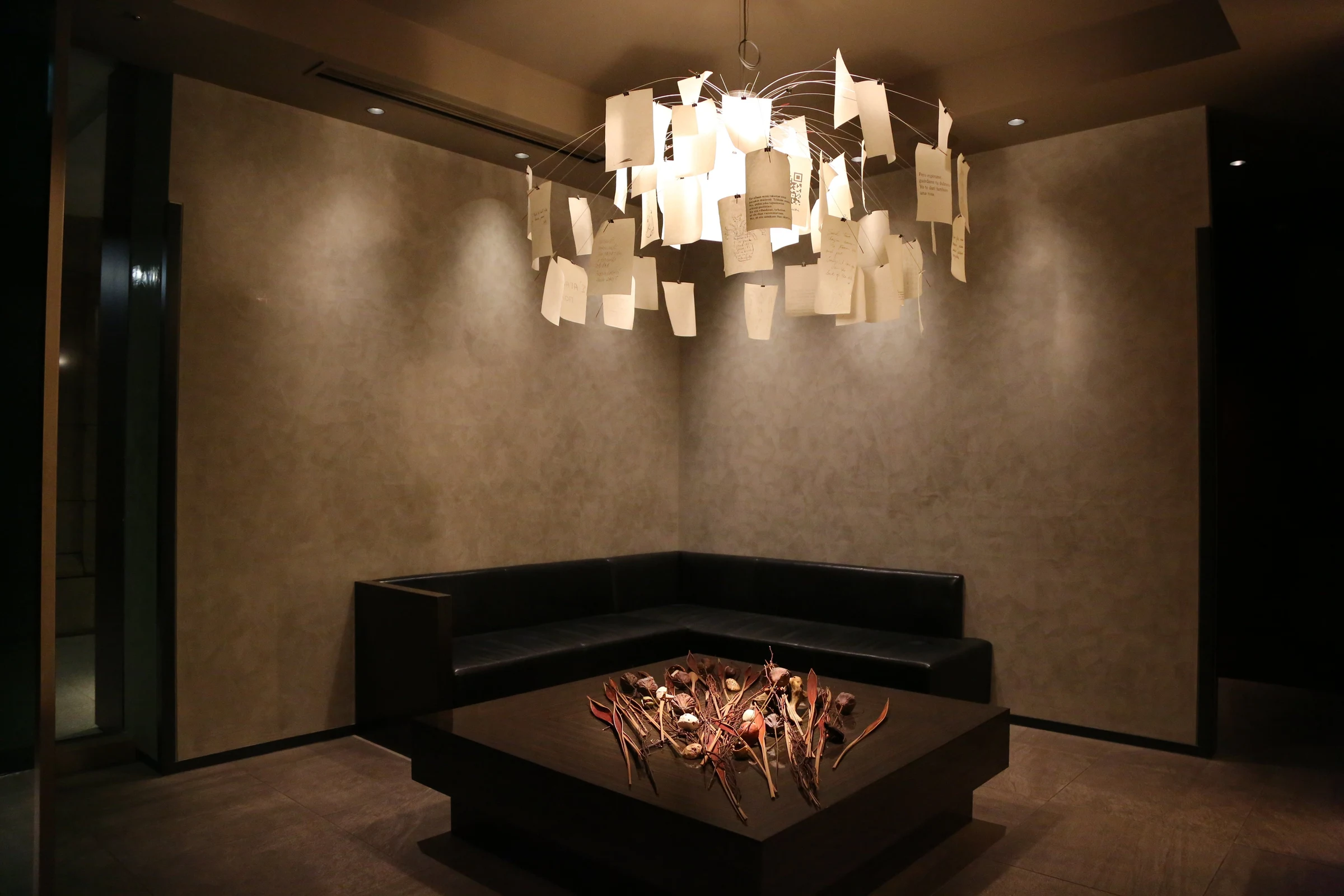
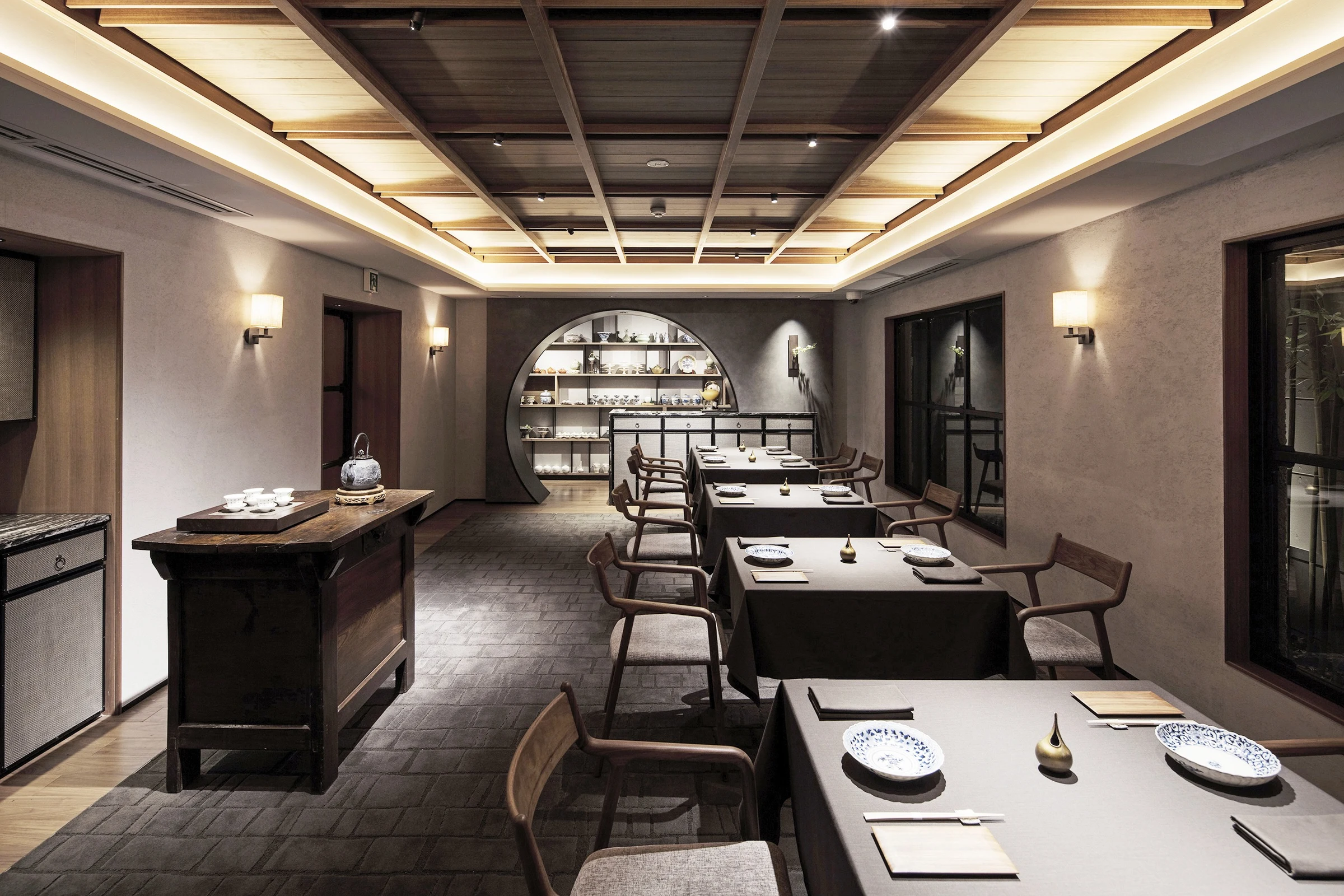
The room is warm wood, soft lighting and uncluttered lines, producing a tranquil, intimate atmosphere. It is minimalist and quiet, with counter dining alongside a la carte service, and the house extends the same attention to tableware, interior and service that it gives the noodles. The feel is cosy and homely, which is not the character most design-forward rooms earn.
In a district full of expensive sushi and kaiseki, this reads as a hideout rather than a destination, and its guests reflect that: salarymen lingering over sake, soba enthusiasts chasing a limited menu, and visitors discovering Edo soba culture. Sake is the beverage focus, with a curated list beside it.
Comfort food raised without being dressed up
The house holds a Michelin Bib Gourmand along with selection for the Tabelog Awards. It has kept its intimate scale through fifteen years of rising popularity, which is the harder decision, since seventeen seats cap the business permanently.
What the record describes is masterful simplicity. Soba is an everyday food, and the ambition here is to raise it to luxury without disguising it, which means the work stays in the grinding, the ratio and the cut. The textures hold from year to year, changing only with the season, and that consistency is the whole point of keeping Osoba no Kouga this small.
Questions
Frequently asked
What kind of place is Osoba no Kouga?
Osoba no Kouga is a seventeen-seat soba room in Nishiazabu, Tokyo, opened in December 2007 by soba master Hiroshi Kouga. It is built around a small counter service format, with a quiet, intimate room and an emphasis on handmade soba.
What is the soba made from?
The buckwheat comes from farmer mills in the Iruma District of Saitama Prefecture and is stone-ground on site. The house uses a carefully judged ratio of buckwheat to wheat flour, and serves the noodles chilled with tsuyu, wasabi and negi, or warm in dashi.
What are the signature dishes?
The signature is uni soba. The other named dishes include tempura soba and sudachi soba.
Does Osoba no Kouga have any recognition?
The restaurant holds a Michelin Bib Gourmand and was also selected for the Tabelog Awards.
What should I know about booking and opening times?
Reservations are recommended and bookings are made directly. The restaurant is open Monday and Thursday to Sunday for lunch and dinner, and it is closed on Tuesday and Wednesday.
The field
How it compares
| Place | Cuisine | Notes | Awards |
|---|---|---|---|
| Osobano Kouga | Authentic Handmade Soba | Minato, $$$ | · |
| Den | Modern Japanese Kaiseki | Tokyo | Michelin 2 Stars, World's 50 Best |
| Florilège | Modern French-Japanese Plant-Based Fine Dining | Tokyo | Michelin 2 Stars, World's 50 Best |
| Narisawa | Modern Japanese Satoyama Fine Dining | Tokyo | Michelin 2 Stars, World's 50 Best |
| Quintessence | Modern French Fine Dining | Tokyo | Michelin 3 Stars |
| Sazenka | Modern Chinese Fine Dining | Tokyo | Michelin 3 Stars, World's 50 Best |
| Sézanne | Modern French Fine Dining | Tokyo | Michelin 3 Stars, World's 50 Best |
Similar places
Modern Japanese Kaiseki
Den
Tokyo, Japan
★★ · 50 Best
Modern French-Japanese Plant-Based Fine Dining
Florilège
Tokyo, Japan
★★ · 50 Best
Modern Japanese Satoyama Fine Dining
Narisawa
Tokyo, Japan
★★ · 50 Best
Modern French Fine Dining
Quintessence
Tokyo, Japan
★★★
Modern Chinese Fine Dining
Sazenka
Tokyo, Japan
★★★ · 50 Best
Modern French Fine Dining
Sézanne
Tokyo, Japan
★★★ · 50 Best