Osteria da K. [káppa]
- 01CuisineModern Italian Seafood Osteria
- 02CityTokyo, Japan
![Osteria da K. [káppa]](/media/Ap2KHkI92BXPihkvFYYiuHu08Hmaj_PDBYkBVrsfaF3vReraqwTiwItY39mQT3eenFT1mMDnhewpiWWtlUIFpZ1nsh700ZCQEGiMvdJG9LhhKhyqj8JXBLO7ca_Qt4hd3--5ZhwaX6AQWSyJGIOTAhr9YEz_SDkjYIFxOJvX_CKlSbCcMAQfftbtDatGTXItL9iDiWJZdAkC7EucTg?dpl=dpl_4atSMWEyFiH2PKE6iGezanqbysQ8)
Kombu broth, Kinmedai, abalone ragù
- Michelin Bib Gourmand · Michelin Guide
- Michelin Bib Gourmand · 2026
- Michelin Bib Gourmand · 2024
Broth first, then the fish
A kombu-enriched acqua pazza sets the measure: broth held clear, seafood left legible. Andi Preuss, Executive Chef at Osteria da K. [káppa] in Tokyo, keeps that discipline close to the plate. His line runs through early service in Berlin, apprenticeship in Saxony, hotel cooking in Austria and Trout Point Lodge before his present work between this Ginza kitchen and Oxalis Restaurant in Dartmouth, Nova Scotia. The record matters because it reads as stations rather than résumé polish: intern, apprentice, chef, Executive Chef, each title earned in service. Preuss states the kitchen’s standard plainly, “If something is beautiful, but it tastes not good, then it’s not worth it.” At [káppa], that sentence suits the room. The restaurant opened on August 25, 2014, as an Italian seafood osteria run by Sushi Yoshitake, and its craft sits where Italian structure meets the handling instincts of Edomae sushi. Preuss’s role here is execution as much as authorship, keeping seafood ragù and kombu broth work direct, without letting technique get ahead of flavour.
Italian form, sushi-grade fish
The program is à la carte, built for a diner who might want sea urchin in pasta, Kinmedai or Nodoguro in acqua pazza, and abalone folded into ragù rather than presented as a trophy. The fish comes through channels associated with top sushi restaurants, including direct seasonal seafood from Yaizu Fishing Port, then moves into Italian forms: pasta, stew, ragù, broth. The method is not fusion as ornament. It is a set of decisions at the bench. Sea urchin needs enough fat and starch to carry it, not bury it. Kinmedai and Nodoguro need heat that firms the flesh while leaving the broth clean. Abalone can disappear into ragù and still change the dish. The kitchen’s link to Sushi Yoshitake gives the osteria its fish vocabulary, but the plate stays Italian in shape. Wine is part of the rhythm, curated to sit beside salinity, shellfish sweetness and the depth of kombu without turning the meal into ceremony.
A counter above Hanatsubaki Street
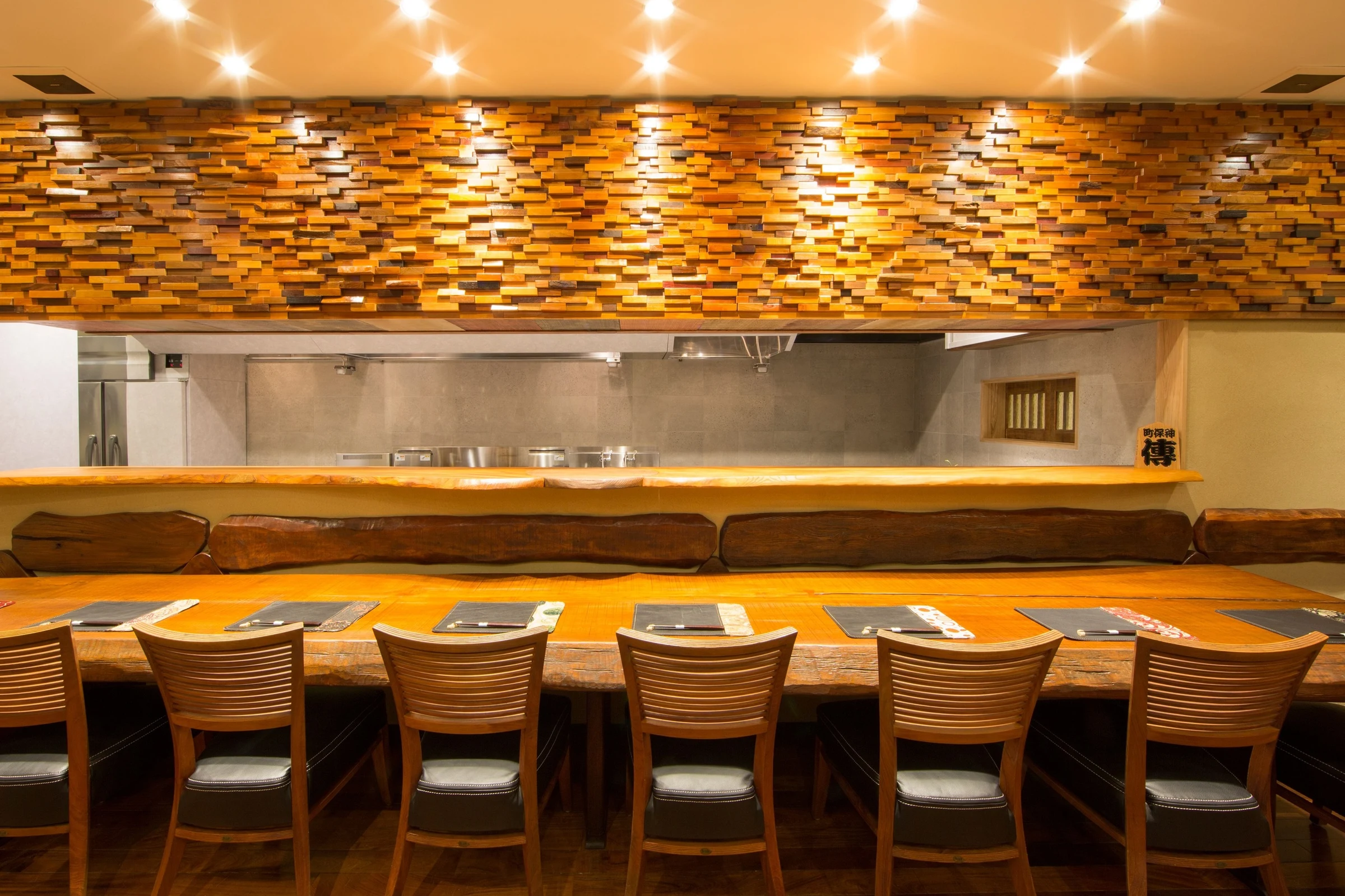
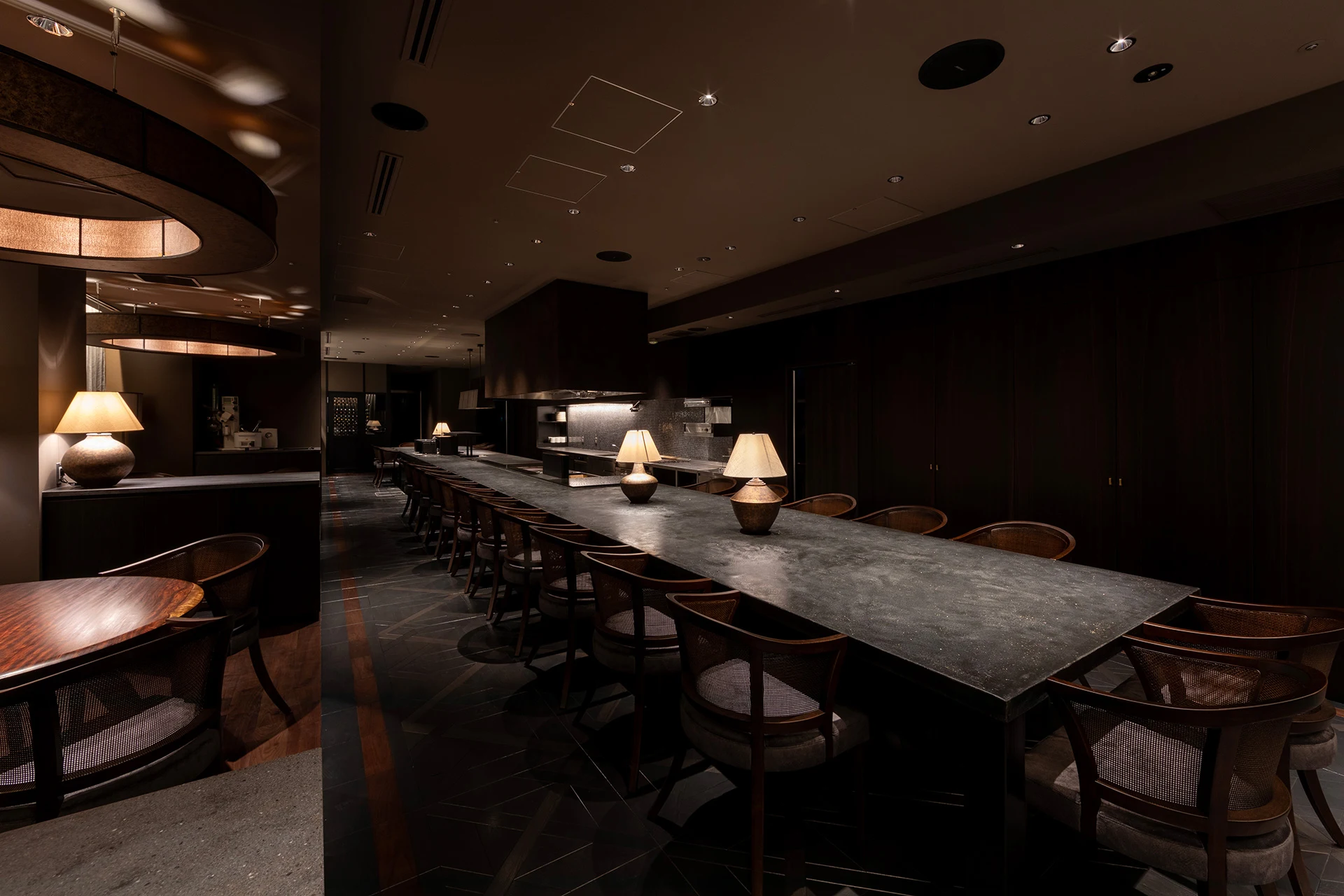
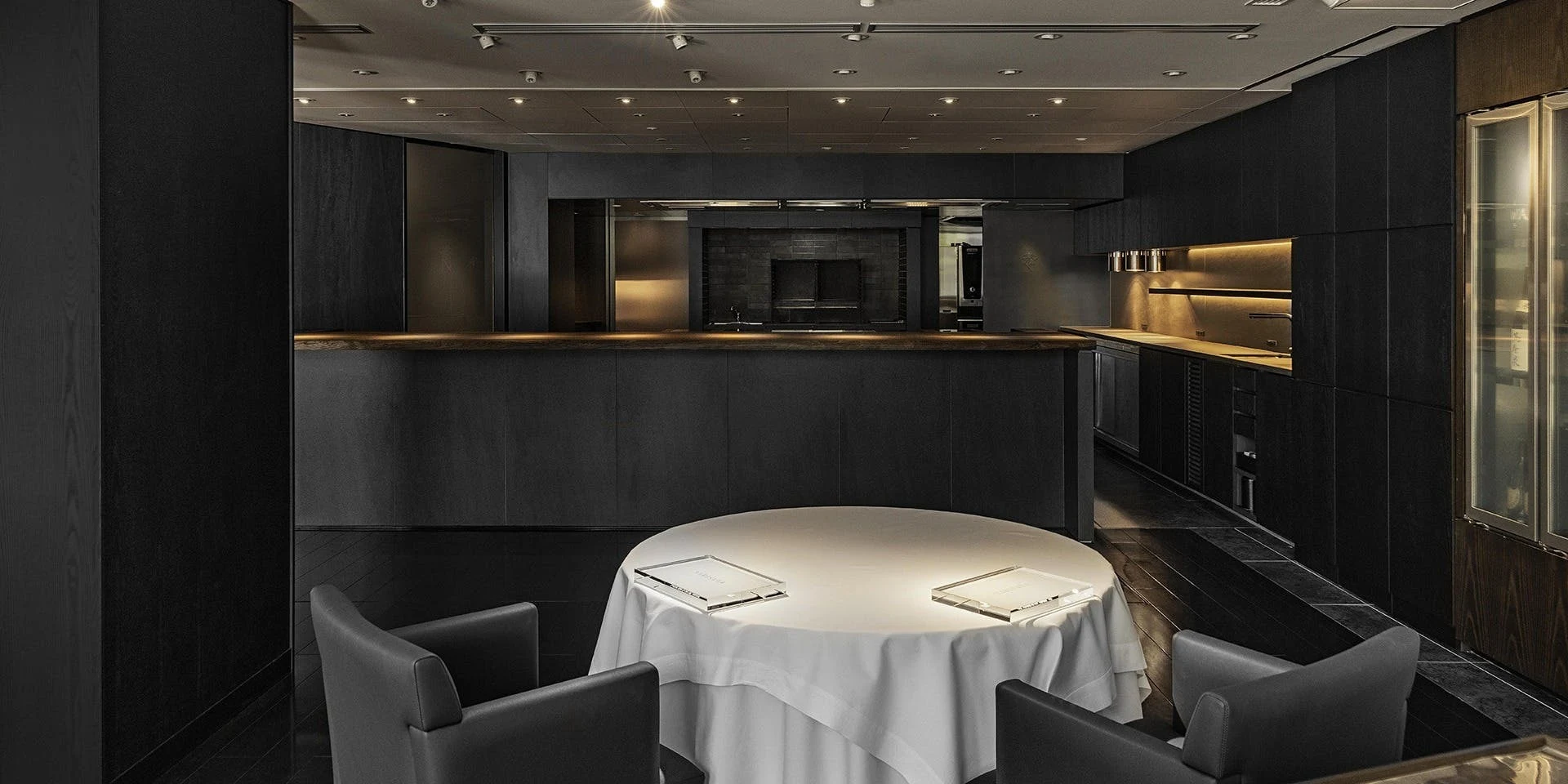
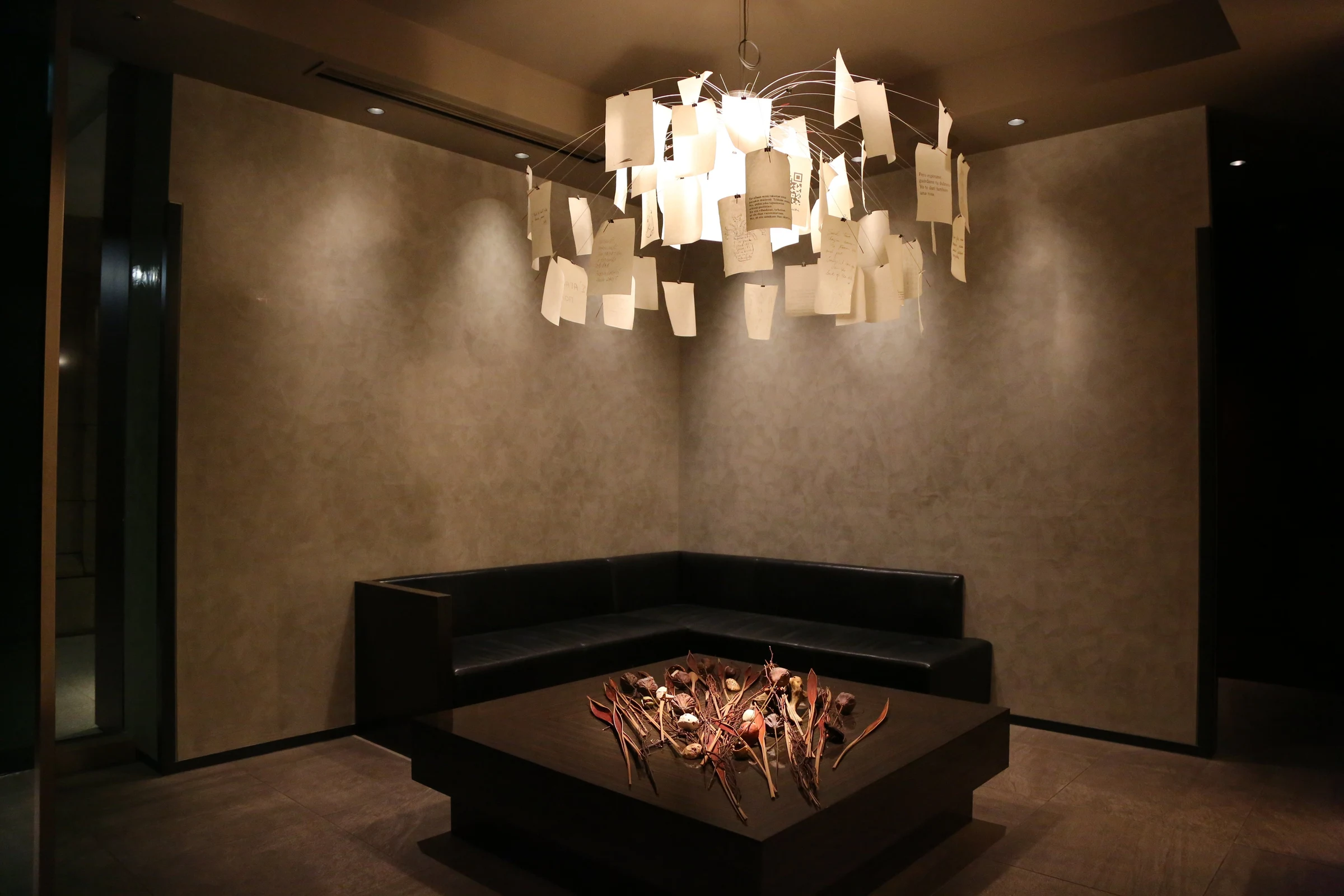
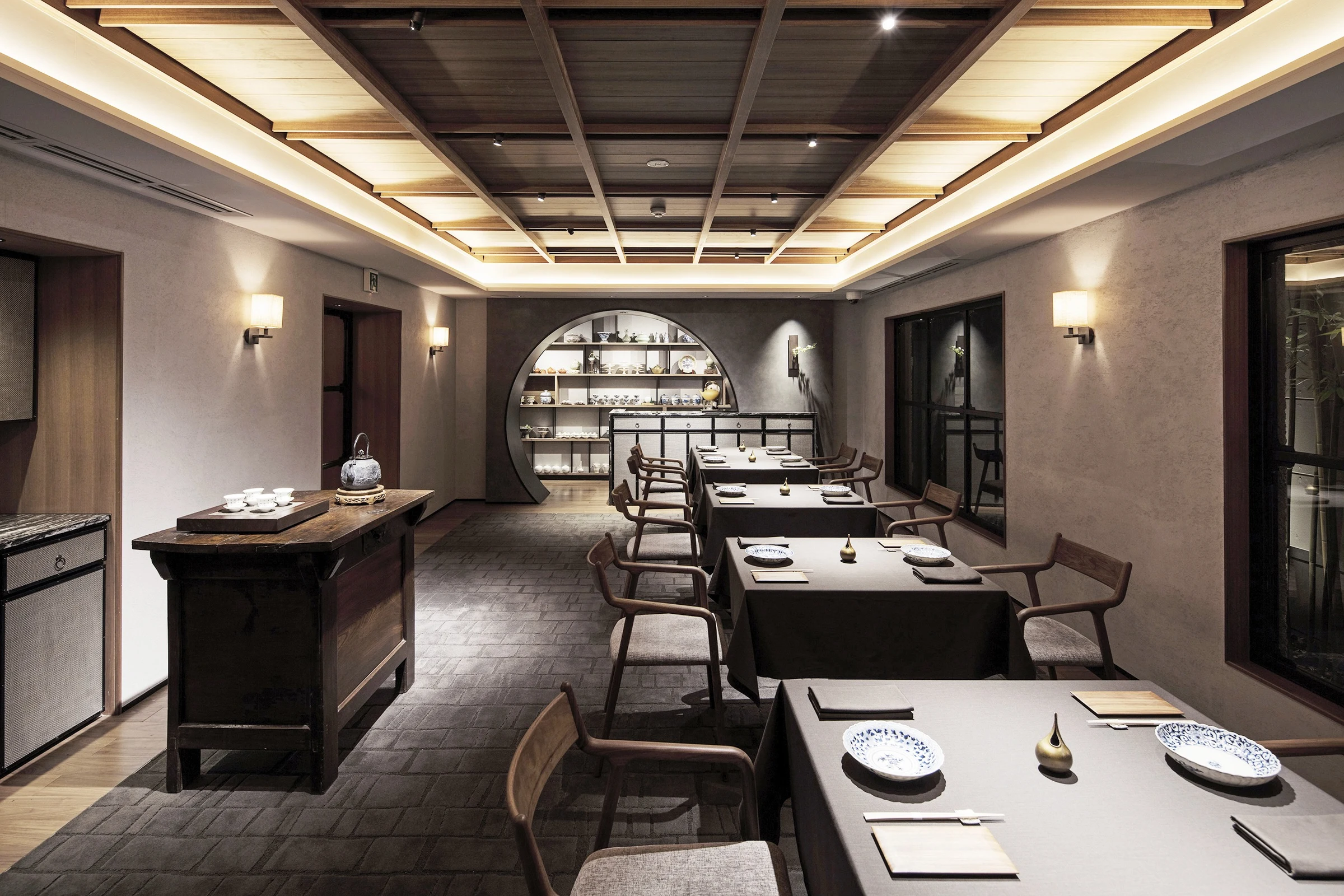
The room is narrow, intimate and quiet enough for the work to register. Counter seating makes the pass feel close, especially for solo diners coming through Ginza after service elsewhere or after work. The building sits along Hanatsubaki Street, near Shimbashi Station, with the restaurant upstairs rather than announced at street level. That position gives [káppa] its hideout quality without asking the room to perform mystery. The style is polished but relaxed: an Italian osteria scaled to Ginza, with seafood doing the formal work. Dishes arrive as part of a steady progression rather than a fixed tasting menu, and the room gives them enough space. The final memory is often not a grand plate, but a clear broth holding Nodoguro, kombu and the patience of Osteria da K. Osteria da K. [káppa] in Tokyo.
Questions
Frequently asked
Who leads the kitchen at Osteria da K. [káppa]?
Andi Preuss is the Executive Chef at Osteria da K. [káppa] in Tokyo.
What kind of place is Osteria da K. [káppa]?
It is a modern Italian seafood osteria in Ginza, with Italian cooking shaped by Edomae fish handling.
What is the service like at Osteria da K. [káppa]?
The restaurant is à la carte rather than built around a fixed tasting menu, and the room is described as narrow, intimate and quiet. Counter seating is part of the experience.
Is booking required at Osteria da K. [káppa]?
Reservations are essential, and bookings are taken directly.
What recognition does Osteria da K. [káppa] hold?
Osteria da K. [káppa] has a Michelin Bib Gourmand.
The field
How it compares
| Place | Cuisine | Notes | Awards |
|---|---|---|---|
| Osteria da K. [káppa] | Modern Italian Seafood Osteria | Chūō, $$$ | · |
| Den | Modern Japanese Kaiseki | Tokyo | Michelin 2 Stars, World's 50 Best |
| Florilège | Modern French-Japanese Plant-Based Fine Dining | Tokyo | Michelin 2 Stars, World's 50 Best |
| Narisawa | Modern Japanese Satoyama Fine Dining | Tokyo | Michelin 2 Stars, World's 50 Best |
| Quintessence | Modern French Fine Dining | Tokyo | Michelin 3 Stars |
| Sazenka | Modern Chinese Fine Dining | Tokyo | Michelin 3 Stars, World's 50 Best |
| Sézanne | Modern French Fine Dining | Tokyo | Michelin 3 Stars, World's 50 Best |
Similar places
Modern Japanese Kaiseki
Den
Tokyo, Japan
★★ · 50 Best
Modern French-Japanese Plant-Based Fine Dining
Florilège
Tokyo, Japan
★★ · 50 Best
Modern Japanese Satoyama Fine Dining
Narisawa
Tokyo, Japan
★★ · 50 Best
Modern French Fine Dining
Quintessence
Tokyo, Japan
★★★
Modern Chinese Fine Dining
Sazenka
Tokyo, Japan
★★★ · 50 Best
Modern French Fine Dining
Sézanne
Tokyo, Japan
★★★ · 50 Best