Made ByRestaurant
Parking Pita
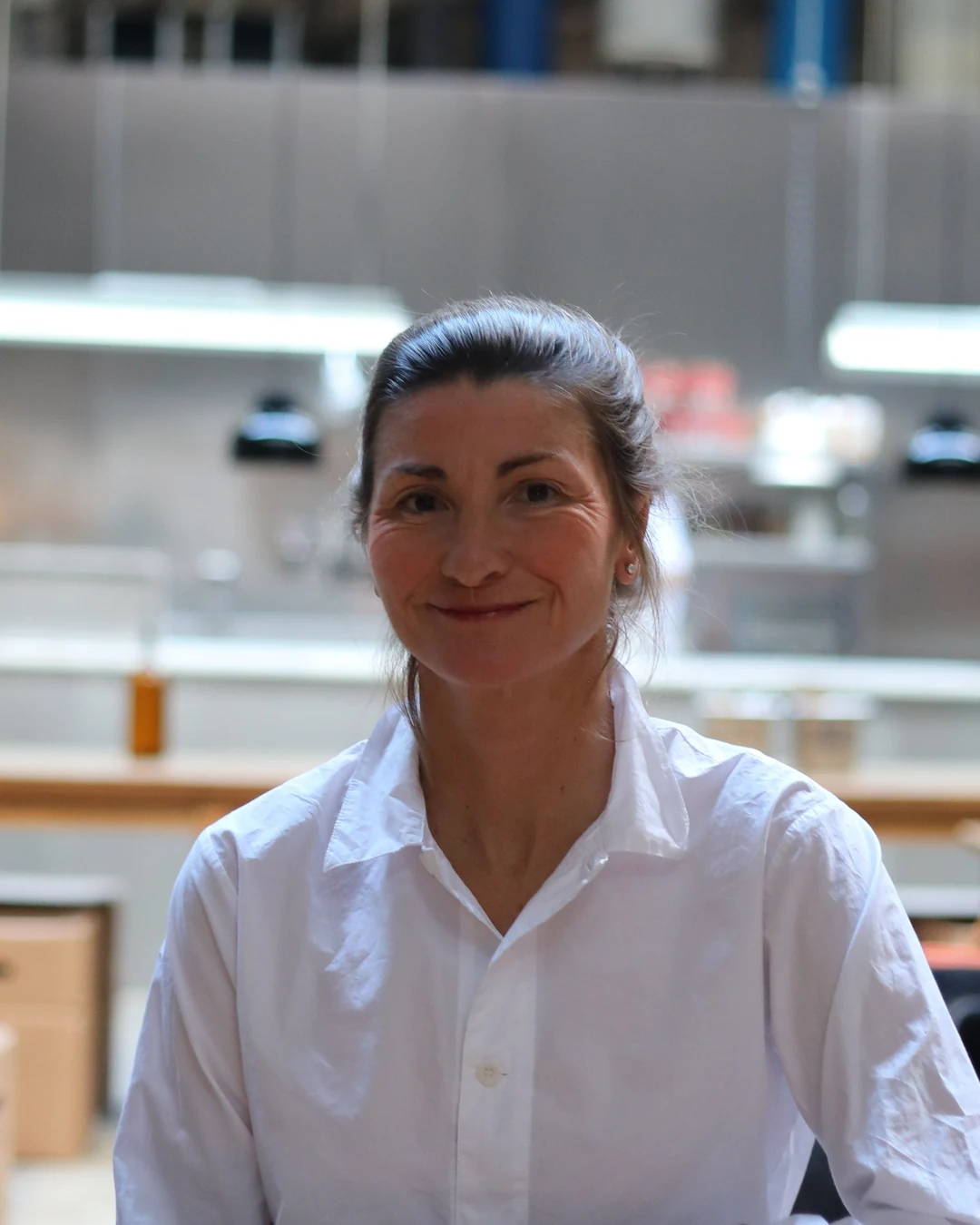
Chef in Residence
Berta Bernat
Chef
- 01CuisineMiddle Eastern–Mediterranean Pita Bar
- 02CityBarcelona, Spain
Berta Bernat, chef at Parking Pita in Barcelona, keeps a pita bar tuned to wood-fired bread, vegetables, charcoal smoke and daily vigilance.
At a glance
- Cuisine
- Middle Eastern–Mediterranean Pita Bar
- Price
- $$
- Per person
- $25
- Hours
- Mon: 1–4 PM, 8–11 PM; Tue: 1–4 PM, 8–11 PM; Wed: 1–4 PM, 8–11 PM; Thu: 1–4 PM, 8–11 PM; Fri: 1–4 PM, 8–11:30 PM; Sat: 1–4 PM, 8–11:30 PM; Sun: 1–4 PM, 8–11 PM
- Neighborhood
- L'Eixample
- Rating
- 3.9 (171)
Forty-eight hours before the pass
A pita leaves the wood-fuelled oven with its edge still swollen from fermentation. At Parking Pita in Barcelona, chef Berta Bernat keeps that bread at the centre of the room, the thing every filling and side dish has to answer to. Her public language about the work is spare and exact: “We try to always be very attentive to maintain the quality exactly as we like it.” It reads less like a motto than a station note. The bread is made in situ with fermented sourdough over a 48-hour period, then opened for fillings that lean into the Mediterranean cooking of the Middle East, with vegetables, spices, aromatic herbs, marinades, pickles and charcoal smoke doing the work before any flourish is needed. Bernat’s role here sits inside the Parking Pizza and Parking Pita group, a house that turned a shared address on Passeig de Sant Joan into two adjacent disciplines. One side keeps to wood-fired pizza. This side asks the oven for pita.
The filling answers the bread
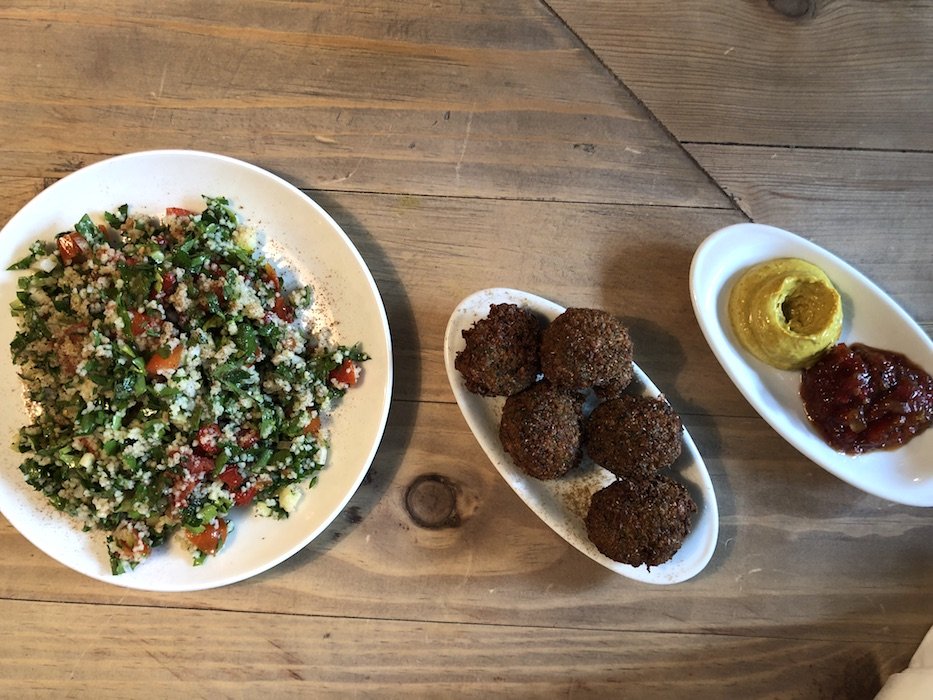
The menu is built in two movements: sharing plates first, then pitas. The former brings roasted leeks, smoked aubergine, labneh and cauliflower to the table as a vegetable-led opening, not as decoration around the main act. The pita section works with three published fillings: roasted aubergine with poached egg, grilled lamb made from slow-cooked lamb saddle and leg, and slow-cooked veal with ras el hanout spice and curry. The larger architecture is disciplined rather than broad, with nine vegetarian starters and five main courses named in accounts of the menu. Vegan versions can be made by leaving out cheese or egg, which fits the way the kitchen treats vegetables as structure rather than concession. Falafel, hummus, smoked aubergine, organic tandoori chicken pita, lamb kebab pita and beef ras el hanout pita give the house its recurring vocabulary. The thread through all of it is heat: the oven for the bread, charcoal for smoke, spice for depth, and enough acidity from pickles and marinades to keep the hand moving back to the plate.
A room cut from a former garage
The room carries the memory of its earlier use without turning it into theatre. Parking Pita shares a common entrance and a converted parking structure setting with Parking Pizza, which gives the place an industrial frame before the food softens it. The counter and the pass have the rhythm of a pita bar: bread moving out, vegetables landing in small plates, smoke coming forward before the dish is set down. It is a small Eixample space, lively by nature, with the close-grained energy that comes when the room, the oven and the bench are almost within the same breath. On Passeig de Sant Joan, that proximity matters. The guest does not look at the method from a distance; the method is part of the room’s temperature.
Consistency as the house rule
Bernat has spoken about “that constant search” as part of the day to day, and Parking Pita is clearest when read through that habit: keep returning to the same bread, the same smoke, the same vegetable bench, and adjust until the house tastes like itself again. Her stated attention to Ciutat Vella belongs to the wider group’s future, but here the craft remains fixed on the present pass. The work is the 48-hour pita, the smoked aubergine, the ras el hanout, and the room at Passeig de Sant Joan, 56.
Know before you go
- Dress code
- casual
- Reservations
- walk_in_friendly
- Parking
- street
- Payment
- cash, credit_card, debit_card, contactless
- Groups
- Welcomed
Address
Pg. de St. Joan, 56, Eixample, 08009 Barcelona, Spain
L'Eixample
In residence
Similar places
Avant-Garde Catalan Fine Dining
Disfrutar
Barcelona, Spain
★★★ · 50 Best
Modern Spanish Fine Dining
Cocina Hermanos Torres
Barcelona, Spain
★★★ · 50 Best
Modern Basque-Mediterranean Fine Dining
Lasarte
Barcelona, Spain
★★★
Modern Catalan Fine Dining
Alkimia
Barcelona, Spain
★
Modern Catalan Fine Dining
ABaC
Barcelona, Spain
★★★
Modern Catalan Fine Dining
Moments
Barcelona, Spain
★