Made ByRestaurant
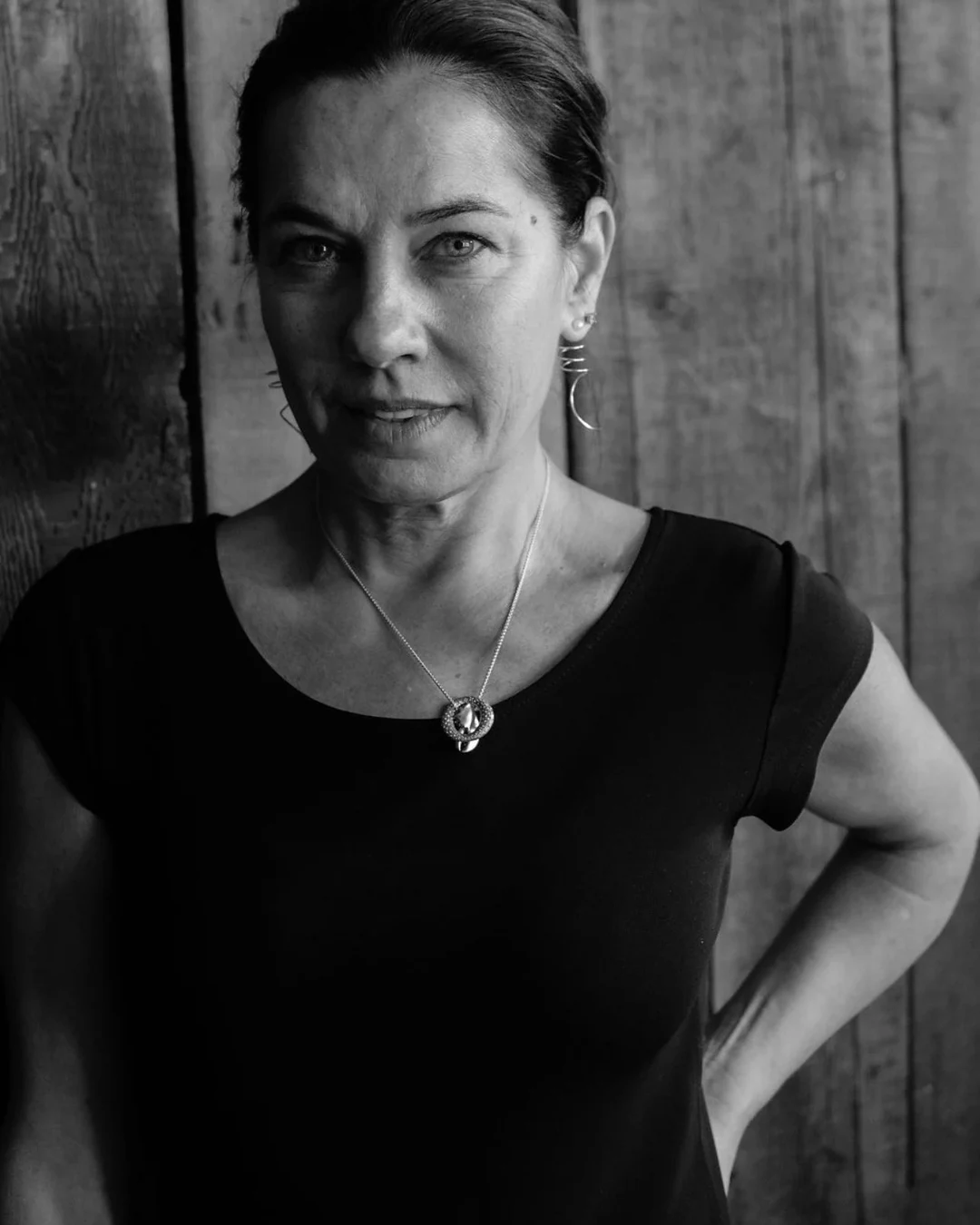
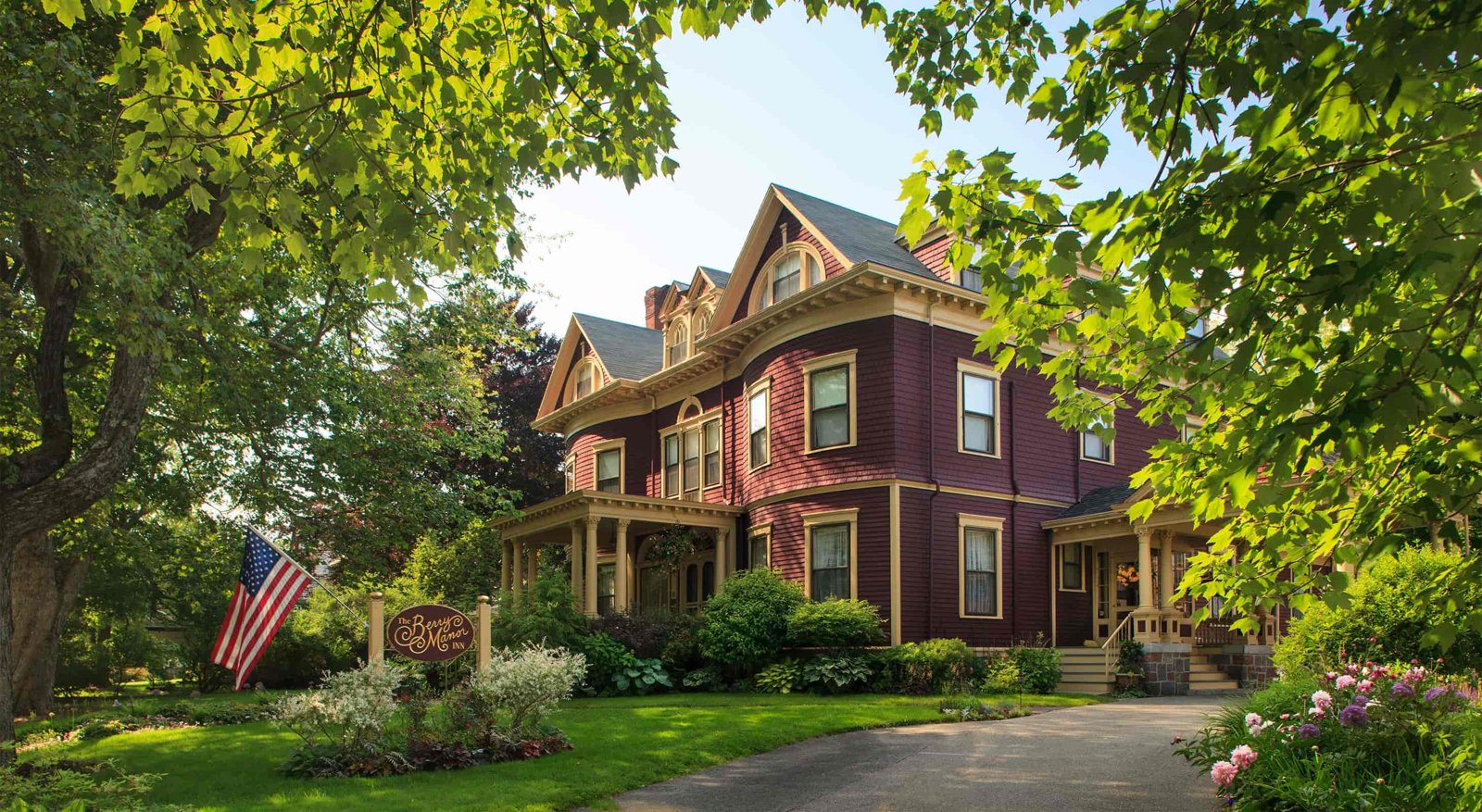
Mellisa Kelly, chef-owner of Primo in Rockland, works from a full circle kitchen shaped by garden, butcher’s block and scratch cooking.
At a glance
- Cuisine
- Italian
The garden before the pan
Vegetables and meat enter the same working grammar for Mellisa Kelly, chef-owner of Primo in Rockland, where the kitchen begins with origin rather than garnish. Her own account of that formation is plain: “My grandfather was a butcher, and I grew up in an Italian-American family with a garden.” At Primo, that inheritance is not treated as nostalgia. It gives the restaurant its operating shape, with growing, cutting, cooking, preserving and feeding understood as connected work. Kelly’s role in Rockland is chef-owner, and the station she holds there is inseparable from the local frame of coastal Maine. The dining room is only one visible part of the method. Behind it sits a kitchen built to know where its materials come from, and to carry that knowledge through the pass without turning it into performance. Italian-American home cooking supplies part of the vocabulary: vegetables with season still on them, meat treated as a whole craft, daily meals made through repetition rather than display. The useful lineage here is domestic and practical. It is the garden, the butcher’s block, the stove, and the discipline of putting them in order.
A full circle kitchen
Kelly’s phrase for Primo is “full circle kitchen,” and the words matter because they describe a production system, not a mood. The restaurant makes everything from scratch, which places value in the chain of work before service begins: planning, growing, preserving, butchering, baking, simmering and seasoning. In this kind of kitchen, the farm and the stove keep time together. A plate can carry work from earlier in the day, earlier in the season, or from a household grammar older than the restaurant itself. The method asks the cook to think past the pickup. What comes in from the ground, what can be held, what should be cut now, what needs heat, what needs restraint. Fresh pasta sits naturally in that frame, because it depends on touch, timing and repetition at the bench. So do the small things that close a meal. Amaretti cookies, listed among Kelly’s signatures, make a concise case for the house: crispness, aroma, a measured finish, tradition held in texture rather than ornament.
The room and the pass in Rockland
The work at Primo happens with the room close to the pass, but the restaurant’s deeper rhythm is set before a guest sees a plate. Coastal Maine gives the house its setting; the more defining feature is the way the kitchen refuses to separate agriculture from service. The counterpoint is constant. A cook may be finishing a dish while another part of the day’s labor has already happened outside the dining room, in the growing, cutting or preserving that makes the finished plate possible. That is why the place reads less like a restaurant with a farm attached than a kitchen with its own circle of responsibilities. The room receives the result, but the bench carries the memory of the whole route.
The same name, another station
Kelly has also been chef at JW Marriott Orlando, Grande Lakes in Orlando since 2003, and chef/owner of Primo at JW Marriott Grande Lakes since 2021. That second station extends the name into Florida, while the Rockland house remains the clearest expression of the original method. An amaretti at Primo says enough, finished small and exact after the longer work of garden, butcher’s block and pass.
Address
Disney's Riviera Resort, 1080 Esplanade Ave, Rockland, Maine, United States
In residence
Similar places
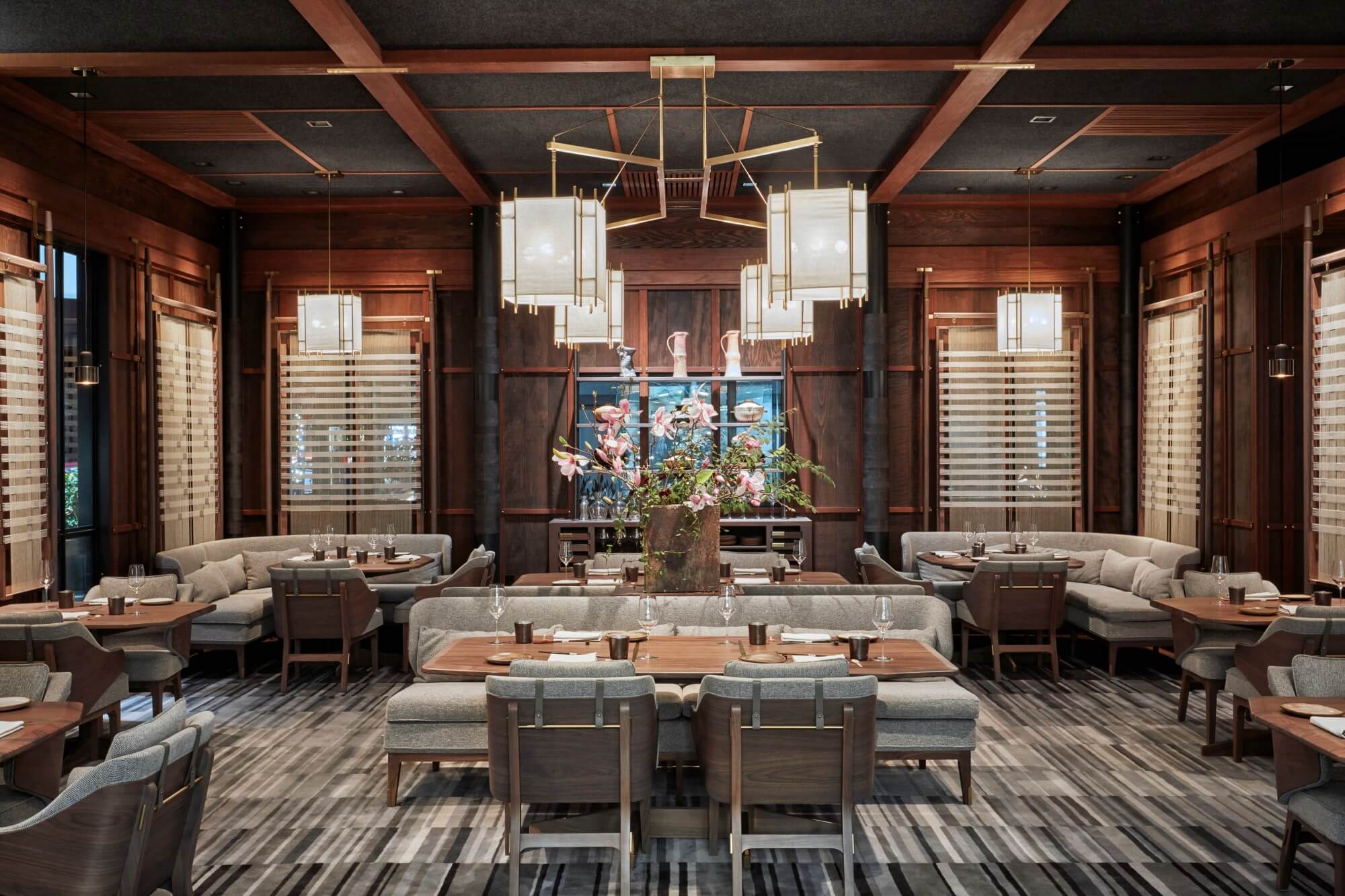
Japanese-influenced Californian Kaiseki
Single Thread Farm
Healdsburg, United States
★★★ · 50 Best
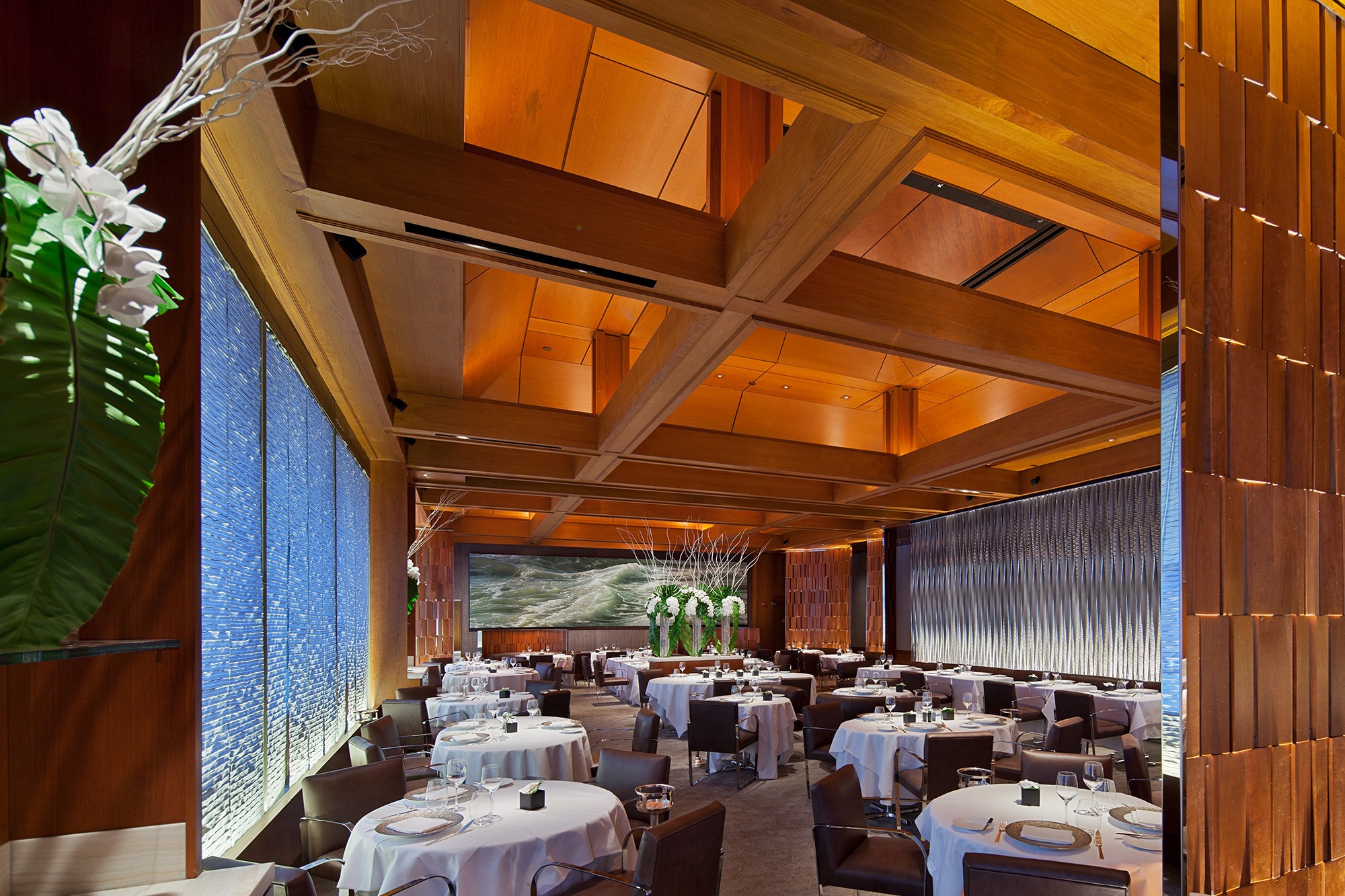
French Seafood Fine Dining
Le Bernardin
New York City, United States
★★★ · 50 Best
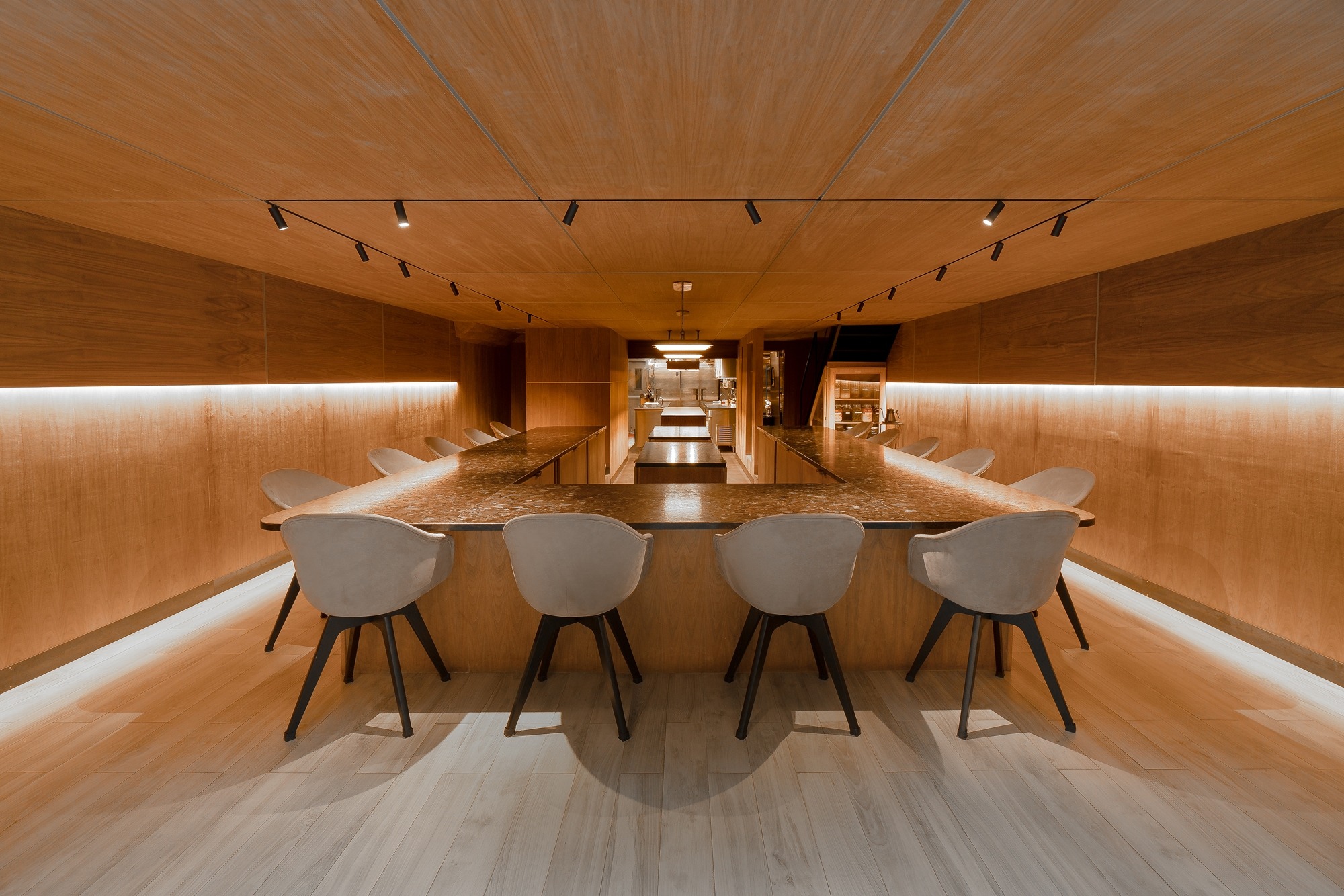
Modern Korean Tasting Menu
Atomix
New York City, United States
★★ · 50 Best
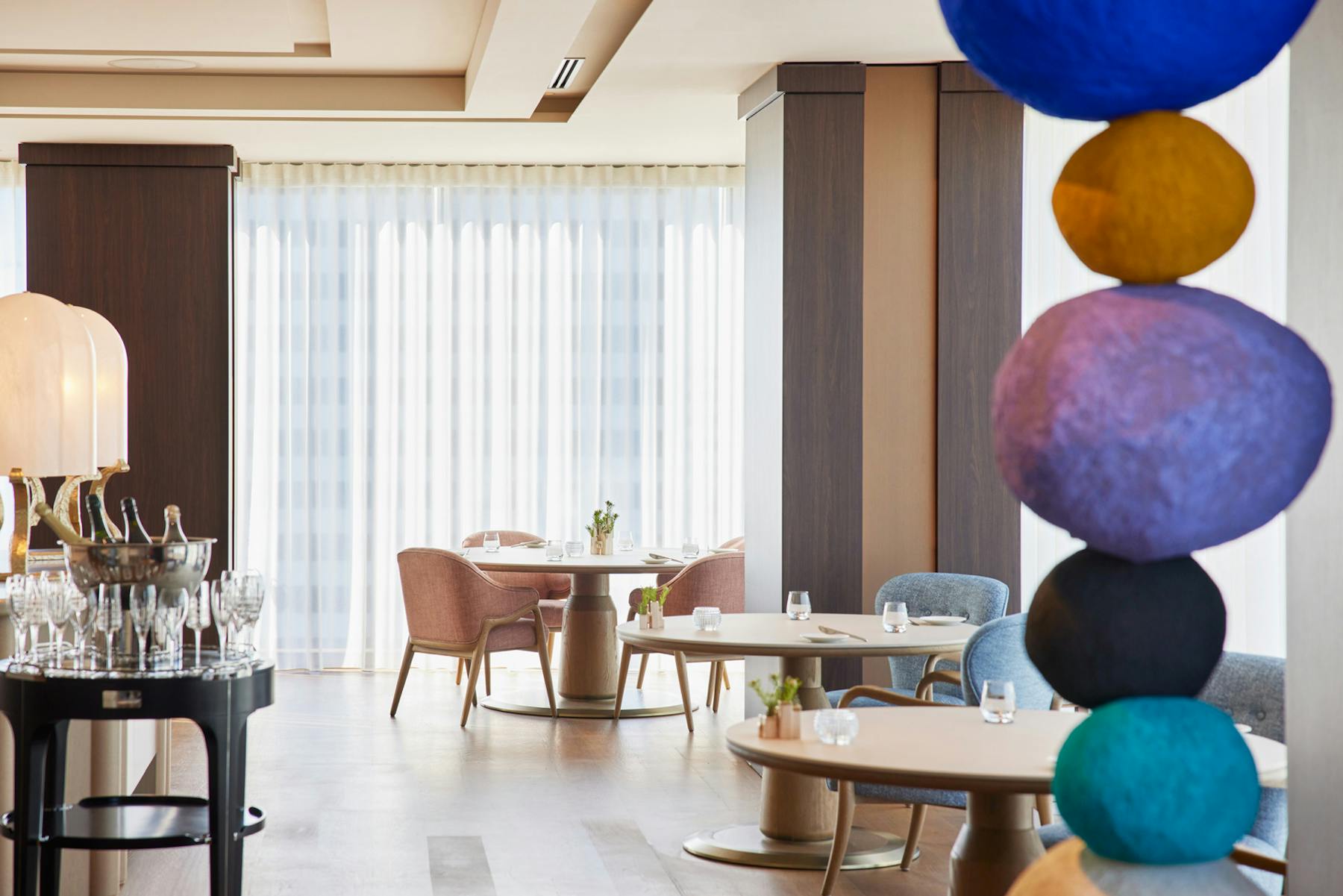
French
Sézanne
Tokyo, Japan
★★★ · 50 Best
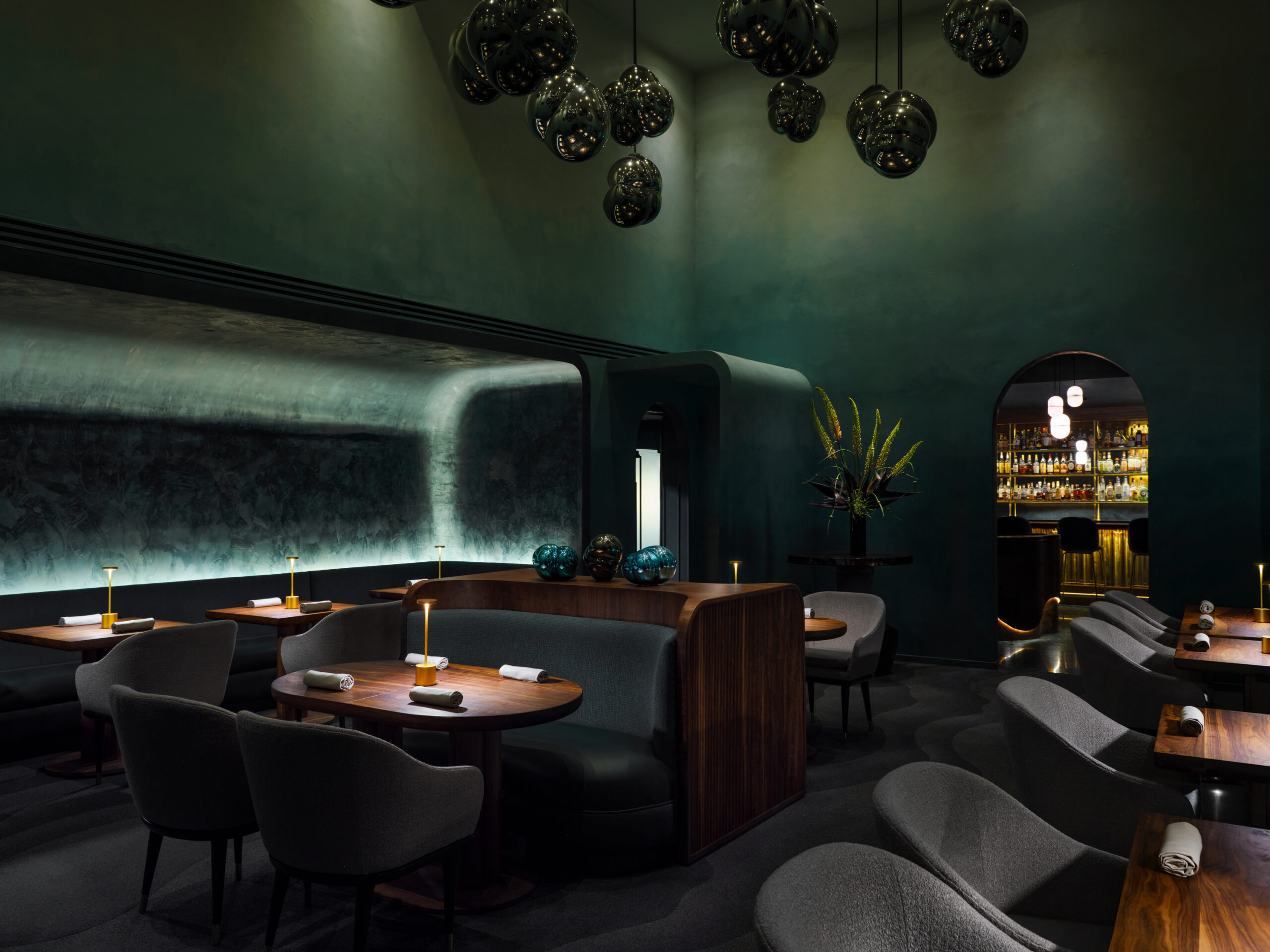
Modern Seafood Fine Dining
Providence
Los Angeles, United States
★★★ · 50 Best
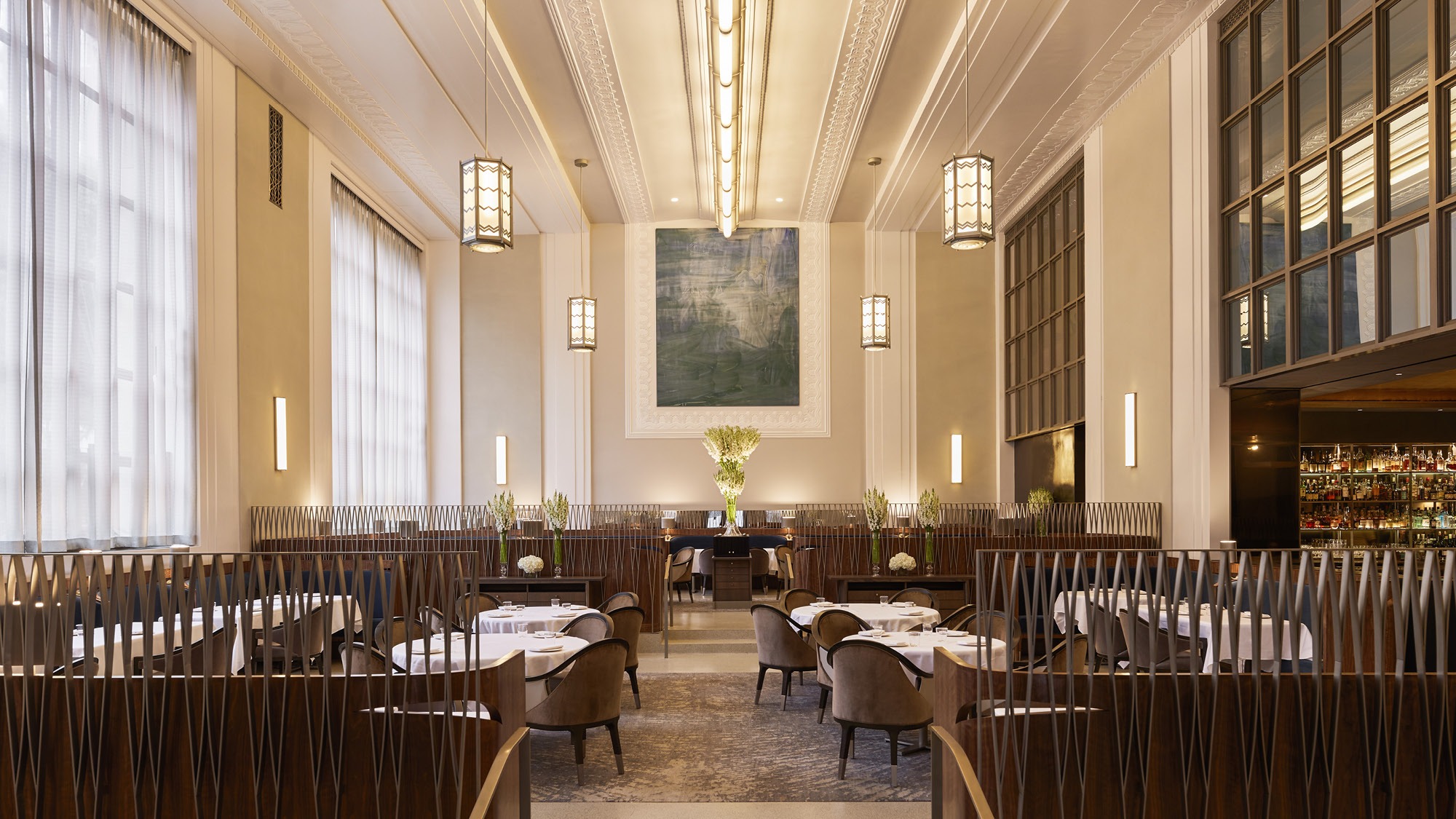
Contemporary Plant-Based Fine Dining
Eleven Madison Park
New York City, United States
★★★ · 50 Best