Made ByRestaurant
Providence
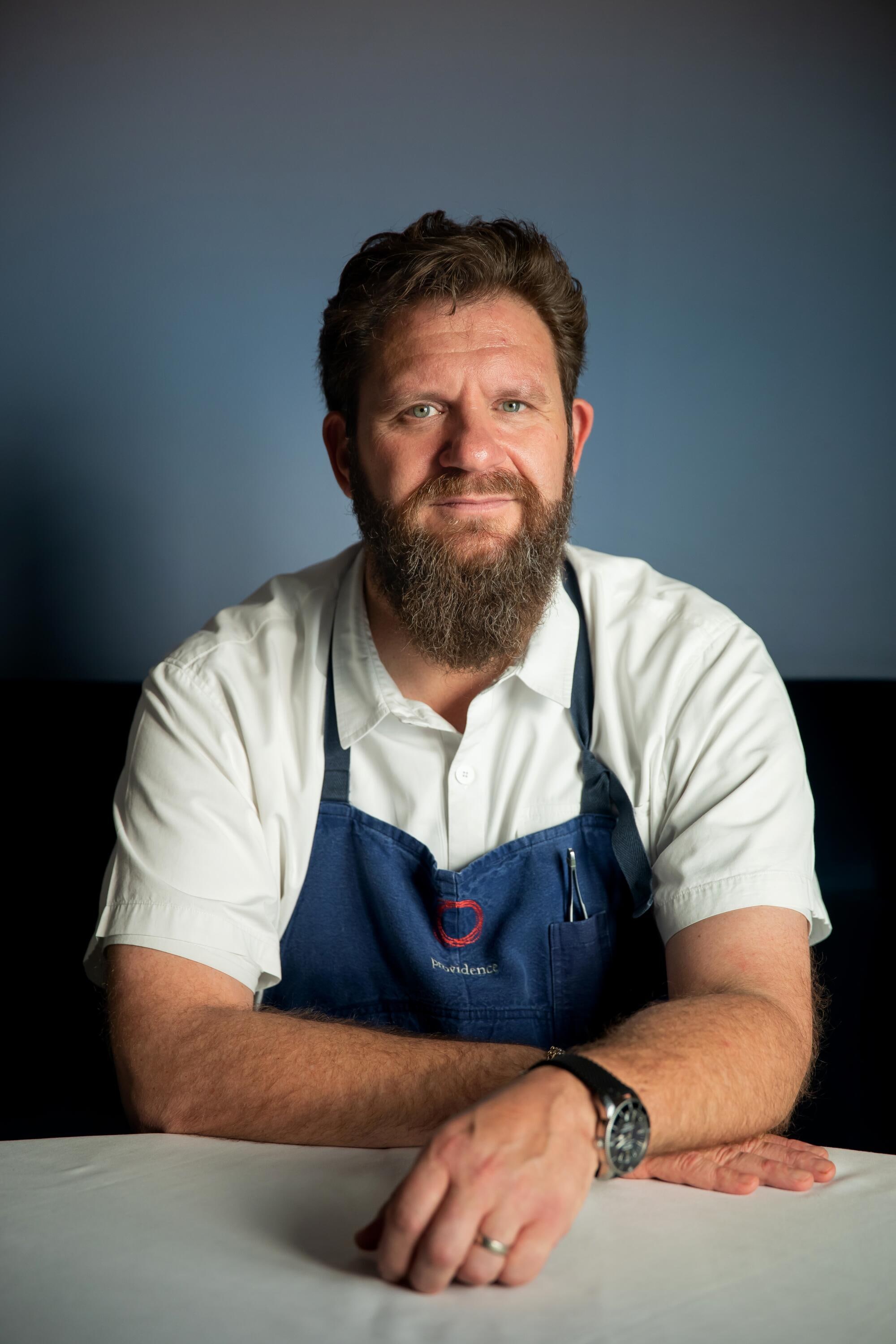
Chef in Residence
Michael Cimarusti
Chef
- 01CuisineModern Seafood Fine Dining
- 02CityLos Angeles, United States
- 03RecognitionThree Michelin Stars
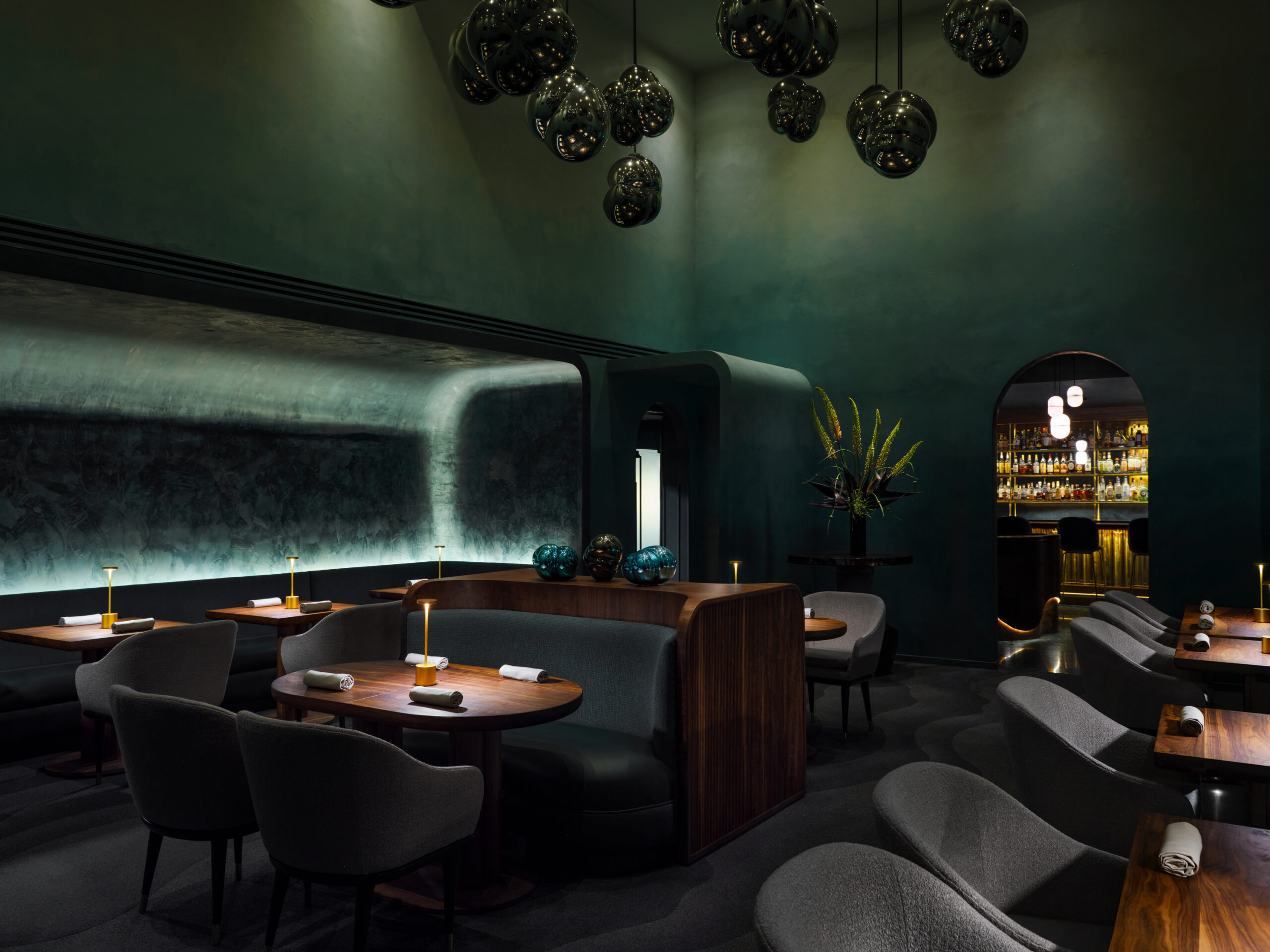
Providence is Los Angeles fine dining at its seafood end: formal, sustainability-minded, and built around Michael Cimarusti's long commitment to precise contemporary cooking. Its 2026 James Beard Award for Outstanding Hospitality and OAD North America ranking place it in the city's serious dining bracket rather than its casual seafood lane.
- 3 Michelin Stars
- World's 50 Best · #32
- James Beard Winner
- Wine Spectator · Tier 2
At a glance
- Cuisine
- Modern Seafood Fine Dining
- Price
- $$$$
- Per person
- $300
- Hours
- Mon: Closed; Tue: 6–9 PM; Wed: 6–9 PM; Thu: 6–9 PM; Fri: 6–9 PM; Sat: 5:30–9 PM; Sun: Closed
- Neighborhood
- Hollywood
- Rating
- 4.7 (1,118)
<p>Providence is a Los Angeles restaurant focused on Contemporary Seafood. The verified essentials are direct: it is associated with chef-owner Michael Cimarusti, keeps a smart-casual dress code, and serves dinner Tuesday through Saturday, with Monday and Sunday closed.</p><p>Its clearly confirmed national recognition is hospitality-related: Providence was named the 2026 James Beard Award winner for Outstanding Hospitality, after also appearing as a 2026 James Beard Foundation Restaurant and Chef Award semifinalist in that category. For diners planning an evening in Los Angeles, that makes the restaurant notable for Contemporary Seafood and for confirmed hospitality recognition.</p><h2>Contemporary Seafood in Los Angeles</h2><p>Providence is best described from the verified facts as a Contemporary Seafood restaurant in Los Angeles. Beyond that, specific claims about sourcing standards, sustainability programs, menu structure, dish signatures, or a particular service format should be treated cautiously unless confirmed directly by the restaurant.</p><p>What can be said with confidence is that seafood is the restaurant's defining cuisine category, and Michael Cimarusti is the chef-owner associated with it. The confirmed James Beard recognition for Outstanding Hospitality also gives the restaurant a clear point of distinction within Los Angeles dining.</p><p>Providence sits within a broader Los Angeles dining landscape that includes other options such as Osteria Mamma, Rao's, Pizzeria Mozza, Mario's Peruvian & Seafood, and Marino. Providence is the choice to consider when the priority is Contemporary Seafood in a smart-casual setting.</p><p>Recognition has followed in a specific, verified way. Providence was the 2026 James Beard Award winner for Outstanding Hospitality and was also listed as a 2026 James Beard Foundation Restaurant and Chef Award semifinalist for Outstanding Hospitality. Other awards, rankings, scores, and guide distinctions are not asserted here unless separately verified.</p><h2>Michael Cimarusti's seafood argument is bigger than biography</h2><p>Michael Cimarusti is the chef-owner associated with Providence. That is the central verified biographical fact and it is enough to place the restaurant clearly: a Los Angeles dining room focused on Contemporary Seafood.</p><p>Providence's identity is therefore easy to summarize without adding unverified specifics. It is a Los Angeles restaurant where seafood is the core cuisine, the dress code is smart casual, and the public schedule is dinner-only across its listed open days.</p><p>The James Beard recognition was specifically for Outstanding Hospitality. That identifies hospitality as part of the restaurant's confirmed reputation, rather than treating service as an unverified background detail.</p><p>For diners, the practical takeaway is simple: based on the verified hours, Providence is a dinner restaurant open Tuesday through Saturday, with a slightly earlier start on Saturday. No verified lunch service is included in the provided information.</p><h2>How to place it within a Los Angeles dining itinerary</h2><p>Providence works well as a planned dinner in Los Angeles. The verified hours are Tuesday through Friday from 6–9 pm and Saturday from 5:30–9 pm; the restaurant is closed Monday and Sunday. There is no verified lunch service in the provided information.</p><p>For travelers mapping the city, treat Providence as one expression of Los Angeles dining rather than a summary of it. The full dining picture includes seafood and many other kinds of restaurants across the city.</p><p>Its competitive set does not have to be limited to seafood. In Los Angeles, a dinner decision can cross cuisine categories, with other options such as Osteria Mamma, Rao's, Pizzeria Mozza, Mario's Peruvian & Seafood, or Marino. Providence makes sense when the priority is Contemporary Seafood associated with Michael Cimarusti and recognized for Outstanding Hospitality.</p><p>In short, plan Providence as a smart-casual Los Angeles dinner centered on Contemporary Seafood. The strongest verified hooks are the chef-owner, the cuisine, the dinner schedule, and the 2026 James Beard Award for Outstanding Hospitality.</p>
Know before you go
- Dress code
- smart_casual
- Reservations
- essential
Frequently asked
Is Providence okay with children?
The verified information does not specify a children's policy. Providence is a dinner-service restaurant in Los Angeles with a smart-casual dress code, so guests planning with children should confirm suitability directly with the restaurant.
What's the overall feel of Providence?
Providence is a smart-casual Los Angeles restaurant focused on Contemporary Seafood. It was named the 2026 James Beard Award winner for Outstanding Hospitality.
What type of food is Providence known for?
Providence serves Contemporary Seafood cuisine.
What days is Providence closed?
Providence is closed Monday and Sunday. Its verified hours are Tuesday 6–9 pm, Wednesday 6–9 pm, Thursday 6–9 pm, Friday 6–9 pm, and Saturday 5:30–9 pm.
How do I find Providence?
Providence is located in Los Angeles.
Which chef is Providence associated with?
The chef-owner associated with Providence is Michael Cimarusti.
Address
5955 Melrose Ave, Los Angeles, CA 90038
Hollywood
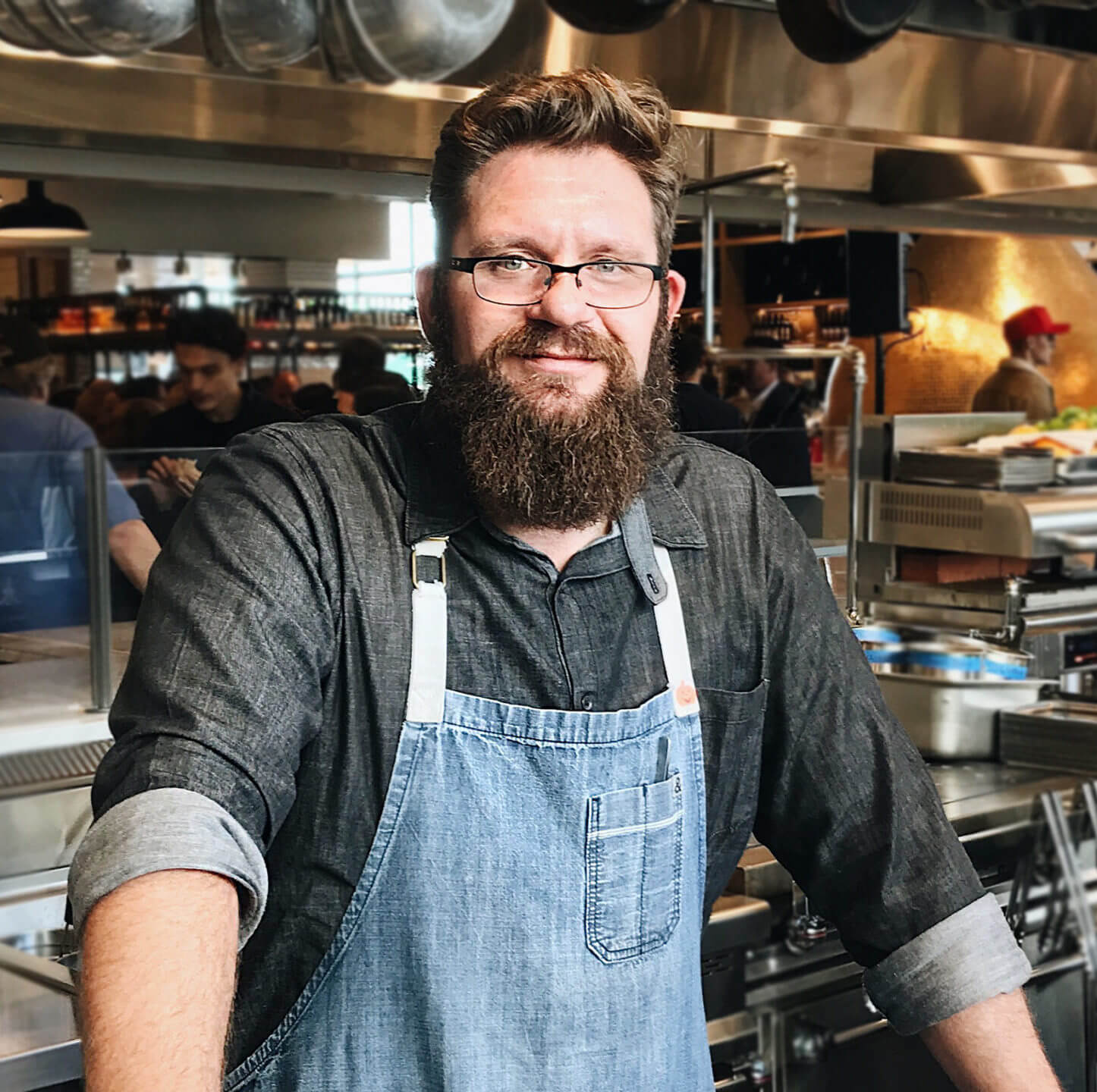
In residence
Similar places
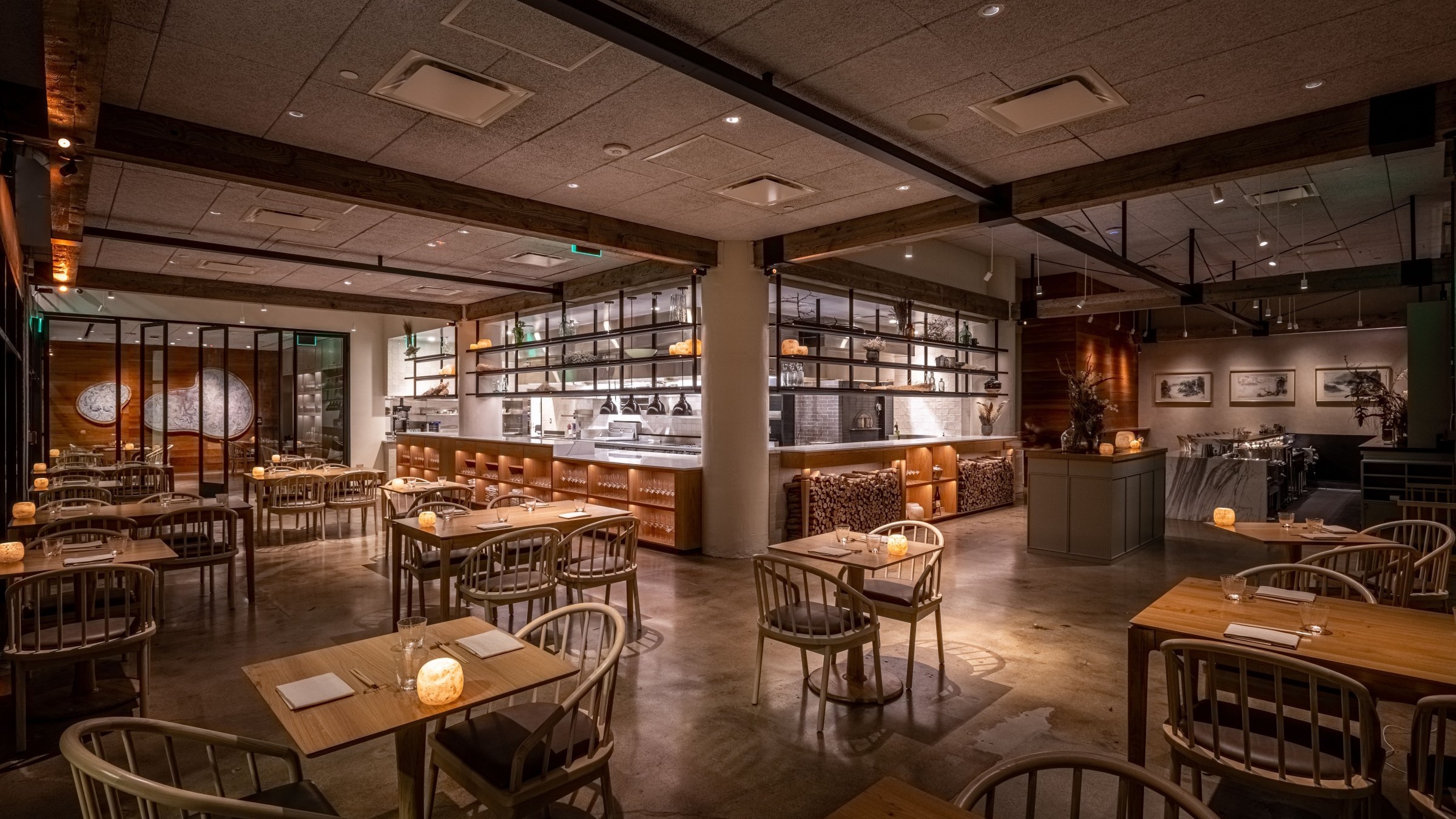
Modern Taiwanese Fine Dining
Kato
Los Angeles, United States
★★ · 50 Best
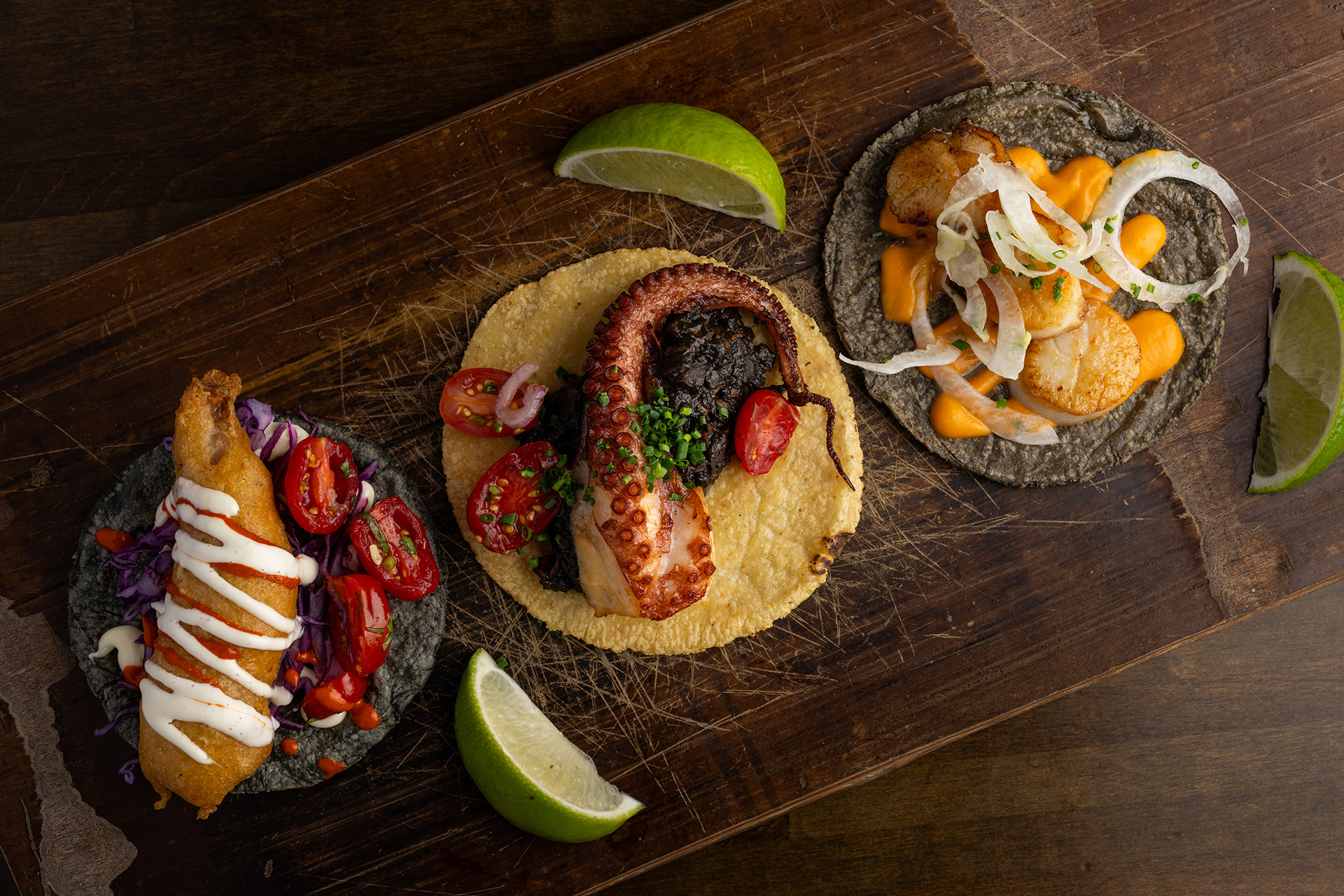
Modern Mexican Seafood
Holbox
Los Angeles, United States
★ · 50 Best
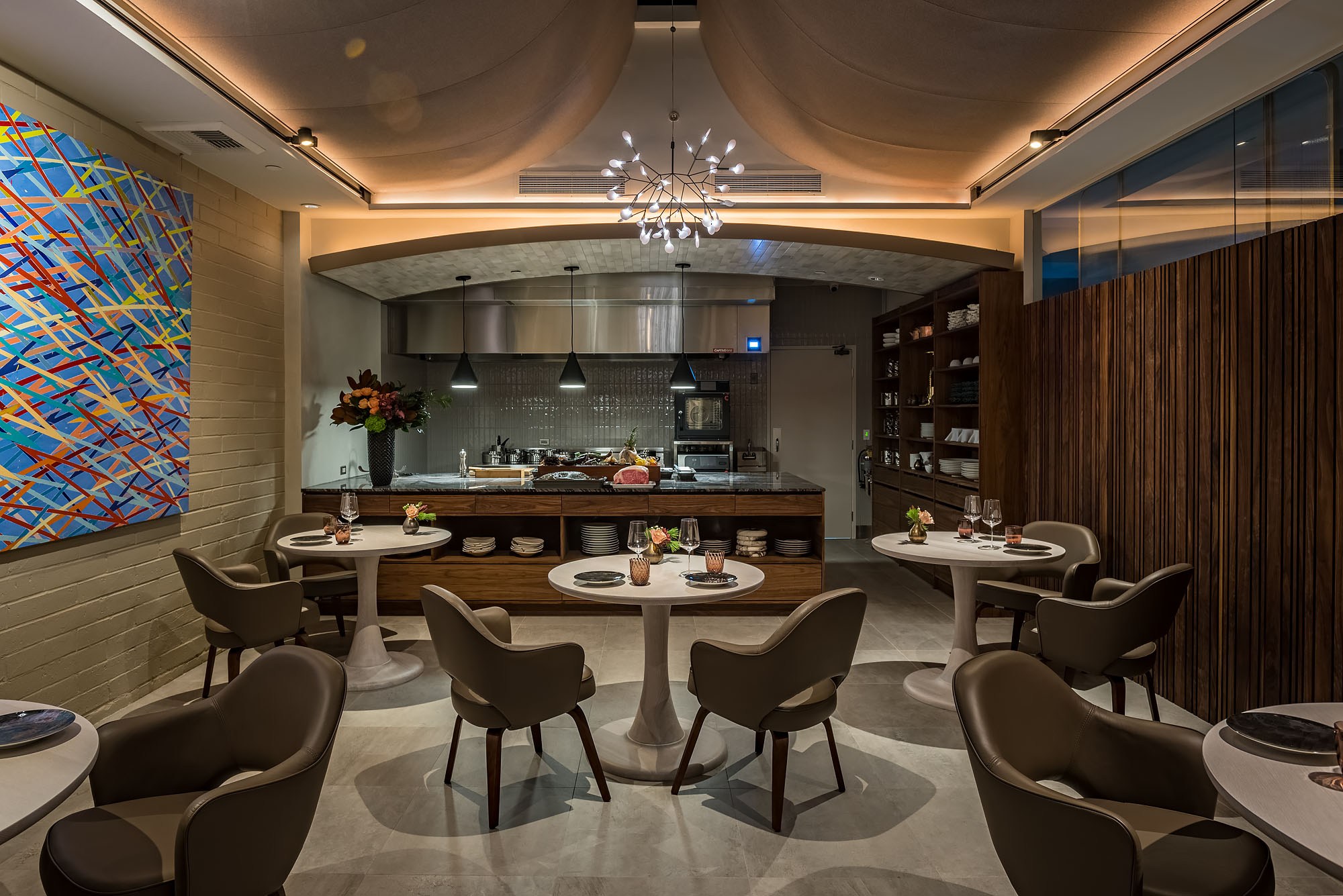
California-French Fine Dining
Mélisse
Los Angeles, United States
★★
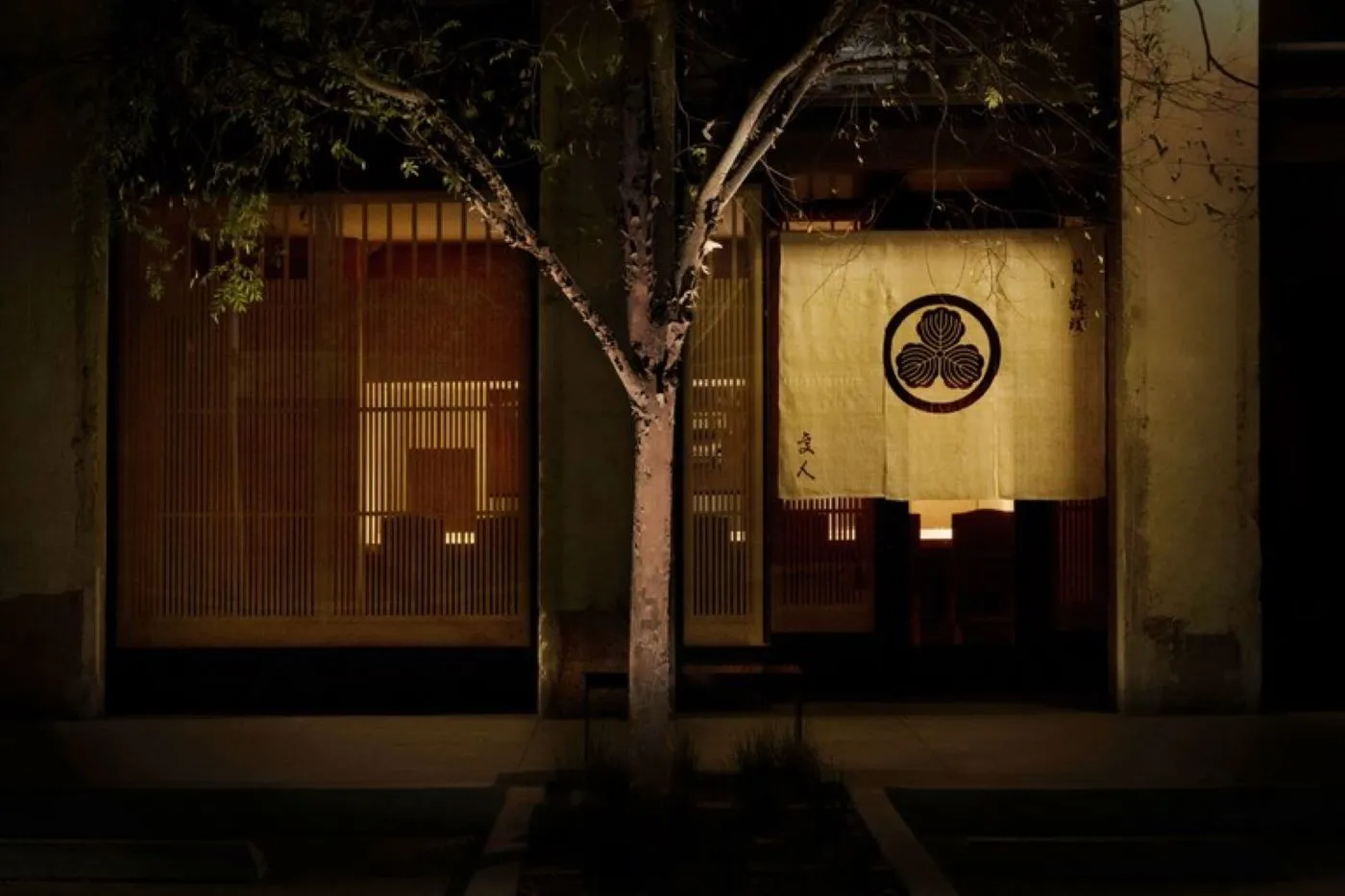
Traditional Japanese Kaiseki
Hayato
Los Angeles, United States
★★
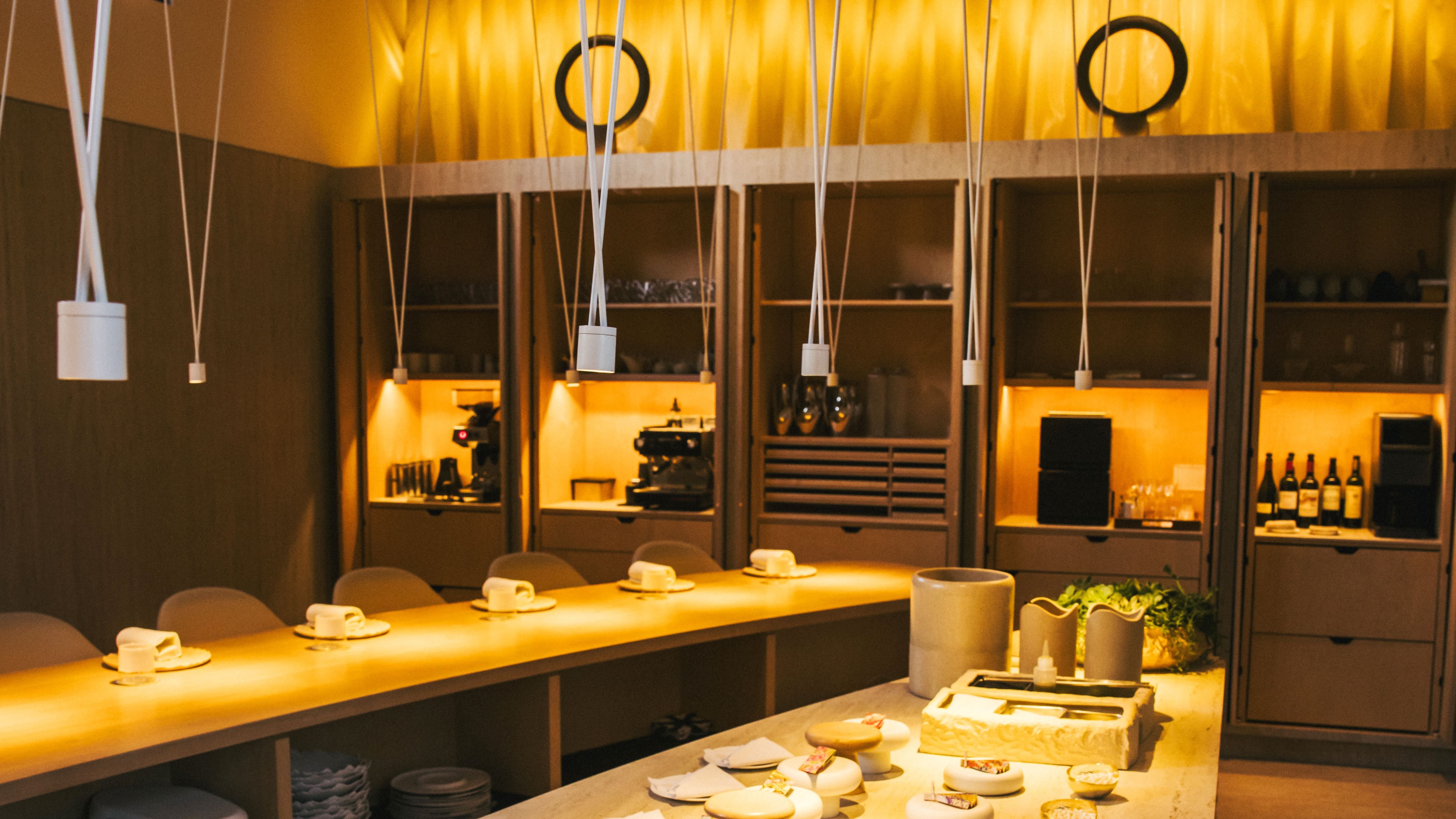
Modern Spanish Fine Dining
Somni
Los Angeles, United States
★★★ · 50 Best
Avant-Garde Tasting Menu
Vespertine
Los Angeles, United States
★★