Made ByRestaurant
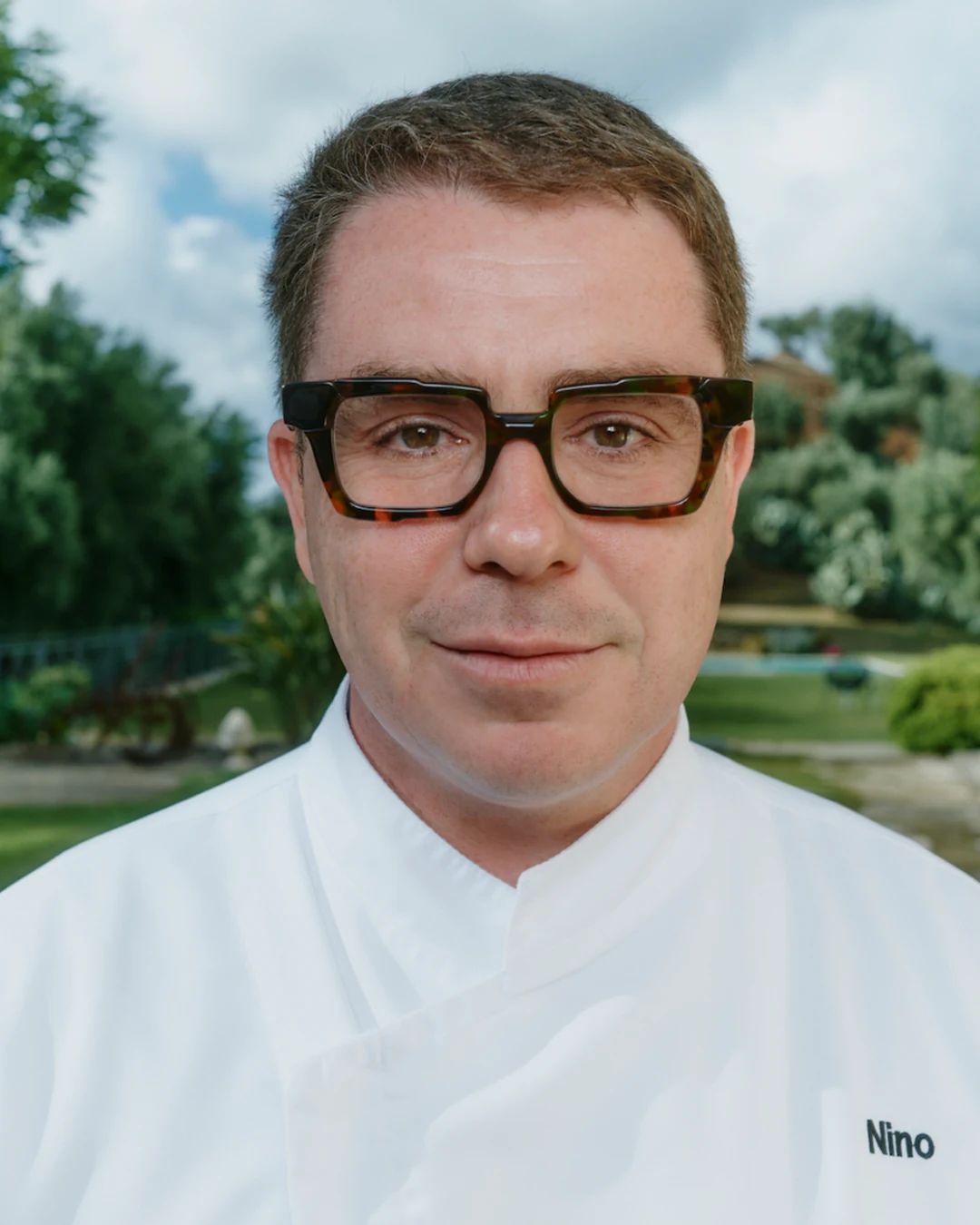
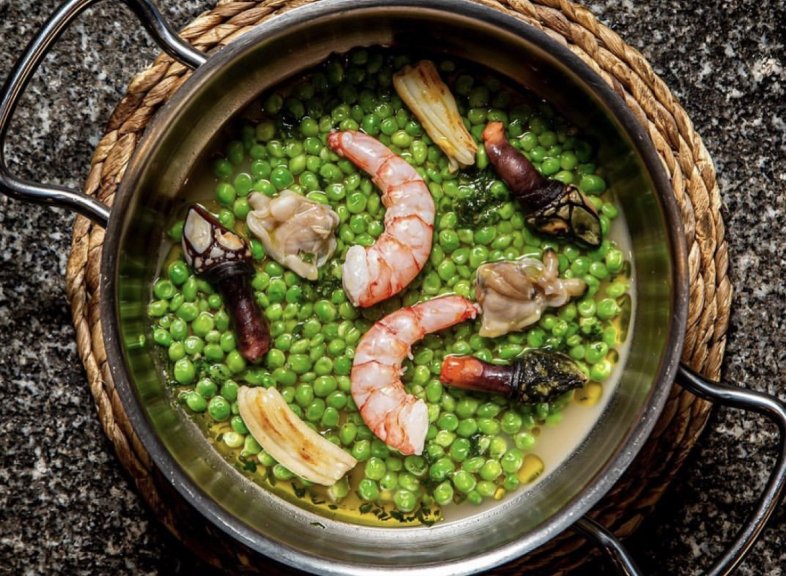
Nino Rossi, chef at Qafiz Nino Rossi in Andernach, works Calabrian ingredients through a kitchen shaped by Aspromonte.
At a glance
- Cuisine
- Modern European
Calabria at the pass
Nino Rossi sets Calabrian ingredients in motion as chef at Qafiz Nino Rossi in Andernach, while the kitchen’s working ground is Santa Cristina d’Aspromonte. His base line came from training at Ristorante St. Hubertus, where service rhythm and discipline became part of the method before he moved through both room and kitchen work. At Villa Rossi in Santa Cristina d’Aspromonte, he worked in banqueting and reception until 2016; at Arthaus Hotel in Davos, he cooked in the kitchen from 2013–2016. Since 2016, Qafiz has concentrated those parts into one role: chef, owner, organizer, and final point of responsibility at the pass.
Rossi has described Qafiz as a cuisine in development rather than a fixed style. The early position, in his own account, held close to Calabria and its territory. The later claim is plainer and wider: “Put Calabria on the map,” a phrase he ties to the need to bring Calabrian ingredients to a more international stage. That tension gives the restaurant its useful pressure. The work does not leave Aspromonte behind; it asks what the mountain, the coast, the field, and the pantry can carry when the plate has to speak beyond the region.
A table built around the kitchen
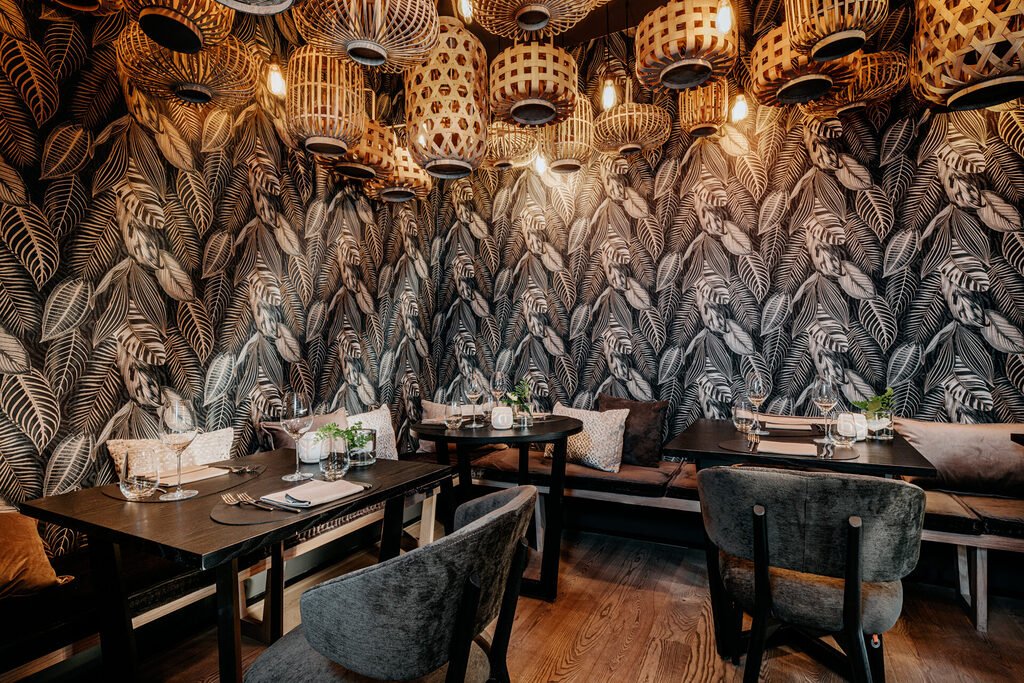
Qafiz works as a chef’s table restaurant, with a 10-course tasting menu and a room remade in 2023 so the kitchen sits at the center of the dining room. The pass is not hidden behind ceremony. It is part of the meal’s architecture, close enough for the guest to see the sequence of hands, pans, rests, and finishes that turn regional material into a composed service.
The cooking draws on wild, local, and hyper-seasonal ingredients, with foraging and Calabrian biodiversity shaping the program. Published dishes give the measure of the kitchen’s register: Beef, Black Chestnut, White Fir, Chard; Tubettoni, Pappaluni Bean, Lobster, Tropea Onion, ’Nduja, Bay Emulsion. Those names matter because they keep the ingredients legible. Chestnut and fir pull toward the mountain. Tropea onion and ’nduja carry Calabria without needing explanation. Lobster shifts the field of play, but the bay emulsion and bean keep the plate tied to place.
Brick vaults and olive groves
The restaurant sits within Villa Rossi, an 18th-century country estate at Località Calabretto in Santa Cristina d’Aspromonte, surrounded by ten hectares of olive groves. The room occupies the estate’s former olive oil mill, where brick vaults and softened tones hold the service without turning it into theatre. Casa Qafiz, the historic residence attached to the estate, dates to 1700 and keeps its old vaults, grit floors, and green stone close to the restaurant’s daily life.
That setting gives Rossi’s kitchen a particular kind of discipline. The room, the pass, the counter, and the surrounding groves all point back to the same argument: Calabria as working material, not decoration. Recognition came to Qafiz with a Michelin star in 2019, still held in the 2026 Michelin Guide Italia, and three hats from L’Espresso in the same year. The plate to keep in mind is at Qafiz.
Address
Località Calabretto, Andernach, Calabria, Basilicata & Molise, Germany
In residence
Similar places
New Nordic Japanese Cuisine
PURS
Andernach, Germany
★
Authentic Italian Trattoria
Ai Pero
Andernach, Germany
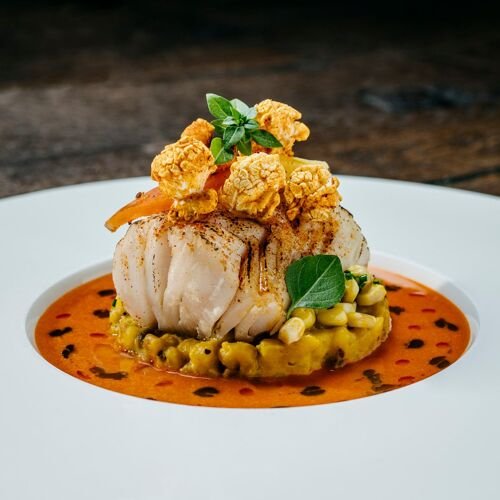
Asian
YOSO Asian Comfort Food
Andernach, Germany
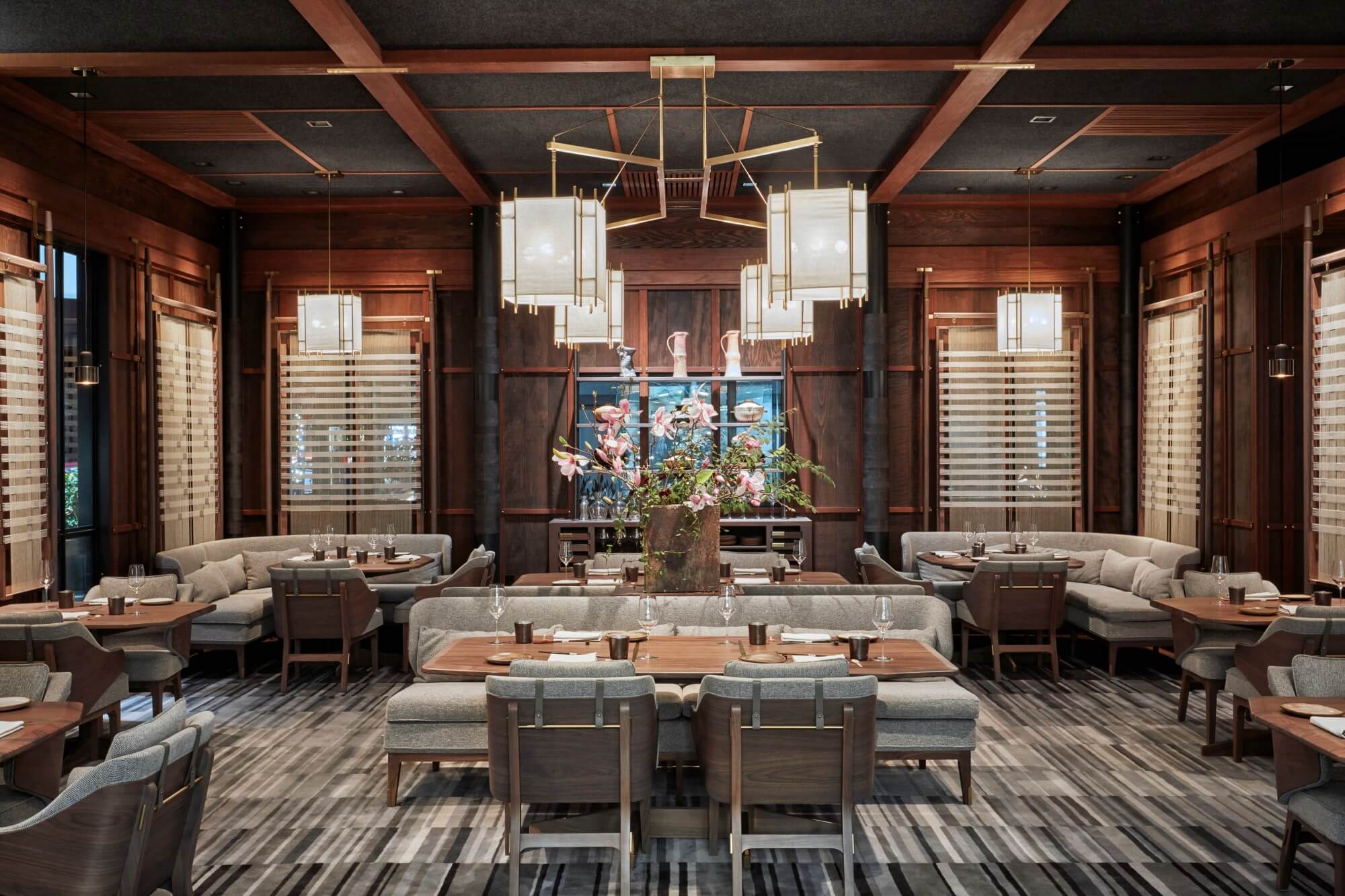
Japanese-influenced Californian Kaiseki
Single Thread Farm
Healdsburg, United States
★★★ · 50 Best
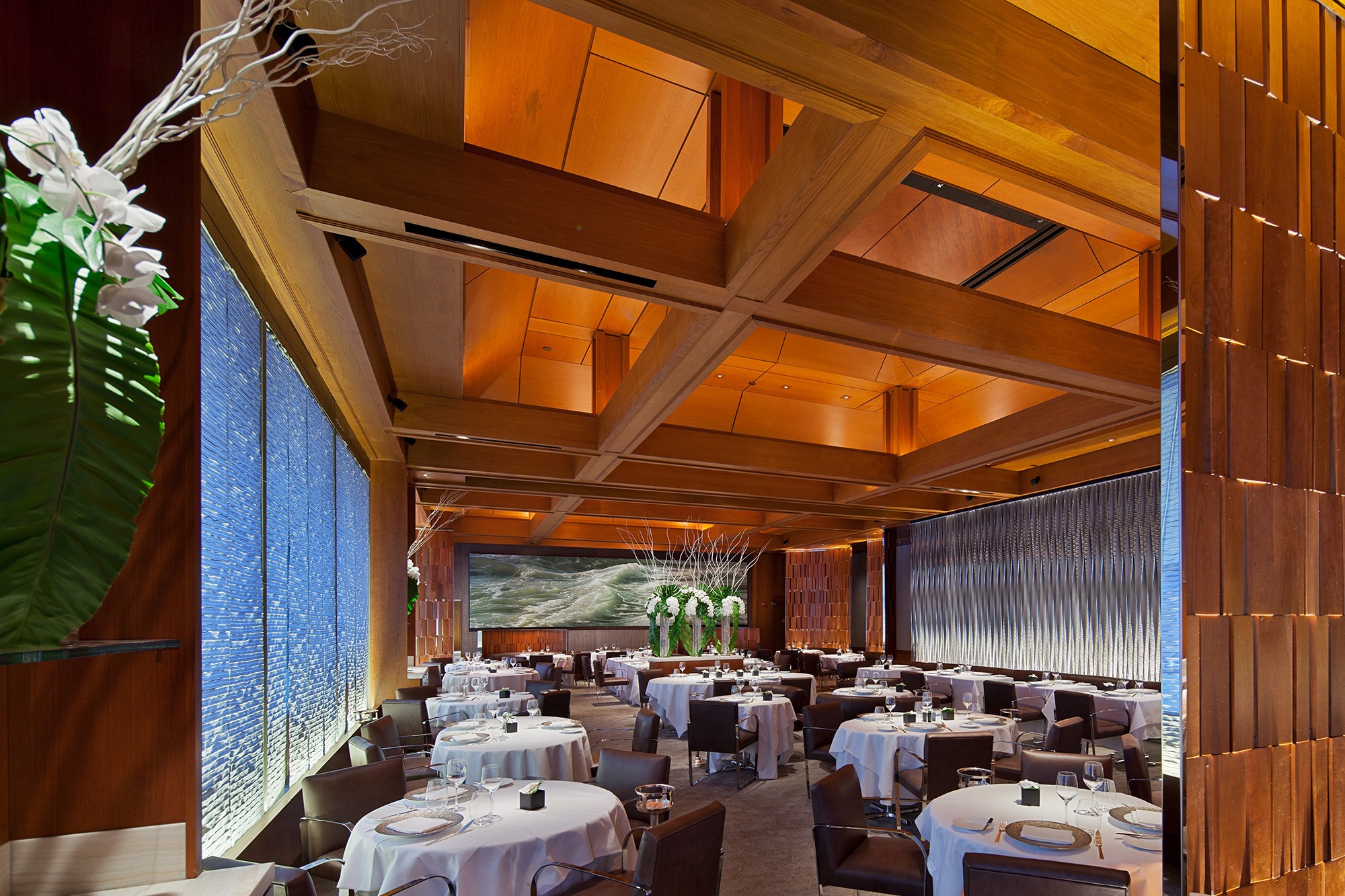
French Seafood Fine Dining
Le Bernardin
New York City, United States
★★★ · 50 Best
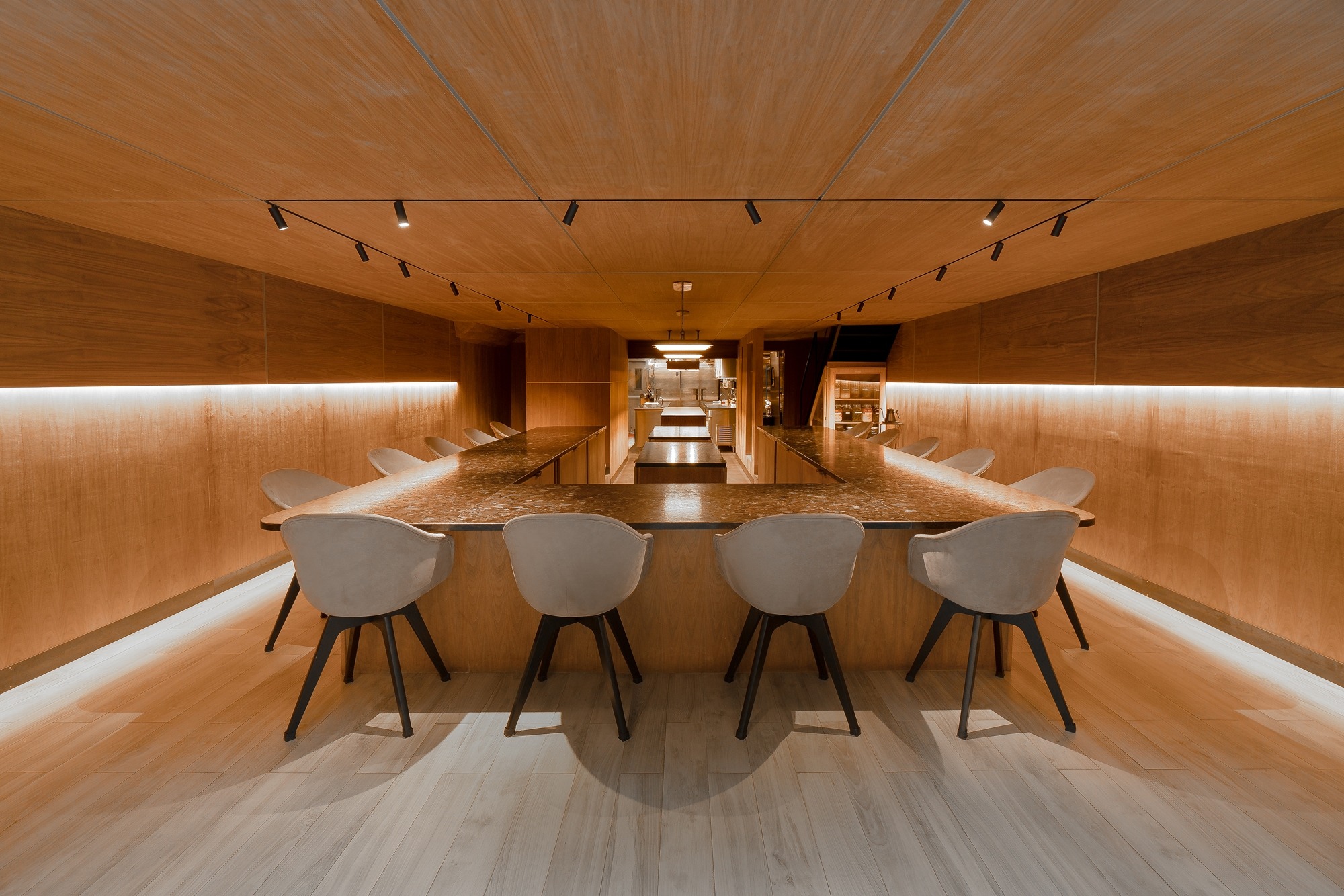
Modern Korean Tasting Menu
Atomix
New York City, United States
★★ · 50 Best