Queens Restaurant
- 01CuisineBritish Fine Dining
- 02CityAmberley, United Kingdom
Four dishes a course, plated with restraint
- AA Rosettes 3 Rosettes · 2026
- Relais Chateaux Award · 2026
- Relais Chateaux Award · 2025
Four dishes a course under a 12th-century vault
The plate leaves the pass with sauce held close, not spread for effect. Queens Restaurant in Amberley, the gourmet room of Amberley Castle in West Sussex inside the South Downs National Park, serves British fine dining in à la carte and tasting menu formats. Choice is deliberately narrow, four dishes per course, with three courses at lunch and five in some evening services. The three-course lunch has been priced at £35, which puts a castle dining room within reach of a visitor who is not staying the night. Local ingredients and fresh produce form the base, in line with the castle's Relais & Châteaux affiliation, and the tasters sent between courses are explained at the table, so the meal reads as a guided sequence rather than a list.
Modern British cooking under old stone
The house works with local sourcing, and the plates that leave this kitchen sit in that register: venison, beef, trout, smoked salmon, duck, lamb, cod, cauliflower, bread, canapés, petits fours. The strongest moments come when the hand stays close to the product, as with pan-fried and roasted venison praised for its directness, or bread that outperforms more elaborate tasters. The more composed plates use fine-dining grammar, small elements, jus, purées, and precise placement, sometimes with more visual ambition than the dish needs. That tension belongs to the station: a castle restaurant must answer the room without becoming trapped by it. Where the cooking is best it is also plainest, the ingredient treated with clarity and then given one point of surprise. In a British castle kitchen, restraint has to do real work.
The Queen's Room holds the service
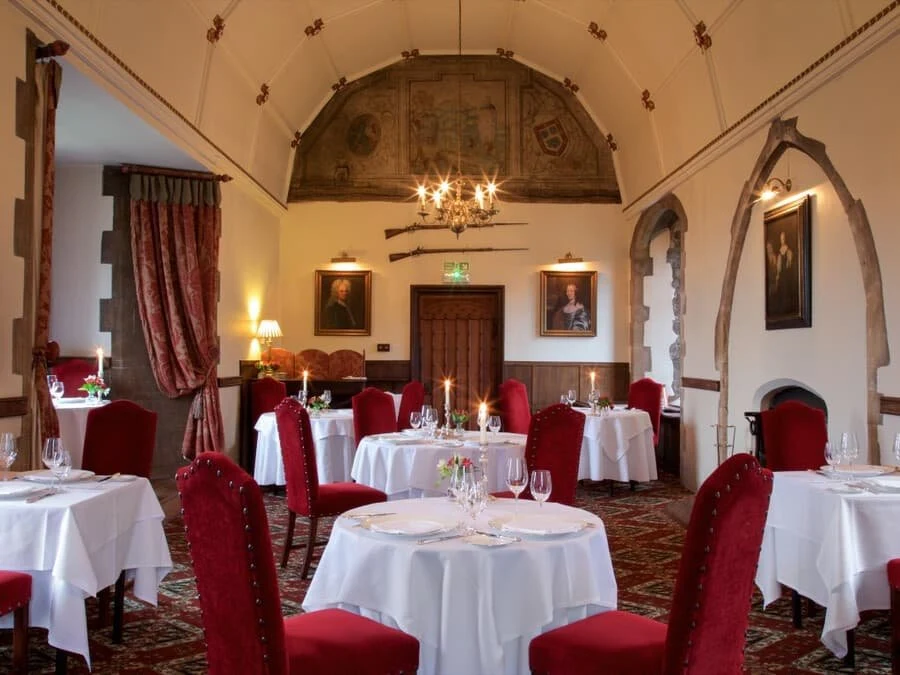
The room is part of the craft here. Queens Restaurant resolves, in practice, to the Queen's Room at Amberley Castle, where the meal sits beneath a barrel-vaulted ceiling from the 12th century and near an open fire. At times service also moves into the Great Room, a 1165 Norman hall with soaring windows, oak floors, and the scale of a house built for ceremony. The atmosphere is quiet, formal, and leisurely, with an elegance that can feel intimate when the fire and gardens carry the evening, and heavier when the old fabric turns gloomy or draughty. The pass has to meet that setting without shouting over it. Plates cross from kitchen to dining room as part of a larger texture: ancient walls, formal gardens, polished service, and a table set for a slower meal than the village outside would suggest. The portcullis and the seclusion behind it are part of why a table here is booked for an anniversary rather than a weekday dinner.
What the next plate has to answer
The restaurant's future rests less on novelty than on calibration. The strongest argument for the room is not the castle alone, but the moment when British produce, a narrow menu, and a measured plate arrive in the same register. If the kitchen keeps simplifying where the ingredient already carries enough, the house has all it needs: the Queen's Room, the open fire, and a three-course lunch that earns the walk through the gatehouse.
Questions
Frequently asked
What kind of cooking does Queens Restaurant serve?
Queens Restaurant serves British fine dining, with an emphasis on local ingredients and fresh produce. The menu is offered in à la carte and tasting menu formats.
What is the setting like at Queens Restaurant?
The restaurant sits inside Amberley Castle in the Queen's Room, beneath a 12th-century barrel-vaulted ceiling and near an open fire. At times, service also moves into the Great Room, a Norman hall with oak floors and soaring windows.
How much choice is there on the menu?
Choice is deliberately narrow, with four dishes per course. Lunch is served as three courses, and some evening services offer five courses.
Is booking recommended at Queens Restaurant?
Reservations are recommended. The venue also lists smart casual dress and on-site parking.
The field
How it compares
| Place | Cuisine | Notes | Awards |
|---|---|---|---|
| Queens Restaurant | British Fine Dining | Amberley, $$$ | · |
| 8 1/2 Otto e Mezzo Bombana (Hong Kong) | 3 Michelin-Star Italian Fine Dining | Hong Kong | Michelin 3 Stars, World's 50 Best |
| Arzak | Contemporary Basque Fine Dining | San Sebastián | Michelin 3 Stars, World's 50 Best |
| Gabriel Kreuther | Modern Alsatian-French Fine Dining | New York City | Michelin 2 Stars |
| Geranium | Modern New Nordic Pescatarian | Copenhagen | Michelin 3 Stars, World's 50 Best |
| Kato | Modern Taiwanese Fine Dining | Los Angeles | Michelin 2 Stars, World's 50 Best |
| Steirereck im Stadtpark | Modern Austrian Fine Dining | Vienna | Michelin 3 Stars, World's 50 Best |
Similar places
3 Michelin-Star Italian Fine Dining
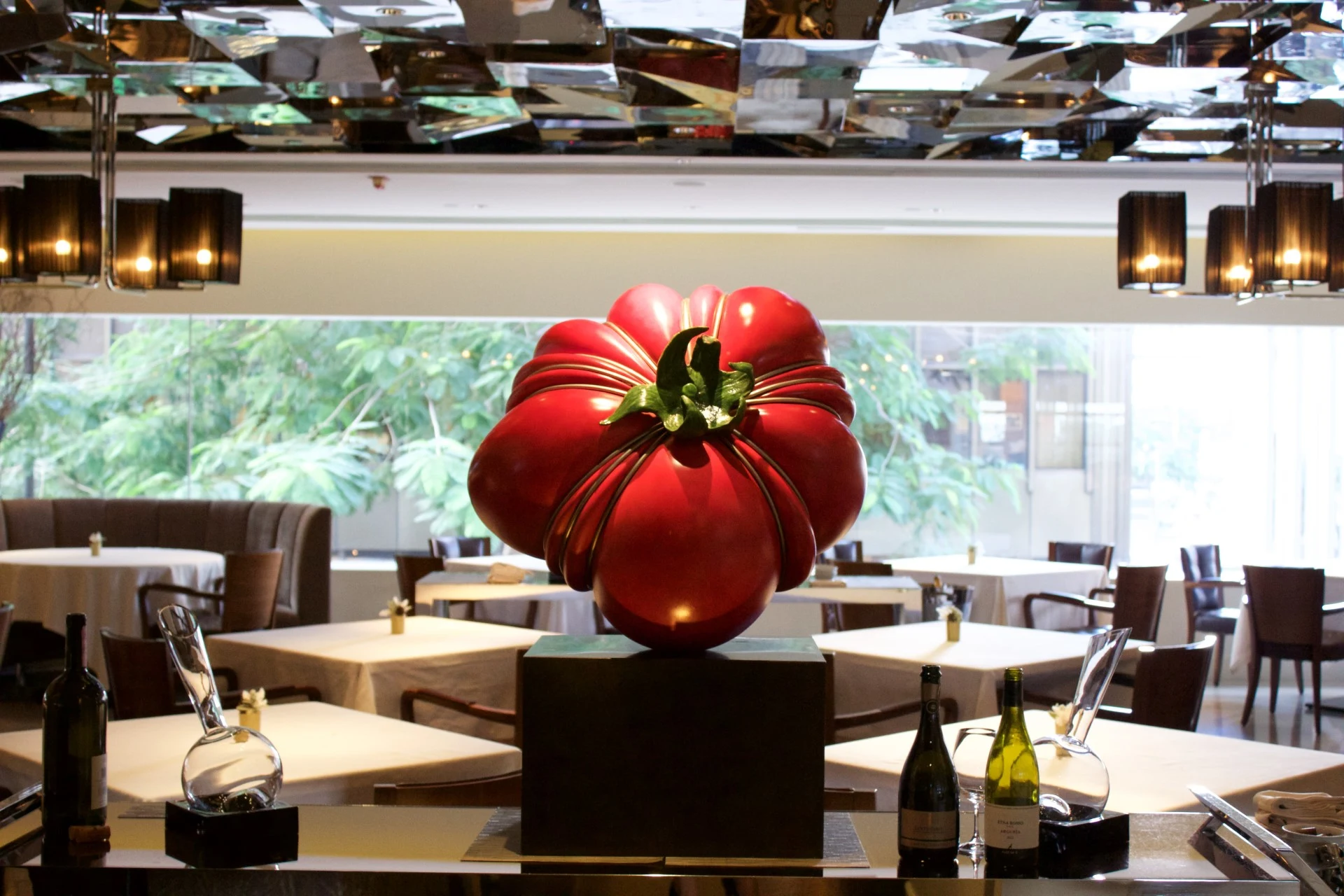
8 1/2 Otto e Mezzo Bombana (Hong Kong)
Hong Kong, Hong Kong
★★★ · 50 Best
Contemporary Basque Fine Dining
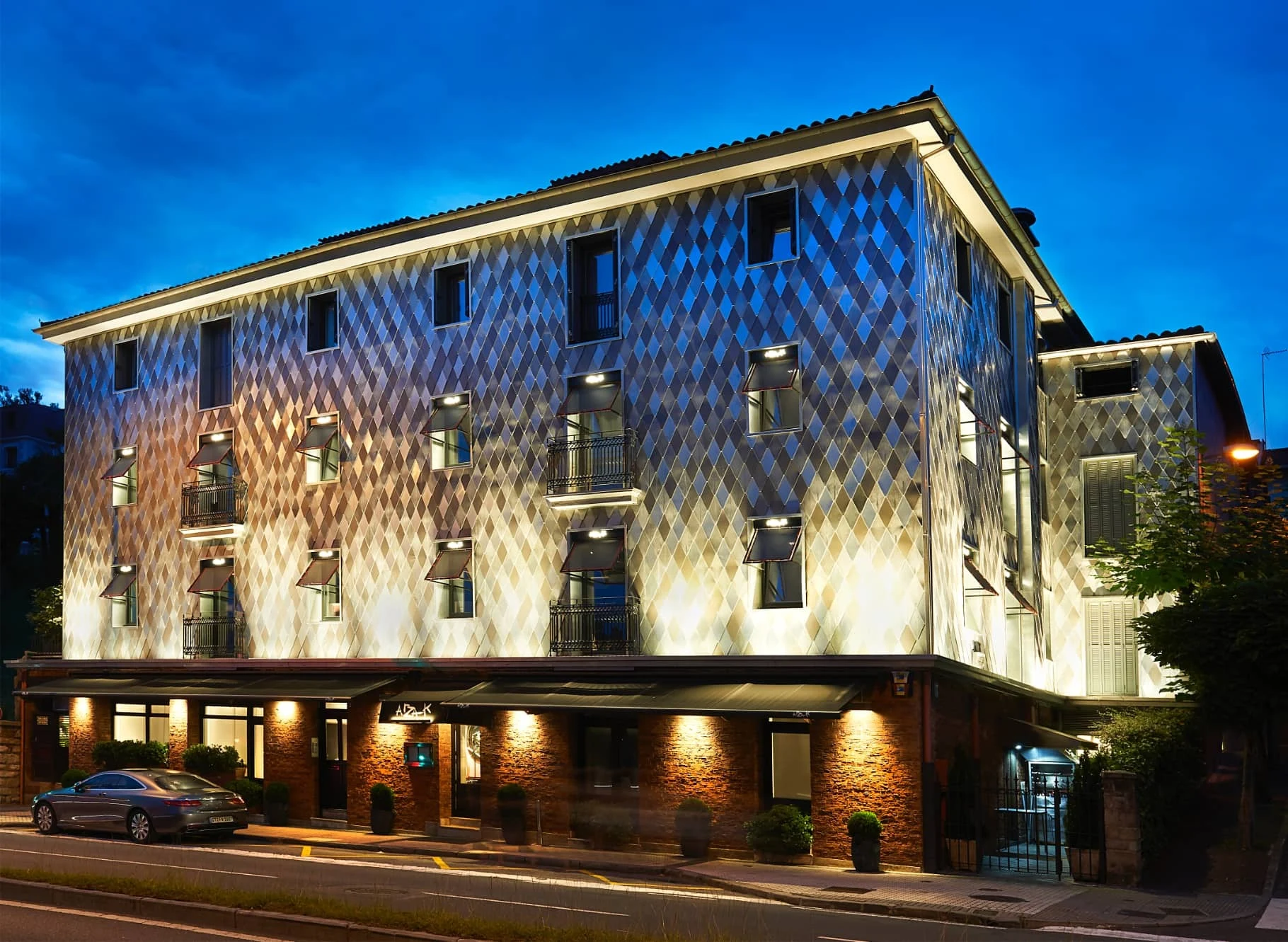
Arzak
San Sebastián, Spain
★★★ · 50 Best
Modern Alsatian-French Fine Dining
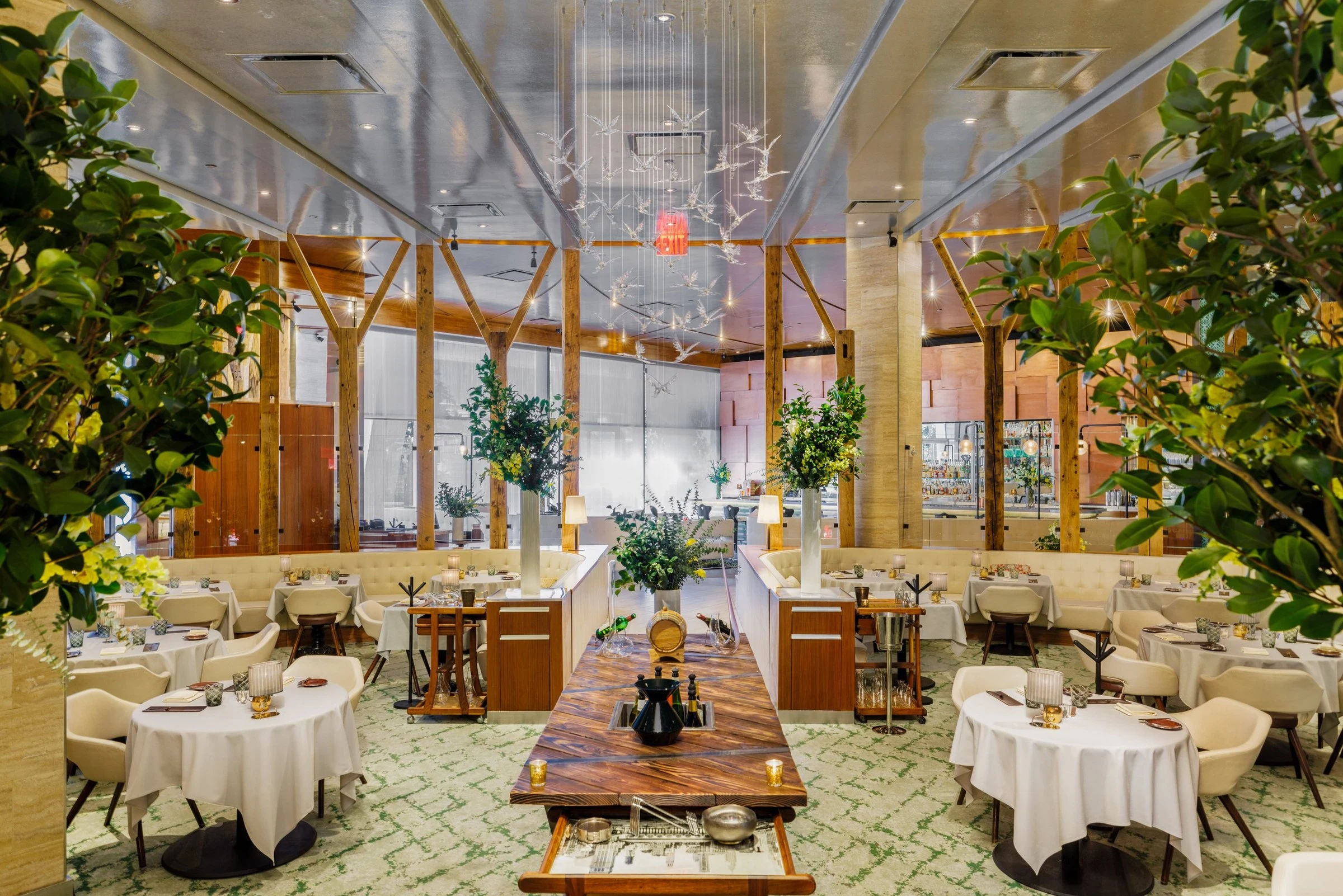
Gabriel Kreuther
New York City, United States
★★
Modern New Nordic Pescatarian
Geranium
Copenhagen, Denmark
★★★ · 50 Best
Modern Taiwanese Fine Dining
Kato
Los Angeles, United States
★★ · 50 Best
Modern Austrian Fine Dining
Steirereck im Stadtpark
Vienna, Austria
★★★ · 50 Best