Made ByRestaurant
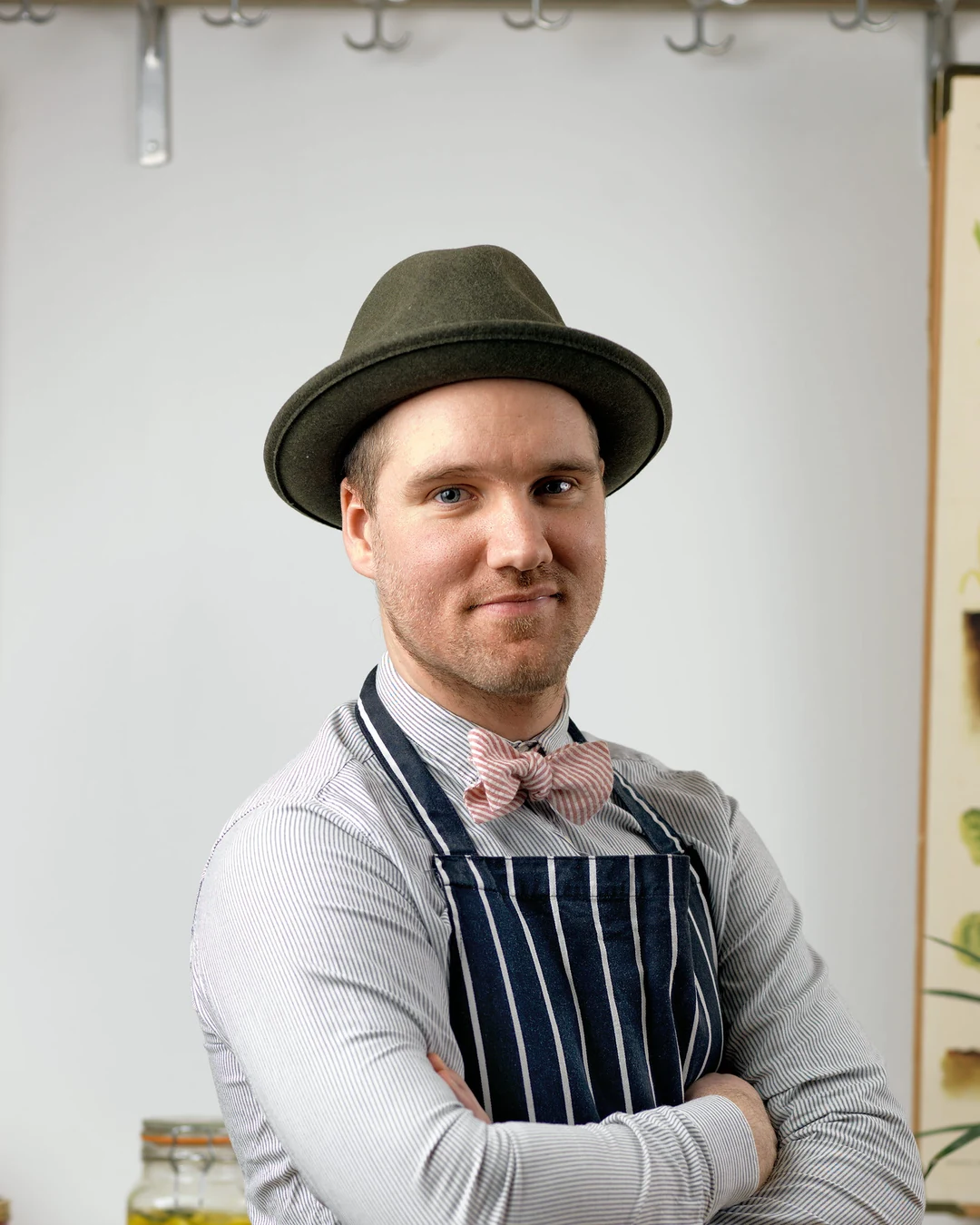
Olle T. Cellton, chef at Restaurang Babette in Stockholm, works with acid, heat, salinity, and Italian grain daily.
At a glance
- Cuisine
- Italian
From co-founder to the pass
The menu keeps close to the bench: lemon for lift, Aleppo chili for warmth, colatura di alici for salt. Olle T. Cellton, Chef at Restaurang Babette in Stockholm, works from that register of bright, savory pressure. Babette is the Stockholm restaurant he co-founded in 2015, a shared foundation in a career that now also runs through Stockholm Stadshotell and Matsalen. The line is useful because it shows the work changing scale without losing its appetite for movement: a restaurant built with others, a first solo restaurant at Franca in Borgholm, and a hotel kitchen where daily menus answer the season.
At Babette, the relevant fact is not a fixed signature dish. It is Cellton’s part in making the place, and the kind of palate that followed him through the years after it opened. The house carries Italian cooking as its public frame, but the cook’s own named ingredients point to a wider bench-side language. Freshly squeezed lemon sits high in his list. Aleppo chili and colatura di alici sit beside it. Parmesan closes the thought with directness. Those are not decorative accents; they are working materials, used for acid, heat, anchovy depth, and aged milk. They explain a way of seasoning more clearly than a biography can.
Italian shape, Stockholm supply
Babette’s craft sits in the tension between an Italian label and a Stockholm cook’s habit of letting available ingredients set the pace. Cellton’s present work at Stockholm Stadshotell is described through Nordic cooking with international touches, and through menus that change daily with what can be sourced close by. That rhythm matters here because Babette belongs to the earlier part of the same practice: cooking that does not ask one permanent plate to carry the whole room.
The measurements available are spare. The fixed point is 2015, when Cellton co-founded Babette. The other fixed point is the flavor structure he has named: lemon, Aleppo chili, colatura di alici, parmesan. Read together, they make a practical method. Acid comes first, then heat, then salinity, then the granular savor of cheese. It is a cook’s sequence, not a slogan. In a restaurant shaped around Italian cooking, those materials give the pass a disciplined vocabulary without closing it down.
The room around the work
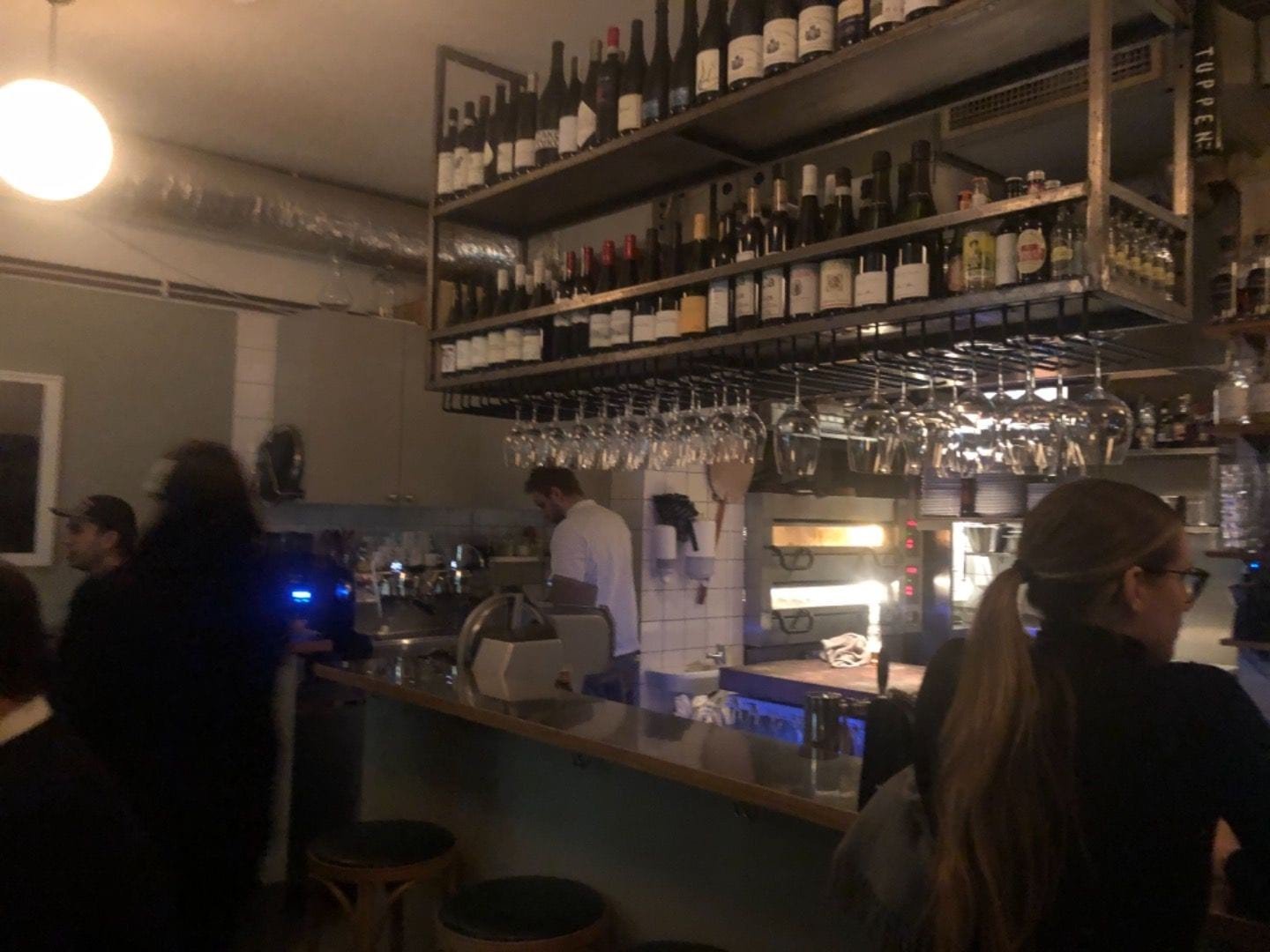
The room at Babette is best understood through the kind of service that follows a restless kitchen. The counter, the pass, and the tables do not revolve around one preserved monument of a dish; they hold a restaurant whose founding cook has always worked with movement, first in the shared act of opening Babette, then in the more concentrated authorship of Franca, and now in the daily cadence of the hotel kitchen.
That makes the place feel less like a display of Italian references than a working Stockholm room with an Italian grain. The craft is in how much pressure a cook can put on a few precise materials before they become mannerism. Lemon can sharpen. Aleppo chili can warm. Colatura di alici can deepen. Parmesan can finish a thought. Babette’s useful measure remains the 2015 foundation, and the palate Cellton brought to Restaurang Babette.
Address
Bredgade 78, 1260 København, Denmark, Stockholm, Copenhagen, Sweden
In residence
Similar places

Modern Nordic Fusion with Japanese Influences
Frantzén
Stockholm, Sweden
★★★ · 50 Best
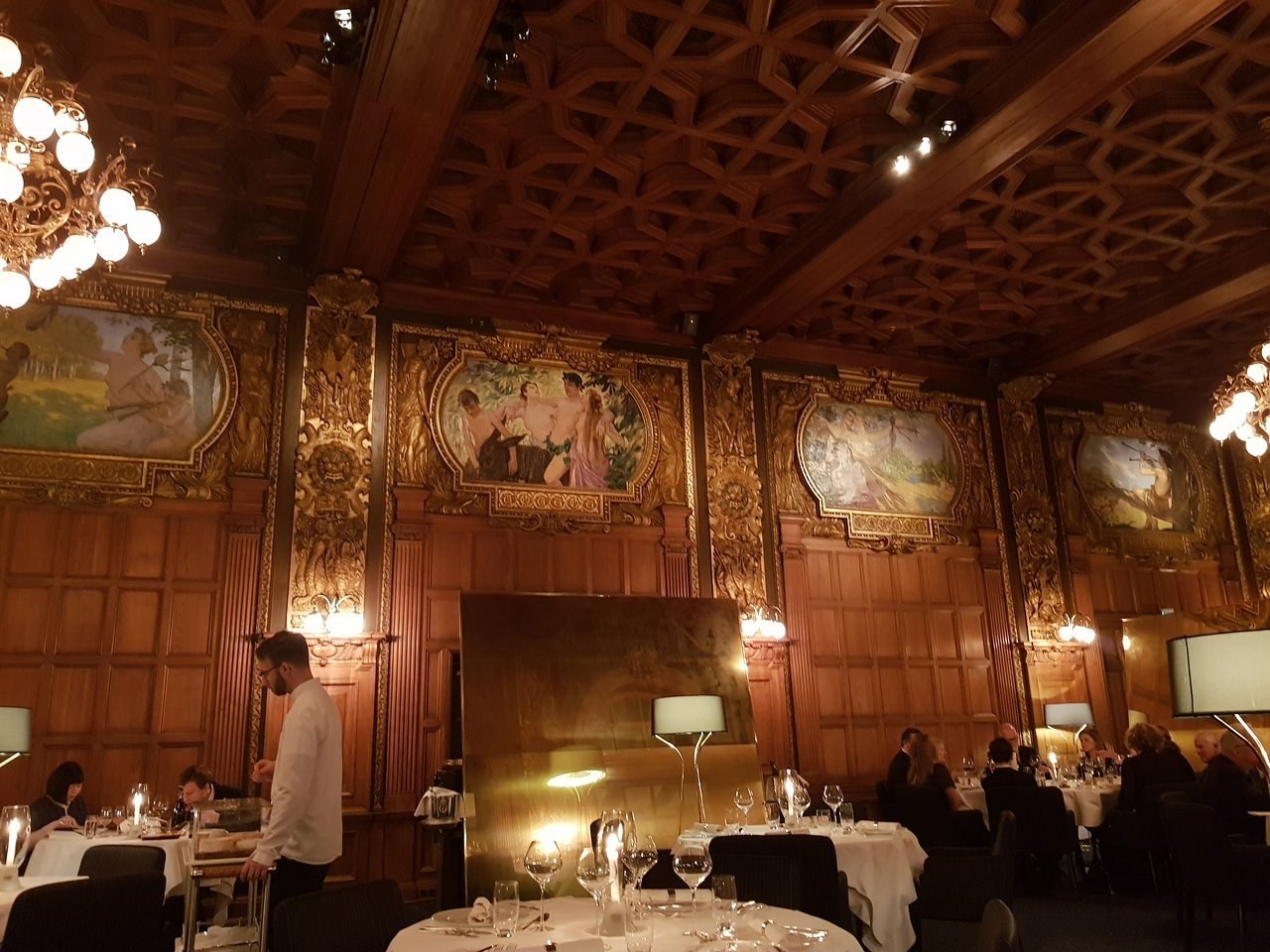
Modern Scandinavian Fine Dining
Operakällaren
Stockholm, Sweden
★ · 50 Best
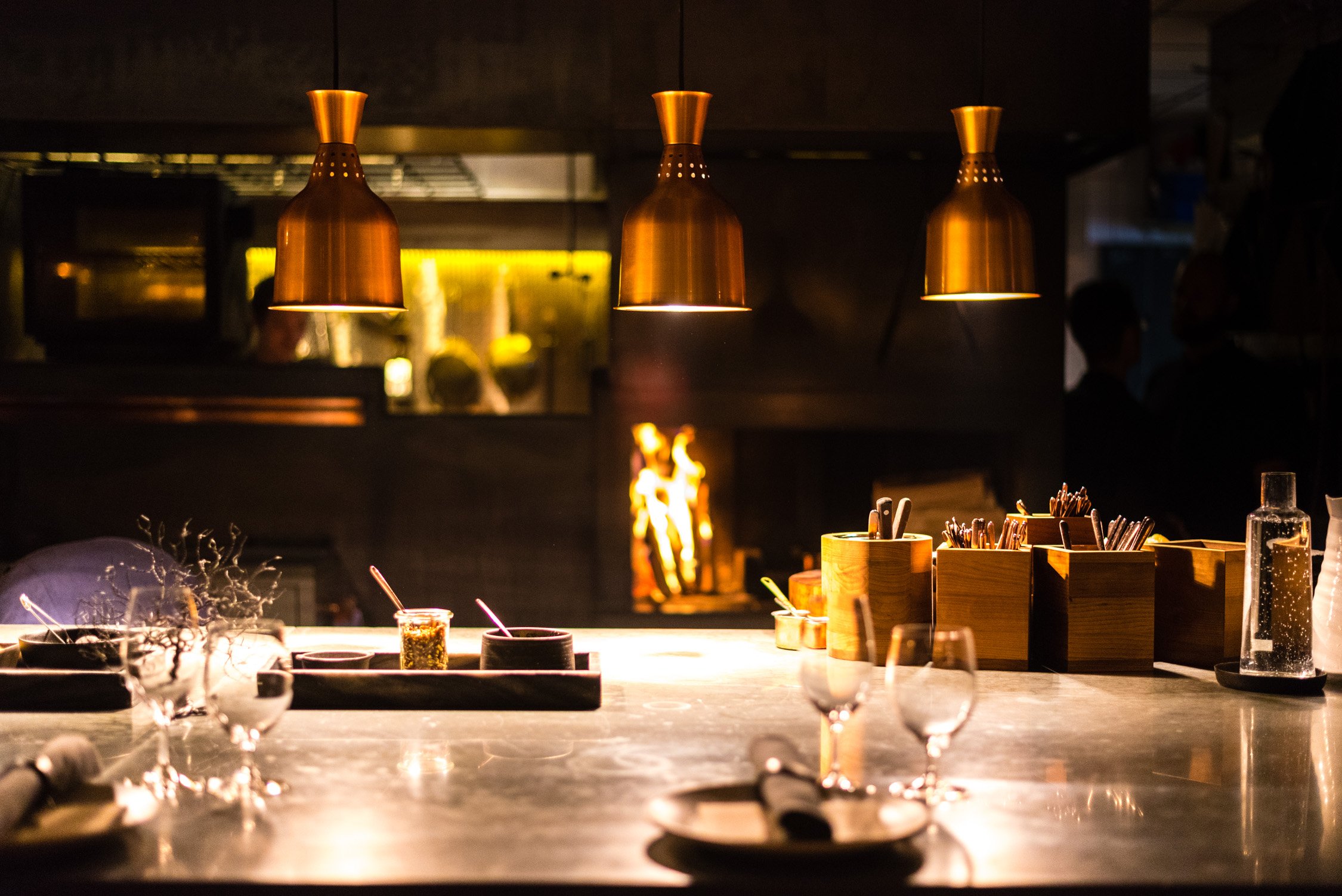
Wood-Fire Nordic Fine Dining
Ekstedt
Stockholm, Sweden
★
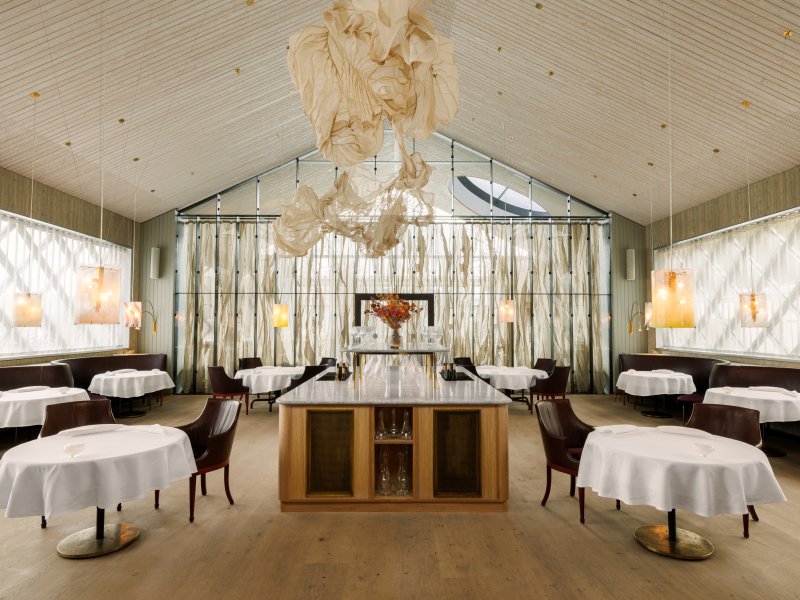
Modern Nordic Seasonal Tasting Menu
AIRA
Stockholm, Sweden
★★
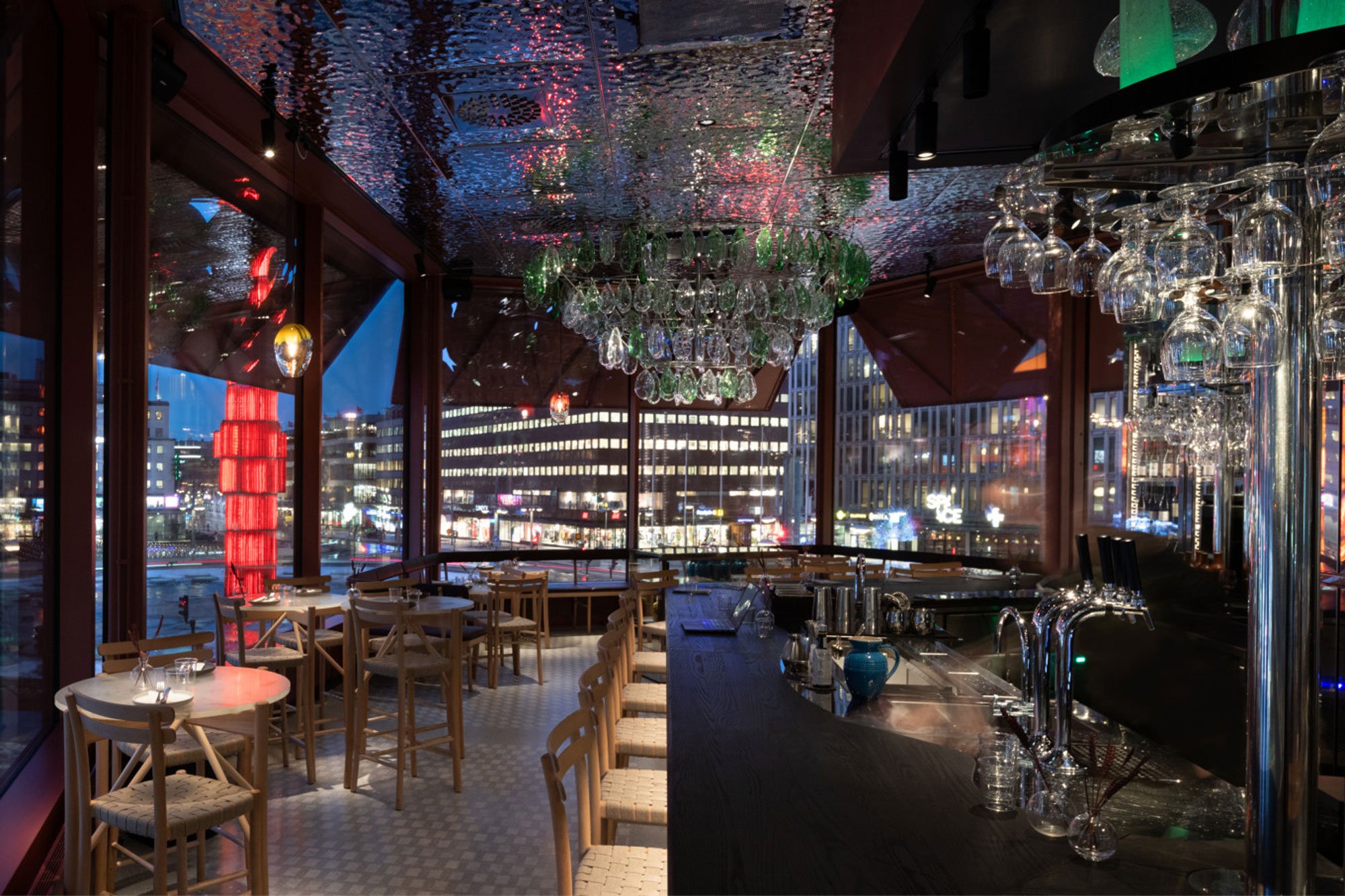
Scandinavian Cocktails with Asian Fusion
Röda Huset
Stockholm, Sweden
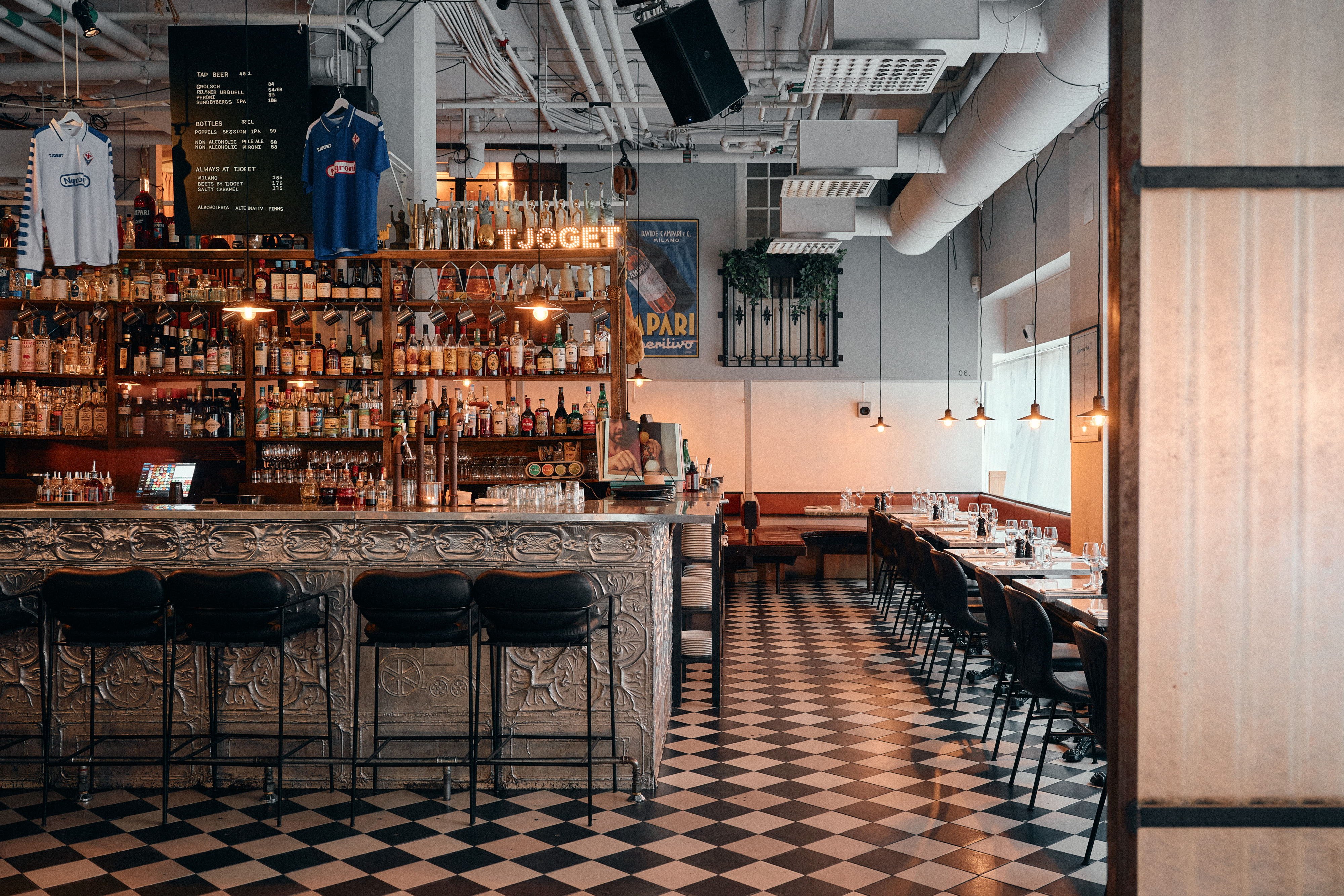
Modern Mediterranean Small Plates
Tjoget
Stockholm, Sweden