Made ByRestaurant
Restaurante Filigrana
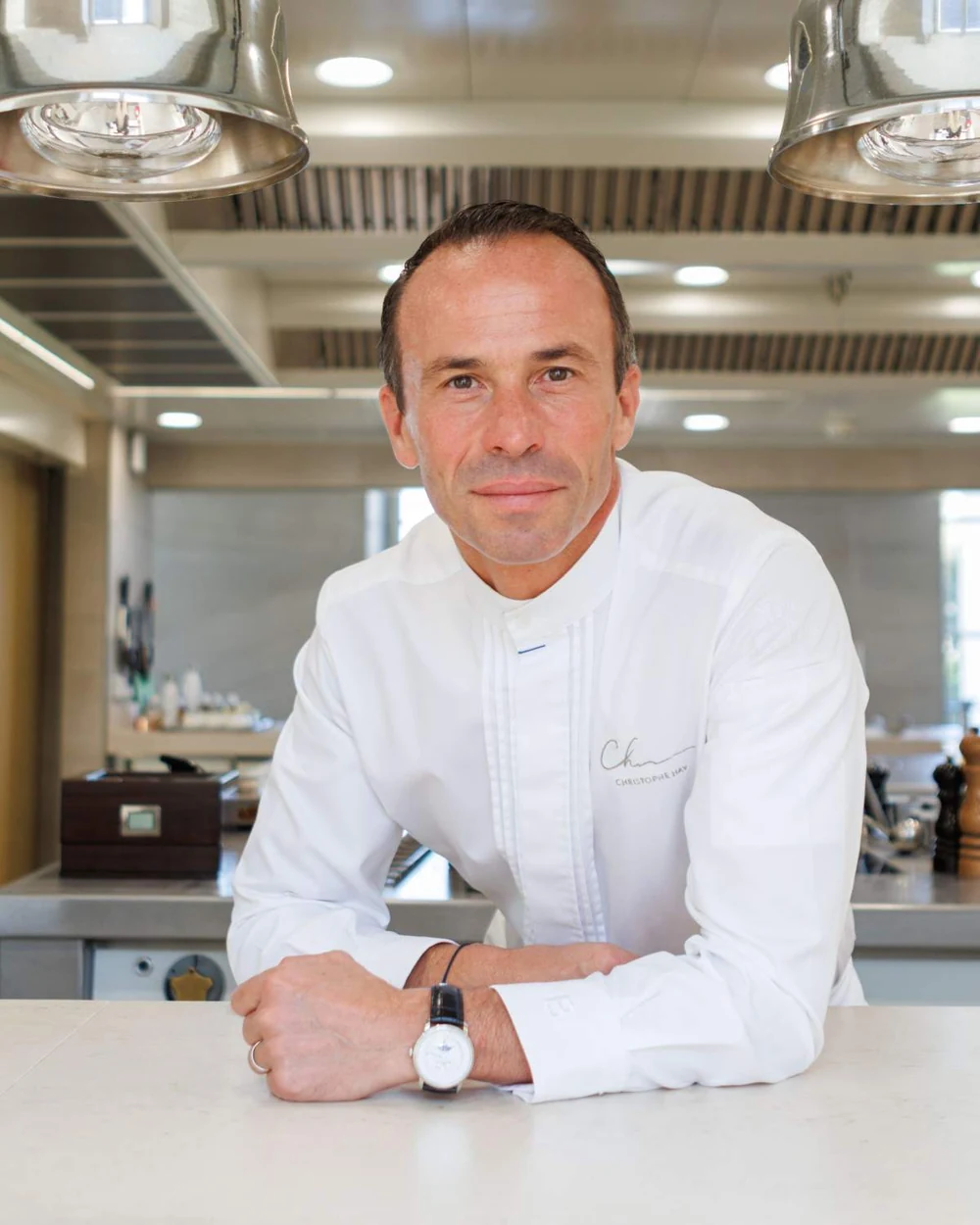
Chef in Residence
Christophe Hay
Chef
- 01CuisineModern Galician Fine Dining
- 02CitySantiago de Compostela, Spain
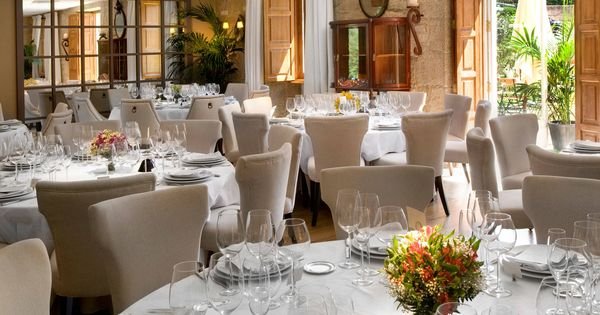
Restaurante Filigrana sits on Paseo da Amaia in Santiago de Compostela, where chef Christophe Hay applies a French-trained precision to Galician ingredients. The kitchen has earned recognition for Expression of the Terroir, placing it among the city's most critically noted addresses. A Google rating of 4.7 across 247 reviews signals consistent execution rather than occasional brilliance.
At a glance
- Cuisine
- Modern Galician Fine Dining
- Price
- $$$
- Per person
- $70
- Hours
- Mon: 2–6 PM, 8 PM–12 AM; Tue: 2–6 PM, 8 PM–12 AM; Wed: 2–6 PM, 8 PM–12 AM; Thu: 2–6 PM, 8 PM–12 AM; Fri: 2–6 PM, 8 PM–12 AM; Sat: 2–6 PM, 8 PM–12 AM; Sun: 2–6 PM, 8 PM–12 AM
- Neighborhood
- Río Sar
- Rating
- 4.7 (265)
<h2>Where the Camino Ends and Galician Cooking Gets Serious</h2><p>Restaurante Filigrana is a Modern Galician Fine Dining restaurant in Santiago de Compostela, A Coruña, Spain, with a 4.7 Google rating and a price tier of about $70 per person. Paseo da Amaia is not the address most pilgrims find on their first evening in Santiago de Compostela. It sits at a remove from the cathedral's gravitational pull, which means the crowds that flood the Rúa do Franco restaurant strip tend not to make it here. That distance is, in practice, a filter. The dining room at Restaurante Filigrana operates in the quieter register that serious cooking generally requires: a space where the emphasis is on what arrives at the table rather than the theatre of the approach.</p><p>Santiago's restaurant scene has evolved considerably over the past decade, splitting between tourist-facing spots near the Praza do Obradoiro and a smaller tier of kitchens that treat Galicia's larder as a starting point for genuine technical ambition. Filigrana sits in the latter cohort, alongside addresses like <a href="https://www.enprimeurclub.com/restaurants/a-tafona-santiago-de-compostela-restaurant">A Tafona</a>, which operates at the contemporary end of the city's leading bracket, and <a href="https://www.enprimeurclub.com/restaurants/a-horta-dobradoiro-santiago-de-compostela-restaurant">A Horta d'Obradoiro</a>, which leans into regional tradition with its own clarity of intent.</p><h2>The Terroir Signal and What It Means in Practice</h2><p>The recognition Filigrana has received for Expression of the Terroir is a specific kind of credential. It speaks to sourcing discipline and the kitchen's relationship with its regional ingredients. In a region as well-stocked as Galicia, that relationship carries weight. The Atlantic coastline delivers some of Europe's most consistent shellfish, and the inland valleys produce beef, cheese, and vegetables that rarely travel far before arriving in professional kitchens. A kitchen awarded for terroir expression is being evaluated on how faithfully and intelligently it translates that supply into finished plates.</p><p>Chef Christophe Hay's presence in this context is worth noting for what it implies about the kitchen's training register. A French-lineage chef working with Galician ingredients creates a specific kind of tension: between classical French technique and a regional product base that has its own established grammar. The most interesting versions of that conversation, across Spain and elsewhere, tend to produce food that feels neither like a French import nor a regional museum piece, but something more alert to both traditions. Whether Filigrana has resolved that tension in a way that feels organic rather than imposed is the critical question the 4.7 Google rating across 265 reviews suggests it has.</p><p>For broader context on how Galician kitchens are handling that product-technique dialogue, the approaches at <a href="https://www.enprimeurclub.com/restaurants/abastos-20-barra-santiago-de-compostela-restaurant">Abastos 2.0 - Barra</a>, which operates at the farm-to-table end of the city's spectrum, and the fusion-led perspectives at <a href="https://www.enprimeurclub.com/restaurants/a-maceta-santiago-de-compostela-restaurant">A Maceta</a> and <a href="https://www.enprimeurclub.com/restaurants/a-viaxe-santiago-de-compostela-restaurant">A Viaxe</a> provide useful coordinates. Each represents a different answer to the same underlying question about what contemporary Galician cooking should look like.</p><h2>Filigrana in Spain's Wider Critical Geography</h2><p>Spain's fine dining circuit runs through a handful of well-documented anchors: <a href="https://www.enprimeurclub.com/restaurants/arzak-san-sebastian-restaurant">Arzak in San Sebastián</a>, <a href="https://www.enprimeurclub.com/restaurants/el-celler-de-can-roca-girona-restaurant">El Celler de Can Roca in Girona</a>, <a href="https://www.enprimeurclub.com/restaurants/diverxo-madrid-restaurant">DiverXO in Madrid</a>, <a href="https://www.enprimeurclub.com/restaurants/aponiente-el-puerto-de-santa-maria-restaurant">Aponiente in El Puerto de Santa María</a>, <a href="https://www.enprimeurclub.com/restaurants/quique-dacosta-denia-restaurant">Quique Dacosta in Dénia</a>, and <a href="https://www.enprimeurclub.com/restaurants/azurmendi-larrabetzu-restaurant">Azurmendi in Larrabetzu</a>. Galicia has historically sat outside the main axis of that circuit, which has run more consistently through the Basque Country and Catalonia. The emergence of Santiago addresses drawing critical recognition for product-led cooking represents a meaningful shift in how Spain's gastronomic geography is being redrawn, with the northwest increasingly understood as a serious region rather than a scenic detour.</p><p>That shift has international parallels. In New York, the movement from technique-driven spectacle toward product transparency has produced kitchens like <a href="https://www.enprimeurclub.com/restaurants/le-bernardin">Le Bernardin</a>, where the ingredient is the argument, and <a href="https://www.enprimeurclub.com/restaurants/atomix">Atomix</a>, where heritage and refinement operate in careful dialogue. The underlying question, whether a kitchen earns its recognition through restraint or invention, plays out differently across contexts but remains the same question. Filigrana's terroir credential places it on the restraint side of that line.</p><h2>When to Go and How to Approach the Booking</h2><p>Galicia's seasons matter more than most visitors account for. The Atlantic climate means the region is accessible year-round, but the product calendar shifts in ways that affect what a kitchen like Filigrana can do at its finest. Percebes, the barnacle prized above almost any other Galician shellfish, peak in winter months when rough Atlantic conditions produce the most intensely flavoured specimens. The Rías Baixas growing season for vegetables and the availability of certain aged local cheeses follow their own rhythms through spring and autumn. Visiting during shoulder seasons, when the pilgrimage crowds are thinner and the kitchen is less likely to be running at tourist-volume pressure, tends to produce better experiences at this level of table.</p><p>Filigrana's address at Paseo da Amaia, 15706 Santiago de Compostela, A Coruña, places it in a residential-adjacent pocket of the city that rewards arriving on foot and with time to settle rather than arriving frantic from the Camino's final stages. Booking in advance is the reasonable assumption for any Santiago address in this category, particularly during the summer high season and the weeks surrounding major pilgrim feast days when the city operates at full capacity.</p><h2>The Broader Santiago Picture</h2><p>A single restaurant visit in Santiago rarely captures what the city's food culture actually is. The complete picture runs from the market-facing directness of the Abastos stalls to the contemporary ambition of its leading tables, with a wine culture rooted in Albariño and the broader Rías Baixas denomination running through all of it.</p>
Know before you go
- Dress code
- smart_casual
- Reservations
- essential
- Parking
- on_site_lot
- Payment
- credit_card
- Accessibility
- wheelchair_accessible
- Outdoor seating
- Yes
Frequently asked
Who runs the kitchen at Restaurante Filigrana?
The chef associated with Restaurante Filigrana is Christophe Hay.
What's the best thing to order at Restaurante Filigrana?
Filigrana's Expression of the Terroir recognition points directly at its handling of Galician ingredients as the kitchen's defining argument. Dishes built around Atlantic and inland Galician produce — the kind of cooking that earns that specific credential — are the most direct expression of what chef Christophe Hay is doing at Paseo da Amaia, 23. Order whatever the kitchen is anchoring to the season's local product.
Where do I go for Restaurante Filigrana?
Restaurante Filigrana is located at Paseo da Amaia, 23, 15706 Santiago de Compostela, A Coruña, Spain, Santiago de Compostela.
Address
Paseo da Amaia, 23, 15706 Santiago de Compostela, A Coruña, Spain
Río Sar
How it compares
- Cuisine
- Modern Galician Fine Dining
- Price
- $$$
- Notes
- Río Sar
- Cuisine
- Traditional Galician Seafood
- Price
- $$
- Notes
- Casco Antiguo
- Cuisine
- Traditional Galician Tavern
- Price
- $$$
- Notes
- Barrio de San Pedro
- Cuisine
- Hotel bistro & café with terrace
- Price
- $$$
- Notes
- Santiago de Compostela
- Cuisine
- Galician-Peruvian-Asian Fusion
- Price
- $$$
- Notes
- Santiago de Compostela City Centre
- Cuisine
- Contemporary Galician Tasting Menu
- Price
- $$$
- Notes
- Santiago de Compostela
In residence
Similar places
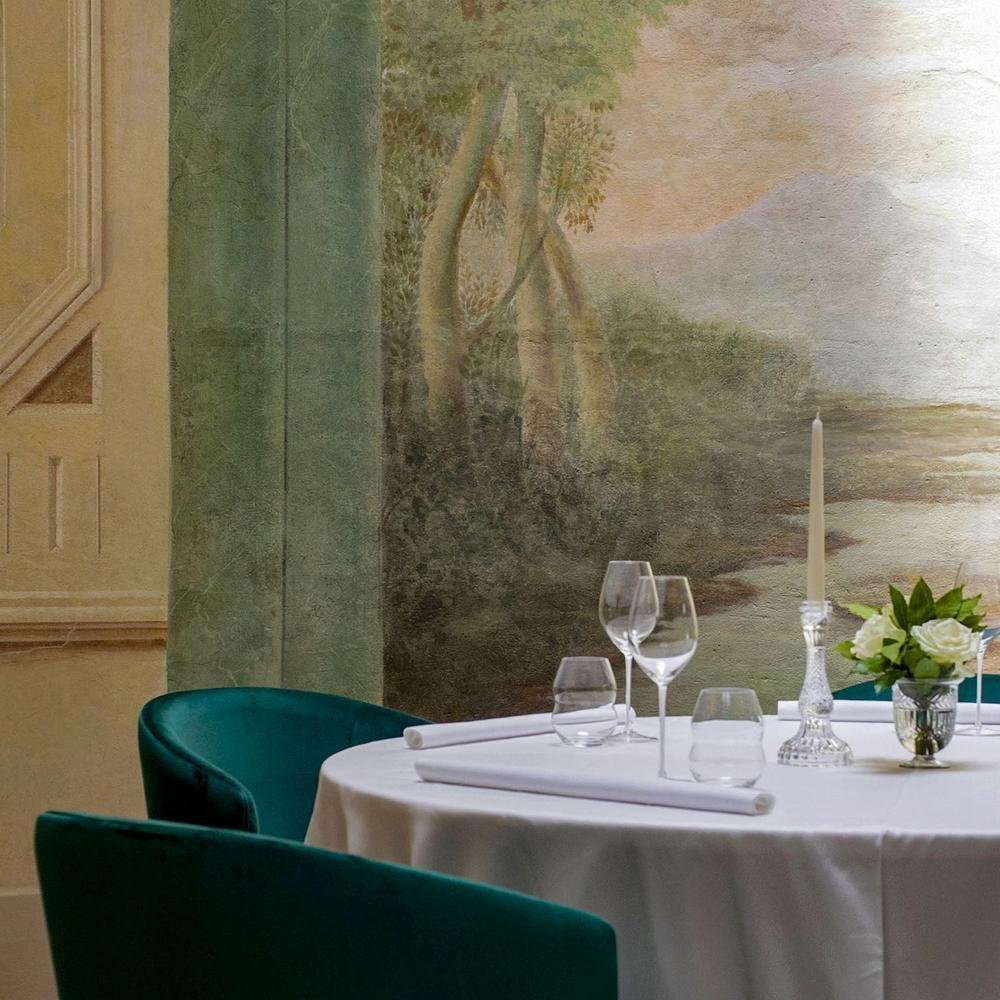
Modern Galician Fine Dining
A Tafona
Santiago de Compostela, Spain
★
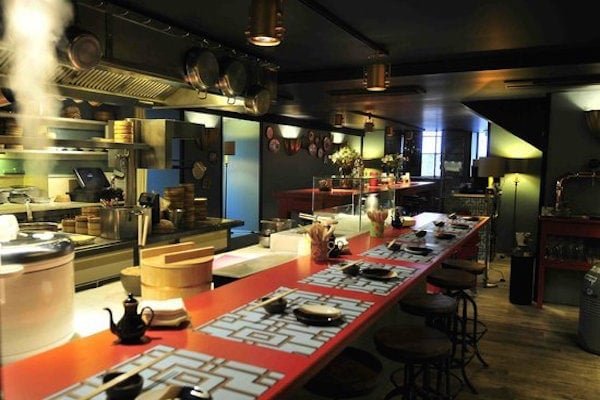
Modern Galician-Japanese Fusion Tasting Menu
Casa Marcelo
Santiago de Compostela, Spain
★
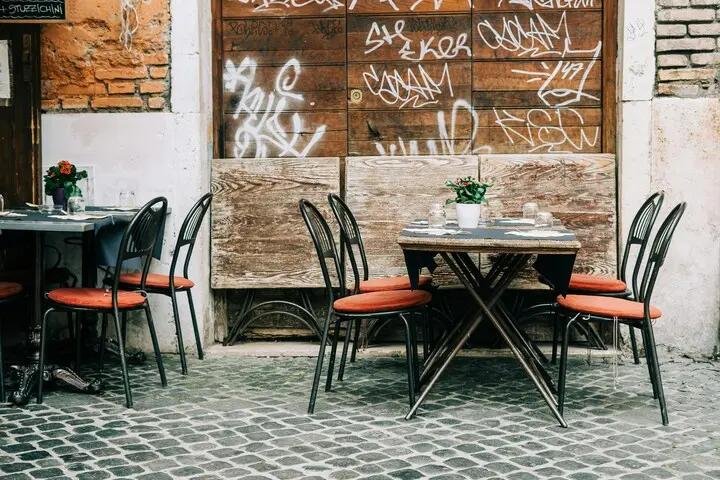
Spanish
Simpar
Santiago de Compostela, Spain
★
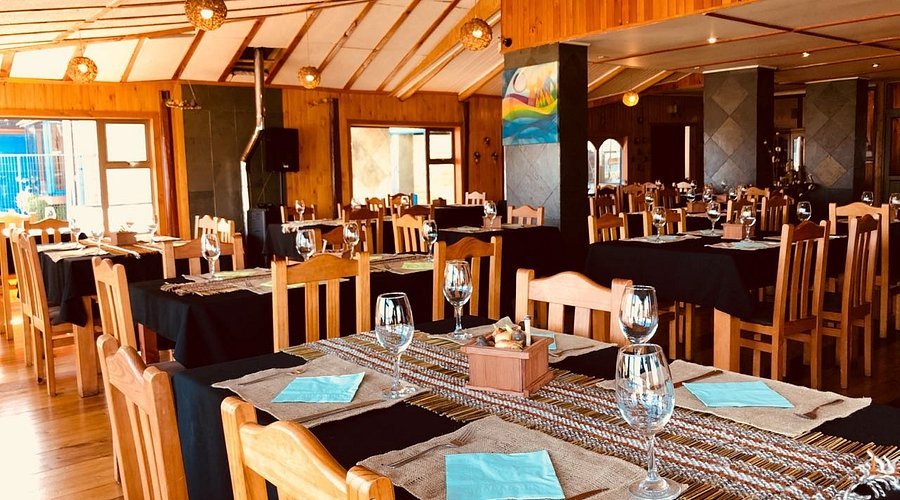
Modern Galician Contemporary
Indómito
Santiago de Compostela, Spain
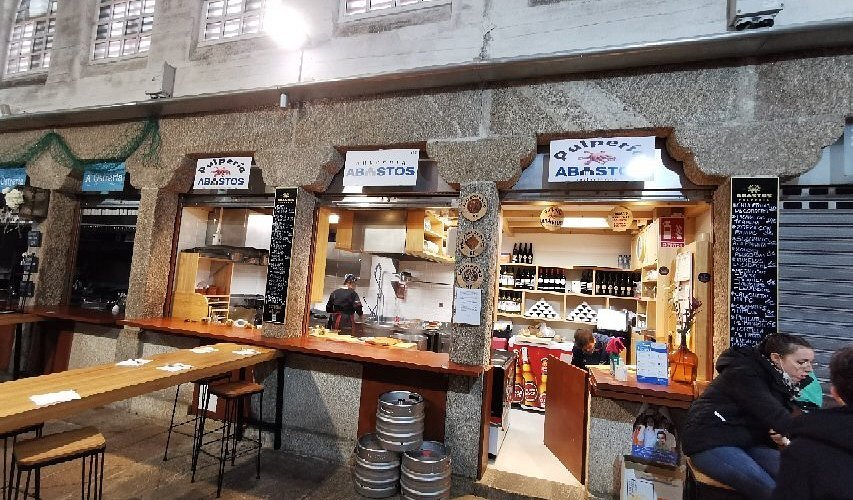
Contemporary Galician Seasonal Cuisine
Anaco
Santiago de Compostela, Spain
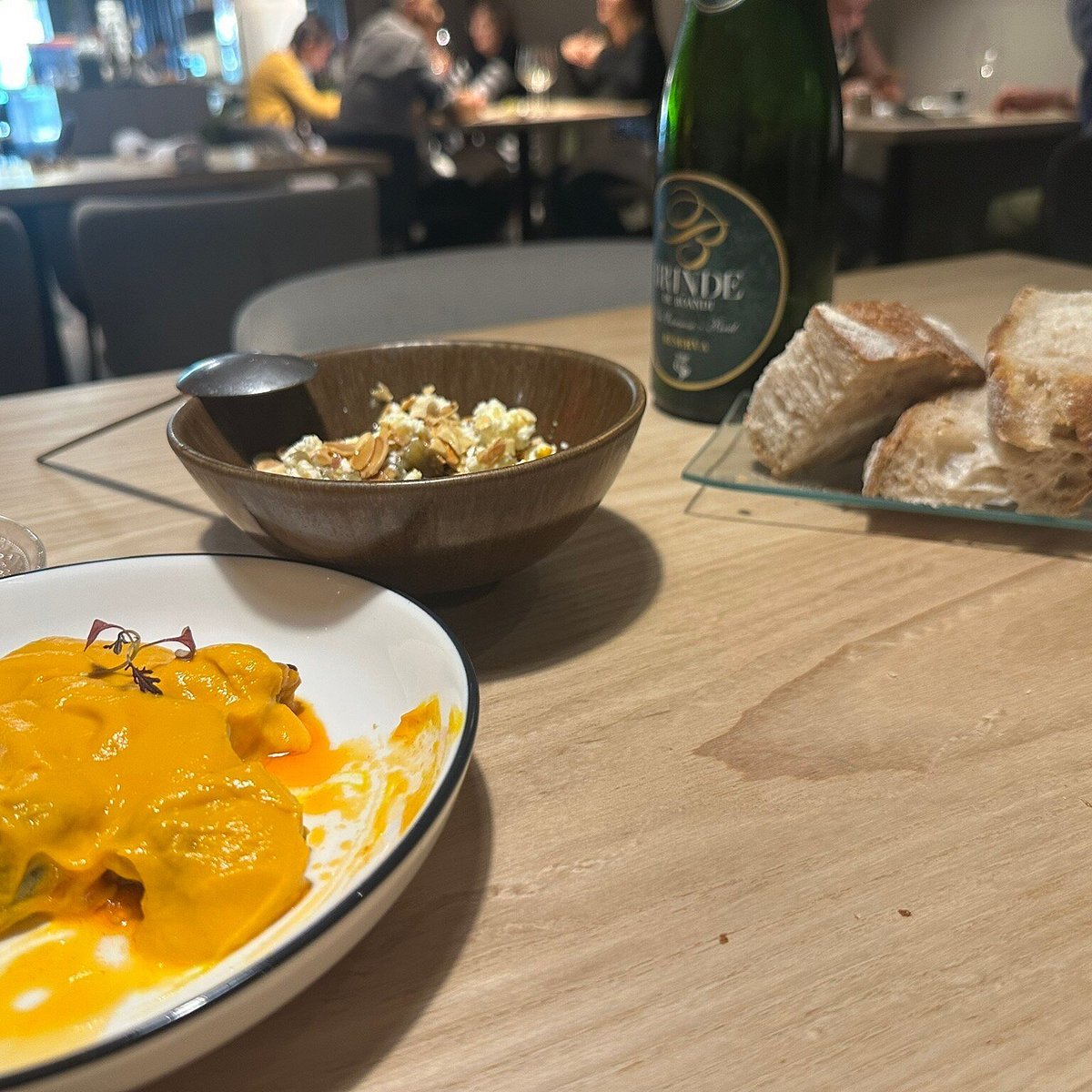
Modern Galician
Con Culler
Santiago de Compostela, Spain