Made ByRestaurant
Rolf & Daughters
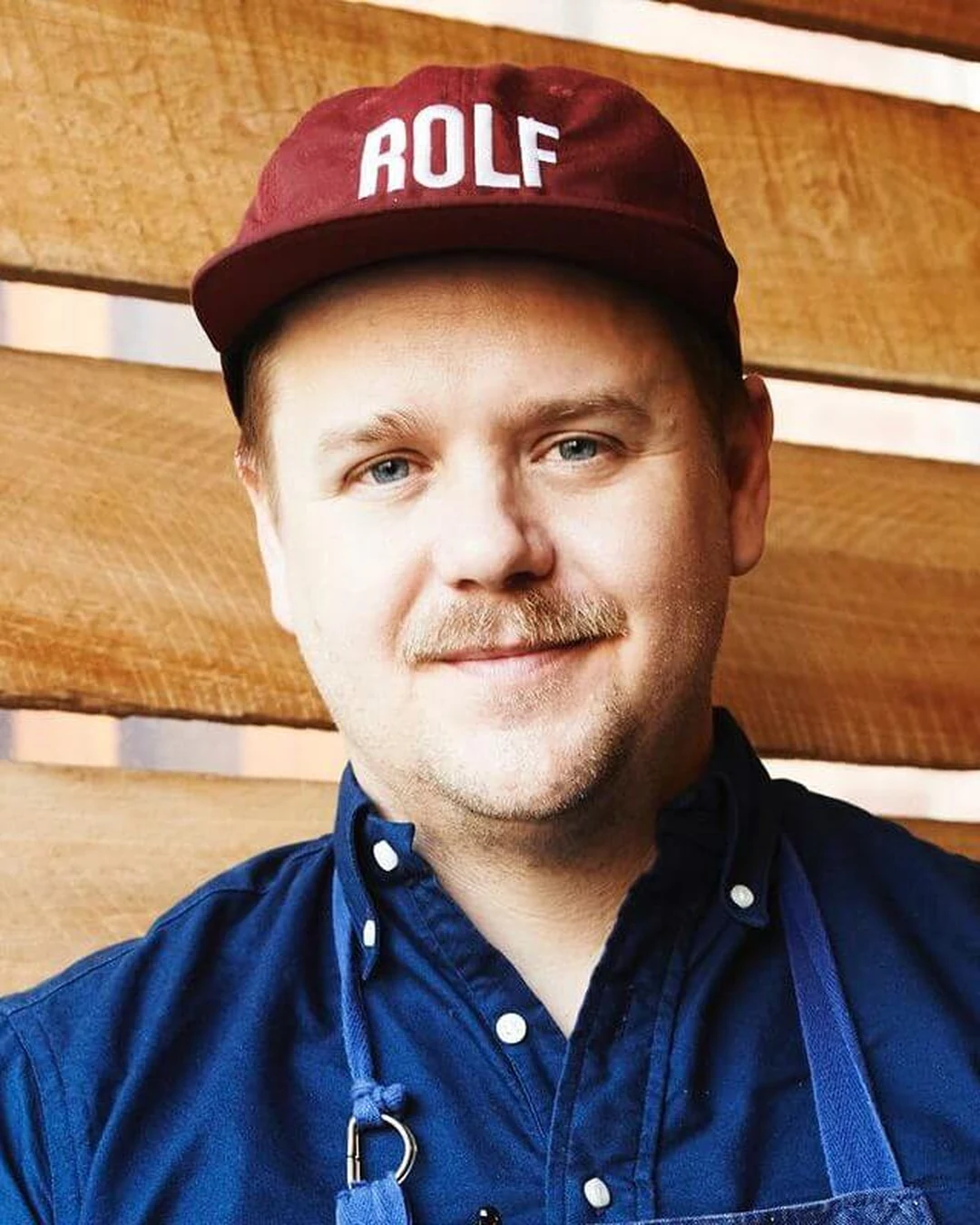
Chef in Residence
Philip Krajeck
Chef
- 01CuisineItalian
- 02CityNashville, United States
- 03RecognitionJames Beard Award
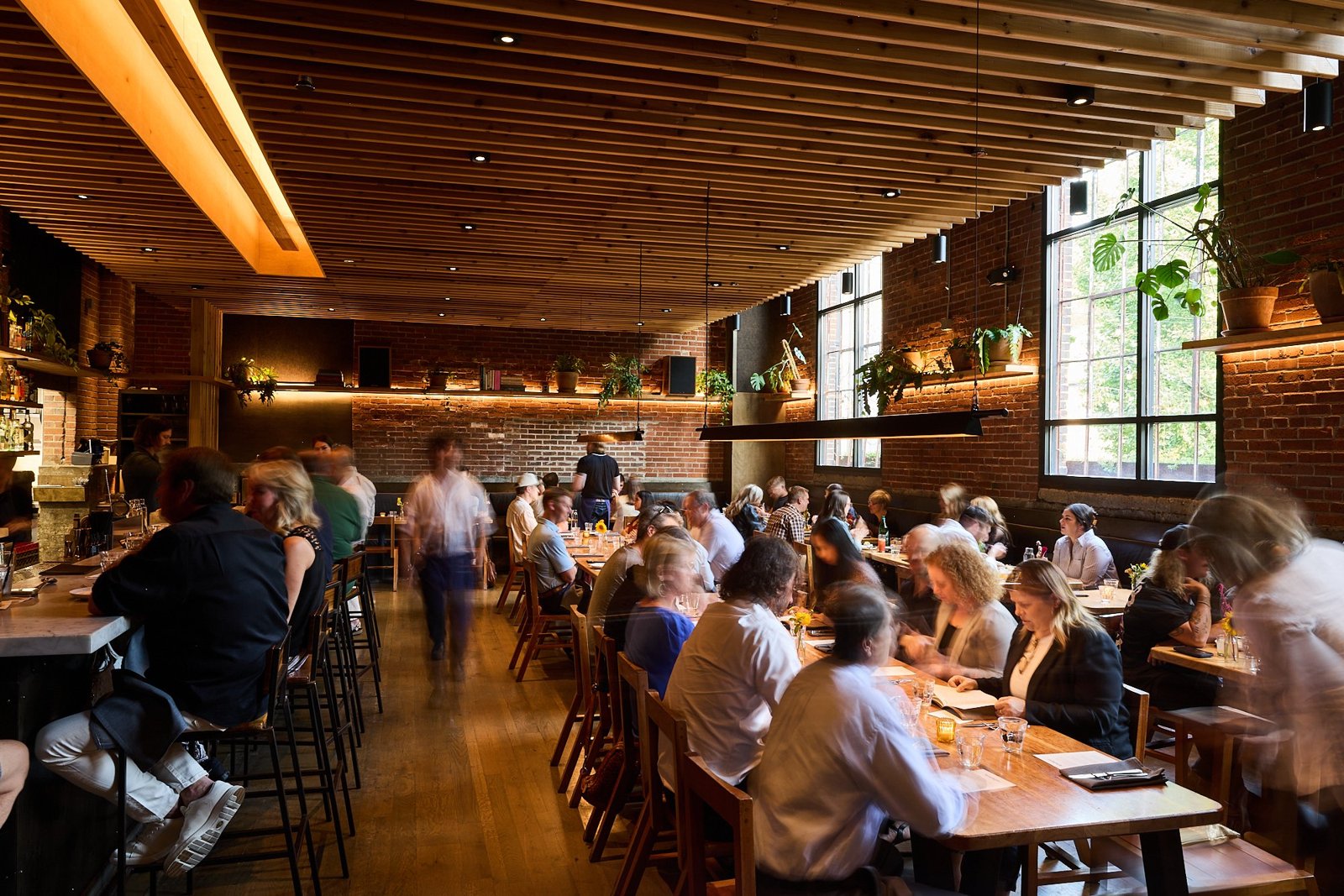
Philip Krajeck, Chef at Rolf & Daughters in Nashville, works Italian-influenced pasta through Tennessee ingredients and long-room restraint.
- James Beard Winner
At a glance
- Cuisine
- Italian
Pasta water, starter scraps, and the long room
Sourdough starter scraps become cecamariti at Rolf & Daughters in Nashville, where Philip Krajeck, Chef, has held the chef and owner station since 2012. The gesture says much about the place: use what the bench gives you, season it with cultured butter and black pepper, and let appetite do the rest. Krajeck has described his cooking here as modern peasant food, a phrase that sits close to the restaurant’s actual method, handmade pastas, seasonal produce, local Tennessee ingredients, and a loose Italian and Mediterranean grammar rather than a fixed exercise in reproduction. His larger work now runs across two rooms, Rolf & Daughters and Folk, opened in 2018, with one restaurant drawn to handmade pasta and the other toward pizza, community, and the durability of a neighborhood table. He speaks about the long view plainly: “We want to be a part of creating restaurants that can exist 20 years from now, or would have made it since 20 years ago. Spaces that hopefully feel timeless.” At Rolf & Daughters, that thought begins at the bench before it reaches the dining room.
A program built from scraps and appetite
The kitchen’s discipline is clearest in the pasta program. Cecamariti made from sourdough starter scraps carries the house’s refusal to treat byproduct as waste; garganelli verde takes heritage pork ragout; ricotta agnolotti folds around English pea, pistachio, and green garlic. The dishes are not presented as museum Italian. They belong to Nashville, to Tennessee producers, and to a cook who has said, “I've been cooking my entire life. And for me, um, it is and always will be about one thing. The ingredients. I obsess about ingredients.” That ingredient attention also shows away from the pasta station, in house-made sourdough with seaweed butter, dry-aged beef tartare with black garlic and sprouted lentils, and pastured chicken with preserved lemon and garlic confit. The wine program follows a related line, favoring small, family-run wineries rather than a cellar arranged only by status.
Brick, pipe, table, pass
The building at 700 Taylor Street was once part of the Werthan Factory, a former boiling house in Germantown, and the room keeps that material memory close. Red brick, exposed piping, wood tables, low light. The industrial shell does not flatten the cooking; it gives the pass a harder edge, a sense that the pasta, the bread, the wine, and the shared plates are moving through a working room rather than a staged one. Communal tables change the tempo of service. Plates land between people, not in front of a single appetite, and that suits a kitchen built on sourdough scraps, ragout, preserved lemon, and cultured butter. Krajeck’s idea of restaurants that could have lasted 20 years before or after their opening is not nostalgic here. It is practical. The room asks the work to endure repeated use.
The address that taught the second room
Rolf & Daughters opened before Folk, and the first room still explains the second: restraint, ingredient attention, and a belief that a restaurant can feed more than hunger. The path between Germantown and East Nashville is not a brand extension in the loud sense; it is a maker testing the same conviction through a different appetite. At Rolf & Daughters, the through-line remains the pasta bench, the wine program, and a table that can hold cecamariti.
Address
Nashville, Tennessee, United States
In residence
Similar places
Italian
Yolan
Nashville, United States
Modern Fusion with Japanese and Irish Influences
Locust
Nashville, United States
★ · 50 Best
Contemporary American Tasting Menu
The Catbird Seat
Nashville, United States
★
Modern American Tasting Menu
Bastion
Nashville, United States
★
Neo-Neapolitan Pizza
Sho Pizza Bar
Nashville, United States
Modern Appalachian Fine Dining
Audrey
Nashville, United States