Rosaliné
- 01CuisinePeruvian
- 02CityLos Angeles, United States
Ceviche, chaufa, and the shared plate
- Opinionated About Dining Casual in North America Recommended · 2026
- Opinionated About Dining Casual in North America Ranked #185 · 2025
- Opinionated About Dining Casual in North America Ranked #177 · 2024
- Opinionated About Dining Gourmet Casual Dining in North America Recommended · 2023
Ceviche before the room fills
Ceviche landed cold, bright, and cut close to the moment it was served. Rosaliné in West Hollywood closed on 1 August 2025, and for eight years before that Chef Ricardo Zarate worked that register on Melrose Avenue, where Peruvian memory, Japanese influence, and California produce met at the pass without losing their edges. He trained at Instituto de las Américas, a foundation that gave shape to a cooking life built on discipline rather than ornament. At this address his role was not to preserve Peruvian cooking as a fixed object. He kept it moving, through Nikkei flavors, street-food references, and dishes meant to be placed in the center of the table. The lineage was familial as much as formal: inheritance handled by the hands, stirred into rice, folded through citrus, carried in heat and acid. The restaurant’s language was communal and family-style, so the chef’s point of view reached the table in rounds rather than solos. A plate arrived, then another. Someone reached first. The meal changed as it was passed.
The Peruvian pass in California light
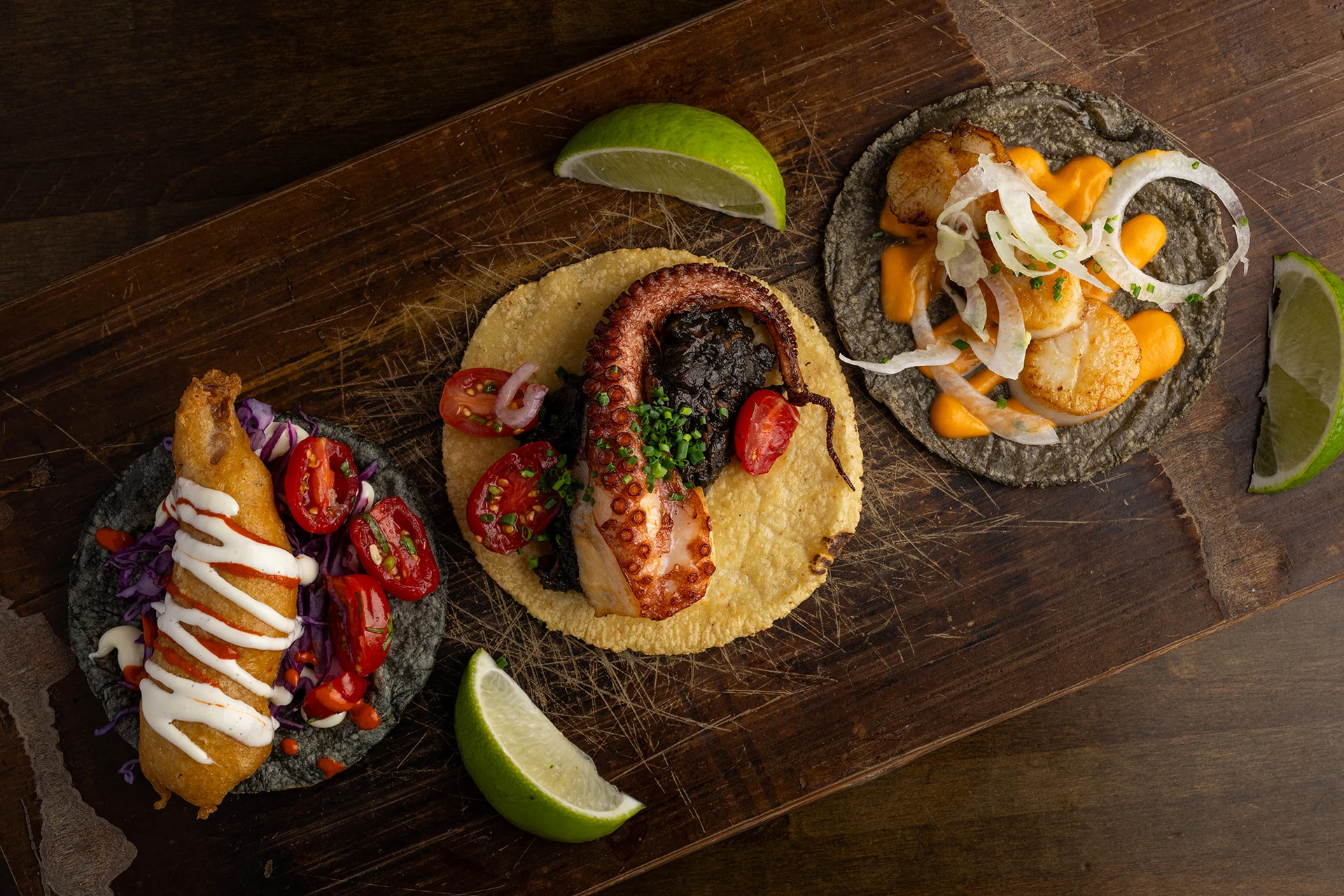
The program at Rosaliné gave its weight to contrast. Kampachi ceviche took aji pepper pesto and lime dressing into the same bite; ceviche crocante set wild halibut against fried baby calamari. The chaufa paella, cooked in the wood-fired style associated with the restaurant, pulled Peruvian fried rice toward pancetta, la chang sausage, bagoong, and prawns. A vegetarian chaufa paella and a seafood chaufa paella kept the same format open to different appetites. Zarate’s signatures made the method legible: Big Eye Tuna Sashimi Ceviche, Arroz Chaufa, Ox Tail Bibimbap, The Fire of Peru. Each one turned on an exchange between cuisines without flattening either side. Lomo saltado kept filet mignon, roasted tomatoes, onions, and a fried egg in conversation with the pan. Corazon anticucho stayed closer to the skewer and the grill. Juane, with chickpeas, hard-boiled eggs, and pork shanks steamed in banana leaves, brought the Amazonian table into the room. Chicharron de paiche did the same through the fryer.
Hanging plants over share plates
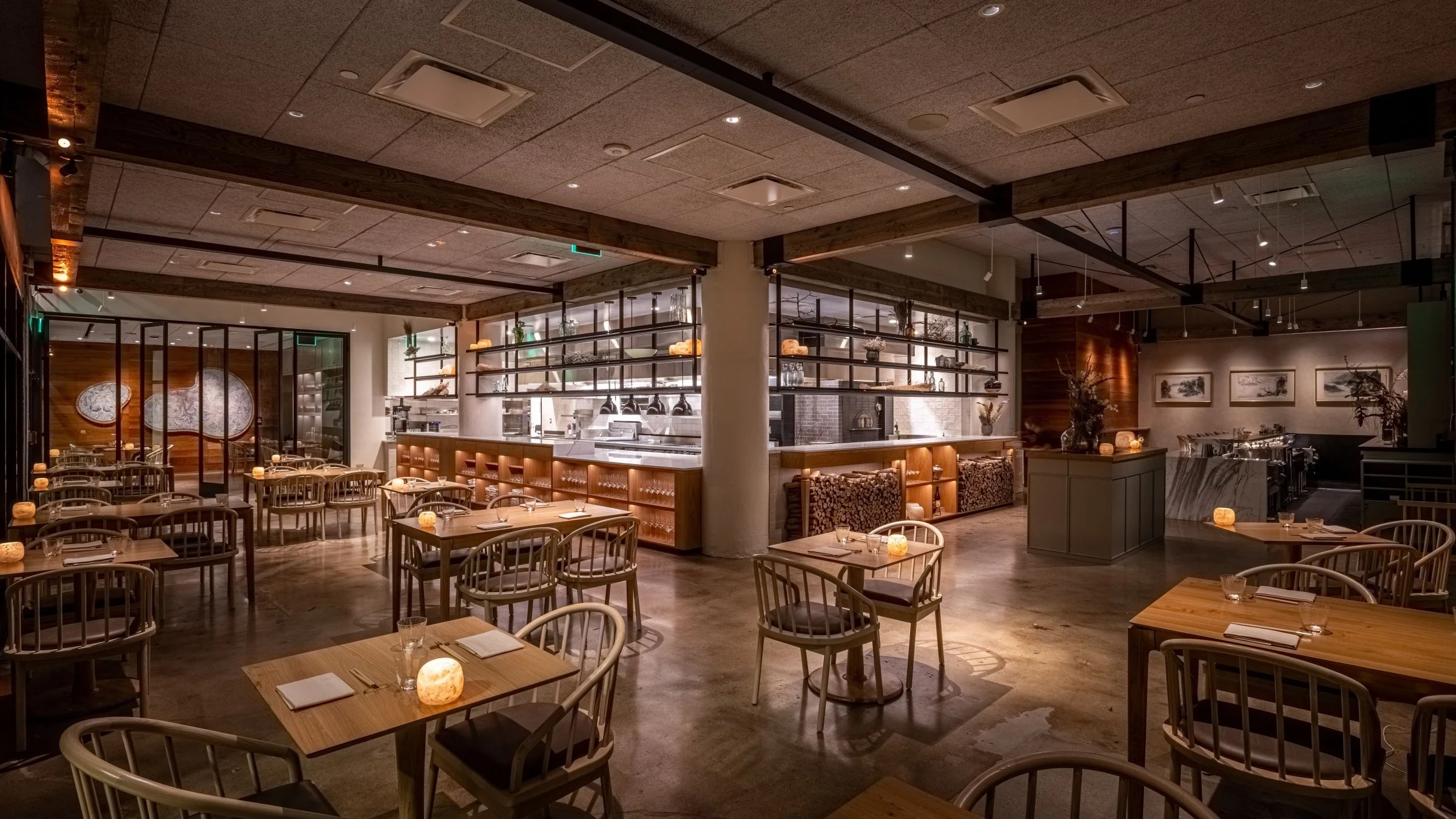
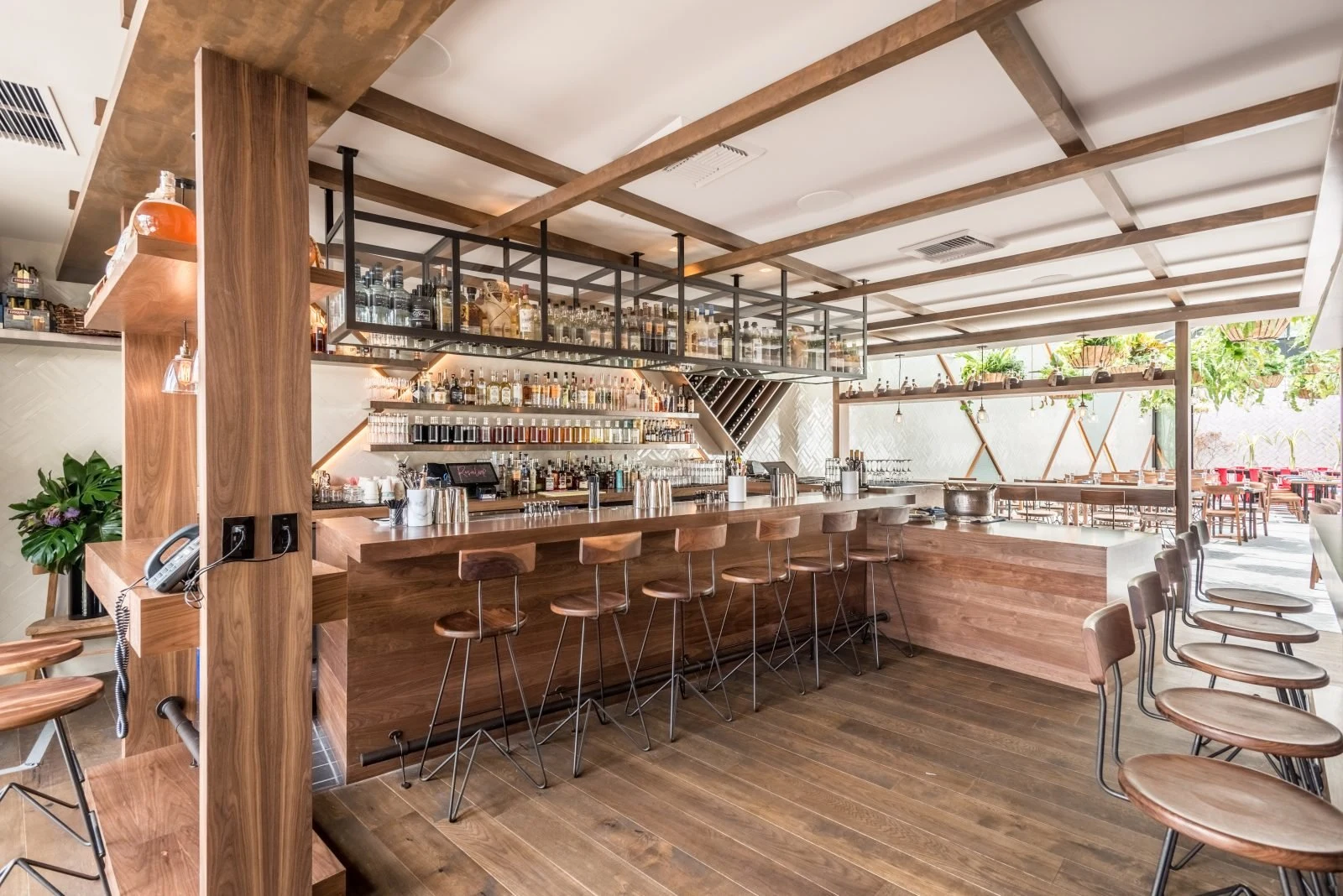
The room on Melrose Avenue was built for passing dishes. White brickwork, hanging plants, and custom share plates gave the dining room its frame, while the indoor-outdoor plan let the evening loosen around the tables. The back of the restaurant carried a garden-like feel, subdued at night, with enough polish to hold the cocktails and enough warmth to keep the meal from becoming staged. This mattered for Zarate’s food because the plates asked for return visits within the same sitting: another spoon of chaufa paella, another cut of ceviche, another pass of branzino or causa. The counter, the room, and the pass all served the same idea. Peruvian cooking here moved through conversation, not ceremony.
Eight years on Melrose Avenue
Rosaliné closed on 1 August 2025, after eight years of service, leaving this room as one chapter in Zarate’s Los Angeles work rather than the whole account of it. The through line stays clear in the dishes that carried the house: citrus, rice, grill smoke, pisco, and the shared plate. The last of them to hold the room was the chaufa paella, on Melrose Avenue.
Questions
Frequently asked
Who cooked at Rosaliné?
Chef Ricardo Zarate cooked at Rosaliné for eight years before it closed on 1 August 2025. The page copy says he worked from a foundation shaped by training at Instituto de las Américas.
What kind of food did Rosaliné serve?
It served Peruvian cooking shaped by Nikkei flavors, street-food references, and California produce. Dishes mentioned in the page copy include ceviche, chaufa paella, lomo saltado, juane, and chicharron de paiche.
What was Rosaliné known for?
Rosaliné was known for Peruvian Nikkei cooking that kept moving between cuisines rather than treating Peruvian food as fixed. The page copy points to dishes such as kampachi ceviche, Big Eye Tuna Sashimi Ceviche, Arroz Chaufa, and The Fire of Peru as examples of that approach.
What was the dining style like?
The restaurant was communal and family-style, with dishes meant to be placed in the center of the table and passed around. The room on Melrose Avenue was set up for that way of eating, with share plates, hanging plants, and an indoor-outdoor plan.
Is Rosaliné still open?
No. Rosaliné in West Hollywood closed on 1 August 2025 after eight years on Melrose Avenue.
The field
How it compares
| Place | Cuisine | Notes | Awards |
|---|---|---|---|
| Rosaliné | Peruvian | Westside, $$$ | · |
| Hayato | Traditional Japanese Kaiseki | Los Angeles | Michelin 2 Stars |
| Holbox | Modern Mexican Seafood | Los Angeles | Michelin 1 Star, World's 50 Best |
| Kato | Modern Taiwanese Fine Dining | Los Angeles | Michelin 2 Stars, World's 50 Best |
| Mélisse | California-French Fine Dining | Los Angeles | Michelin 2 Stars |
| Providence | Modern Seafood Fine Dining | Los Angeles | Michelin 3 Stars, World's 50 Best |
| Somni | Modern Spanish Fine Dining | Los Angeles | Michelin 3 Stars, World's 50 Best |
Similar places
Traditional Japanese Kaiseki
Hayato
Los Angeles, United States
★★
Modern Mexican Seafood
Holbox
Los Angeles, United States
★ · 50 Best
Modern Taiwanese Fine Dining
Kato
Los Angeles, United States
★★ · 50 Best
California-French Fine Dining
Mélisse
Los Angeles, United States
★★
Modern Seafood Fine Dining
Providence
Los Angeles, United States
★★★ · 50 Best
Modern Spanish Fine Dining
Somni
Los Angeles, United States
★★★ · 50 Best