Aszú from first-growth Mád sites
- Falstaff Winery - Listed · 2026
- Pearl 3 Star Prestige · 2025
Since 2017 in the cellar
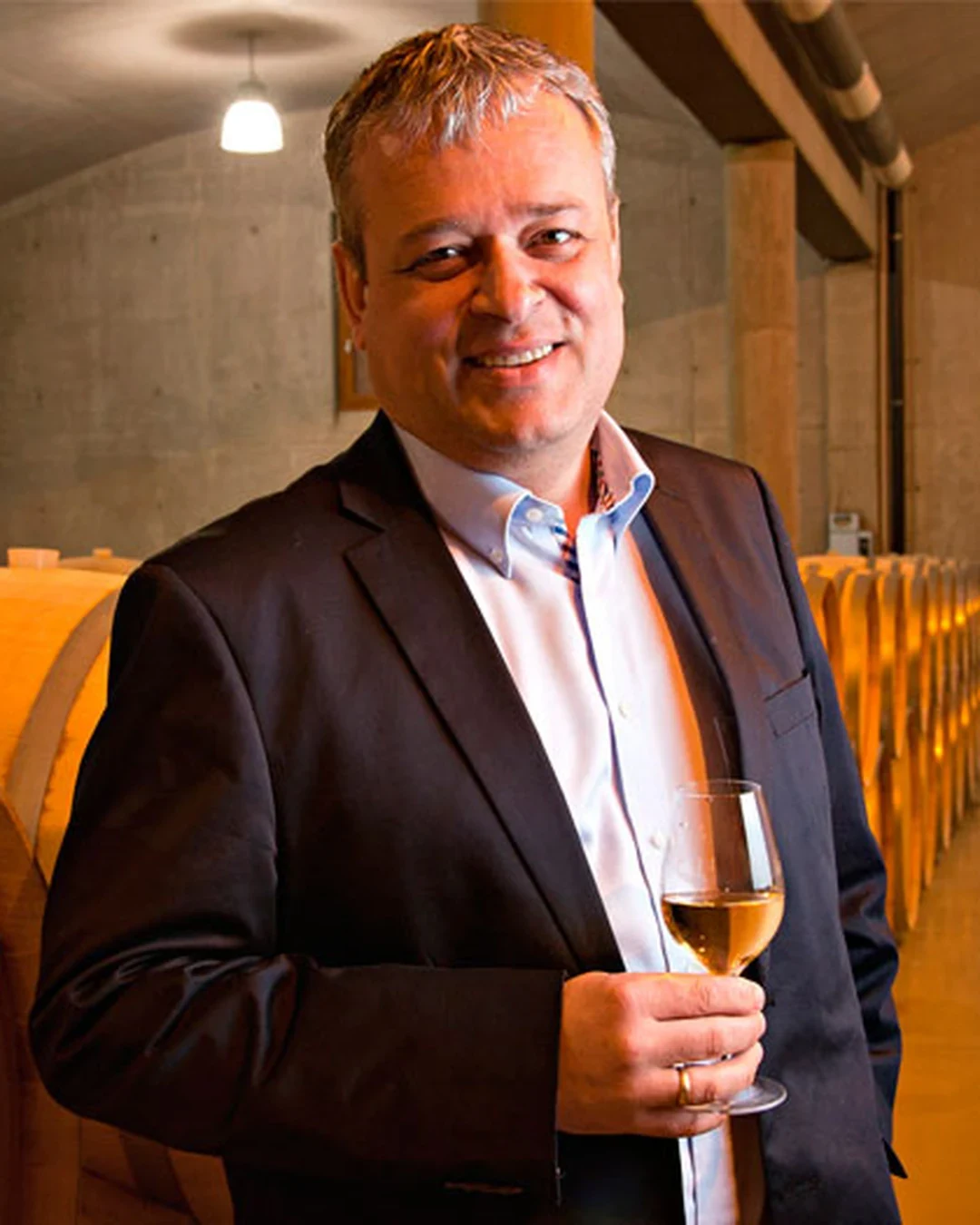
The aszú work begins with a decision about fruit, patience, and the cellar. Zoltán Kovács, Winemaker at Royal Tokaji in Mád, Hungary, works at the point where Tokaj’s old discipline meets a modern estate program. His post as Winery Director has been formal since 2017, after study at Budapest and Bucharest universities, two academic routes that suit a region where sweetness is not softness and timing carries the wine. At Royal Tokaji, his station is not a single bench so much as a chain of judgments: Furmint, Sárgamuskotály, Hárslevelű, and Kabar in the vineyard; botrytis-affected grapes selected for aszú; slow maturation in cellars whose conditions have been part of the local method for generations. The house works from Mád, in the Tokaj appellation, with a small estate of 107ha and a focus on premium first-growth sites. That scale gives the work a particular tension. It is large enough to carry a house style, small enough that vineyard character still has room to speak.
First-growth fruit and aszú patience
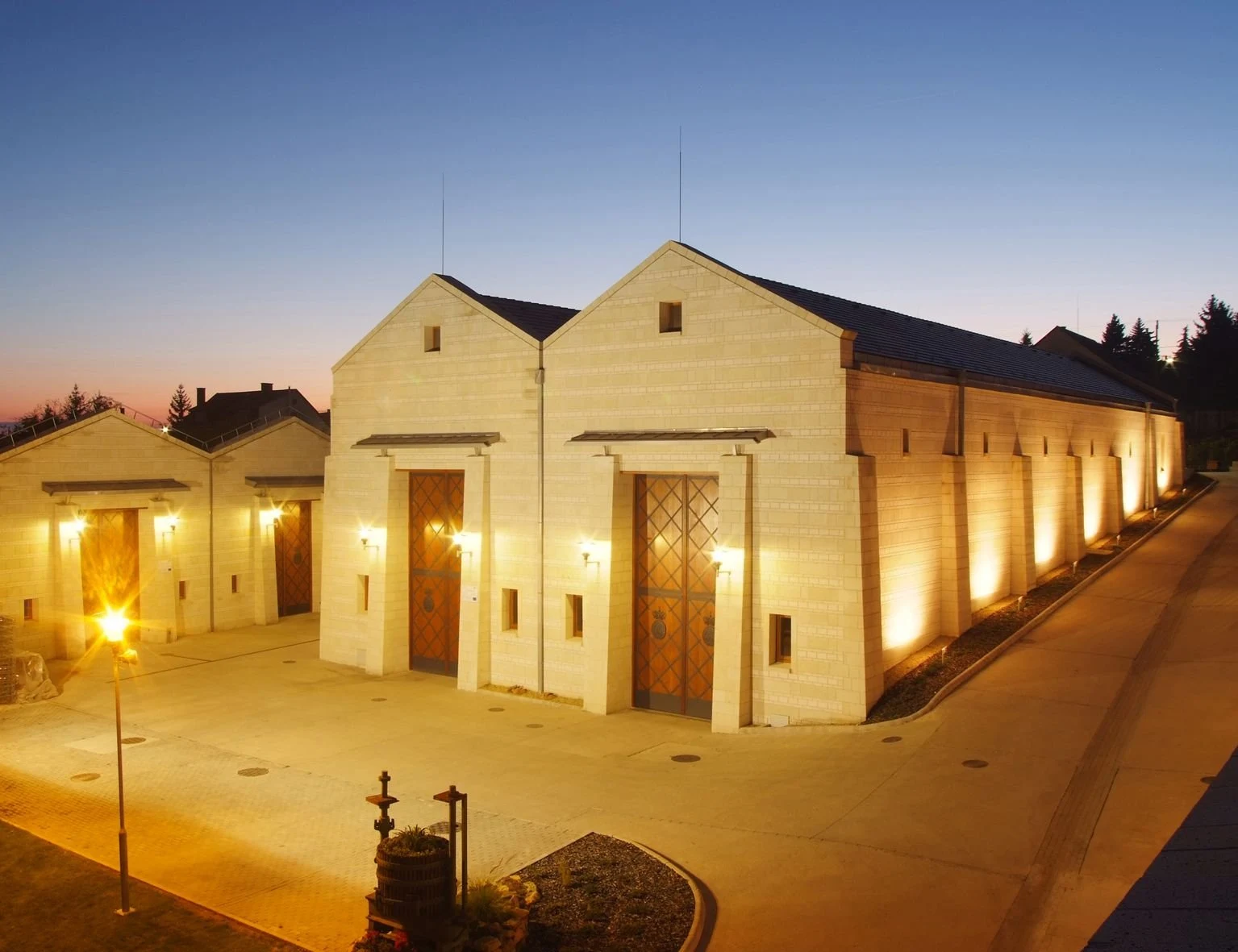
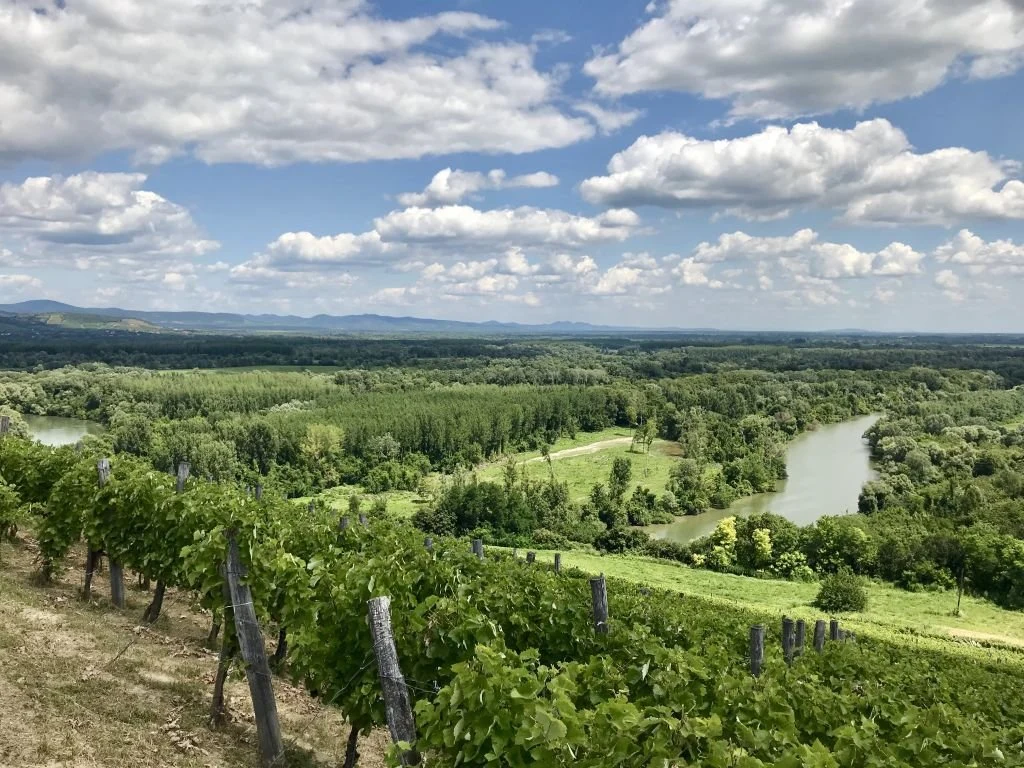
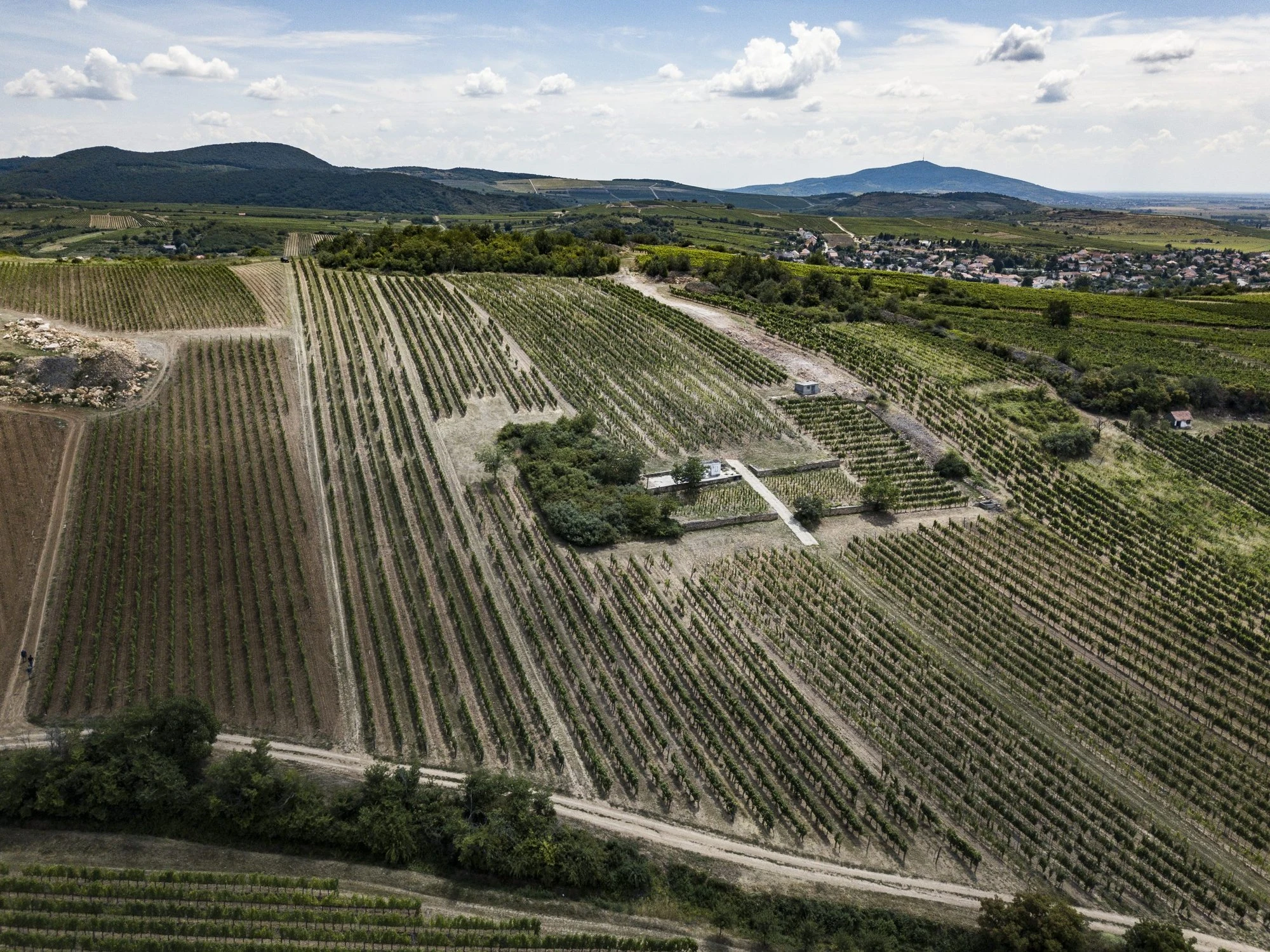
Royal Tokaji’s defining craft is the revival of historic Tokaji aszú from classified first-growth vineyards around Mád. The method depends on botrytis, concentration, and restraint; the sweetness has to keep its line through acidity, variety, and time. Kovács’s named sphere at the estate includes Essencia, Tokaji Aszú, Dry Tokaji, Royal Tokaji Mézes Mály, and Royal Tokaji Hárslevelű, a range that moves from the deepest cellar work to drier expressions of the same landscape. The volcanic hillside vineyards give the wines their frame, while the underground medieval cellars provide the cool, damp environment for slow maturation. In that setting, modern equipment does not replace the old sequence. It sharpens the decisions around it. The winery’s facilities are current, yet the essential grammar remains Tokaji: classified sites, affected berries, measured extraction, and the long passage from harvest to bottle.
The Sunday letter
Find new places through the people who run them.
Our Sunday email brings you the chefs, winemakers and hoteliers behind our newest stories. See a sample before you subscribe.
See a sample of the Sunday emailOne email a week. Unsubscribe from any issue.
Mád below ground
The room changes once the work moves underground. The cellars are medieval, dark, damp, and marked by the mold that belongs to Tokaj’s slow wine culture. Noise drops away. Barrels and walls hold the temperature in their own register, and the place asks for a different pace from the hillside above it. Royal Tokaji’s modern winery sits beside that older inheritance rather than pretending the inheritance is decorative. The tasting room may present the wines cleanly, through single-vineyard and aszú tastings, but the cellar is where the house’s character becomes physical: volcanic fruit, patient élevage, and the quiet pressure of wines meant to age.
The bottles that carry the house
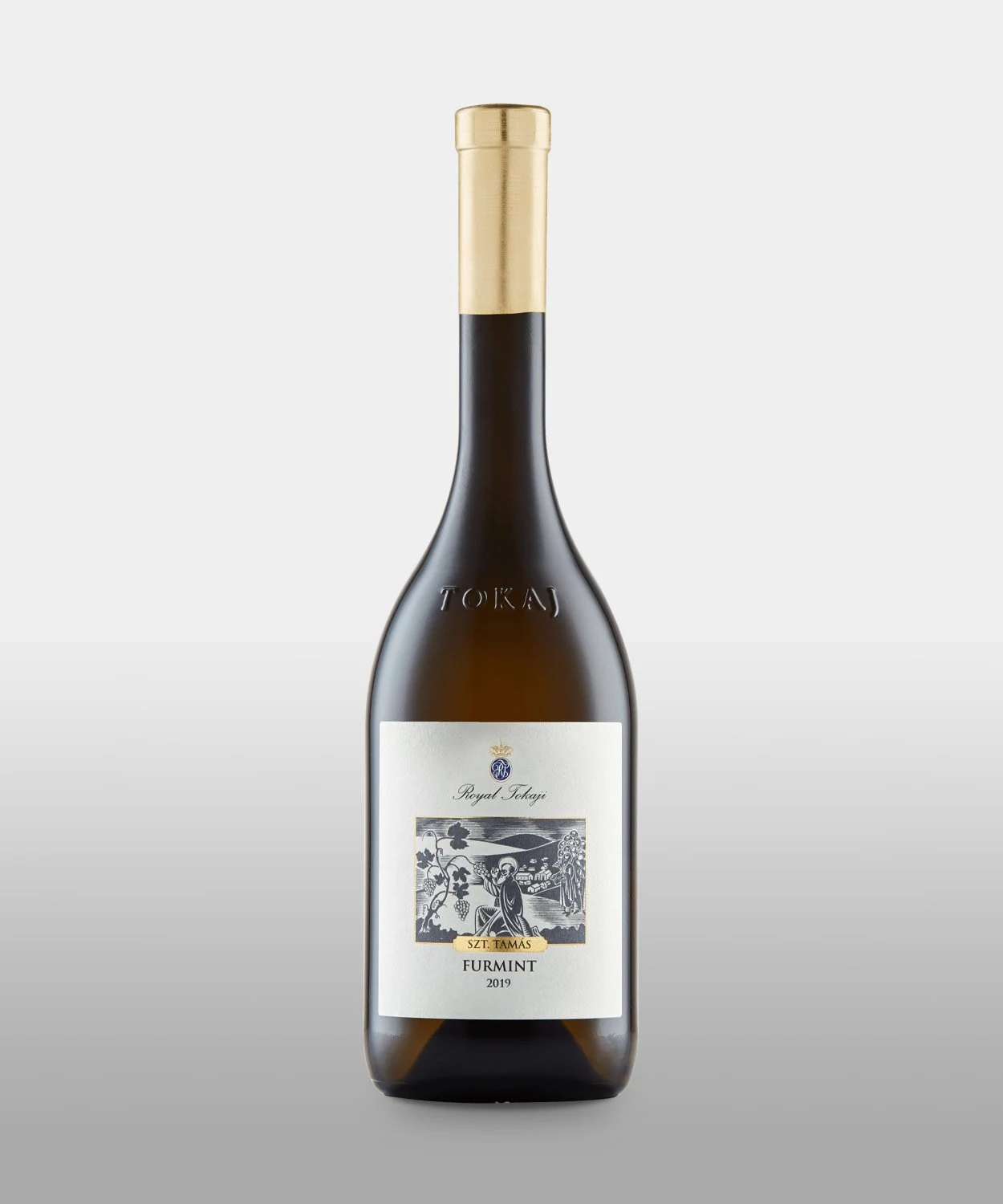
For Kovács, the clearest public marker remains his appointment as Winery Director in 2017, and the clearest working inventory is the set of wines attached to his role. They are not labels gathered for breadth; they are the house’s grammar under his oversight. Essencia and Tokaji Aszú hold the older gravity of Royal Tokaji, while Dry Tokaji, Mézes Mály, and Hárslevelű keep the same Mád vineyards in daily conversation with the present cellar.
Questions
Frequently asked
Who leads the winemaking at Royal Tokaji?
Zoltán Kovács is the Winemaker and Winery Director at Royal Tokaji in Mád. His formal role as Winery Director has been in place since 2017.
What is Royal Tokaji known for?
The house is known for its revival of historic Tokaji aszú from classified first-growth vineyards around Mád. Its work also includes Essencia, Tokaji Aszú, Dry Tokaji, Royal Tokaji Mézes Mály, and Royal Tokaji Hárslevelű.
What kind of place is it to visit?
Royal Tokaji works from Mád in the Tokaj appellation and combines a modern winery with medieval underground cellars. Tastings can be single-vineyard or aszú focused, and the cellar work remains central to the house style.
How should visits be arranged?
Visits are appointment only. The venue also notes a smart casual dress code and on-site parking.
The field
How it compares
| Place | Notes | Awards |
|---|---|---|
| Royal Tokaji | Mád, $$$ | · |
| Barta Pince | Mád | · |
| Holdvölgy | Mád | · |
| Juliet Victor Vineyards | Mád | · |
| Szent Tamás Winery | Mád | · |
| Szepsy | Mád | World's 50 Best |
| Zsirai Winery | Mád | · |
In residence
Similar places
The Sunday letter
Get the next Made By story in your inbox.
We send one email every Sunday morning with the places and people we covered that week.
See a sample of the Sunday emailOne email a week. Unsubscribe from any issue.