Made ByRestaurant
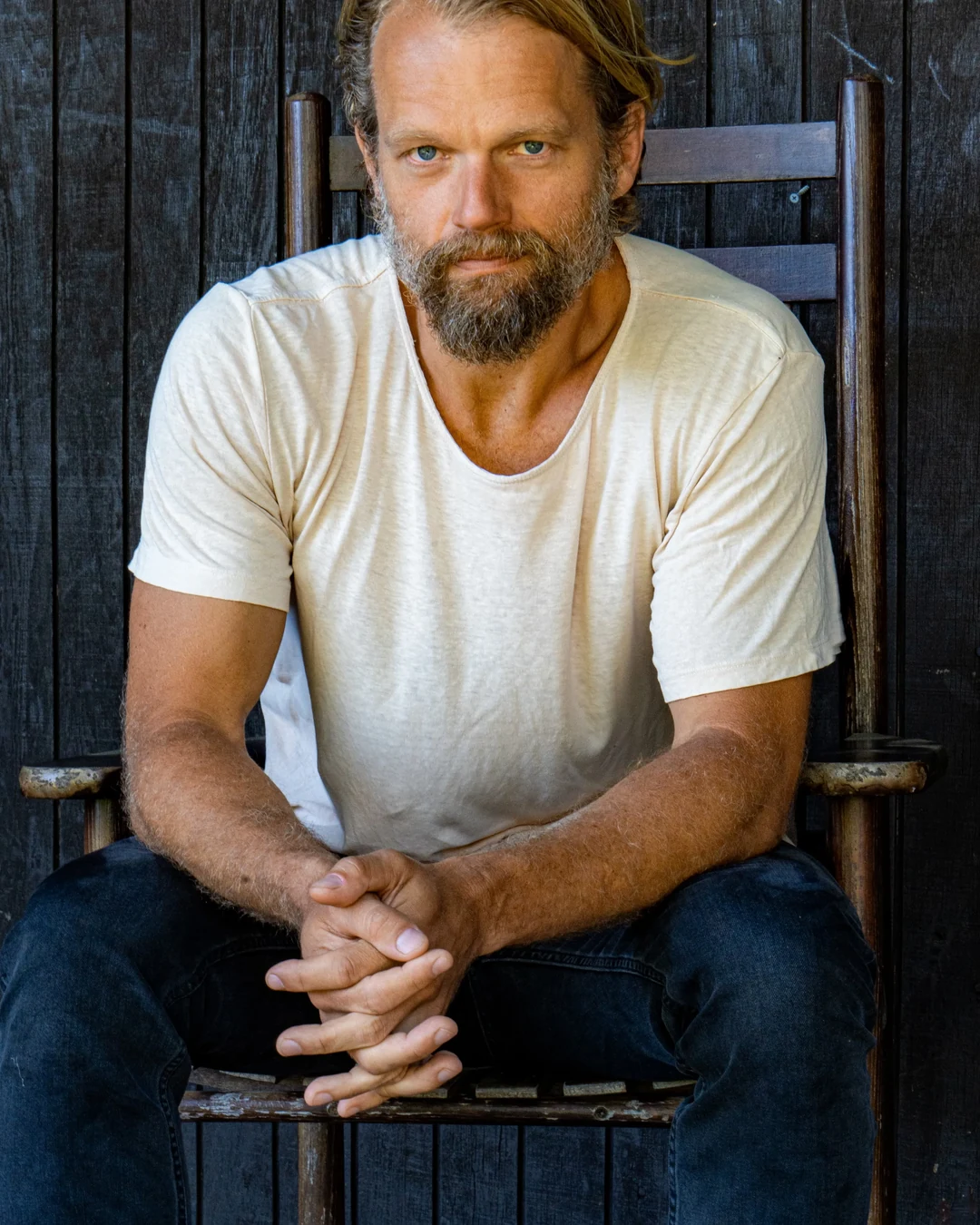
Travis Lett cooks as chef at RVR Venice Beach in Venice, shaping a Japanese-California izakaya through charcoal, noodles, and vegetables.
At a glance
- Cuisine
- Izakaya
A chef keeping dinner in motion
Travis Lett starts with the table already moving, chef at RVR Venice Beach in Venice, where plates arrive as grazing rather than ceremony. The work follows a line he has held for years: confidence at the pass, restraint in the hand, no wish to make the guest perform. At Gjelina, where he was founding chef from 2008-2019, that discipline became legible through a kitchen that could feel relaxed without giving up standards. Since 2024, as cofounder of Sonnyboy Hospitality, Lett has kept that same operating language close to the food, not as polish added at the end, but as a way to decide how a room should move.
RVR Venice Beach gives that thinking an izakaya frame. It follows the same format as MTN, Lett’s earlier Japanese-California project, but the room at 1305 Abbot Kinney Blvd has its own tempo: small plates, ramen, yakitori, hand rolls, sashimi, pickles, vegetables, noodles, charcoal. Lett has spoken about wanting dinner to feel less formulaic, with a drink in hand and plates beginning before the table settles into a fixed sequence. That is not informality as an excuse. It is sequencing as craft.
Binchotan, noodles, and the vegetable bench
The program works through Japanese technique and California produce, with the vegetable section carrying unusual weight. Baby bok choy comes with sesame tonnato; cauliflower, mushrooms, and pickles sit beside clam ramen, grilled duck tsukune, pork rib gyoza, crispy chicken thigh karaage with chili honey, Santa Barbara uni hand roll, and tonkatsu cut from pork collar. The breadth matters because it shifts the izakaya away from meat as the only center of gravity. Vegetables take time at the bench rather than appearing as relief between larger plates.
The binchotan charcoal grill gives the yakitori its own station, one that rewards patience rather than speed. Ramen depends on house-made noodles, a decision that keeps the bowl tied to the kitchen rather than to supply. Hand rolls move quickly, but they still ask for rice, nori, fish, and timing to meet at the counter without delay. The method is not hidden. It sits in the sequence: pickled, grilled, folded, simmered, cut, passed across before the room has time to stiffen.
Vinyl behind the bar, smoke from the pass
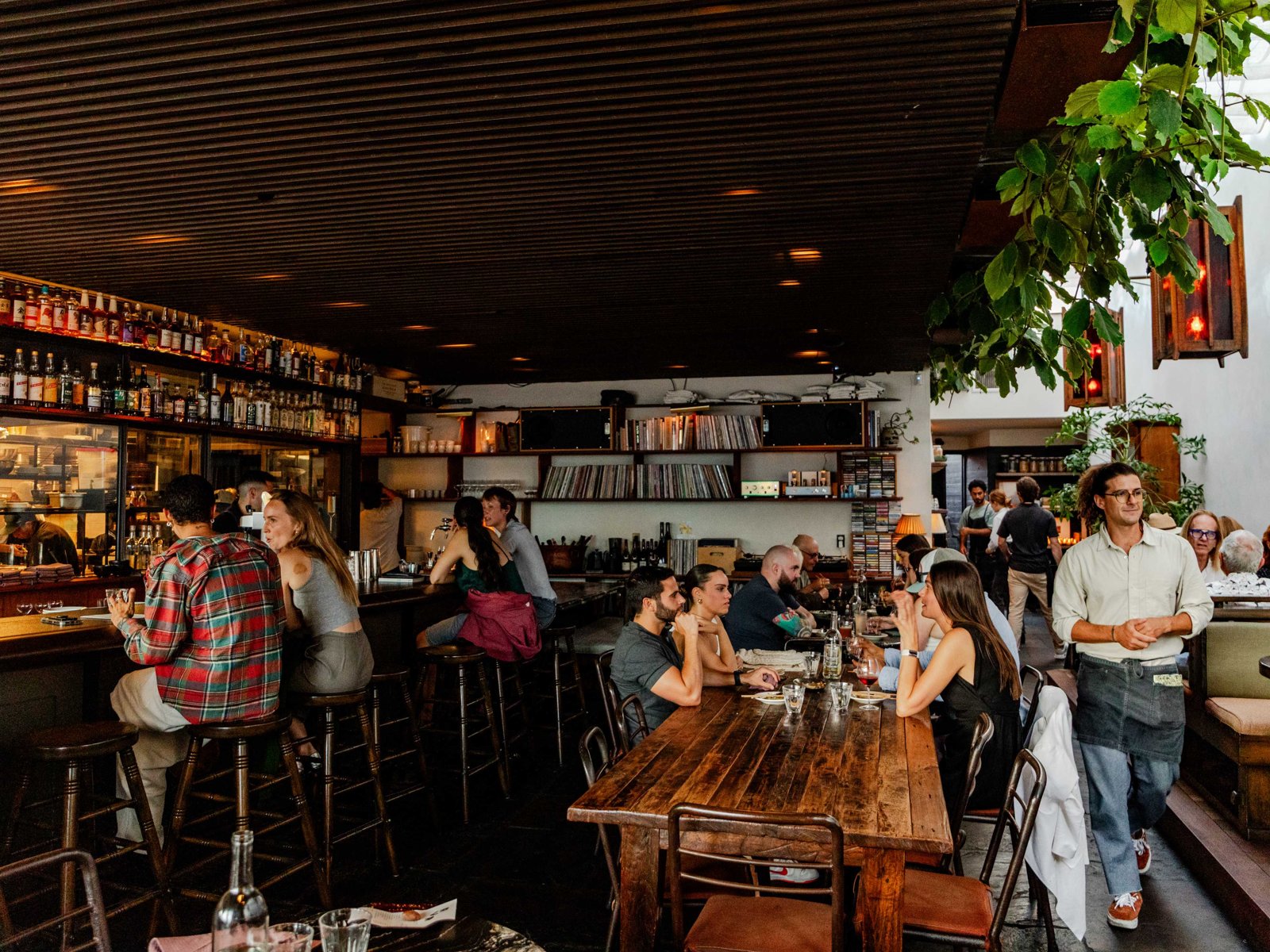
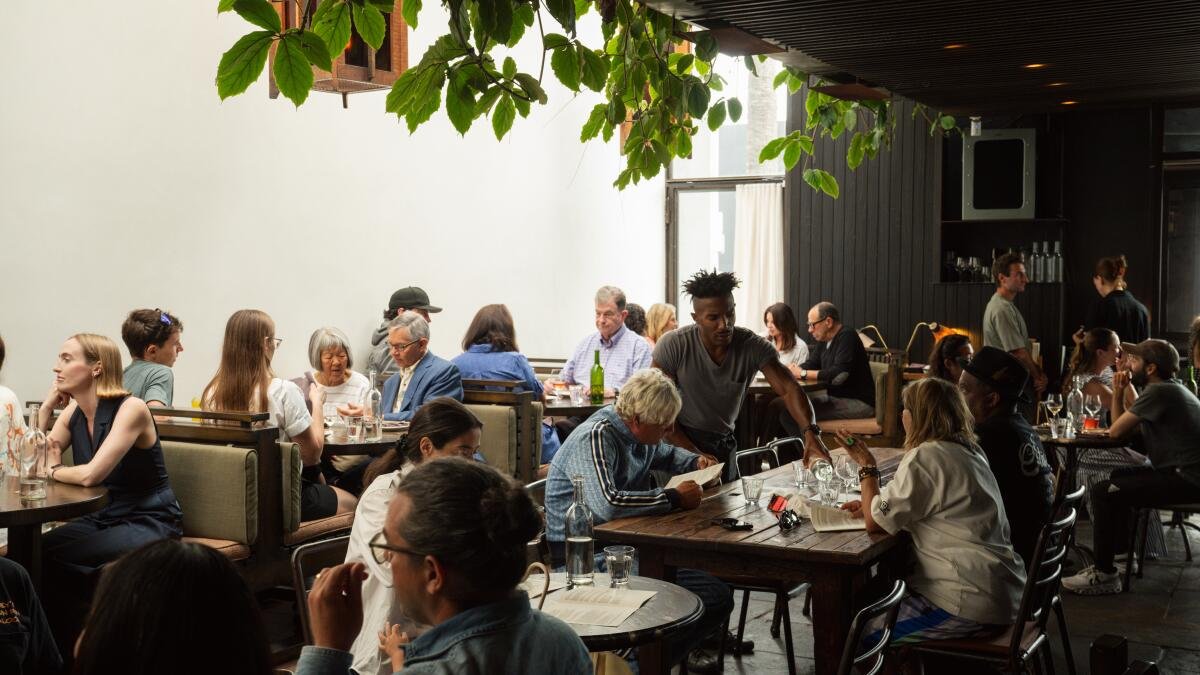
The room is dark wood, dim light, counter seats, booths, a long communal table, and an open kitchen that lets the pass stay in view. Behind the bar, stacks of vinyl give the house its listening-bar character; a DJ plays records at night, and the sound becomes part of the service rather than background decoration. The energy can rise quickly, especially when the room fills, but the material palette keeps it close: wood, charcoal, glass, steam, the low flash of the grill.
There is also an upstairs patio, quieter than the main room, though the craft reads most clearly where the counter, the bar, and the kitchen share the same air. A hand roll leaves the station, a skewer comes off binchotan, and a bowl of clam ramen follows when the noodles are ready. Lett’s next move here is not a grand reveal; it is the continued adjustment of sequence, sound, and fire around RVR’s vegetable menu.
Address
1305 Abbot Kinney Blvd, Venice, CA 90291
In residence
Similar places
Modern California Izakaya
RVR
Venice, United States
Japanese-influenced Californian Kaiseki
Single Thread Farm
Healdsburg, United States
★★★ · 50 Best
French Seafood Fine Dining
Le Bernardin
New York City, United States
★★★ · 50 Best
Modern Korean Tasting Menu
Atomix
New York City, United States
★★ · 50 Best
French
Sézanne
Tokyo, Japan
★★★ · 50 Best
Modern Seafood Fine Dining
Providence
Los Angeles, United States
★★★ · 50 Best