Made ByRestaurant
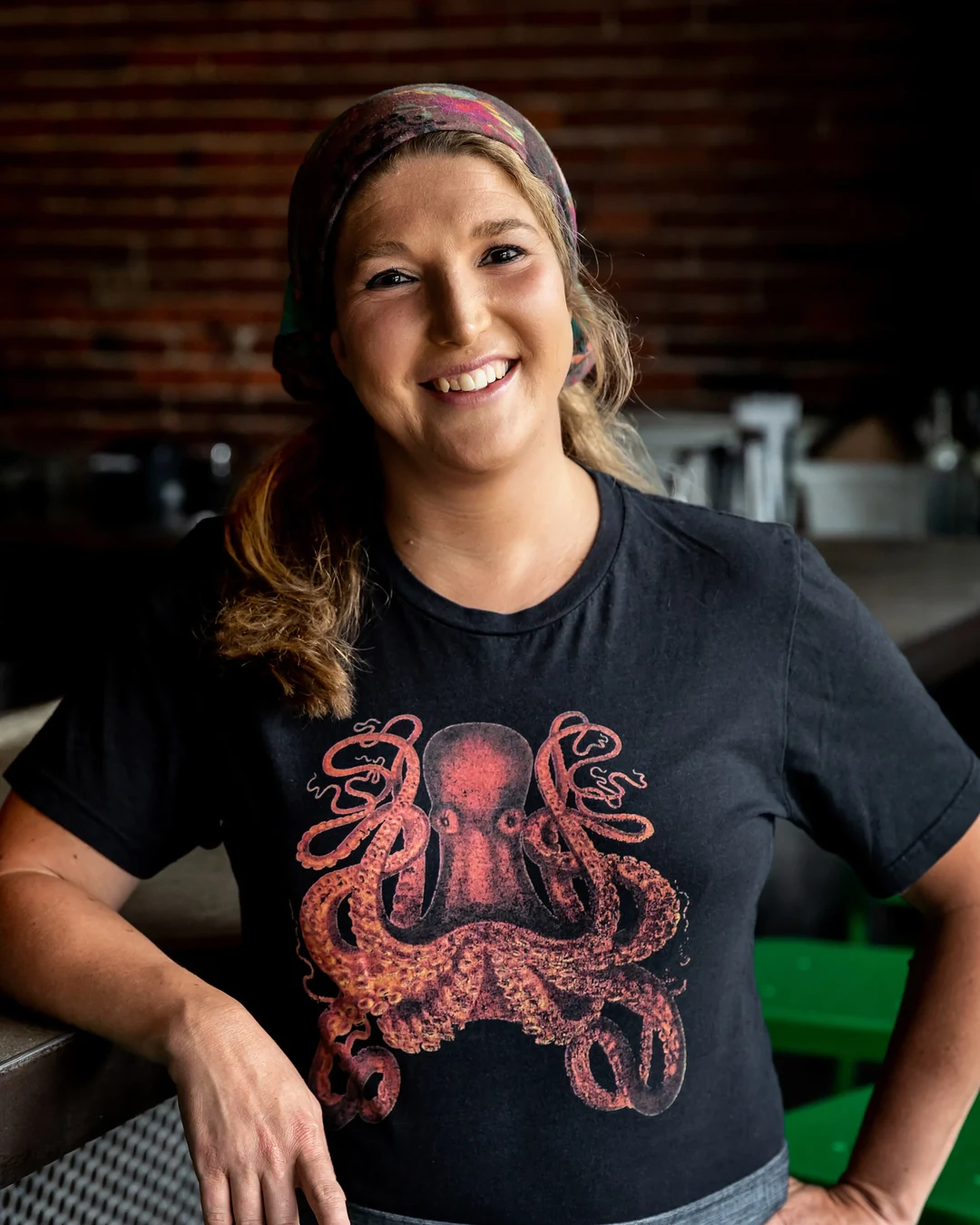
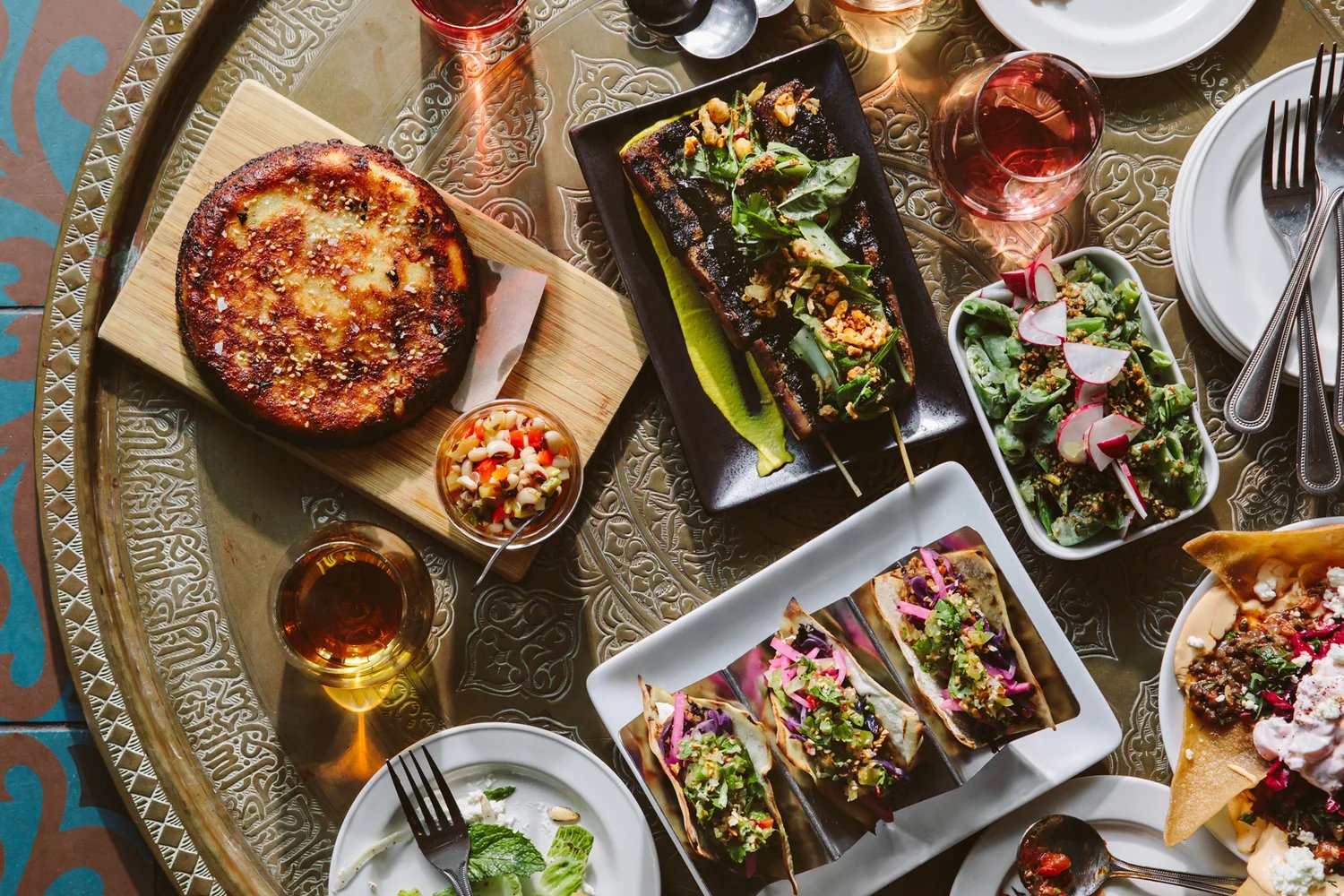
Cassie Piuma cooks as chef and owner at Sarma in Somerville, shaping meze through Eastern Mediterranean flavor and a seasoned pass.
- James Beard Winner
Meze from the same Somerville pass
The small plates leave the pass in waves, not as a procession. Cassie Piuma, chef and owner at Sarma in Somerville, works from that rhythm, building a table through meze rather than a single plated argument. She studied culinary arts at Johnson & Wales University, then put time on the tools at Top of the Hub, Al Forno in Providence, Sel de la Terre in Boston, The Butcher Shop in Boston, and Oleana in Cambridge, where she later held the head chef station. At Sarma, where she has been chef and restaurateur since 2013, that path narrows into a room built for shared plates, spice, heat, herbs, and return trips to the table.
Piuma describes the cooking through the small plates of the Eastern Mediterranean, with new flavor combinations brought into the method rather than laid over it. The discipline is not about preserving a fixed museum of dishes. It is about knowing where a dish begins, then letting travel, season, and appetite move it without breaking its frame. Her crab and red lentil kibbeh is the clearest statement of that: coconut, curry, and lime leaves folded into a Levantine form, a dish rooted enough to carry another geography.
A meyhane idea, worked plate by plate
Sarma takes its shape from the meyhane, the neighborhood restaurants of Istanbul where the table gathers itself through many small decisions. The program leans into meze, warm bread, vegetables cut for brightness and depth, and meat dishes that arrive with enough acid, smoke, herb, or chile to keep the next bite awake. The menu changes with the season, and the cooking draws across Turkish, Greek, Middle Eastern, Mediterranean, and occasional farther-reaching ingredients without making the room feel unfixed.
Some dishes have become part of the house vocabulary: Brussels Sprouts Bravas, Seven Layer Hummus, Lamb Köfte Sliders, Pork Belly Biscuits, Brisket Shawarma, Cauliflower Katayif, Beet Gnocchi. The details matter because the plates are small. A sauce has less room to recover. A pickle can reset the table. A nut, a leaf, a spoon of yogurt, or a warm piece of gyro bread can decide the pace of the meal. Specials also move through the room in a dim-sum style pass, giving the service its own small act of persuasion.
The room keeps pace with the kitchen
The room at Sarma carries color, closeness, and noise without losing the bench-side feeling of food being made nearby. Mosaic lamps, painted plates, brick, banquettes, and a poured-concrete bar give the dining room its texture, but the stronger signal comes from motion: servers crossing with off-menu plates, tables negotiating what to share next, the bar working through a cocktail program that can take ras el hanout, Greek-style brine, feta, or baharat seriously.
The 20-seat bar is part of that rhythm, not a waiting area in disguise. It holds the same appetite for spice and fermentation that runs through the kitchen, with wine, beer, and cocktails beside the food rather than behind it. The room can feel tight when it is full. That suits the method. Meze wants reach, interruption, and passing hands.
Recognition without leaving the station
Piuma has been recognized by the James Beard Foundation, including nominations for Best Chef: Northeast in 2015, 2016, 2017, 2019, and 2020, but the useful fact is that Sarma still returns to the same form each night: many plates, a seasoned pass, and a table that has to stay alive from first bread to last sauce. The house holds one current award count, but the craft here is easier to read in repetition than in tally. At Sarma, the last word can rest with Brussels Sprouts Bravas.
In residence
Similar places
Neapolitan Pizza & Handmade Pasta
Posto
Somerville, United States
Japanese-influenced Californian Kaiseki
Single Thread Farm
Healdsburg, United States
★★★ · 50 Best
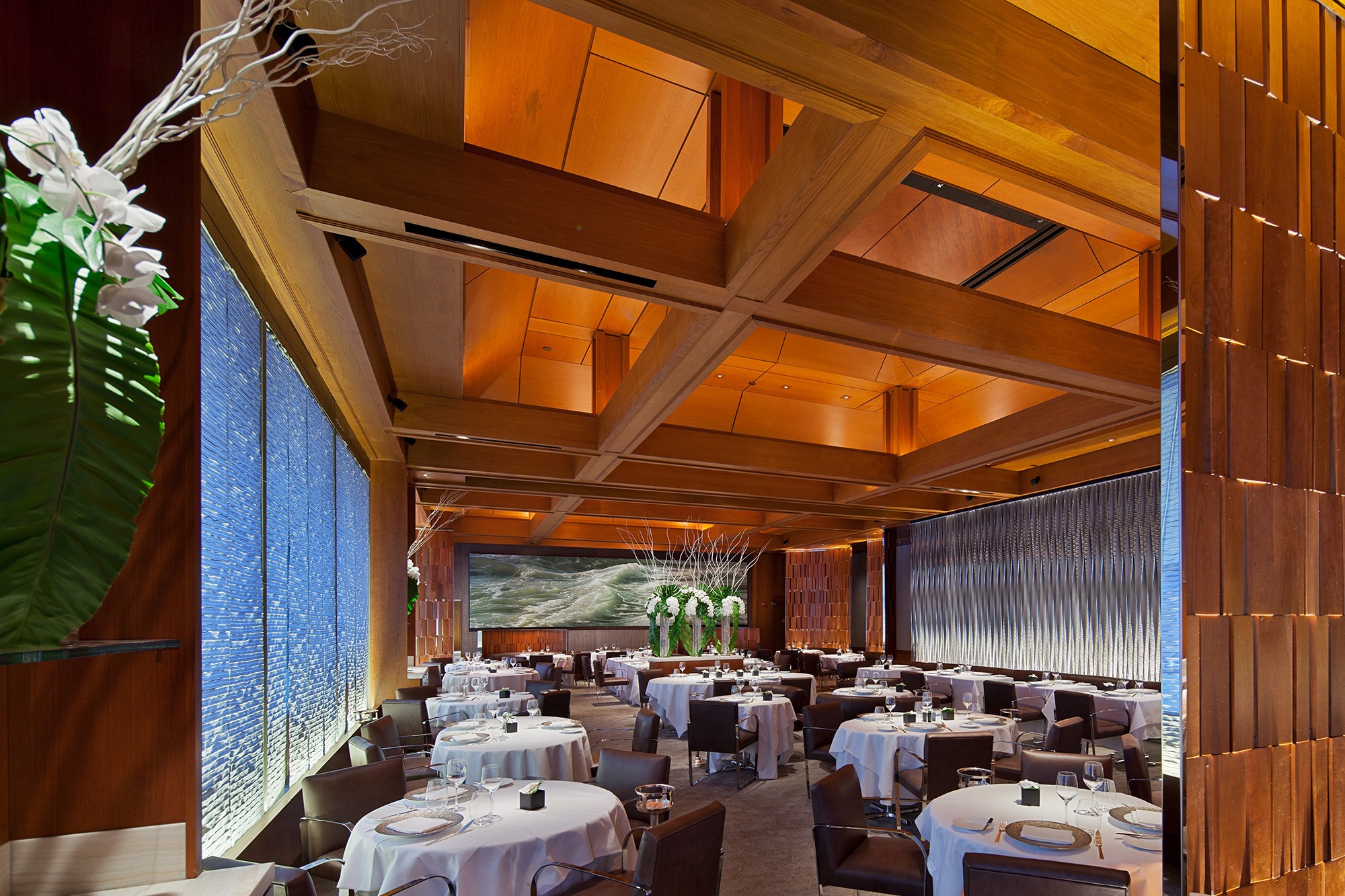
French Seafood Fine Dining
Le Bernardin
New York City, United States
★★★ · 50 Best
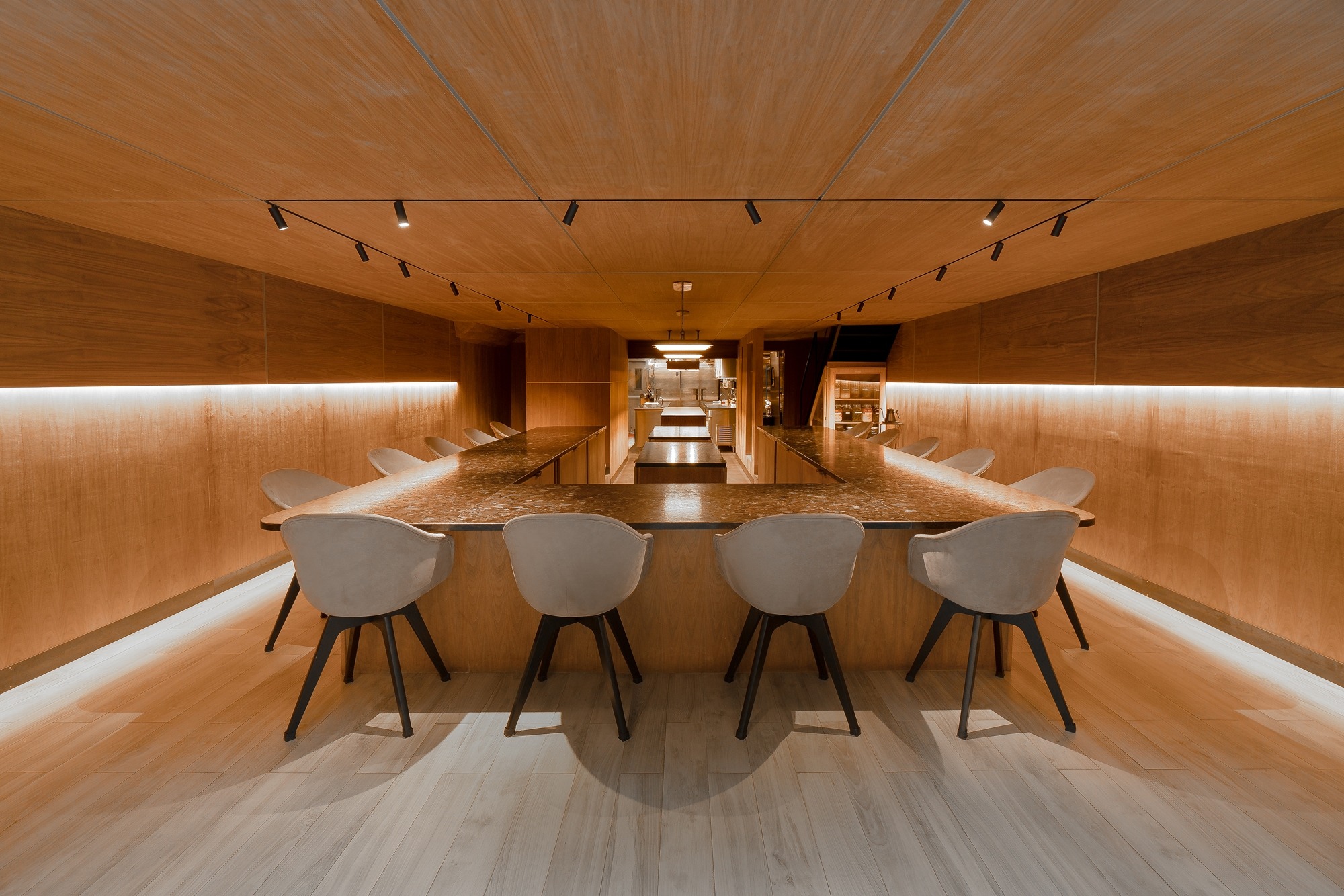
Modern Korean Tasting Menu
Atomix
New York City, United States
★★ · 50 Best
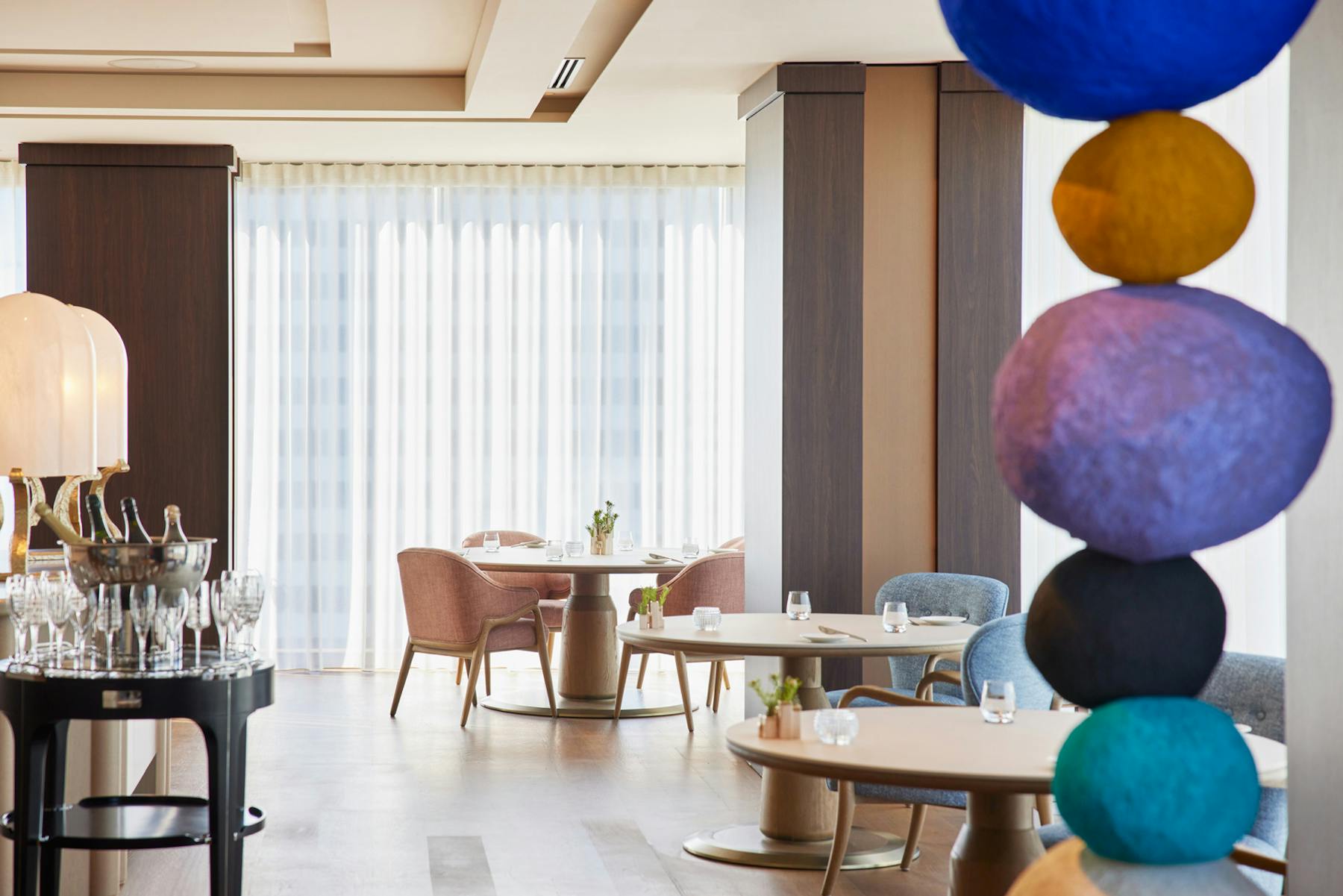
French
Sézanne
Tokyo, Japan
★★★ · 50 Best
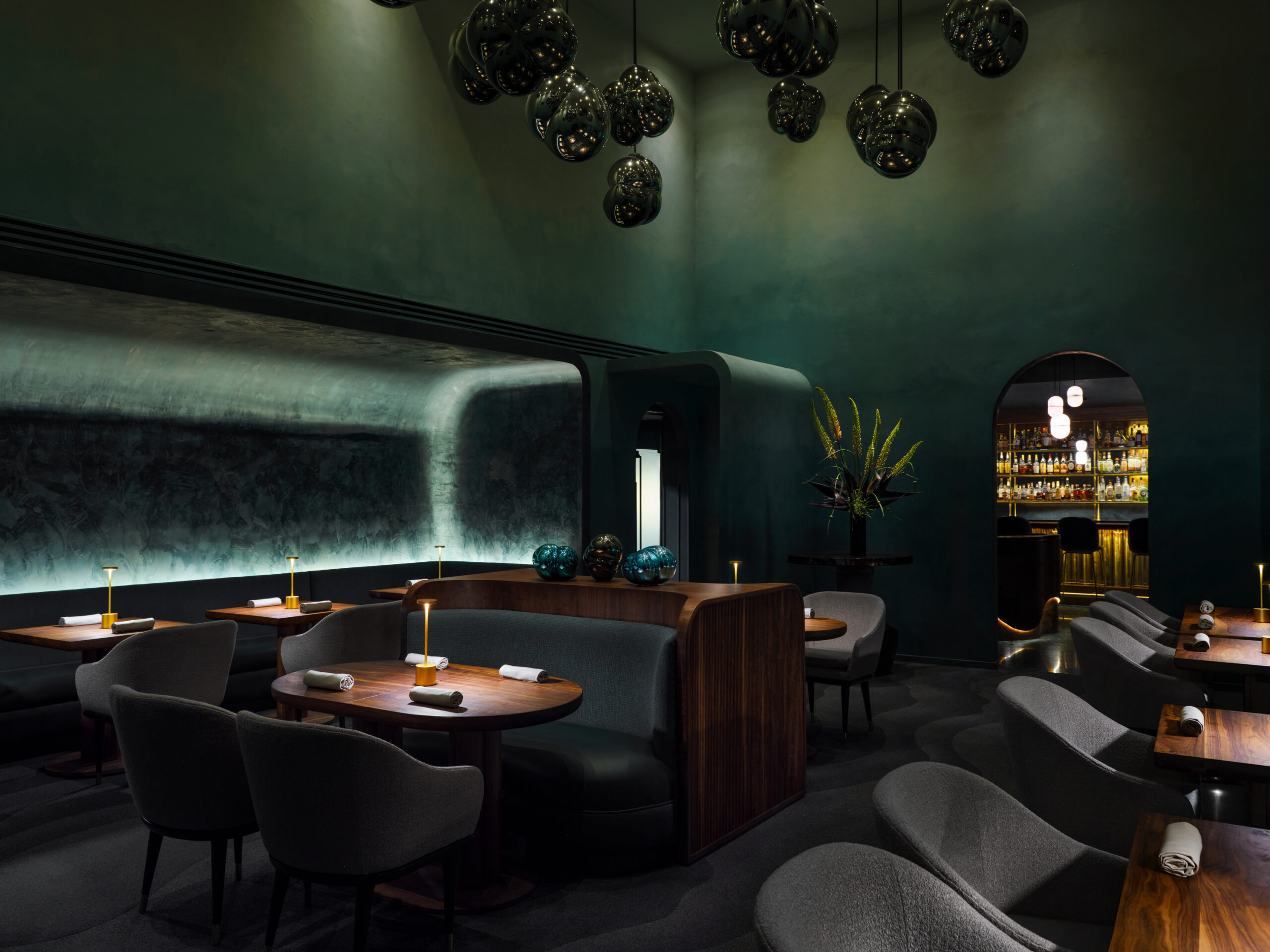
Modern Seafood Fine Dining
Providence
Los Angeles, United States
★★★ · 50 Best