Made ByRestaurant
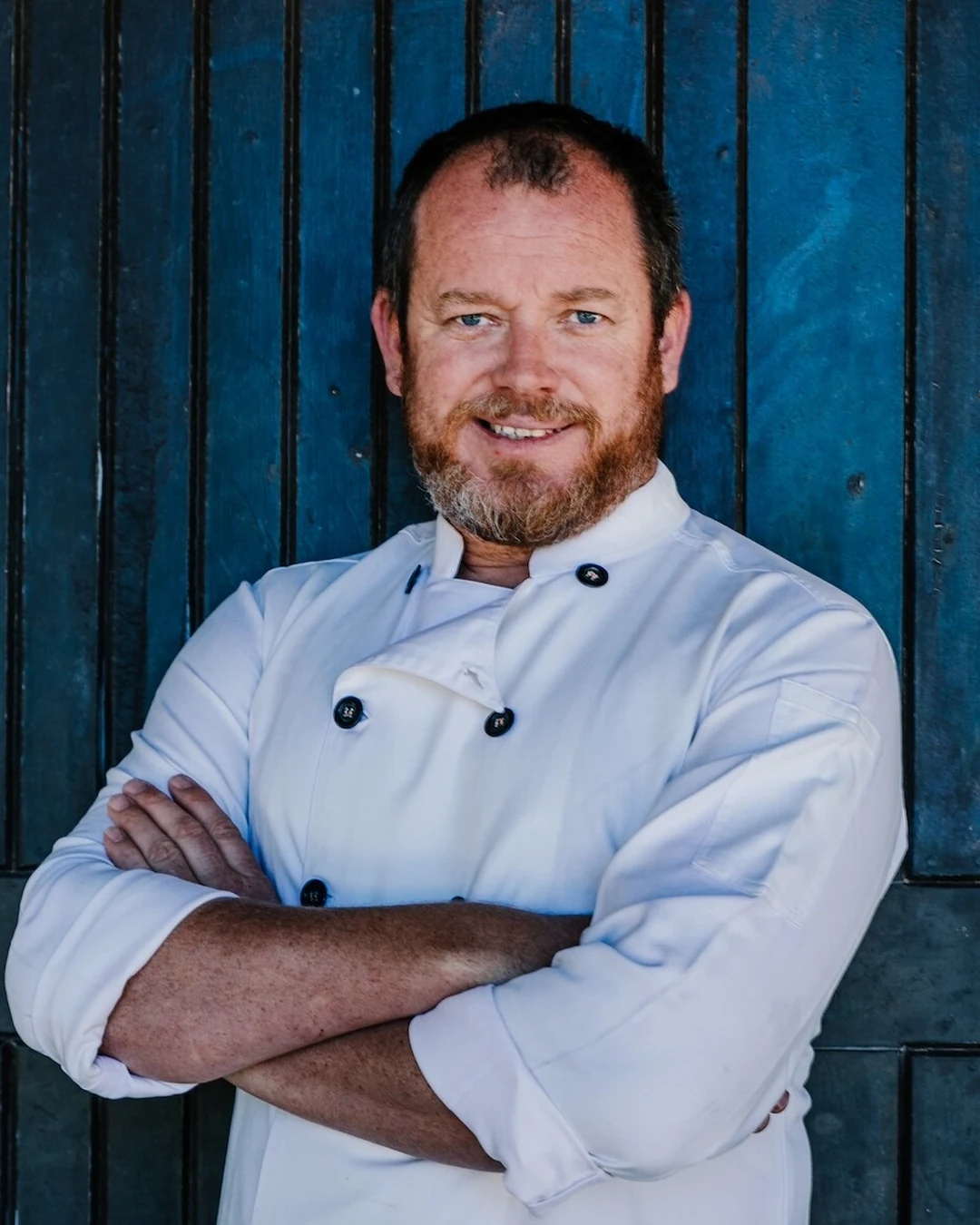
Will Meyrick cooks as chef at Sarong Bali in Bali, translating Southeast Asian street-food sources through a disciplined restaurant pass.
At a glance
- Cuisine
- Asian Fusion
Recipes carried back to the pass
A curry paste starts as a decision before it becomes a sauce. At Sarong Bali in Bali, Indonesia, chef Will Meyrick works from that point of translation, carrying recipes gathered through travel and street-food practice into a restaurant pass built for repeatable service. His route into the kitchen did not begin as a straight culinary apprenticeship. Art College gave him a way of thinking about composition, proportion, surface and frame; London kitchens under Gordon Ramsay and Marcus Wareing gave him pressure, systems and the discipline of doing the same action well when the room is full.
That training matters at Sarong because the cooking asks for two kinds of attention at once. Meyrick has long worked with dishes tied to places visited and people encountered across Asia, but the point here is not collection. The craft sits in keeping a reference point intact while changing its setting: a street-food source moved to a dining room, a traditional dish held inside a modern restaurant rhythm, a memory of heat, smoke, spice or texture made stable enough to leave the pass again and again. Sarong began that work in 2008, and it remains the base from which his wider restaurant group grew in 2014.
Street food under restaurant pressure
The program at Sarong rests on Southeast Asian cooking, with visible pull from Indonesian, Indian, Thai and other regional forms rather than a single national frame. The house is described as Asian fusion, but the better word inside the kitchen is translation. Meyrick’s practice has been to look at traditional dishes and authentic recipes first, then bring them into a dining format without sanding off the reason they travelled with him in the first place.
That can mean curry work with Indian influence, Thai-inspired menu changes, lamb curry, crispy chicken, and the sort of spice structure that has to register clearly before garnish or plating has any force. The restaurant’s discipline is not novelty for its own sake. It is the patience of carrying source material through prep, service and repetition until the dish still points back to its origin while belonging to Sarong’s room. The London brigade years show up there, not as a style of food, but as a way of holding standards under pressure.
Two pavilions, low light, green edges
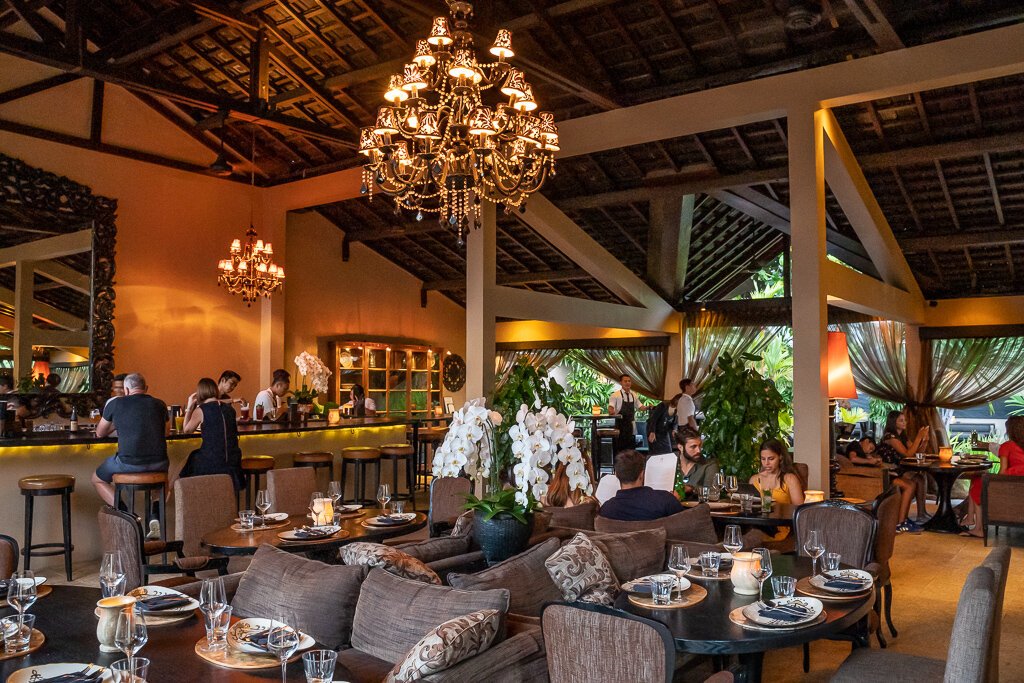
The room at Jl. Petitenget No.19X works around two pavilions, a full bar, low dinner light and a softened edge of greenery. Guests describe the atmosphere as casual and romantic, with intimate lighting, comfortable seating and a sense of retreat from the street outside. Those details matter because Sarong’s cooking is not served as a market imitation. The place gives the dishes a different frame: darker, slower, more composed, with the counter and the pass carrying the movement that the dining room absorbs.
In that setting, the craft is felt in contrast. Street-food references arrive with restaurant timing; spice and texture move through a room arranged for lingering; the hands in the kitchen keep their attention on the source rather than the decoration around it. The next measure here is the same one Meyrick set when Sarong opened in 2008: whether each dish can still carry the memory of the road back to Jl. Petitenget No.19X.
Address
Jl. Petitenget No.19X, Kerobokan Kelod, Kec. Kuta Utara, Kabupaten Badung, Bali, Bali, Indonesia
In residence
Similar places
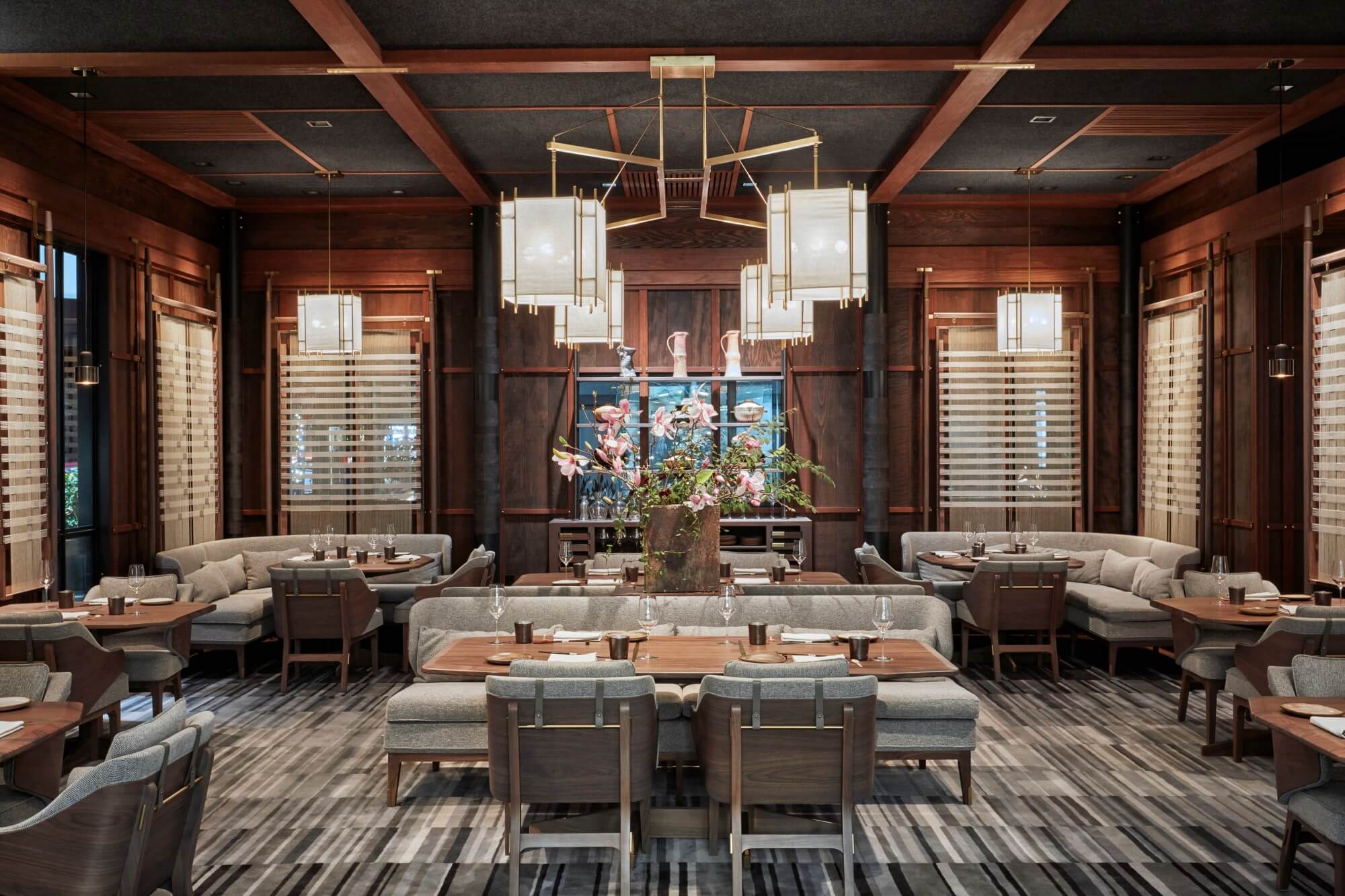
Japanese-influenced Californian Kaiseki
Single Thread Farm
Healdsburg, United States
★★★ · 50 Best
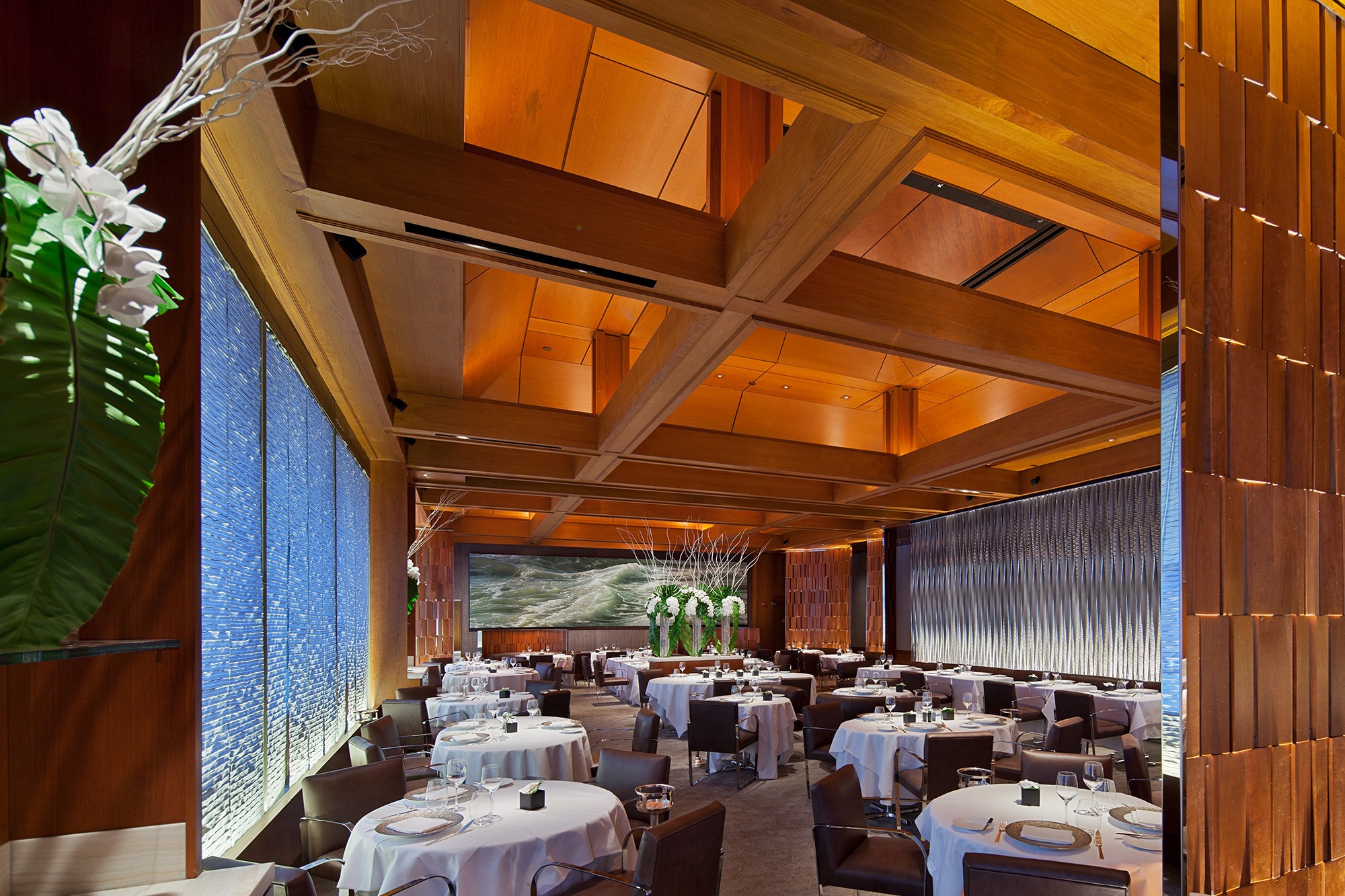
French Seafood Fine Dining
Le Bernardin
New York City, United States
★★★ · 50 Best
Modern Korean Tasting Menu
Atomix
New York City, United States
★★ · 50 Best
French
Sézanne
Tokyo, Japan
★★★ · 50 Best
Modern Seafood Fine Dining
Providence
Los Angeles, United States
★★★ · 50 Best
Contemporary Plant-Based Fine Dining
Eleven Madison Park
New York City, United States
★★★ · 50 Best