Made ByRestaurant
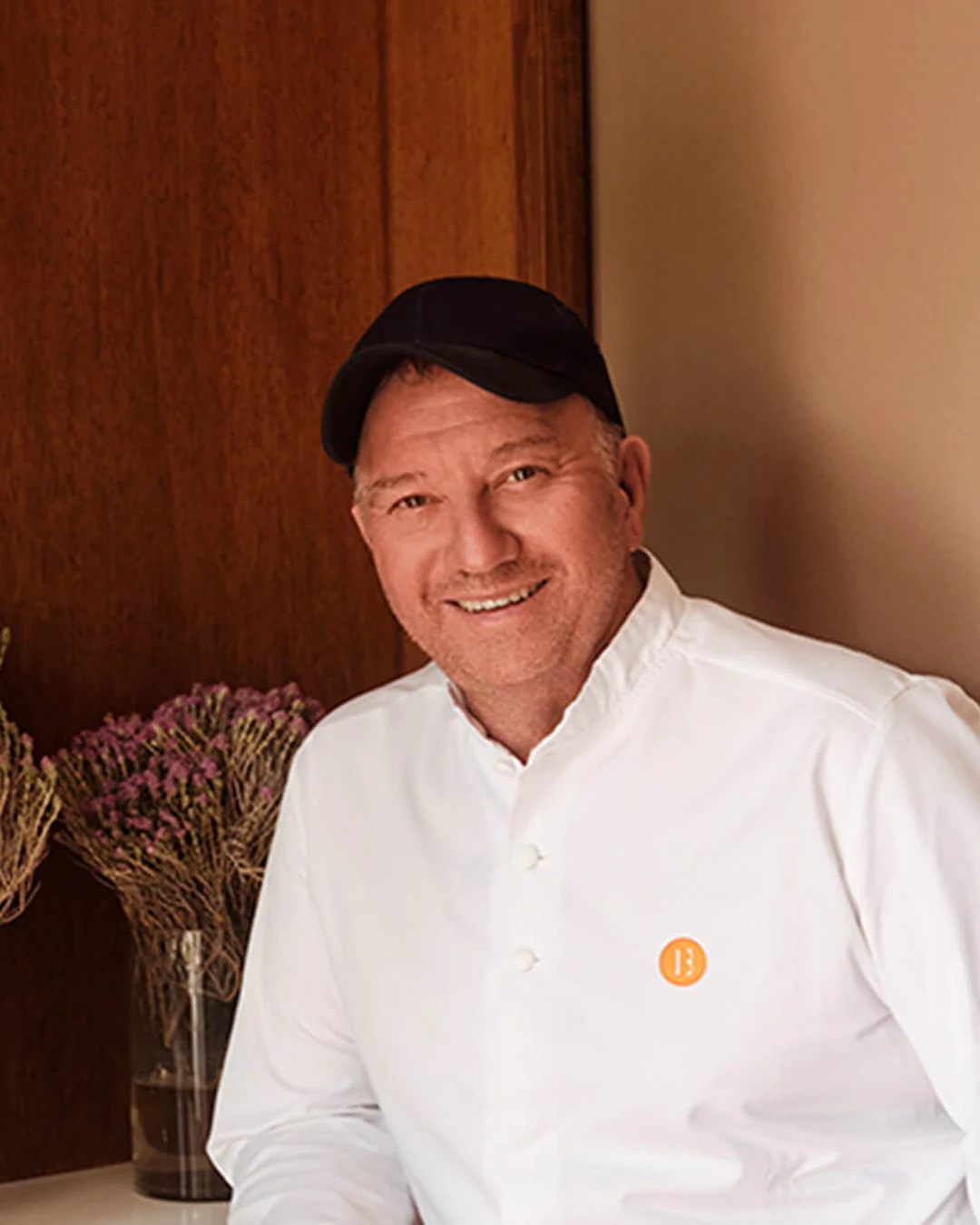
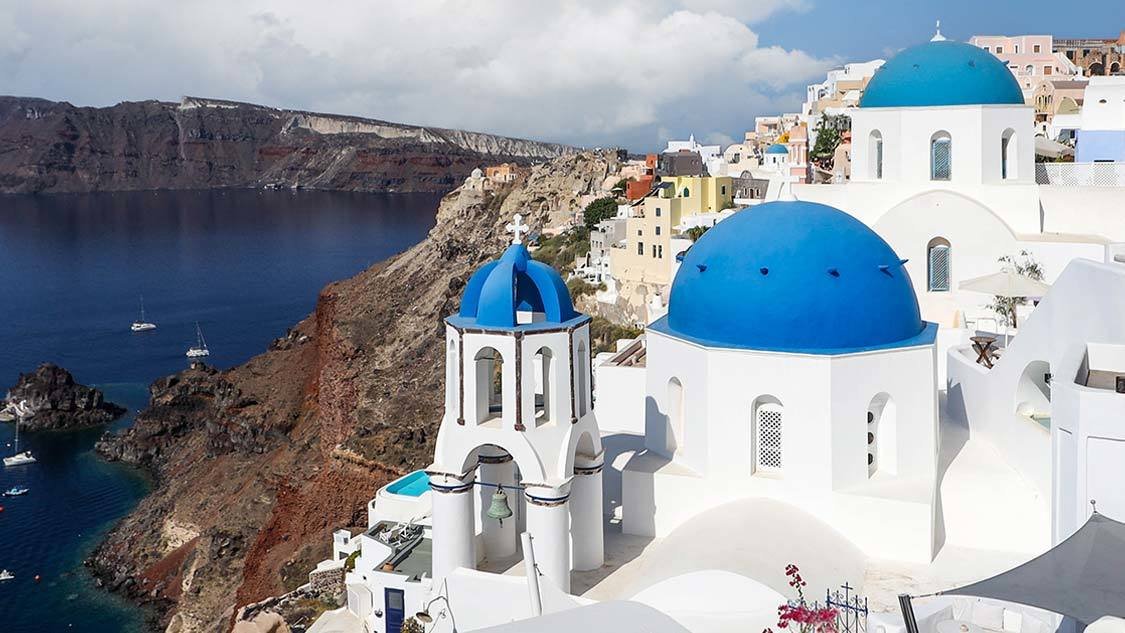
Ettore Botrini cooks as Chef at Selene in Santorini, bringing Lausanne training and Corfu family lineage to Cycladic ingredients.
At a glance
- Cuisine
- Contemporary Greek
A Santorini station held since 2021
Ettore Botrini sets Santorini produce inside a contemporary Greek line as Chef at Selene in Santorini, working from Fira with the island close to the pass. Ettore Botrini has led the kitchen here since 2021, bringing a formation that began at Ecole Hôtelière de Lausanne and continued at Etrusco, the family restaurant in Corfu that gave his cooking its other discipline. One side is school, the other is family service. Selene asks him to hold both while reading a volcanic island in present tense.
His wider map matters because it shows how he treats place. At Botrini's Restaurant in Athens, where he has been Executive Chef and owner since 2011, dishes carry personal memory and narrative cards arrive before each course. That Athens restaurant earned one Michelin star in the 2014 Michelin Guide, an award attached to that house. At Selene, the same habit of memory meets Cycladic material rather than autobiography alone. The work is not a transfer from Athens to Fira; it is an adjustment of method, with Santorini supplying the ingredients, the texture, and the restraint.
Volcanic ingredients at the pass
The kitchen works in a contemporary Greek language shaped by the Aegean and by the island's volcanic ground. Published dishes have included red mullet with wild fennel pesto, zucchini, and pistachio, and milk-fed lamb with Tinos artichokes, chickpeas, and sage. The combinations are precise enough to show the station: fish against herb, lamb against legume, island produce against a wider Cycladic pantry. Tasting menus carry that work in sequence, but the pressure point is still the ingredient and what the hands decide to do with it.
Selene's wine program keeps the same local argument. The list places weight on bottles made around the island, and includes Selene Santorini Cuvée Privée, a white wine created with Venetsanos winery. That matters in this room because Santorini is not a neutral backdrop; its vines, acidity, and volcanic soils are part of the grammar. The plate and the glass return to the same question from different benches: how much of the island can remain intact while the method moves forward.
The room inside the monastery
The restaurant sits within Katikies Garden Hotel in Fira, inside a restored 18th-century Catholic Monastery. The building gives the meal a particular pace before a dish reaches the table. Stone, courtyard, fountain, and open kitchen pull in different directions, one toward quiet enclosure, the other toward the visible work of service. The room does not need to announce luxury. It has walls with their own memory.
From the counter of the kitchen, Botrini's cooking has to meet that setting without becoming period theatre. The courtyard can carry stillness; the pass cannot. Plates move from a contemporary station into a house with older proportions, and the contrast is the point. Selene has been part of Santorini's dining life for more than 40 years, and Botrini's chapter keeps the restaurant anchored to the island through red mullet, Tinos artichokes, and Selene Santorini Cuvée Privée.
Address
Old catholic monastery, Thira 847 00, Greece
In residence
Similar places
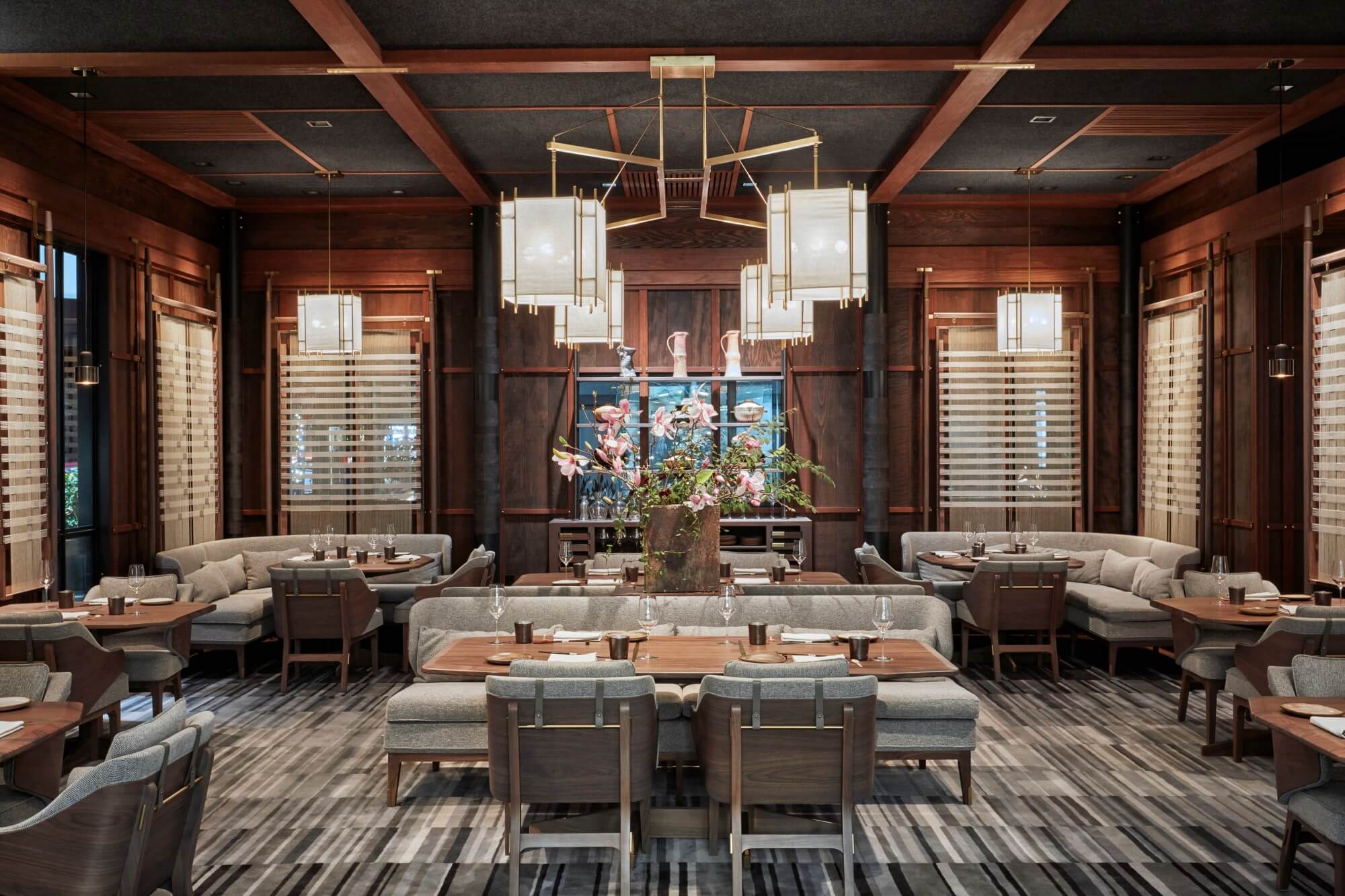
Japanese-influenced Californian Kaiseki
Single Thread Farm
Healdsburg, United States
★★★ · 50 Best
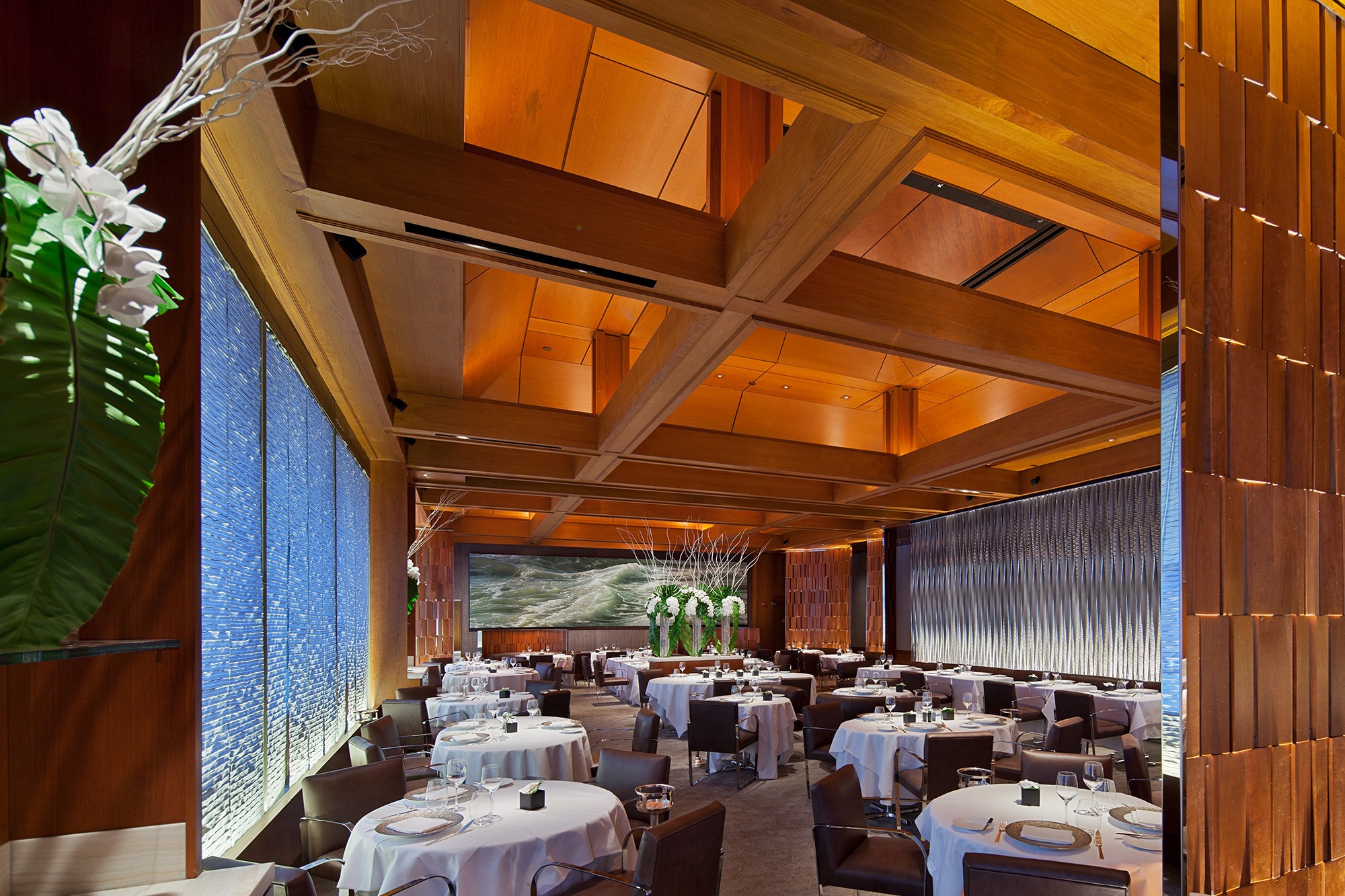
French Seafood Fine Dining
Le Bernardin
New York City, United States
★★★ · 50 Best
Modern Korean Tasting Menu
Atomix
New York City, United States
★★ · 50 Best
French
Sézanne
Tokyo, Japan
★★★ · 50 Best
Modern Seafood Fine Dining
Providence
Los Angeles, United States
★★★ · 50 Best
Contemporary Plant-Based Fine Dining
Eleven Madison Park
New York City, United States
★★★ · 50 Best