Small production from Paso Robles fruit
- Pearl 2 Star Prestige · 2025
Questions before the glass
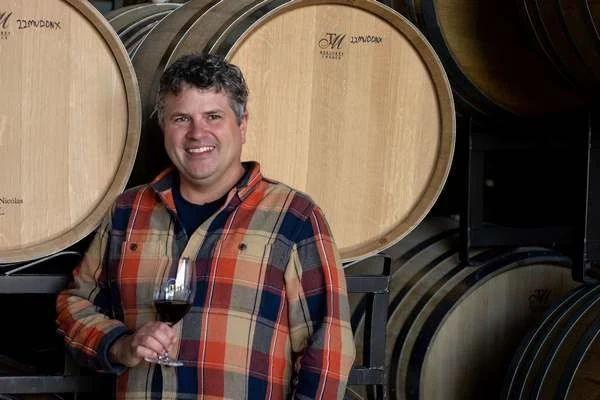
Tasting begins as a set of questions for Curtis Hascall, winemaker at Shale Oak Winery in Paso Robles, before any finished wine has a name. He has described the act plainly: a winemaker tastes by asking, then deciding what the wine needs next. That habit suits a cellar built around small production, where the margin for routine is narrow and the vintage has to be read rather than pressed into a house idea. Hascall trained at Cal Poly State University, then brought that practical base to Shale Oak Winery when he became winemaker in 2010. The line matters because it is not decorated. It runs from study to fruit, from Paso Robles and San Luis Obispo County into the cellar, and from repeated seasons into a method. His work here sits with growers as much as with tanks and barrels; he has said the area gives him fruit that lets him make wines he values. The phrase is modest, but it places credit in the right order. First the ground. Then the hands.
A small cellar with Paso Robles fruit
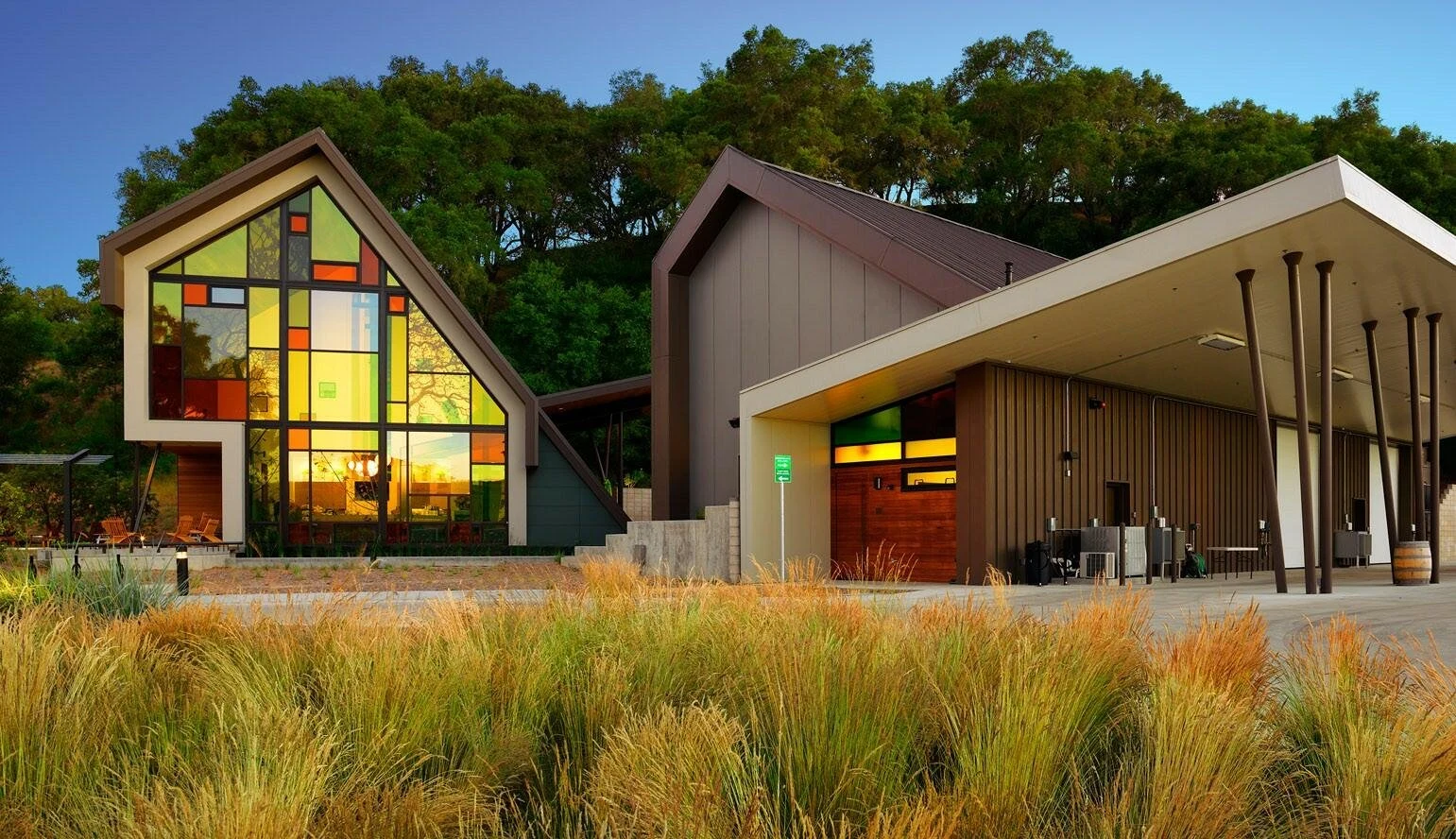
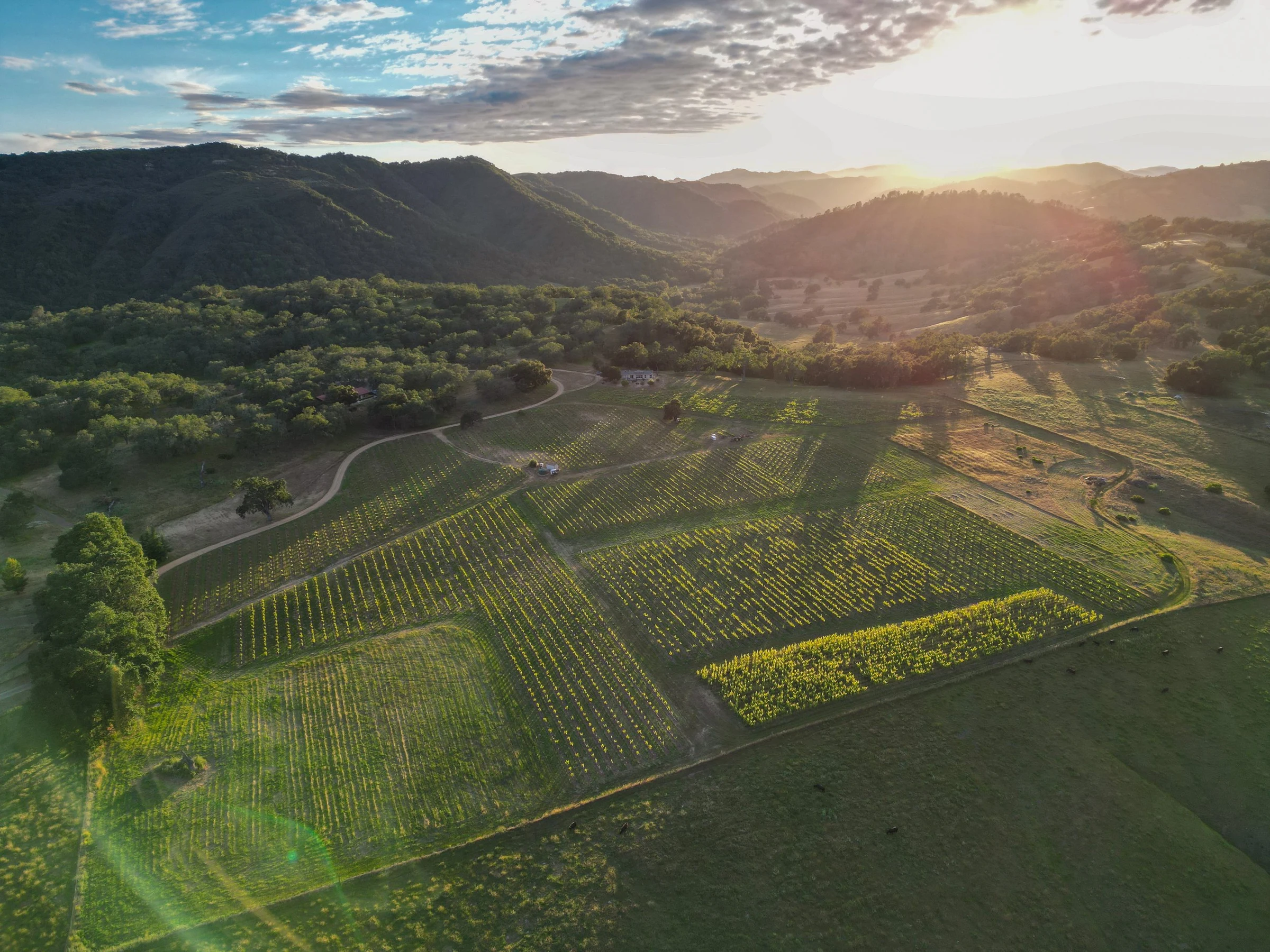
The program at Shale Oak moves through the varieties that give Hascall room to work across color and weight: Zinfandel, Syrah, Grenache, Petite Sirah, Cabernet Sauvignon, Grenache Blanc, Viognier, Rosé, and Albariño. His own profile is tied to Petite Verdot, and his signature wines include 2020 Syrah, a marker of how the cellar can hold both structure and local breadth without leaving Paso Robles. The winery describes its work as sustainable and small production, and the setting gives that claim a physical shape: a 70-acre estate with a LEED Gold-certified tasting room. The building is not a decoration added after the wine. It is part of the house discipline, an architectural choice that keeps the language of sustainability visible while Hascall’s decisions remain in the cellar, at the bench-side of taste, assessment, and correction.
The Sunday letter
Find new places through the people who run them.
Our Sunday email brings you the chefs, winemakers and hoteliers behind our newest stories. See a sample before you subscribe.
See a sample of the Sunday emailOne email a week. Unsubscribe from any issue.
Glass, shade, and the tasting room
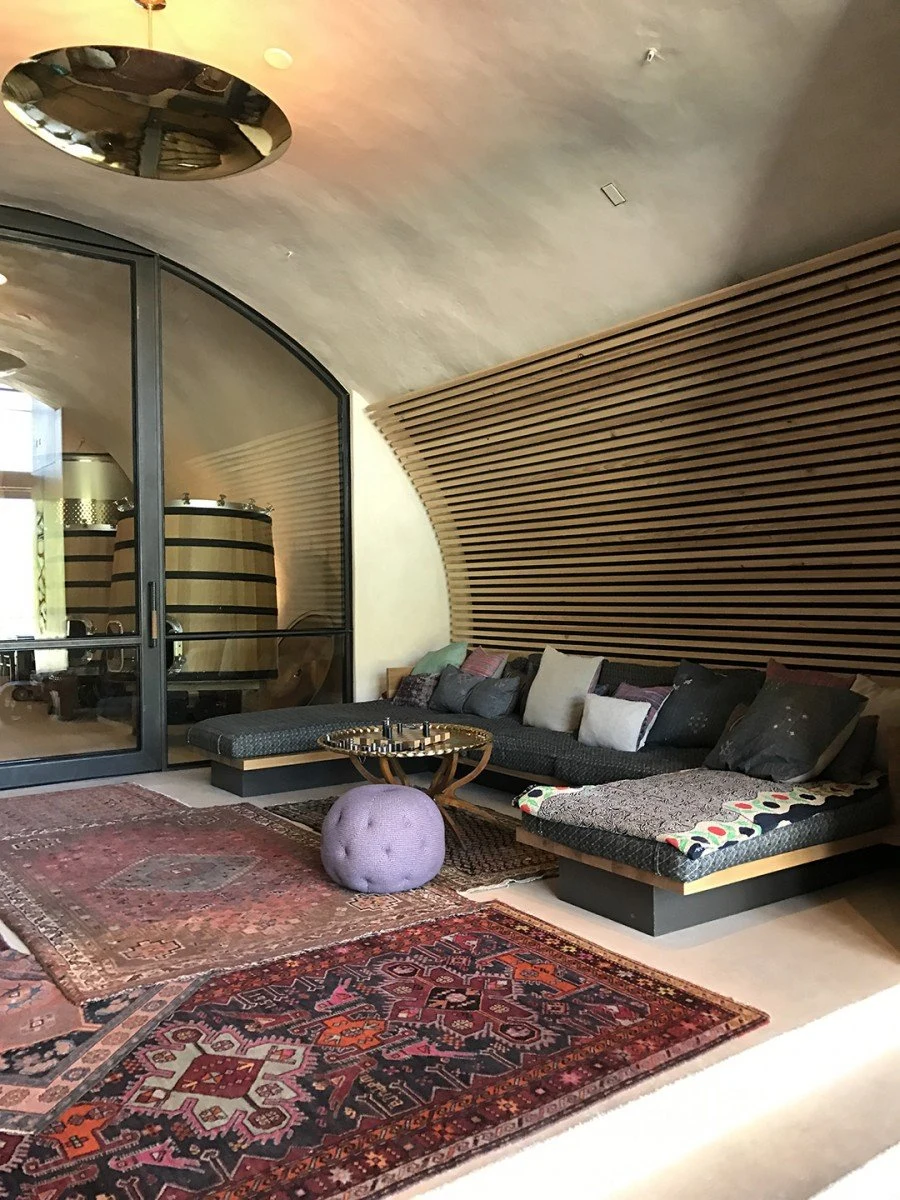
The room works quietly around the wine. Shale Oak’s tasting room is LEED Gold-certified, with stained glass, outdoor space, and views that keep the estate in the line of sight while the glass is on the table. It is a seated tasting setting, not a standing rush at the counter, and that pace suits Hascall’s way of talking about the work. The questions continue in the glass: acidity, texture, fruit, weight, finish. Outside, the estate reads as an outdoor oasis rather than a formal salon, with the architecture doing its part without trying to outshine the cellar. Paso Robles can be generous in color and heat, but this house keeps its atmosphere quiet. The craft lands best that way. A glass of 2020 Syrah has enough to hold the room.
Questions
Frequently asked
Who makes the wines at Shale Oak Winery?
Curtis Hascall is the winemaker at Shale Oak Winery in Paso Robles. He became winemaker in 2010 after training at Cal Poly State University.
What kind of wines does Shale Oak make?
The winery works with small production wines across varieties including Zinfandel, Syrah, Grenache, Petite Sirah, Cabernet Sauvignon, Grenache Blanc, Viognier, Rosé, and Albariño. Hascall’s own profile is tied to Petite Verdot, and his signature wines include 2020 Syrah.
What is the tasting room like?
Shale Oak’s tasting room is LEED Gold-certified and has stained glass, outdoor space, and views across the estate. Tastings are seated rather than a standing counter service.
Do I need a reservation at Shale Oak Winery?
Reservations are recommended.
Is there parking on site?
There is an on-site lot at Shale Oak Winery.
The field
How it compares
| Place | Notes |
|---|---|
| Shale Oak Winery | Paso Robles, $$$ |
| Booker Vineyard | Paso Robles |
| Clos Solene Winery | Paso Robles |
| DAOU Vineyards | Paso Robles |
| Ledge Vineyards | Paso Robles |
| Saxum Vineyards | Paso Robles |
| Tablas Creek Vineyard | Paso Robles |
In residence
Similar places
The Sunday letter
Get the next Made By story in your inbox.
We send one email every Sunday morning with the places and people we covered that week.
See a sample of the Sunday emailOne email a week. Unsubscribe from any issue.