Kunihiro Shimizu, chef at Shinbashi Shimizu in Tokyo, works Edo-mae sushi through red-vinegar rice and a quiet counter.
- Opinionated About Dining Top Restaurants in Japan Ranked #121 · 2026
Rice held to an older line
Shari seasoned with red vinegar and salt meets the fish at Kunihiro Shimizu's counter; as chef at Shinbashi Shimizu in Tokyo, he keeps the gesture close to Edo-mae discipline. The rice carries aroma and sourness before the cut lands on it, and the pinch of salt matters because the work asks for balance rather than display. Shimizu's path was set by an autobiography written by the predecessor of Tsuruhachi, a sushi master whose account gave him more than admiration for an older craft. It gave him a frame for reading sushi as temperament, routine, and a way of standing at the counter.
That influence shows in the restraint of the house. Shimizu works within a lineage that values preparation before service, directness during service, and calm repetition across the meal. He is owner and sushi chef here, not a figure removed from the pass. The counter is his bench. The habits that govern the work, the ordering of ingredients, the temperature of the rice, the clean line of a cut, have already begun before the first piece reaches a guest. How long he has held this station is not something the restaurant states, but the method reads as time on the tools rather than performance.
Red vinegar, shellfish, and the cut
The program at Shinbashi Shimizu rests on classic Edo-mae sushi and seafood, with nigiri as the main grammar. The shari is seasoned with red vinegar and a pinch of salt, giving the rice a clearer edge of aroma and sourness than a softer rice would allow. The fish has to answer that edge. Aori-ika, kohada, torigai, tairagai, anago, hamaguri, and tuna cuts are among the pieces associated with the counter, each one depending on a different pressure of knife, hand, and timing.
Shellfish has a particular place in Shimizu's work. Hamaguri appears not only as sushi, but also in an owan built on hamaguri dashi, the kind of broth that exposes any excess. The tamago closes another part of the method: sweet egg omelet, familiar in form, unforgiving in execution. Nothing in this program needs ornament to carry authority. The discipline is in proportion, temperature, and the small adjustment between rice and topping at the moment of service.
Eight seats facing the bench
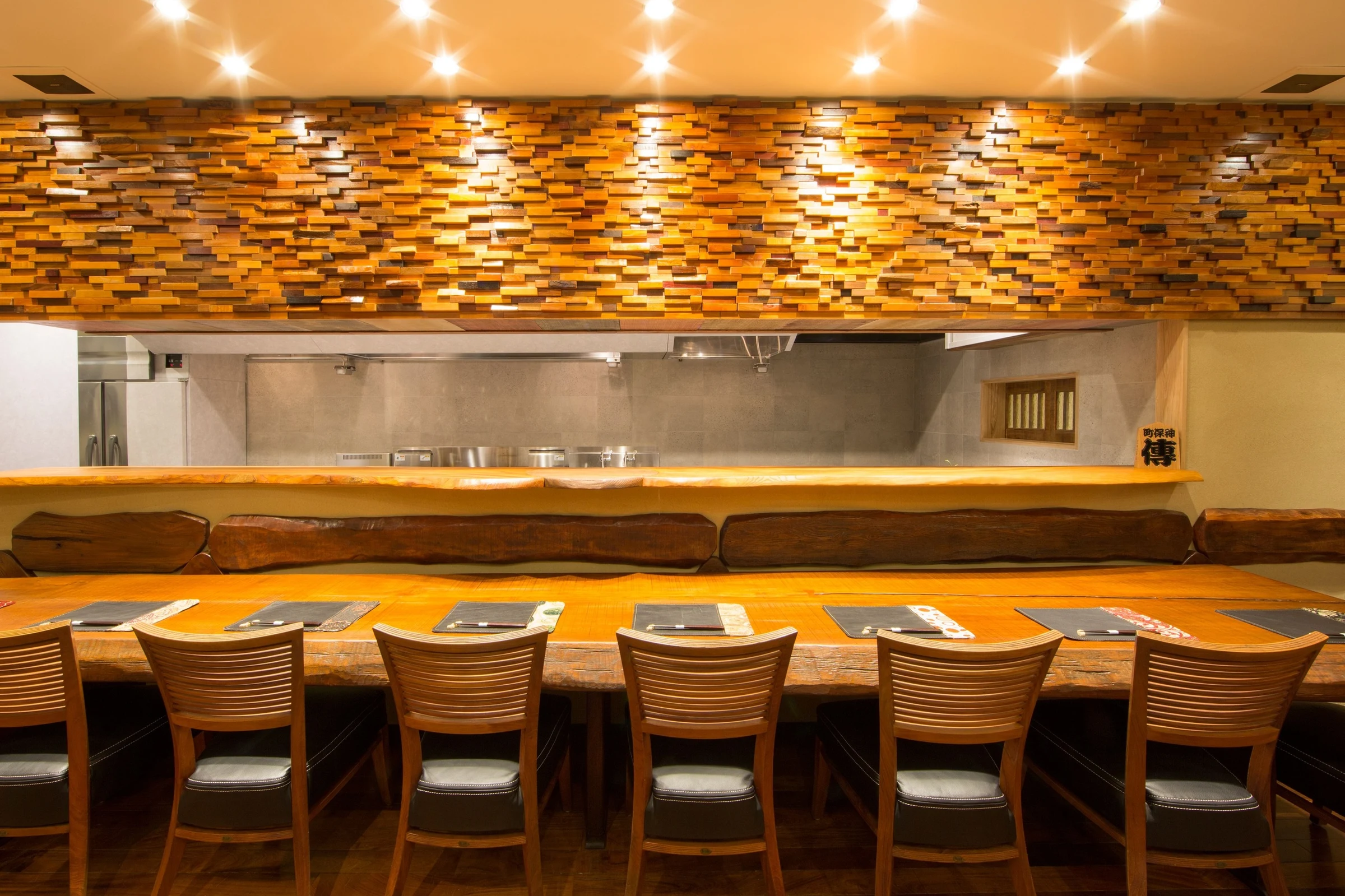
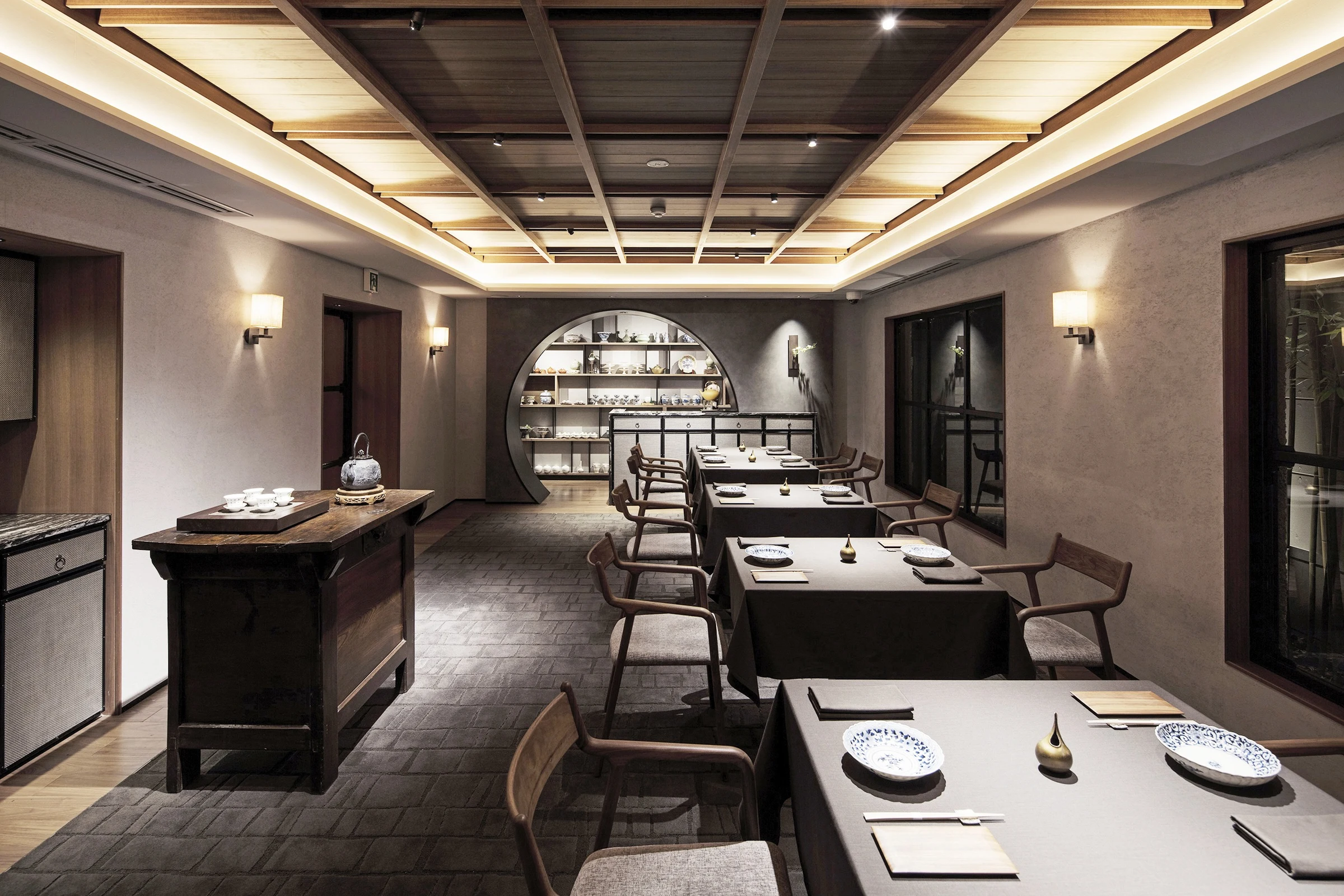
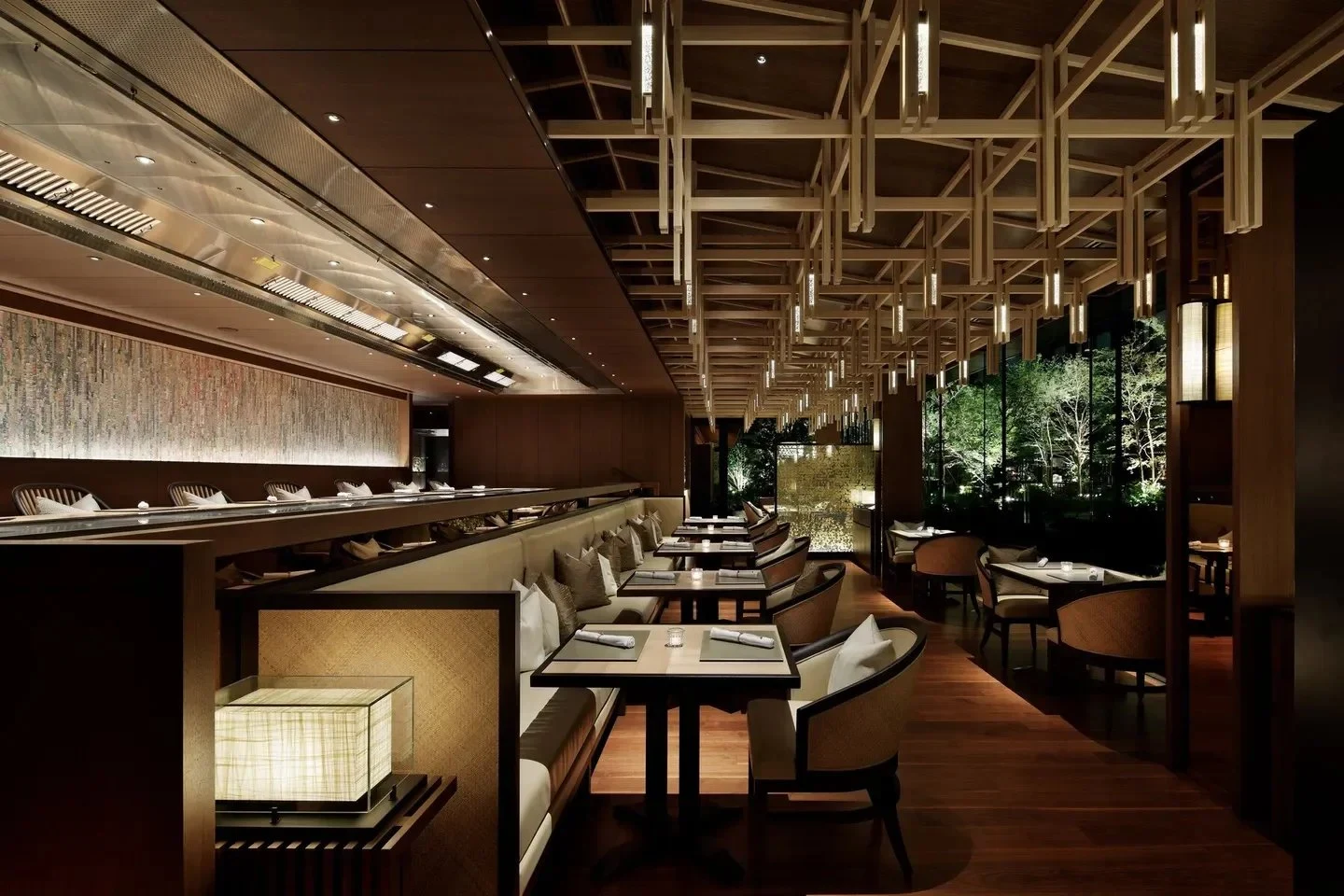
The room is small, with eight counter seats set close enough for the work to stay visible without becoming theatre. Shinbashi places the restaurant in a busy district, near Karasumori Shrine, but the counter holds a quieter tempo once service begins. The guest faces the bench, the chef faces the sequence, and the exchange remains direct: rice to hand, fish to rice, piece to counter.
Photography is not part of the room's rhythm, and that absence changes the attention. The eye stays on the line of the knife and the way each piece is offered. In a sushi room of this size, sound also matters: the small movement of a plate, the hush around the rice tub, the pause before anago. The piece leaves Shimizu's hand, still warm at the rice and carrying hamaguri dashi in the meal's memory.
Questions
Frequently asked
Who is behind the counter at Shinbashi Shimizu?
Kunihiro Shimizu is the owner and sushi chef at Shinbashi Shimizu in Tokyo, and he works the counter himself.
What kind of sushi does the restaurant serve?
The restaurant focuses on classic Edo-mae sushi and seafood, with nigiri as the main form.
What is distinctive about the rice here?
The shari is seasoned with red vinegar and a pinch of salt, which gives the rice a clearer aroma and sourness.
What is the dining room like?
The room is small, with eight counter seats facing the bench, and the setting is quiet once service begins.
The field
How it compares
| Place | Cuisine | Awards | Notes |
|---|---|---|---|
| Shinbashi Shimizu | Sushi | · | · |
| Den | Modern Japanese Kaiseki | Michelin 2 Stars, World's 50 Best | Tokyo |
| Florilège | Modern French-Japanese Plant-Based Fine Dining | Michelin 2 Stars, World's 50 Best | Tokyo |
| Narisawa | Modern Japanese Satoyama Fine Dining | Michelin 2 Stars, World's 50 Best | Tokyo |
| Quintessence | Modern French Fine Dining | Michelin 3 Stars | Tokyo |
| Sazenka | Modern Chinese Fine Dining | Michelin 3 Stars, World's 50 Best | Tokyo |
| Sézanne | French | Michelin 3 Stars, World's 50 Best | Tokyo |
In residence
Similar places
Modern Japanese Kaiseki
Den
Tokyo, Japan
★★ · 50 Best
Modern French-Japanese Plant-Based Fine Dining
Florilège
Tokyo, Japan
★★ · 50 Best
Modern Japanese Satoyama Fine Dining
Narisawa
Tokyo, Japan
★★ · 50 Best
Modern French Fine Dining
Quintessence
Tokyo, Japan
★★★
Modern Chinese Fine Dining
Sazenka
Tokyo, Japan
★★★ · 50 Best
French
Sézanne
Tokyo, Japan
★★★ · 50 Best